

The Front Row: Comedy’s Most Dangerous Real Estate
As comedian Brian Callen put it plainly, “Don’t show up in the front row with a mustache if you don’t want to talk about it.” That’s precisely why the front row of comedy venues tends to be the last one to fill up. On a cruise ship, where the comedy club is an intimate dedicated lounge rather than a sprawling auditorium, that effect is even more pronounced.
There’s a reason some show-goers feel real anxiety when comedy clubs seat them in the front row. They know comics will talk to them, and they tense up, which is not good for the show. A cruise ship comedian, however, is in an unusual position of power: the person they pick on has to see them again at breakfast.
Why the Front Row Gets the Most Attention at Sea
For good performance reasons, comedians prefer audiences to center close in front of the stage. Audiences, aware of the more aggressive comedian, tend to opt for seats safely away from the stage and its lights. On a cruise, though, the late-night adult shows fill up quickly, meaning your seat options narrow and the front row sometimes becomes unavoidable.
Comedians or single performers can be viewed satisfactorily from the front rows. Sitting up close is good for single performers such as a violinist or pianist or comedian, but not for shows that require the entire stage. The closeness that makes the experience feel electric is exactly the same closeness that puts you squarely in a comedian’s line of sight.
The Aisle Seat Trap

Aisle seats feel like a smart choice. Easy exit, more leg room, a sense of physical control over your evening. Cruise ship comedians know this, and many will walk the aisle during their set precisely because it’s the most accessible path between them and the audience. An aisle seat puts you within arm’s reach at the exact moment a comedian decides to roam.
The late-night adults-only comedy shows are consistently the best entertainment on any cruise ship. The comedians are looser, the crowd is more engaged, and the material is significantly funnier than the family-friendly sets. A looser comedian is also a more spontaneous one, and spontaneous comedians tend to wander. Sitting on an aisle during a late show is essentially volunteering.
The Couple Sitting Directly Center
Couples seated dead center, two seats in, are a comedian’s natural second target after the front row. They’re easy to read, they’re visually balanced on stage, and the dynamic between two people offers a comedian a ready-made story. Any obvious honeymoon couple, anniversary couple, or awkward first-date pairing is particularly visible to a performer scanning the room for material.
Big Jay Oakerson’s 2025 comedy special is built almost entirely on crowd work. The comic starts with about a minute of his own material, and then goes straight to the crowd. An interracial couple in the second row catches his eye immediately. Cruise ship comedians work the same instinct, gravitating toward whoever offers the most visual contrast or relatable curiosity.
The Person Who Laughs Too Loud
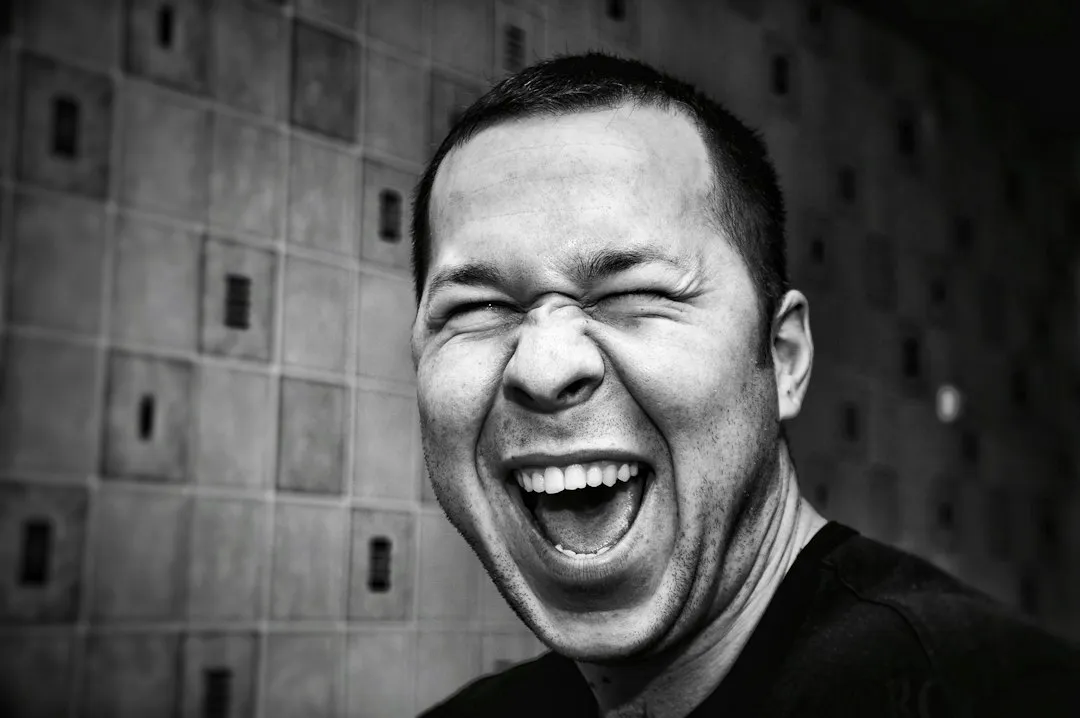
Laughter is the currency of a comedy show, so the person laughing hardest is also the person a comedian hears most clearly. On a cruise ship, where the room is comparatively small, an unusually loud laugher stands out from the first joke. That enthusiasm reads, from the stage, as an open invitation.
Sometimes crowd work ends up being an excuse for one person in the audience to believe they are now part of the show. The loud laugher often ends up playing exactly that role, not because they intended to, but because their energy made them impossible to ignore. It’s not a punishment. It’s just how a comedian’s attention naturally travels.
The Solo Traveler
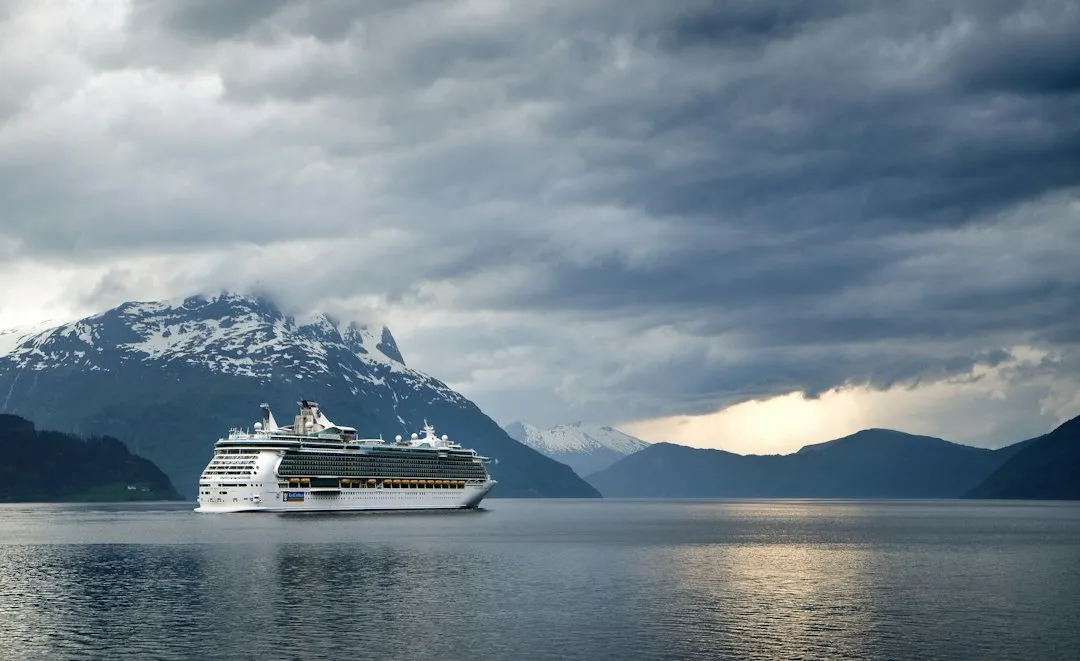
Solo cruisers are a growing presence on ships, and inside a comedy club, they’re unmistakably visible. A single person occupying a seat in a room full of pairs and groups sends a specific social signal that comedians are trained to notice. The story writes itself: who are you, what brings you here alone, where is everyone you know?
Cruise liners have both clean comedy and adult comedy at different times during the day, but opinionated political material is frowned upon. Hecklers are tolerated more in a cruise setting. That tolerance for back-and-forth makes the solo traveler an even more appealing target, since a crowd is more likely to enjoy an extended, friendly exchange rather than a quick zinger.
The Group Wearing Matching Outfits or Shirts
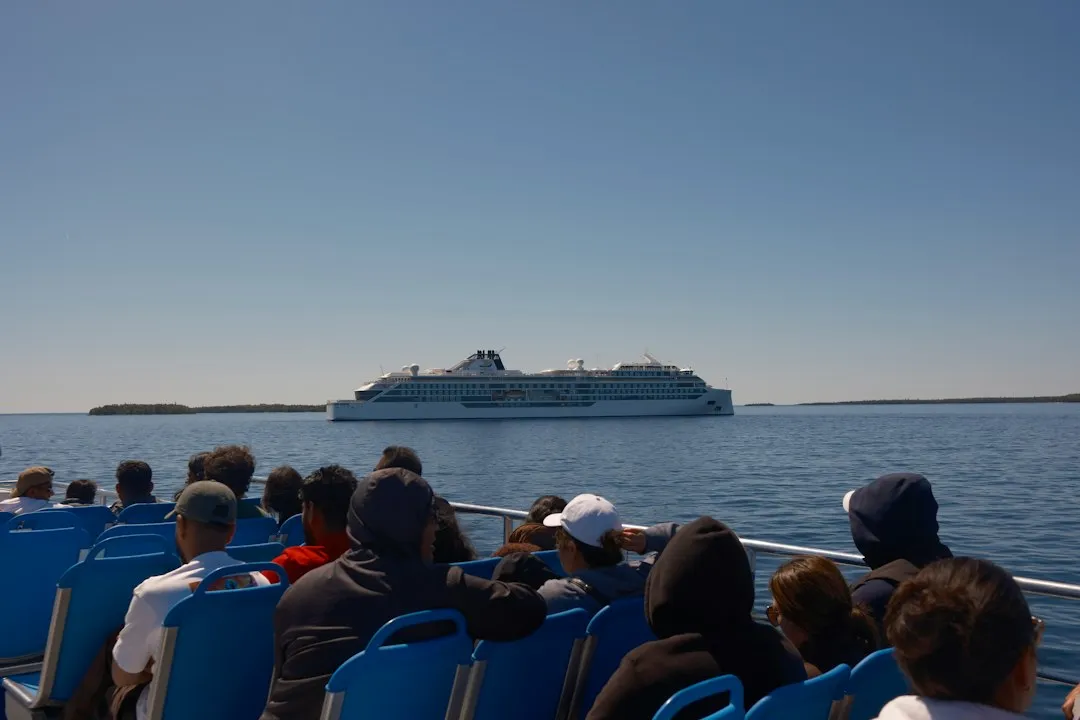
A bachelorette group in coordinated sashes, a family reunion in identical printed tees, a couples’ trip with matching cruise-themed gear: these groups walk into a comedy club advertising themselves. The comedian doesn’t have to work hard to find the story. The story is printed on your shirt.
Carnival ships feature multiple rotating comedians performing anywhere from five to thirty or more total shows depending on the length and itinerary of the cruise. With that many shows over the course of a sailing, comedians develop sharp instincts for reading a room fast. A group in coordinated outfits gives them instant material within the first ten seconds of scanning the audience.
The Person Who Arrives Late

Walking into a comedy show after it has already started is, in a land venue, mildly embarrassing. On a cruise ship, it can feel catastrophic. Seats disappear fast, and if you want a good spot, especially for the late adults-only shows, you need to arrive twenty to thirty minutes early. Standing room only is not unusual on popular nights. A late arrival means navigating a crowded, intimate room while a comedian is mid-joke, which makes you the most visible person there.
Cruise ship comedy clubs have limited space by design, so a late entrance is genuinely disruptive. A comedian who pauses for a latecomer is doing so deliberately, using the interruption as material. The laugh the late arrival generates is real, but it comes entirely at their expense.
The Person Who Tries to Avoid Eye Contact

Here’s the quiet irony of cruise ship comedy: the people who work hardest not to be noticed tend to attract attention. A person staring intently at their drink, tilting their head down, or suddenly finding their phone fascinating the moment the comedian starts scanning the room reads to a performer as deliberate avoidance. Deliberate avoidance is interesting.
There’s often a kind of audience apprehension rooted in the fear of being picked on from the stage, blended with a latent desire to be the one on stage. Comedians read body language professionally. A person shrinking into their chair is signaling something, and a good comedian can’t help but respond to it.
The Person Who Talks Back Too Cleverly

Matt Rife, who has built a significant following on the strength of crowd work, can work the front row like nobody else. What comedians across the circuit consistently report is that the audience member who offers a genuinely funny comeback becomes the show’s unofficial co-star. Cruise crowds tend to be relaxed, well-fed, and often a few drinks in, which means wit comes more freely than usual.
Stand-up comedians are selected for bookings on the basis of how clean or dirty their act is, their popularity, and their ability to draw an audience. The best cruise ship comedians are specifically chosen for adaptability and crowd instinct. Someone who talks back cleverly doesn’t embarrass the comedian; they extend the show. Expect to stay in the spotlight for a while.
The Takeaway
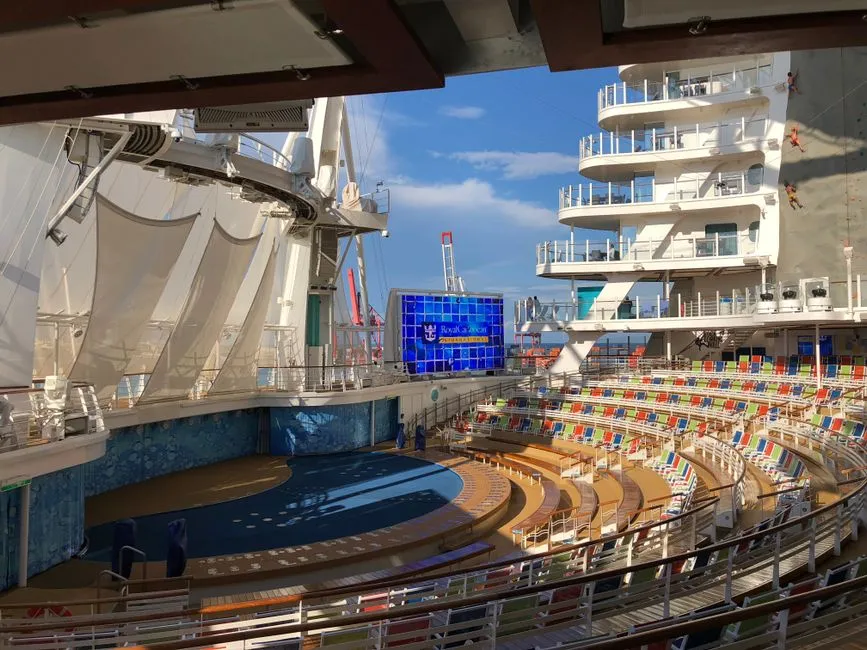
None of this is meant to frighten anyone away from a cruise ship comedy show. The opposite, really. The late-night adults-only comedy is consistently cited as the best single entertainment experience on any cruise. Being picked on in that context is almost always gentle, brief, and followed by genuine laughter from a crowd that’s on your side.
The seat most likely to get you noticed is any seat where you stand out, either by location, behavior, or appearance. If you’d rather watch from the shadows, aim for the middle of a row, somewhere toward the back third of the room, and keep your reactions warm but quiet. If you don’t mind being part of the act for a few minutes, sitting up front might just be the most memorable part of your cruise. Either way, you already know the risk. Now you can choose deliberately.
AI Disclaimer: This article was created with the assistance of AI tools and reviewed by a human editor.