

The Starting Line: STCW Basic Safety Training
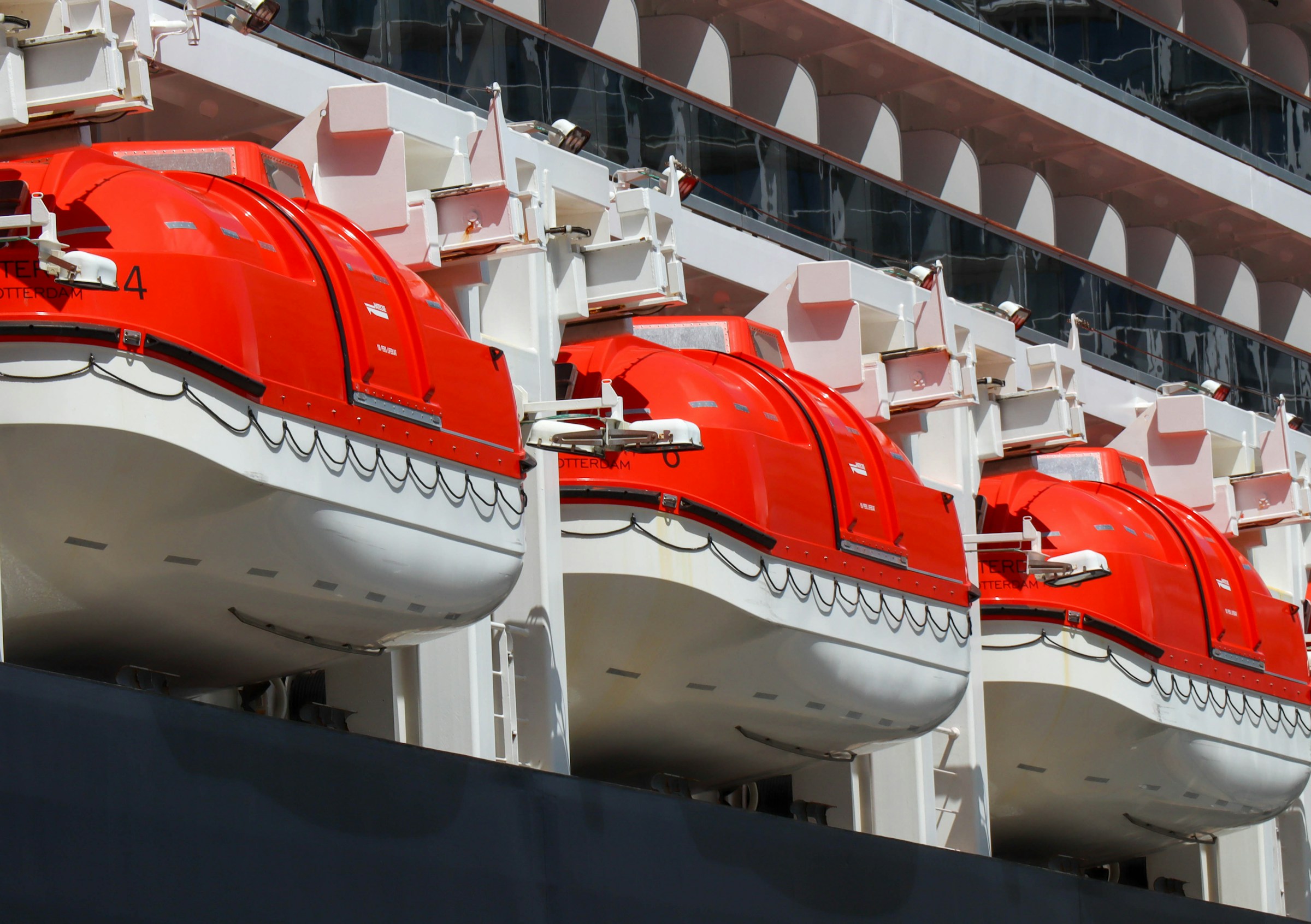
For cruise ship crew, STCW training is non-negotiable. It is a legal requirement and the first certificate employers will ask for. STCW stands for Standards of Training, Certification and Watchkeeping, a set of international rules introduced by the International Maritime Organization to ensure all seafarers meet the same minimum safety standards.
All crew members, from the Captain to the Guest Service Associate, must complete the five-day STCW Basic Safety Training. This ensures everyone on board can act decisively in an emergency. On a cruise ship, STCW applies far beyond deck officers and engine personnel. Housekeeping staff, food and beverage teams, youth staff, entertainers, spa personnel, security staff, and technical crew may all need core safety training before joining.
Why Onboarding Starts Weeks Before You Board
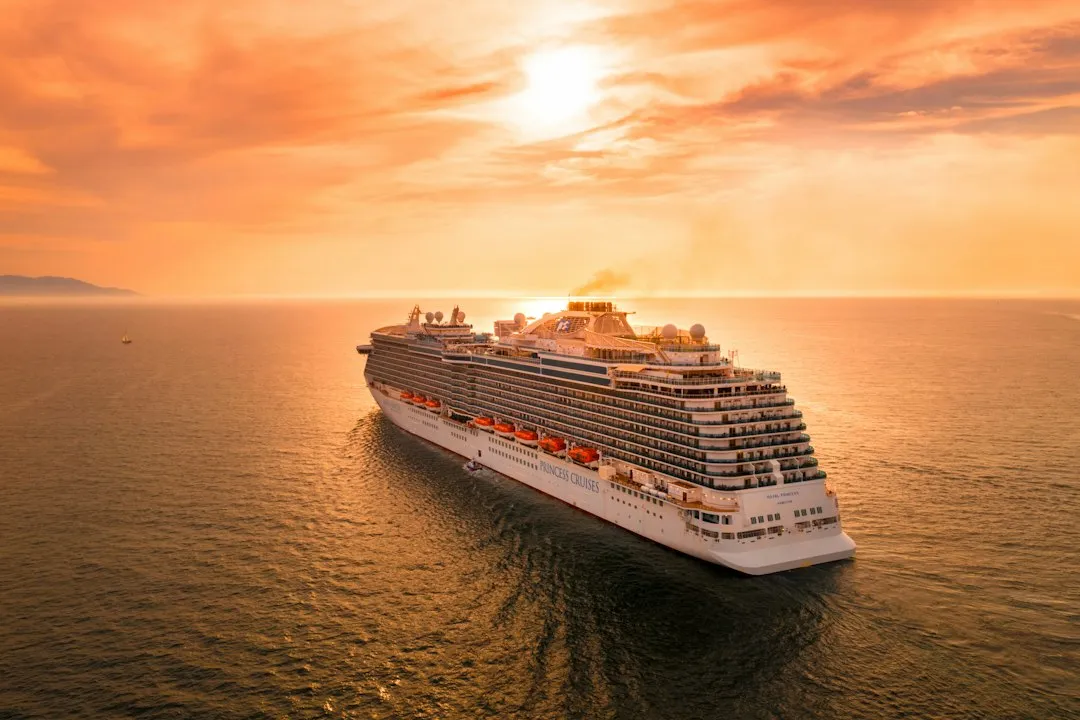
Most cruise lines begin onboarding up to two months before a crew member boards the ship. New hires undergo extensive training that covers job-specific skills, maritime safety and health procedures, and pre-arrival compliance requirements.
Substantial training takes place before crew members join the ship on their first contract, either in classrooms, online, or via apps. An extensive onboarding program begins nearly two months before a new hire steps foot on a ship. The window before departure isn’t downtime. It’s where the real foundation gets built.
Personal Survival Techniques: Knowing How to Stay Alive
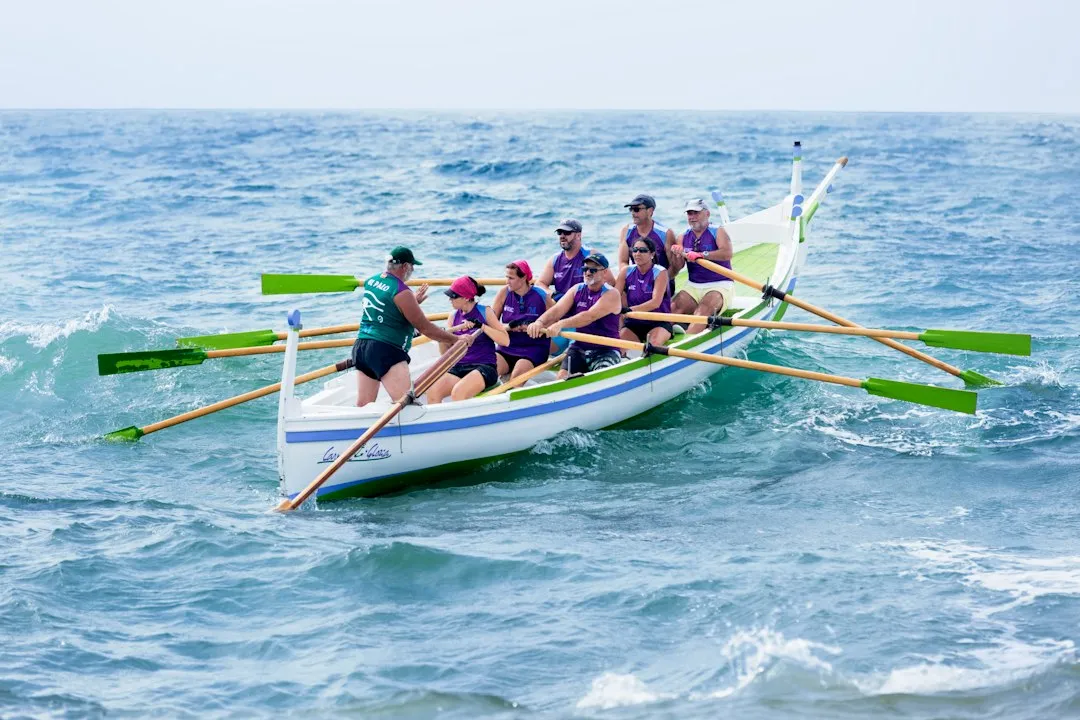
Personal Survival Techniques training teaches crew how to abandon ship safely, use a liferaft, and survive in the water. This training prepares every crew member for the unlikely, but serious, event of needing to evacuate at sea.
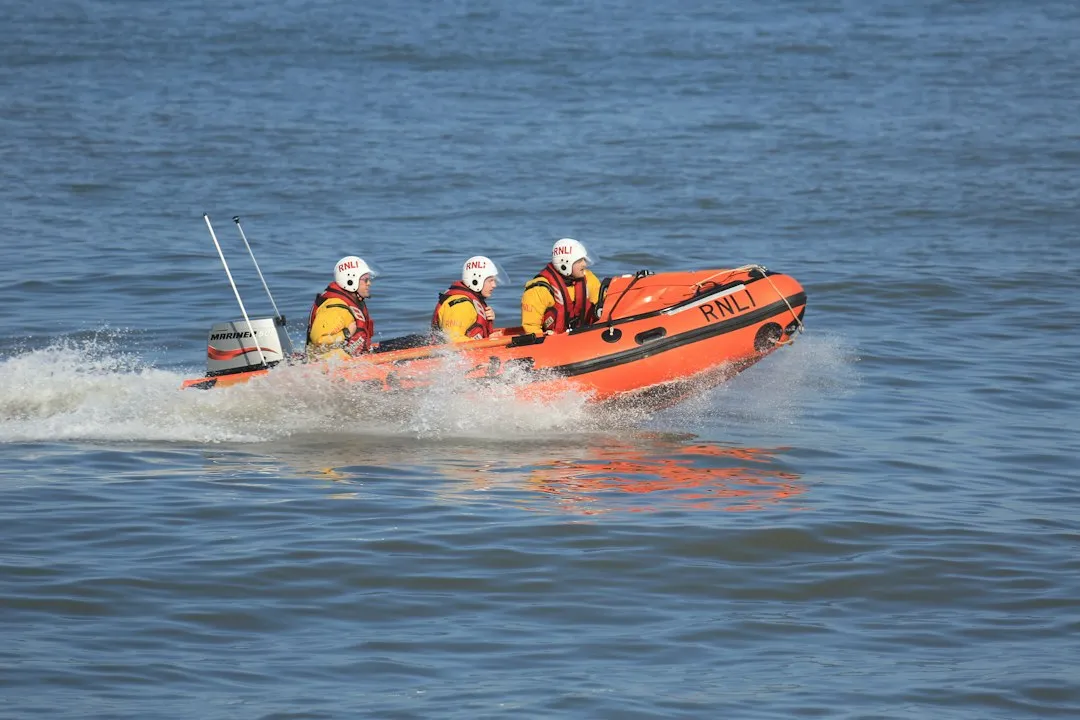
Crew members spend significant time practicing the procedures needed to evacuate the ship, which includes launching and operating lifeboats and life rafts. All crew members participate in general safety drills every other week, providing the entire team with ongoing opportunities to practice. Repetition is by design. These skills need to be reflexive, not recalled under pressure.
Fire Prevention and Firefighting: A Ship Has Nowhere to Run
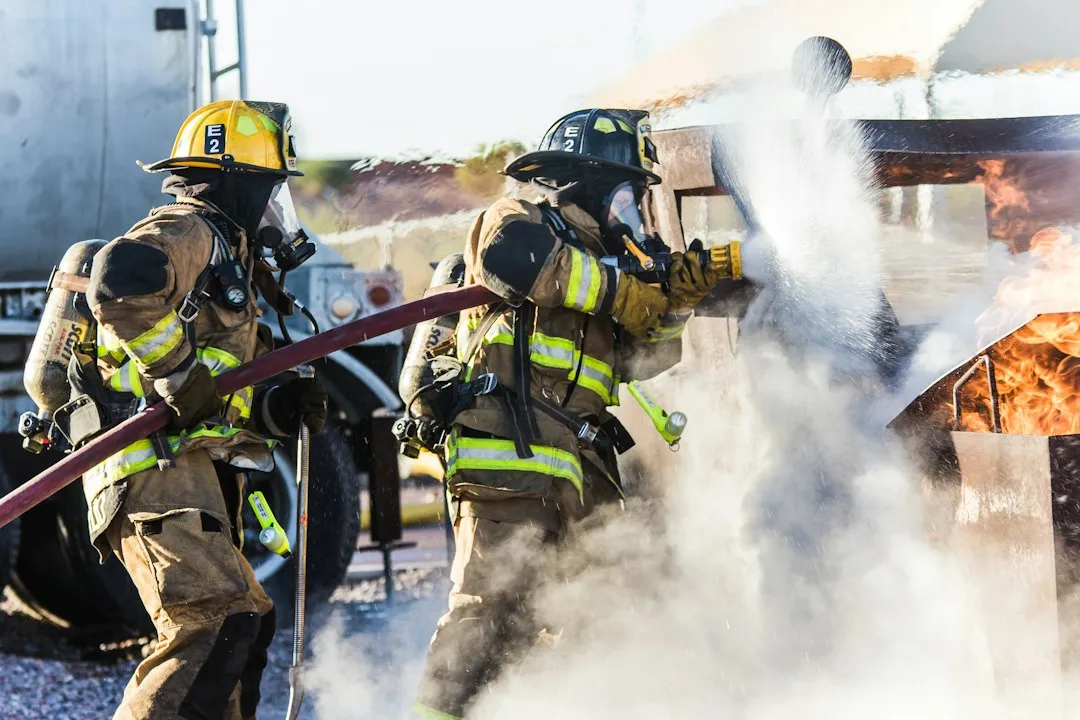
Cruise ships are complex environments with kitchens, machinery, and cabins. Firefighting training teaches crew how to tackle small fires, use breathing apparatus, and stay safe in smoke-filled spaces.
The Fire Prevention and Fire Fighting module covers fire hazards, fire prevention, and the basics of firefighting onboard. At sea, a fire cannot be handed off to a local fire department. Every person aboard shares responsibility for the ship’s safety, which is why trainers treat this module as one of the most serious in the entire curriculum.
Elementary First Aid: Because Help Is Hours Away
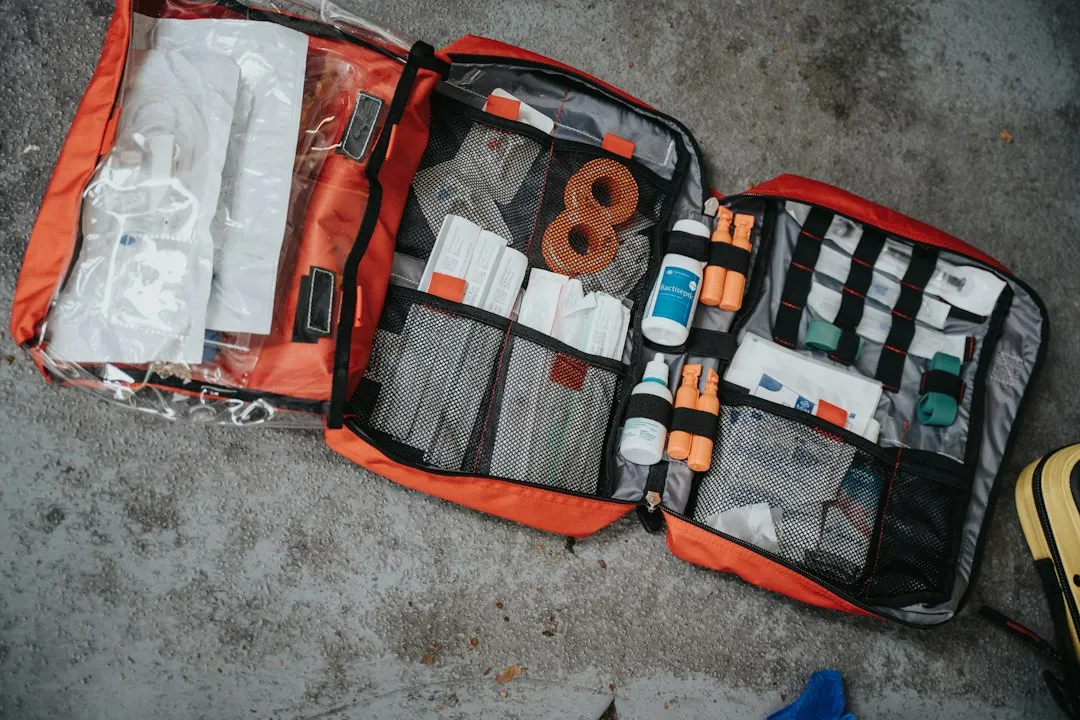
Elementary First Aid teaches crew members immediate life-saving skills, allowing them to jump into action during onboard medical emergencies. With so many people onboard, medical incidents are inevitable. This module gives crew the skills to perform CPR, treat injuries, and provide basic first aid until professional help arrives.
Many cruise ship positions require additional medical training beyond Elementary First Aid. Still, even the most entry-level crew member is expected to know the basics. On a ship crossing open ocean, those basics can determine whether someone survives the next thirty minutes.
Safety Familiarization: Learning the Ship Before Anything Else
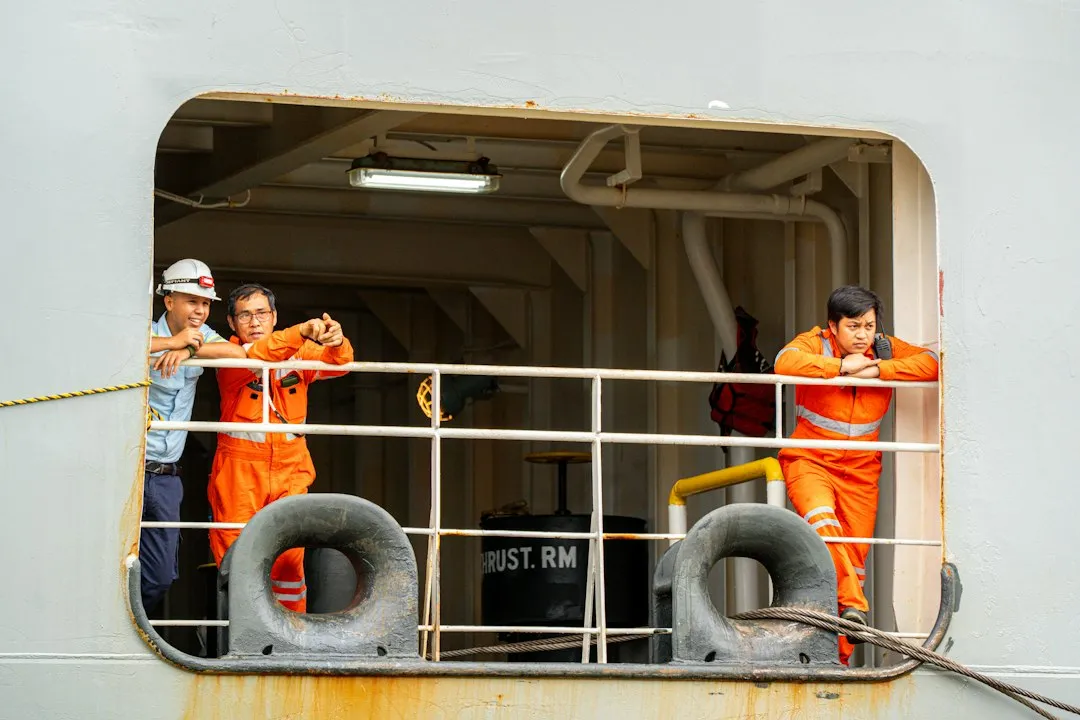
Safety familiarization classes equip crew members with basic safety information, including identifying muster and embarkation stations and emergency escape routes, what to do if the fire or abandon ship alarm is sounded, and how to take immediate action during medical emergencies.
Within their first two weeks on board, new crew members participate in a crew drill. All crew in non-traditional seafarer roles, such as entertainers, hotel staff, and bartenders, also receive a level of training in safety and security, as they interact with passengers in most emergency and non-emergency situations. Role doesn’t grant exemption. Every person on that ship is part of the safety chain.
Crowd Management: The Skill That Separates Trained from Prepared
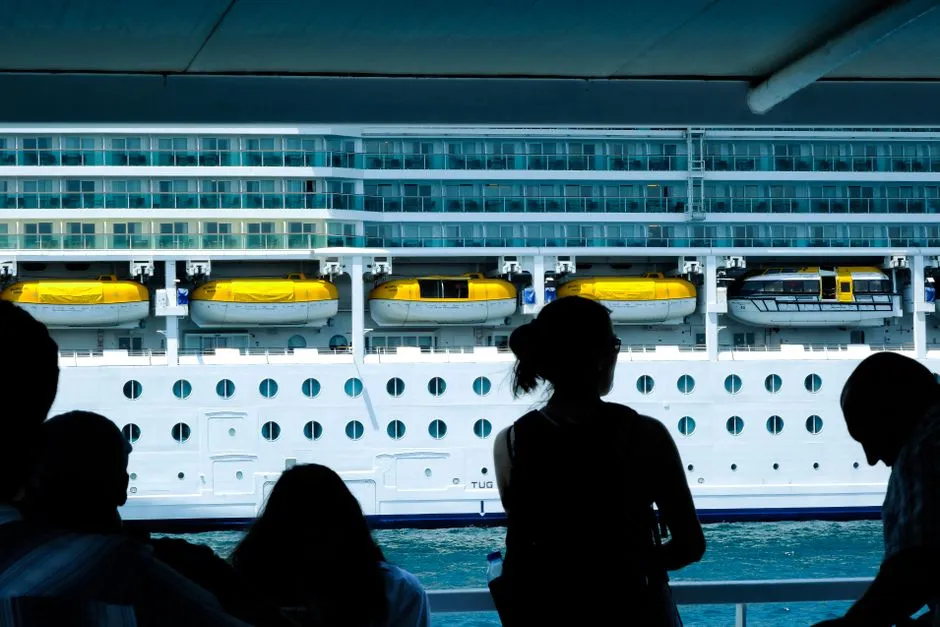
Crowd management training involves learning about the vessel, relevant rules and regulations, and practicing emergency protocols. During this training, crew members learn the skills they need to help navigate and control large crowds that occur on a passenger vessel, both naturally and during emergencies. By participating, each member of the crew knows how to respond and understands their responsibilities in each possible scenario.
Cruise operators don’t just want certificates on file. They want crew who understand movement control, human behavior under stress, clear communication, and how to support order when large groups need direction quickly. Cruise lines such as Royal Caribbean, Disney Cruise Line, and Cunard require crowd management training, and it is often expected before joining or completed early in employment.
Security Awareness: Every Crew Member Is a First Line of Defense
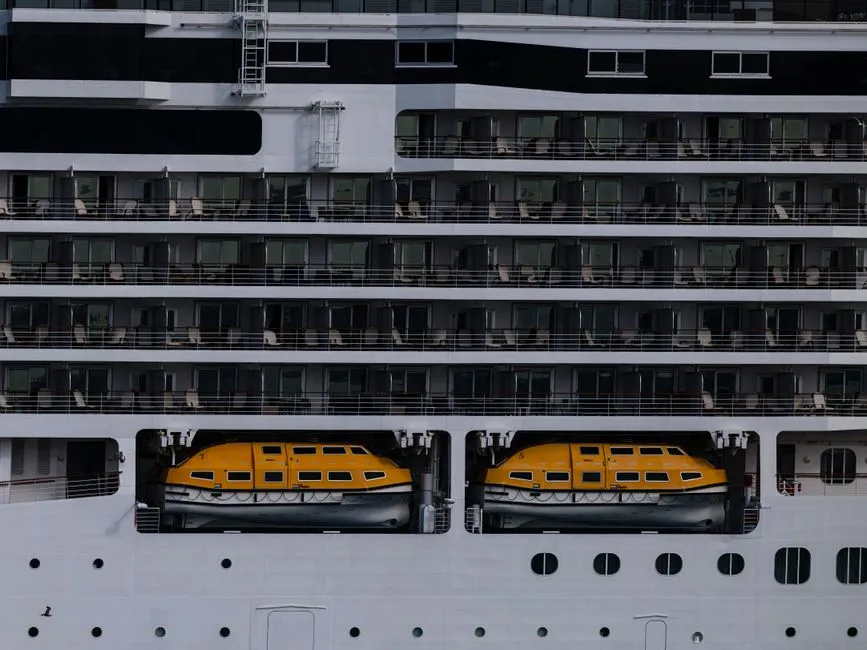
Over the course of security awareness training, crew members learn how to recognize and report security threats and suspicious behavior. They also gain an understanding of ship security levels and procedures, maritime-specific security threats, and emergency and contingency plans related to security.
The Security Awareness certificate ensures crew can identify threats, follow security protocols, and respond correctly during security incidents. Cruise lines require it for every onboard employee, regardless of department. This is one of those areas where the line between hospitality staff and safety staff effectively disappears.
Communication Skills: The Underrated Foundation
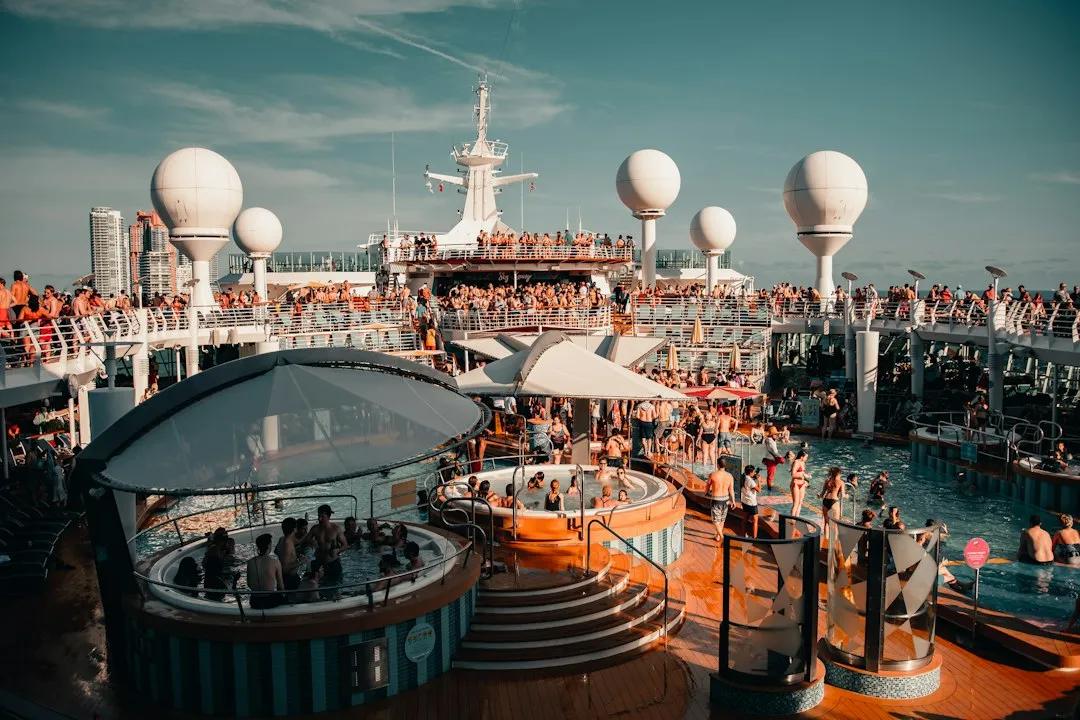
On a cruise with so many crew members, it’s not uncommon to sometimes feel lost. Whether sharing a cabin with a colleague or working alongside over a hundred co-workers in the same department, communication skills and social skills in general are very important in this complex environment.
On a passenger vessel, communication is rarely straightforward. Crew deal with different languages, different expectations, and different reactions to authority. Clear communication becomes critical. Not just what is said, but how it is said. Tone, body language, and timing all play a role in how instructions are received. Trainers consistently cite this as the skill that separates a confident crew member from a struggling one.
The Mentorship Layer: Learning from Those Who’ve Been There
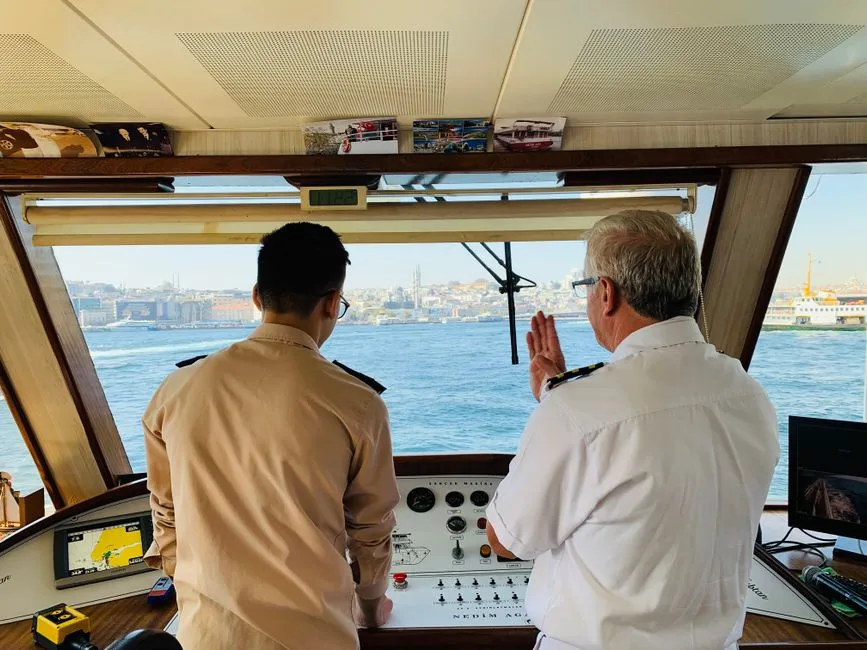
Beyond formal training, knowledge and skills are also shared directly on the job between older and younger crew members. This “shadowing concept” is an important way to retain specialist knowledge in the many trades practiced on a cruise ship.
The shadowing concept is complemented by a “buddy system” where every new crew member is assigned a mentor to ask for help when necessary, especially during their early months on the job. Cruise lines are known for promoting from within, and many offer structured career development programs, mentoring and coaching, and opportunities to transition into shoreside roles. The formal certification gets you on the ship. The mentorship shapes who you become once you’re there.
The Takeaway
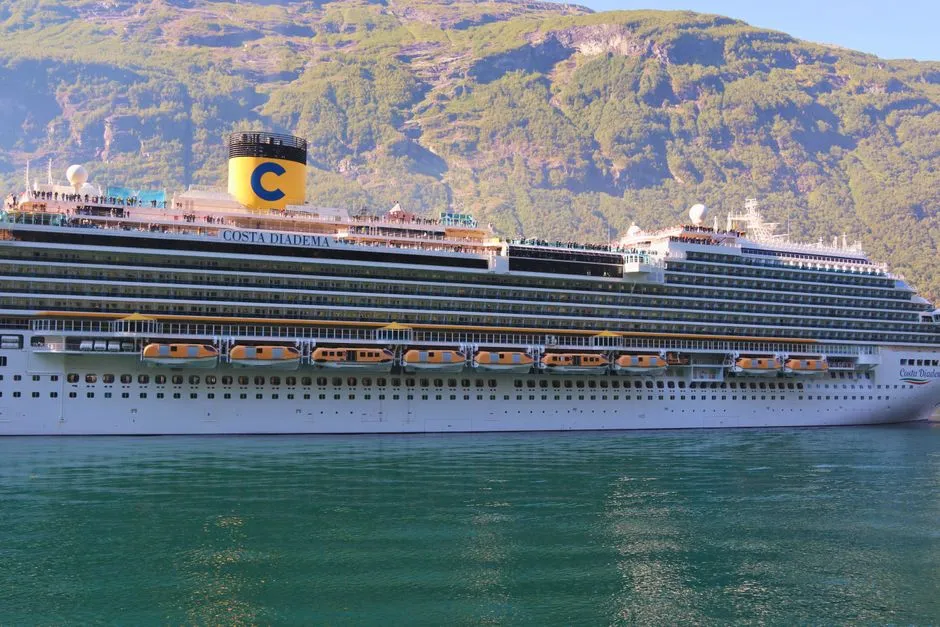
What cruise ship crew trainers understand better than most is that a ship operates on collective competence. No role exists in isolation, and no emergency respects department boundaries. STCW courses provide seafarers with the knowledge and skills necessary to function safely and effectively aboard a vessel. Depending on experience level, courses may focus on safety management, navigation, engineering, communications, crowd management, and human resource management.
The skill every new crew member must master first isn’t a single technique. It’s a mindset: that safety is everyone’s shared responsibility, from the moment they step aboard to the day they disembark. Everything else, the service skills, the cultural fluency, the career advancement, builds on top of that foundation. Trainers aren’t being dramatic when they say it comes first. They’re being precise.
AI Disclaimer: This article was created with the assistance of AI tools and reviewed by a human editor.