
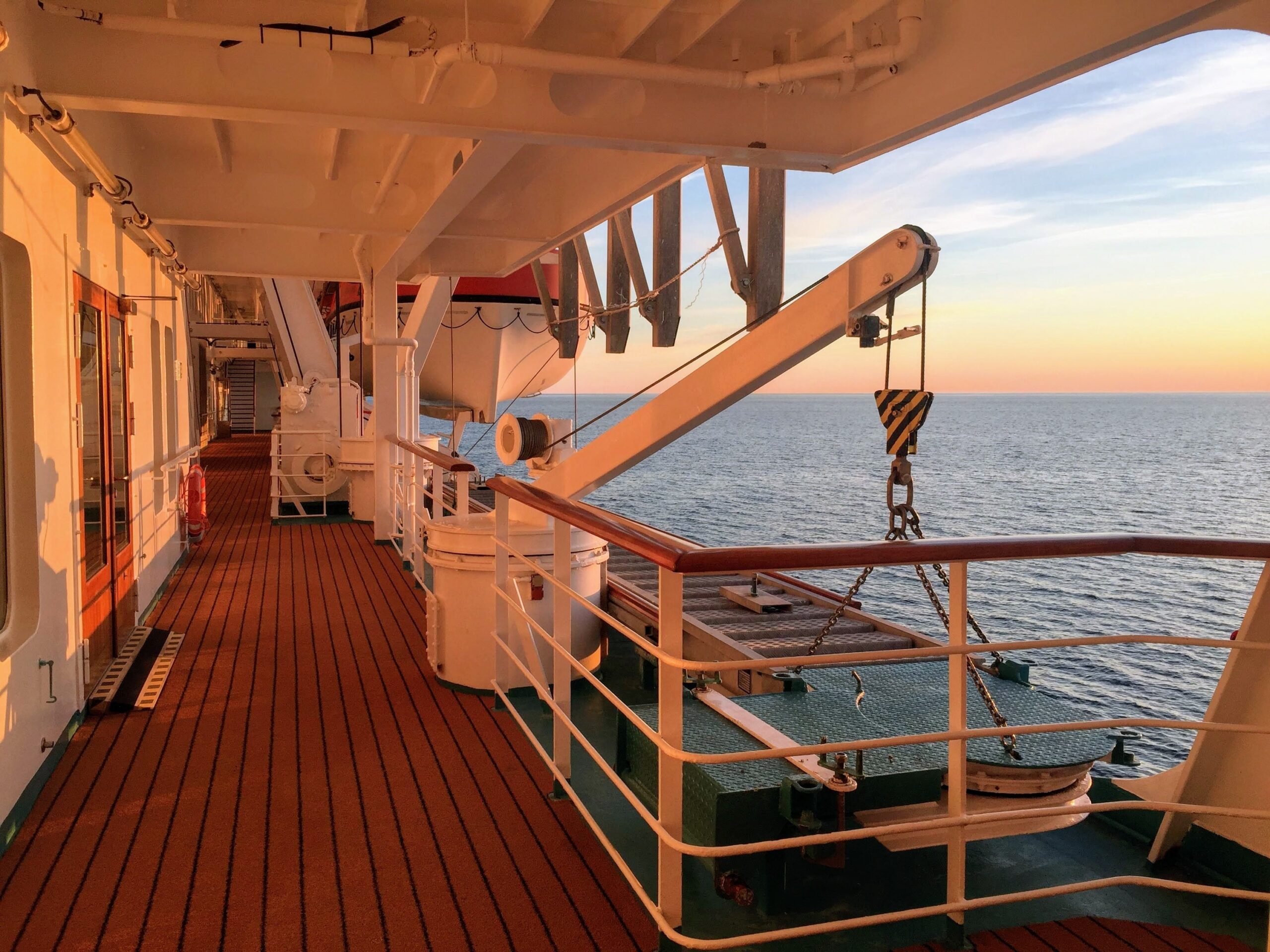

A Floating Canvas That Never Stops Changing
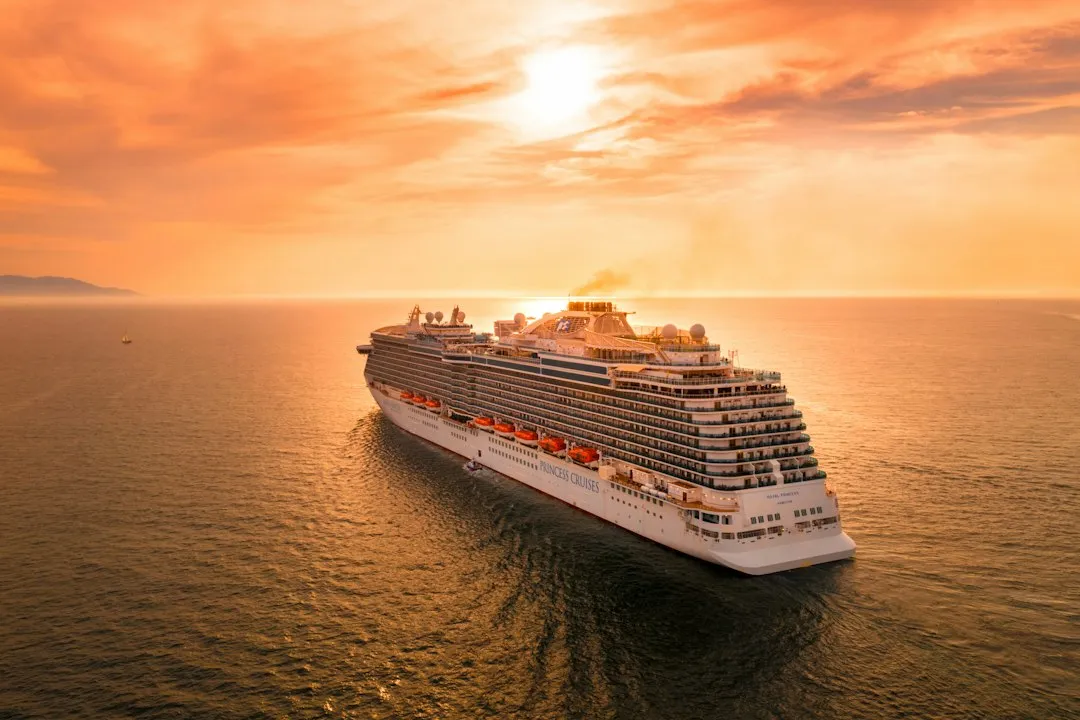
A modern cruise ship is an enormous structure, and every exterior surface is in constant contact with one of the most corrosive environments on Earth. Cruise ship exteriors above the waterline are regularly maintained and painted while the ship is in service, while the bottom of the ship can only be accessed in dry dock. This split responsibility means the painting crew is always working on something, season after season, port after port.
The adhesion of marine-fouling organisms to ships significantly increases hull surface resistance and accelerates hull material corrosion. In practical terms, that means a ship that is not being actively maintained is already falling behind. It is not a dramatic crisis; it is a slow, steady, and expensive grind.
The Scale of the Work Is Hard to Grasp from the Outside
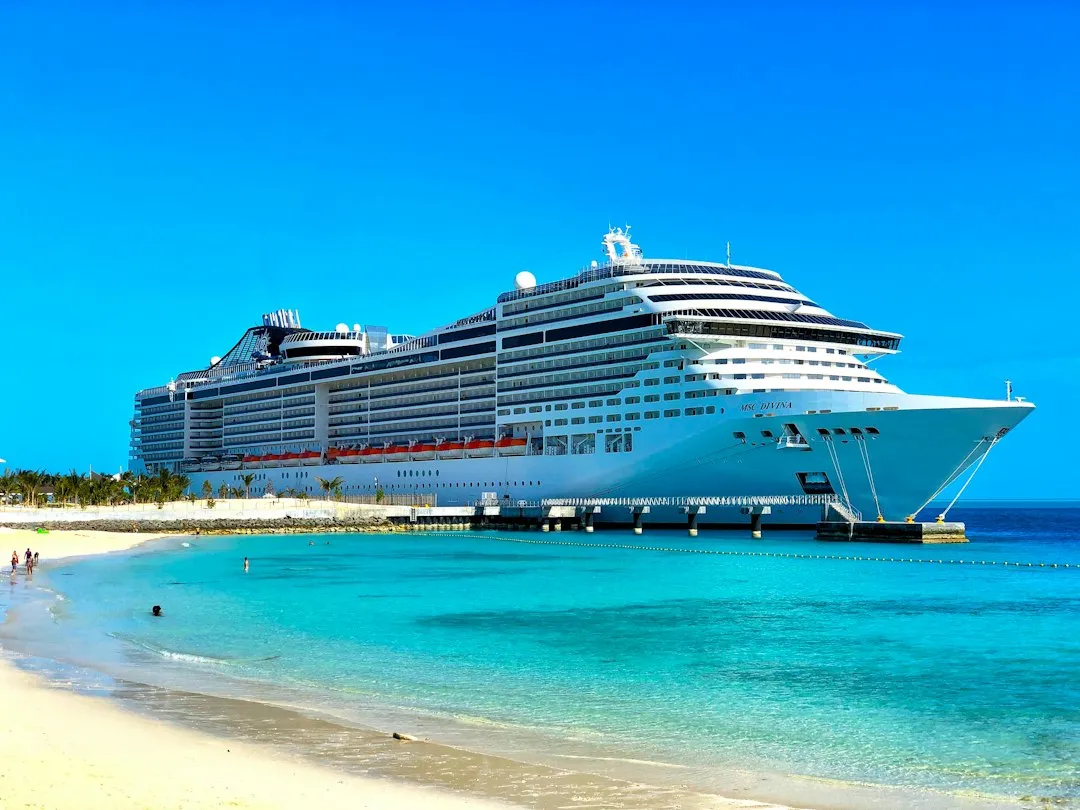
On a documented Royal Caribbean dry-dock project, two fifty-man teams worked in twelve-hour shifts, with four stations per team set up for cleaning, painting, mixing paint, and making supply runs, with typically sixteen spray painters operating at any given time. That is for a single repainting project on one vessel during one dry-dock period.
One documented cruise ship project involved inspecting, repairing, and painting the vertical sides and flat bottom area of a 1,020-foot ship within an aggressive ten-day schedule. The sheer surface area involved explains why painting teams operate around the clock and why the work never feels complete. By the time one area is finished, another stretch of hull has already begun to show wear.
Working Conditions That Most People Would Not Recognize
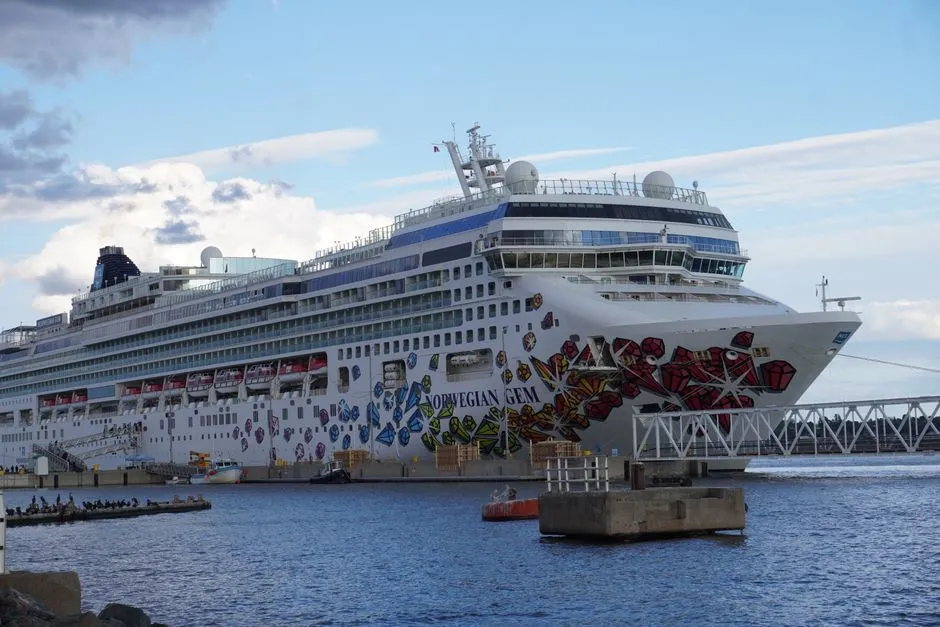
Overnight cruise ship painters often work in challenging environments, including confined spaces, variable weather conditions, and strict time constraints to minimize disruption to guests and ship operations. There is no pausing for bad weather at sea. The ship moves on, and so does the schedule.
Ships experience forces from wind, waves, and currents, causing six distinct motions: surge, sway, heave, roll, pitch, and yaw. This demands the ability to live and satisfactorily perform job duties in an environment subject to constant motion. Painting a straight line while the deck shifts beneath your feet is a skill that takes real time to develop. These workers typically need the ability to work around twelve hours per day.
The Tools and Qualifications Behind the Brush
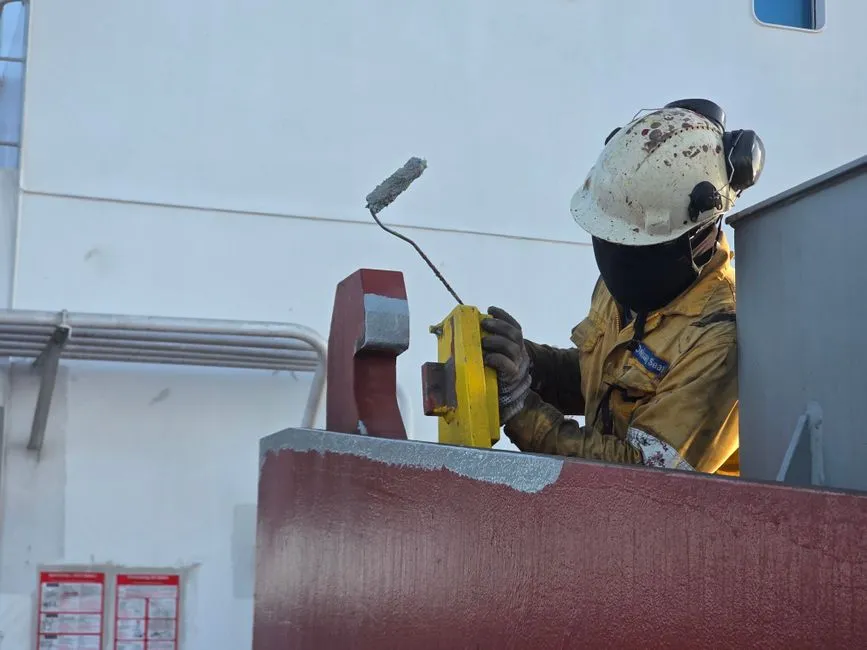
To thrive as a cruise ship painter, workers need experience in marine painting, knowledge of surface preparation, and adherence to safety standards, often supported by relevant vocational training or certifications. Familiarity with tools like spray guns, sandblasters, and specialized marine coatings is typically required. This is not general house painting transferred to a nautical setting. The materials, the surfaces, and the safety stakes are in a different category entirely.
Essential skills commonly listed include one to three years of experience with hand brush and spray painting application, or an SSPC C-12 Certification, along with knowledge of surface preparation procedures and proper use and mixing of paints. The certification pathway matters because improperly applied marine coatings can degrade faster, cost more in long-term repairs, and create environmental compliance problems.
The Dry Dock Moment: When Everything Intensifies
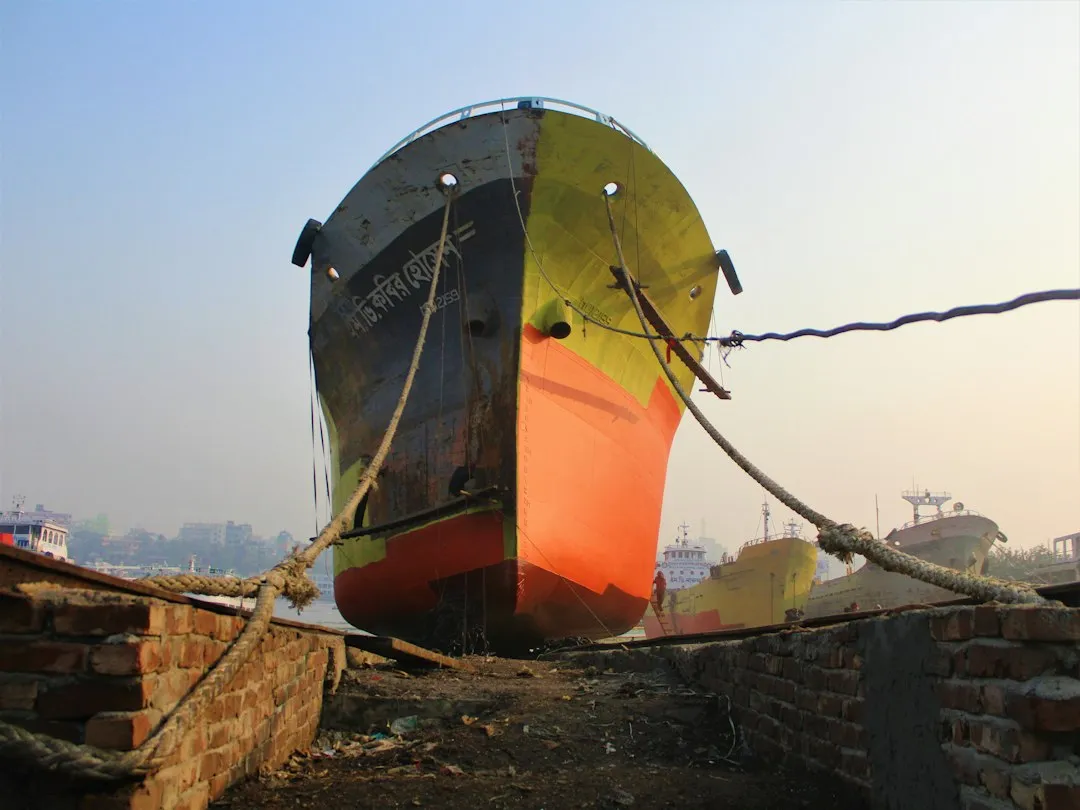
Ships are required by law to go into dry dock at least every three years, during which cruise lines schedule refurbishments that can include adding or swapping out venues, replacing fixtures and furnishings, and a number of other upgrades. For deck painters, this is when the most demanding work begins. The hull bottom, unreachable at sea, is finally exposed and has to be fully assessed and treated.
While the bottom of the ship is exposed in dry dock, it is inspected, then pressure washed and blasted to remove rust and old paint, and new paint is applied to protect against future corrosion. Timelines are tight and the pressure is real. Temporary cruise ship painters often work in fast-paced environments where meeting tight deadlines is essential, especially during dry-dock or maintenance periods.
What Happens When the Schedule Gets Cut Short
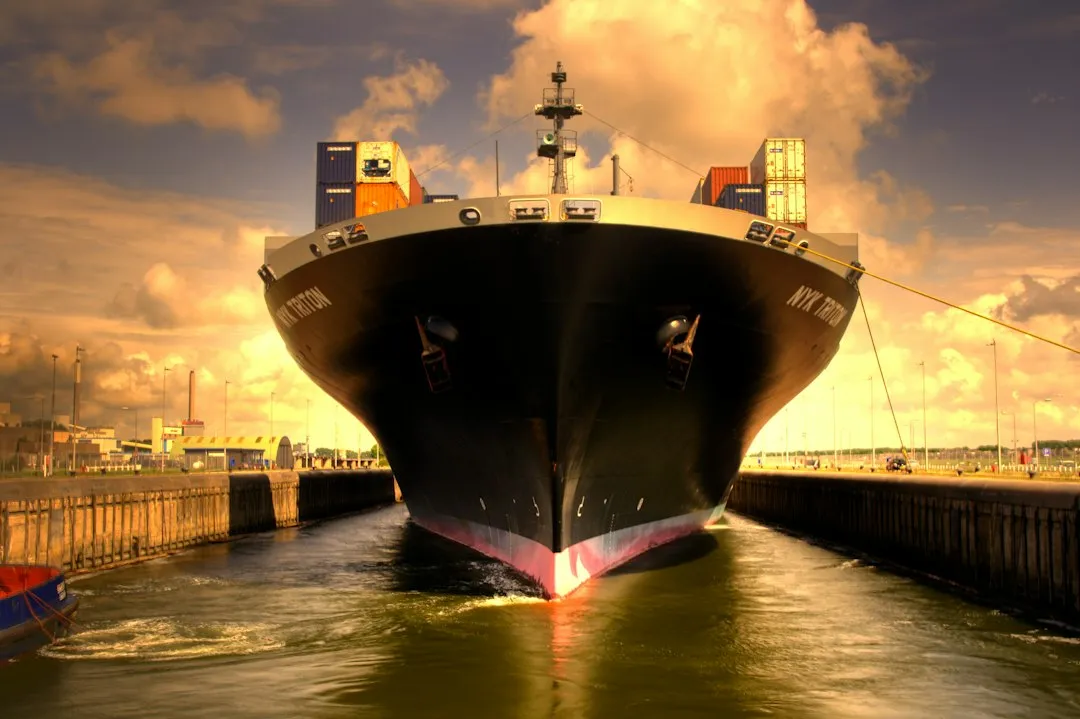
On one documented Royal Caribbean project involving a 1,020-foot vessel, the client announced on the third day that they wanted to go into the water two days earlier than the original launch date. That kind of pressure cascades through the entire crew. It means longer shifts, less margin for error, and decisions made under real stress about what can and cannot wait.
The consequences of cutting corners with marine coatings are not trivial. Antifouling marine paints are top coats for preventing the attachment of animals or plants to ship hulls, used for safety reasons, for maintaining the maneuverability of ships, for reducing fuel consumption, and for combating corrosion. A ship that loses effective coating protection does not just look worse; it burns more fuel and costs more to operate on every voyage afterward.
Pay, Contracts, and the Transient Nature of the Work
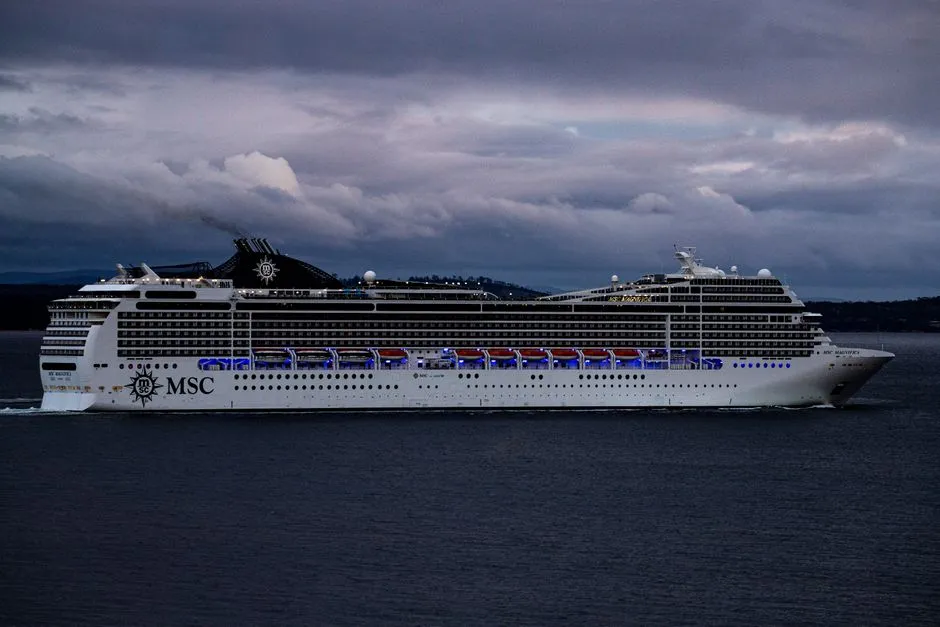
Cruise ships regularly hire painters to maintain and decorate the vessel’s interior and exterior surfaces. These positions typically require experience in industrial or marine painting, knowledge of safety protocols, and the ability to work in a maritime environment, with painters often working on a contract basis under strict safety and environmental standards. The contract structure suits some workers well. Others find the constant movement and short engagements difficult to sustain over a career.
As of May 2026, the average hourly pay for cruise ship painting work in the United States is around $21.82, with most workers earning between roughly $17.55 and $24.04 per hour depending on experience, location, and employer. Specialist roles with more complex surface work or dry-dock responsibilities can reach higher. Some cruise-based painter roles in Florida list rates of $32.61 per hour, with requirements of five to ten years of experience in hotels or cruise ships.
Antifouling Science Is Quietly Transforming the Job
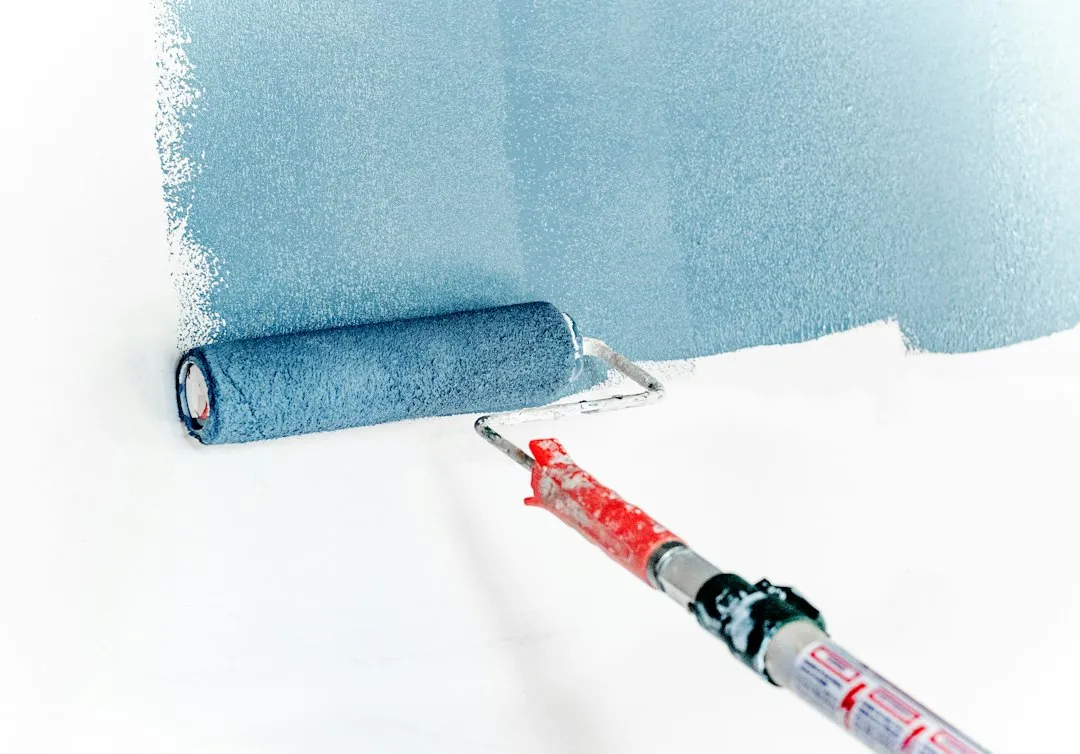
In March 2025, Carnival Corporation applied the Aquaterras biocide-free coating to its sixteenth vessel, the AIDAdiva, following the ship’s latest dry dock. The coating is provided by Nippon Paint Marine as part of the company’s ongoing commitment to sustainability and environmental protection. This shift toward greener products is changing what painters need to know and how they apply coatings.
Research published in 2025 found that a next-generation biocide-free antifouling coating decreased corrosion rates by nearly ninety percent throughout extended immersion durations, with an operational performance of ninety-nine percent for coated samples after fifty weeks of continuous exposure to seawater. These advances make the coatings more durable over time, but they also require painters to understand application methods precisely. A product that performs well in controlled testing can fail quickly if applied incorrectly in the field.
Painting While the Ship Is Still in Motion
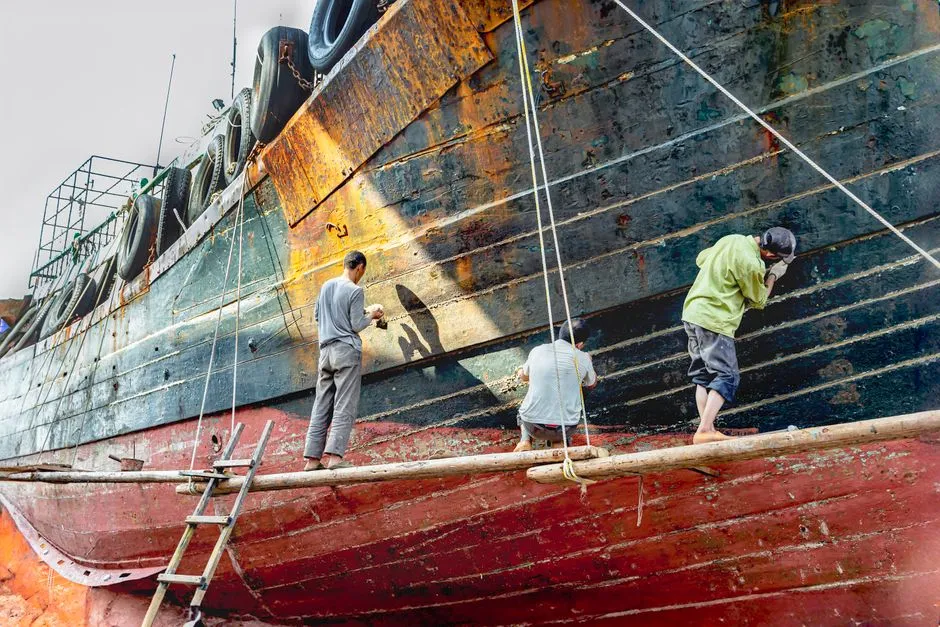
There is a good chance that renovation and painting work will be noticeable several weeks before and after dry dock, and passengers should not be surprised to see or hear carpentry, painting, and drilling happening around the ship even while at sea. This is the less visible side of the work: the constant in-service touch-ups that fill the gaps between scheduled maintenance periods.
The commercial shipping industry, Military Sealift Command, and cruise ship lines all use off-ship labor to fight corrosion during major maintenance periods. Still, the on-board painting crew handles the day-to-day work between those intervals. Attention to detail, reliability, and the ability to work collaboratively in a team are essential soft skills in this role, as these competencies ensure high-quality finishes, maintain vessel safety and appearance, and support smooth ship operations.
The Invisible Rhythm Behind Every Voyage
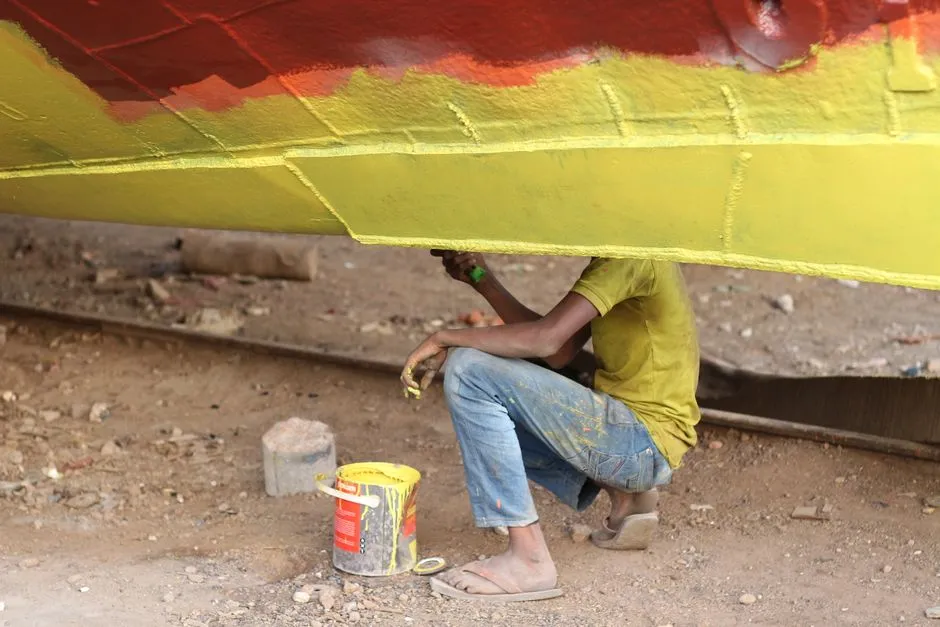
Talk to anyone who has worked as a deck painter at sea long enough and you’ll hear a consistent theme: the job has a rhythm that is unlike anything on land. Weather changes the plan. Port schedules change the plan. Occasionally, the client changes the plan entirely on day three of a ten-day job. The only constant is the work itself.
The maritime world has traditionally seen painting as a necessary part of being a sailor, even as the science behind the coatings grows more sophisticated every year. The painters who understand both the craft and the chemistry are the ones who keep a vessel looking sharp and structurally sound through years of continuous service.
The Takeaway
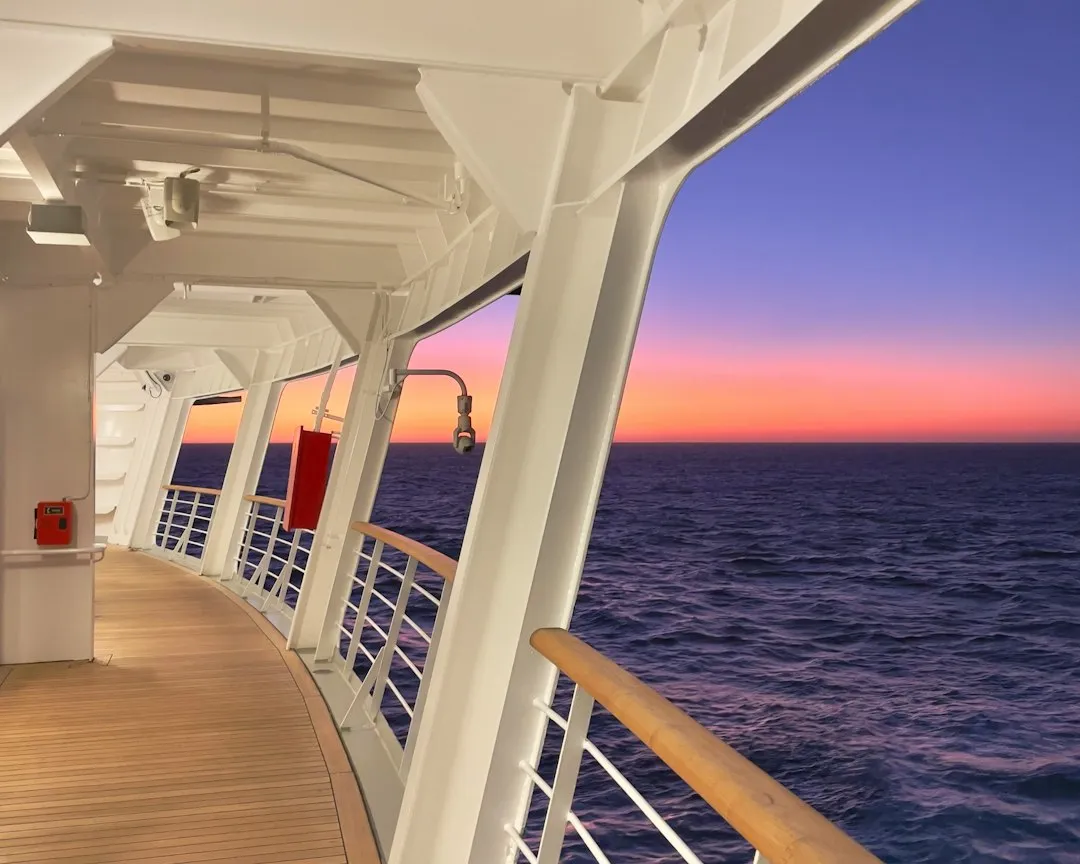
The next time you stand on a cruise ship’s deck watching the horizon, consider that the pristine painted surfaces around you represent thousands of hours of unglamorous, highly skilled labor. Deck painting on a cruise ship is not a finishing touch. It is an ongoing act of preservation, applied in difficult conditions, against an environment that never takes a day off.
The people doing that work are specialists who understand marine chemistry, operate heavy equipment in confined spaces, and adapt constantly to shifting timelines. Their contribution is invisible precisely because they do it so well. That is perhaps the most honest measure of a job that never truly ends at sea.
AI Disclaimer: This article was created with the assistance of AI tools and reviewed by a human editor.