

The Scopolamine Patch: The Clinical Gold Standard

Among all pharmacological options, scopolamine has the most robust clinical evidence and the highest number of randomized controlled trials supporting its use in motion sickness prevention. The transdermal patch form is particularly well-studied and should be applied at least eight hours before expected exposure to rough seas.
Known commercially as Transderm Scop, this scopolamine patch is applied behind the ear and is effective for up to three days. The effect of the patch lasts up to 72 hours, making it especially practical for multi-day sailings where re-dosing would otherwise be a constant concern.
A landmark at-sea study tested the patch’s effectiveness over a 72-hour period and found it provided 74% protection against motion sickness on the first day and 73% on the second, with side effects being no more significant than a placebo. That level of documented real-world effectiveness is why ship physicians consistently point to it first for moderate to severe cases.
Meclizine (Bonine): The Over-the-Counter Workhorse

Bonine is the go-to for most cruisers, and for good reason. Meclizine is an antihistamine that blocks the signals your vestibular system sends to your brain’s vomiting center. It’s non-prescription, lasts 24 hours from a single dose, and causes far less drowsiness than original Dramamine.
The critical mistake people make is taking it after they already feel sick. Bonine is a preventative, not a cure. It should be taken 30 to 60 minutes before you’re in conditions that might bother you.
For someone with a history of motion sickness or when rough seas are in the forecast on a smaller ship, Sea-Bands combined with meclizine is considered the standard combo. It’s an accessible, practical pairing that many onboard medical teams will suggest before escalating to prescription-only options.
Timing Is Everything: Why You Must Act Before Symptoms Start

The most effective seasickness prevention combines cabin location, over-the-counter medications taken before symptoms start, and acupressure wristbands as backup. The number one mistake is waiting until you feel sick to act.
Some cruise operators provide over-the-counter medication like Dramamine and Bonine for treatment, but ideally you should start taking it one or two days before you board. Once you’re experiencing the first onset of seasickness, it may already be too late. Talking to your physician prior to cruising is strongly advised.
This principle holds across every remedy category, from patches to pills to pressure bands. The body’s nausea response, once fully triggered, is genuinely harder to reverse than to prevent. That’s not a dramatic claim; it’s simply how the vestibular system works.
Dimenhydrinate (Dramamine): Fast-Acting but With a Cost

Dimenhydrinate, sold as Dramamine, can be useful when you need a faster-acting oral option and you don’t mind feeling sleepy. It kicks in relatively quickly and is widely available without a prescription, which makes it a common first instinct for travelers who forgot to prepare in advance.
The sedating effect is real, though. Original Dramamine contains dimenhydrinate, which causes noticeably more drowsiness than meclizine-based alternatives. For a full day of shore excursions, that tradeoff matters.
Bonine strikes a better balance for active days ashore, while Dramamine is generally better suited for a short, choppy ferry ride where sleep is actually an option. Ship doctors tend to recommend Dramamine situationally rather than as a default.
Acupressure Wristbands: Drug-Free and Genuinely Useful
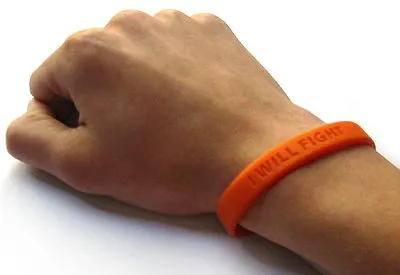
Acupressure wristbands work by applying pressure to the P6, or Nei-Kuan, point on the inner wrist, which is thought to suppress the nausea reflex. Sea-Band wristbands are available without a prescription in adult and child sizes.
They’re particularly recommended for mild nausea, drug-free prevention, children, and pregnant women, all situations where medication options are either inappropriate or undesirable. The fact that they carry no pharmaceutical side effects makes them an easy add-on alongside other remedies.
For mild to moderate susceptibility, ginger and acupressure can provide meaningful relief and are worth using alongside other precautions. Many experienced cruisers wear the bands from embarkation day onward, treating them as a quiet precaution rather than a last resort.
Ginger: The Natural Remedy With Real Research Behind It

Ginger has the most research support of any natural motion sickness remedy. It’s been used for nausea across a wide range of contexts, from pregnancy to chemotherapy to sea travel, and its anti-nausea compound gingerol is well documented in the literature.
If you want to try ginger, look for capsules with a standardized gingerol content rather than relying on ginger ale, which typically contains very little real ginger. Ginger chews and crystallized ginger are also effective, and most cruise ships keep them available at reception or in their onboard shops.
One to two ginger chews every two to three hours when feeling queasy is a common approach. It’s drug-free, safe for children, and surprisingly effective for mild cases. Ship medical teams often recommend it as a first-line option for passengers who are hesitant about medication.
Prochlorperazine: The Onboard Physician’s Severe-Case Tool
One less commonly prescribed but arguably one of the most effective options for cruise motion sickness is physician-administered Prochlorperazine, sometimes known by brand names Compro or Compazine. This suppository is typically available onboard, especially for guests facing severe symptoms such as cold sweats, pallor, and constant vomiting.
Suppositories administered by the ship’s physician work well for some people, particularly because if you cannot keep food or water down and other medicines are not working, a suppository bypasses the digestive system entirely and may be your best option.
Prochlorperazine works by quickly targeting and neutralizing substances in your body that cause nausea and vomiting. It’s not something you’ll find in the ship’s gift shop, but knowing it exists is genuinely reassuring for anyone prone to severe seasickness.
The Role of Cabin Location in Managing Symptoms
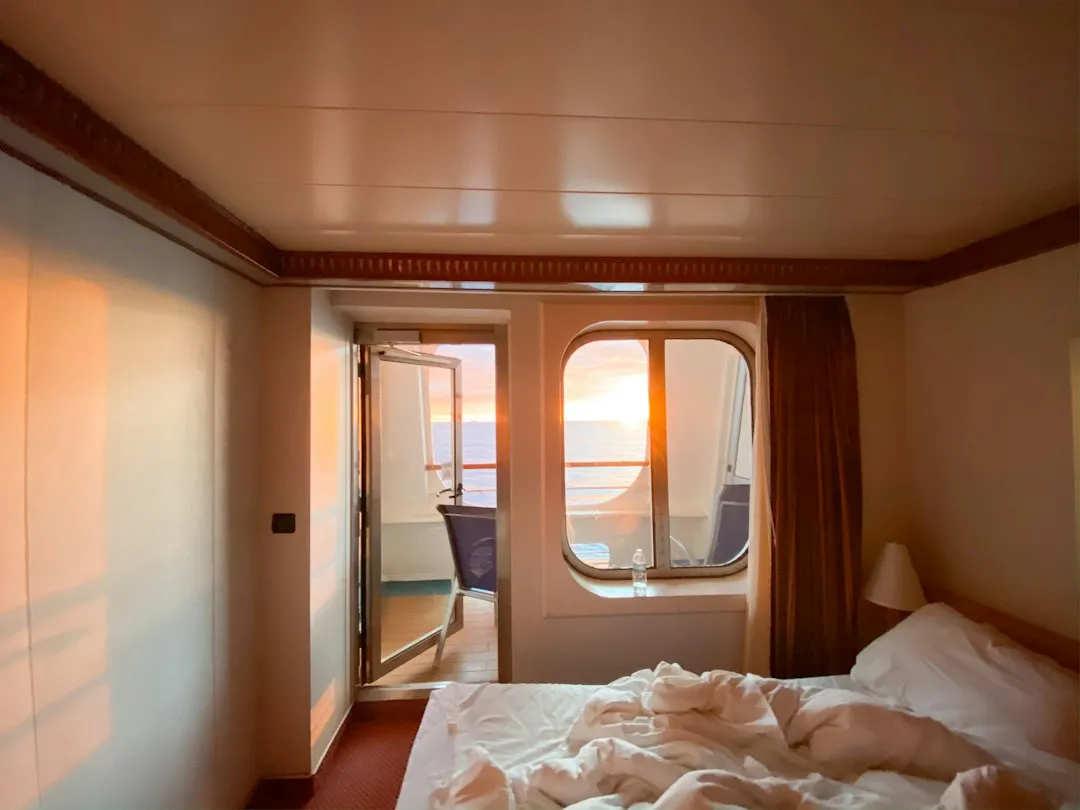
Medication isn’t the only variable. Where you sleep on the ship matters more than many first-time cruisers realize. Midship cabins on lower decks experience significantly less movement than cabins at the bow or stern, and significantly less than anything near the upper decks.
On a 1,200-foot ship like the larger Royal Caribbean vessels, the ideal cabin range sits roughly between 400 and 800 feet from the bow. That midship zone is where the natural balance point of the vessel sits, and the difference in sway compared to forward or aft cabins can be considerable in rough conditions.
Booking an outside cabin in the middle of the ship, the natural balance point, is a practical strategy that ship physicians and experienced cruisers consistently recommend. Pairing good positioning with preventative medication is a more complete approach than either strategy alone.
What the Data Says About How Common Seasickness Really Is
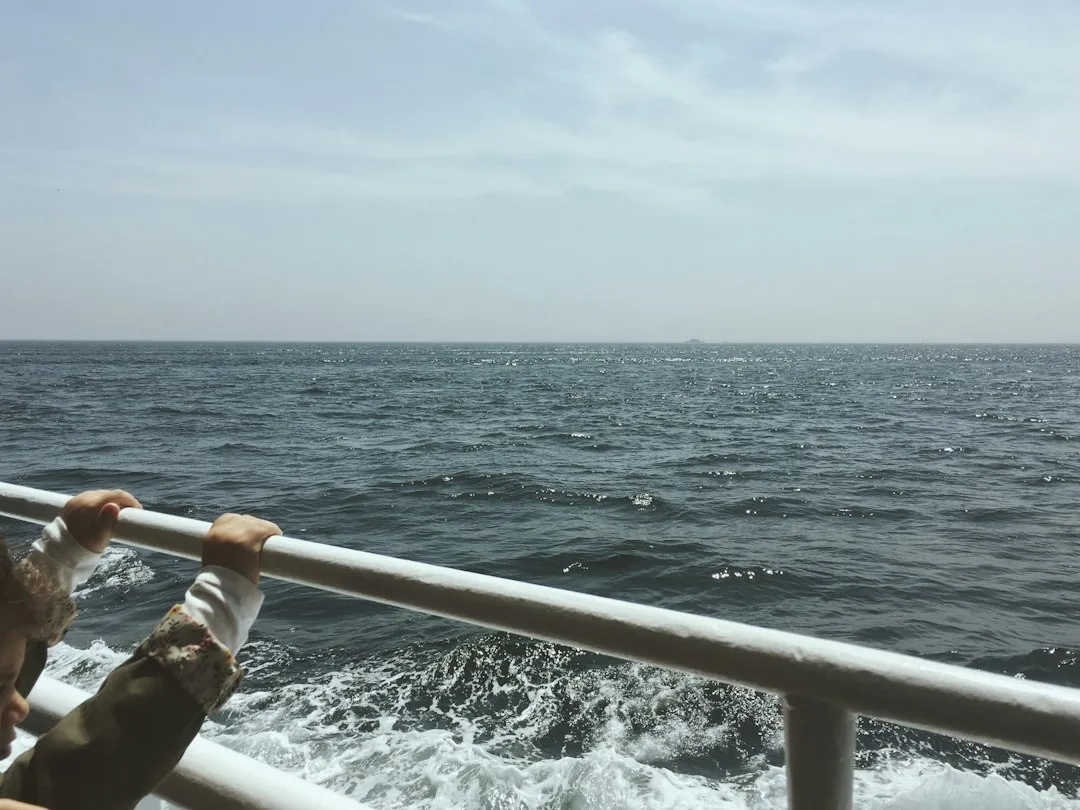
While anyone can get motion sickness, some people are simply more prone to it than others. A 2024 study by French maritime health experts found that 34% of seafarers had suffered from it, and a full 30% dealt with it on a regular basis.
A study of 179 navy recruits on extended sea duty found that roughly a third were susceptible to seasickness in the early period, and about 61% required some form of treatment during the observation period. These are people whose jobs put them at sea regularly, which suggests that habituation does help, but doesn’t eliminate the problem.
The broader commercial picture reinforces just how significant the issue is. The global seasickness medicine market was valued at approximately 2 billion USD in 2025 and is expected to reach roughly 3.5 billion USD by 2035. That growth reflects a genuine, ongoing need rather than marketing hype.
An Emerging Option: Tradipitant and What New Research Shows
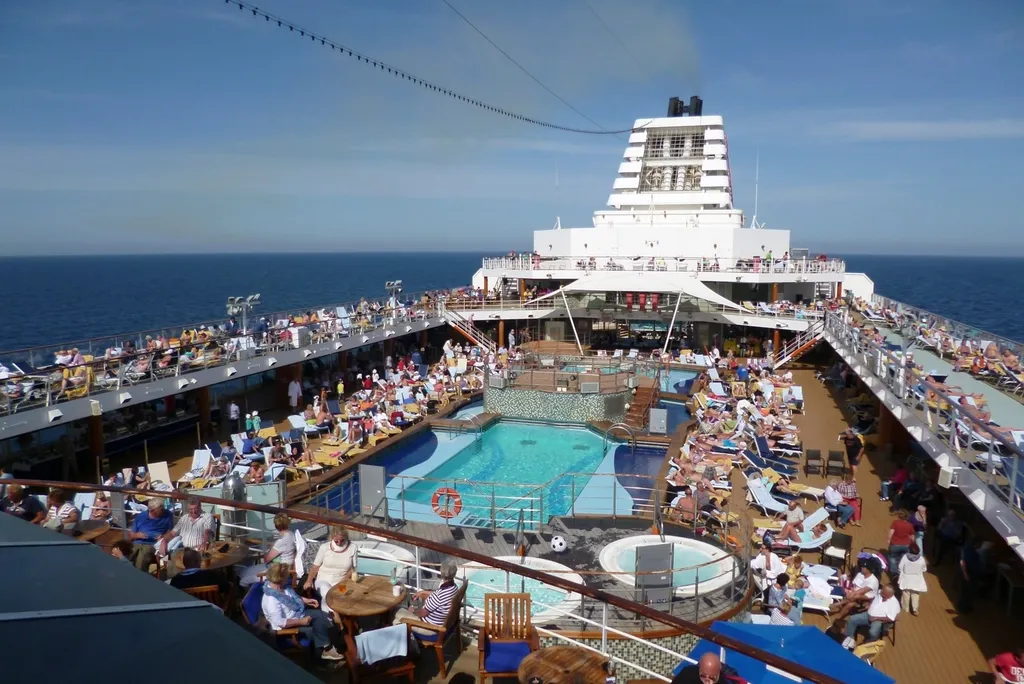
While established remedies dominate current cruise ship practice, researchers are actively exploring newer options. A recent multicenter, randomized, double-blind, placebo-controlled study found that the incidence of vomiting was significantly lower in groups treated with tradipitant compared with placebo across all boat trips.
In the trial, the placebo group saw vomiting rates of roughly 44%, while both tradipitant dosing groups reduced that to approximately 18 to 19%, a notable improvement. Tradipitant targets the neurokinin-1 receptor, a different pathway from traditional antihistamine or anticholinergic approaches.
This research is still working its way toward widespread clinical adoption, and tradipitant is not yet a standard onboard option. Still, it signals that the science of seasickness prevention is genuinely moving forward, not standing still.
The Takeaway
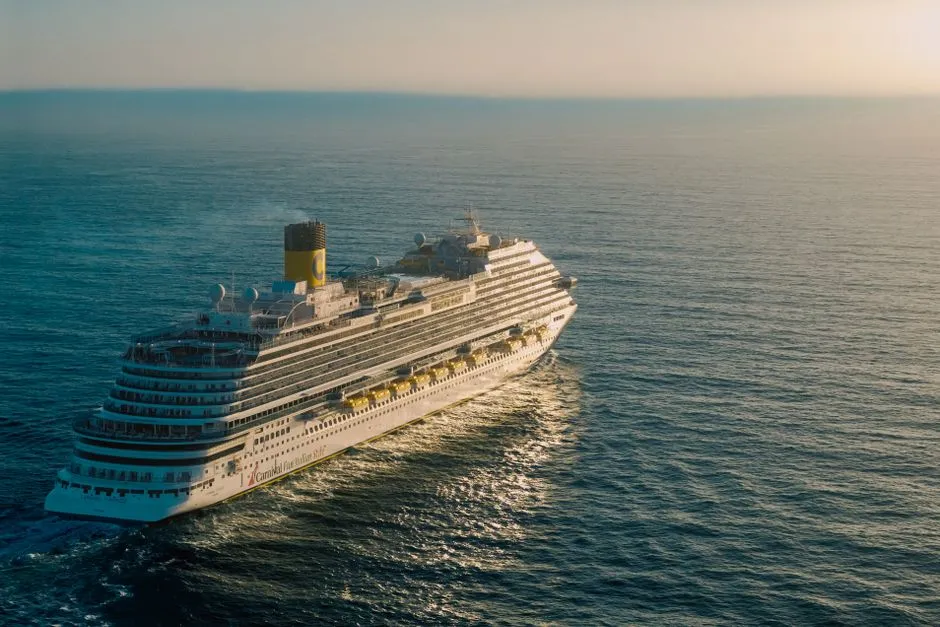
Cruise ship doctors aren’t working from guesswork. The remedies they reach for most often, scopolamine patches, meclizine, ginger, and acupressure bands, all have meaningful evidence behind them. The key thread running through every recommendation is timing: start before you feel sick, not after.
If you’ve suffered on a previous voyage or have a known sensitivity to motion, a conversation with your doctor before embarkation is worth far more than scrambling at the ship’s medical center mid-voyage. The ocean doesn’t negotiate, but preparation genuinely changes the experience.
AI Disclaimer: This article was created with the assistance of AI tools and reviewed by a human editor.