


The Golden Rule: Midship on a Lower Deck
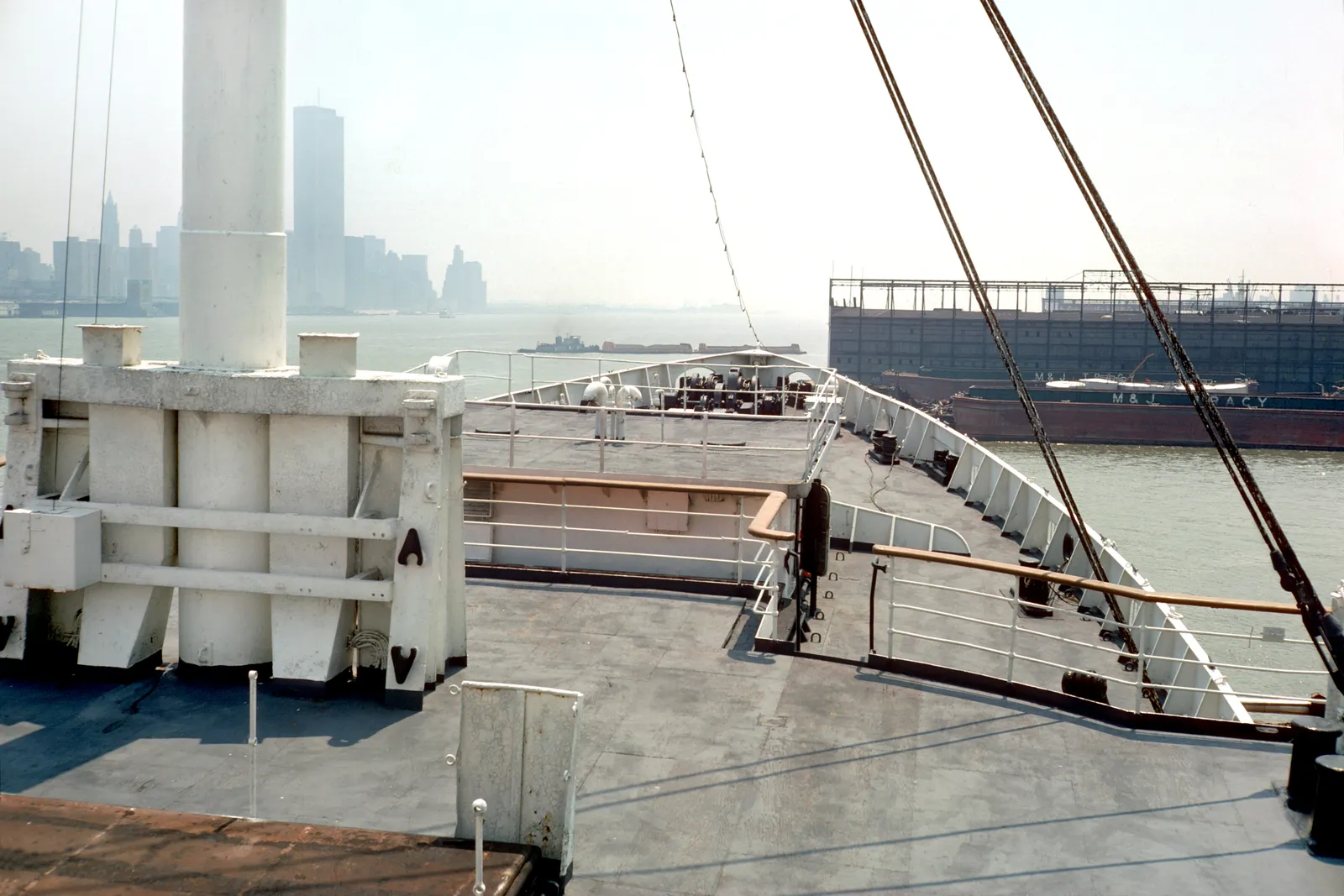
The best place to stay if you’re prone to motion sickness is midship on a lower passenger deck, as close to the center of the ship as possible. This isn’t a marketing pitch from a cruise line. It’s the same advice you’ll hear from engineers who understand how large vessels behave in open water.
The easiest way to remember this: low plus midship equals the most stable ride. Even on large ships with stabilizers, the laws of physics still apply to how ship motion works. Stabilizers reduce side-to-side rolling, but they can’t eliminate all motion, especially in rough seas or open ocean crossings.
Why the Center of a Ship Is So Different

Ships are like teeter-totters. They pitch forward and back around a central axis that sometimes barely moves. If you are in the center of a ship, you are at the equivalent of the center of a teeter-totter. Even in very rough seas, you’re not going to move nearly as much when the ship goes up and down in the waves as someone located at either of the far ends of the ship.
The center, or midship, is the balance point. The front and back swing more dramatically. The higher you go, the more amplified that movement feels. Think of it less as a luxury preference and more as a basic consequence of geometry.
Why Height Makes Everything Worse
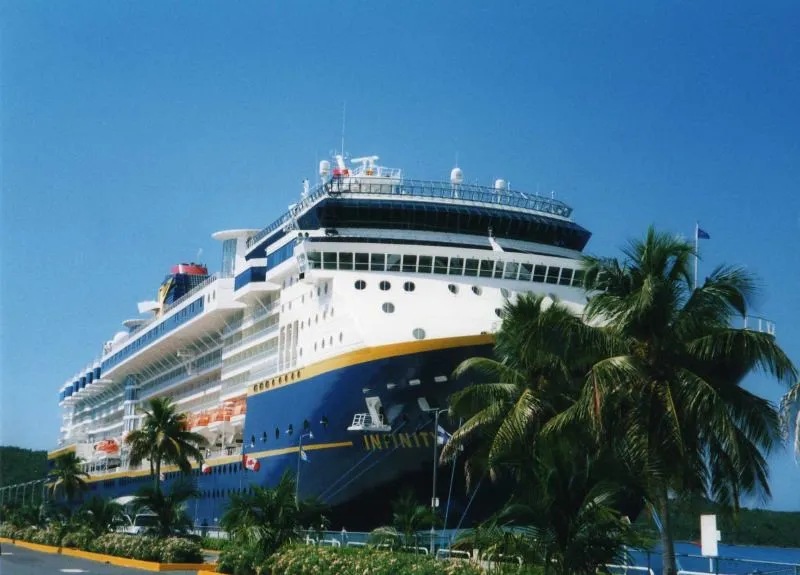
Upper decks sway more in rough seas because the ship’s center of gravity is below the waterline. Think of a tall building in an earthquake: the upper floors shake harder than the lower ones. On a large ship pitching in significant swells, this matters considerably.
When wave heights reach two to three meters, passengers feel a noticeable rolling and swaying. On lower decks and in the ship’s interior it registers as a gentle, persistent rocking. On outer decks or upper floors, the motion is more pronounced, with spray and occasional lurching. The numbers alone make a compelling case for staying low.
The Bow Is the Roughest Spot on Board
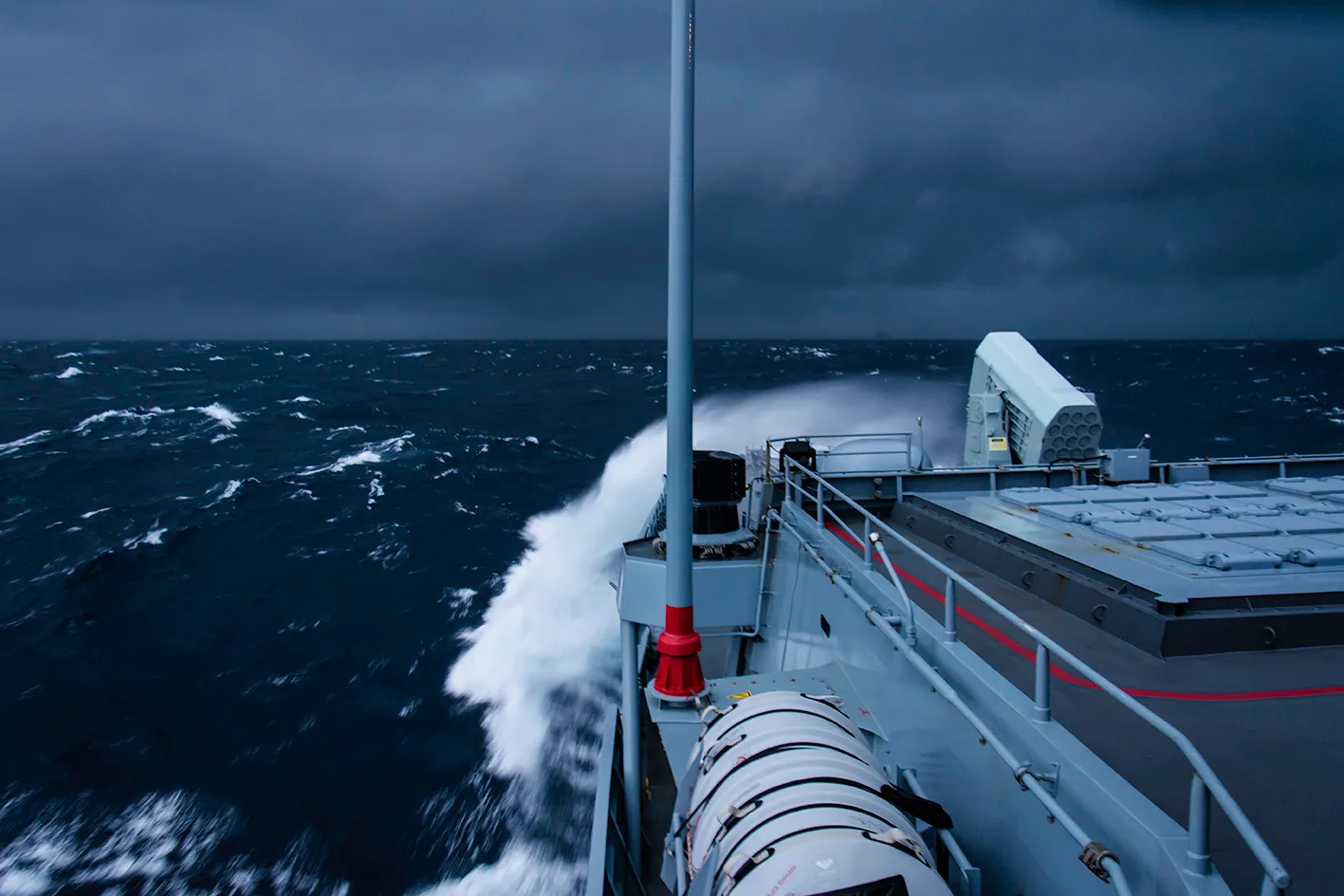
Forward cabins might not be your best bet. Since they’re the first to dip in rough seas, these cabins feel the brunt of the waves, even on lower decks, making them challenging for anyone prone to motion sickness.
Passengers who are prone to seasickness should avoid booking a cabin in the bow of the ship because it experiences a lot of bobbing up and down. Forward cabins can also pick up sound from bow thrusters and water hitting the front of the vessel, which could add to the experience, especially for light sleepers. The bow, in short, offers drama but very little comfort.
What Happens at the Stern
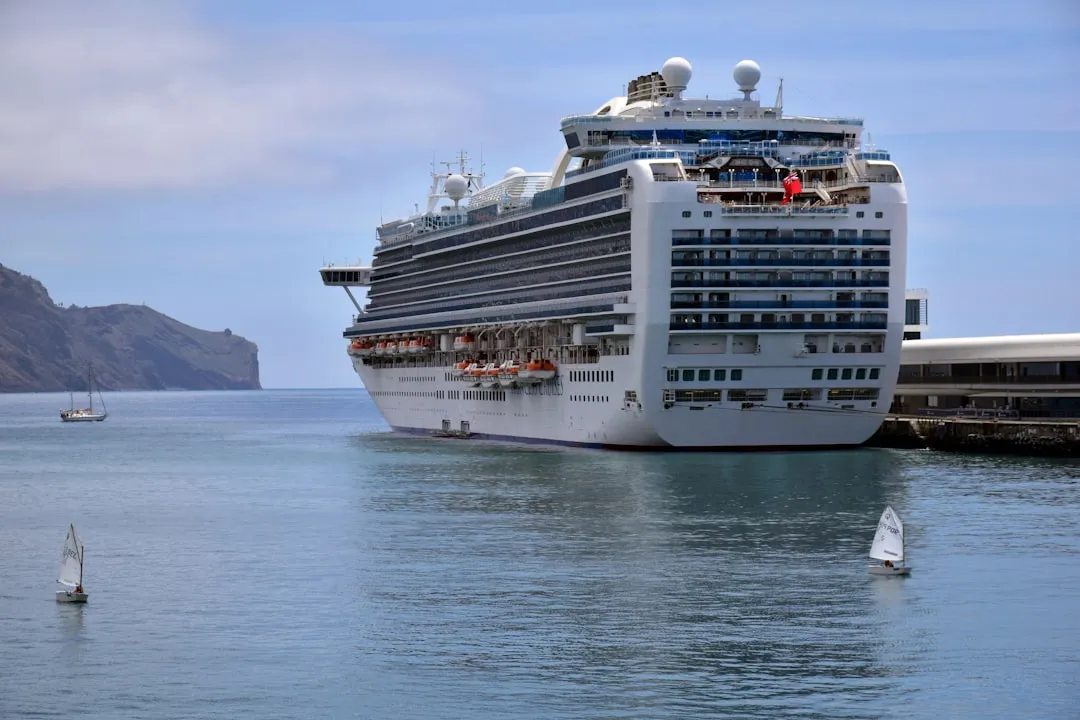
While aft cabins aren’t the worst for seasickness, they can feel more of the ship’s movement compared to midship cabins. If you’re prone to motion sickness, you might want to opt for a midship balcony along the port or starboard sides. Aft cabins may also experience engine or anchor vibrations, which can increase the sense of motion and cause occasional noise.
Cabins at the back of the ship can be noisier due to the ship’s engines. When staying in an aft balcony cabin on the Emerald Princess, noise and vibrations were very noticeable when the ship was docking or maneuvering. It’s a trade-off that many cruisers don’t anticipate until they’re already at sea.
The “Goldilocks Zone”: Which Decks to Actually Target
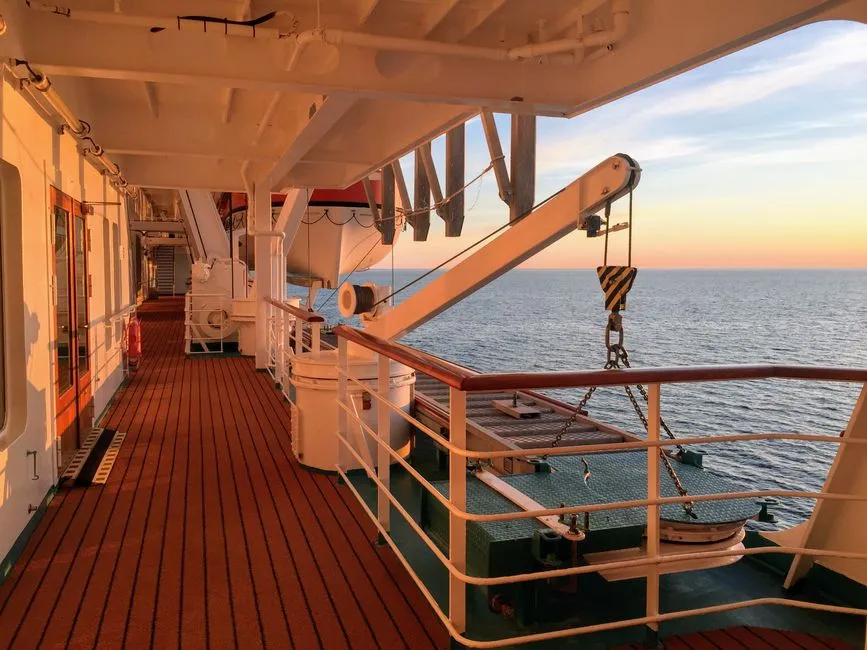
Very low decks, roughly decks two through four, put you closer to engine rooms, laundry facilities, and crew quarters. You’ll hear machinery rumbling early in the morning when the ship’s systems power up. The goldilocks zone sits around decks five through eight. You’re high enough to avoid the worst machinery noise, but low enough that motion is manageable.
For passengers prone to seasickness, choosing a central cabin on a lower deck is often the best option. These areas experience less motion due to their proximity to the ship’s center of gravity. That sweet spot between the engine noise below and the sway above is where the most seasoned travelers tend to land.
How Stabilizers Help (and What They Can’t Do)
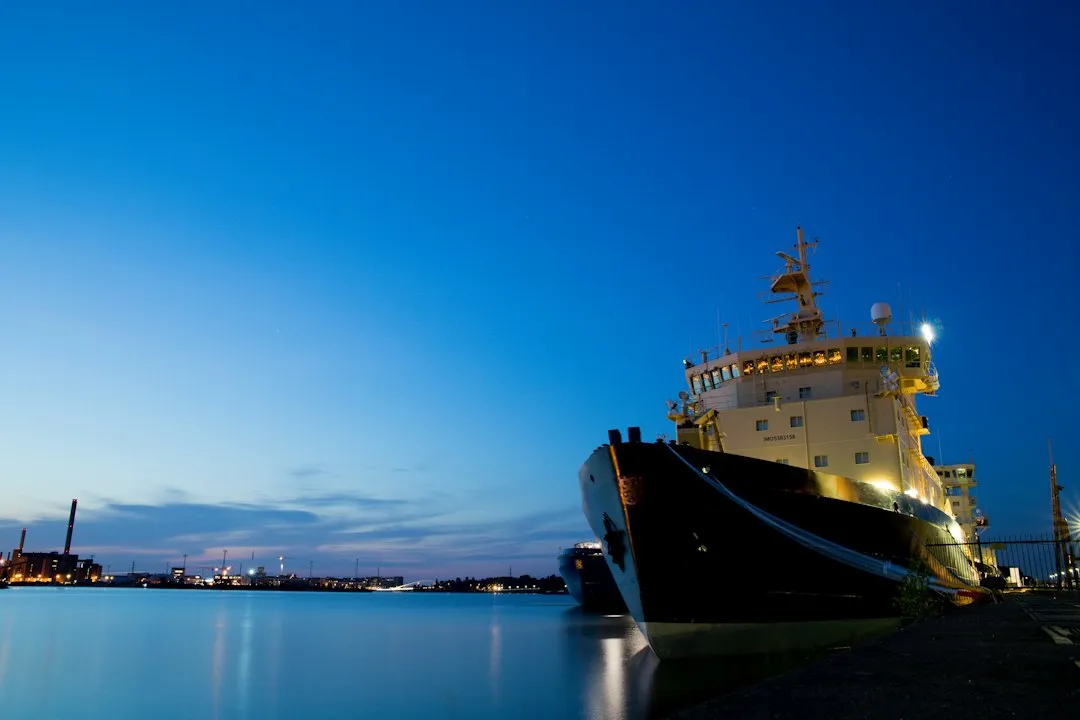
Newer, larger vessels are less prone to motion sickness, thanks to their large size and modern stabilizers that counteract the motion of the waves. Think of the stabilizers as giant airplane wings. They extend out from the side of the ship during rough seas. The gyroscopic motor helps counterbalance the side-to-side rolling motion you feel in inclement weather.
While stabilizers significantly reduce rolling, they don’t eliminate all motion. If you’re prone to seasickness, taking precautions like choosing a midship cabin on a lower deck and bringing seasickness remedies is still a good idea. Stabilizers are a powerful tool, not a complete solution.
How Rough Seas Actually Feel Across the Ship

Seasickness is the primary concern for passengers in rough conditions. Roughly a quarter to half of those on board experience nausea during Force 5 and above conditions, with higher rates among first-time cruisers. Children can be particularly susceptible. The worst cases involve confused seas, where swells arrive from two different directions simultaneously, creating an irregular motion that stabilizers struggle to compensate for fully.
If the ship begins to sway, the midship lower decks experience the least movement. That’s physics: being closer to the vessel’s center of gravity minimizes the arc of motion. Those numbers and that principle don’t change regardless of how large or modern the ship is.
The Price You Pay for the Best Spot
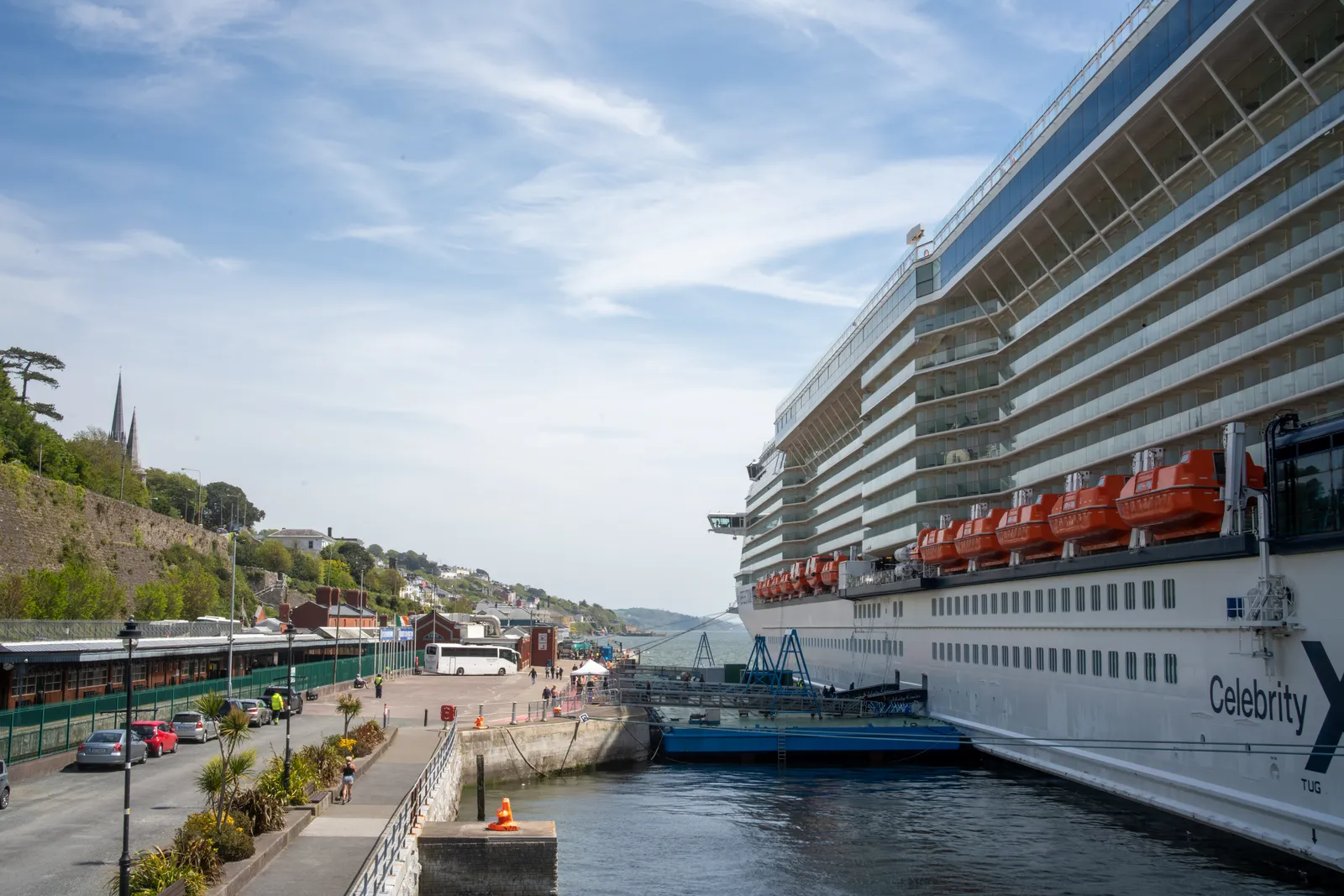
Midship cabins cost more because most seasoned travelers know this secret. You’ll typically pay a ten to fifteen percent premium for a midship location versus the same category forward or aft. Whether that premium is worth it depends entirely on how you respond to motion at sea.
Choosing the perfect stateroom on a cruise ship can significantly impact your overall cruising experience. It’s not just about the stunning ocean views or lavish amenities; the location of your cabin can also play a critical role in mitigating seasickness and ensuring a smooth, enjoyable voyage. For those prone to motion sickness, this decision becomes even more crucial. Spending a little more upfront for the right location is almost always cheaper than losing three days of your itinerary feeling unwell.
The Interior Cabin Advantage Nobody Talks About
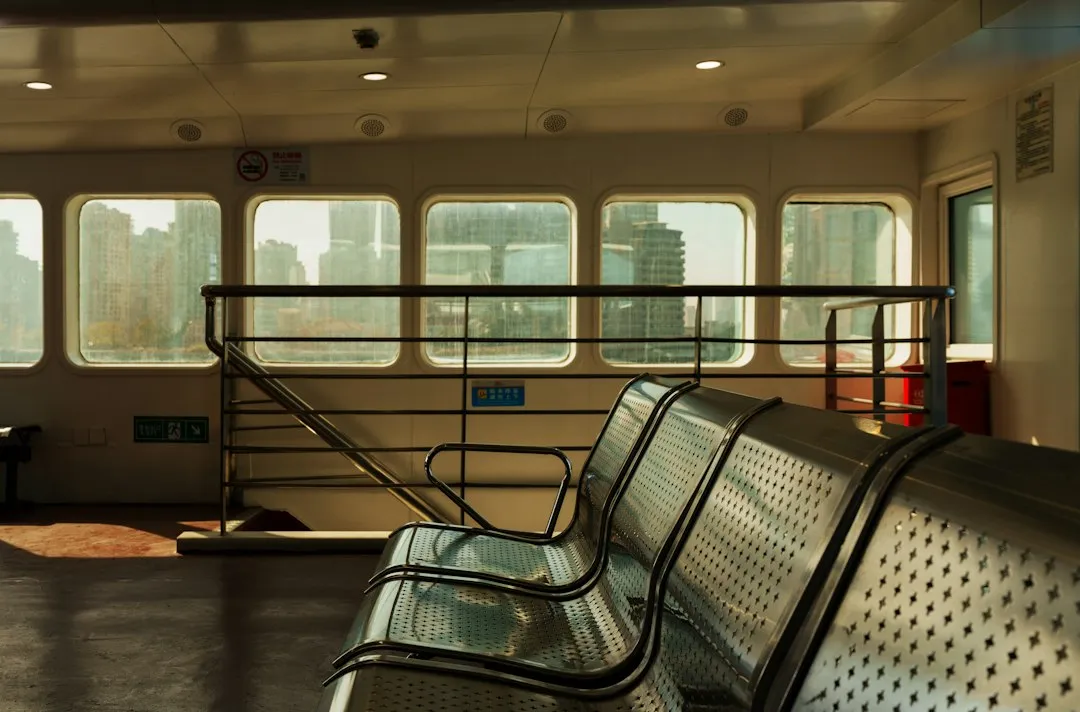
Savvy cruisers look for midship cabins on lower decks to feel the least movement, and interior cabins have some advantage over oceanview or balcony staterooms too, since you won’t see the waves or motion outside the ship. This matters more than people expect.
Seasickness occurs when your brain receives conflicting information about motion and your body’s position. When the boat moves, your inner ears sense this motion, but your eyes may not see it if you’re in a cabin without a view of the horizon, causing discomfort. An interior midship cabin removes the visual trigger entirely, which is a real and meaningful benefit on a rough crossing. Sometimes the most practical cabin is also the wisest one.
The Takeaway
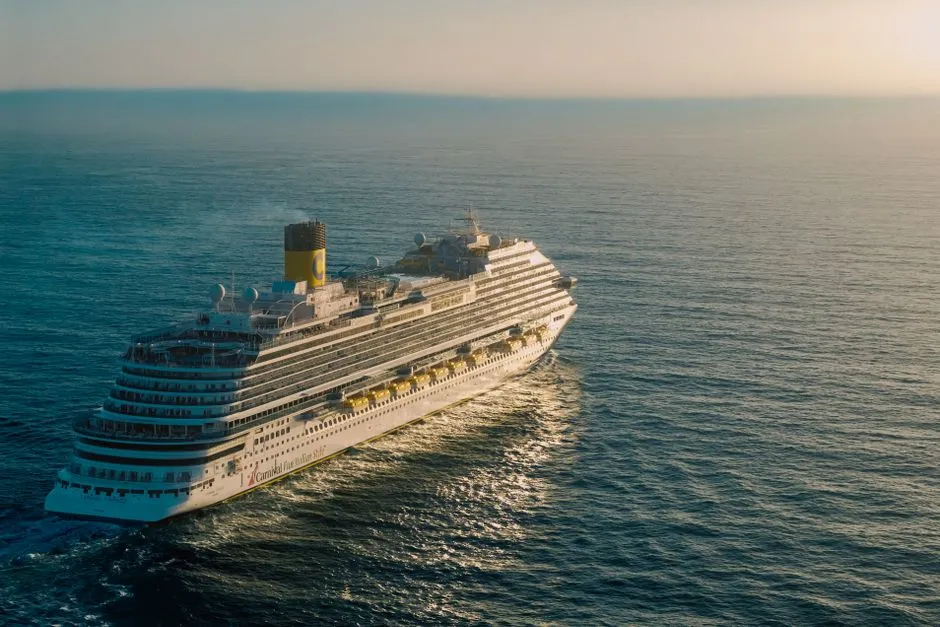
The answer cruise engineers and experienced officers consistently point to is straightforward: midship, lower deck, ideally in the decks five through eight range. Midship areas on lower decks usually feel the least movement when seas become rough. That consensus holds across vessel types and ocean conditions.
The combination of a wide hull, low center of gravity, fuel, and ballast tanks filled with water keeps a cruise ship from tipping over in rough seas. The ship is designed to handle the ocean. Your job is simply to position yourself in the part of it where the engineering works most in your favor. Choose wisely before you board, and the sea tends to feel like a much friendlier place.
AI Disclaimer: This article was created with the assistance of AI tools and reviewed by a human editor.