

The Sensors Are Far More Sensitive Than You Think
A typical Carnival ship alone carries approximately 3,500 smoke sensors, all of which sound directly on the ship’s bridge. These aren’t the same detectors hanging in your kitchen at home. Cabin detectors on cruise ships are far more sensitive than household ones, and many read particle density rather than smoke, so vapor registers the same way smoke does.
The sensors are ultra-sensitive by design, and as a result, the bridge receives a number of false alarms each day. Even ordinary personal care products are enough to cause a reaction. In cabins, cigarette smoke and even hairspray can set off an alarm.
Smoking in the Cabin: Still the Number One Trigger
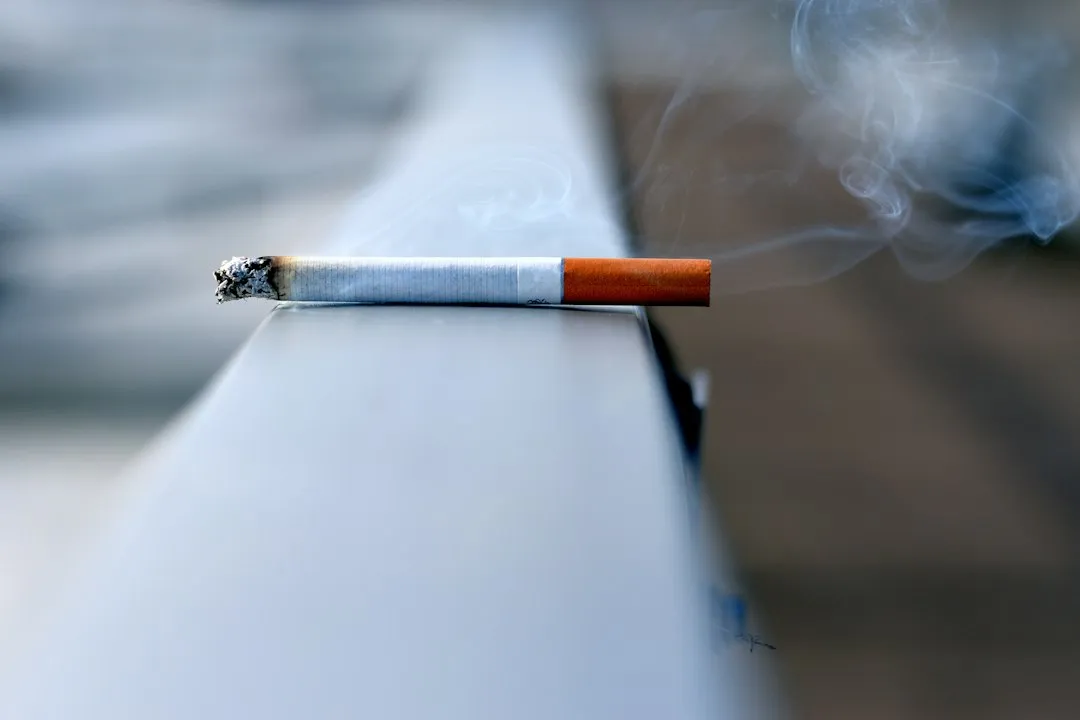
Typical causes of fire on board a cruise ship include electrical faults and overloaded circuits, as well as human error, including smoking in prohibited areas. When it comes to cabin-specific alarms, though, smoking in a stateroom sits consistently at the top of the list.
Careless smoking tops the list of causes of shipboard fire. Smoking is a strong habit, and people tend to smoke without regard to circumstances or location, hardly paying any heed to the safe disposal of lit cigarettes and matchsticks. Fire training literature has flagged this pattern for decades, and it remains just as relevant on modern ships today.
Vaping in the Cabin Is Treated Exactly the Same
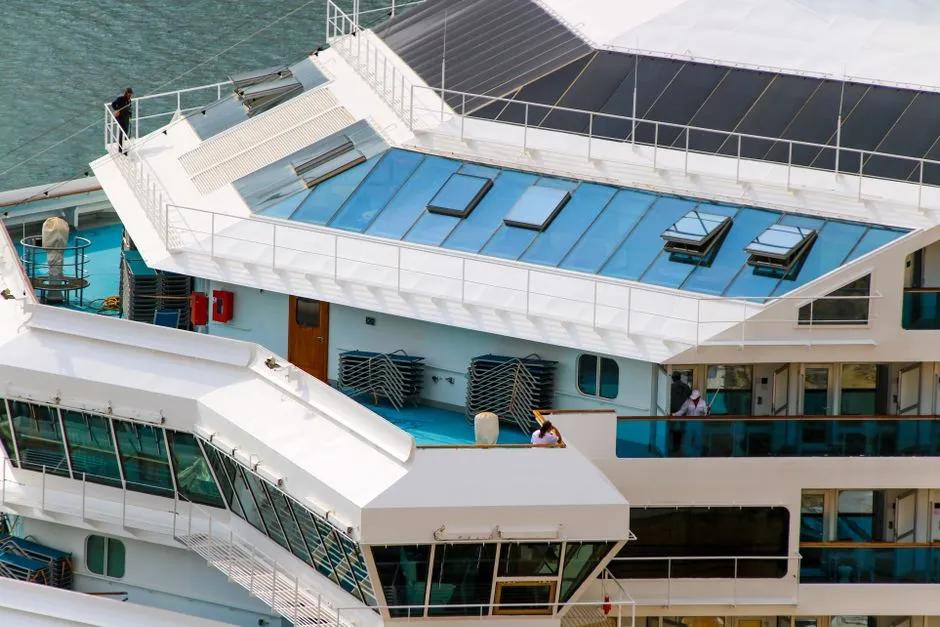
Cruise ship smoke detectors are far more sensitive than the ones in your house, because a fire at sea is what crews fear most. Many passengers assume that because e-cigarettes don’t produce visible smoke, they’re safe to use in a cabin. That assumption is wrong.
While vapor doesn’t ignite anything directly, it creates dense clouds in cramped cabins with closed windows that can easily irritate sensors. Vaping in your cabin is banned on every major cruise line and costs a cleaning fee of $250 on Royal Caribbean, Norwegian, Princess, and Disney, and $500 on Carnival and Virgin Voyages.
What Happens the Moment a Cabin Alarm Sounds
When a cabin smoke alarm sounds, a bridge officer immediately deploys roving fire team personnel to investigate the area. There’s no waiting to see if it was a mistake. A false alarm at sea is treated seriously and will bring the crew to your door.
If a smoke detector is triggered, it can result in immediate cabin evacuation, fire department intervention even if it’s a false alarm caused by something as ordinary as toasting bread, and a mandatory investigation. The protocol doesn’t distinguish between causes until crews are physically on scene.
Why Balcony Smoking Is Just as Dangerous
Most cruise lines these days do not allow smoking on a balcony, citing fire safety issues as the primary concern. This policy didn’t come from nowhere. A discarded cigarette could blow back onto the ship and cause a fire. There was a major fire on Star Princess in 2006, and fire investigators pointed directly to that as the cause. That fire went on to destroy almost a quarter of the ship’s balcony cabins, and this incident has been cited as the main reason cruise lines banned smoking on balconies.
The fire damaged or destroyed 283 cabins. The official report placed the blame on an unknown smoker whose cigarette ignited plastic partitions and furniture on one of the stateroom balconies surrounding the exterior of the ship. It remains one of the most frequently referenced incidents in modern cruise ship fire safety training.
Hairspray, Candles, and Other Surprising Alarm Triggers
Not every cabin alarm involves someone deliberately breaking a rule. Some passengers trigger sensors without knowing it. Activities that can potentially trigger a sensitive detector include using aerosol-based products like hairspray or air fresheners in close proximity to the sensor.
Household products that produce fine particles or volatile organic compounds can potentially cause false alarms if used in close proximity to a sensor. Examples include certain cleaning products, paint fumes, scented candles, and insect repellents. Candles are strictly prohibited in cruise cabins for exactly this reason. Burning one, even briefly, is enough to bring a patrol officer to your door.
Fire at Sea Is Never a Minor Event
Fire remains one of the most serious emergencies at sea. On a cruise ship, where thousands of passengers and crew live and work in a self-contained environment, a fire can escalate rapidly if not managed correctly. There’s no fire brigade to call, no way to leave the building, and no second structure to evacuate to.
The possibility of a fire is the biggest concern for the crew on a cruise ship, and even a small fire is treated very seriously. This is why patrol officers respond to every single alarm without filtering for probability. By the time it’s clear something is a false alarm, they’ve already contained any real risk.
Cruise Lines Are Watching More Than You Realize
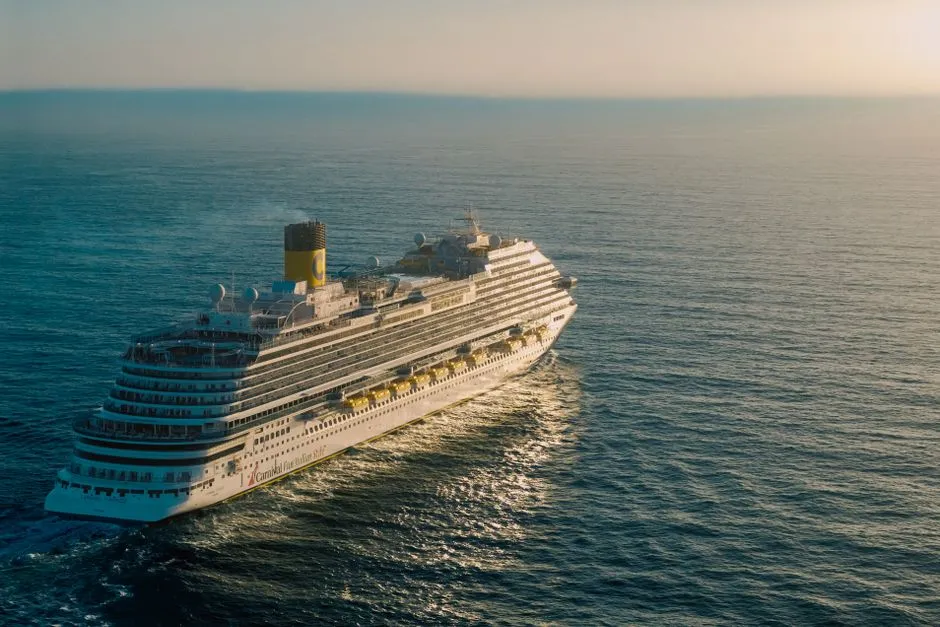
Some passengers believe they can smoke in a cabin discreetly, particularly on a balcony where ocean air disperses the smell. That calculation usually fails. Most areas of a ship, including corridors, decks, and even balconies, are covered by CCTV, and passengers are effectively on camera around the clock.
The bridge is manned 24 hours a day, whether a ship is at sea or in port. Sensor data, camera footage, and crew patrol reports are all reviewed together. Passengers caught smoking or vaping in prohibited areas typically face fines, possible disembarkation at the next port, and in some cases a permanent ban from the cruise line.
The Human Error Factor That Keeps Crews on Edge
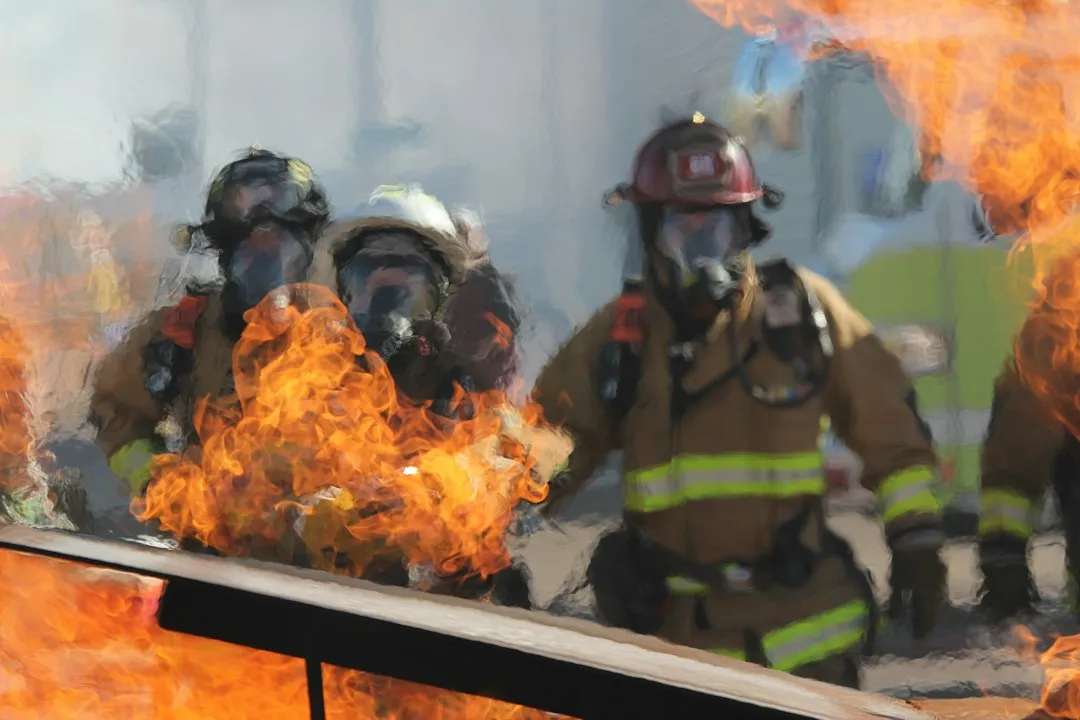
Fire training professionals on vessels are consistent on one point: the sensor system does its job reliably. The variable is always human behavior. If a fire or signs of fire are discovered, crew members must immediately activate the nearest manual call point and inform the bridge, because delayed response can allow a fire to grow beyond initial control.
If a person smokes in bed while tired, a smouldering fire can result if the glowing tobacco touches the bedding, and the resulting smoke will most certainly cause drowsiness and possible suffocation before the fire is even discovered. Fire patrol officers describe this as their most feared scenario precisely because it’s invisible until it isn’t.
What Passengers Can Actually Do to Help
Fires on cruise ships are relatively uncommon, and most are small, contained, and quickly extinguished without major injury. That’s not by accident. It’s the result of strict rules, rigorous crew training, and advanced detection infrastructure working in combination.
Passengers who stick to designated smoking areas, avoid aerosol sprays near sensors, never light candles, and follow the ship’s guidelines on vaping contribute meaningfully to that safety record. Every major Carnival ship, for example, maintains a highly trained fire response team on board, with regular training and drills practiced to ensure fast, efficient reactions to any type of fire situation. The crew is prepared. The question is whether passengers hold up their end of that partnership.
The Takeaway
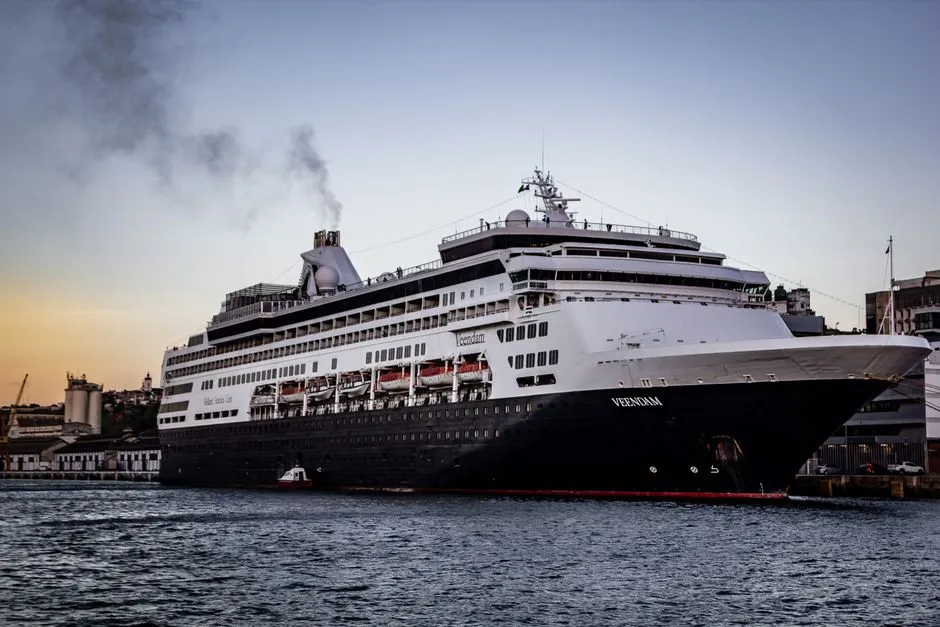
What fire patrol officers reveal again and again is not dramatic. It’s mundane. The cabin habit that sets off the most alarms is simply smoking or vaping in a space where it’s explicitly prohibited, often by someone who assumed the sensors wouldn’t notice, or that the rules didn’t really apply to them at sea.
Modern cruise ship detectors are engineered to notice. The bridge is staffed around the clock. The fire team responds in minutes. The ocean offers no margin for error, and the ship’s designers, regulators, and crew all know this. The only weak link in that chain tends to be a passenger with a cigarette and an open cabin window, hoping for the best.
AI Disclaimer: This article was created with the assistance of AI tools and reviewed by a human editor.