
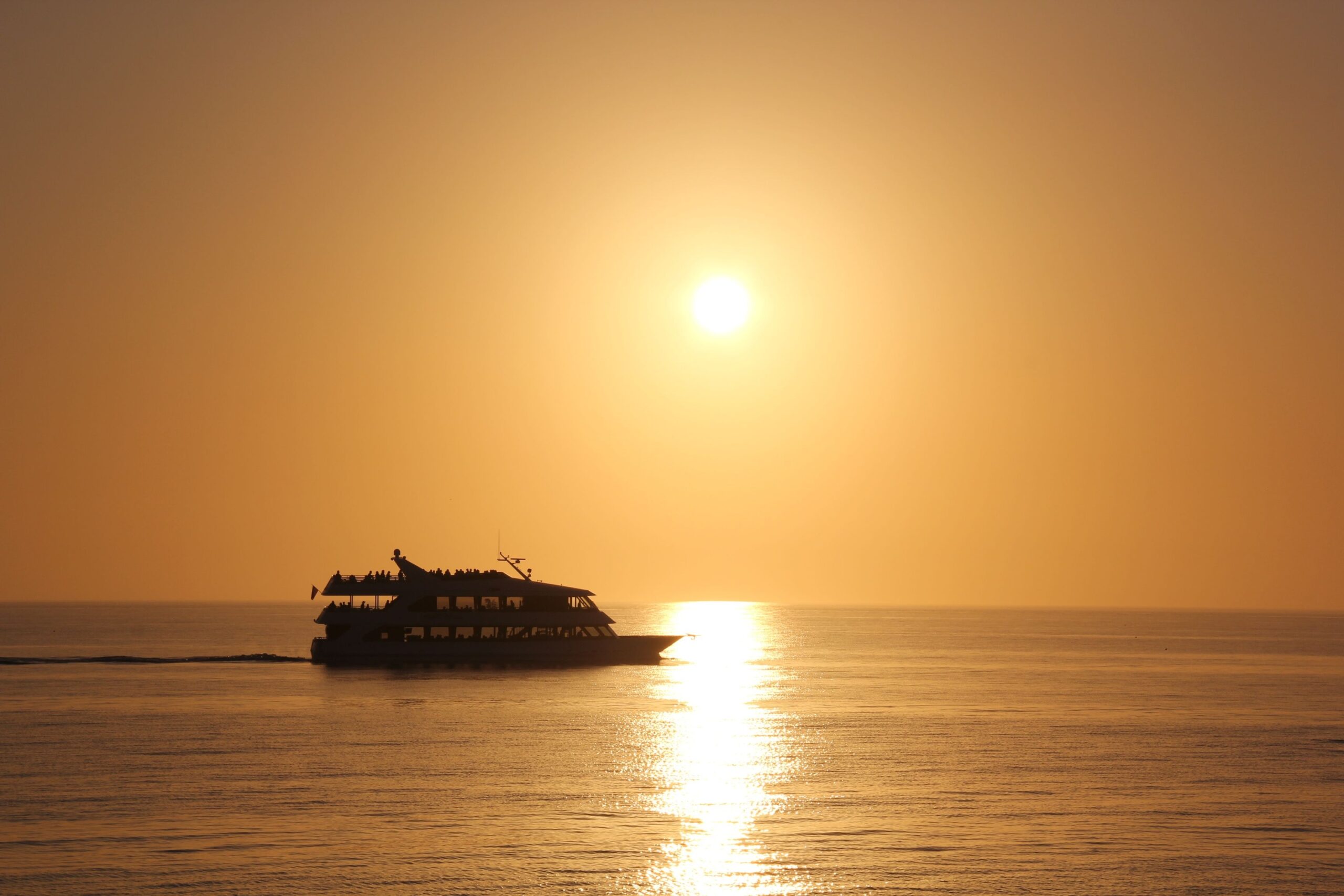

There’s something quietly fascinating about a gym that floats. Thousands of miles from shore, surrounded by open water, passengers roll out yoga mats and clip into spin bikes while the ocean moves beneath them. Fitness on cruise ships has grown dramatically over the past few years, shifting from an afterthought to a genuine selling point for major lines.
The question that comes up again and again, from passengers and instructors alike, is a simple one: when should you actually book that class? Timing changes everything, from the crowd size and instructor enthusiasm to how your own body responds to movement. Here’s what the evidence, the cruise lines, and the patterns all point to.
Morning Classes Fill the Fastest – and for Good Reason

Morning sessions and sea days fill fastest, while port-day classes are less popular. This isn’t an accident. Passengers who plan to stay active tend to wake up with intention, and the first available class of the day absorbs most of that motivation before it fades into poolside lounging. The energy in a 7 or 8 a.m. class is often genuinely charged, because everyone there showed up deliberately.
For early risers, morning workouts can set the tone for the day, triggering a spike in alertness and positivity. One study found that people who exercised in the morning reported better mood, improved sleep, and more stable energy throughout the day. On a ship, where days can blur together, that kind of mood anchor matters more than it might at home.
Sea Days Create a Class Energy Like No Other
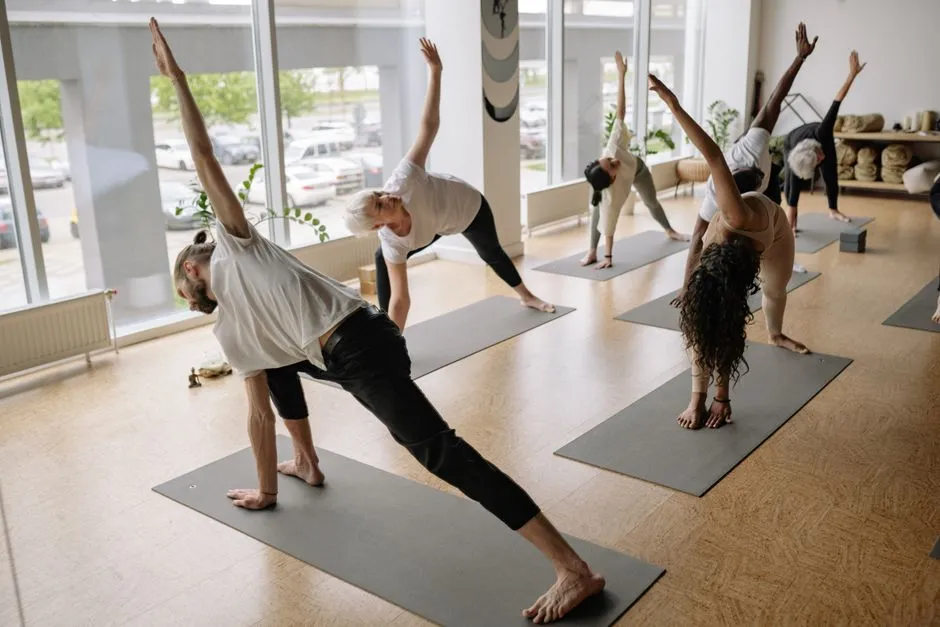
Sea days, when the ship isn’t docked at a port, are often the busiest times for the gym. With no excursions to attend, many passengers flood the fitness center. Instructors consistently note that sea-day classes carry a different atmosphere entirely. The room fills up, the music goes louder, and people who might otherwise skip the gym on a port day actually show up and push themselves.
Cruise ship fitness centers are usually the busiest in the mornings and on sea days. That surge in attendance has a real effect on class energy. When a spin studio or yoga room is packed with people who are genuinely committed to being there, even a moderately experienced instructor can lead a session that feels electric. Numbers do shape atmosphere.
The 7 a.m. to 9 a.m. Window Is Consistently Strongest

According to data from Future Member, roughly two-fifths of all workouts take place between 7 and 9 a.m. or 5 and 7 p.m. On cruise ships, the morning window dominates more heavily than the evening, because dinner, shows, and evening entertainment pull passengers away from the gym after dark. The early morning slot captures the widest cross-section of committed exercisers.
Early morning, roughly 6:00 to 7:30 a.m., is widely considered the best time for outdoor activity on deck. The track is empty, the air is cool, and the sunrise over the ocean is spectacular. Instructors who teach deck yoga or open-air stretch sessions during this window often describe those classes as their personal favorites, simply because of the setting and the calm focus that comes with it.
Port Days Offer a Quieter, More Intimate Class Experience
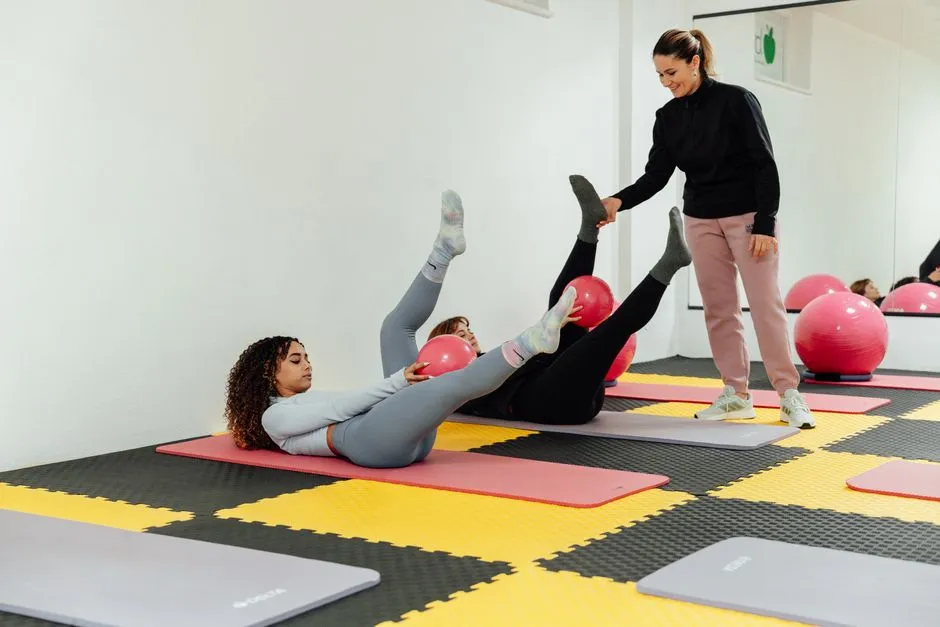
Port-day classes are less popular, and waitlists can clear because many passengers do not show up. That lower attendance is actually a gift for passengers who do make it. Smaller groups mean instructors can give more individual attention, correct form more carefully, and slow down or speed up based on who’s in the room. What the class loses in crowd energy, it gains in personal instruction.
Port-day regulars often develop a quiet loyalty to these sessions. They’re the passengers who’ve figured out that a near-private Pilates class at 8 a.m. while the ship sits in port is genuinely better for their form than a standing-room-only spin class on a crowded sea day. Both have value – they just offer different things.
Mid-Morning Classes Balance Crowd Size and Body Readiness
Because body temperature is lower shortly after waking, it’s important to ease into morning workouts. Dynamic stretching and a gradual warmup can boost blood flow and reduce stiffness. This is part of why mid-morning classes, typically between 9 and 11 a.m., often feel physically strong for participants. The body has had time to wake up, eat, and warm through, and performance tends to reflect that.
Another benefit of exercising in the morning hours is the mental boost it provides. Physical activity releases endorphins that can improve mood and help you feel energized rather than sluggish. Instructors often describe mid-morning as the “sweet spot” where participants aren’t rushed, their energy levels are stable, and the post-class glow lasts into the afternoon.
Free Classes on Deck Draw Surprisingly Committed Crowds
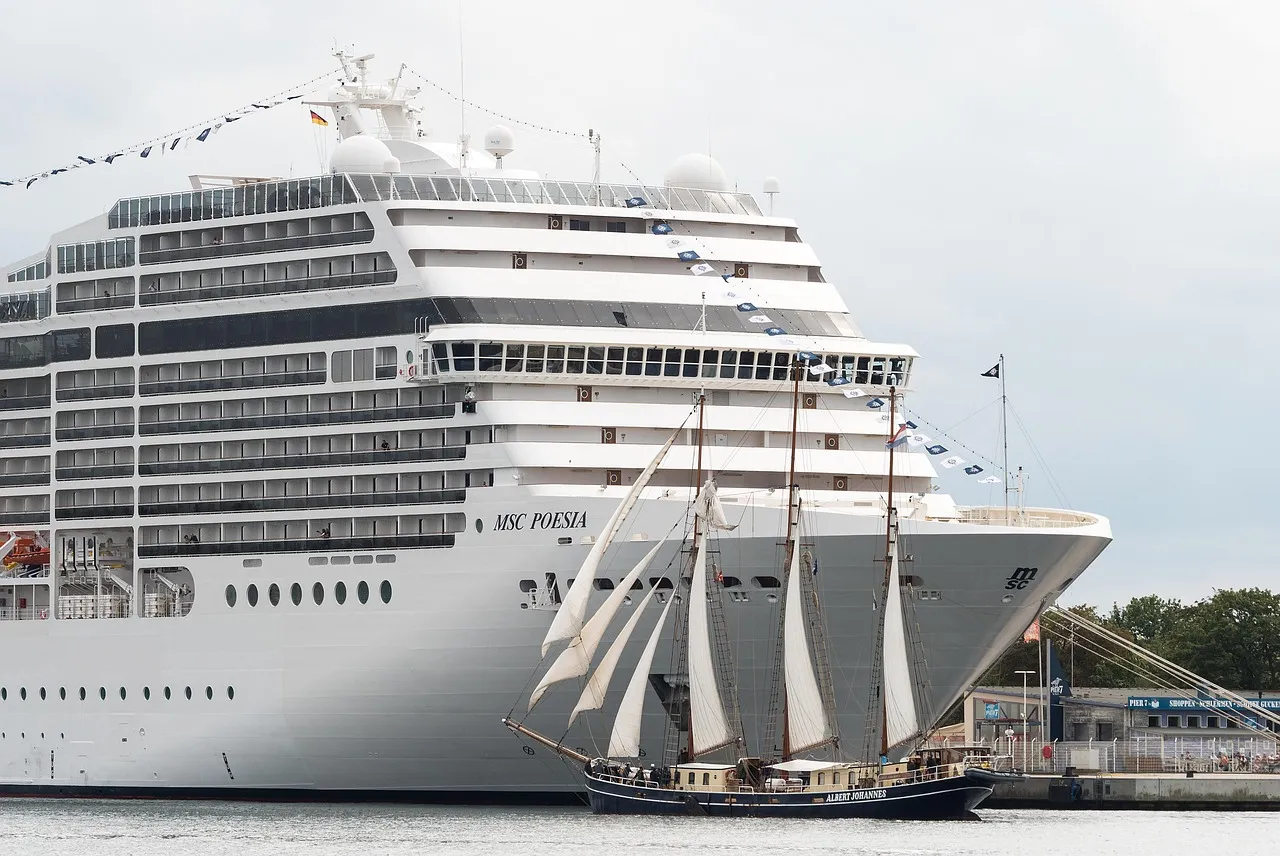
Many ships host a free group stretch or yoga session on the pool deck or sports court at 7:00 to 8:00 a.m. These complimentary sessions tend to attract a genuinely enthusiastic mix of passengers, from seasoned practitioners to curious first-timers who wouldn’t pay for a formal class. The atmosphere is relaxed, the commitment is real, and the ocean backdrop does most of the mood-setting work.
The most common classes on cruise ships are abs, stretch, cycle, yoga, Pilates, boot camp, and body conditioning. While cost varies, most cruise ship fitness classes cost around $20 per class, though some stretch and ab classes are offered free. The free sessions on deck often draw consistent repeat attendees throughout a sailing, which builds a genuine sense of community within the class.
Evening Classes Are Smaller but Scientifically Sound

A study published in Diabetes Care found that heart-pumping exercise in the evening, between 6 p.m. and midnight, was associated with the lowest risk of mortality and cardiovascular disease for people with obesity. Evening fitness classes on cruise ships are frequently overlooked, yet the physiological case for them is solid. Attendance tends to be lower because dinner and evening entertainment compete for attention, but those who do show up often perform well.
Motor functions such as strength, whole-body flexibility, simple reaction time, and short-term power output display a time-of-day effect characterized by a late afternoon peak and an early morning low point. This means that if raw physical performance is the goal, late afternoon and early evening classes may actually be more effective than the morning rush, even if they’re less crowded and less talked about.
Instructors Note That Class Composition Shapes the Vibe More Than the Clock
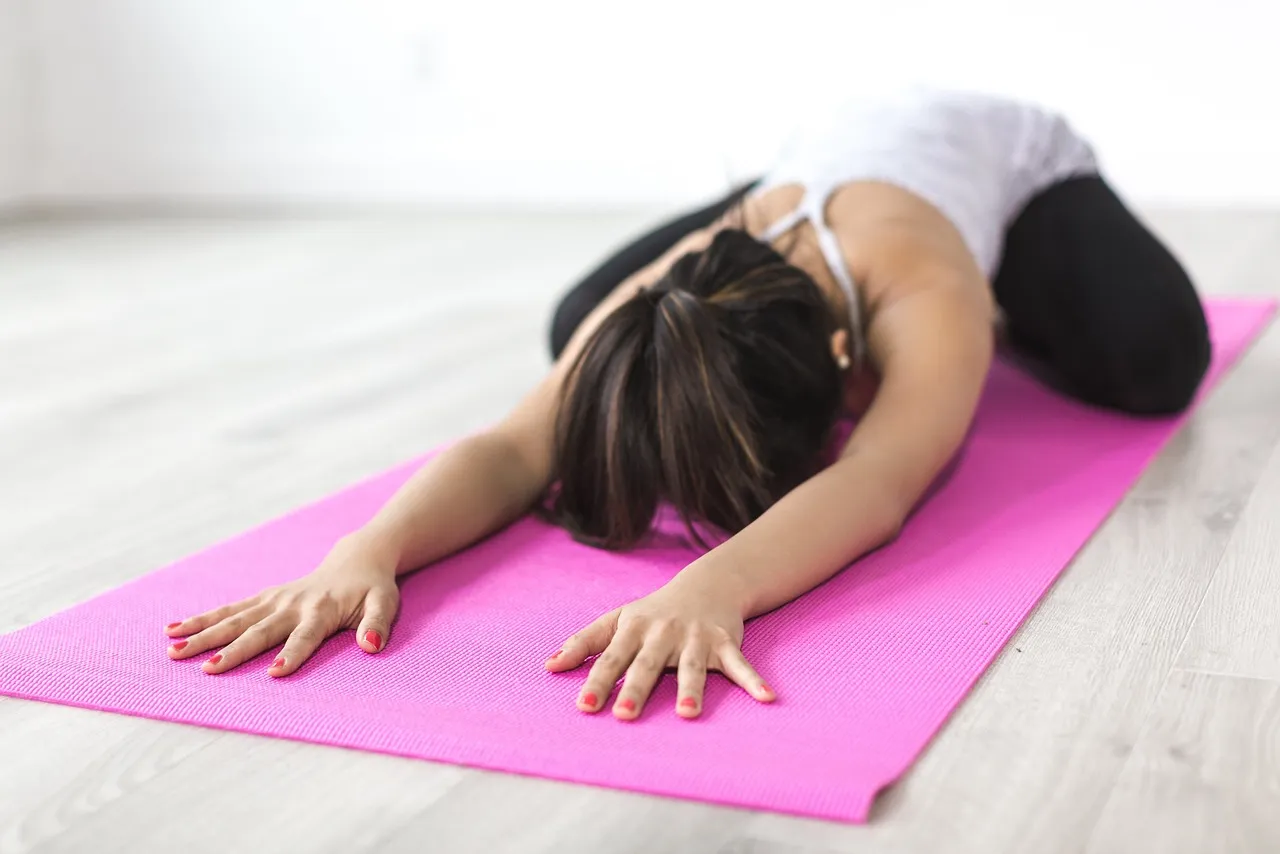
Just like on land, participants on cruise ships come from all walks of life and fitness levels. If an instructor is a good communicator, they’ll manage well even if participants don’t all share the same language. Experienced ship instructors are quick to point out that the “best” class time isn’t purely about the hour. A 6 a.m. yoga session with ten motivated passengers can have more energy than a noon boot camp with a distracted crowd.
The mix of nationalities, ages, and fitness backgrounds on any given ship means instructors have to read the room, not the clock. The classes that generate the most buzz are usually the ones where the group dynamic clicks, regardless of when they’re scheduled.
How to Actually Get Into the Class You Want
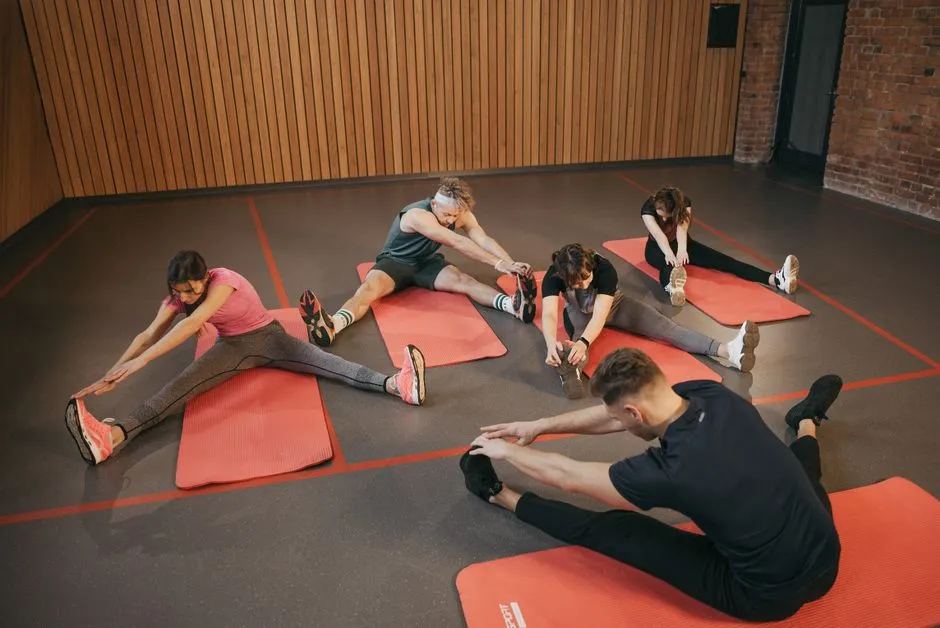
Fitness classes on Princess Cruises can be booked only on embarkation day, when sign-up sheets are available at the fitness center. Classes last 30 minutes, cap at about 26 participants, and cost $30 each unless covered by a package perk. Most major lines follow a similar model, so moving quickly on embarkation day is essential if you have a specific time slot in mind.
A practical tip is to attend the free classes on the first day. If you enjoy the instructor, book a paid class for later in the cruise. The free sessions are essentially a preview. This approach lets you assess the instructor’s style and the class format before committing, which leads to much better attendance follow-through across the rest of the sailing.
The Wellness Boom Has Raised the Bar Across the Fleet
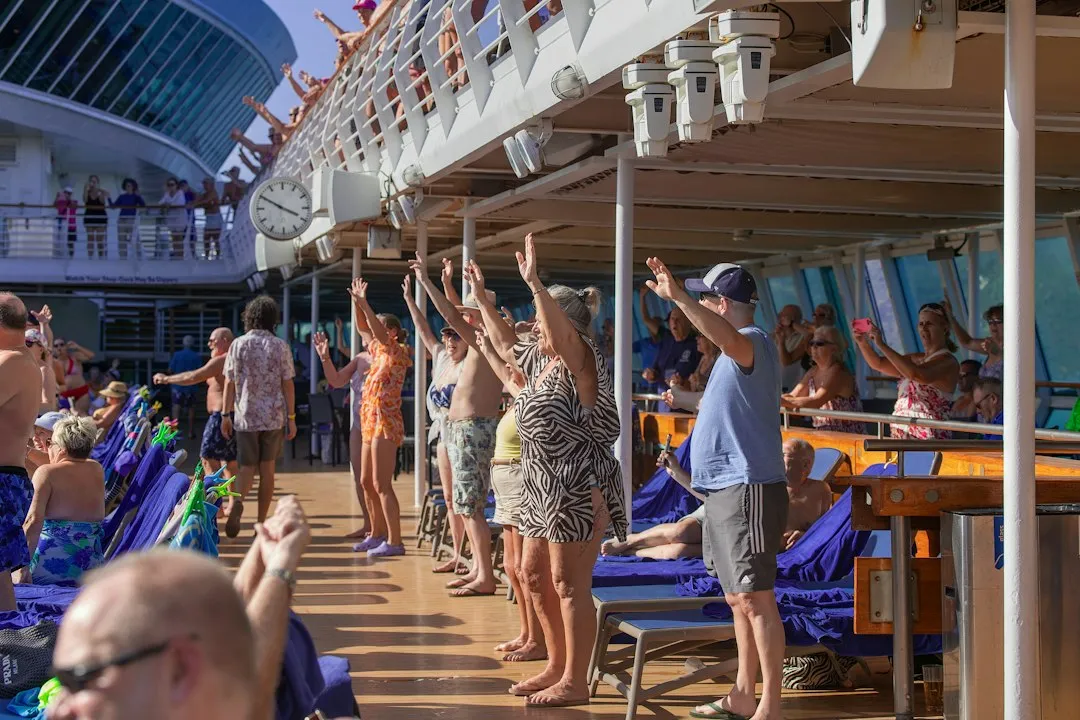
From pickup basketball and soccer games to upgraded running tracks and pickleball tournaments on ships’ upper sports decks, wellness has become a central part of cruise vacations rather than an afterthought. The result is that passengers now arrive with workout gear packed deliberately, not as an afterthought, and the quality of group classes has improved measurably to meet that demand.
In 2025 and into 2026, many cruise ships have become floating wellness havens that rival the fanciest gyms. On ships like Icon of the Seas and Utopia of the Seas, the fitness center features rows of new machines, TRX and free weight sections, and the kind of amenities that were unheard of on cruise ships a decade ago. The class offerings have grown accordingly, with structured programming throughout the day rather than a single morning session bolted onto the spa schedule.
The Takeaway

The class with the best energy on a cruise ship is almost always a morning session on a sea day. The data, the anecdotal patterns from experienced cruisers, and the basic science of how the body responds to a day well-started all point in the same direction. That said, the ideal time genuinely depends on what you’re after.
A 2024 meta-analysis confirmed that even a single session of exercise can improve energy levels and reduce fatigue almost immediately, thanks to the rise in endorphins and improved oxygenation. Whatever slot you choose, showing up matters more than optimizing the hour. The best class on any cruise is simply the one you actually attend – and the one where the sea is visible through the window while you move.
AI Disclaimer: This article was created with the assistance of AI tools and reviewed by a human editor.