
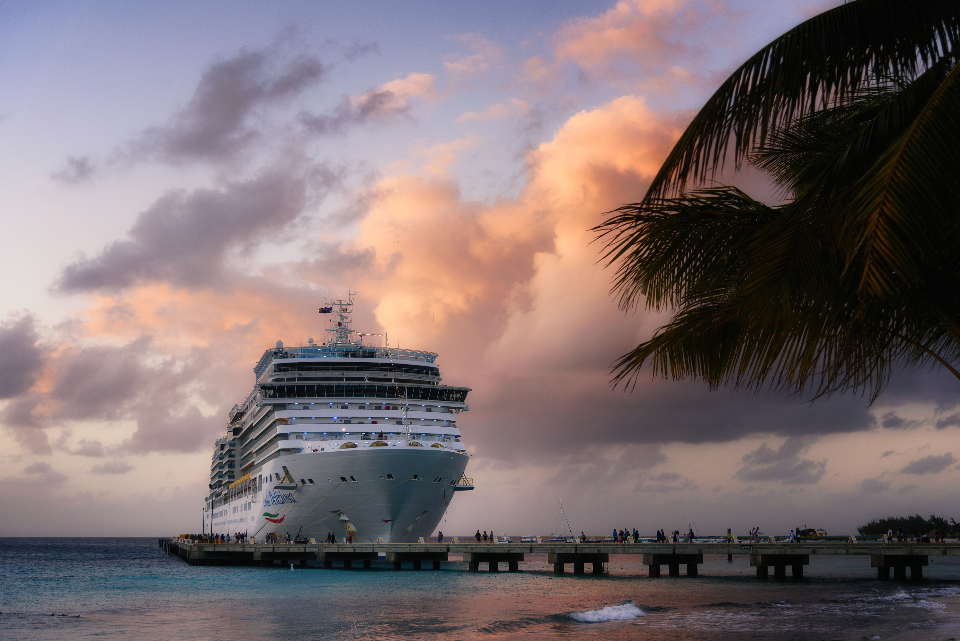

Most people spend their final cruise evening packing suitcases, saying goodbye at dinner, or lingering at the bar for one last drink. Very few wander into the ship’s gift shop. That’s exactly why the last-night sale remains one of the most consistently overlooked deals afloat.
The timing isn’t accidental. The last sea day is when onboard shops stop trying to protect their margins and start trying to empty their shelves, because a ship cannot carry unsold inventory into the next sailing’s fresh promotions. The passengers who know this – and there aren’t many – can walk away with genuinely good prices on items they were eyeing all week.
A Booming Industry with a Quiet Secret
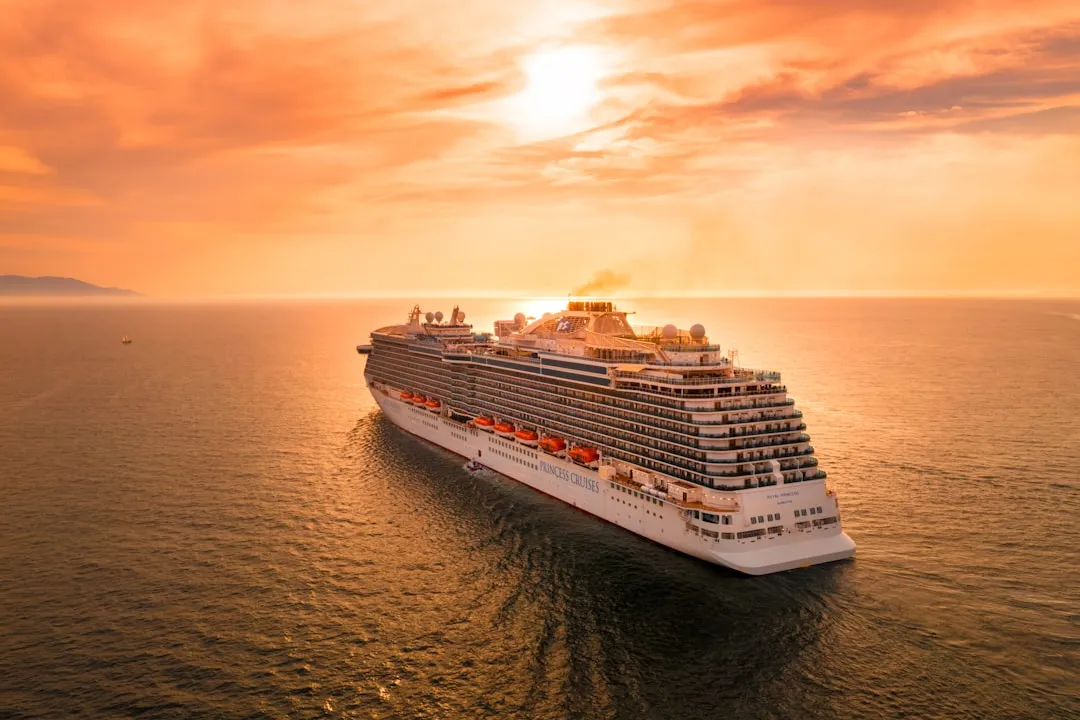
The cruise industry is enormous right now, and that scale matters when you start thinking about onboard retail. In 2025, worldwide ocean cruise line revenue from ticket and onboard spend was estimated at $72.5 billion, a 7.7% increase over 2024, with around 33.7 million passengers carried. With that many people on ships, even a small percentage of savvy shoppers represents a meaningful crowd.
Ancillary revenue, money earned from offerings beyond the core product, is a crucial source for cruise lines; onboard spending made up roughly 30% of Royal Caribbean’s revenue and around 34% of Carnival’s revenue in 2025. Gift shops are a meaningful slice of that figure, which is why staff are motivated to clear inventory before every turnaround day.
Why the Final Day Is Different
Nearly every ship stages a marked-down table or two on the last full day, piled with whatever did not move during the sailing, and the prices bear little resemblance to the ones from day one because the goal has shifted from profit to clearance. This isn’t a gimmick. It’s a genuine inventory pressure that staff deal with at the end of every voyage.
On the last sea day, the Royal Promenade deck on Royal Caribbean ships can see around $30,000 in sales in a single night, with staff noting that “the last day, we do double the (regular) volume.” That kind of volume only happens when prices drop enough to move reluctant buyers off the fence.
The Duty-Free Advantage Already in Your Favor
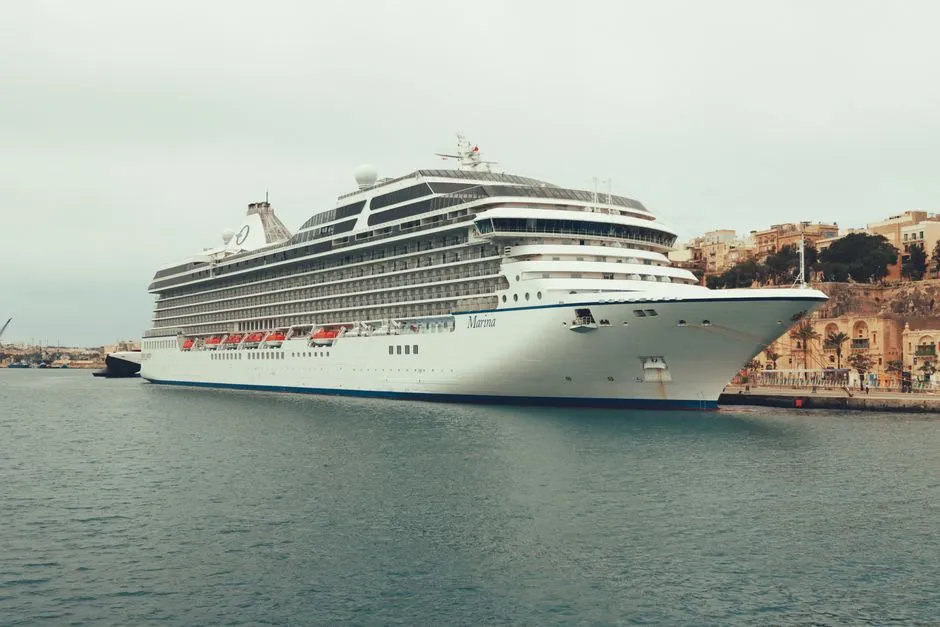
To provide tax and duty savings to guests, onboard shops can only open when the ship is in international waters. That structure creates a baseline advantage before any sale even starts. On occasion, shoppers can score savings of 20 percent or more in a duty-free ship shop, and that figure compounds further when end-of-voyage markdowns are layered on top.
In the Caribbean, for example, passengers do not pay value-added tax or state sales tax, so a savings of roughly 8 percent is automatic. If an item is already discounted 30 percent off prices at home, the real saving can reach closer to 38 percent. The final-day sale stacks on top of that.
Liquor Markdowns Are Real and Often Steep

Spirits that sat untouched all week often get cut on the final day to avoid restocking hassle, and the duty-free structure already removes the taxes a shore store would add. Bottles of whisky, rum, or wine that weren’t grabbed mid-cruise become far more attractive with a last-day discount attached.
Many cruise lines don’t let you buy alcohol in the shop and drink it onboard – your purchase is held until you disembark. That policy deters some passengers from buying early in the voyage, which means more inventory is available at a lower price on the final night. Knowing this in advance is genuinely useful.
Watch Counters and Jewelry: Ask the Question Most People Don’t
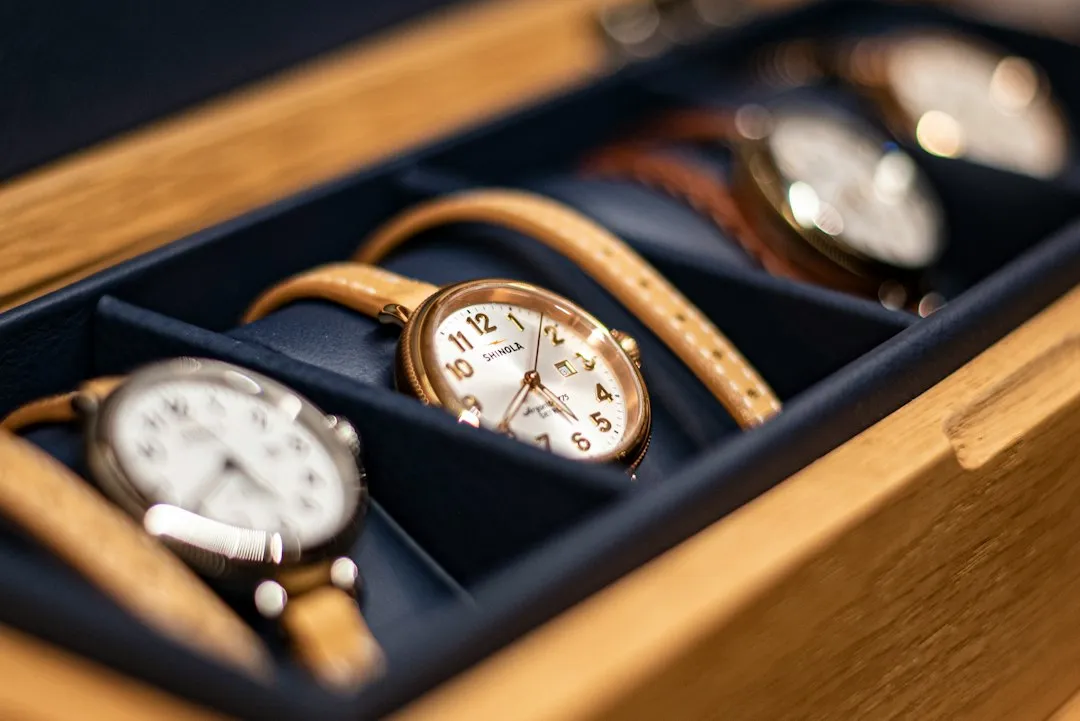
Onboard watch counters run on a high-markup, high-negotiation model, and by the last day staff would rather move a piece than pack it away. The listed prices are rarely the real prices at that point, and a polite question about a final-day deal frequently produces a number well below the tag. Most passengers never ask because they assume the sticker price is fixed.
In one documented case, a shop clerk revealed that three remaining Gucci watches were being liquidated at 50 percent off the already discounted onboard price. That kind of deal never appears in the daily newsletter. If you see an item you love, always check the pricing to confirm it’s the best available, and ask staff directly whether it might be on sale even later in the cruise.
The Souvenir Bin: Underestimated and Surprisingly Good
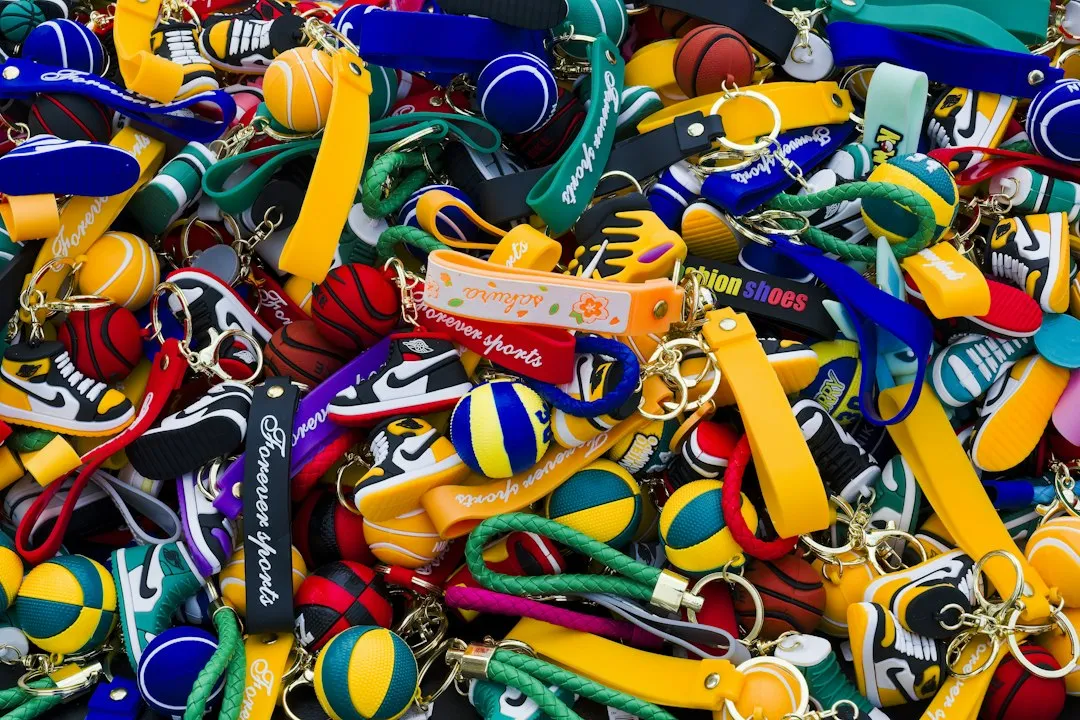
The keychains, magnets, shot glasses, and trinkets that fill the impulse racks get dumped into clearance bins on the final morning, sometimes at a dollar or two each. These are pure margin items early in the voyage and pure clearance by departure day. For anyone buying small gifts for people back home, this is the practical move.
Small souvenir items like photo frames, magnets, and keychains can see markdowns alongside broader final-day clearance events, and frequent cruisers picking up small gifts for people at home often wait for these promotions rather than buying at full price earlier in the cruise. Patience pays here in a very literal sense.
Itinerary-Specific Merchandise Gets Aggressively Cleared

Items tied to the specific ports on a particular itinerary become dead weight the moment the ship changes routes, so they get cleared aggressively at the end. A print of this sailing’s coastline or a shirt naming the islands visited this week has no value to the next group of passengers on a different route.
This is one of the most consistently overlooked categories. Destination-specific artwork, local-themed keepsakes, and route-branded apparel all share the same problem from the ship’s perspective: they expire commercially when the itinerary ends. That’s the buyer’s opportunity.
Logo Apparel: Bundle Pricing Appears Late
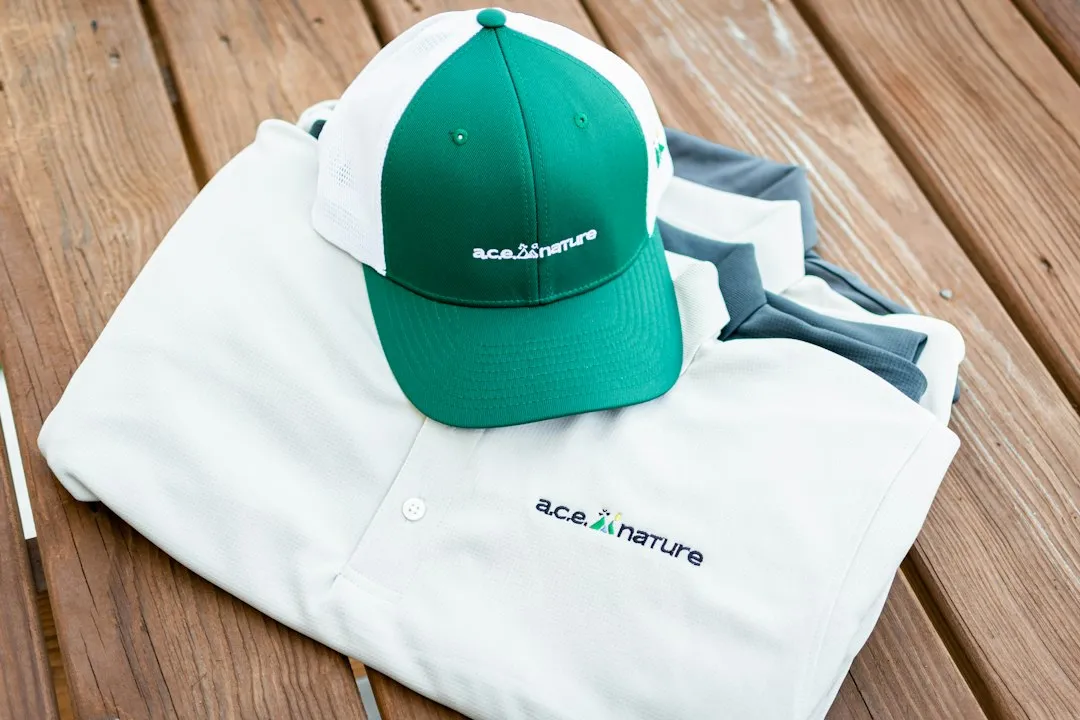
The ship-logo shirts, caps, and hoodies that anchor the souvenir wall almost always shift to buy-one-get-one or steep bundle pricing near the end of the voyage. These items can go on sale with a buy-two deal or 15 percent off or more on the final day.
Royal Caribbean confirms that sales happen daily onboard ships and include a wide variety of merchandise. The intensity of those sales, though, ratchets up noticeably as the final night approaches. Logo wear is designed to clear, not to travel to the next port.
How to Find Out When the Sale Starts
Cruise ships post shopping deals and special events in their daily newsletter, delivered to guests each evening. That newsletter is the first place to look, and most passengers skim it quickly or skip it entirely. Reading the shopping section carefully on the second-to-last evening pays off.
A practical tip recommended by experienced cruisers: ask the boutique staff directly if they can tell you approximately when the sale will begin. Staff generally know the schedule and are often happy to share it. Your daily program will also have listings for one-hour bargains and special events, from gold chains to trunk shows. The information is there if you look for it.
What the Shops Actually Carry (and What to Target)

On a typical ship, you’ll find a boutique selling handbags, cruise clothing, T-shirts, books, items for kids, and souvenirs, alongside a high-end jewelry store that also sells watches, and a duty-free store stocking perfume, cigarettes, chocolate, alcohol, and makeup. Each of these categories behaves differently at the end of the voyage, with clearance deepest on items that are hardest to restock or resell on the next sailing.
On Princess Cruises ships, boutiques carry brands including Tissot, Tag Heuer, Longines, Swarovski, Brighton, Chanel, and Dior. High-end items in this tier rarely get the same dramatic last-night discounts as souvenir bins, but watches and select jewelry pieces are often open to negotiation in a way that mid-voyage shopping simply isn’t.
The Takeaway
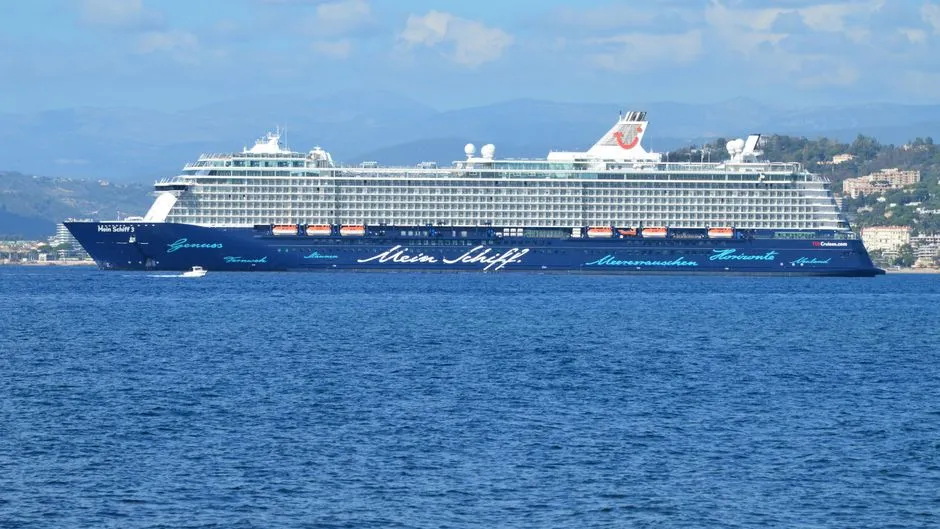
The last-night sale is real, it’s consistent across major cruise lines, and it rewards passengers who simply show up. Most passengers are too busy packing to notice the rolling clearance event on the final day, and the discounts favor the handful of people who wander in while everyone else is folding luggage.
The strategy is low-effort: read the daily newsletter, ask a staff member when clearance pricing kicks in, and make one unhurried pass through the shop on that final evening. The prices won’t be there in the morning, and neither will the ship. That quiet window between dinner and departure is where the actual deals live.
AI Disclaimer: This article was created with the assistance of AI tools and reviewed by a human editor.