
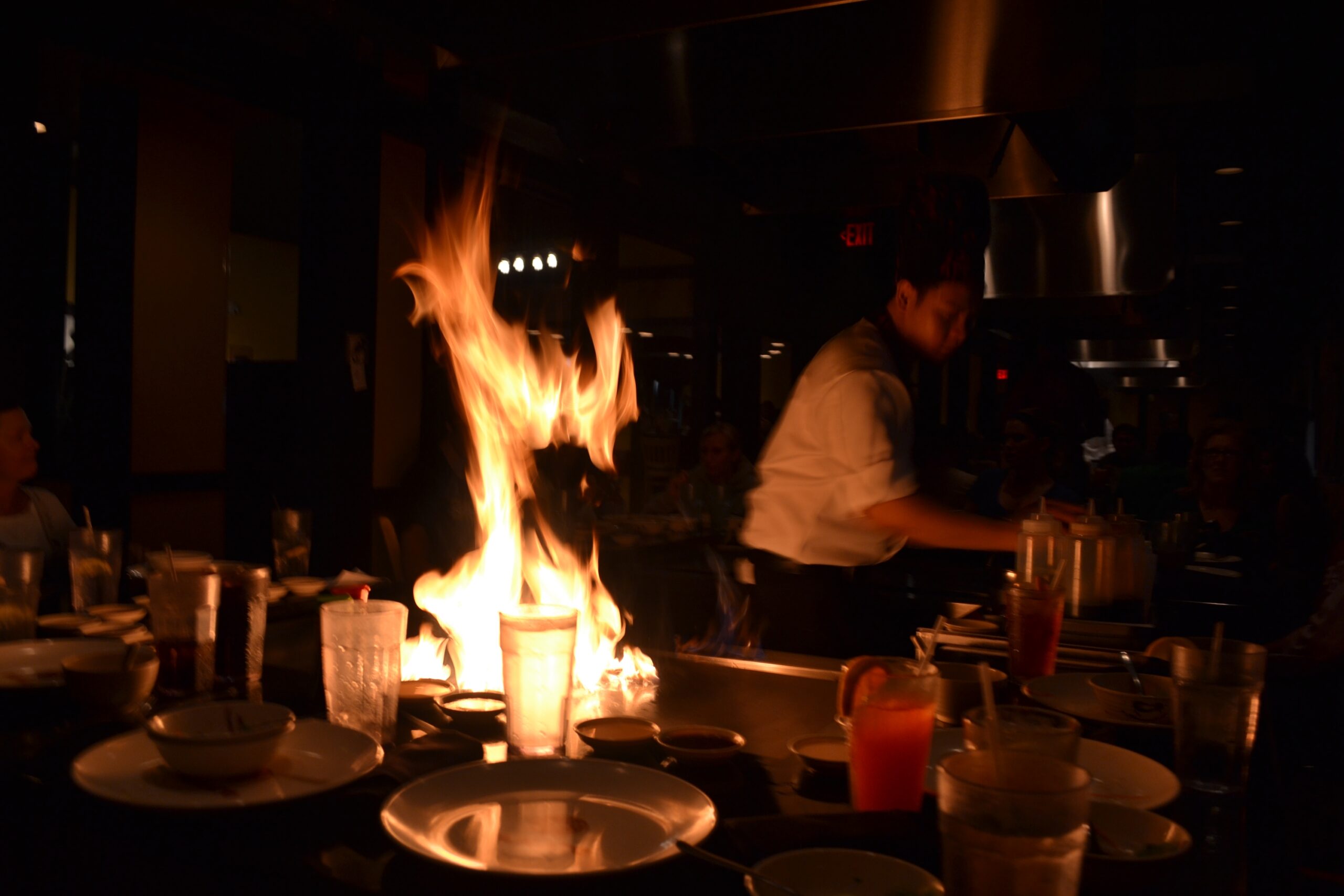

Understanding the Hibachi Table Layout on Cruise Ships
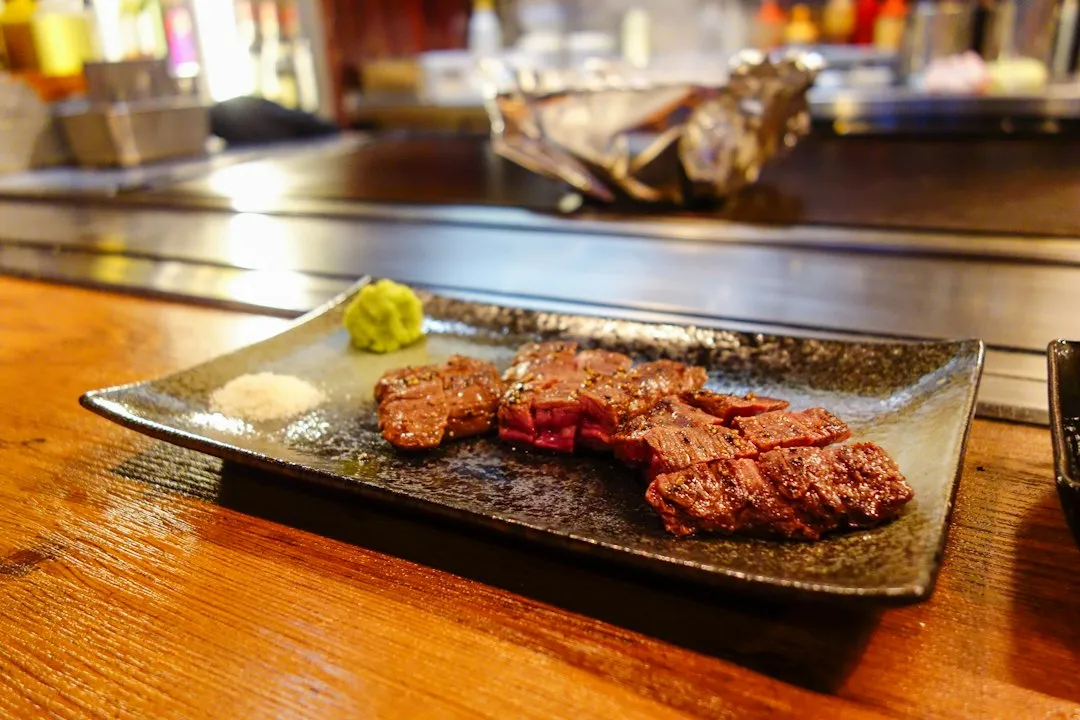
On Royal Caribbean’s Izumi Hibachi, the restaurant area features three main cooking tables, each with a flat iron grill surface, and the tables are surrounded by chairs, with each table seating about eight people. That number is fairly standard across cruise lines, and it matters because the shape of the communal table directly determines every sightline in the room.
A typical seating setup usually consists of a large communal table that seats around eight to ten people, rectangular or square in shape, featuring a large griddle or teppanyaki grill in the center where a skilled chef prepares the meal right in front of guests. Knowing that geometry is the first step toward understanding which position gives you the clearest, most immersive view of the performance.
The Corner Seats: A Quiet Advantage Most Guests Overlook
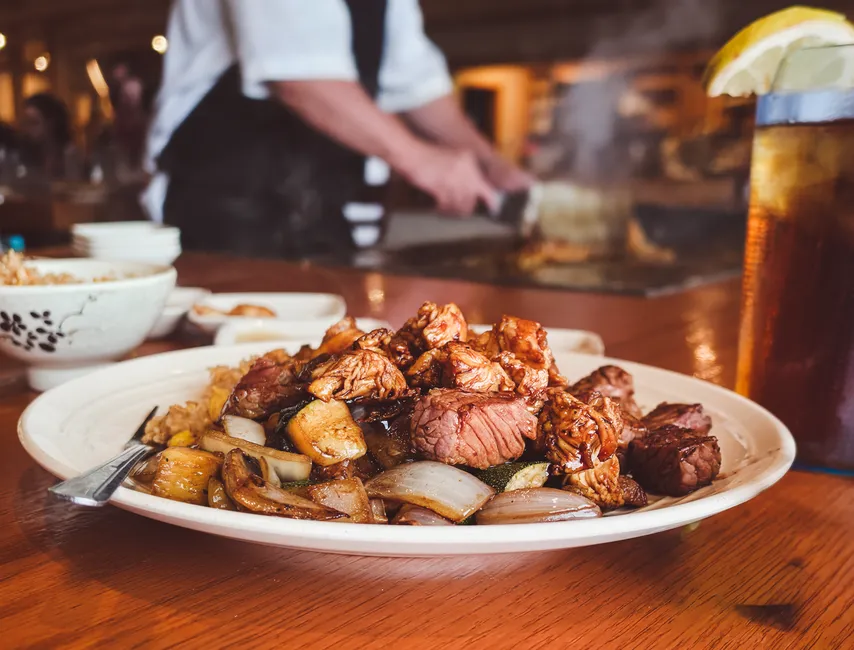
Think of the hibachi table like a concert venue. You wouldn’t seat all audience members in a small huddle off to the side. Spread out evenly, consider everyone’s line of sight, and make sure the performance can play out fairly to the whole table with minimal distractions.
At a rectangular grill table, the corner positions sit at the natural pivot point between two sides. From a corner chair, you gain an angled view of nearly the entire grill surface rather than a straight-on look at just one section. Chefs often drift across the whole grill during the show, so a wider angle of sight covers more of the action. It’s a small spatial advantage that most guests don’t think about until they’ve sat in the wrong spot once.
Why the Center Seats Feel Like Front Row – but Aren’t Always Best
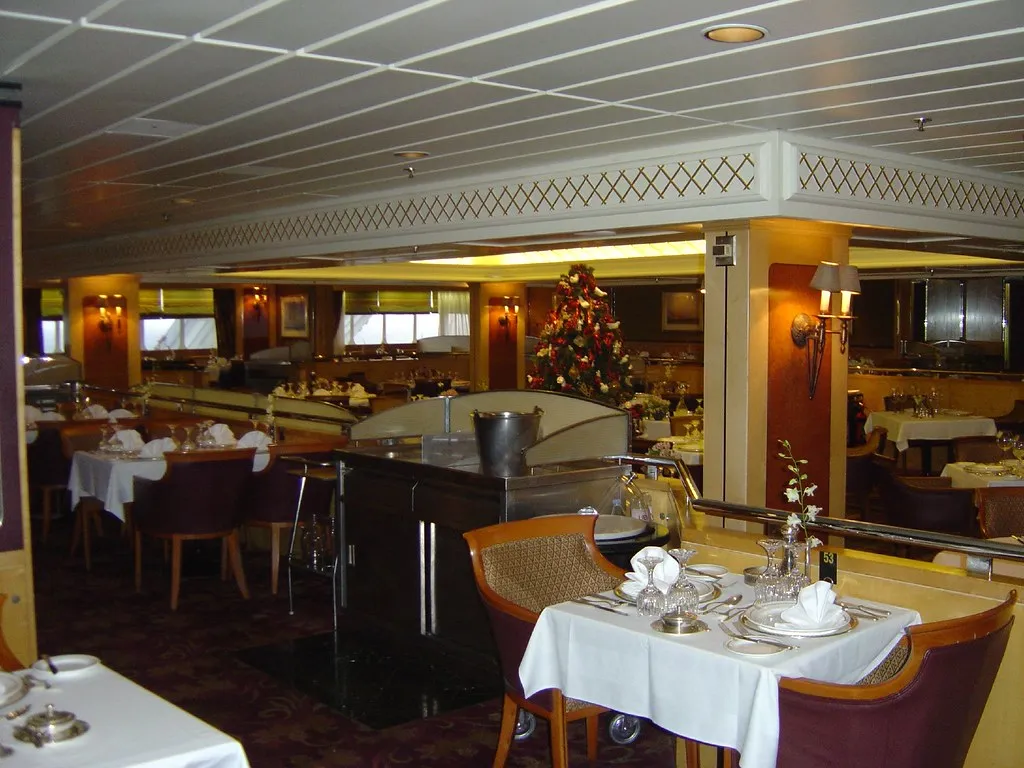
The instinct for most first-time diners is to grab a center seat directly across from the chef’s primary work zone. That position does place you close to the main cooking action. However, a chef cooking on a flat iron grill moves laterally along the surface, meaning center guests sometimes have to turn their heads left and right just to follow the performance.
As one chef puts it simply, “We usually seat people so everyone has a clear view of the grill and the table feels balanced. Being flexible helps everything run smoothly.” The chef’s goal is always to make every seat feel included, which means center seats do receive plenty of direct eye contact and food tosses – though they sacrifice peripheral coverage of the full grill.
How No Open Flames Change the View Dynamic on Ships
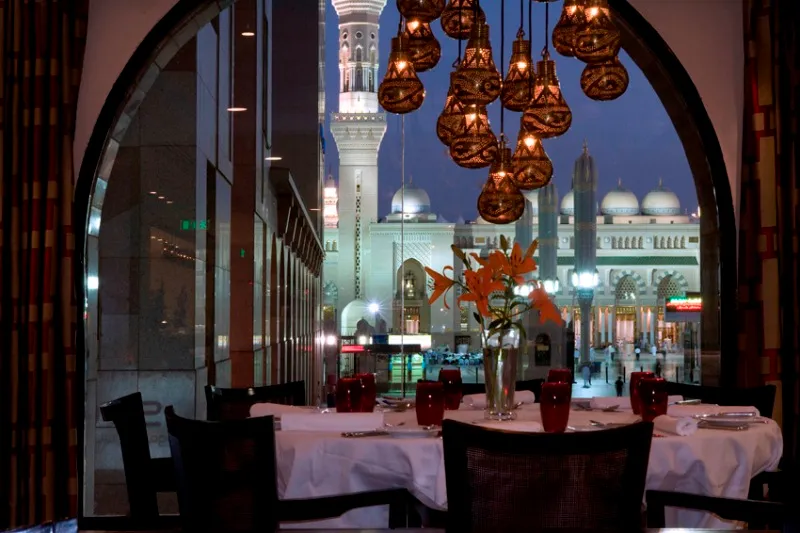
There is no fire element on cruise ships because of how incredibly dangerous open flames can be at sea, but chefs still put on a great show. Each chef has their own style, with different tricks, songs, puns, and anything else to get a smile out of the table.
On land, one of the most visually dramatic moments at a hibachi table is the onion volcano, which shoots a column of flame upward. Without that fire element at sea, the performance becomes more about precision, humor, and personal interaction. This actually changes which seat matters most: since there’s no central visual pyrotechnic to orient toward, the best position becomes whichever one keeps you closest to where the chef makes eye contact and delivers the food tricks directly.
What Norwegian’s Teppanyaki Tells Us About Seating Strategy
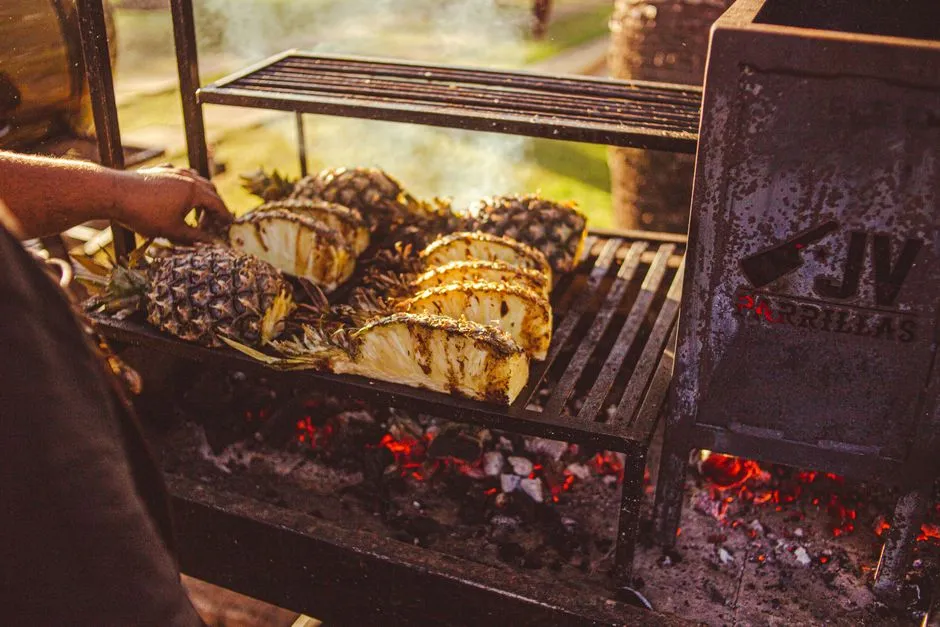
Norwegian Cruise Line’s Teppanyaki is a Benihana-style Japanese restaurant where the live-action preparation is integral to the experience. Guests are seated around a grill as the chef prepares the entrée with dramatic flair. NCL’s Teppanyaki is available across a wide range of ships in the fleet, making it one of the most broadly accessible hibachi-style experiences at sea.
The restaurant offers a hibachi-style dinner and show with a tranquil ambiance, and seating positions guests around flat-top grills where chefs showcase their knife skills while cooking exhibition-style Japanese cuisine. According to cruiser reports, it’s eight seats to a table, and there are typically only three tables in the restaurant with three seating times per day. With so few spots available per session, your position within that intimate group carries real weight.
The U-Shape Principle and Why It Keeps Coming Up
A U-shape or semi-circle setup usually gives everyone a view without crowding the chef’s working area. While this is most commonly discussed for at-home or private hibachi events, the underlying logic applies directly to how cruise ship hibachi tables are built and how chefs navigate them during a performance.
Guests seated too far from the cooking station may have a poor view, and the chef’s working area can become crowded when the layout extends too far. The practical takeaway is to avoid the endpoint positions at the far edges of a long table configuration. Those outer-corner seats feel like the back row of a theater – technically at the same table, but surprisingly removed from the action.
Arriving Early and Asking the Staff Makes a Real Difference
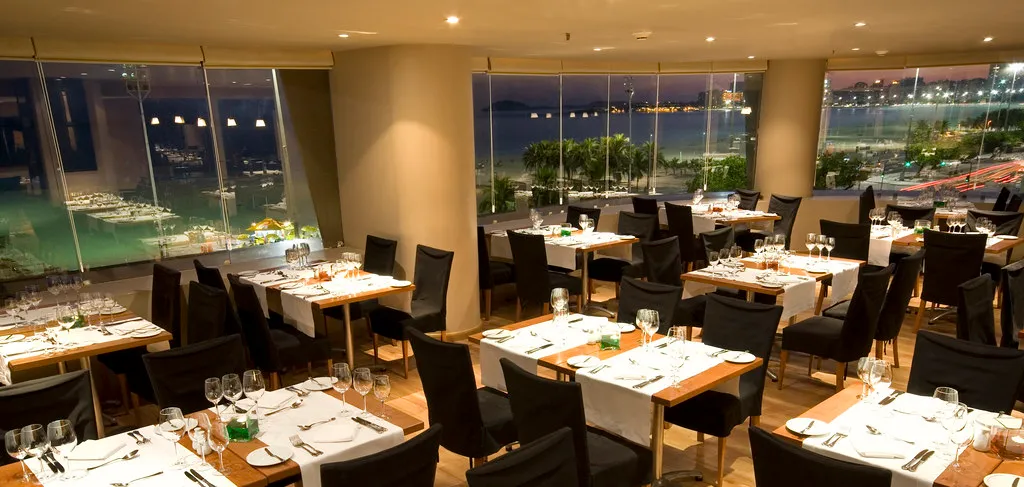
Biding your time before you actually sit can give all attendees a chance to do a quick headcount, assess the makeup of the table, and get the seating right the first time. Arriving five to ten minutes before your reservation also ensures there’s an opportunity to manage seating before the big show starts. If you’re unsure, you can even ask the chef or the staff if there’s a particular arrangement that works best.
On cruise ships, this matters even more than at a land-based restaurant because the dining windows are tightly structured. The hibachi side of Izumi on Royal Caribbean often books up more quickly because of its limited number of tables and high demand. Arriving at the table relaxed and a few minutes early gives you a quiet chance to assess the layout and claim a corner position before others settle in randomly.
How Chefs Distribute the Show Across All Seats
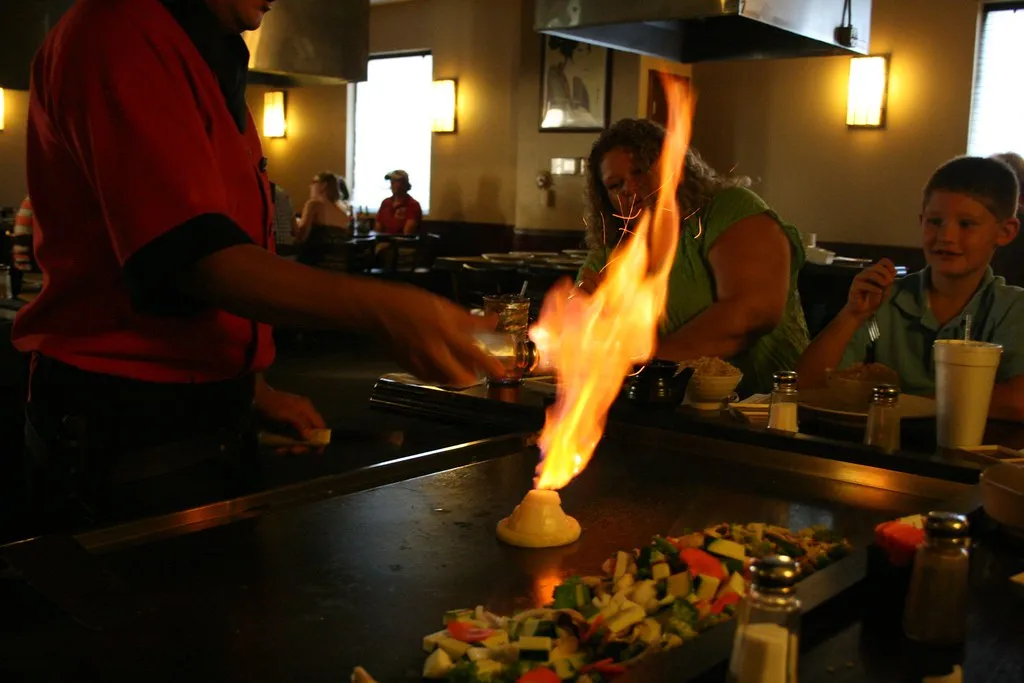
The etiquette and intention of hibachi seating is about spreading out so everyone is comfortable, can see, and has an equally enjoyable experience. If you’re moved from up front to around the side, trust the chef to give you the same show as anyone else at the table.
Experienced guests describe the Izumi Hibachi experience as dinner and a show where the chef is genuinely entertaining, juggling utensils, singing songs, and throwing food into his hat. A skilled chef works the perimeter of the grill deliberately, rotating eye contact, food tosses, and interactive moments so that no seat feels like the cheap section. Still, some positions naturally receive more direct interaction, and the ones closest to the chef’s starting zone at the grill’s edge tend to get the most personal attention early in the performance.
Booking Tips That Help You Land the Right Seat
If you book Izumi Hibachi with a party of fewer than eight people, you can expect to be seated with other cruisers for the night. That’s not a downside – meeting fellow travelers over a shared grill is part of the appeal – but it does mean your final seat position may depend partly on who else is at the table and how staff arranges the group.
Reservations are recommended, especially for larger groups, since teppanyaki seating is organized by grill tables and timing and party size matter. Particularly with special occasions like birthday parties, giving the restaurant a call ahead of time is a good idea to ensure your party gets to sit together. On a cruise ship, the equivalent is booking through the onboard dining app as early as possible and noting any seating preferences when you check in for the reservation.
The Seat That Chefs Consistently Prefer You to Have
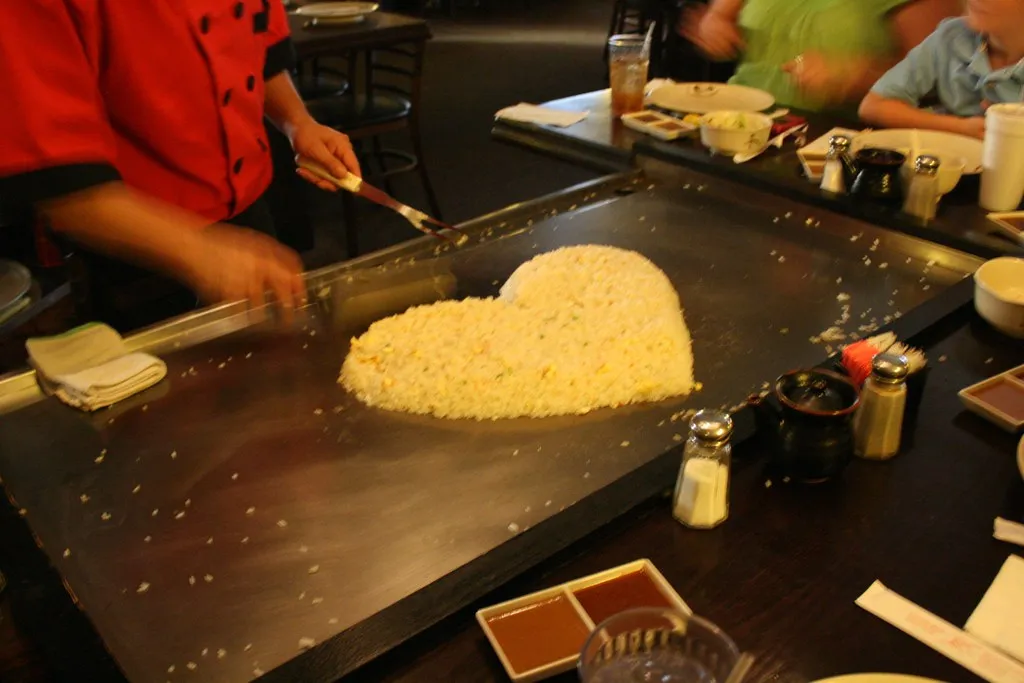
Across hibachi settings generally, chefs and dining experts point toward the same sweet spot: a position that is neither dead center nor at the far outer edge, but rather one or two seats off-center toward a corner, on the longer side of the table. From this angle, the guest catches the chef’s lateral movement across the grill, remains close enough for food tosses and direct conversation, and sits at a natural focal point for the performance arc.
Norwegian Cruise Line’s teppanyaki menus offer top-of-the-line Japanese food, and the show put on by a hibachi chef while eating is very entertaining and makes the experience enjoyable for families and group bookings. The entertainment value is built into every seat at the table – but a slightly angled, off-center position on the longer edge of the grill gives you the widest visual sweep without the awkward neck-turning that dead-center seats can require.
The Takeaway
Cruise ship hibachi dining is one of those rare experiences where the setting, the food, and the performance are genuinely inseparable. The best seat isn’t always the one that feels most instinctively obvious. A corner position or a spot slightly off-center on the long side of the table puts more of the show in your natural field of view, keeps you close enough for direct interaction, and lets the chef’s movement across the grill make spatial sense.
Most importantly, arrive a few minutes early, stay open to staff guidance, and resist the urge to simply collapse into the nearest available chair. A small, intentional choice at the start of the evening makes the whole experience feel noticeably more alive – which, on a ship sailing somewhere beautiful, is exactly what you came for.
AI Disclaimer: This article was created with the assistance of AI tools and reviewed by a human editor.