

The Numbers Behind a Single Ship’s Laundry Load
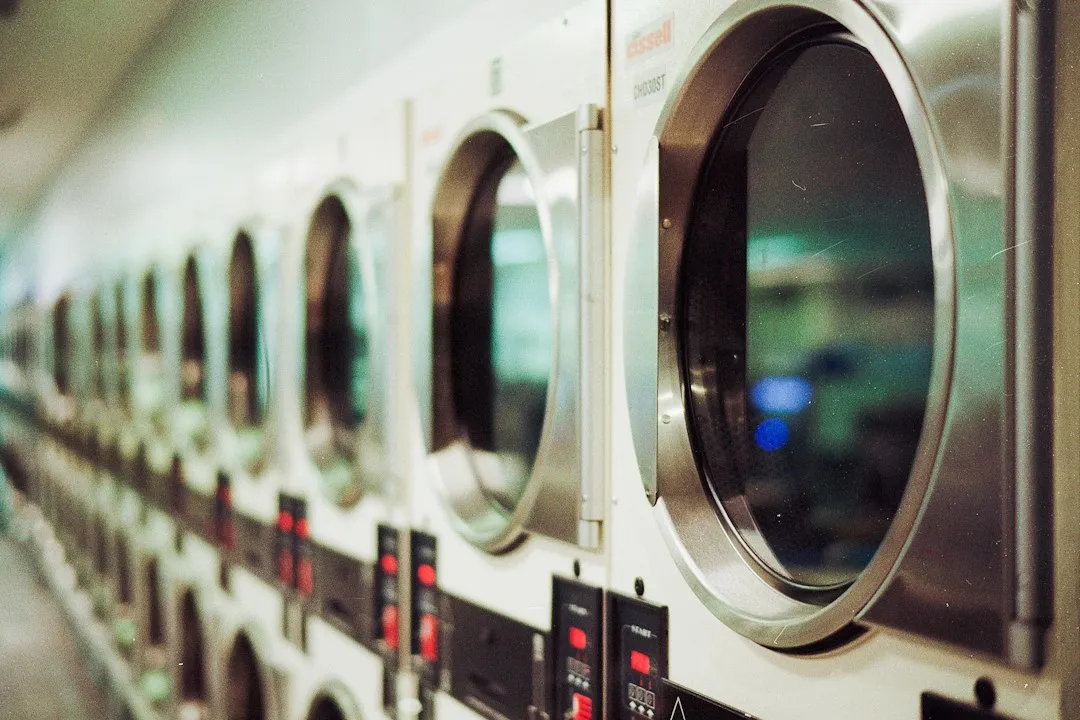
The world’s largest cruise ships can carry up to 6,680 passengers and 2,200 crew, and with so many people on board, the amount of dirty laundry that piles up each day is no joke. It includes tablecloths from restaurants, towels from bathrooms and spa areas, sheets from beds, and the uniforms of the entire crew.
To put things into perspective, Royal Caribbean’s Oasis of the Seas washes some 42,185 kg of laundry on embarkation day alone. That is the weight of roughly six adult African elephants, all in a single day’s wash cycle. The figure is a useful anchor for understanding just how relentless the operation has to be.
29,000 Towels, Folded by Hand
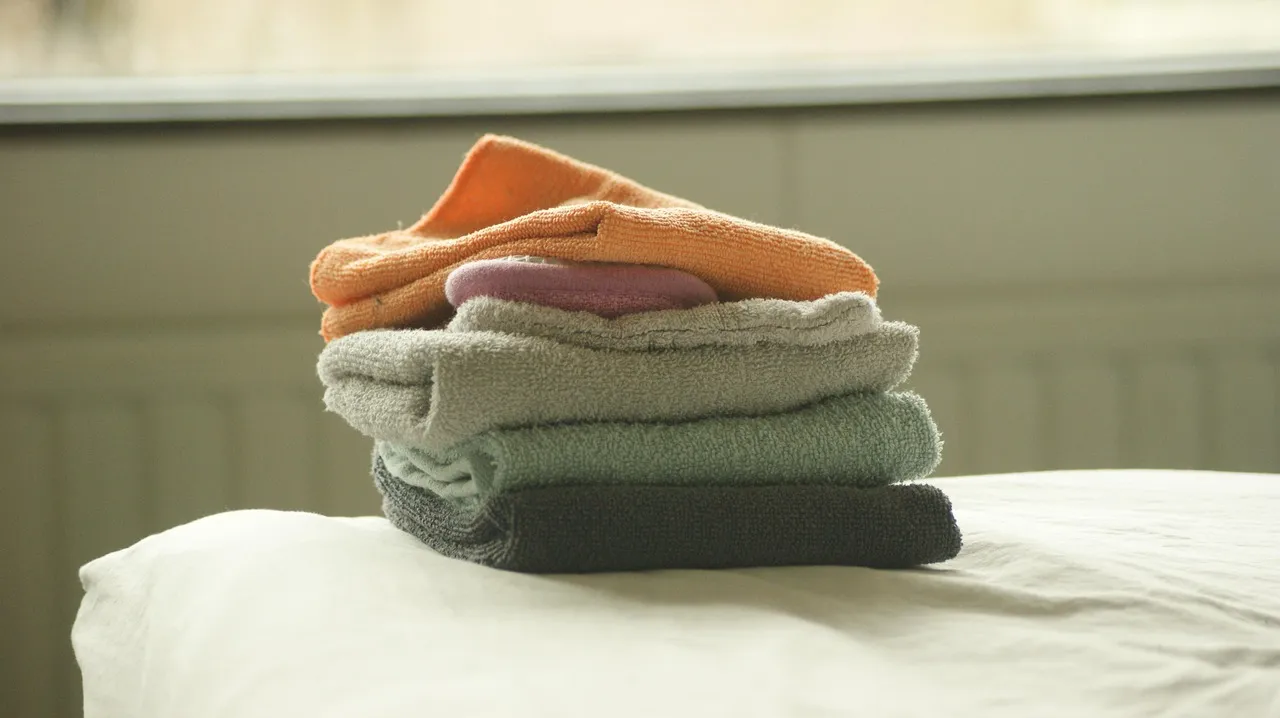
A mind-blowing 29,000 towels on board are folded by hand by crew members who work 24 hours a day in two shifts. That is not a typo. Every single towel that goes through the laundry cycle on a ship the scale of the Oasis-class comes back to a folding crew working through the night.
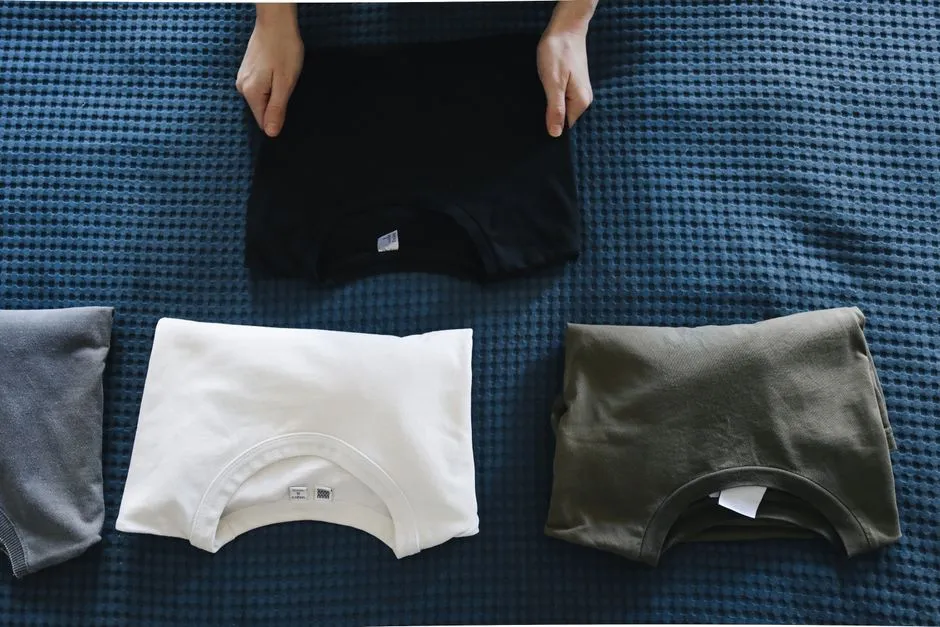
Once dry, bed sheets are transferred and fed one by one by hand into special presses that flatten and fold them. The towels, however, require human hands rather than industrial presses. It is a reminder that even the most technologically advanced ship still depends on a very human workforce to function at the level guests expect.
Around the Clock, Every Single Day
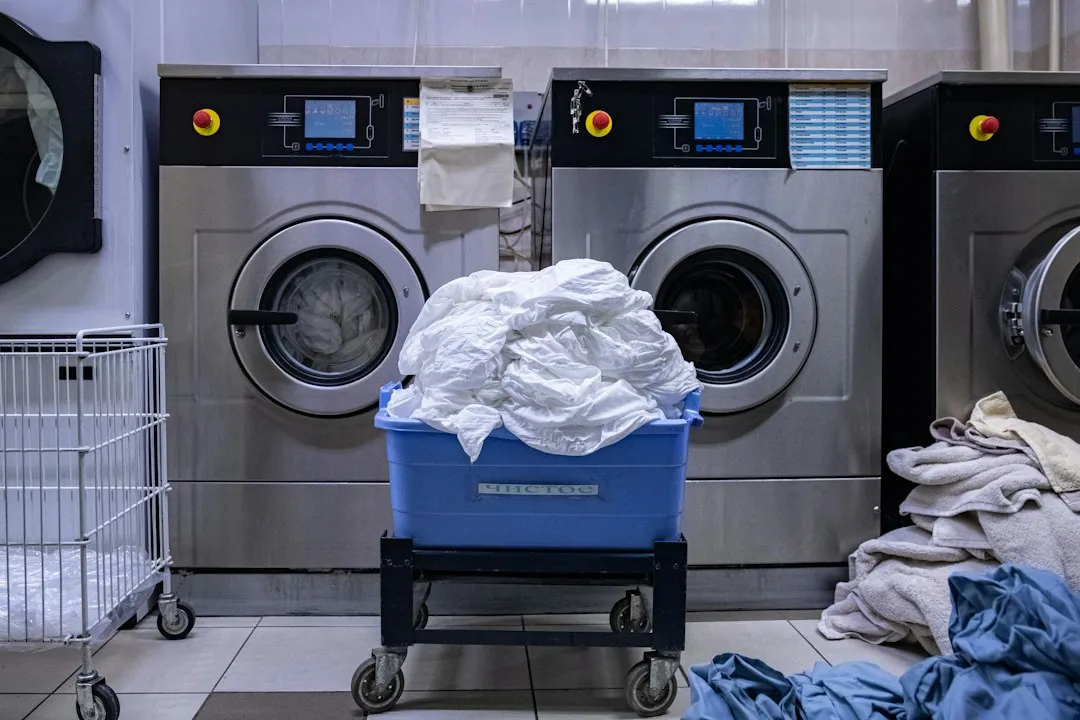
Laundry operations on cruise ships run 24 hours per day, with approximately five loads of towels and two loads of linens washed each day on mid-sized ships like the Holland America Veendam, which carries around 1,300 passengers and 520 crew. That figure scales up considerably on larger vessels.
Most laundry is washed from approximately 9 pm or 10 pm to 2 am each day, when most laundry wastewater is generated. From 2 am to 10 pm, much less laundry is washed. The overnight window is when the bulk of the work gets done, a deliberate operational choice that keeps the machines running while passengers sleep.
Embarkation Day: The Busiest Wash of the Voyage
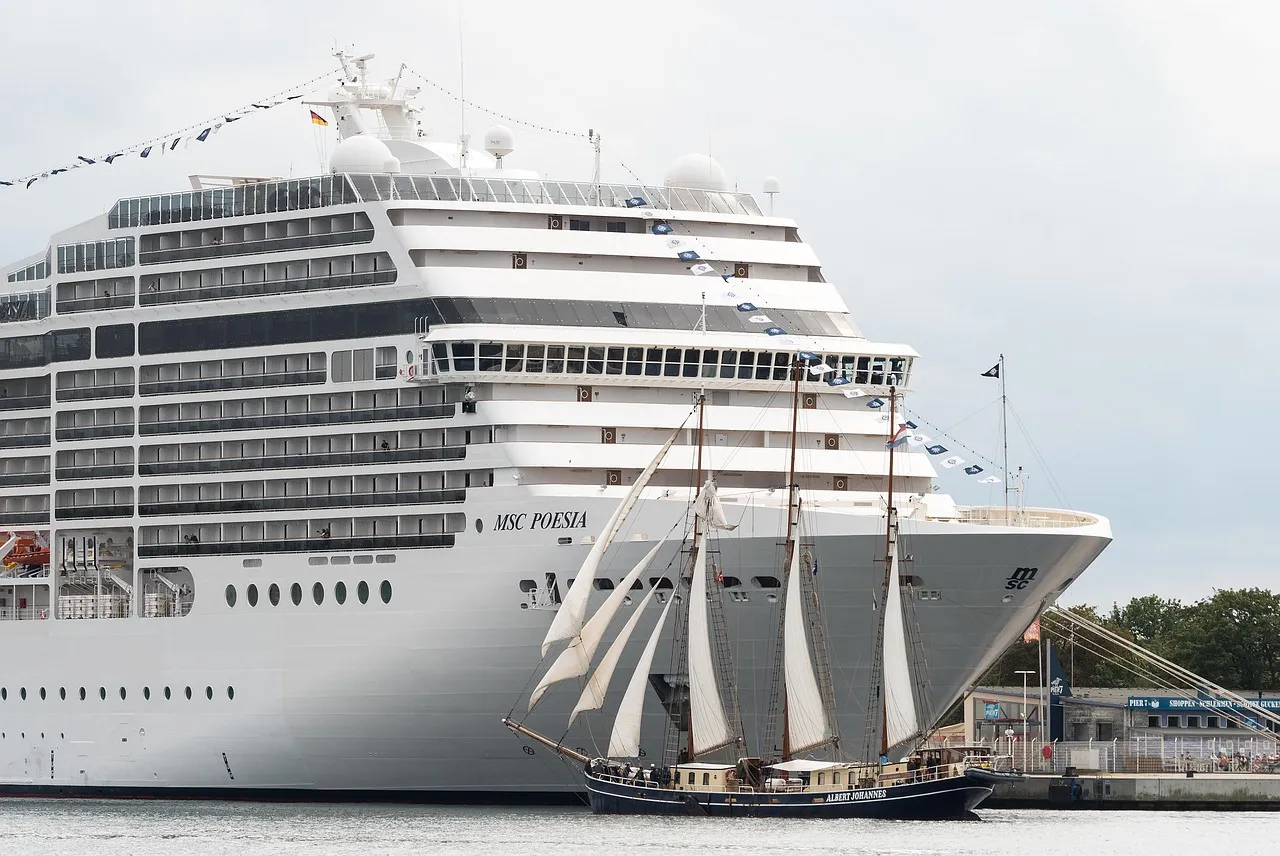
The single heaviest laundry day on any cruise is not mid-voyage. It is the day the ship turns over. On changeover days, such as in Vancouver, more loads of linen are washed than on any other day, because every cabin needs fresh bedding and towels simultaneously before new passengers board.
This is the moment when the laundry crew faces its peak demand. Thousands of cabins being stripped and refreshed at the same time creates a wave of soiled linen that hits the industrial washers in one concentrated rush. The turnaround time is tight, and there is no margin for error.
Industrial Machines and Clever Water Sourcing
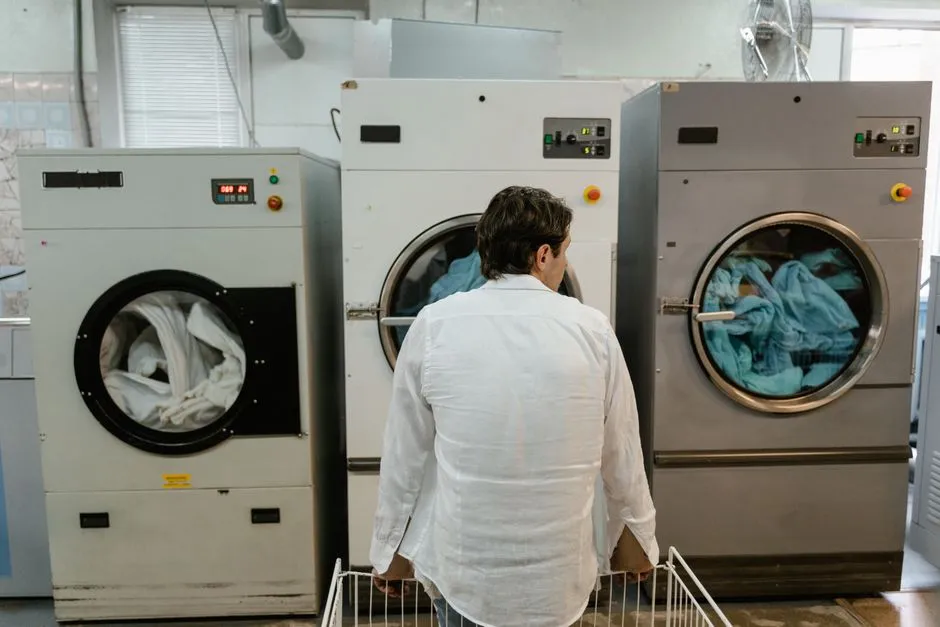
The laundry is washed in huge industrial washers using condensation water from the air-conditioning system, and the water is heated using heat from the engine that would otherwise go to waste. It is a genuinely smart use of resources. The ship essentially captures its own byproducts to run one of its most demanding daily operations.
Some cruise lines, like Royal Caribbean, have taken water conservation further by turning saltwater into freshwater through desalination and reverse osmosis to produce up to 90 percent of the freshwater used onboard. Much of that freshwater supports laundry operations. The closed-loop logic is elegant: the ship makes its own water and then recycles what it can.
Crew Laundry Is a Separate Operation Entirely
Just like the guest laundry rooms scattered around the passenger decks, there is a crew launderette for crew only, with 40 washing and drying machines along with irons and detergent vending machines where crew members can wash their personal clothes. It is easy to forget that the 2,000-plus crew on a large ship also produce a significant daily volume of laundry.
Staff uniforms, in particular, add up quickly. Every department has its own required dress, from kitchen whites to housekeeping uniforms to front-desk attire, and those garments are being cleaned constantly. The crew laundry facility runs alongside the main linen operation, essentially as a ship within a ship.
What Counts as “Laundry” Beyond Towels
The amount of dirty laundry that piles up each day on a major cruise ship includes tablecloths from restaurants, towels from bathrooms and spa areas, sheets from the beds, and uniforms of the entire crew. Towels dominate the conversation, but they are only one part of a much longer list. A single formal dinner service can produce hundreds of tablecloths and cloth napkins that all need washing before the next sitting.
Restaurant linens tend to be among the most challenging items to clean, given the oils, sauces, and wine stains they accumulate during a single evening service. The laundry team works with industrial stain-removal chemicals and carefully calibrated wash cycles to bring these items back to a condition fit for a fine-dining setting.
Passenger Laundry Services: A Revenue Layer on Top
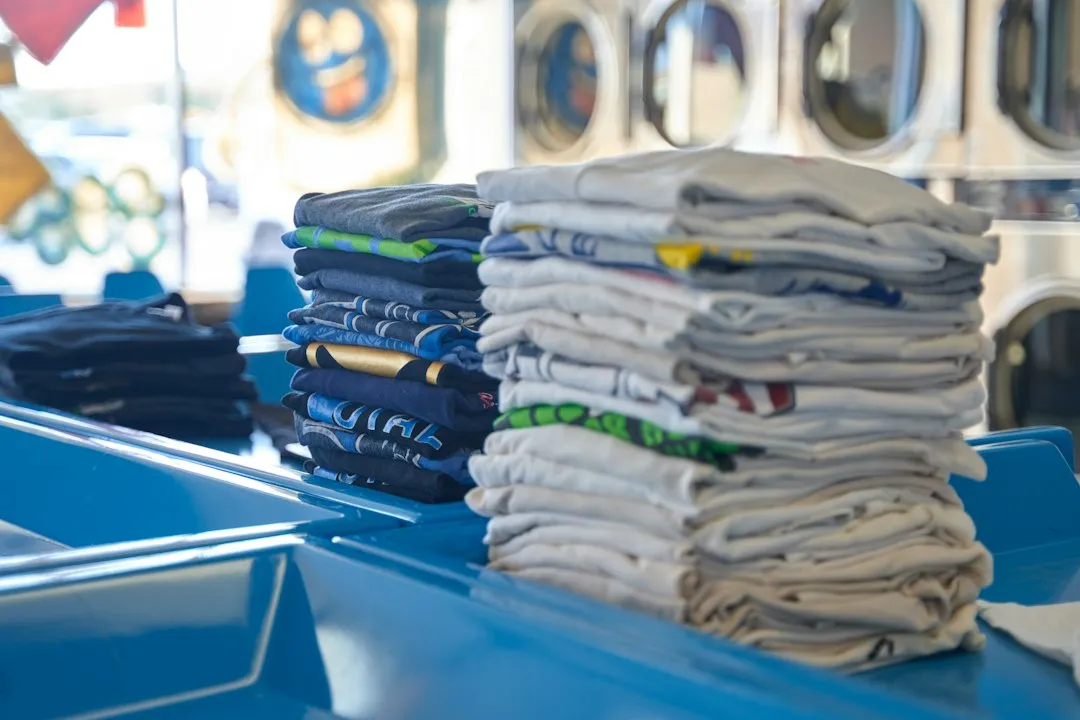
Beyond the ship’s own linen operation, most cruise lines also offer paid laundry services to guests. Royal Caribbean charges a fixed price of $34.99 per laundry bag for wash and fold laundry service, allowing guests to fit as much as possible into the bag. Suite and upper-category passengers sometimes receive free laundry or pressing, including unlimited service on selected Celebrity, Crystal, Holland America, Regent, and Silversea accommodations.
On longer voyages of 10, 14, or 21 nights, laundry becomes a genuine logistical concern for passengers who pack light. For its world cruise, Royal Caribbean outfitted the Serenade of the Seas with self-service laundry facilities guests could use for free, and also gave world cruise passengers the perk of three free bags of laundry service per week.
The Environmental Weight of All That Washing
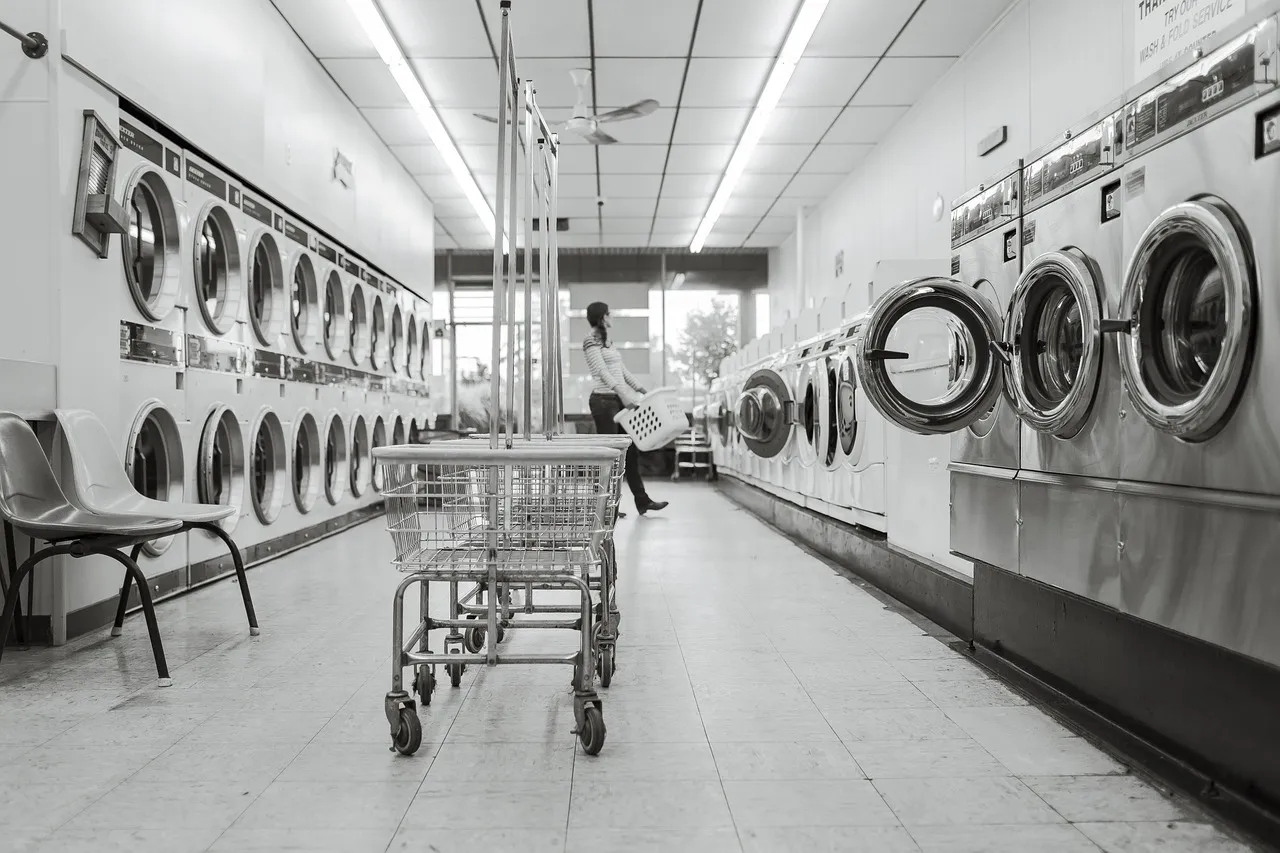
Cruise lines use various advanced technologies and practices to minimize water use, including water-saving laundry equipment and systems, as well as the filtering and reuse of laundry water and air conditioning condensate in systems that do not require potable water, such as flushing toilets, laundry operations, and open deck washing.
Marine environments are vulnerable to pollution from onboard grey water, which comes from sinks, showers, laundries, and galleys. Greywater is typically the largest source of liquid waste produced by a cruise ship, accounting for around 50 to 80 percent of total liquid waste. The laundry operation, enormous as it is, carries a real environmental footprint, which is why treatment and recycling systems have become such a priority across the industry.
How the Industry Is Responding to Scale and Scrutiny
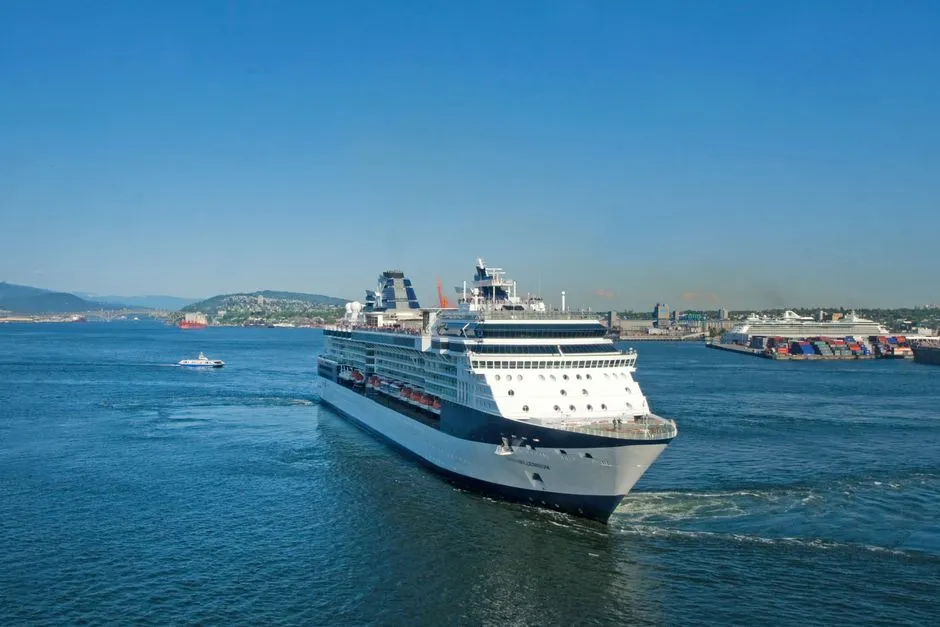
The cruise industry says it’s working hard to limit its environmental footprint, with the adoption of advanced wastewater treatment systems, cleaner fuels, and other sustainability measures. Of the 264 ships in CLIA members’ fleets whose owners responded to a survey by the association, 202, or roughly three quarters, are equipped with advanced wastewater treatment systems.
These systems process all greywater from sinks and showers, laundry water, galley greywater, and food waste reject water to comply with MARPOL regulations. The pressure from regulators and environmental advocates has pushed the industry toward treating laundry wastewater as a genuine responsibility rather than just an operational detail.
A Quiet, Relentless Operation That Never Stops

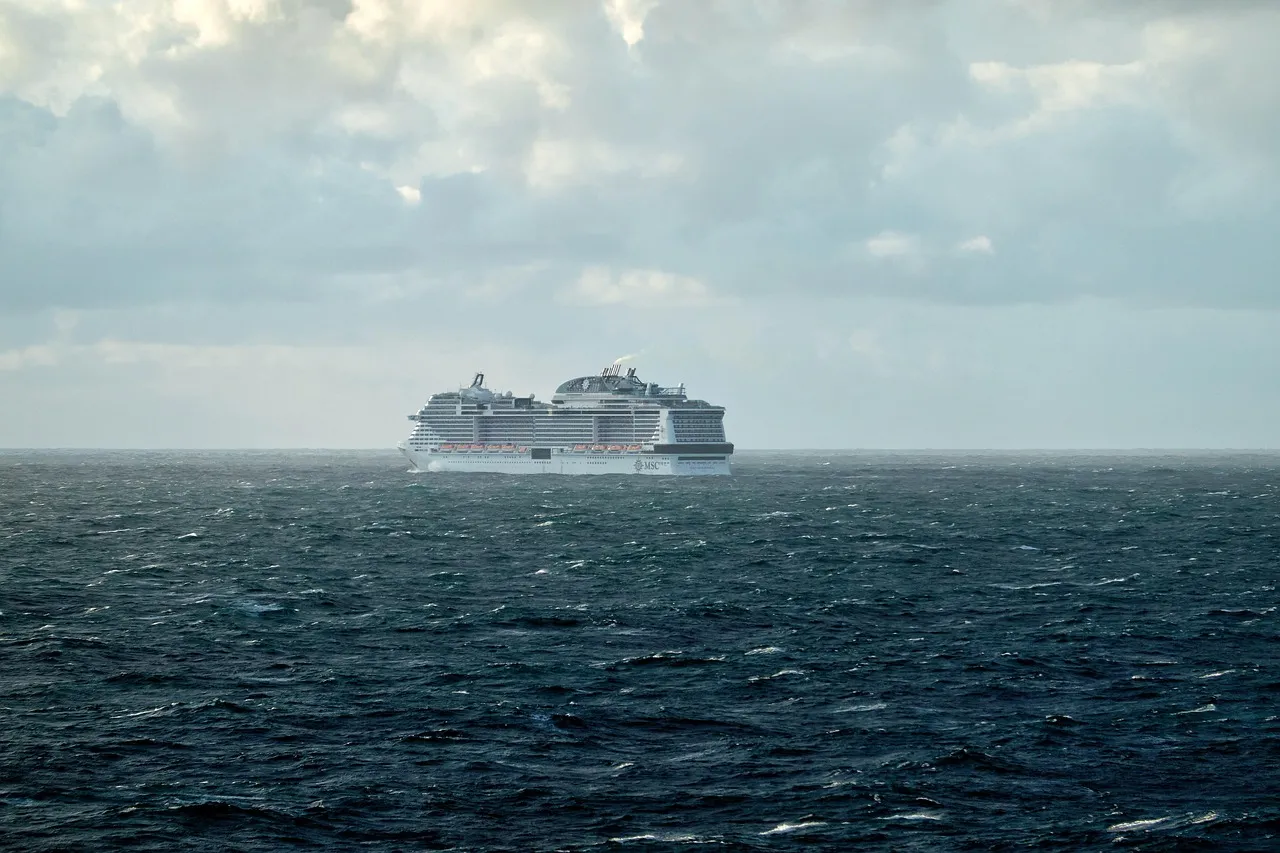
There is something quietly impressive about what the laundry crew on a large cruise ship accomplishes every single day. While guests sleep, eat, and explore ports, a team is working through tons of linen in the decks below, ensuring that everything above the waterline stays pristine and ready.
The 29,000 towels folded by hand each voyage are not just a statistic. They represent a workforce that rarely gets acknowledged, running a system that makes the entire cruise experience possible. Next time a fresh towel appears on your bathroom shelf, it arrived there through a chain of effort that started before you even fell asleep.
AI Disclaimer: This article was created with the assistance of AI tools and reviewed by a human editor.