

The Hidden Power of the Early Seating Window
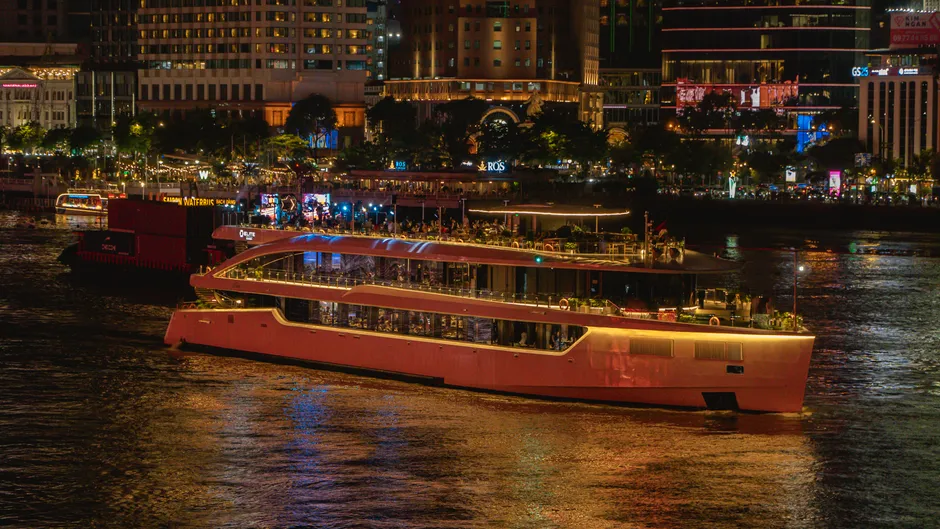
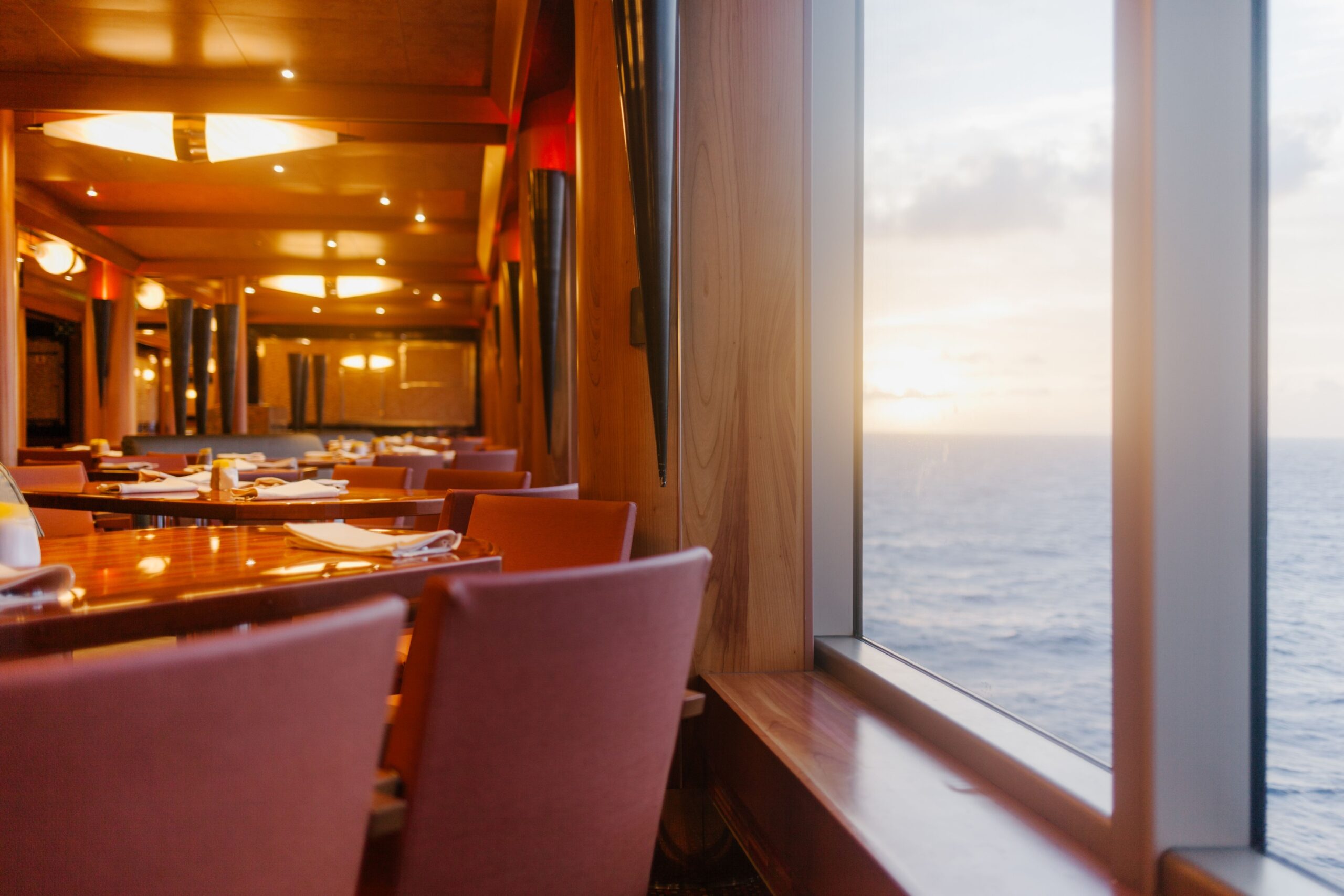
The first seating in the main dining room usually takes place around 5:30 PM or 6:00 PM, though the exact time can vary depending on the ship’s itinerary. Many guests overlook this slot, assuming it’s only for early risers or families with small children. In reality, it suits anyone who values a calm, unhurried dining experience before the ship’s entertainment calendar heats up.
With the early seating, you free up your evenings for shows and other activities taking place around the ship. That’s a real advantage on ships where headline entertainment typically starts around 9:00 PM. You eat, you enjoy the full dining experience, and you still have hours ahead of you.
Why the Late Seating Earns a Loyal Following
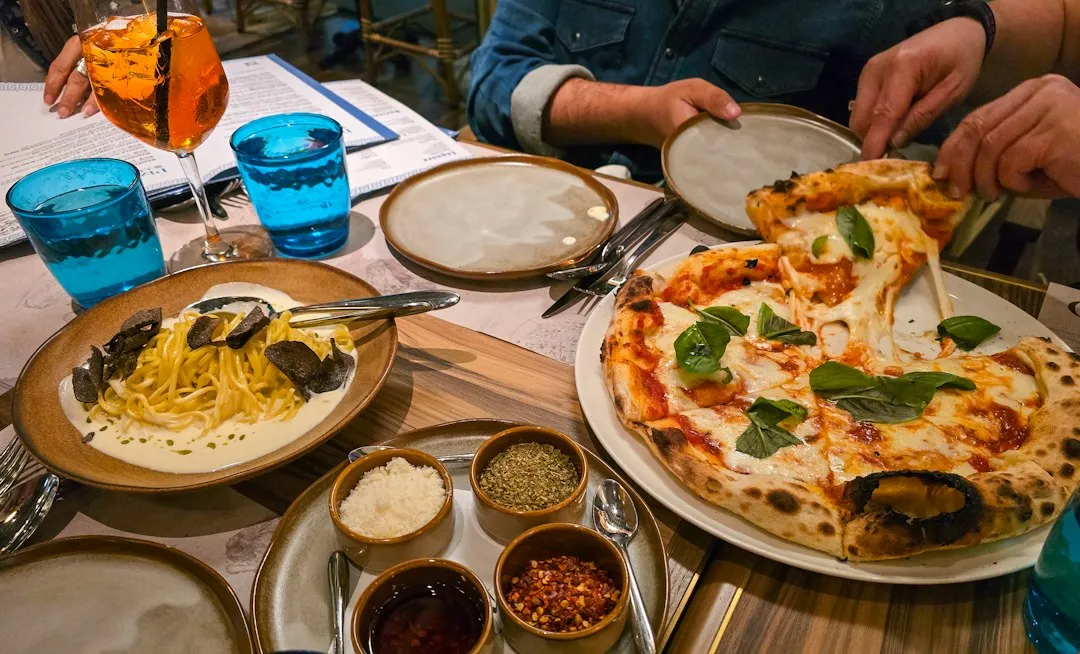
The service during late seating is often more relaxed, as the wait staff is not worried about setting up for another seating afterward. That single detail changes the entire feel of the meal. Servers have more time per table, less urgency, and more room to attend to individual preferences.
On most cruise lines, the late seating might be as early as 7:45 PM on Carnival Cruise Line or as late as 9:00 PM on MSC Cruises, which has three traditional seatings on some ships. For travelers who genuinely enjoy a slow, multi-course dinner the way it was meant to be experienced, the late seating tends to deliver that mood most consistently.
The Peak Hours You Want to Avoid
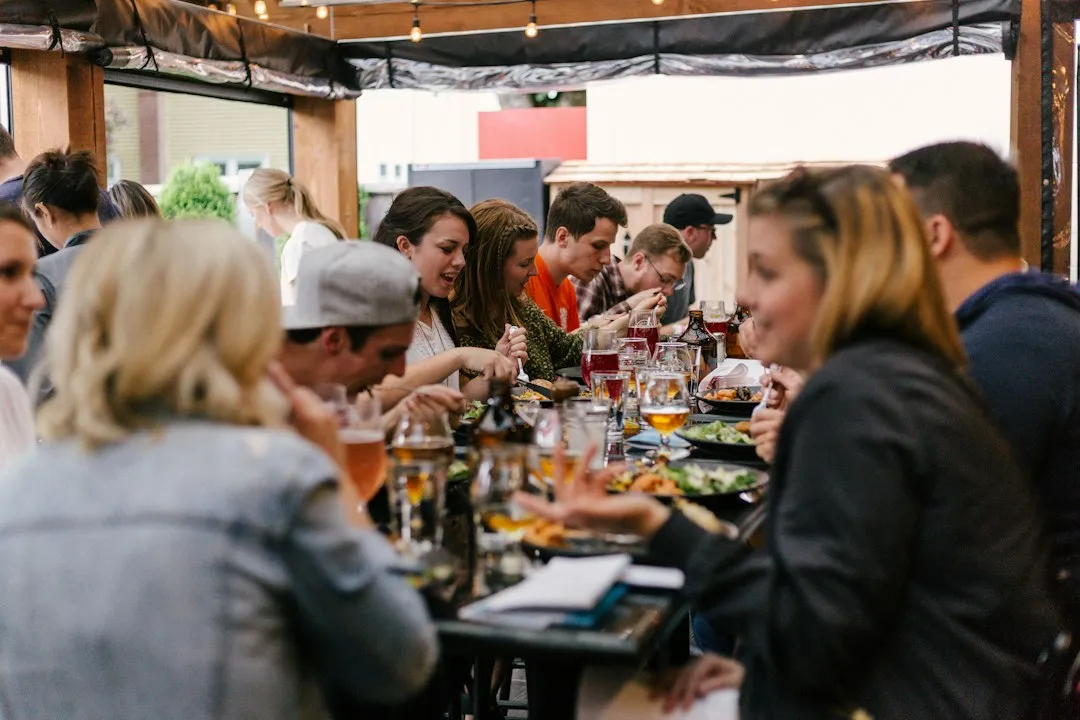
Peak dinner hours between 6:30 PM and 8:00 PM can bring long wait times for those on flexible dining arrangements. This window is when the vast majority of passengers converge on the dining room, and the difference in service speed becomes very noticeable. Tables turn slower, requests take longer, and the room’s energy shifts from relaxed to hectic.
To enjoy a smoother cruise dining experience, the practical advice is to dodge peak hours like dinner rushes around showtimes or popular mealtimes, since flexible scheduling and off-hour eating helps you skip long lines and enjoy faster service in a more relaxed setting. It sounds simple, but most guests don’t act on it.
When to Approach the Maître D’ for Changes
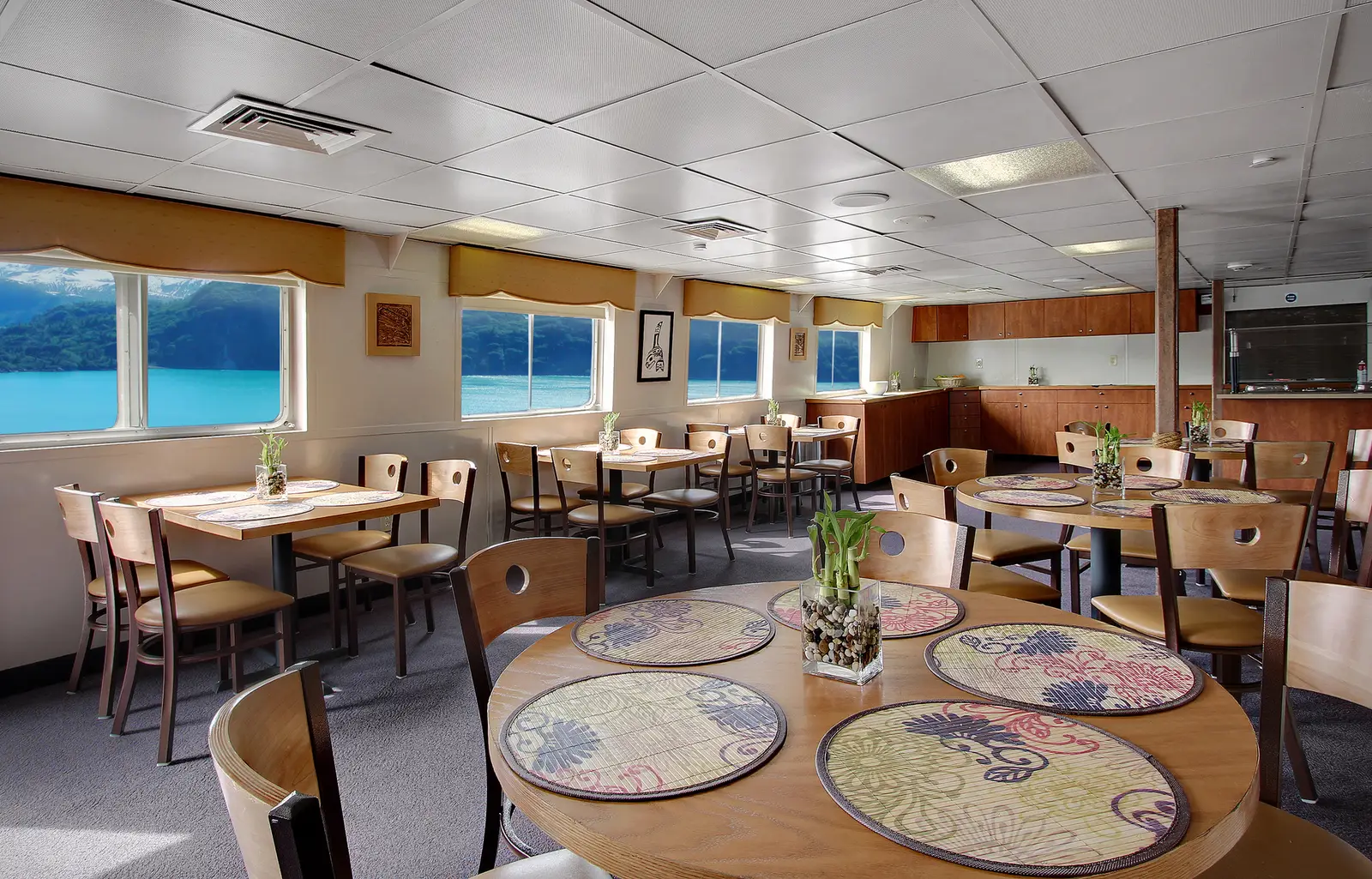
If your dining time doesn’t suit your plans, you can request a change, and the key is to speak to the maître d’ in the afternoon rather than during the busy dinner hours to increase your chances of getting your preferred time. This is a detail that experienced cruisers know but first-timers often miss entirely.
You can usually modify your dining assignment once onboard by speaking with the maître d’ during afternoon hours when they’re less busy. Arriving at the dining room podium mid-afternoon, when the room is quiet and the maître d’ has bandwidth to actually help you, is far more effective than joining a queue right before dinner service starts.
Flexible Dining and the Reservation Advantage
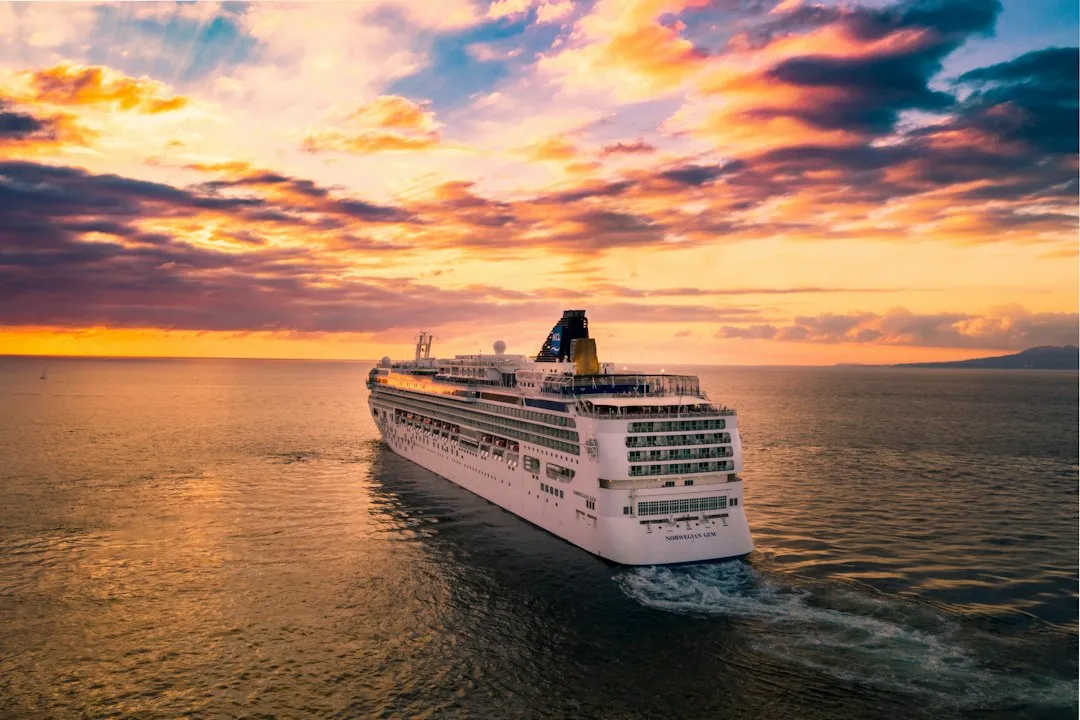
Flexible diners can face waits at peak times unless they reserve ahead. Most cruise lines now offer apps that let you join a virtual queue or lock in a table time well in advance. Using those tools shifts your experience from reactive to planned, and planned almost always wins on a busy ship.
Reservations are not required for flexible dining on Royal Caribbean, but they are strongly recommended, and guests with reservations benefit from a separate, faster-moving line at the entrance to the dining room. That alone can save a meaningful chunk of your evening. You can even request the same dinner time each night and ask for the same table and waiter, essentially recreating the traditional dining experience within a flexible dining framework.
Traditional Dining and the Consistency Advantage
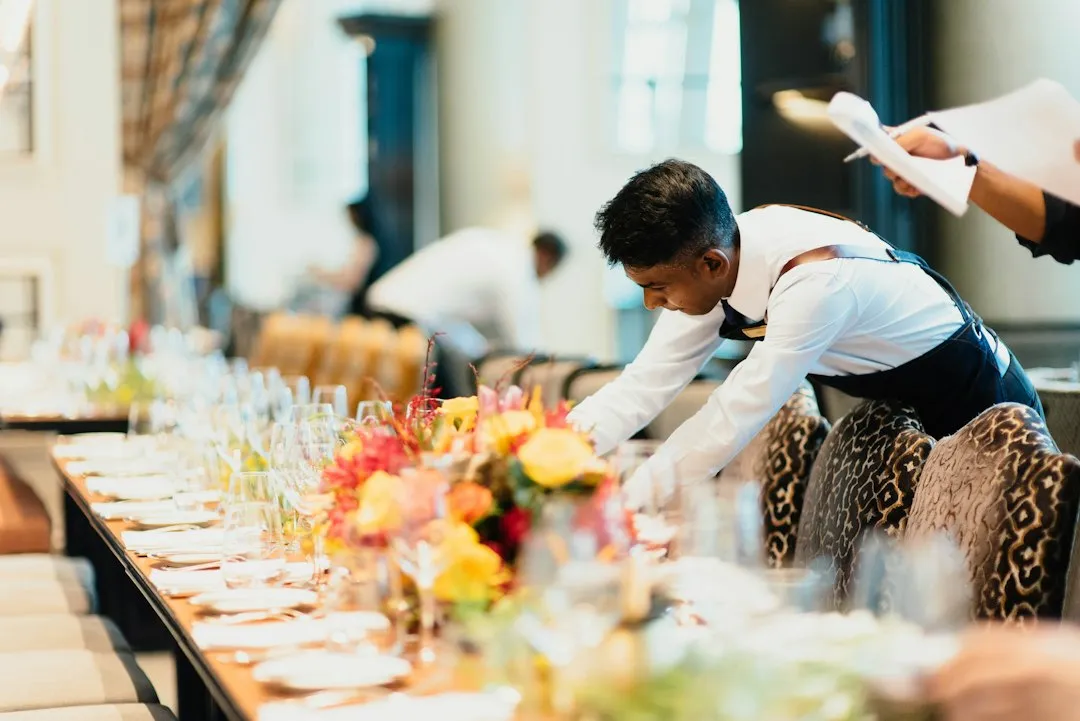
If you choose traditional fixed dining, you will have the same crew every night, and they will quickly memorize your preferences, from your favorite drink to how you like your steak cooked. This relationship dynamic is genuinely one of the most underrated aspects of cruise dining. It takes a meal or two to build, but once it’s established, the service quality rises noticeably.
With traditional dining, you’ll have the same waiter throughout your cruise, and taking the time to learn their name and show appreciation for good service often leads to exceptional attention throughout the voyage. Your waiter can become your dining room advocate, helping with special requests and menu recommendations. It’s the kind of personalized service that feels genuinely rare on a large ship.
The Embarkation Day Move Most Guests Miss
Dining plans can often be changed after boarding, but embarkation day is the best time to request a different seating time or table. The dining room is quieter, the maître d’ has the most flexibility to accommodate requests, and you haven’t yet missed a single evening. Acting on day one makes everything that follows smoother.
Smart experienced travelers check whether they got their requested table size and location when they first visit the dining room, and if they don’t like either, being among the first to speak to the maître d’ about getting it changed gives the best odds of success. Waiting until night two or three, when tables are already settled and routines established, makes this request considerably harder to fulfill.
Off-Peak Breakfast Timing Is Worth Knowing Too
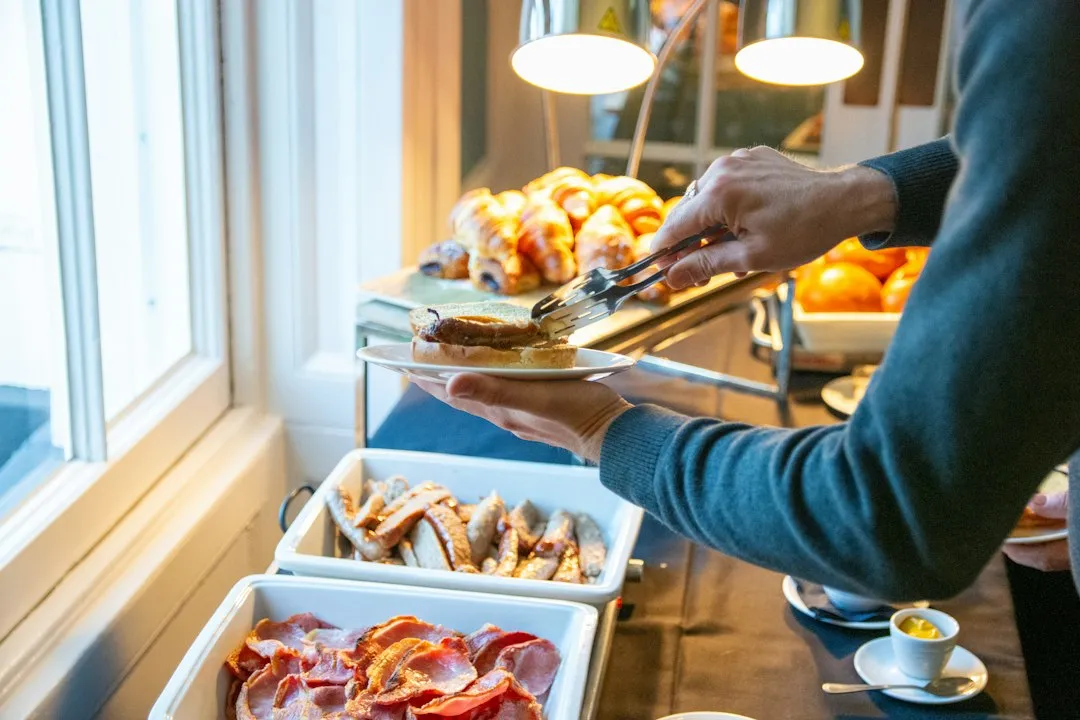
Breakfast between 8:00 and 9:00 AM and lunch from noon to 1:00 PM create the peak congestion windows when hungry passengers converge on the buffet. The same logic that applies to dinner service also plays out across every meal service on the ship. Shifting by even thirty minutes in either direction changes the experience considerably.
Early risers can enjoy a sunrise breakfast around 6:30 AM with attentive service and prime window seats. Those who prefer to sleep in benefit from the 9:30 to 10:00 AM window when crowds thin considerably, and many passengers don’t realize that breakfast venues often operate until 10:30 AM or later, allowing for a leisurely meal without the chaos.
How Tipping Fits Into the Timing Picture
Waiters can be tipped on the first night to encourage the service you want, especially when the same server handles most of the cruise. This is common practice among experienced cruisers and it signals genuine appreciation from the very start of the relationship. It sets a tone, and dining staff respond to that warmth throughout the voyage.
On most ships, you tip the maître d’ or dining room captain only if you ask for special favors or tableside service, and five to ten dollars is considered normal for each specific service rendered. Gratuities are usually added automatically to your onboard account these days, but extra cash recognition for outstanding service at the end of the week is a meaningful way to thank the team. Small gestures, offered at the right moments, consistently translate into better attention throughout the cruise.
Special Requests Work Best Before the Rush
Something that might not appear on tonight’s menu is not necessarily impossible to have for dinner, since cruise ship galleys work with plenty of ingredients and are suited to most requests, and if the maître d’ can accommodate you in any way possible, they generally will. The key is asking during calm moments, not mid-service when the kitchen is at full volume.
If you have food allergies or dietary restrictions, it’s best to alert the cruise line’s Special Needs department in advance of your sailing and meet with the maître d’ onboard to discuss your needs, as most cruise lines can accommodate any special diet, even if it means pre-ordering certain foods or having you make your menu selections in advance. Timing that conversation early in the voyage, and not during a crowded dinner service, is what makes it work.
The Takeaway
Cruise dining is genuinely one of the most enjoyable parts of a voyage at sea, and the people who get the most out of it are rarely the ones who arrive loudest or demand the most. They’re the ones who show up at the right time, build quiet relationships with their servers, and treat the maître d’ like the knowledgeable ally that person truly is.
Timing isn’t a trick. It’s just awareness. Shift your dinner by forty-five minutes off the peak window, speak to the dining team during the afternoon lull rather than the dinner rush, and you’ll find that the service you hoped for was always available. You just needed to meet it halfway.
AI Disclaimer: This article was created with the assistance of AI tools and reviewed by a human editor.