

Where Three Oceans Collide

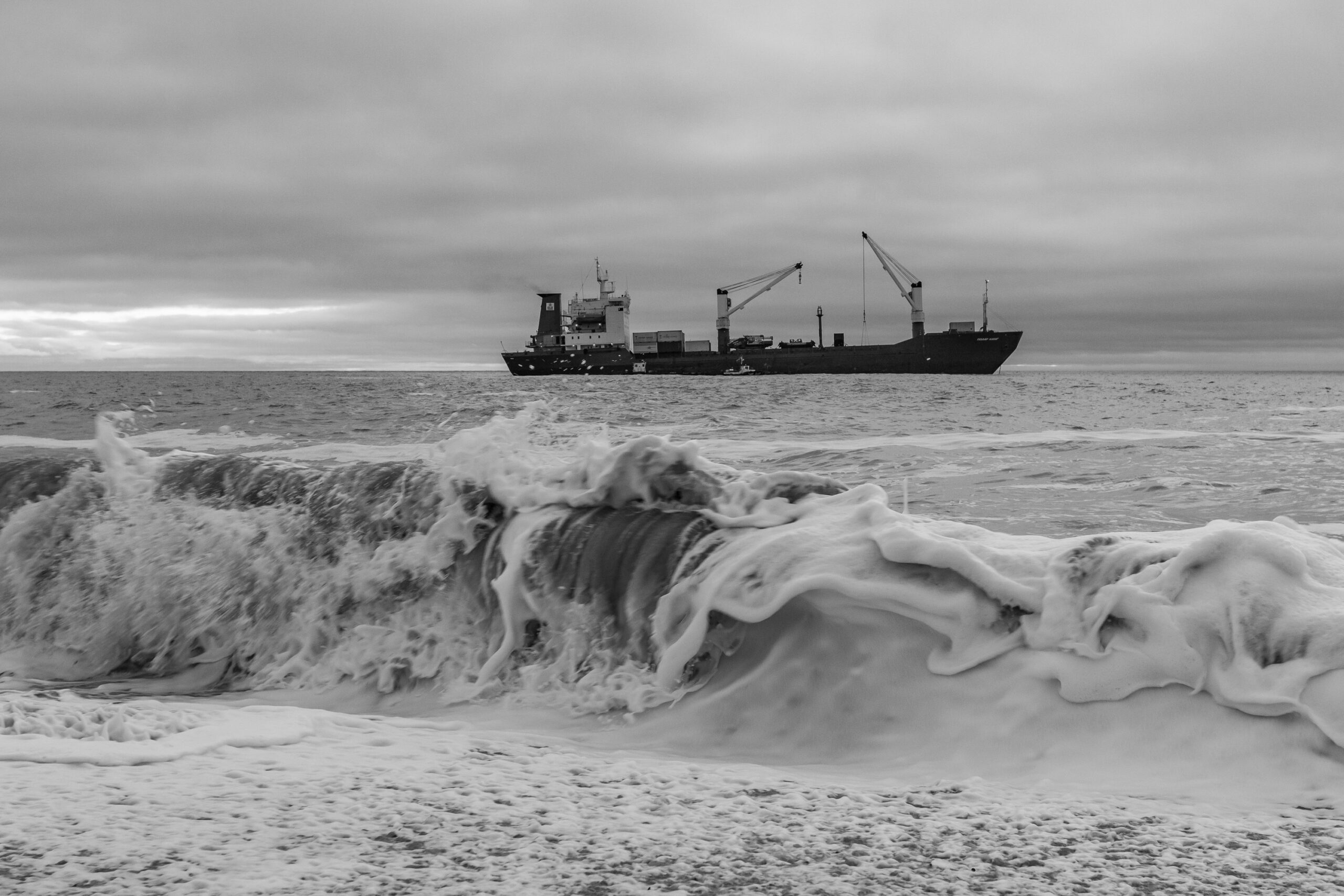
The Drake Passage sits at the junction of three great oceans – the Atlantic, Pacific, and Southern – which makes it particularly perilous. There is nowhere else on Earth where this kind of oceanic convergence happens within such a compressed geographic space. The result is conditions that can shift from manageable to genuinely dangerous within hours.
The passage stretches 600 miles wide and lies between Cape Horn and the South Shetland Islands of Antarctica – and it is the only place on Earth where the seas of the world can flow completely unhindered, creating some of the roughest ocean conditions on the planet. That lack of any significant landmass to break or redirect the flow is precisely what gives it such force.
The World’s Most Powerful Ocean Current Runs Through It
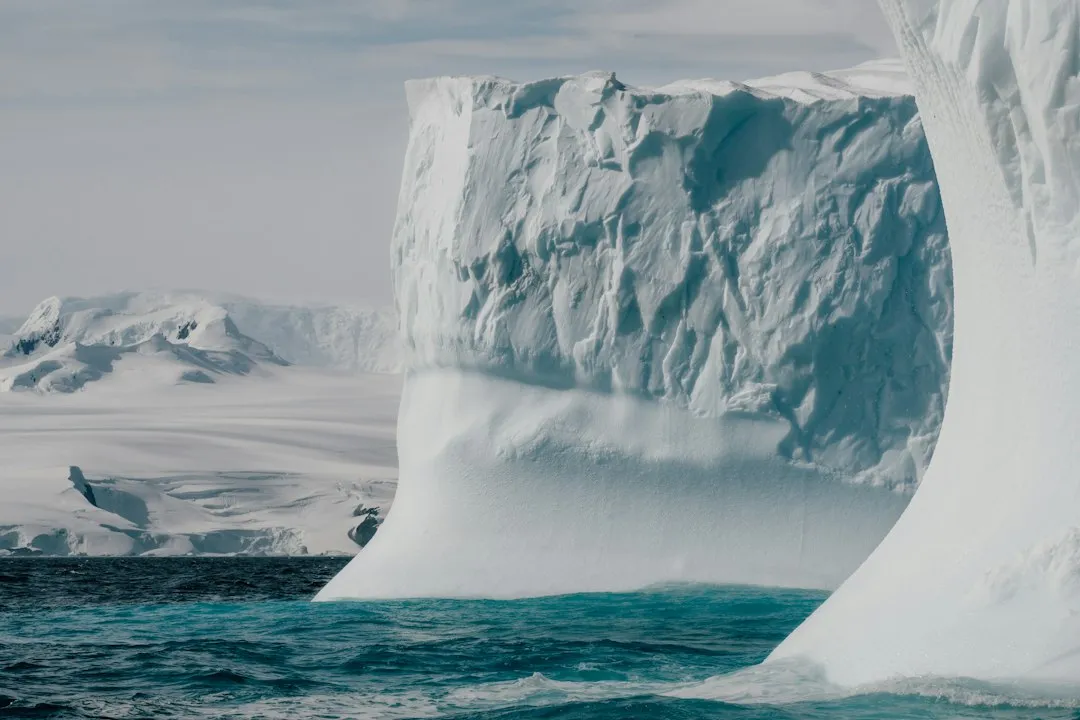
The Antarctic Circumpolar Current flows eastward around the globe in the Southern Ocean and is the world’s strongest ocean current. Its only real bottleneck is the Drake Passage itself, where the current is physically squeezed and accelerated.
The only constriction on the ACC’s circular route is the Drake Passage between the southern tip of South America and the northern tip of the Antarctic Peninsula. Here, no less than 150 million cubic metres of ocean water per second force their way through the Passage – more than 150 times the amount of water flowing in all of Earth’s rivers. To put that in navigational terms: a ship transiting this stretch is effectively sailing against the most concentrated hydrological force on the planet.
Accelerated by the physical constriction of the passage, the Antarctic Circumpolar Current increases rapidly in velocity, especially at 60° S. Captains approaching from either direction know they are entering a system that is not just rough – it is fundamentally, structurally restless.
Waves That Hit Like Walls
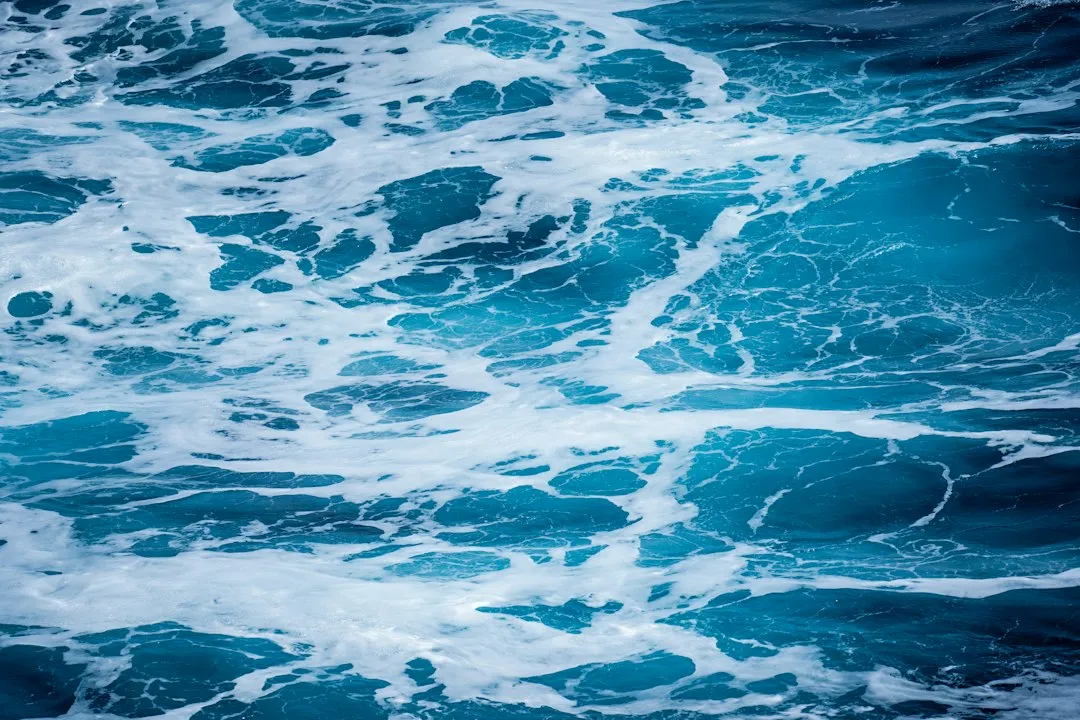
The Drake Passage spans 600 miles between Cape Horn and the Antarctic Peninsula, with waves exceeding 65 feet reported in the region. Those are not freak anomalies. They are a known feature of the environment, baked into the passage’s reputation across centuries of maritime history.
High wind speeds can produce swells of up to 15 meters (50 feet) in height, with quickly changing conditions throughout the entire journey. What makes these waves especially punishing is not just their height, but their spacing and speed. One explorer described the passage’s steep, closely spaced waves succinctly: “They hit you like walls.”
The “Drake Shake” – A Name Earned Over Centuries
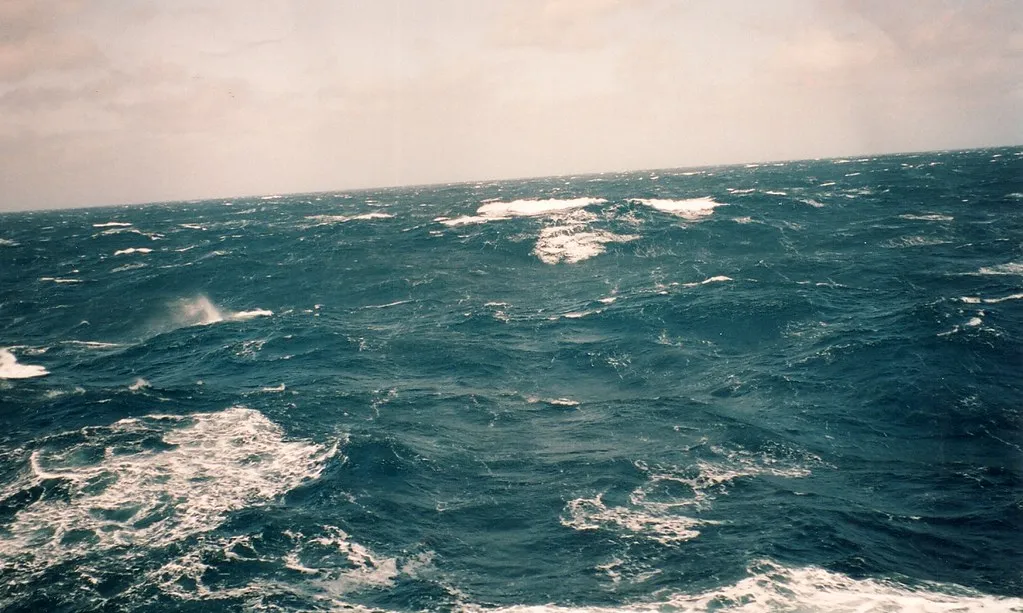
Sailors have a nickname for the rough version: the “Drake Shake.” When it miraculously goes calm, it’s the “Drake Lake.” Both names are used without irony in maritime circles. The calm crossings are genuinely miraculous by the standards of the Southern Ocean, and experienced crews know better than to count on one.
Extreme wave heights, fast-changing weather, and some of the fastest ocean currents on Earth have led the Drake Passage to acquire its terrible reputation. That reputation stretches back well before modern shipping. There is even a monument at the tip of Cape Horn, in memorial of the more than 10,000 sailors who are believed to have died traveling through.
A Route That Ships Had No Choice But to Take
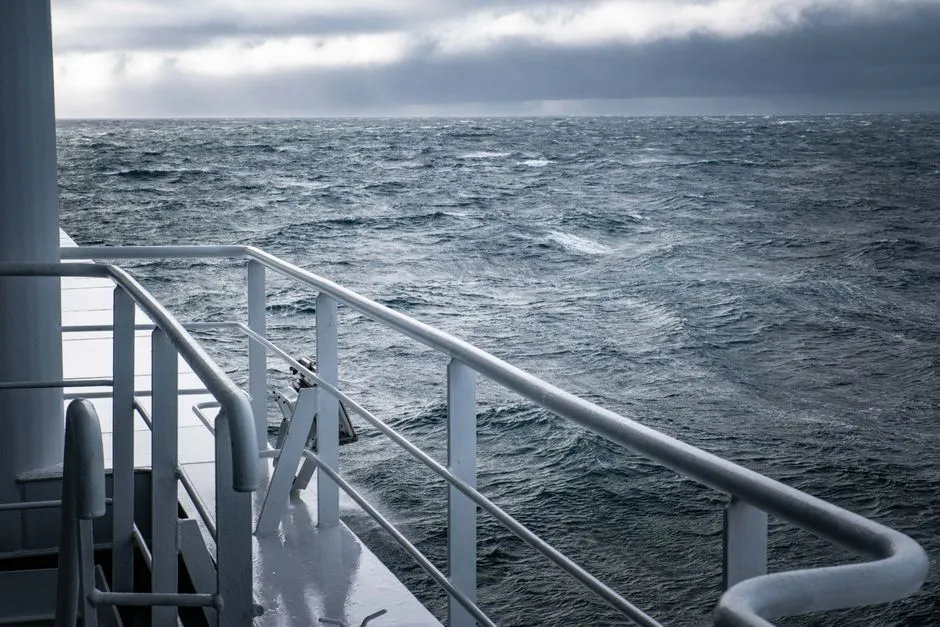
Before the construction of the Panama Canal in 1914, the route that goes through Drake Passage served as the primary corridor for all commercial ships traveling to Western South America and North America. For centuries, there was no alternative. Ships loaded with cargo, passengers, and hope simply had to go through.
It has been estimated that about 800 vessels venturing around the Cape ended up shipwrecked. As one maritime historian has noted, “the reason it’s been so feared over the centuries is because the Drake is where ships really have to go. Other parts of the Southern Ocean can be avoided.” That compulsion – geographic, unavoidable – is part of what makes it so defining.
The Viking Polaris Incident: A Modern Reminder
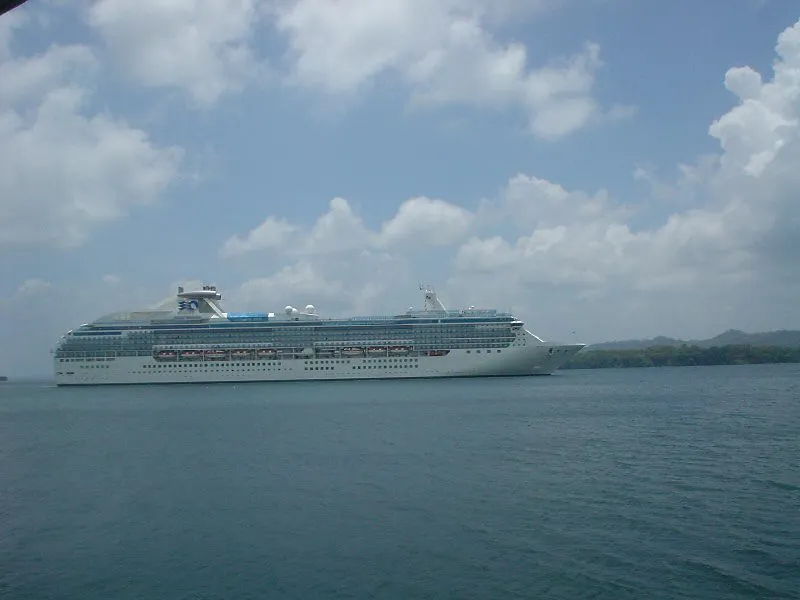
The most serious passenger-vessel event in recent memory is the Viking Polaris incident: on 29 November 2022, southeast of Cape Horn, a breaking wave shattered windows in seven staterooms, killing one passenger and injuring eight, according to the investigation referenced in US Coast Guard industry reporting. It was a sharp reminder that no amount of modernity makes this passage routine.
The Drake Passage continues to claim its place as a high-risk gauntlet even with improvements in ship design and forecasting. The Viking Polaris tragedy was not a failure of equipment in the traditional sense. It was the Drake being exactly what it has always been. Captains who know it well were not surprised – only saddened.
What the Winds Actually Do Out There
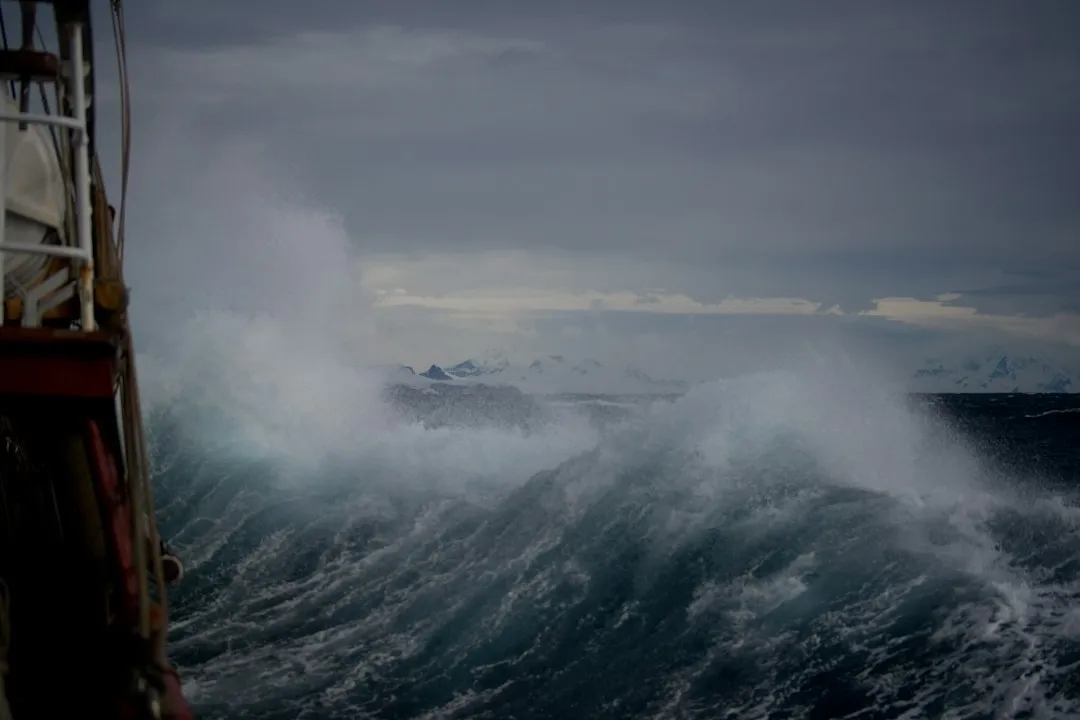
The winds over the Drake Passage are predominantly from the west and are most intense to the north around Cape Horn. Cyclones formed in the Pacific sweep west to east across the passage’s southern edge. These aren’t passing squalls. They are deep, organized weather systems that can sustain severe conditions for days.
The Drake is a place of fierce winds and massive waves, where ships have to contend with stray icebergs, rocky coastal shoals, and the Southern Ocean’s circular current, which flows unimpeded by land. The combination of ice hazards, violent weather, and that relentless current is what separates it from every other difficult stretch of ocean on the globe.
How Modern Captains Actually Navigate It
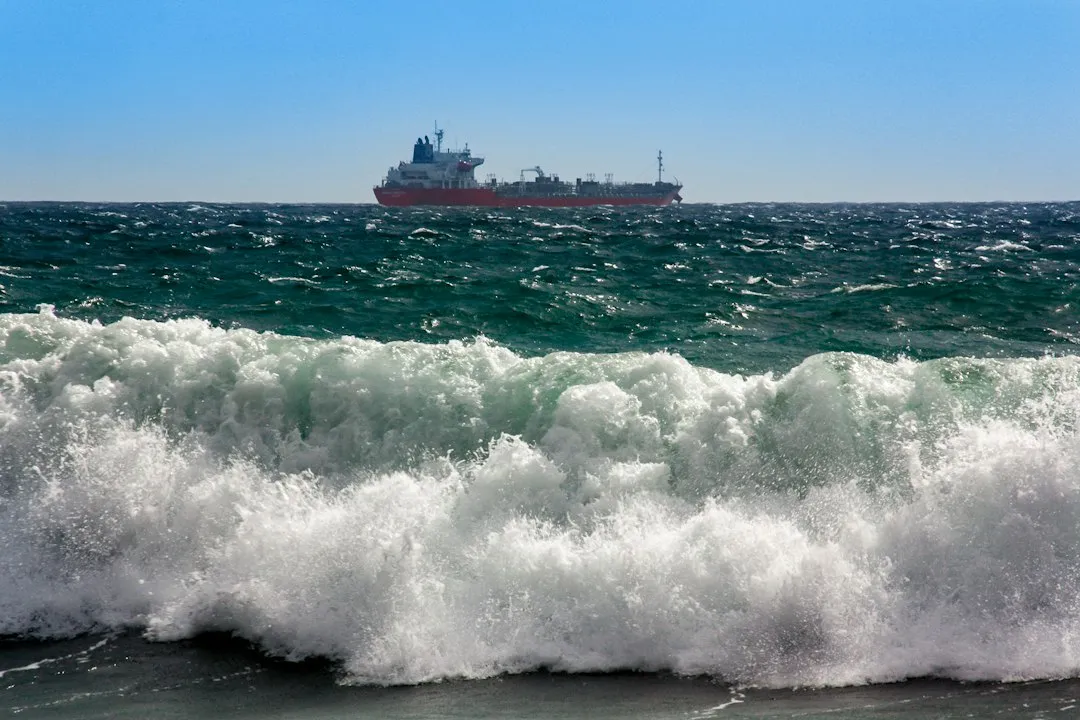
Crossing the Drake Passage is much more benign than it used to be, thanks to the accuracy of modern forecasting models and stabilizers on more modern cruise ships. That is true, and it matters. The safety record for modern passenger vessels in the passage is significantly better than the historical record might imply.
Before departure and during a voyage, routing teams analyze weather forecasts, satellite data, and historical storm patterns to choose the safest path. When rough water is anticipated, the captain may adjust speed, angle the bow into waves, or divert to calmer routes without significantly delaying the schedule. Still, the honest reading is that the passage is uncomfortable fairly often and dangerous very rarely. The captains who say that tend to say it with a small pause before “fairly often.”
What the Passage Demands from a Captain
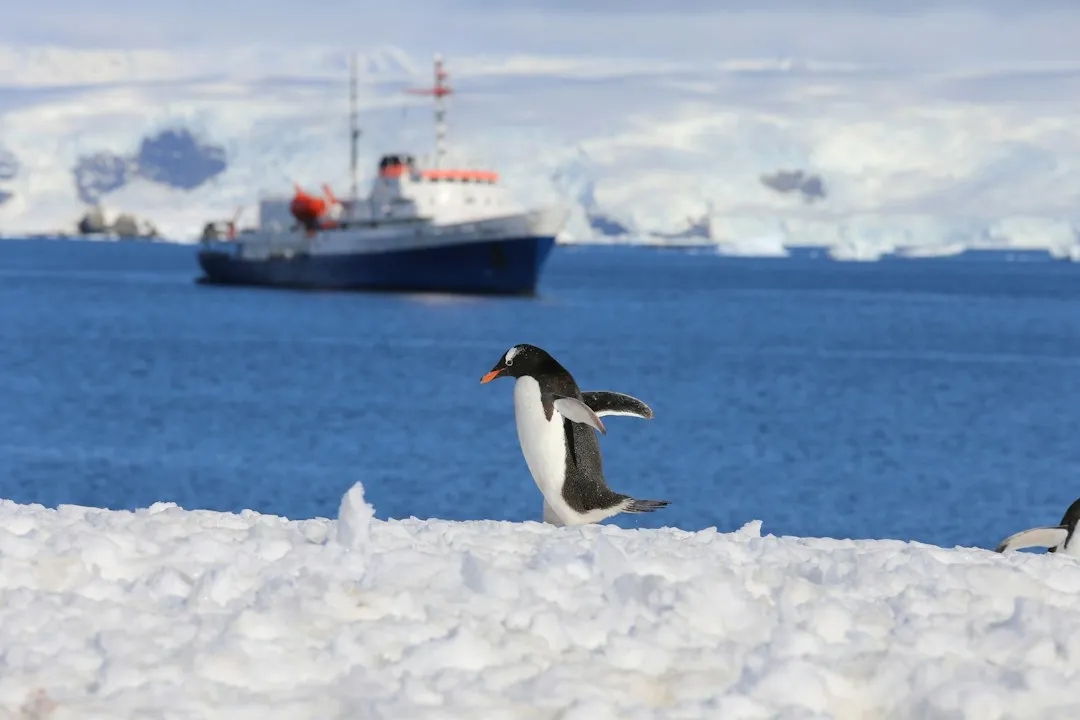
The Master Mariner is the ship’s commander, vested with overriding authority under maritime law. Their decisions are final in all matters concerning the safety, operation, and security of the vessel. In the Drake, that authority is not ceremonial. Every decision – when to slow down, when to turn, when to hold the course – carries real weight.
Expedition cruising to Antarctica and the Arctic requires officers comfortable navigating in less-charted waters and more demanding conditions than typical Caribbean itineraries. Expedition ships carry premiums for officers with ice navigation endorsements. The skills required to manage this passage safely take years to build, and even seasoned captains treat it with consistent, undivided respect.
Antarctica Tourism and the Drake’s Growing Role

The Drake Passage is the stretch of open ocean between Cape Horn and the Antarctic Peninsula, and it is the single most common reason people hesitate before booking an Antarctica cruise. That hesitation is understandable, and the cruise industry addresses it honestly. Ships designed for expedition voyages are significantly more robust than standard ocean liners.
The turbulent tides and high winds make it nearly impossible for cruise ships to pass, except during the Antarctic summer, from December through February. Southeast Asia, the Middle East, and expedition cruising to Antarctica and the Arctic are growing segments that require officers comfortable navigating in less-charted waters. Interest in polar travel keeps climbing, and with it, more captains are building the specialized experience the Drake demands.
What the Drake Passage Ultimately Teaches
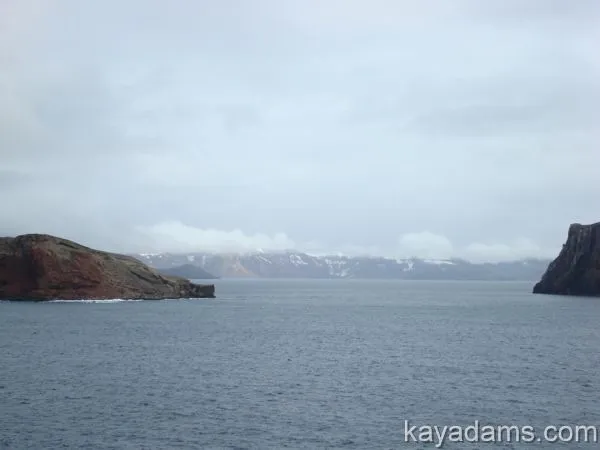
Ask a cruise captain what ocean passage commands the most respect, and the answer tends to come without hesitation. The Drake Passage has held that position for centuries, and nothing about modern shipping has changed its fundamental character. It remains what it has always been: a place where the ocean operates entirely on its own terms.
Veteran mariners know the most dangerous stretch of sea is the one you underestimate. The Drake Passage has never allowed that mistake to go unnoticed. Every navigator who has stood on a bridge in those waters understands, with great clarity, that seamanship is not about conquering the ocean. It’s about reading it carefully and moving through it wisely – and nowhere on Earth makes that lesson more vivid than the 600 miles between Cape Horn and Antarctica.
AI Disclaimer: This article was created with the assistance of AI tools and reviewed by a human editor.