
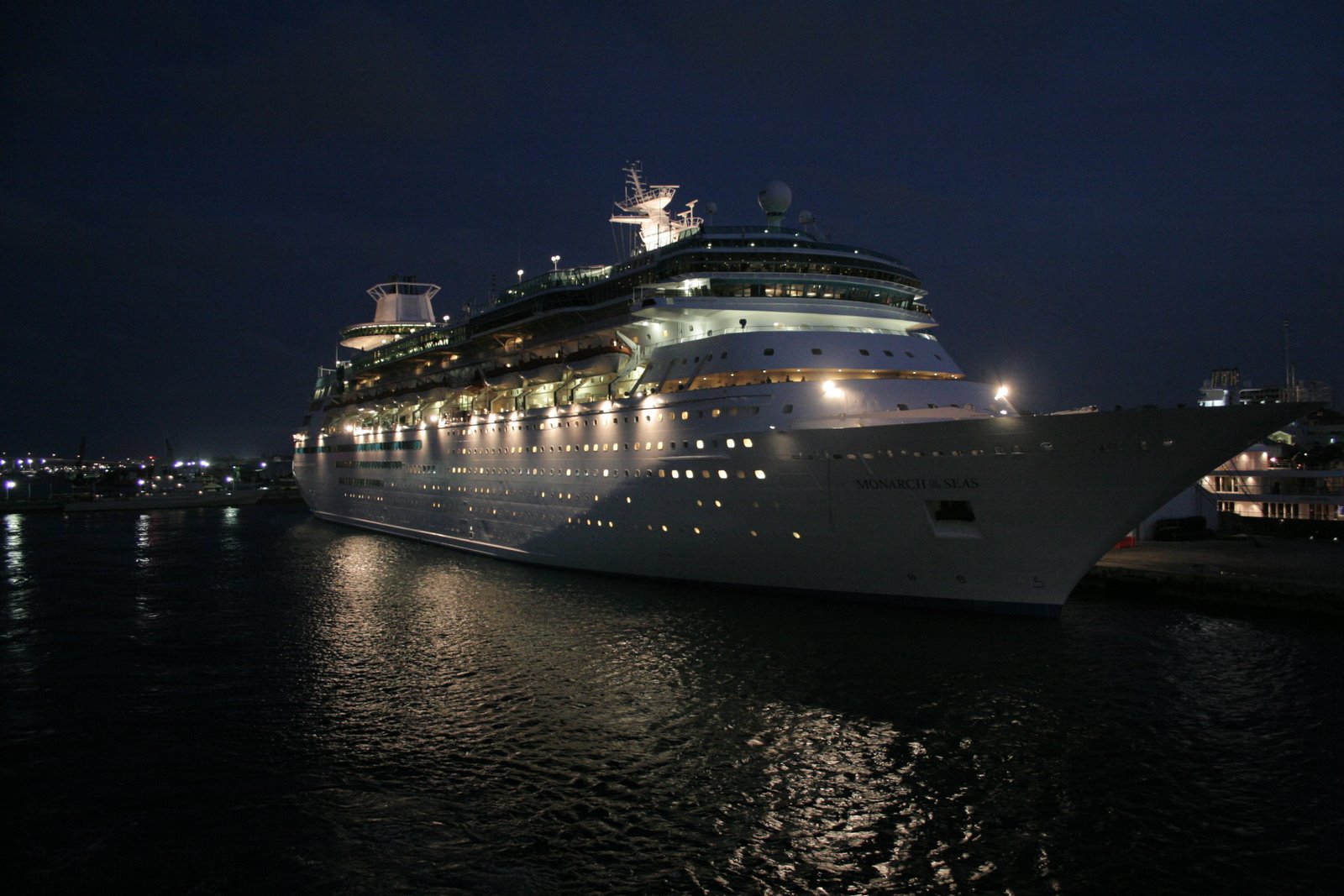

The Open Deck at Golden Hour
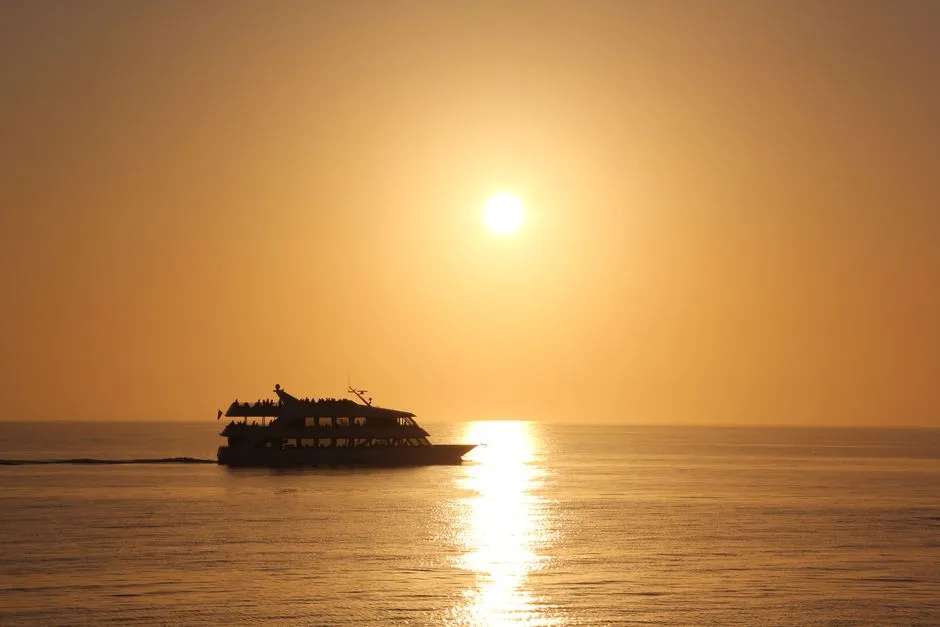
One of the prime spots to capture the best images on a cruise is the open deck, which offers an unobstructed view of the horizon, perfect for sunrise and sunset shots. This uninterrupted sightline is something you simply cannot replicate on land, where trees, buildings, and topography always compete with the frame.
Arriving early in the morning or just before sunset helps you secure a good spot and set up your camera, and playing with the golden hour lighting adds a warm hue and soft shadows to your photos, enhancing the mood. The light changes fast at sea, so getting there ten minutes early genuinely matters.
The warm, soft light of early morning and late afternoon enhances photos with rich colors and gentle shadows, making it the perfect time to shoot ocean horizons, decks, and wildlife silhouetted against vibrant skies. Photographers consistently name this window as the single most productive part of the day for shipboard imagery.
The Highest Deck for Panoramic Perspective
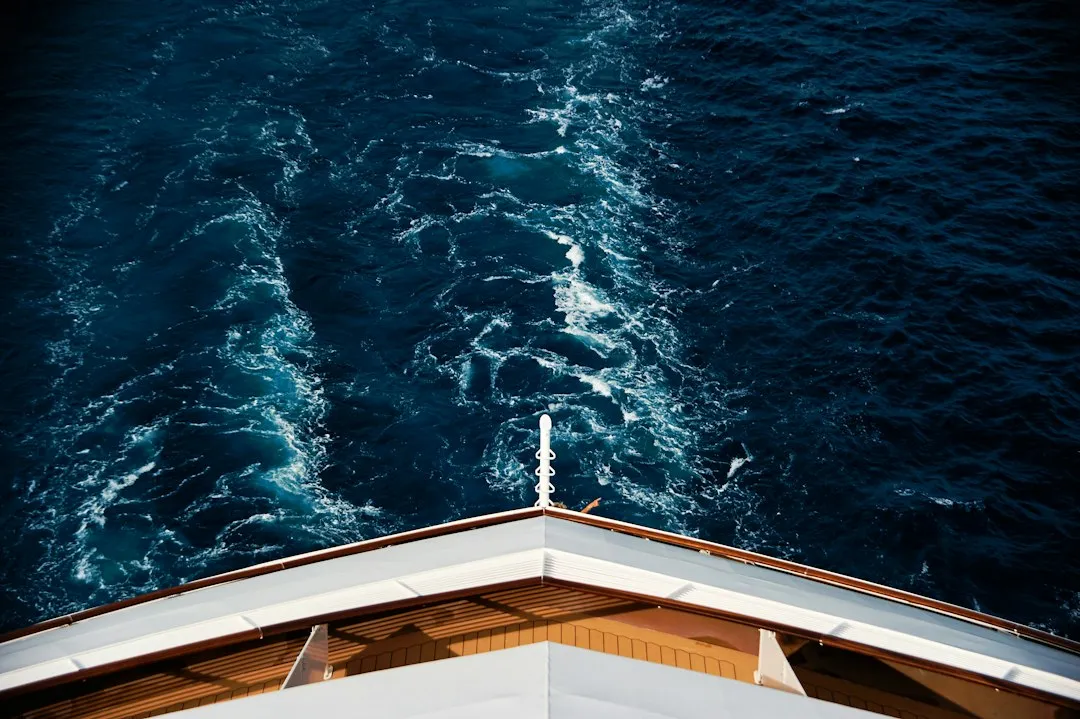
Taking advantage of all vantage points of the ship, especially the highest deck, gives you a kind of perspective that changes everything. The elevation opens up the full sweep of the ocean in ways that mid-ship decks simply cannot offer, and the sky takes on more visual weight in every composition.
One of the most important elements in capturing a great cruise photo is the lighting, and the best natural light occurs in the early morning and late afternoon. From the highest deck, that light arrives clean and directionless, wrapping around subjects without the harsh contrast that lower decks can produce from shadow and structure.
Heading up to the ship’s rooftop terrace or upper observation area at that magic hour just before sunrise or sunset and posing for a picture allows you to capture the full array of warm colors in the background. Very few shots from a cruise feel more genuinely cinematic than this one.
Your Private Balcony Stateroom
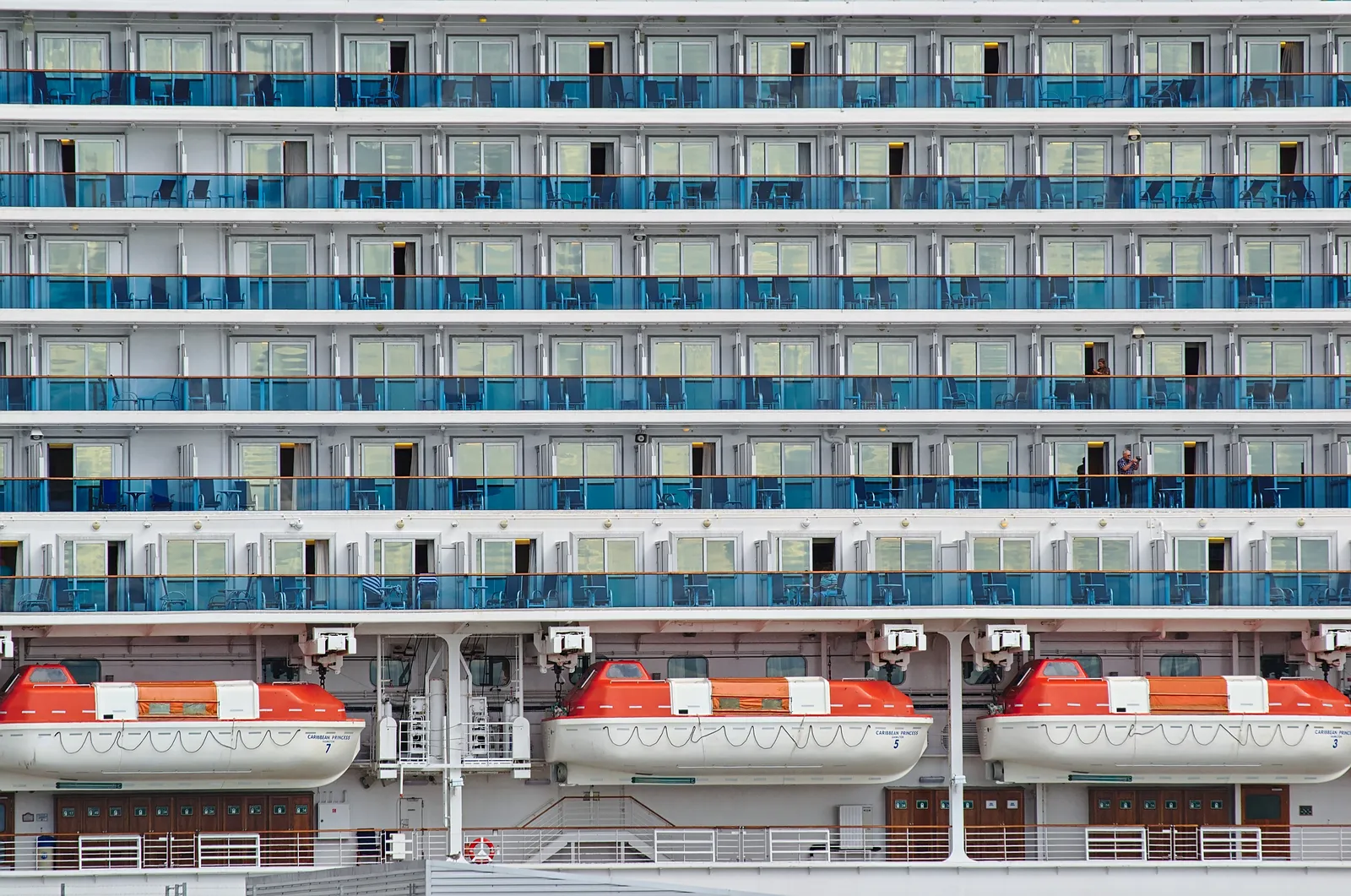
If you’re staying in a stateroom with a veranda, you have ample opportunities to take wonderful photos, including leaning against the railing to snap a picture of the bright, blue sea in the background. The balcony is a quietly underrated photography spot, partly because it offers total privacy to wait for the right moment.
Golden hours are ideal for balcony shots, and the light adds real drama to water shots taken from your private outdoor space or from any deck. The gentle, unobstructed light that streams across a balcony in the early morning is some of the softest and most flattering you’ll find anywhere on the ship.
From glaciers and penguins in the polar regions to rainbows and sunsets in the Caribbean, cruise balconies offer some of the best views of land and sea. That said, balcony light is directional, so noting which side of the ship faces the rising or setting sun before departure is worth a quick check.
The Ship’s Grand Atrium
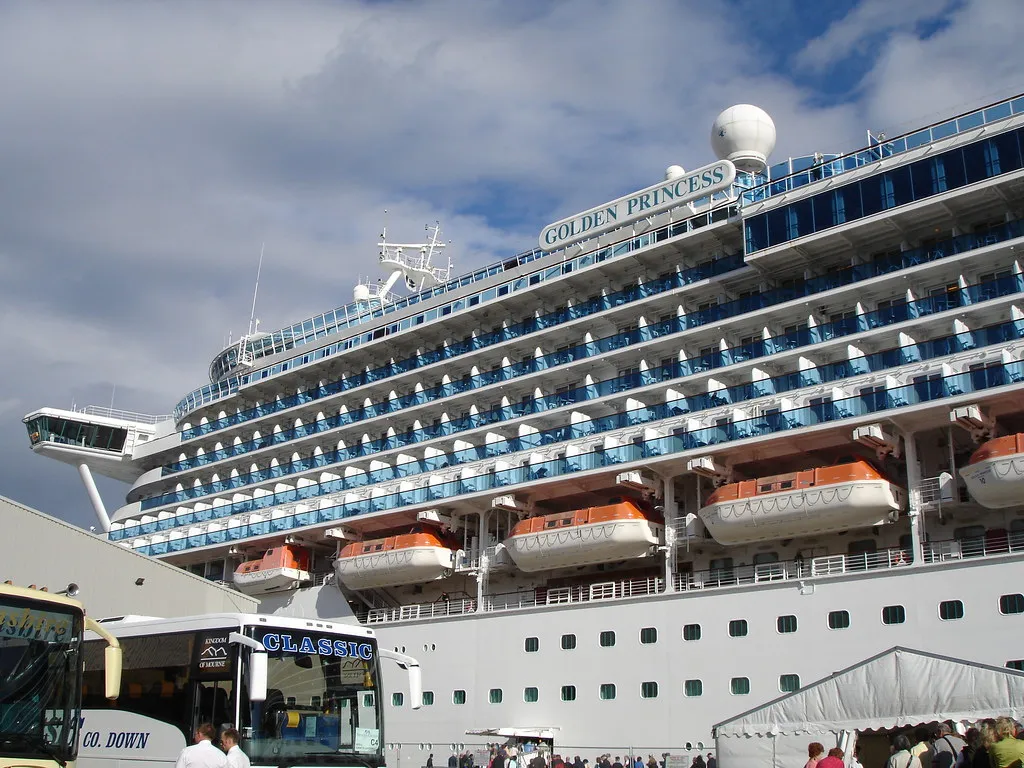
In ships like the MSC World Europa, the multi-deck atrium serves as a backdrop for magnificent entrances, photo opportunities worthy of magazines, and elegant evening performances, featuring polished marble flooring, bronze accents, and panoramic LED ceilings that create a high-end atmosphere. These interiors are engineered to impress, and their layered artificial lighting can produce surprisingly beautiful results when used thoughtfully.
On ships like Carnival Mardi Gras, the atrium features huge windows on three levels that let in plenty of natural light and ocean views. This makes the atrium a rare interior space where natural and artificial light coexist in genuinely useful proportions for photography.
It’s worth bringing a real camera to the atrium; those high ceilings and bright lights really pop in photos if you frame them right. Shooting upward toward the ceiling structures often reveals geometry and light that many passengers walk right past without noticing.
Shaded Spots on Deck for Portrait Photography
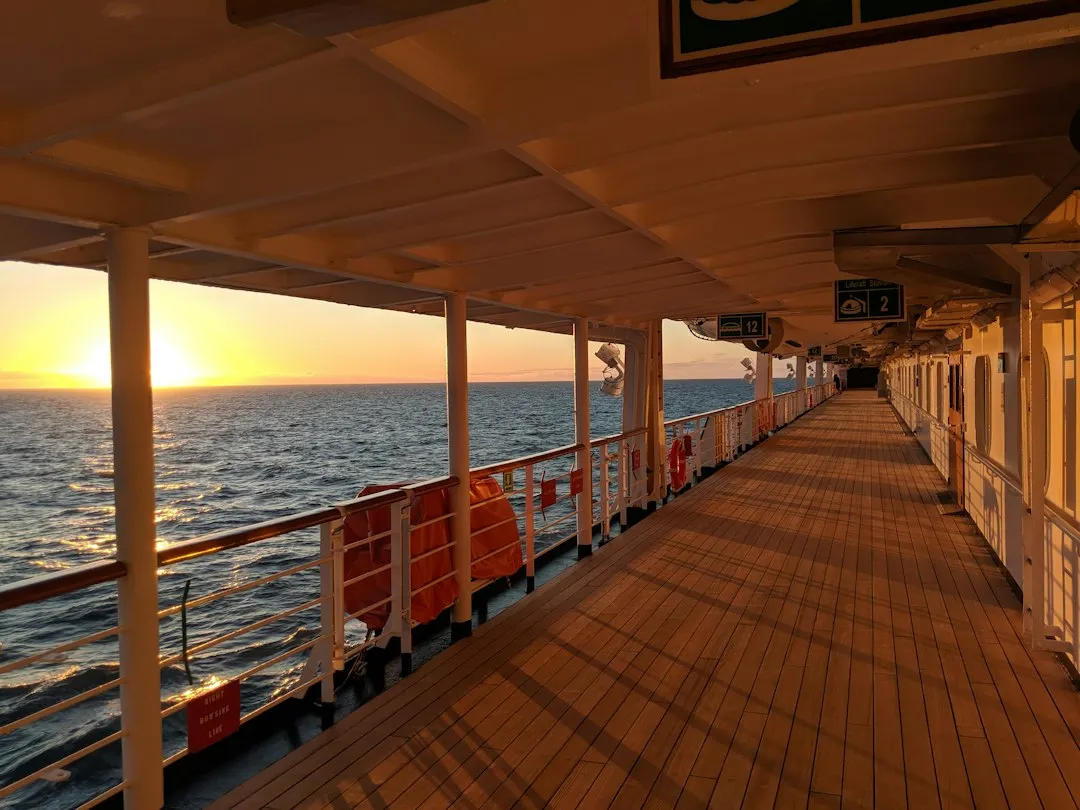
Direct sunlight can be too harsh for portrait shots, so looking for shaded spots on the ship where the light flatters your subjects more naturally is consistently recommended by photographers. It sounds counterintuitive on a sunny cruise day, but shade is genuinely your friend when photographing people.
Overcast days can also provide excellent soft lighting, reducing harsh shadows and allowing for more balanced shots. Many cruise photographers quietly prefer these conditions over full sun precisely because the light becomes even and forgiving across the whole frame.
Avoiding the harsh light of the midday sun if shooting on deck is a practical rule that professional cruise photographers follow consistently. The hours between roughly ten in the morning and two in the afternoon produce the harshest shadows and the most unflattering overhead light, indoors or out.
The Bow of the Ship
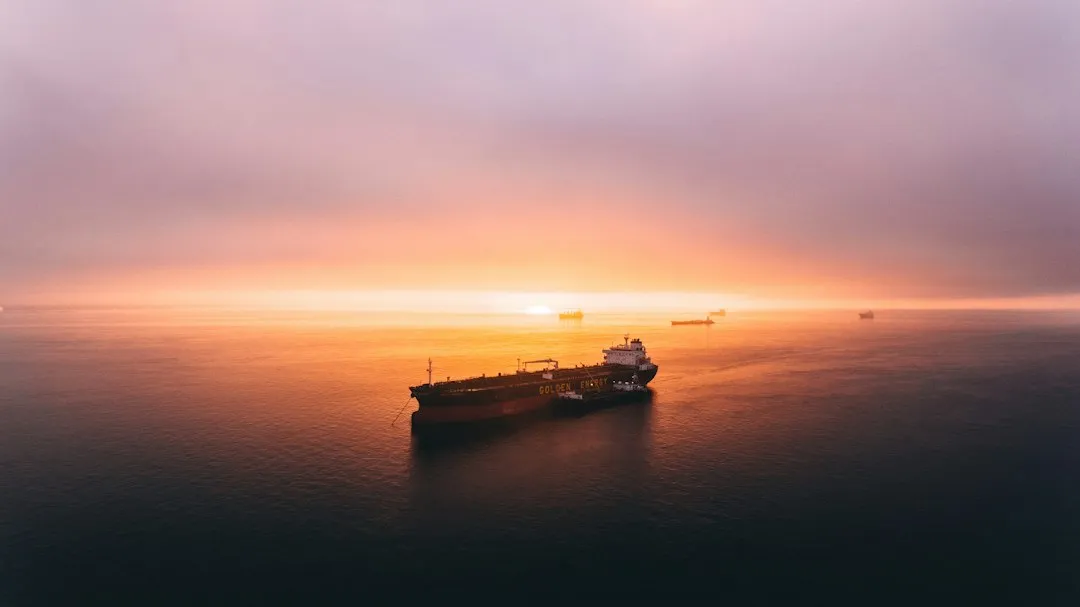
It helps to know how to quickly get to the bow of the ship, as looking for a deck that lets you move quickly between bow and stern or port to starboard can be the difference between capturing a dramatic moment and missing it entirely. The bow is particularly effective at sunrise when the ship appears to sail directly into the light.
The forward-facing position gives photographers a completely open sky with nothing in the frame but water and horizon. That absence of ship structure is exactly what makes it so valuable, because there are no railings, stairs, or equipment to navigate around the edge of your composition. Many seasoned shipboard photographers cite the bow as their default starting point each morning.
The Pool Deck in the Morning
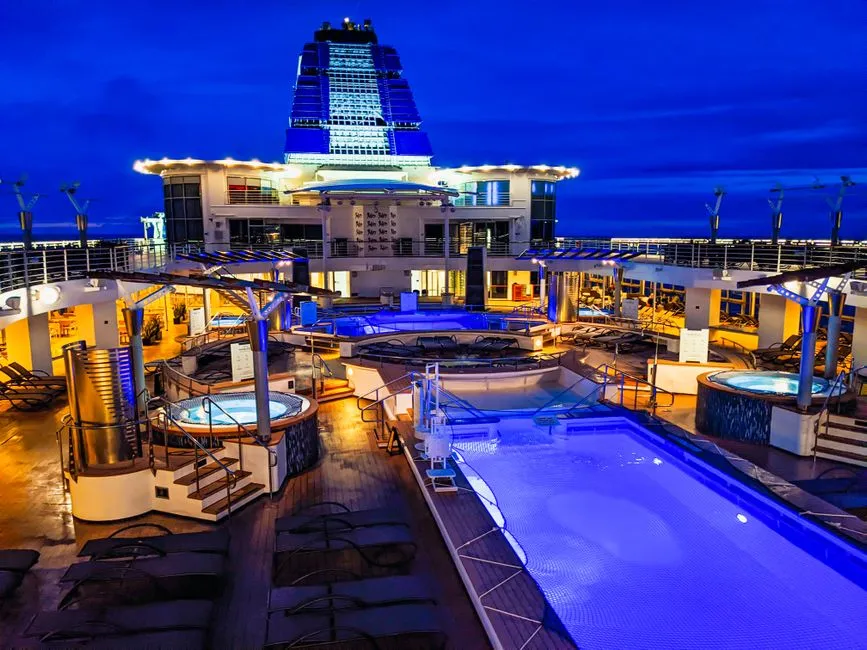
The pool deck is a fantastic location for cruise photography because these spots are bustling with activity and provide vibrant photo opportunities, including memories of fellow travelers enjoying the sun, families having fun, or even a poolside cocktail shot with the ocean in the background. Early morning, before the crowds arrive, this same deck offers something entirely different.
The colorful lounge chairs, umbrellas, and pools offer an excellent contrast to the blues of the sea and sky. In the first hour after sunrise, those colors appear saturated and clean rather than bleached out, which is what the midday sun tends to do to outdoor furniture and water.
The deck is mostly sunny, so taking photos where the sunlight naturally enhances the photo is a practical strategy that works well during the shoulder hours of morning and late afternoon. A simple shift of an hour or two in timing makes a visible difference in the finished image.
Through Porthole Windows and Large Interior Windows
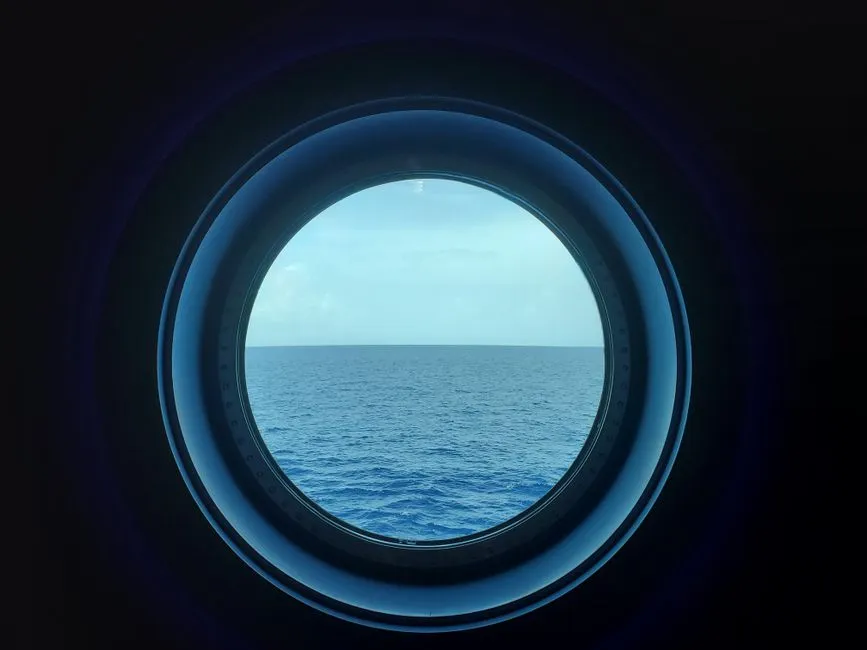
When possible, positioning subjects with the ocean or sunset visible through large portholes blends natural beauty with the elegant indoor setting in a way that tells a layered story about the cruise experience. This compositional technique gives indoor portraits a depth and context that plain backgrounds rarely achieve.
Large picture windows found in dining rooms, lounges, and observation areas funnel natural light into otherwise dim interiors. Sitting a subject near one of these windows, with the light falling across the face from a slight angle, produces portraiture that looks far more deliberate than anything a flash could create. The key is positioning: the subject should face the window, not be backlit by it.
The Stern Deck at Twilight
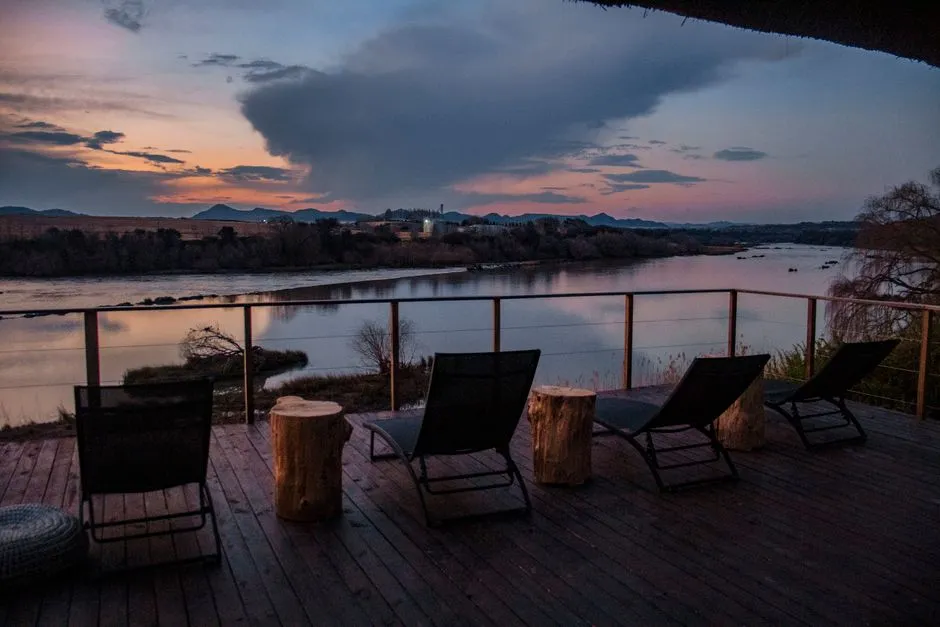
Twilight, the period before sunrise and after sunset, is an incredible time to be up on deck. It’s also a time when it’s possible to see Earth’s shadow, and after sunset a gorgeous pink band known as the “belt of Venus” rises in the east, quickly swallowed up by the blue of Earth’s rising shadow. This brief window produces some of the most otherworldly light conditions available anywhere on the voyage.
The stern deck offers an added visual element: the ship’s wake stretching back toward the horizon, a natural leading line that photographers describe as practically composing the shot for you. Combined with the soft blue and rose tones of twilight, it creates a mood that is both solitary and grand. After sunset, that pink belt rising in the east, quickly absorbed by the blue of Earth’s shadow, represents a photographic moment that disappears within minutes.
Nighttime Ambient Lighting on the Lido Deck
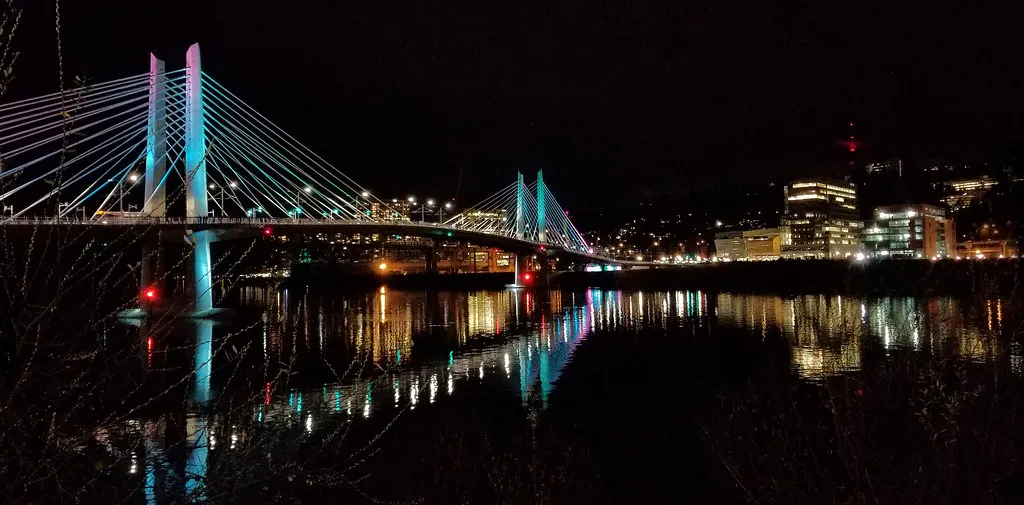
At night, avoiding a harsh flash is essential, and instead relying on ambient lighting from lights, candles, and the moon produces softer, moodier, and more romantic photos. The Lido and pool decks at night are often lit with warm overhead lamps that create a surprisingly rich, even glow across the space.
When nighttime comes it can be tempting to use a flash, but this has the potential to ruin images and will not do the magical setting justice. Instead, using the ambient lighting of the moon and soft deck lighting is the far more effective approach. Modern smartphone cameras and mirrorless cameras handle this kind of low ambient light remarkably well when flash is switched off.
When taking nighttime photos on a stateroom balcony, no flash is needed, as between the lamps and the moon there is plenty of lighting available. The same principle applies across any well-lit outdoor deck space, where the combination of warm fixtures and open sky creates a layered, dimensional light that a flash would completely flatten.
The Takeaway
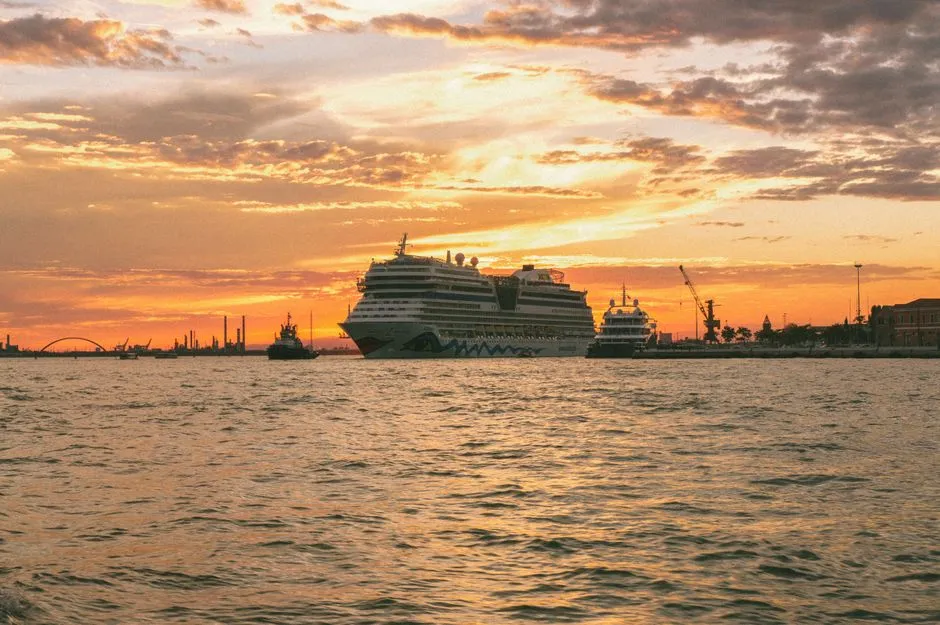
Light is not something you find on a cruise ship by accident. It rewards the people who understand where it lives and what time it arrives. The open deck at golden hour, the shade-softened areas for portraits, the atrium’s architectural glow, the bow at sunrise: each of these spots offers something distinct, and the gap between them and a generic hallway snapshot is substantial.
Good cruise photography is mostly about showing up to the right place at the right time with your eyes actually open. The ship does most of the heavy lifting. You just have to know where to stand.
AI Disclaimer: This article was created with the assistance of AI tools and reviewed by a human editor.