

“Piano Man” by Billy Joel: the One That Started It All
“Piano Man” and “Sweet Caroline” are the top two most requested songs, hands down, and the age group doesn’t really matter. That comes directly from Adam Stout, a working cruise ship pianist who has performed aboard Disney Cruise Lines, Holland America, and other lines, speaking in a published 2024 interview. The song’s grip on cruise ship audiences is something that even its own creator has noted with some ambivalence.
This song is one that every piano bar player has to deal with, since patrons will inevitably ask for it, though Joel himself has pointed out that the song can be quite dull when played in this format. It’s a strange loop: a song literally written about a lounge pianist being asked to play the same songs every night, now being the song that lounge pianists are asked to play every night.
The song is sung from the point of view of a piano player at a bar describing the patrons, and it’s based on Joel’s real-life experiences as a lounge musician in Los Angeles from 1972 to 1973. In 2013, the song was inducted into the Grammy Hall of Fame.
“Sweet Caroline” by Neil Diamond: The Crowd Participation Champion
According to one veteran cruise ship pianist, the third most requested piano bar song is Van Morrison’s “Brown Eyed Girl,” the second is Billy Joel’s “Piano Man,” and the number one most requested piano bar song, by far, is Neil Diamond’s “Sweet Caroline.” That ranking has held remarkably steady across multiple sources and many years.
Piano bars typically open around 9 p.m. and take a little while to warm up, but once they get going, it’s usually standing-room-only, and you can be sure to see people singing the rousing chorus of “Sweet Caroline” at the top of their lungs at least once per night. There’s something almost gravitational about the way that chorus pulls a room together.
The song’s appeal is genuinely cross-generational. Pianists confirm that with “Sweet Caroline” and “Piano Man,” the age group doesn’t really matter. Young travelers, older retirees, honeymooners, family groups: everyone knows the words, or at least the “bah bah bah.”
The Piano Bar Itself: A Floating Institution
A piano bar consists of a piano or electronic keyboard played by a professional musician as a central part of an establishment that also serves alcoholic drinks, and piano bars can be located in cocktail lounges, bars, hotel lobbies, restaurants, or on a cruise ship. On ships, they tend to occupy a particular social niche that’s distinct from the main theater or the nightclub.
Most are called Piano Bar 88 on Carnival ships and have an old-fashioned lounge feel with dark ambient lighting. The piano sits in the middle of the space, partly encircled by bar seating decorated to look like a piano keyboard, where cruisers take a seat, order their favorite cocktails, and request their favorite tunes.
Usually the pianist receives a small salary plus tips in a jar or basket on or near the piano, especially from patrons requesting a song, and such requests are often written on a beverage napkin. The napkin request is, in its own way, a tiny piece of maritime culture.
“Living on a Prayer” and “Bohemian Rhapsody”: The Rowdy Requests
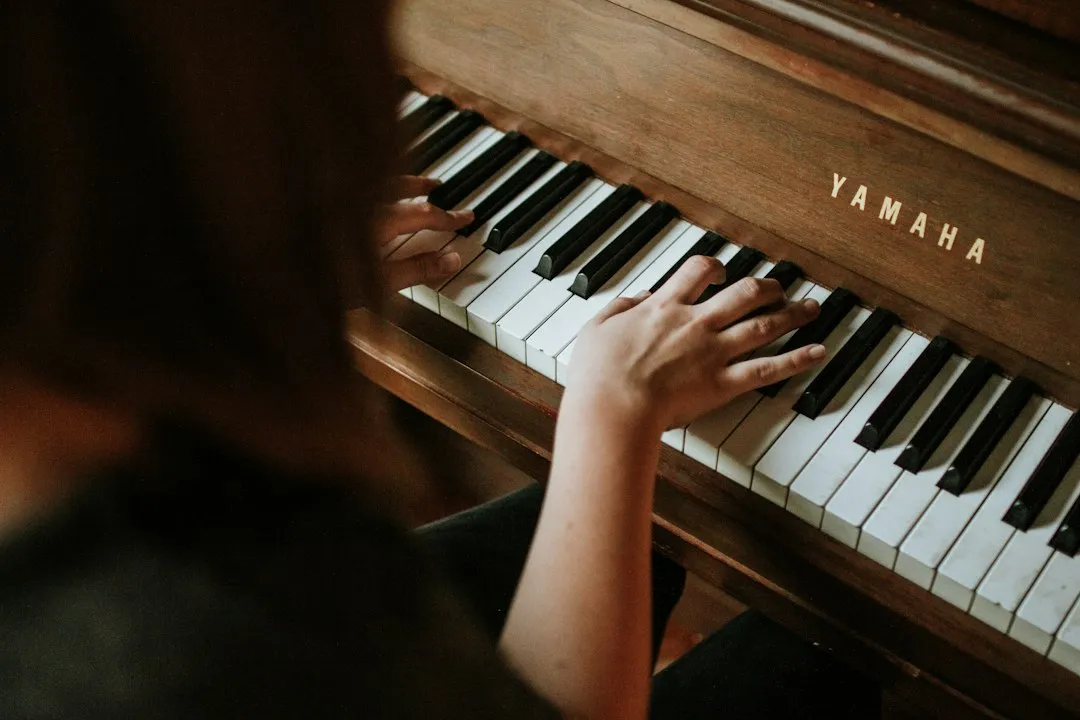
“Living on a Prayer” is requested a lot, and “Bohemian Rhapsody” is requested a lot too – the ones everyone thinks are really fun for the pianist to play. That last detail is worth sitting with: guests often assume these songs are exciting challenges, but from the musician’s side, they’re simply frequent obligations.
“Bohemian Rhapsody” in particular shows up across decades of cruise passenger forums and in personal accounts from pianists on multiple lines. Among passengers, hotel California, Brown Eyed Girl, Layla, Sweet Caroline, and Piano Man consistently appear on people’s personal request lists. Bon Jovi and Queen fill out the rowdier end of the spectrum.
The Repertoire Requirement: What Pianists Actually Need to Know
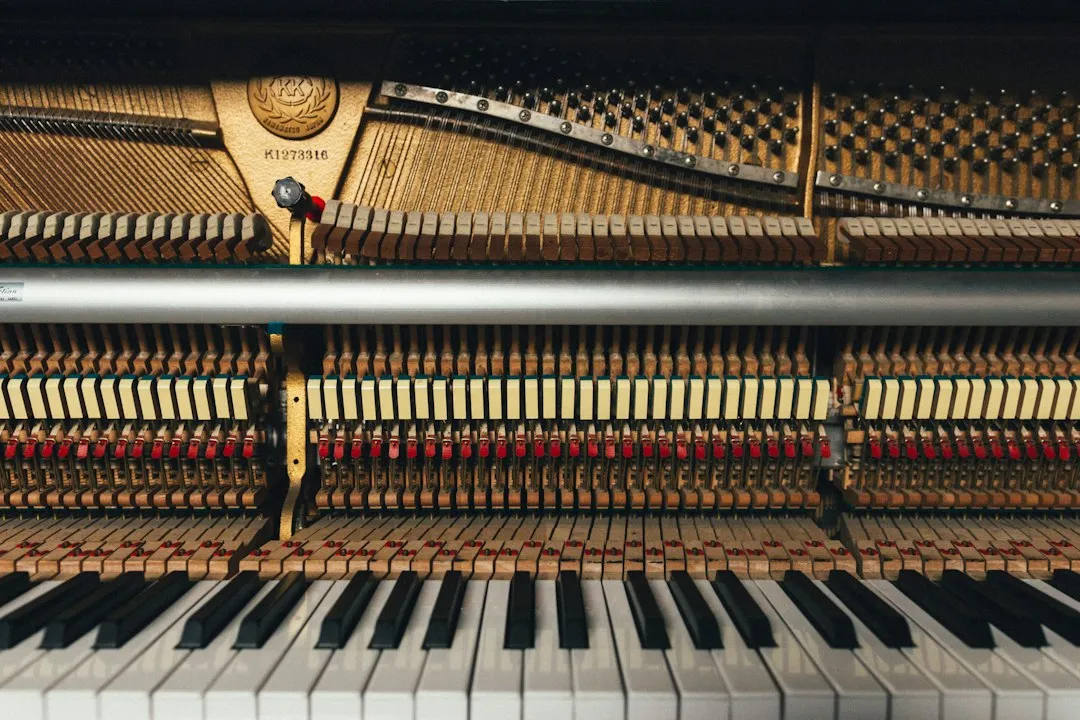
Most cruise lines expect pianists to have at least 100 to 150 songs prepared across multiple genres to cover different venues and audience preferences. That’s a significant library to carry in your fingers, especially when you’re also managing audience energy, taking tips, and reading the room in real time.
Required repertoire typically spans classical pieces by Chopin, Mozart, and Beethoven for formal settings, jazz standards like “Blue Bossa” and “Take Five” for cocktail hours, and pop hits from Elton John, Adele, and Ed Sheeran to engage audiences. The range is genuinely demanding. A successful cruise pianist has to be credible across styles that have almost nothing in common.
Pianists should know a fair amount of Billy Joel, Elton John, and the Beatles as a baseline. Improvisation skills are also important for handling guest requests, extending sets, and collaborating with singers or other musicians.
The Audience Changes, but the Hits Stay the Same
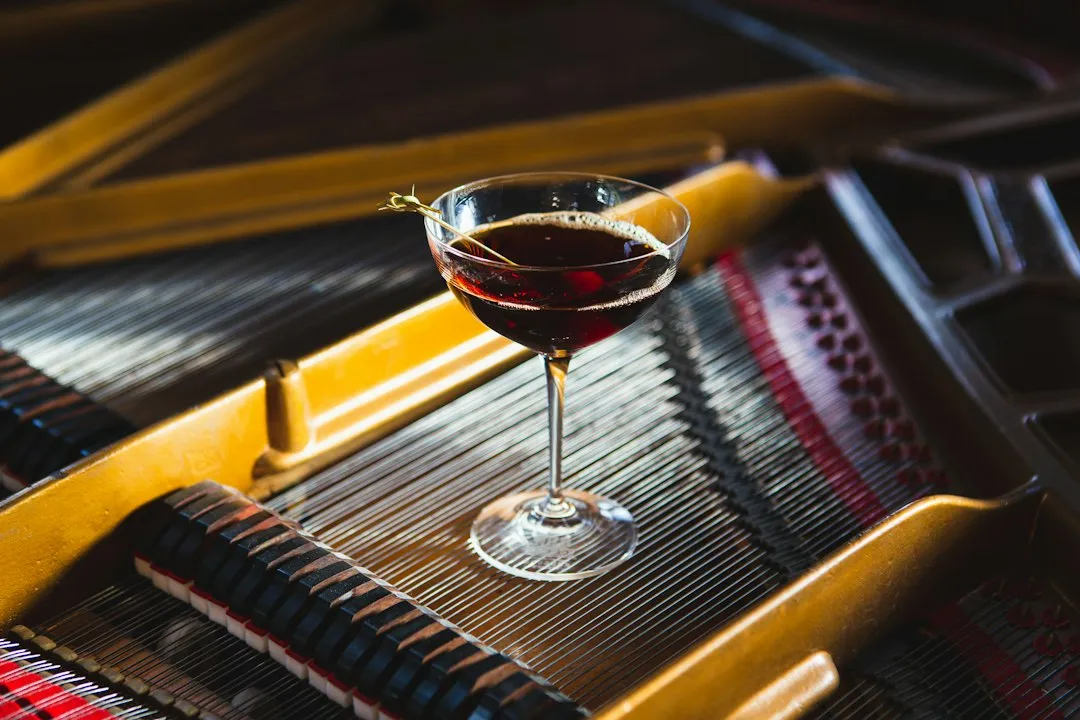
Pianists should really know the biggest hits of the 1960s, 1970s, and 1980s, especially the 1960s for older demographics, since lines like Holland America typically cater to a 65-plus clientele. The mix shifts depending on the ship and the route, but the core crowd-pleasers remain stubbornly consistent.
On Alaska itineraries with slightly younger crowds, some pianists report having up to 25 Bob Seger songs requested in a single night. Route and demographic really do shape the request culture in ways that are worth understanding if you want to appreciate what these performers navigate.
The song “Piano Man” has surprising appeal to a younger generation, something that Joel himself learned when he played the Bonnaroo festival in 2015 and the crowd sang along unexpectedly. What works in a festival field also works, apparently, somewhere in the middle of the Atlantic.
Destination Music: When the Ship Adapts to the Port

The showband occasionally references the destination of the cruise ship, albeit in a westernized and popular manner. When performing music for ballroom dance, a showband may play a popular and recognizable song strongly associated with the destination, such as a cha-cha version of “Istanbul (Not Constantinople)” the night before arriving in Turkey, or a quickstep version of “Waltzing Matilda” before arrival in Sydney.
Cruise pianists often perform themed music such as Caribbean, Mediterranean, movie soundtracks, or decade-based playlists. These curated sets give the evenings shape and variety, even if the requests from the audience tend to pull everything back toward the same handful of songs.
The Dueling Piano Revolution at Sea
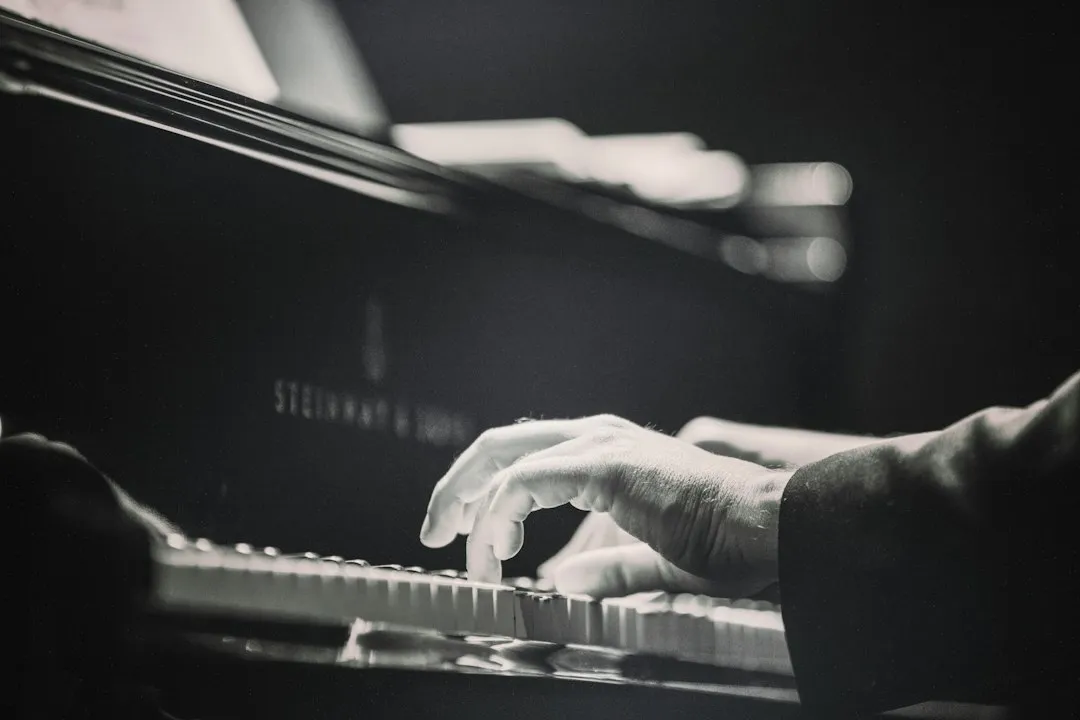
Royal Caribbean added many new things it’s never had on its cruise ships, including a dueling piano bar, introduced in 2025. The format adds a layer of competitive energy and audience participation that a solo pianist simply can’t replicate alone.
Unlike traditional bar settings where guests just yell out requests, in dueling piano formats guests fill out small slips of paper with their song request, including their name, the song they’re requesting, and any special occasion, so the pianists understand the significance of a song or why a guest is requesting it. That personal framing changes the dynamic entirely.
Most tips for a song request run about five to ten dollars, but if you move up to twenty dollars or more, you’ll get their attention fast. A fifty or hundred dollar tip is essentially a turbo option, where you could literally stop the pianists mid-song with your request. It’s a very particular economy, and it creates a lively, unpredictable show every night.
Learning on the Job: The Marathon Repertoire Build
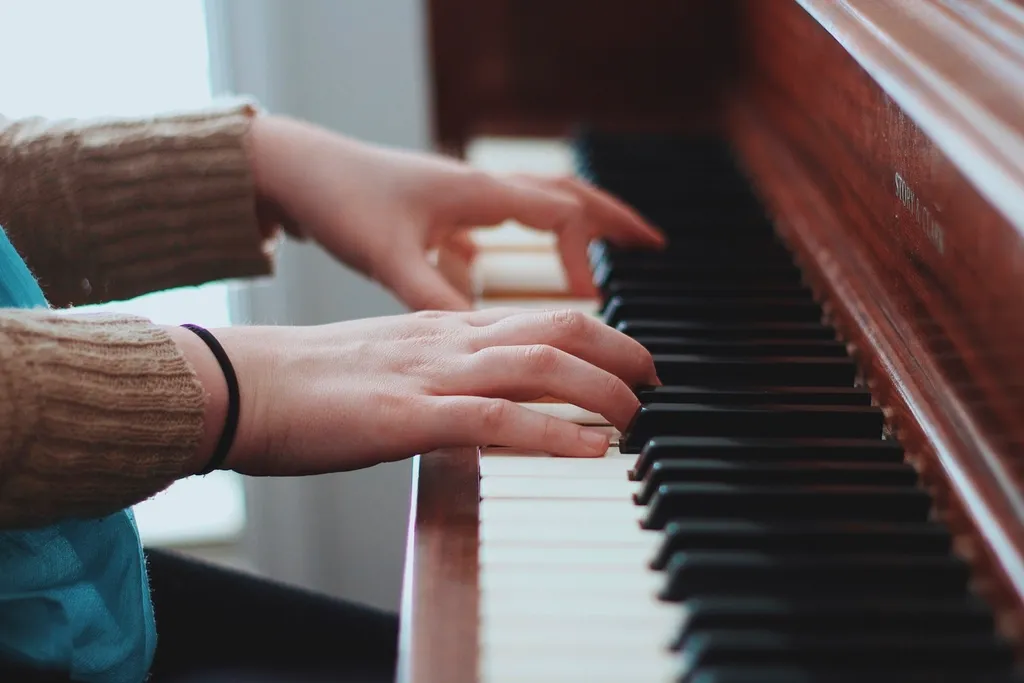
Every night when guests would request songs a pianist didn’t know, the practice was to write them down and tell the guest to come back the next day, then spend the day in a tiny cabin listening to songs and writing them out. That kind of disciplined, daily accumulation defines the career path for most cruise ship musicians.
One pianist describes learning over 700 songs in the first eleven-week contract, most of which she could play from memory. That’s a pace of learning that’s difficult to appreciate unless you’ve tried to memorize a song a day, let alone ten.
Experienced pianists recommend looking up lists of the top requested songs at different piano bars and, importantly, reading about the background of each song, since sharing information about songs is a big part of why guests enjoy a set. The performer who can tell you something real about the music is always more memorable than one who simply plays it correctly.
Why These Songs Win, Night After Night

The enduring appeal of songs like “Piano Man” comes partly from their surprising cross-generational reach. Joel himself called it “an old, long song about a guy at a depressing piano bar,” yet younger audiences consistently sing along. There’s something in its specificity, its cast of sad, hopeful characters at the bar, that connects even with people who weren’t alive when it was written.
The deeper pattern is about belonging. On a ship, surrounded by strangers from different places, people reach instinctively for music they already know. Shared lyrics become a form of instant community, and the piano bar is where that instinct finds its most natural home. The requests aren’t random. They’re the songs people trust to bring a room together.
The Takeaway
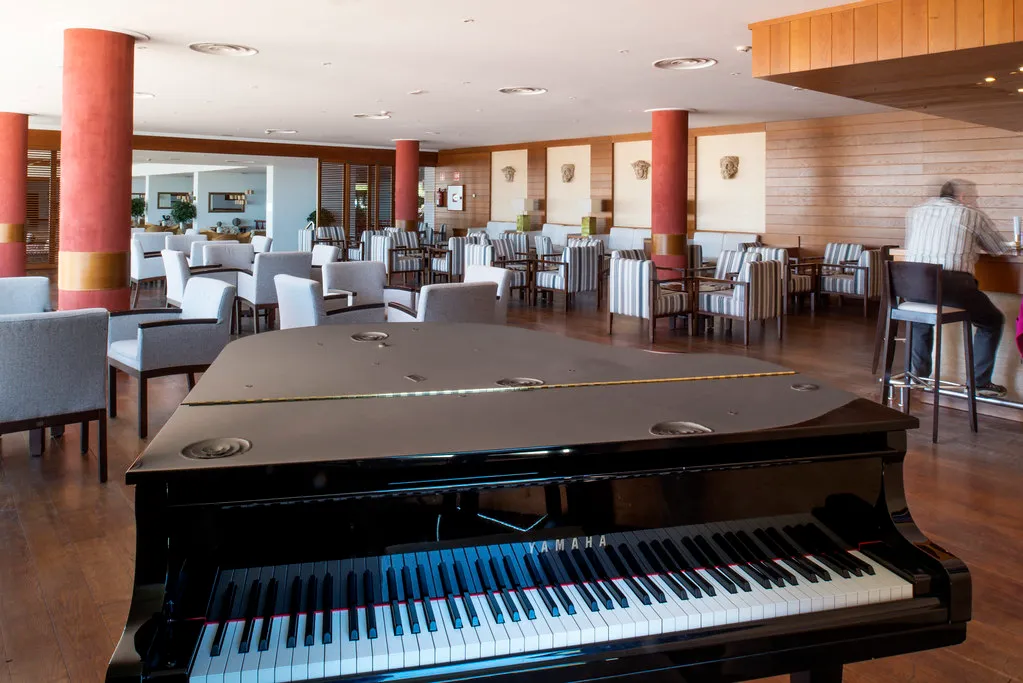
There’s a certain poetry in the fact that “Piano Man,” a song written by a young musician who felt trapped playing the same songs for the same people, has become the song that trapped pianists everywhere play for the same reason. The cruise ship piano bar is one of the last places on earth where collective singing among strangers still happens naturally and unselfconsciously.
Pianists may grow weary of the usual suspects, but passengers clearly don’t. As one seasoned cruise pianist put it, he doesn’t hate playing “Sweet Caroline” or “Piano Man” – he just gets tired of playing them. That quiet distinction between exhaustion and resentment says something kind about the job, and something true about why we keep asking for the same songs over the water, under the stars, night after night.
AI Disclaimer: This article was created with the assistance of AI tools and reviewed by a human editor.