
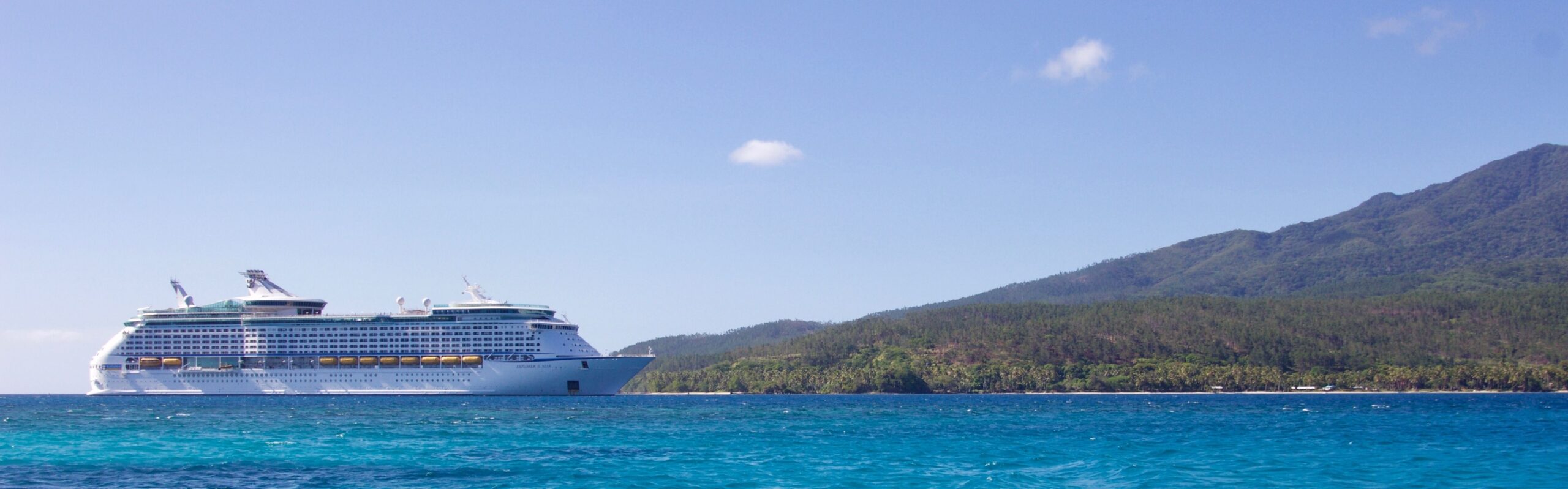

The Number One Culprit: Wet Wipes
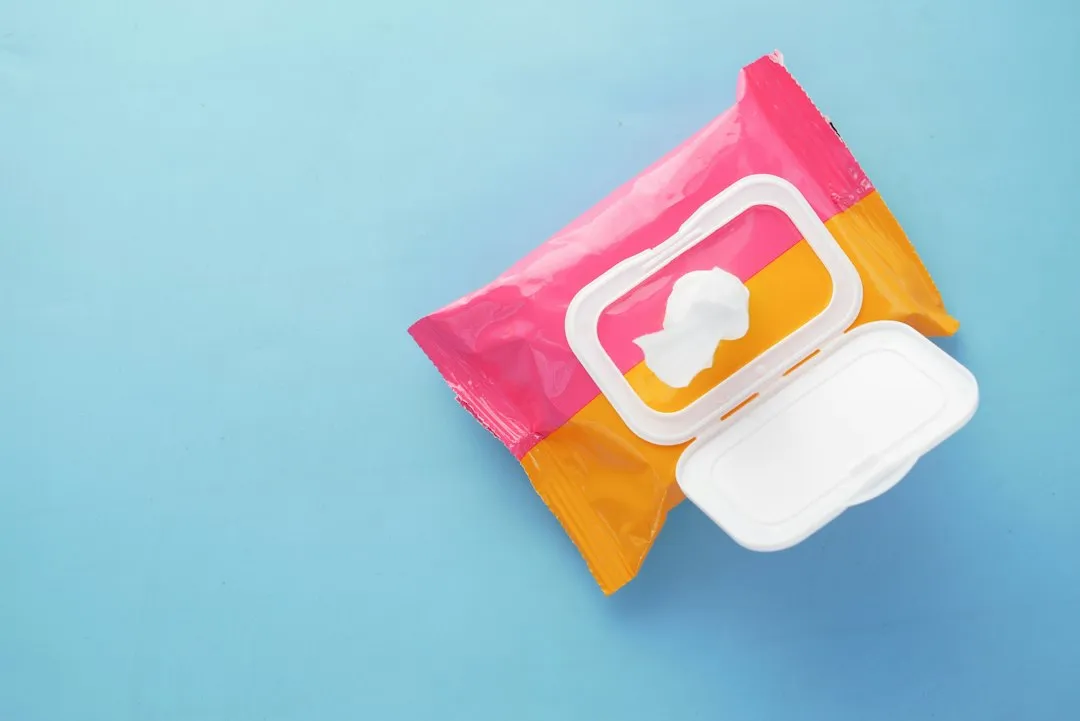
Carnival Cruise Line has urged guests to stop flushing wet wipes after a string of clogs forced plumbers to dismantle sections of ship piping, according to Brand Ambassador John Heald, who circulated the notice in 2025. The message was directed, plain, and not the first time the line had sent it.
While sanitary wipes may be useful for cleaning and personal hygiene, they are a serious nuisance to cruise ship plumbing systems. Whether they are called wet wipes, disposable wipes, disinfecting wipes, baby wipes, or moist towelettes, these small pieces of cloth cause big problems in cruise ship toilets.
Wet wipes, even those marketed as “flushable,” don’t break down the way marine-grade toilet paper does. Instead, they bunch together and cause severe clogs in the ship’s plumbing network.
Why Cruise Ship Toilets Are Nothing Like the One at Home
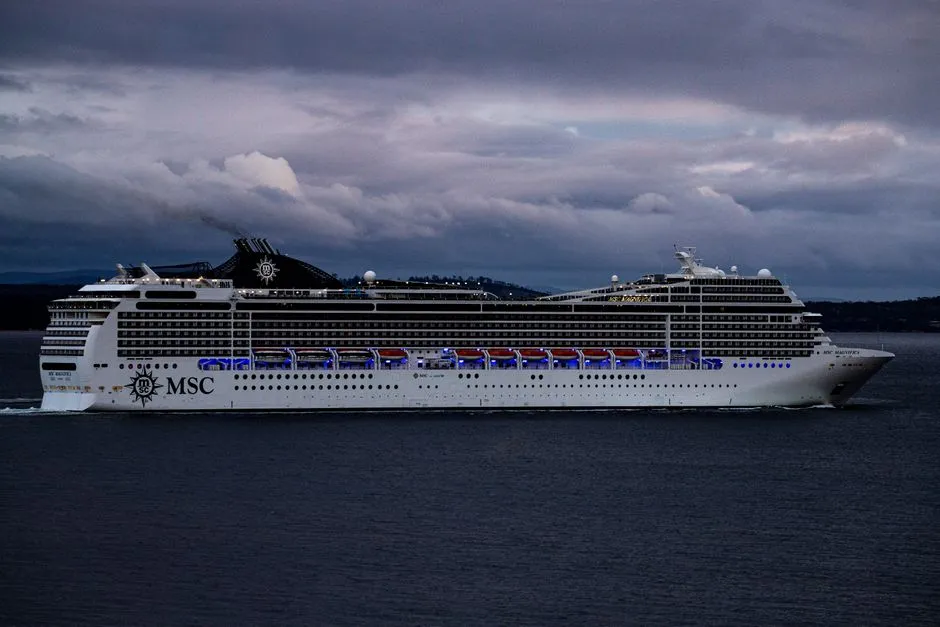
Unlike household commodes, cruise ship toilets rely on a vacuum-assist system that uses minimal water and powerful negative pressure to whisk waste through narrow pipes to treatment tanks.
Cruise toilets work on a vacuum system that reduces the water needed by up to roughly ninety percent compared to toilets found on land. That’s an impressive efficiency figure until you realize it also means there’s almost no liquid buffer to push debris along.
With little water in the lines, there is no buffer to push debris along, making the system especially vulnerable to anything that does not dissolve instantly. Wipes don’t dissolve. They travel intact, clump together, and hold.
How Quickly Waste Moves Through the Pipes
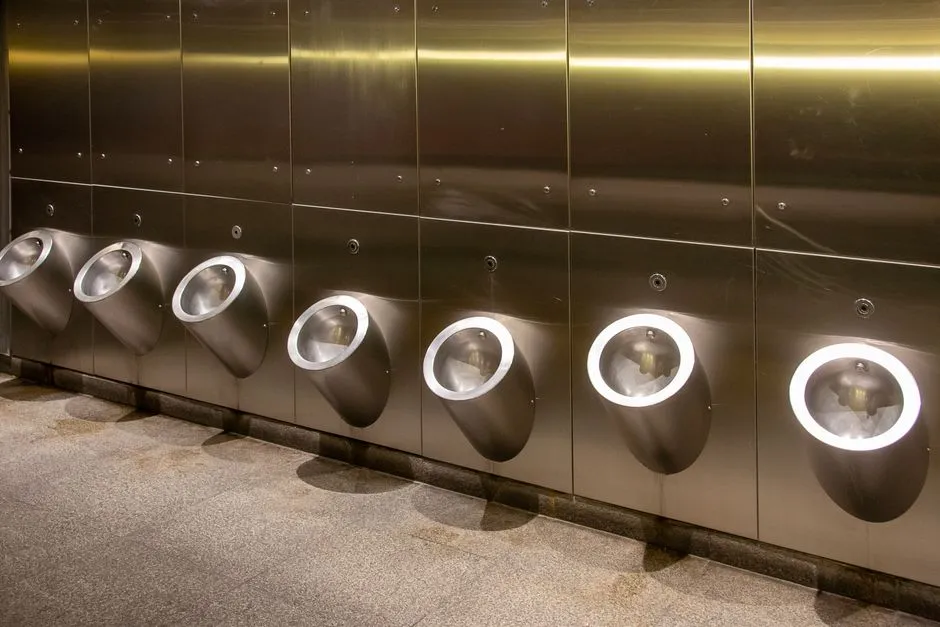
Items marketed for home plumbing never get the minutes they need to break down, because ship waste travels to holding tanks in seconds. That time gap is the core of the problem. A product designed to disintegrate gradually simply won’t get the chance.
Modern cruise ship cabins use vacuum flush toilets that utilize vacuum technology, which uses air to drive waste from the toilet and propel it into the sewage system. This minimizes the amount of water used with each flush, as the toilet water is actually fresh water.
A vacuum toilet system requires that the material remain in a “plug” that is sucked down the pipe like a golf ball in a vacuum cleaner. There are even instances where the vacuum pipes go vertically upward, and booster stations help move the plug further along the line. Wet wipes disrupt this process entirely.
One Bad Flush Affects Many Cabins
A total of ten cruise cabins were left with inoperable toilets after one guest flushed the wrong item. That’s ten paying passengers, on vacation, without a working bathroom – because of a single wipe.
From the experience of a Cruise Critic forum member who identified as a ship’s engineer, there are most likely at least half a dozen toilet clogs every voyage. Depending on how far down the pipe the clog travels, it can knock out many cabins with a single blockage.
The toilets on a cruise ship are all connected, which means that if one guest’s toilet is blocked up, all the other guests will suffer. The plumbing doesn’t honor cabin numbers.
What Plumbers Actually Find Inside the Pipes
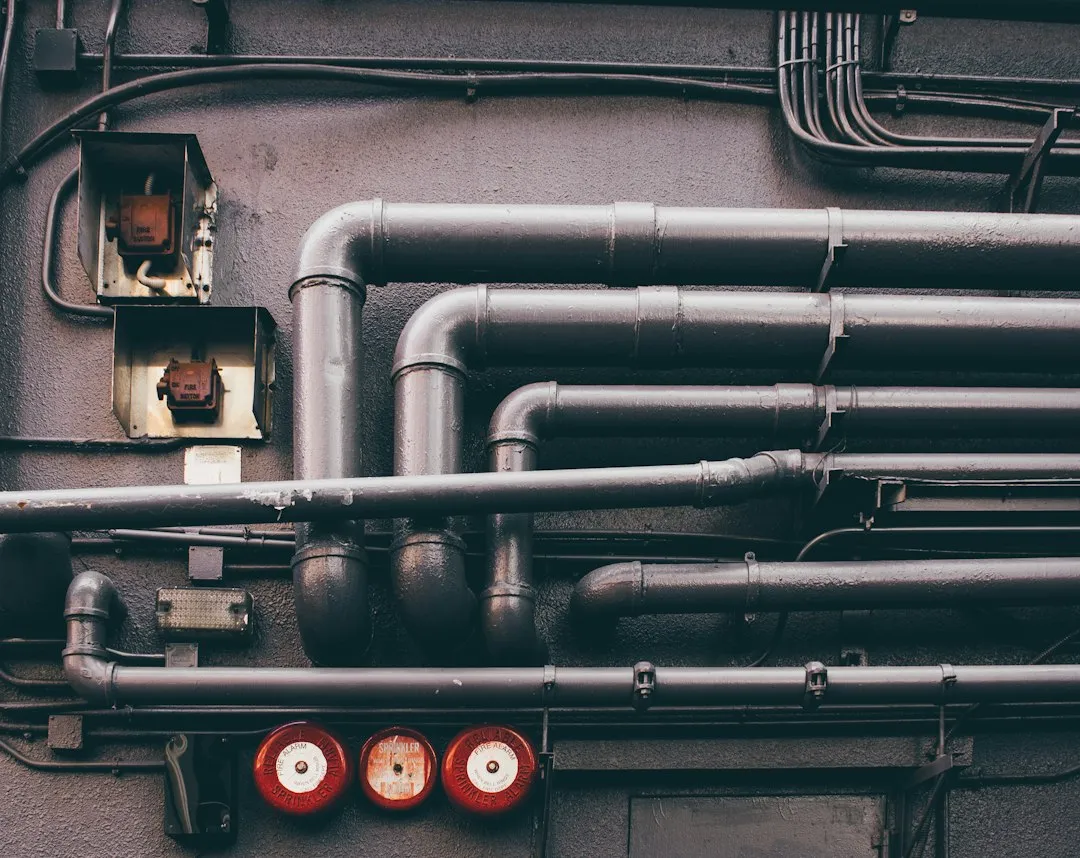
Cruise ship engineers have reported retrieving wipes, paper towels, underwear, swimwear, face cloths, hand towels, dinner napkins, bones, toothbrushes, feminine hygiene products and applicators from blocked pipes. The list reads like a strange inventory from a lost and found.
Common culprits include so-called flushable wipes, feminine products, diapers, paper towels, condoms, and occasional clothing. Wipes still top the list by frequency, according to crew accounts and cruise line communications.
When a blockage forms, plumbers locate the plug, cut open pipe sections, and manually remove the material – a process that can take hours and leave affected cabins without working toilets until repairs are finished. It’s not a quick fix, and it rarely happens at a convenient time.
The “Flushable” Label Is Misleading

Despite brands claiming to produce “flushable” wipes, most of them don’t break down as easily as the toilet paper used on a cruise ship. Most cruise ships use vacuum toilet systems designed to conserve water, and flushable wipes require much more water and time to break down, which significantly increases the chance of a clog occurring.
Most of these wipes are made with plastic fibers, or at the least woven paper fibers, and will not break down – causing blockages even in municipal sewer systems. The “flushable” label reflects what’s possible in ideal residential plumbing conditions, not shipboard vacuum systems.
Most wipes are made with plastic fibers or woven paper fibers and will not break down, and will cause blockages even in municipal sewer systems. On a cruise ship, where the margins are even tighter, the result is almost guaranteed.
Why the Ship’s Toilet Paper Is So Thin
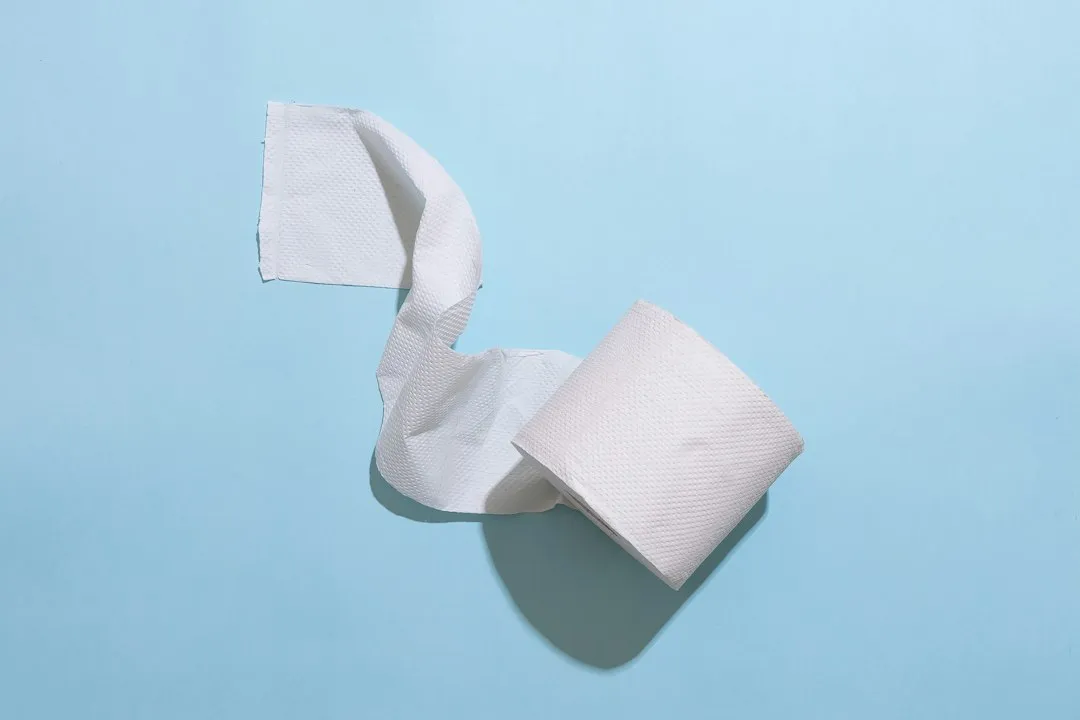
Cruise ships have to use a thin toilet paper that is suitable for RV, portable toilet, or marine use. It’s specifically designed to flush easily and quickly break down in the holding tanks, preventing any nasty clogs. This is not a cost-cutting measure designed to annoy passengers – it’s an engineering requirement.
The sewage systems are temperamental, so it’s prudent that cruise ship passengers only flush the toilet paper provided by the cruise line. Bringing your own, even if it’s a premium brand, may not behave the same way in a vacuum system.
The plumbing on cruise ships is very sensitive, and anything other than marine-grade toilet paper could clog up the pipes. That includes tissues, paper towels, and even some “septic-safe” brands not formulated for marine use.
Real Incidents at Sea in 2025
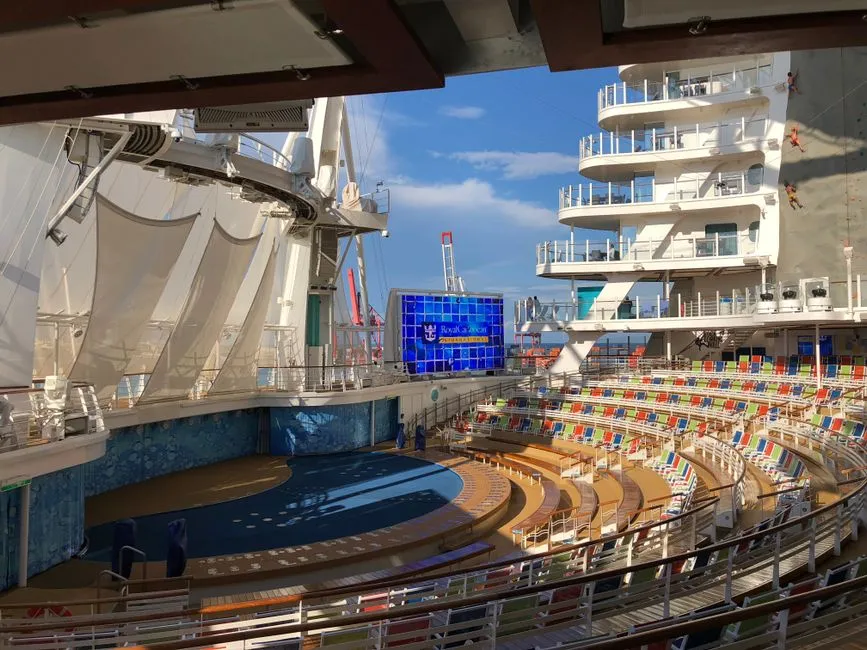
Royal Caribbean’s Symphony of the Seas experienced a period during a 2025 sailing where many of the toilets onboard were not working correctly. Reports described a 7-night Bahamas cruise that embarked in August 2025 during which much of the ship was without working toilets.
When things go wrong mid-voyage, there are dedicated teams of maintenance workers, engineers, and plumbers onboard ready to respond. However, the cruise lines cannot control what their guests decide to flush down the toilet.
In recent years, multiple cruise lines have reported incidents in which entire blocks of guest rooms were left without functioning toilets due to clogged systems caused by flushed wipes. These are not edge cases. They’re a recurring pattern across the industry.
The Cascade Effect: How One Clog Travels
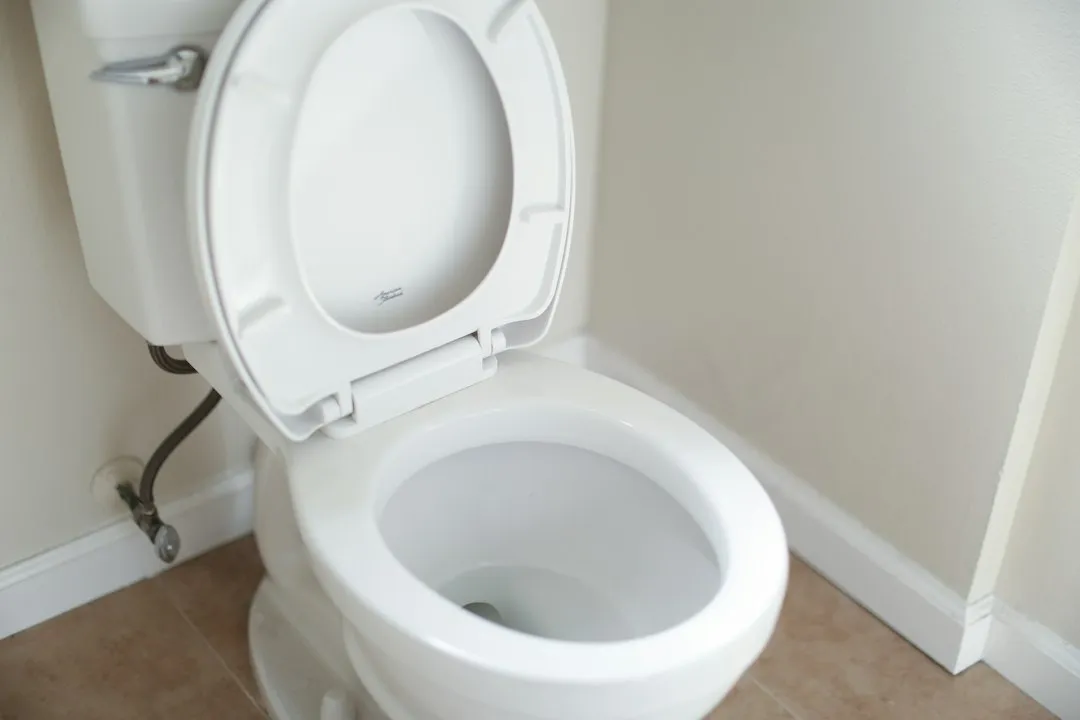
Because clogs tend to form in shared pipe runs, several decks can lose restroom service at once. The interconnected nature of shipboard plumbing turns a single mistake into a communal problem very quickly.
If someone on the same vacuum line as your cabin, perhaps fifty cabins away, caused the clog, your toilet won’t work either. Wherever the clog forms, nothing upstream will work. Distance offers no protection in a shared system.
A clogged toilet can cause backups with sewage overflowing into a stateroom or public restroom onboard, and because of how the plumbing is arranged, more than one toilet may be affected by clogs. The downstream consequences are as unpleasant as they sound.
What Passengers Should Actually Do
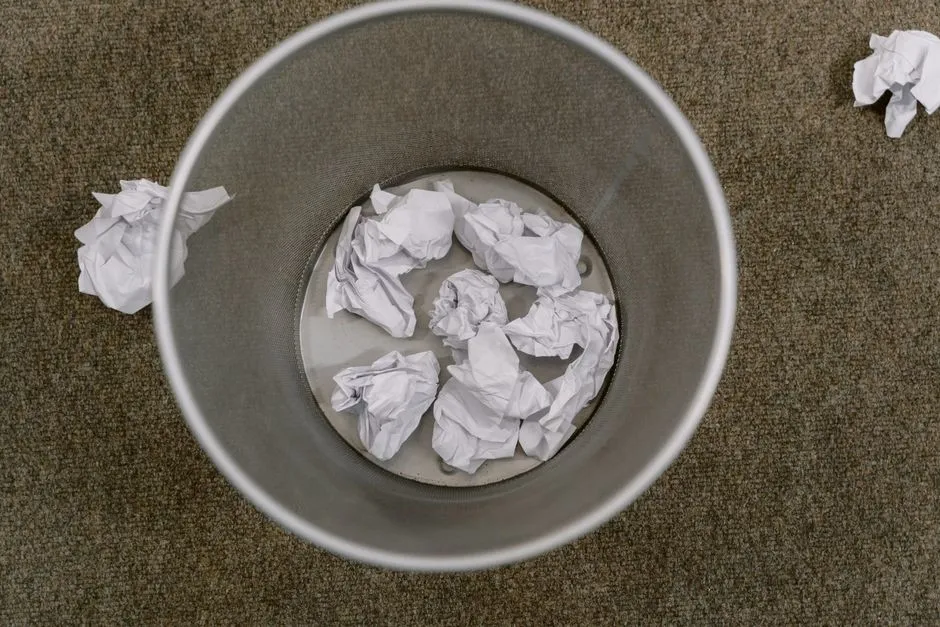
Best practices aboard a cruise ship include never flushing wet wipes, menstrual products, diapers, cotton swabs, or paper towels, and disposing of wipes in the trash bins located in stateroom bathrooms – even if they are labeled as “flushable.”
Beyond wet wipes, other items that should never be flushed down a cruise ship toilet include feminine hygiene products, diapers, cotton swabs, hair, bandages, food scraps, cigarette butts, coffee grounds, dental floss, and contact lenses. If it isn’t toilet paper or human waste, it belongs in the bin.
With large fleets carrying millions of passengers a year, even a tiny fraction of bad flushes can generate dozens of service calls on every voyage. The math is simple: more passengers, more risk, more reminders needed.
The Takeaway
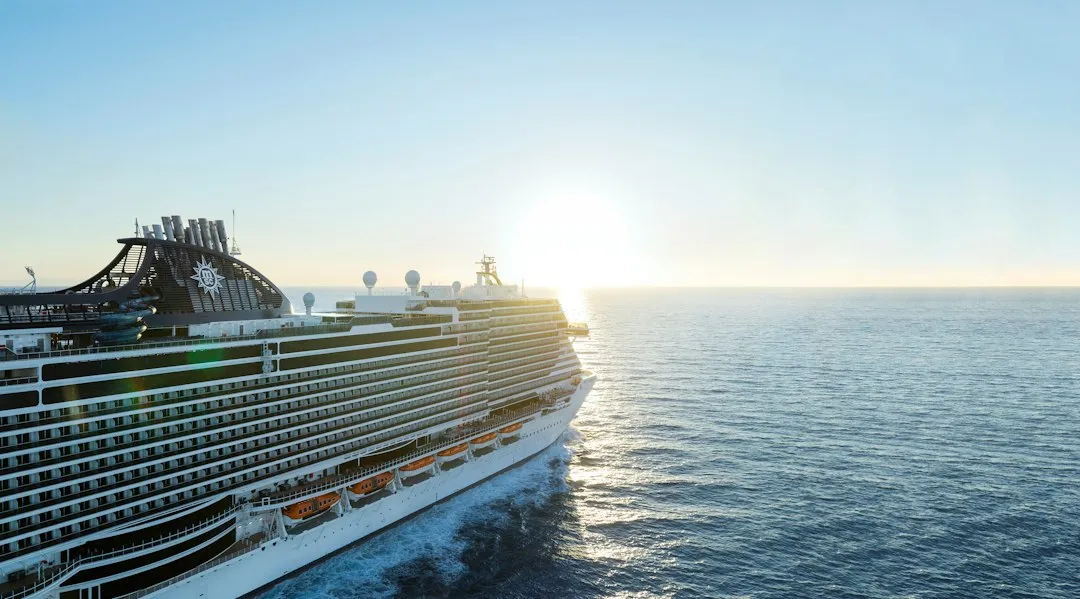
Cruise ship plumbers aren’t asking for much. The signs are posted clearly in every cabin bathroom. The reasoning is sound, the consequences real, and the fix costs nothing beyond a moment of awareness. Toss the wipe in the bin.
What makes this problem persist isn’t carelessness so much as habit. People use wet wipes at home, flush them without incident, and assume the same rules apply on a ship. Cruise ship plumbing is designed for rapid processing and relies on a specific type of paper that breaks down easily – a system that has no tolerance for the assumptions passengers carry on board from their home bathrooms.
The next time you unzip that toiletry bag on embarkation day, it’s worth remembering: one wipe can leave ten cabins without a working toilet. That’s not an exaggeration. It’s a documented reality that plays out, voyage after voyage, on ships across every major cruise line.
AI Disclaimer: This article was created with the assistance of AI tools and reviewed by a human editor.