

Why Cruise Ship Steakhouses Exist at All
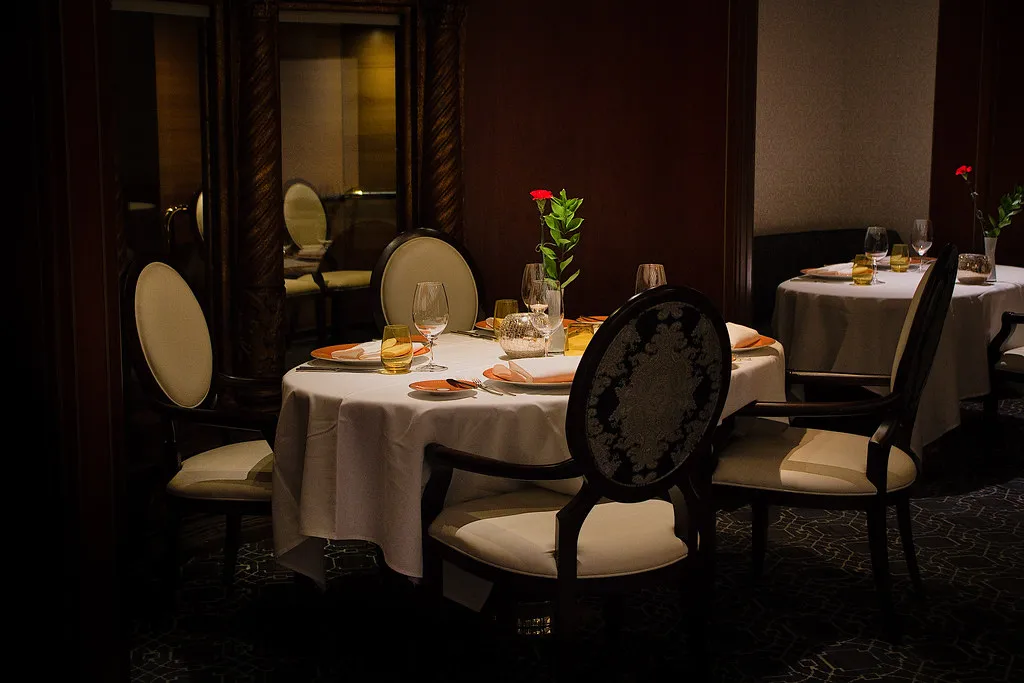
If a cruise line has room for just a single restaurant on a vessel in addition to a main dining room and a casual buffet eatery, it’s likely to make it a steakhouse. That choice is not accidental. Steakhouses carry an intuitive sense of occasion. They signal a step up, a night out, a reason to dress a little better.
By most industry counts, there are more than 100 steakhouses on major cruise ships catering to North Americans, and Carnival alone has 24 steakhouses across its 26 ships. The category has grown substantially because demand is consistent. Passengers are willing to pay extra for beef they trust.
The food is almost always better in specialty restaurants because chefs have more resources to invest in the best provisions, thinking Prime beef and sustainably fished local seafood, without churning out dishes en masse. That resource gap is most visible in the quality of the beef itself.
What the Specialty Dining Fee Actually Covers
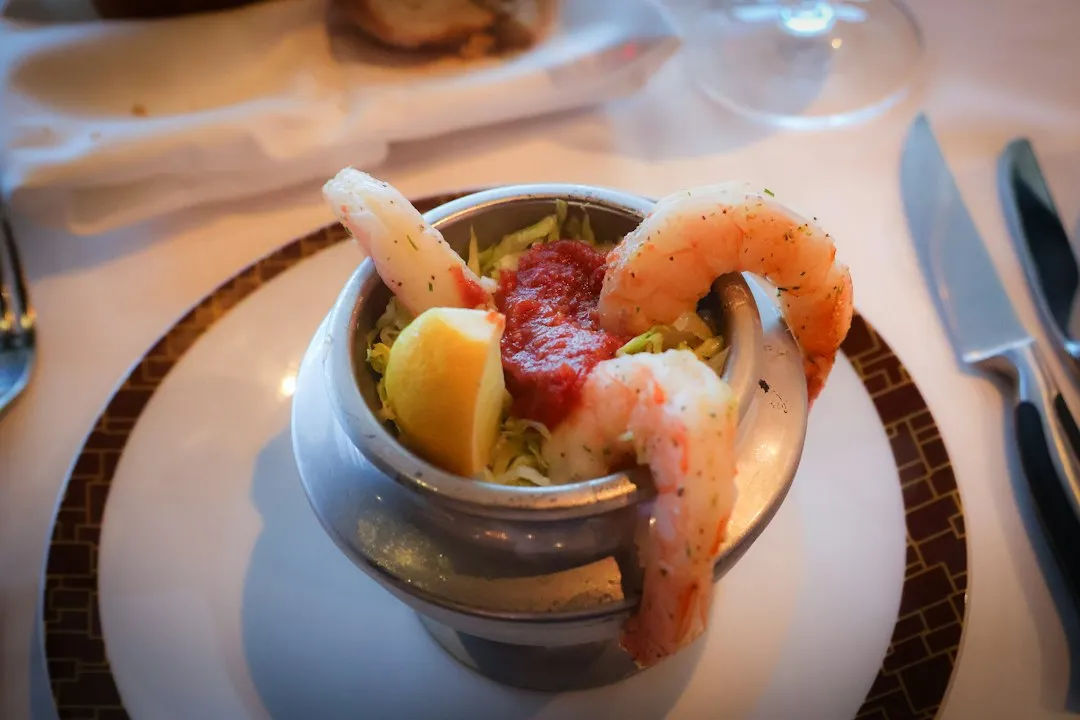
Specialty restaurants on cruise ships typically cost between roughly $25 and $75 per person, with steakhouses ranging from about $35 to $55 per person depending on the line. Those numbers have been climbing, too.
Some cruise lines have increased specialty restaurant cover charges by $5 to $10 per person, with steakhouses that previously charged $45 per guest now listed at $52 to $55. For families or couples booking multiple specialty nights, the cumulative cost adds up quickly.
Still, specialty restaurants on cruise ships tend to be less expensive than their land-based counterparts. At Daniel Boulud’s New York City restaurant Daniel, for instance, a tasting menu costs $275, while you pay less than half to dine at the chef’s venues aboard Celebrity. Seen through that lens, the steak on your plate often represents genuine value.
The Ribeye: The Cut Most Servers Point To First
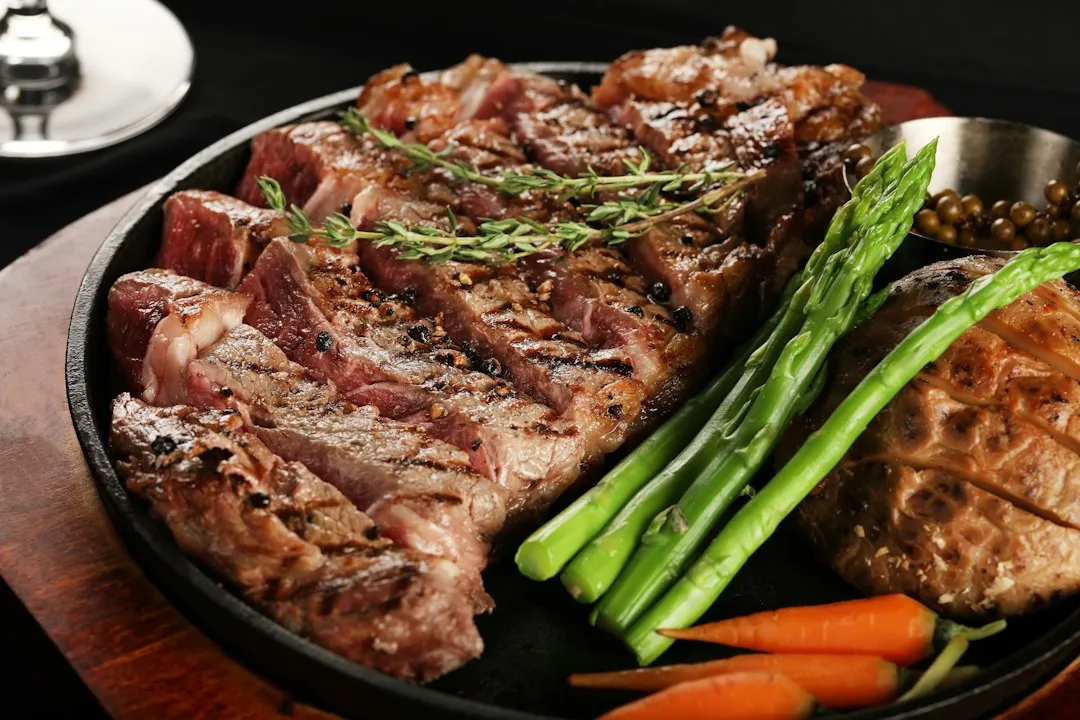
When bold flavor is the priority, ribeye wins. Its heavy marbling and juicy bite make it a carnivore’s dream, and it’s favored by those seeking the best cut of steak for deep flavor. This is why it appears prominently on virtually every cruise ship steakhouse menu.
Royal Caribbean’s Chops Grille, priced at around $52 per person, is repeatedly cited by cruisers as offering “substantial ribeye portions, with sides matching onshore steakhouse quality.” The consistency of that praise across different sailings and ship classes is hard to ignore.
The ribeye has more marbling and a richer texture than the New York strip, which itself offers a more pronounced beef flavor. For passengers who want to feel like they genuinely upgraded their evening, the ribeye tends to be the cut that delivers that feeling most reliably.
The Filet Mignon Case: Tenderness Over Everything
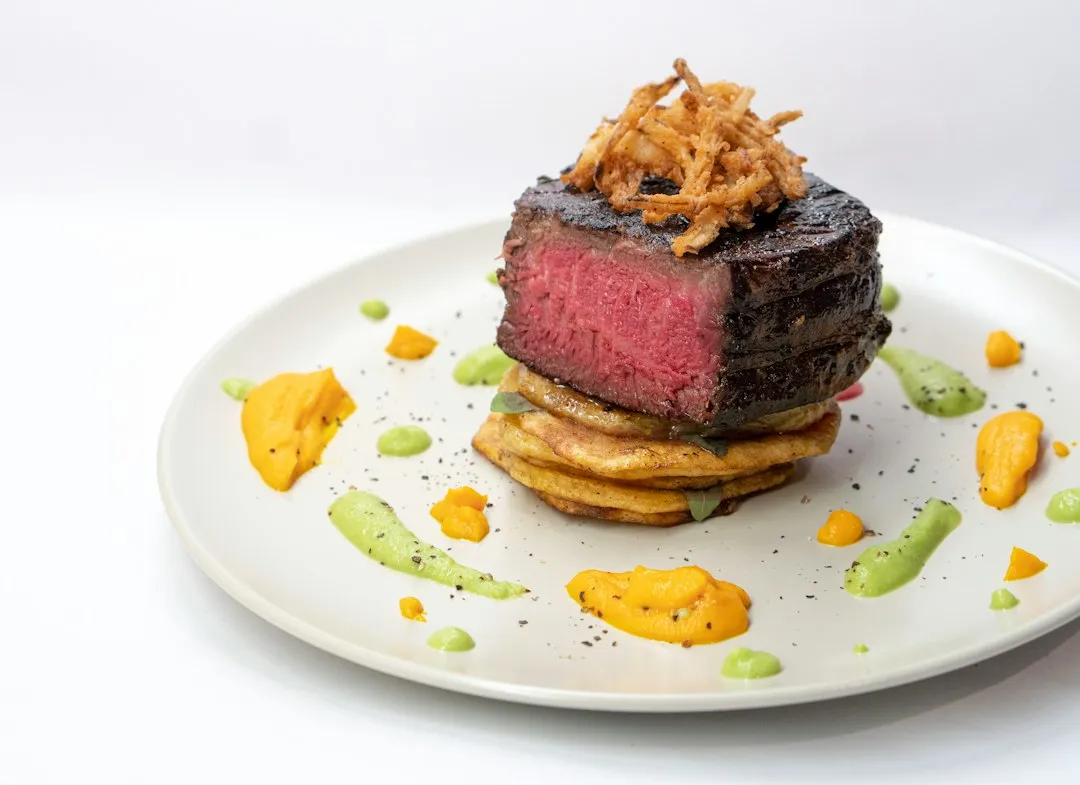
Lean, buttery-soft, and elegant, filet mignon is the go-to for anyone who values tenderness above all, and is a top recommended steak for first-timers or those seeking something light but luxurious. Ordering it medium-rare or rare preserves its delicate flavor and signature tenderness.
Filet mignon is an excellent option if tenderness is your priority, with an 8-ounce portion representing a tender cut of lean beef at venues like MSC’s Butcher’s Cut. On Princess Cruises’ Crown Grill, a tender 7-ounce filet mignon is offered in partnership with Goodstock by Nolan Ryan, a brand owned by the renowned pitcher and Texas rancher.
Cut from the tenderloin with very little fat, filet mignon is less juicy but exceptionally soft. If you want a steak that almost melts on your fork, it’s the best cut of steak at a restaurant to choose. That said, its low fat content means it rewards careful cooking more than any other cut. A filet mignon overcooked to well-done loses most of what makes it worth ordering.
Dry-Aged Cuts: Where the Real Differentiation Happens
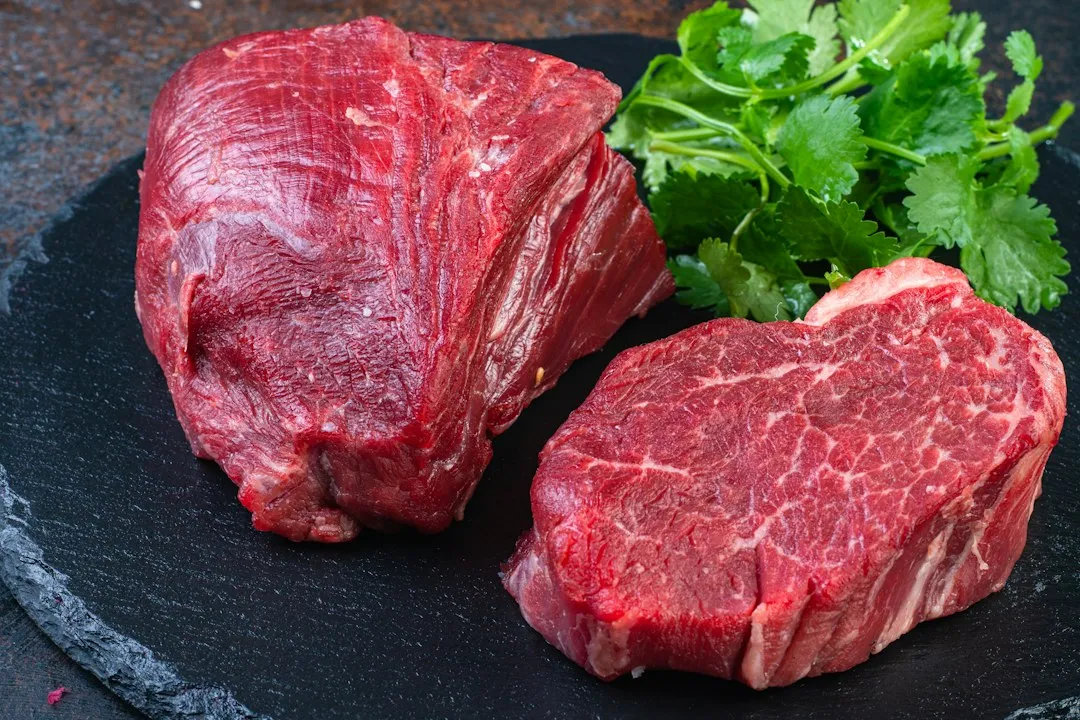
In many cases, the steakhouses are as elaborate and elegant as any you’ll find on land, with lovely, marbled, mouthwatering cuts of USDA Prime beef that has been dry-aged for weeks. The dry-aging process is one of the clearest markers separating cruise ship steakhouses from the main dining room.
At Carnival’s Fahrenheit 555, each USDA Prime cut is aged 28 days before being served, and the restaurant also offers an Australian Wagyu that is considered a must-try. Regent Seven Seas takes it further: Prime 7 offers USDA Prime beef cuts including New York strip, porterhouse, and filet mignon, all dry-aged at least 28 days.
Celebrity’s Fine Cut Steakhouse goes further still, offering a 59-day dry-aged New York strip, a 45-day dry-aged porterhouse, and a Butcher’s Platter featuring four different cuts of meat. That level of aging intensity produces a concentration of flavor that’s meaningfully different from anything served in a main dining room.
Wagyu: The Premium-Within-the-Premium Option
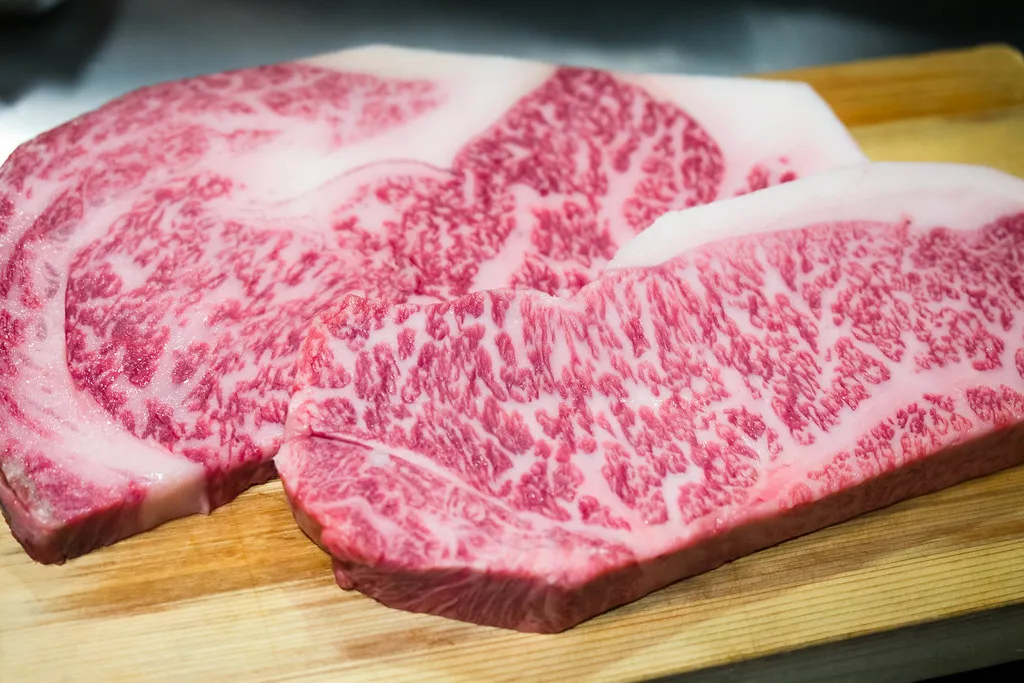
While not technically a cut, Wagyu beef is worth understanding. Known for its intense marbling, melt-in-your-mouth texture, and rich umami flavor, Wagyu elevates any steak experience. Its appearance on cruise ship menus is a relatively recent development and a reliable signal that a steakhouse is operating at a higher tier.
Carnival’s Fahrenheit 555 includes an appropriately marbled portion of Australian Wagyu among its entree choices. Cunard’s Steakhouse at the Verandah goes a step further: its quality and selection are considered simply superb, with sirloin cuts of Wagyu beef available alongside Alaskan king crab and exceptional sides.
What sets Wagyu apart is the meticulous breeding and feeding process that results in unrivaled quality. The A5 grade, the highest in Japan, offers a decadence that feels more like butter than beef. When it appears on a cruise ship menu, it typically carries an additional upgrade charge on top of the standard cover, so it’s worth confirming the price in the app before ordering.
The Lines With the Most Consistent Steakhouse Reputations
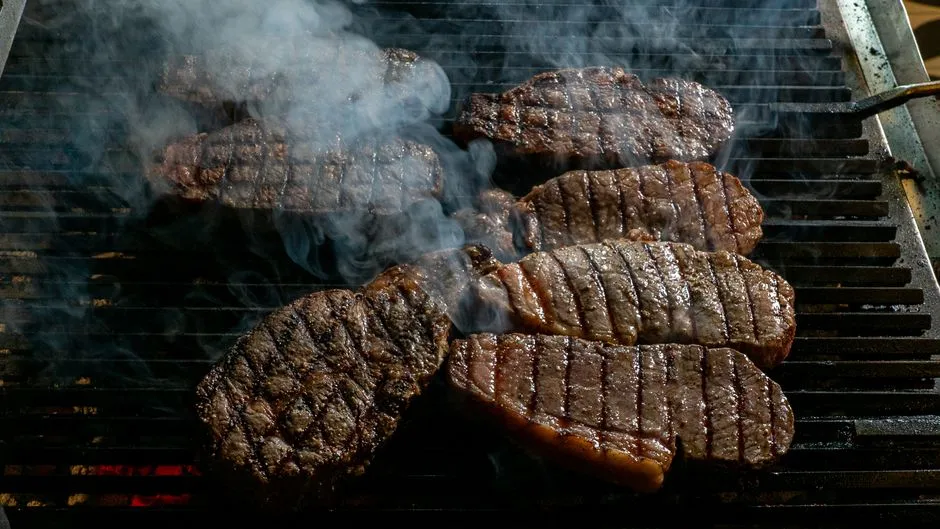
On Royal Caribbean, Chops Grille is the reliable answer, the line’s American steakhouse featuring premium cuts like Wagyu beef and bone-in tomahawks. It’s the safe, satisfying upgrade over the main dining room. Cruise regulars consistently cite it as one of the most predictable positive experiences across the Royal Caribbean fleet.
On Carnival, Fahrenheit 555 is the correct specialty choice. This steakhouse is significantly better than the main dining room for protein quality and preparation, and the price premium is modest. At around $48 for adults, it’s considered one of the best steakhouse values at sea.
Celebrity’s Fine Cut Steakhouse on Edge-class ships delivers the familiar pleasures of an upscale steakhouse, with carefully prepared beef, seafood, and classic sides served in a polished dining room. Cruise Critic singled it out when awarding Celebrity Cruises its 2025 specialty dining honor. For a more intimate setting at the luxury end, Azamara’s Prime C offers premium cuts and seafood, drawing consistent praise from the line’s typically smaller, more loyal passenger base.
What Servers Actually Bring to the Table Before You Order
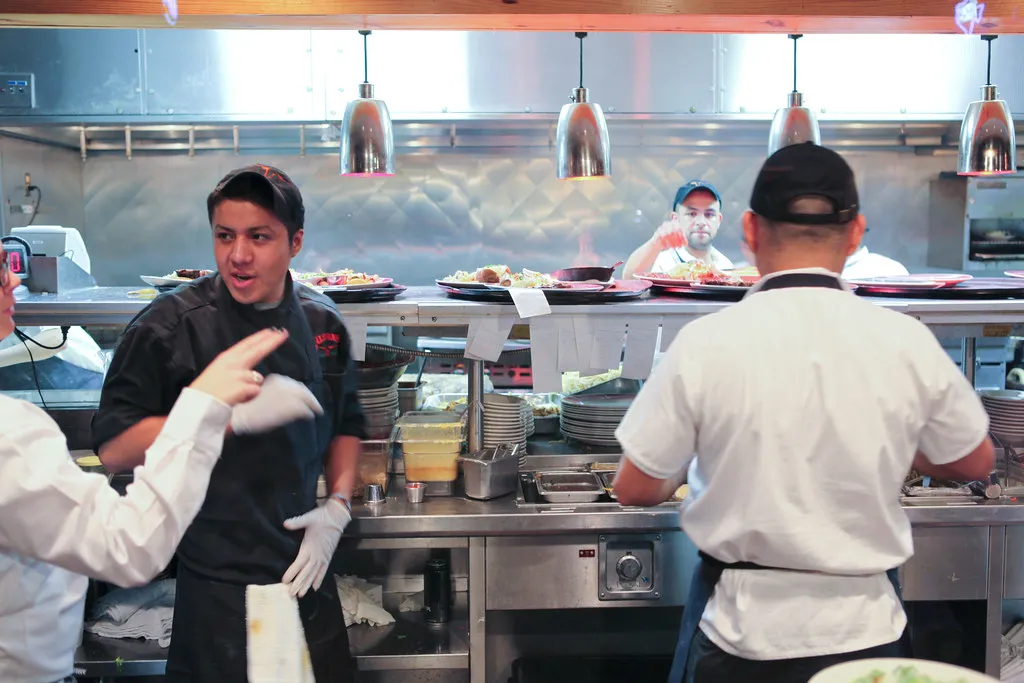
At Cunard’s Steakhouse at the Verandah, staff will bring out different meat cuts for guests to see before ordering. This tableside presentation practice, which some cruise line steakhouses have adopted, genuinely changes how confident you feel about your choice.
Prior to taking orders, the waiter at Cunard’s Steakhouse at the Verandah comes to the table with samples of each of the different meat cuts, allowing guests to see exactly what they’d be ordering, a gesture that makes diners feel more confident about what’s to come. It mirrors what you’d find at a high-end restaurant on land and reflects the level of hospitality that justifies the cover charge.
After ordering but before the food arrives, the waiter at Cunard’s venue returns with a selection of knives, with handles varying in construction and shape to cater to different hand sizes. The attention to detail is considerable. Not every cruise steakhouse reaches this level of table service, but the best ones make the full ritual of the meal feel intentional.
When the Specialty Fee Doesn’t Justify Itself
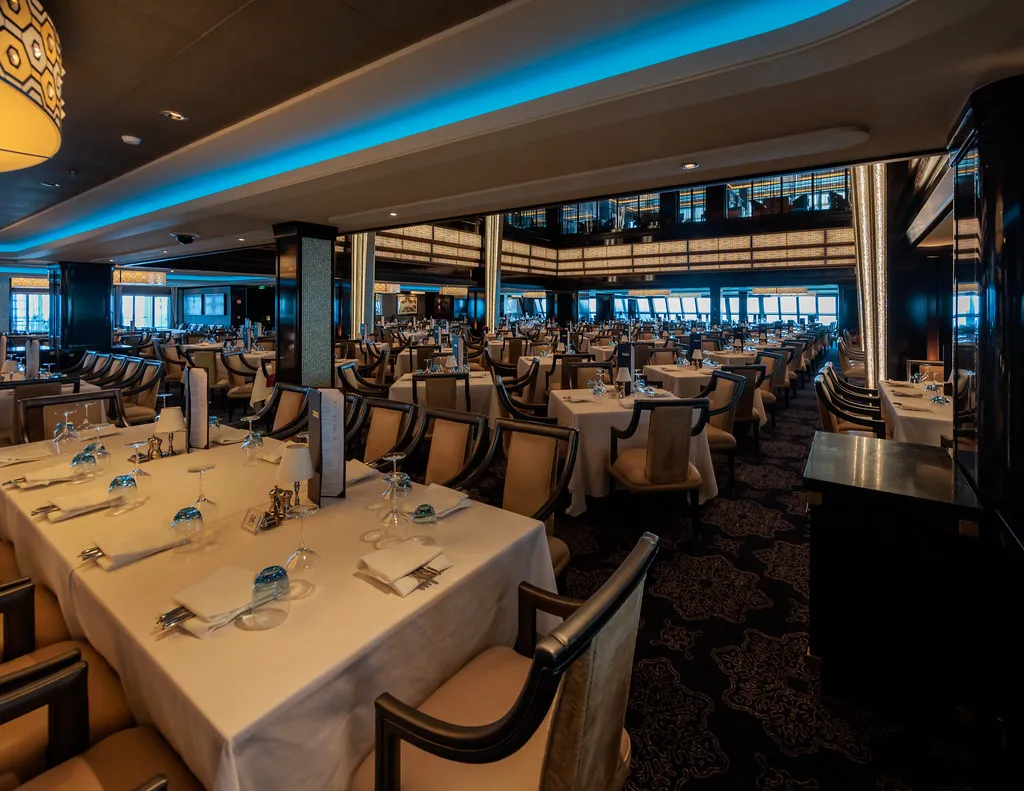
Some specialty restaurants offer food that is perfectly pleasant, the service is fine, and the atmosphere is lovely, yet nothing about the meal justifies paying more for it. In some reported cases, a $59 steak tasted essentially the same as the steak served two nights before in the main dining room. This outcome is real and worth acknowledging honestly.
Cagney’s on Norwegian is a useful example of inconsistency. While it’s the line’s signature steakhouse, at least one August 2026 passenger on Norwegian Bliss complained that the rib-eye was thin and disappointing, while other cruisers have reported much better experiences including praise for the service and certain cuts. Ship-by-ship variation matters.
The gap between main dining room quality and specialty restaurant quality varies significantly by cruise line. On Carnival and Royal Caribbean standard sailings, the gap is real but manageable, with the main dining room described as fine. On premium and luxury lines, that gap tends to widen considerably, which often makes the specialty fee feel more justifiable.
How to Make the Most of a Cruise Ship Steakhouse Visit
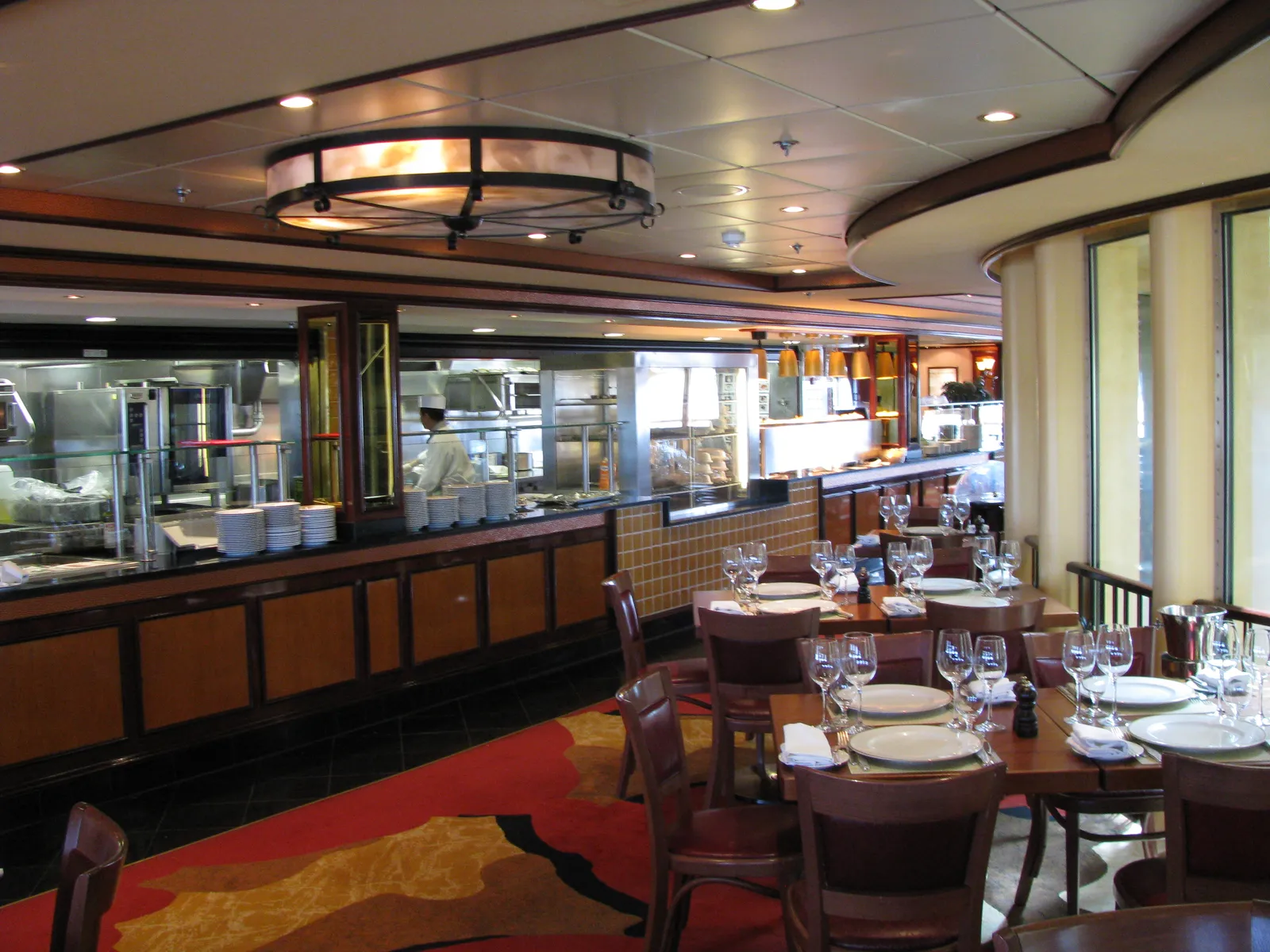
According to data drawn from over 12,000 genuine passenger reviews compiled in the Cruise Critic 2025 Dining Report, paid restaurant satisfaction averages roughly 23 percentage points higher than free restaurant satisfaction. That’s a meaningful statistical signal, not just anecdotal praise.
Dress codes at cruise ship steakhouses are real. Fine-dining venues like the onboard steakhouses lean smart-casual to dressy, so packing at least one nicer outfit per person avoids scrambling on the night. Going dressed for the occasion also tends to shift the mood of the meal itself in a positive direction.
Cover charges vary considerably. Steakhouses tend to carry a flat per-person cover, while some venues price a la carte. Checking the current charge in the ship’s app before booking helps avoid surprises on the onboard account. Booking on embarkation day or the day after boarding tends to secure the best time slots, particularly on busy ships during peak Caribbean season.
The Cut That Consistently Earns Its Keep
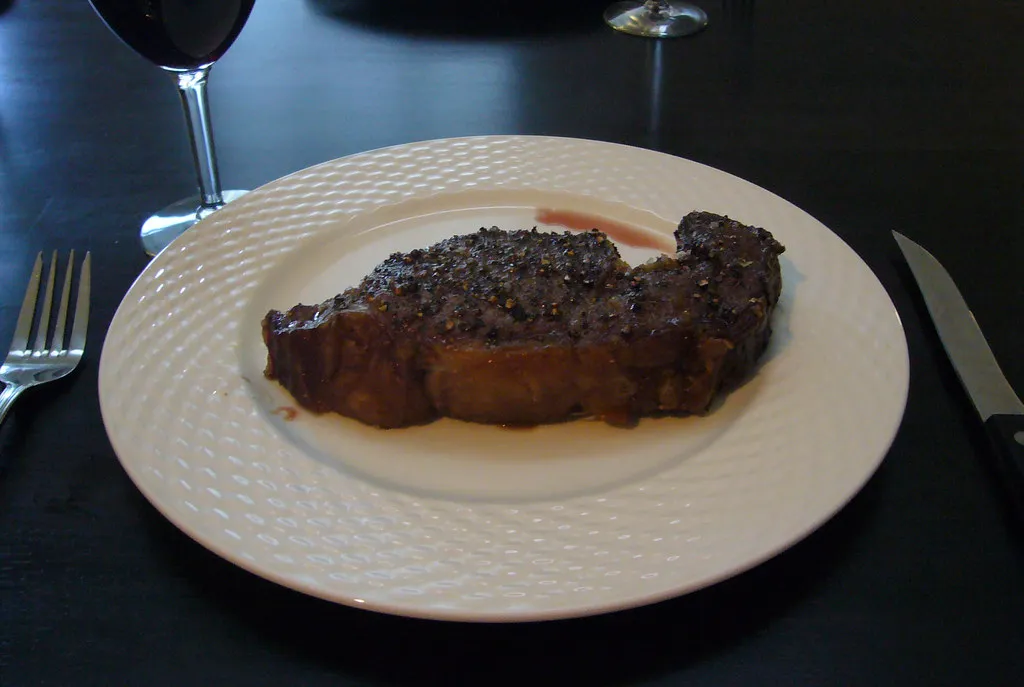
If one cut comes up again and again as the most defensible order at a cruise ship steakhouse, it’s the dry-aged ribeye. It has the marbling to withstand the challenges of volume cooking, it tends to be portioned generously, and when the kitchen gets it right at medium-rare, it delivers the kind of meal passengers remember long after the ship has docked.
The filet mignon is a close second for those who prize texture over richness, and the Wagyu upgrade, when it appears on the menu and when the price feels proportionate, can be genuinely extraordinary. What makes the real difference, though, is knowing the line you’re sailing, researching the specific ship’s track record, and booking early enough to choose your moment.
A steakhouse at sea is never just about the beef. It’s about two or three hours away from the buffet, the poolside crowd, and the shore excursion planning. That experience, properly done, is worth something. The cut on your plate just needs to rise to meet it.
AI Disclaimer: This article was created with the assistance of AI tools and reviewed by a human editor.