


Most people step off a cruise ship feeling like they need another vacation. You’d think a week of ocean air, buffet meals, and unscheduled days would leave you genuinely restored. For a surprising number of travelers, though, the return home brings a fog of exhaustion that takes days to shake. The problem isn’t the vacation itself – it’s how sea days are used.
Wellness professionals aboard modern cruise ships have spent years watching this pattern play out. Their answer isn’t complicated, but it requires intentionality. What follows draws on current guidance from cruise wellness programs, published research, and onboard health professionals to explain the habits that actually make a difference.
The Vacation Fatigue Problem Is Real, and It’s Widespread

Instead of feeling renewed after a vacation, roughly half of employees report that time off often leaves them feeling drained for at least a week upon return. That’s a striking finding, and it suggests something in the typical vacation formula isn’t working.
About four in ten employed Americans report experiencing post-time-off burnout, with the top struggles including low energy levels, motivation loss, and fatigue after vacation. Over half of people admit to feeling stressed about work during most or all of their vacation, which compounds the problem considerably.
Understanding why this happens is the first step. Sea days – those full days at sea between port stops – are both the biggest opportunity and the most commonly wasted resource on any cruise itinerary.
Start the Morning With Intentional Movement, Not Activity

Starting the day with exercise helps set the tone for staying fit and healthy on a cruise, and even a 20-minute session in the morning can enhance energy levels throughout the day. Cruise wellness professionals make a distinction that matters here: intentional movement is not the same as a packed itinerary. A gentle deck walk or a short yoga session counts.
Starting the day with 15 to 20 minutes of stretching or yoga, and taking advantage of the ship’s peaceful mornings for mindful movement, forms a reliable foundation for a restorative sea day. Taking advantage of onboard fitness centers, walking tracks, or group classes – and stretching regularly, especially during longer days at sea – supports overall health throughout the voyage.
Hydration Is the Habit Most Passengers Consistently Underestimate
Being at sea in a new environment makes it easy to forget to drink water, yet staying hydrated is critical for digestion, skin health, and general wellness. The ocean breeze and warm decks can mask how quickly the body loses fluids, especially when alcohol is in the mix.
Starting the day with 16 ounces of water first thing in the morning is a foundational cruise wellness tip. Drinks like coffee, sugary sodas, and alcohol can dehydrate you, so for every alcoholic or caffeinated drink, balancing it out with an equal amount of water helps maintain hydration levels. Dehydration can masquerade as hunger on a cruise – drinking water throughout the day, especially in warmer climates, prevents this.
Protect Sleep Like It’s Part of the Itinerary

There is rising interest in sleep health among cruise guests, with the majority of those polled following a nightly routine and investing in products or services to improve sleep quality. Cruise lines have responded to this demand directly in their ship design and programming.
The most reliable way to sleep well on a cruise is to manage the three things that quietly work against you at sea – motion, noise, and light – and then protect the sleep routine your body already trusts. A nighttime routine is vital for cueing the brain that it’s time to rest, whether that means a few yoga stretches, reading for 15 minutes before bed, or anything you normally do to wind down at home.
Avoiding caffeine, alcohol, and heavy meals in the hours before bedtime, and maintaining a regular bedtime routine, helps the body adjust while at sea.
The Science of Vacation Recovery Has Surprising Nuance

Data from 13 studies analyzed with an average vacation duration of 11 days shows that vacations do improve well-being, with changes observed across positive affect, negative affect, stress, and exhaustion. The effect is real, but it fades faster than most people expect when protective habits aren’t in place.
Research tracking employee well-being both during and after vacations shows that while longer vacations are beneficial, shorter ones work too – as long as you can completely disengage from work demands while away. On a cruise, that disengagement is easier to achieve structurally, but only if you actively create the conditions for it on sea days.
Eat With More Intention on Sea Days Than on Port Days
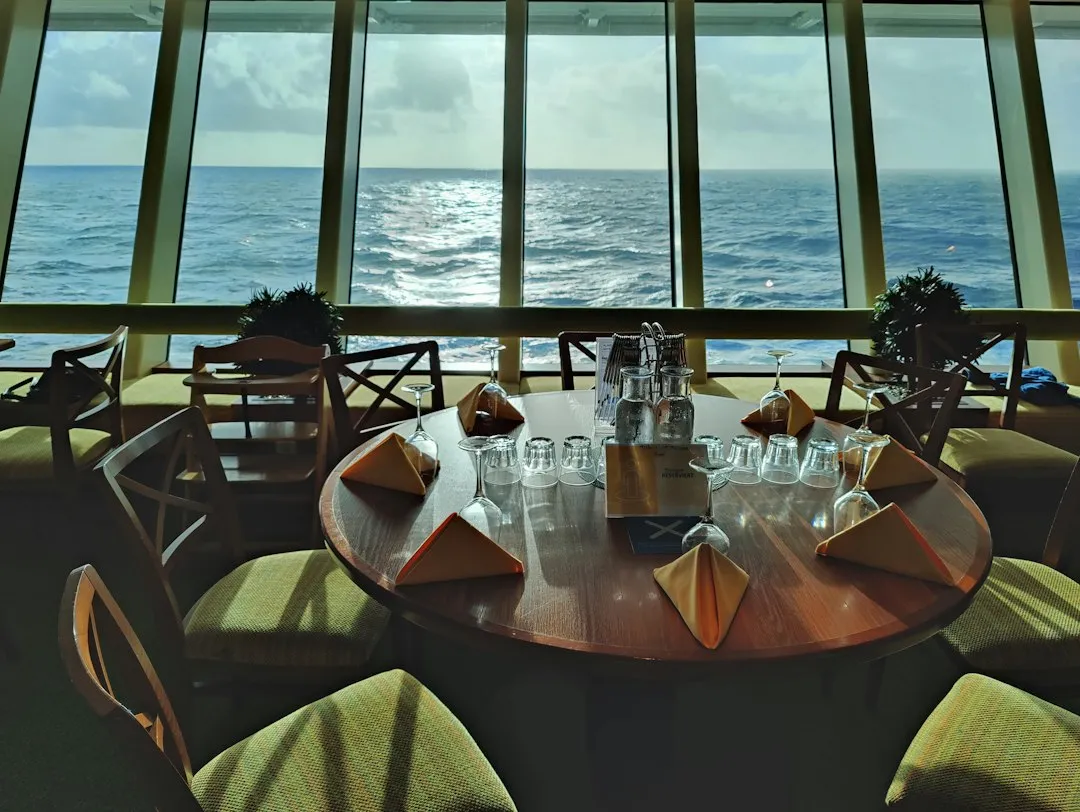
Cruises offer a wide variety of food and drink options, and making mindful choices supports digestive health and overall well-being throughout the voyage. Sea days are particularly prone to overeating simply because the buffet is always accessible and there’s no port excursion to burn off the calories.
Enjoying smaller portions and focusing on balanced meals is a practical anchor for maintaining energy levels. Spa-focused cruise lines increasingly integrate wellness throughout the entire dining experience rather than isolating it in a single facility, with healthy menus appearing in all dining venues. The key is choosing protein, vegetables, and whole grains as the base of most meals, while leaving room for indulgence without guilt.
Mindfulness Programming Onboard Has Become Genuinely Sophisticated

Seabourn, for example, has partnered with wellness practitioners to develop guest programs in which mindful living coaches, yoga instructors, and meditation practitioners conduct seminars and classes throughout the voyage. This is not a niche offering anymore. Across the industry, mindfulness has moved from the spa menu into the core schedule.
Explora Journeys offers more than 1,000 square meters of spa facilities along with in-suite meditation guides and sleep-boosting soundtracks. Passengers can also attend workshops and lectures including sessions on the science of breathing and cold exposure methods. These programs are designed specifically to address the kind of nervous system overload that produces vacation fatigue.
Rest Is Not the Same as Recovery – Know the Difference

Building rest into the itinerary intentionally, and allowing at least one sea day that involves genuine rest rather than scheduled activity, is excellent health management, not a sign of wasted time. The distinction between passive rest and active recovery matters more than most travelers realize.
Stretching and light exercises help alleviate muscle tension, improve circulation, and reduce fatigue, while guided meditation or relaxation classes are excellent tools for calming the mind and resetting energy levels. To recover effectively, focusing on hydration strategies, creating a relaxing bedtime routine, incorporating light stretching, and eating nutritious meals all work together to restore energy levels.
The Wellness Industry Onboard Is Growing Fast and Getting More Personal

Travelers’ growing desire for self-care has forced cruise lines to reimagine their onboard spaces. Several cruise lines are offering 2025 and 2026 wellness-themed sailings, bookable now, as part of a broader industry shift toward restorative travel.
Personal trainers now offer complimentary fitness assessments and customized workout plans, while yoga, Pilates, meditation, and stretching classes run throughout each cruise. Strength training has also become a priority, with nearly 30 percent of consumers exercising for longevity and over one third strength training specifically for this purpose. Cruise lines are matching this demand with real programming.
The One Core Sea-Day Habit That Ties Everything Together

Every wellness coach, health guide, and onboard fitness professional points to the same foundational principle: consistency over intensity. Not a punishing morning workout, not a radical detox menu – just a repeated, moderate daily anchor that the body can rely on.
Using the ship’s fitness facilities even briefly – a 20-minute walk on the jogging track or 15 minutes on a stationary bicycle each morning – maintains cardiovascular function, supports joint health, and moderates the disruptions in blood glucose and blood pressure that can accompany vacation eating patterns. That one consistent act, done every sea day, keeps the body calibrated enough to genuinely rest the rest of the time.
In the United States in 2024, more than seven in ten adults reported experiencing fatigue at least some days in the past three months. Given how common fatigue already is before the vacation begins, the goal of a sea day shouldn’t be more stimulation. It should be deliberate restoration.
The Takeaway
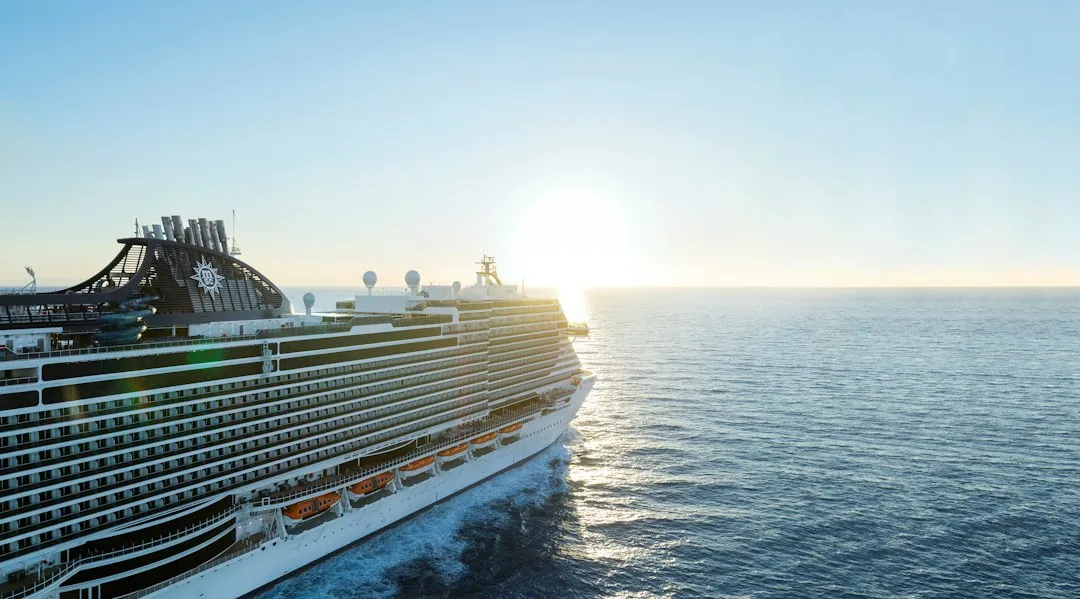
Sea days are genuinely rare in modern life. A full day with no commute, no meetings, no obligations – just ocean in every direction and a schedule you write yourself. The tragedy is how often that gift gets converted into decision fatigue, overindulgence, and overstimulation, leaving travelers more depleted than when they boarded.
The habit that cruise wellness coaches keep returning to isn’t glamorous: move a little each morning, drink more water than you think you need, protect your sleep, and let the rest of the day actually be rest. It doesn’t require a spa package or a structured program. It requires a willingness to treat the sea day as something worth protecting. That small shift is what separates a vacation that restores from one that merely relocates your exhaustion.
AI Disclaimer: This article was created with the assistance of AI tools and reviewed by a human editor.