

The Only Ship in the World That Does This
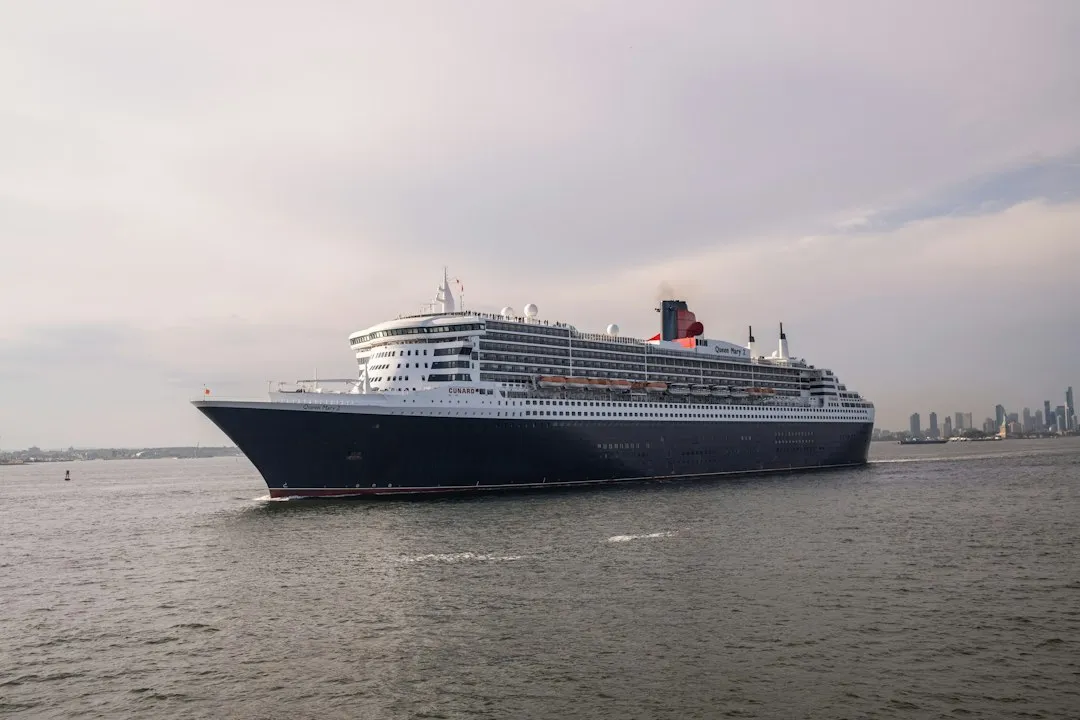
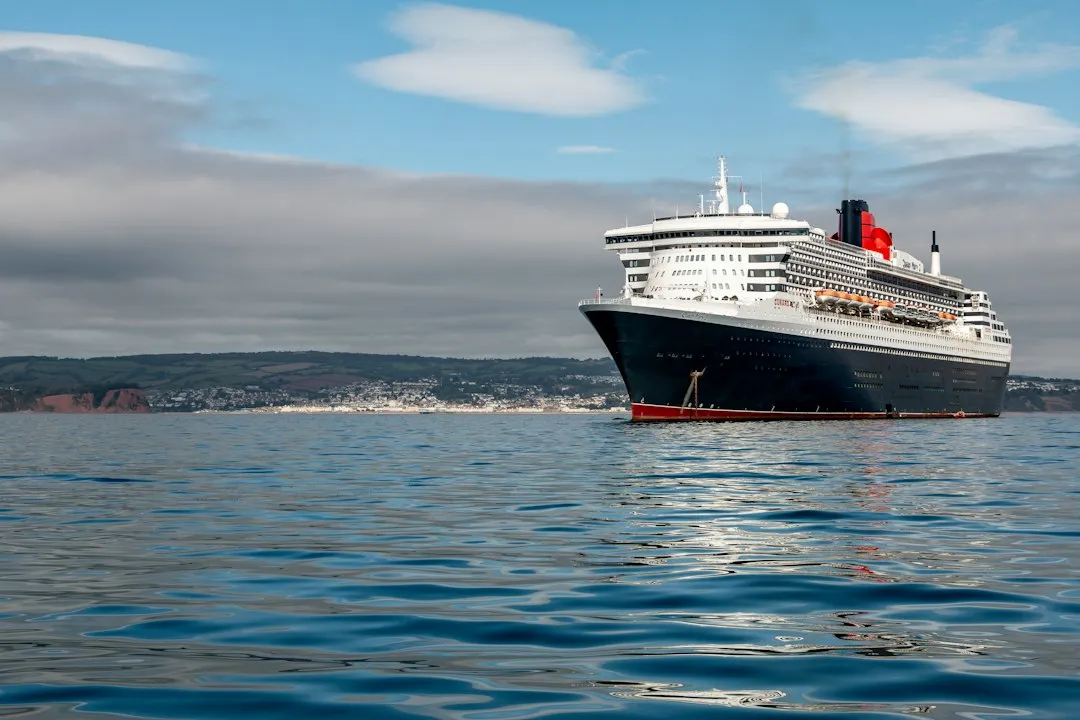
Cunard’s flagship ocean liner, the Queen Mary 2, is the only commercial passenger ship in the world with dedicated, full-service pet kennels for transatlantic crossings between New York, Southampton, and Hamburg. That distinction is not a marketing claim loosely applied. Every other major cruise line prohibits pets, though most allow trained service dogs. The gap between what passengers want and what most ships offer has never really closed.
In keeping with the line’s classic ocean liner image, the QM2 kennels are reminiscent of a bygone era that saw passengers moving between Europe and North America, many times with their pets in tow. That historical continuity is central to understanding why the Queen Mary 2 has this facility when no other major vessel does.
A Tradition That Spans More Than 180 Years

Cunard has welcomed pets for 180 years, so they know what they are doing when it comes to making dogs and cats happy. Long before air travel existed, wealthy passengers routinely brought their animals aboard Cunard liners for transatlantic relocation. Back in the 1800s, cats were even “employed” on Cunard ships to take care of vermin.
The kennel program on the Queen Mary 2 was not invented from scratch. It was inherited, refined, and eventually rebuilt. When the ship underwent a significant refit, special attention was paid to the pet-friendly concept on board, and the Queen Mary 2 now has 24 kennels, double the number it previously carried. That expansion reflects how seriously Cunard treats the continuity of this service.
Why Other Cruise Ships Simply Cannot Replicate This
Despite the surge in demand for pet-friendly travel, nearly all major cruise lines prohibit dogs and cats onboard. Unlike ferries, cruise ships don’t have large designated pet areas, so adding them would displace passenger amenities. The engineering reality of a cruise ship is fundamentally different from an ocean liner built with a specific transatlantic purpose in mind.
Most major cruise lines, such as Royal Caribbean, Carnival, Norwegian, MSC Cruises, and Disney Cruise Line, have strict no-pet policies. Their ships are designed for warm-weather resort itineraries with dense passenger amenities and limited deck space. Carving out a kennel zone, an outdoor exercise area, and dedicated staff resources simply does not fit their model.
The Layout: 24 Kennels on Deck 12

The ocean liner provides luxurious accommodations for up to 24 dogs and cats, featuring dedicated kennels on Deck 12, an outdoor exercise area with a New York fire hydrant, and personalized care from a Kennel Master. The kennel setup is divided thoughtfully by animal size. Upper kennels accommodate pets weighing 25 pounds or less, while lower kennels are for those weighing more than 25 pounds.
Aside from the private kennels presided over by the Kennel Master, the QM2 has a designated outdoor walking deck for dogs and an indoor play area where they can mix and mingle with their canine friends. Passengers can catch a glimpse of the activity from the public areas of the ship, though gates prevent passengers from mingling directly with the animals.
The Kennel Master: A Role Found Nowhere Else at Sea
The position of Kennel Master aboard the Queen Mary 2 is one of the more unusual job titles in the entire cruise industry. Pets receive a personal escort during embarkation and spend the voyage under the care of a dedicated Kennel Master. This is a full-time role, not a secondary duty assigned to a deck hand.
The Queen Mary 2 is limited to a total of 24 pets per transatlantic crossing, ensuring that each receives personalized care from the Kennel Master. That low ratio of pets to dedicated staff is part of why the program works. It is not a holding facility. It functions more like a boutique boarding service that happens to be seven stories above the Atlantic Ocean.
Gourmet Dining for Dogs and Cats

The culinary standards aboard the Queen Mary 2 apparently extend to the kennel deck. Cunard reaches out to owners before the voyage to stock preferred pet food brands, or owners can opt for freshly prepared meals of cooked chicken, vegetables, and broth. That level of customization is unusual even by land-based boarding kennel standards.
Pets are further pampered through the “Pets on Deck” program, which Cunard describes as a range of pet-friendly services and amenities such as fresh-baked biscuits at turn-down, a choice of beds and blankets, and even a coat with a QM2 logo. The dogs, dubbed Very Important Pooches, get a red Queen Mary 2 coat, a picture taken by the ship photographers on deck, and a certificate stating they’ve crossed the Atlantic upon arrival.
What It Actually Costs to Bring Your Pet

The kennel program is a premium service, priced accordingly. Upper kennels are currently priced at $1,300, and lower kennels are priced at $1,500 per crossing. Cats require a little more space. Cats require two cages, one for the cat and one for its litter box, so the cost is higher, though two cats can share this double kennel situation.
Before requesting a kennel for your pet, you must book and pay a deposit for your cabin, which can range from $2,500 to $9,000 for two persons, including food and entertainment. The kennel fee comes on top of that. For many passengers relocating internationally with a beloved pet, it still represents a far less stressful alternative to the cargo hold of a commercial flight.
Paperwork, Vaccinations, and Quarantine Rules

The documentation requirements are serious, and they vary by direction. For pets traveling from New York to Southampton or Hamburg, requirements include an ISO-compliant microchip, a valid rabies vaccination, an official PETS certificate or pet passport, and tapeworm treatment for dogs administered one to five days before embarkation. Cunard does not leave passengers to navigate this alone.
Strict health documentation is required, but Cunard assists owners, ensuring pets avoid quarantine upon arrival. According to Cunard, once properly documented, the dogs and cats on board do not need to quarantine when they arrive in Southampton or Hamburg. That assurance is one of the strongest practical reasons passengers choose the QM2 over flying. Avoiding a lengthy quarantine period on the other side of the Atlantic changes the entire calculus of international pet travel.
Spots Fill Up Fast: Demand Outstrips Supply
Pet spots on the Queen Mary 2 are notoriously popular and often book out a year or more in advance. The math explains the pressure quickly. With only 24 spaces available per crossing and a ship that carries nearly 2,700 passengers, the kennel deck is the most competitive reservation on the entire ship. Bookings open up to two years ahead, but capacity is limited to 24 animals per voyage and fills near ninety percent.
Despite the costs and paperwork, Queen Mary 2’s kennels nearly sell out on every transatlantic crossing. Kennels are booked up to a year in advance, and there is often a waiting list. For many passengers, the kennel booking is the first reservation they make, before even selecting their own cabin category.
Safety Protocols: Pets Are Part of the Emergency Plan

One detail that surprises most first-time QM2 pet travelers is that emergency safety procedures formally include the animals. Should the ship’s emergency alarm bells sound, passengers will be able to collect their pets from the kennels and take them to the assigned muster station. This is not an afterthought. It reflects the degree to which Cunard has integrated the kennel program into the full operational fabric of the ship.
Pets are housed in deluxe kennels in a designated area of the ship, so they will not be roaming the decks. This is a courtesy to other passengers and ensures they will not be bothered by barking, shedding, and other nuisances that pet owners tend to overlook. The balance between pet lovers and non-pet passengers appears to have been carefully maintained over many years of operation.
The Broader Landscape: What Other Options Exist in 2026
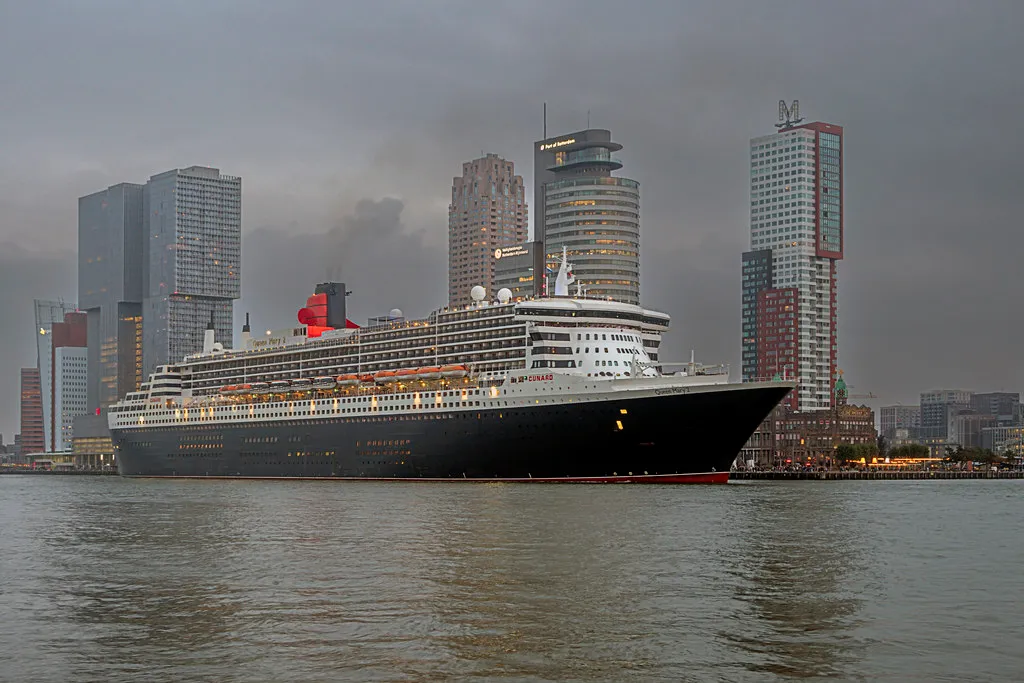
Eleven ships currently accept pets: the Queen Mary 2 with kennels on transatlantic crossings, and ten Hurtigruten Norwegian coastal ships that allow dogs in pet cabins. The Hurtigruten option is practical for regional Norwegian routes but does not offer the structured kennel infrastructure or the dedicated staffing that the QM2 provides.
Most standard Caribbean and Mediterranean cruise lines do not allow pet dogs at all, only trained service dogs, so a genuine dog-friendly cruise usually means the Queen Mary 2 or a small private charter. A planned dog-themed Caribbean cruise by Cruise Tails in November 2025 attracted considerable attention, but as of 2026, that planned cruise has been cancelled. The Queen Mary 2 remains the singular, permanent, fully staffed answer to the question of how to cross an ocean with your pet.
The Takeaway
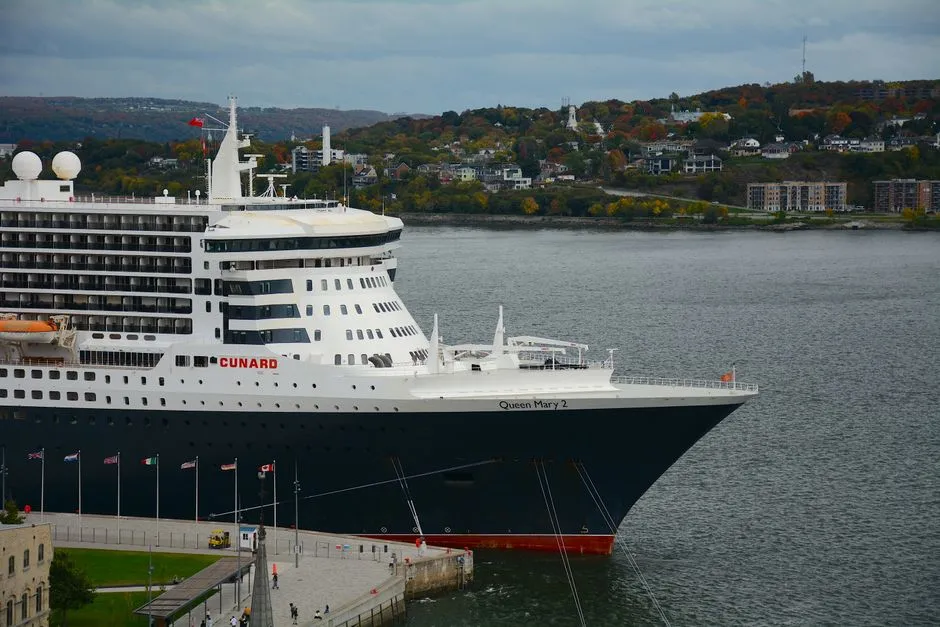
The Queen Mary 2’s kennels exist because of a rare convergence of history, ship design, institutional commitment, and genuine demand. No other ocean liner was built with this purpose in mind, no other cruise line has sustained a tradition like it, and no other ship currently employs a dedicated Kennel Master to care for passengers’ animals mid-Atlantic.
For the pet owner who refuses to leave their dog behind, the QM2 is not just a travel option. It is the only serious one. Book early, prepare the paperwork thoroughly, and know that somewhere on Deck 12, your dog will be eating freshly prepared chicken broth while you enjoy dinner in the main dining room below.
AI Disclaimer: This article was created with the assistance of AI tools and reviewed by a human editor.