


The Curbside Handoff Is Just the Beginning
Upon arrival at the cruise terminal, your first stop is the terminal luggage drop-off area, where you identify and hand over your luggage to the porters. That moment feels like the end of your involvement, but it’s really the start of a long chain of events. Large bags disappear at the curb because the ship handles them through a separate loading flow, completely independent of the passenger boarding process.
When you arrive at the cruise terminal, there will be a lot of activity. You find a curbside porter and make sure your luggage is appropriately labelled. If it’s not, they will help you with this, and then they take it from there. From that point, your bag enters a system you won’t see again until it appears outside your cabin door.
Every Bag Goes Through Security Screening

All cruise lines conduct security screening for passenger luggage before boarding to maintain safety and prevent prohibited items from entering the vessel. This is not a formality. All bags pass through X-ray machines, operating similarly to airport security systems, and the screening process helps detect prohibited or dangerous items before they reach the ship, including weapons, illegal substances, excessive alcohol, and flammable materials.
Security officers conduct manual inspections when X-ray images reveal unclear objects or questionable contents. That manual inspection takes real time, and with thousands of bags moving through a terminal on embarkation day, even a modest number of flagged cases can slow the entire flow. The embarkation security checkpoint is the last opportunity to intercept prohibited items before they enter a closed environment for days or weeks. The thoroughness is intentional, not bureaucratic delay.
The Sorting Process by Deck and Cabin Number
The crew sort the luggage into groups by checking the labels to see which deck your stateroom is on, whether you’re at the front, middle or back of the ship, and your cabin number. Think of this as a miniature postal sorting operation, conducted at pace while the ship is still loading provisions, crew supplies, and hundreds of other items simultaneously.
All ships have service lifts, so the bags are sent up there, where there will be staff on all levels sorting through the luggage to get it to each cabin as quickly as possible. The challenge is that bags from the same family don’t always travel through the system at the same speed. Cases can arrive at different times because of the nature of the security screening and loading processes.
Prohibited Items Cause the Longest Delays
The main thing that would delay your bags being delivered is if there’s something inside on the prohibited item list. If that occurs, the bags will be held by security and you’ll have to go and collect them yourself. This is one of the most consistent reasons a specific bag arrives hours later than others from the same group.
Disney, for example, warns that confiscations during security screening can delay luggage delivery until later on embarkation day. Carnival similarly advises leaving luggage unlocked for security screening and warns that locked or oversized bags can cause delivery delays even when the contents are otherwise compliant. A locked bag that can’t be easily opened for inspection goes to a holding queue, and that queue doesn’t move quickly.
Security staff will pull bags aside, open them, and confiscate prohibited items, with alcohol being the most commonly confiscated item. If you’ve tucked a bottle of wine into a checked bag without checking your cruise line’s policy, expect a significant wait on the other end.
Your Cabin Isn’t Even Ready When You Board
Your stateroom isn’t ready until about 1 p.m., so bringing your own bags on the ship means carrying them around with you until cabins are ready. Porters and ship crew are aware of this window, and the delivery system is designed around it. There’s no benefit in rushing bags upstairs before a room has been cleaned and turned over.
When you arrive at the cruise port, you’re typically checking in between 1 and 4 p.m. depending on your cruise line, your cabin won’t be ready until around 3 to 4 p.m., and luggage delivery to your cabin happens in stages throughout the afternoon and evening. The staggered delivery isn’t a failure of organization. It’s the result of the cabin-readiness timeline intersecting with the baggage sorting process.
The Scale of the Operation Is Hard to Overstate

Large ships can carry well over 5,000 passengers, and most guests check at least one or two bags. That means a single embarkation day can involve loading, scanning, sorting, and delivering tens of thousands of individual pieces of luggage in the space of a few hours. Delays may occur on larger ships with high passenger volumes.
Cruise terminals use increasingly sophisticated screening technology, and AI-powered X-ray screening is being adopted to support safer embarkation, faster passenger flow, and more reliable prohibited-item detection. Even with those improvements, the physical act of sorting and delivering bags by deck and cabin number across a large vessel takes time that no technology can fully eliminate.
When You Arrive at the Port Affects When You Get Your Bags
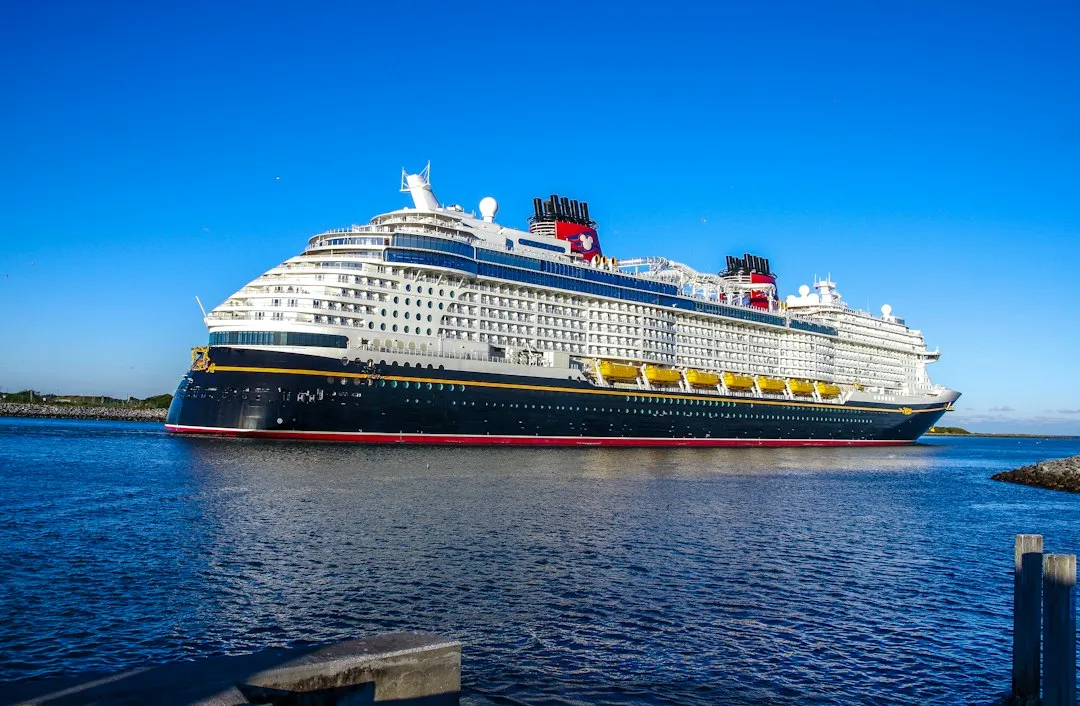
Arrival time matters more than most passengers realize. If you get there early, your bags may get loaded onto the ship first. Bags handed to porters in the first wave of the day often complete security screening and sorting before the afternoon rush begins, giving them a better chance of reaching cabins sooner.
It does depend on how early you get to the port. One cruiser reported arriving shortly after 11 a.m. and having luggage in their cabin by 2 p.m. Conversely, bags dropped off late in the boarding window will almost certainly arrive after dinner. The system processes bags largely in the order they enter it, so timing your arrival thoughtfully does make a real difference.
What Actually Goes Outside Your Cabin Door
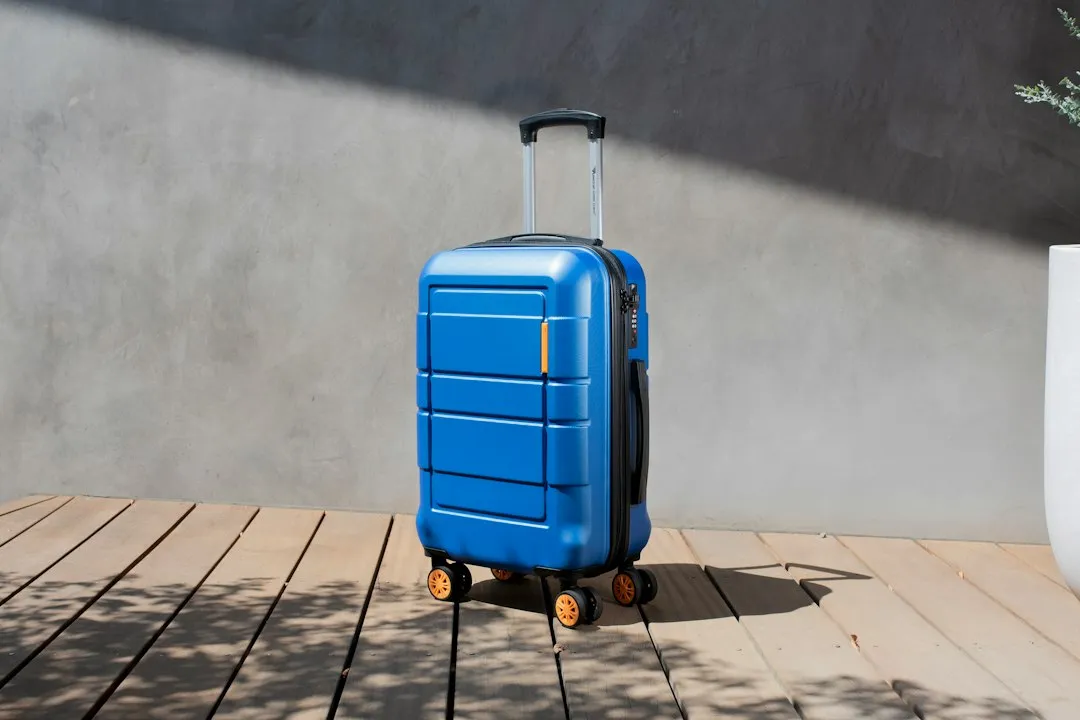
Crew members deliver the bags to your cabin, and on most ships the luggage is left outside your door unless you have special arrangements to have it delivered inside. You’ll often find it waiting in the hallway rather than inside the room itself, which surprises some first-time guests. That practice keeps things moving. A crew member delivering to 20 cabins on a single corridor doesn’t have time to enter each room and arrange items inside.
It’s recommended to keep any items needed for embarkation day and evening in your carry-on bag, including clothes for the evening, medications, travel documents, and personal identification. That advice, printed in the fine text of nearly every cruise line’s pre-departure guide, is the real workaround the industry has settled on. The system can’t guarantee precise delivery timing, so it simply asks passengers to plan for a wait.
The Realistic Delivery Window

On embarkation day, luggage is delivered directly to the cabin, with the expected delivery timeframe running from late afternoon through early evening. In practice, passenger accounts vary considerably. Bags may arrive before or after dinner. The earliest some passengers have received them is around 3 p.m., while the latest reported delivery is around 8:30 p.m.
Bags don’t always arrive all at once. On cruises with multiple suitcases, a few may show up, then about 30 minutes later a few more. This can feel random, but it reflects how the deck-by-deck sorting works when bags from the same party have gone through screening at slightly different intervals. Reporting a missing case is generally advised only after the cruise line’s stated delivery window has passed.
What Porters Actually Recommend You Keep With You

Your hand luggage must cover the period between leaving the checked cases and receiving them outside the cabin, and the wait can extend into the evening. Porters and crew members consistently point to the same categories of items that passengers regret checking: medications, travel documents, chargers, and a change of clothes.
It may take a few hours after embarkation for luggage to be delivered to your stateroom, and to avoid any complications, you should bring a small bag such as a backpack for carrying any necessary medication, valuables, important documents, and need-to-have items. Bags left with the ship’s porters will be delivered to the corridor outside your room by late afternoon in most cases, but that late afternoon can stretch well into the dinner hour on a busy sailing day.
The Takeaway

The reason your suitcase arrives last isn’t negligence. It’s logistics. Between mandatory X-ray screening, manual inspections of flagged bags, deck-by-deck sorting, service lift capacity, and the cabin-readiness timeline, there are a dozen legitimate choke points between the curb and your cabin door.
The smartest move any cruiser can make is to treat their carry-on bag as their essential day kit, packing it with everything needed for the first several hours onboard. When your checked bags finally do show up outside your door, it should feel like a bonus, not a relief. Experienced cruisers rarely stress about the gap. They’ve learned to enjoy embarkation day for what it is: the ship’s first hours, unencumbered by luggage.
AI Disclaimer: This article was created with the assistance of AI tools and reviewed by a human editor.