
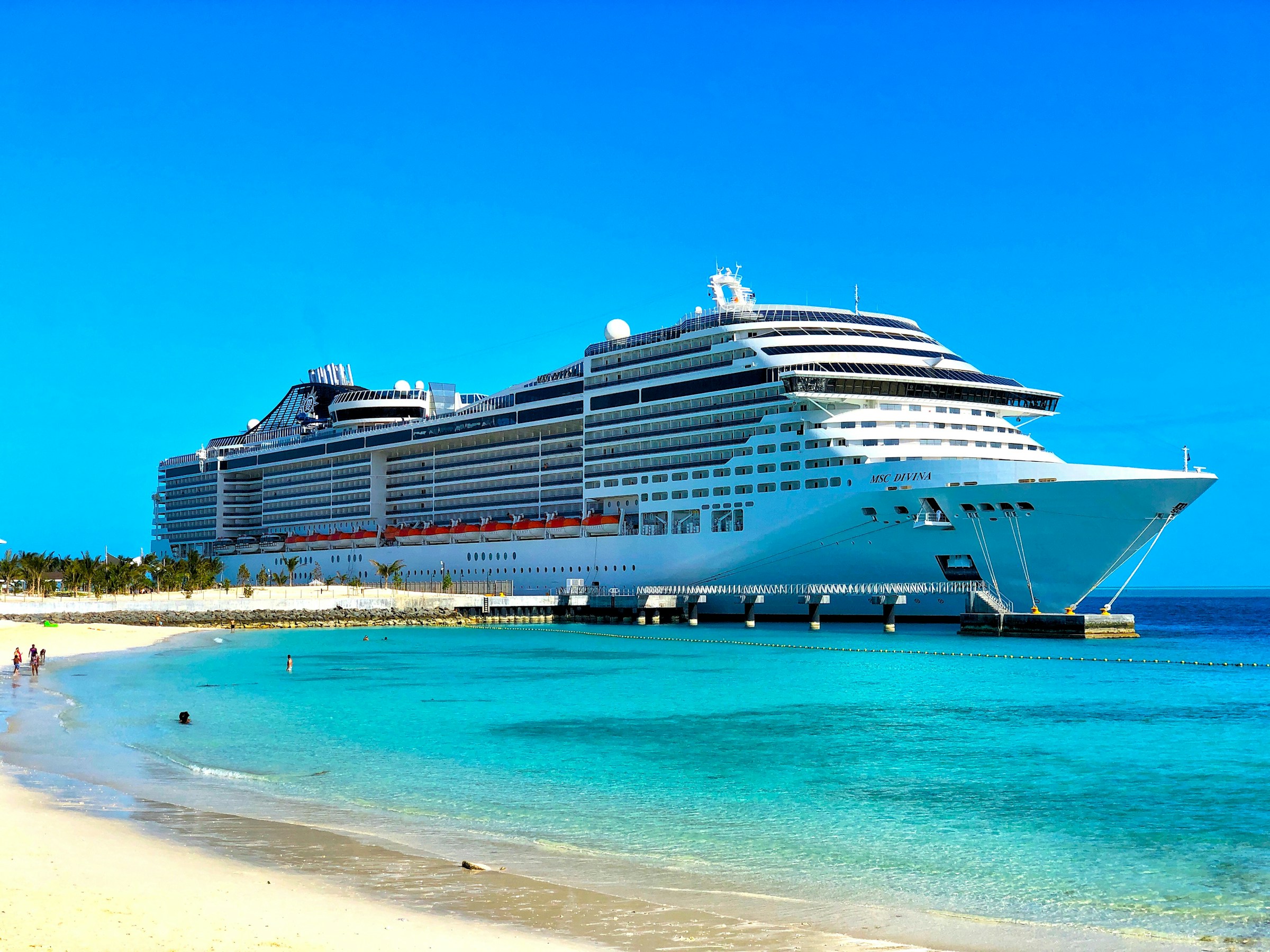
Every year, millions of travelers face the same enjoyable dilemma: a floating city at sea, or a sun-soaked resort where the only decision is which pool to claim first. Both formats promise ease, bundled meals, and a welcome break from ordinary life. The real question isn’t which one is better in the abstract. It’s which one is better for you.
The answer changes depending on what you genuinely want from a vacation. Destination variety, deep relaxation, budget clarity, family logistics – each of these pulls in a different direction. Here’s an honest look at what each option truly excels at, category by category.
Exploring Multiple Destinations in One Trip
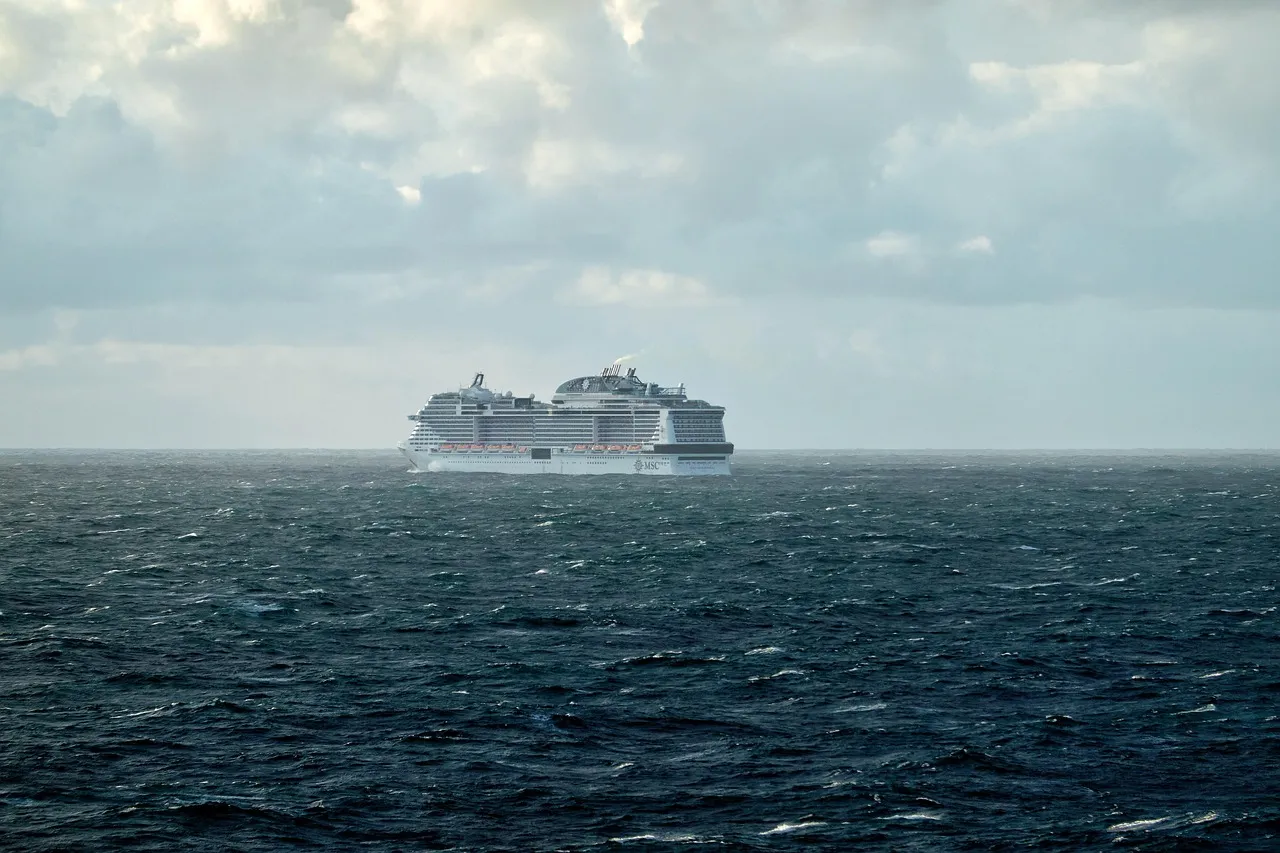
This is where cruising has a clear, structural advantage. A seven-night Caribbean cruise visits three to five ports, giving you a genuinely varied itinerary across a single week. You wake up somewhere new most mornings, which creates a momentum that a fixed resort simply can’t replicate.
Holland America Line’s 124-Day Grand World Voyage includes ports of call in 32 countries, while Regent Seven Seas Cruises’ 154-day world cruise visits 41 countries across six continents. Even standard seven-night sailings deliver a geographic sweep that no resort can match. Cruises also set sail from many U.S. ports, whereas most top all-inclusives require an international flight to the Caribbean or elsewhere.
True Relaxation and Staying in One Place

All-inclusive resorts own this category entirely. When your only goals are to exhale and indulge, luxury all-inclusive resorts offer something rare in modern travel: a vacation that feels effortless from the moment you arrive, with details handled long before you unpack your bags.
Wellness at a luxury all-inclusive resort often feels like stepping into another world, with spas designed as immersive sanctuaries offering therapies rooted in local healing traditions. You aren’t racing back to a ship by a certain hour. There’s no itinerary pulling you forward. To relax in one place, an all-inclusive resort or a large ship with plenty of amenities is often the better fit.
Onboard Entertainment and Activities
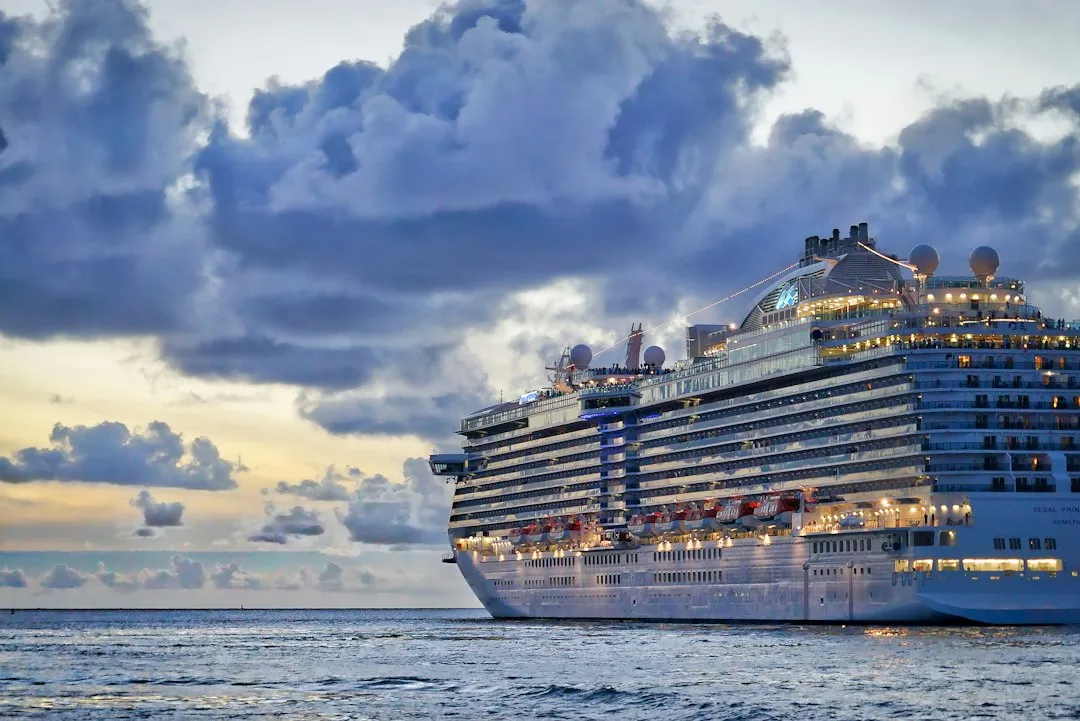
Modern cruise ships have essentially become floating theme parks. Cruise ships feature entertainment like Broadway-style shows, live performances, and themed events, while guests can also participate in onboard thrills like rock climbing, surf simulators, zip-lining, and ice skating without additional charges. The scale of activity on a large ship is genuinely impressive and rarely gets old over a seven-night sailing.
If you love structured fun, nightly entertainment, and meeting new people, cruising is a strong fit. Resorts lean more toward flexibility. All-inclusive resorts focus on relaxation and beachside leisure, and most include water sports like snorkeling, kayaking, and paddleboarding, with an emphasis on freedom and flexibility. Neither is wrong – they’re simply built for different rhythms.
Budget Transparency and Cost Clarity
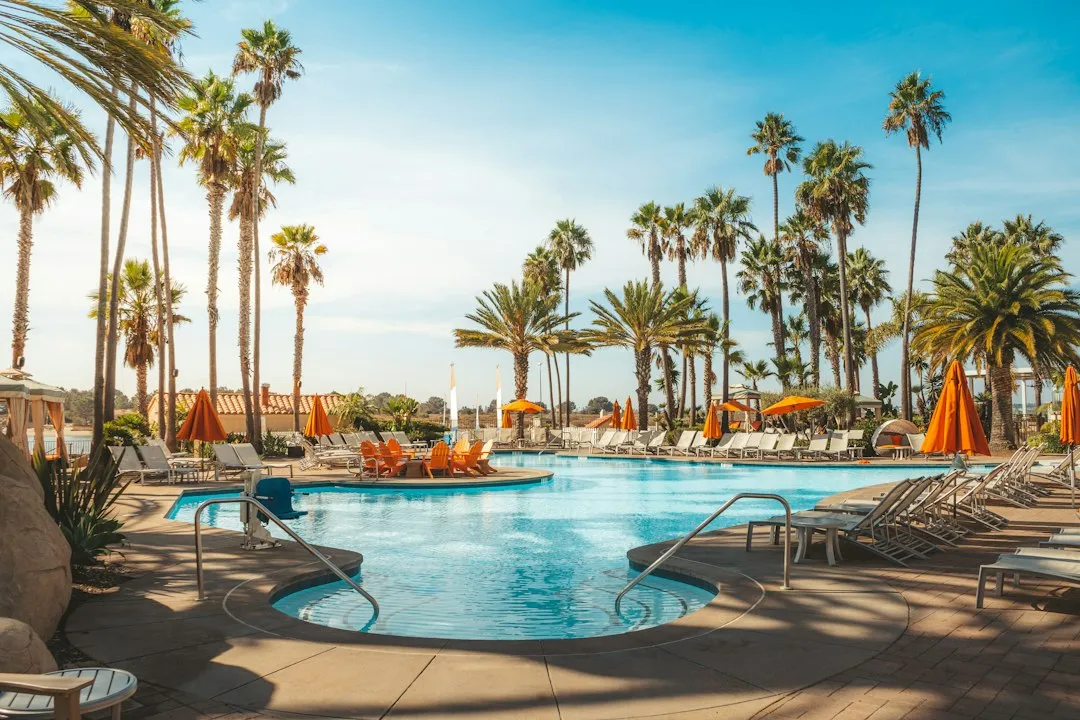
All-inclusive resorts genuinely win on financial predictability. An all-inclusive resort covers accommodation, unlimited food and alcoholic beverages, entertainment, and more at one price, and paying upfront additionally includes taxes and tips, so there are no surprise charges when you get home.
Cruises, by contrast, are more complicated to price honestly. A seven-night Caribbean cruise base fare can come in well below a seven-night all-inclusive resort stay, but base fare is rarely what you actually pay, as cruises tack on a long list of extras including alcoholic drinks and drink packages. There are many hidden costs on a cruise that will quickly add up, so an all-inclusive resort or a luxury cruise with all-inclusive pricing can often be better for budgeting. When comparing like for like, resorts and cruises cost roughly the same for a comparable seven-night vacation, typically in the range of four to five and a half thousand dollars per couple, with the difference coming down to what’s included versus what costs extra.
Dining Variety and Quality
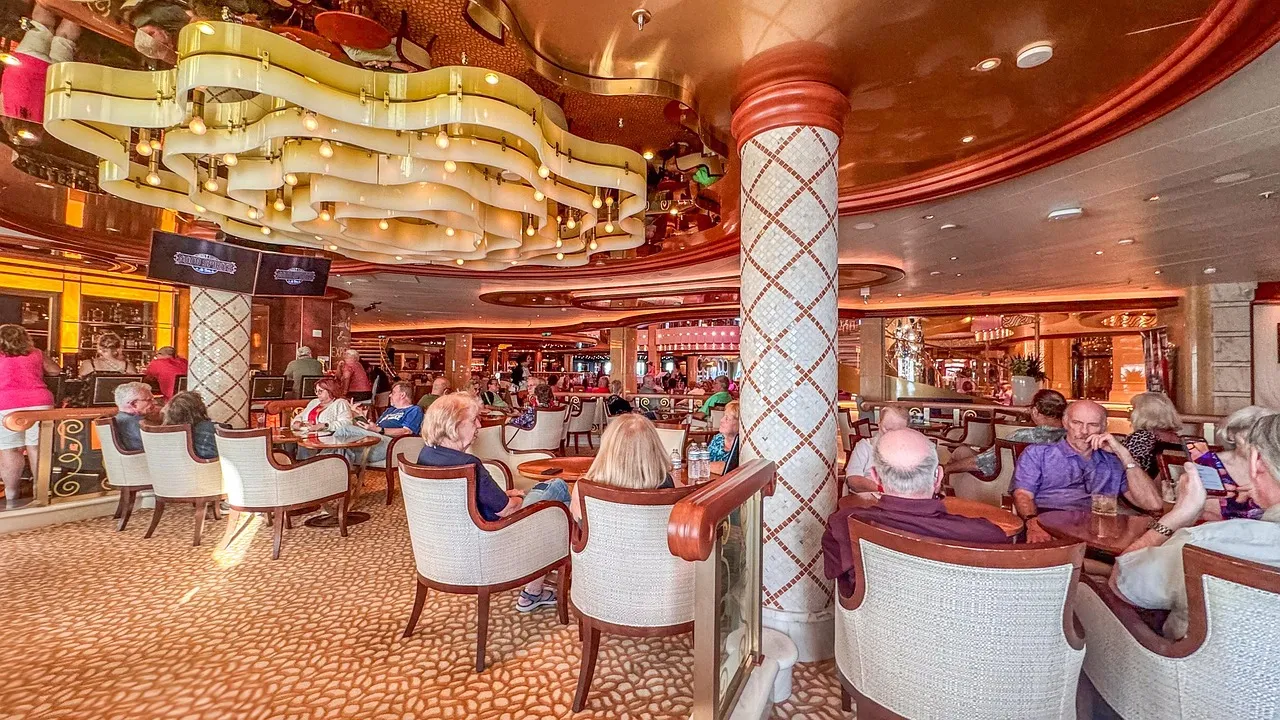
Cruise ships hold a real edge in sheer dining breadth. Dining experiences on a cruise range from casual buffets to specialty restaurants, giving guests more options than a typical resort. On a large ship, you might choose between a dozen or more venues on any given evening – sushi, steakhouses, Italian trattorias, and casual poolside grills all under one roof.
All-inclusive resorts have narrowed the gap considerably in recent years, particularly at the luxury end. Properties like Hilton Cancun feature more than twelve luxury restaurants and bars with worldwide cuisine. The resort dining experience tends to feel more anchored in the local food culture of the destination, which is a different kind of value – quieter and more immersive, if not always as varied.
Family Travel and Multi-Generational Groups
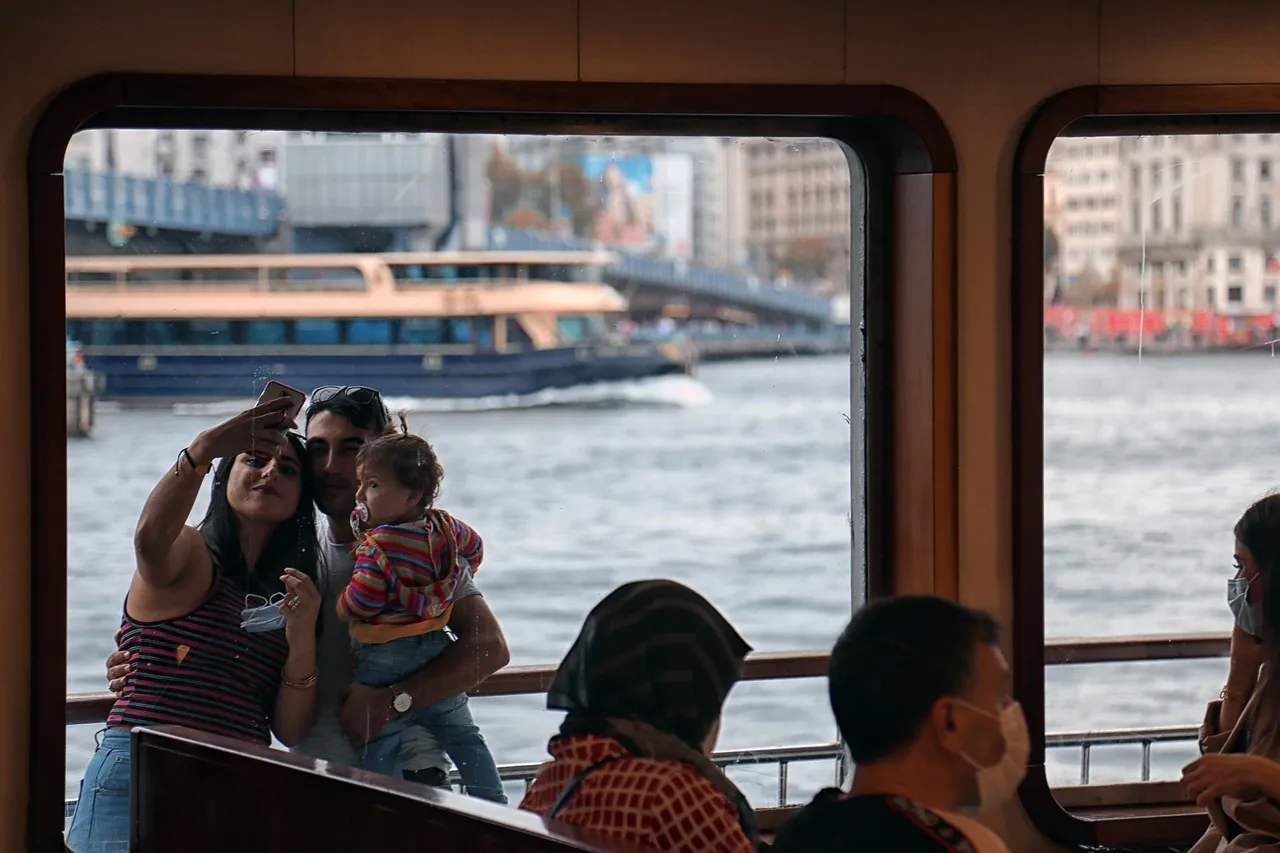
Both formats genuinely serve families well, though in different ways. Cruises cater to all ages with family-friendly programs, youth clubs, teen zones, and activities that engage everyone. Having teenagers occupied on a different deck while grandparents enjoy a quiet lounge is a feature that cruise lines have refined over decades.
Family-friendly all-inclusives usually have no shortage of activities to keep children occupied, while adults-only resorts can make for a very peaceful vacation. The resort model also removes the logistical pressure of port times and scheduling, which matters a lot when you’re traveling with young children who don’t respect deadlines. In 2024, roughly a quarter of cruisers sailed with three to five generations of family members, which speaks to how well the format handles varied ages under one roof.
Cultural Immersion and Local Connection

This is a category where neither format excels by default, but the resort experience edges slightly ahead for those who prioritize it. When you stay in one destination for a full week, you have genuine time to venture out, revisit places, and engage with local communities on your own terms. Some resorts actively embed cultural experiences, including tours of local villages and markets, and reflect a commitment to immersing guests in the local culture.
On a cruise, port time is limited. A seven-night Caribbean cruise visits three to five ports, but you typically only have six to nine hours in each port – enough for one solid excursion, not enough for the kind of slow exploration that builds real connection with a place. Travelers who genuinely want to know a destination should factor this honestly into their decision.
Solo Travelers and Couples Without Kids
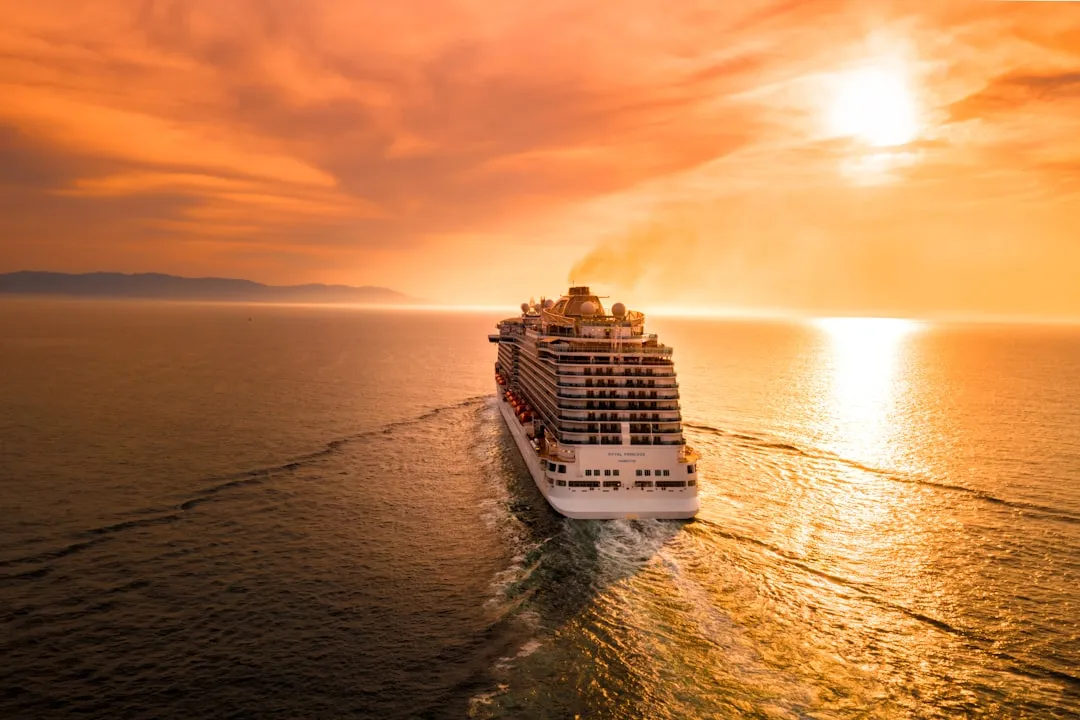
Cruising has seen a quiet but notable shift toward solo travel. In 2024, roughly twelve percent of cruisers chose to sail solo, up from six percent in 2023, a doubling that reflects how cruise lines have responded with dedicated solo cabins and reduced single supplements. The social infrastructure of a ship – shared dining tables, group excursions, communal spaces – makes solo travel feel natural rather than lonely.
For couples seeking privacy and romance, adults-only all-inclusive resorts have carved out a distinct niche. Over the last decade, the all-inclusive concept has been embraced and reimagined by some of the world’s most luxurious and character-rich hotels, with many properties now skewing heavily toward intimate, design-forward environments. Properties like Turtle Island Fiji host only fourteen couples at a time across five hundred acres with twelve private beaches, each couple staying in a private villa with stunning views.
Sustainability and Responsible Travel
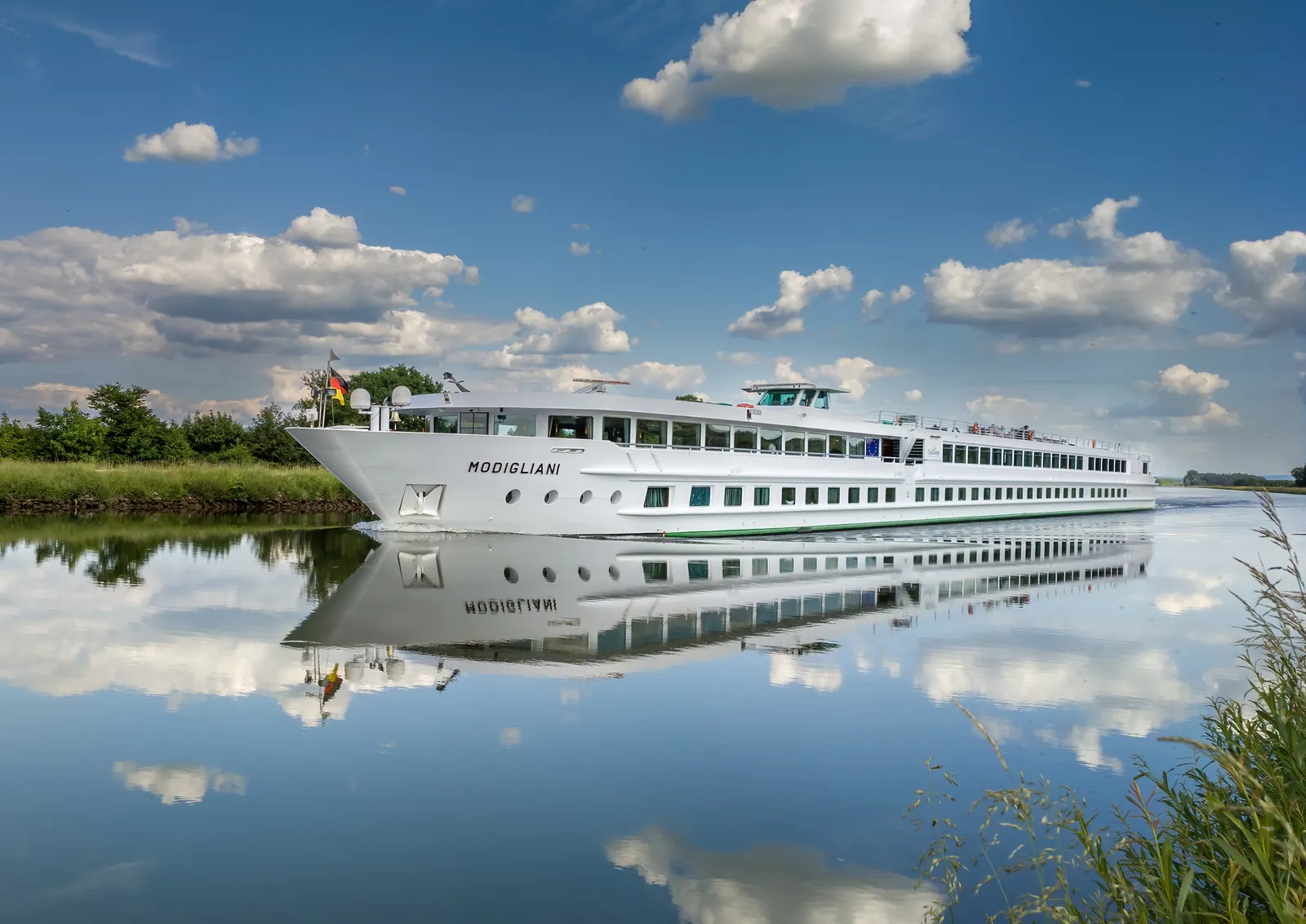
The cruise industry has made measurable commitments to environmental progress. By 2028, half of all new cruise ship capacity will have engines capable of running on liquified natural gas or methanol, and more than sixty-one percent of ships in CLIA’s fleet are already capable of connecting to onshore power. These are meaningful structural changes, not just marketing language.
All-inclusive resorts, particularly smaller boutique properties, often have a more direct relationship with local ecosystems and communities. Some resort operators source food locally, support conservation programs on adjacent land, and limit guest numbers to reduce environmental impact. Neither sector is without its challenges, and responsible travelers would do well to research individual properties or cruise lines rather than assuming one category is automatically greener than the other.
Overall Guest Satisfaction
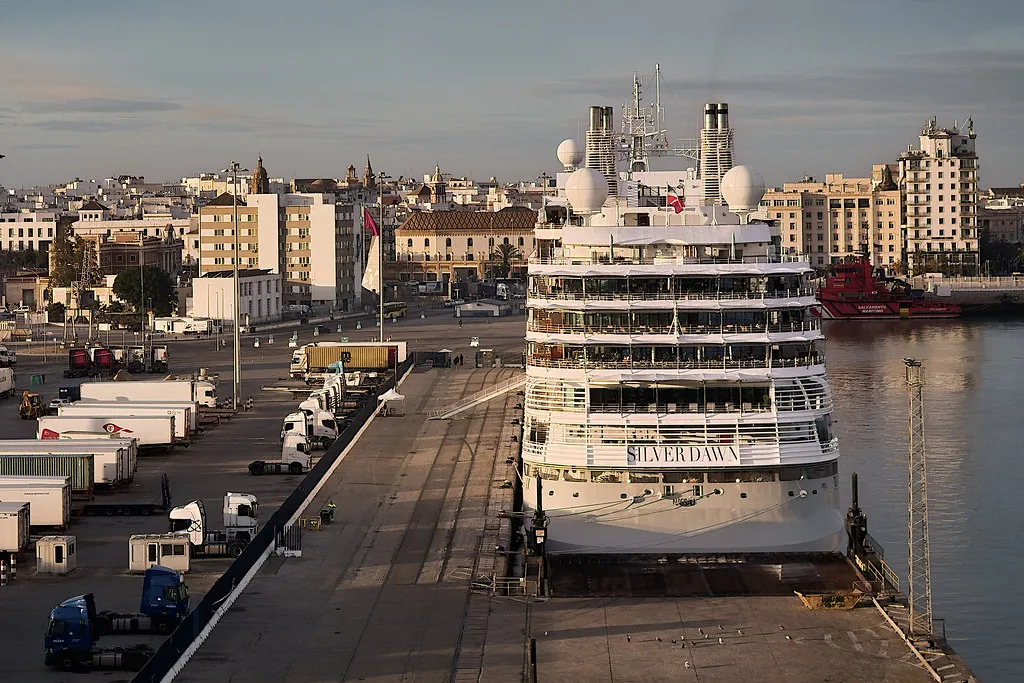
When satisfaction is measured directly, cruising holds a consistent lead in the data. Cruise vacations drive higher satisfaction ratings compared to other vacation choices, according to CLIA’s North American Travel Agent Survey from February 2025, with ocean cruises averaging 4.2 out of 5, river cruises at 4.0, and all-inclusive resort stays at 3.7. That gap is real and worth acknowledging.
The growth numbers also tell a story. Cruise ships welcomed 34.6 million passengers in 2024, a nine percent increase from 2023, and CLIA anticipates 37.7 million passengers will cruise globally in 2025, with eighty-two percent of past cruisers saying they plan to cruise again. Still, satisfaction scores are averages – a traveler who values deep relaxation, a fixed address, and unscheduled mornings may find the resort experience far more personally rewarding. The numbers reflect broad trends, not individual fit.
The Takeaway
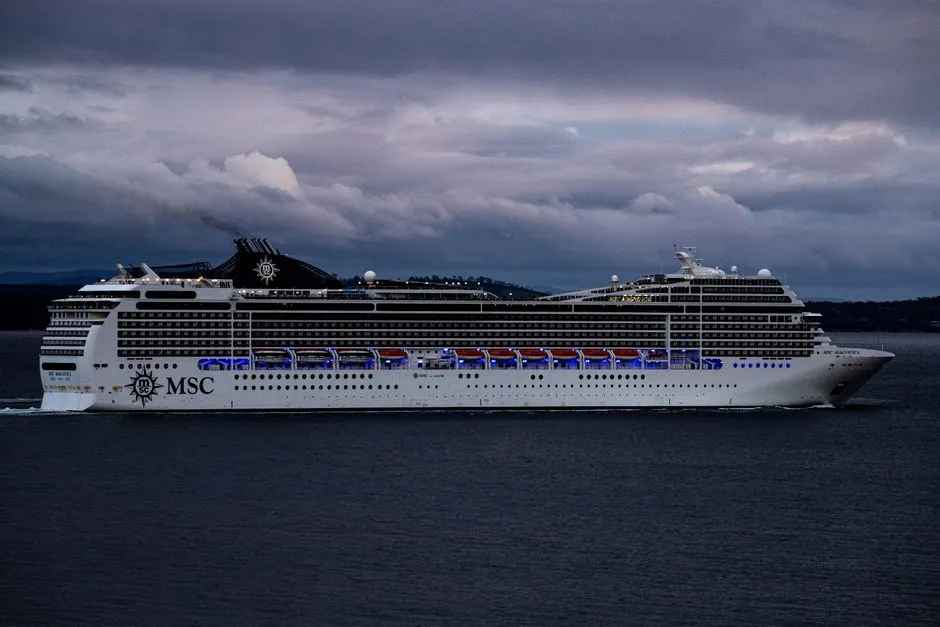
There’s no universal winner here. Cruises do more things simultaneously – multiple destinations, layered entertainment, broad activity menus, and strong social infrastructure – while all-inclusive resorts do fewer things more deeply: rest, place-based immersion, predictable spending, and genuine stillness.
The most honest question to ask before booking isn’t “which is better?” It’s “what do I actually need right now?” A traveler craving discovery and variety will feel energized on a ship. A traveler craving one beautiful place, a hammock, and no agenda will feel quietly grateful for a well-chosen resort. Both are genuinely good answers to a genuinely good problem.
AI Disclaimer: This article was created with the assistance of AI tools and reviewed by a human editor.