
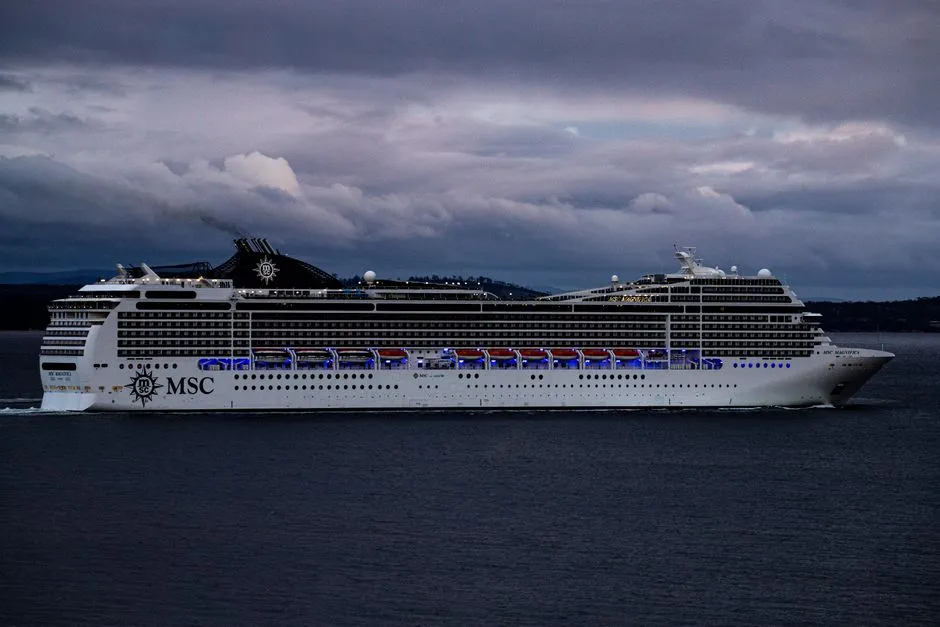

Most travelers pack the same way they always have. A power strip here, a travel steamer there, maybe a portable speaker for the balcony. These feel like non-negotiable packing staples. The problem is that cruise lines have been steadily updating their banned items lists, and several things once considered perfectly acceptable are now getting confiscated at the gangway.
Cruise lines are continuously updating their policies to stay ahead of new challenges, and many of the items now restricted were not flagged just a year or two ago. If you’re heading out in 2026, the safest move is checking your specific cruise line’s prohibited items list before you zip that suitcase shut.
Power Strips and Multi-Plug Outlets: The Big One
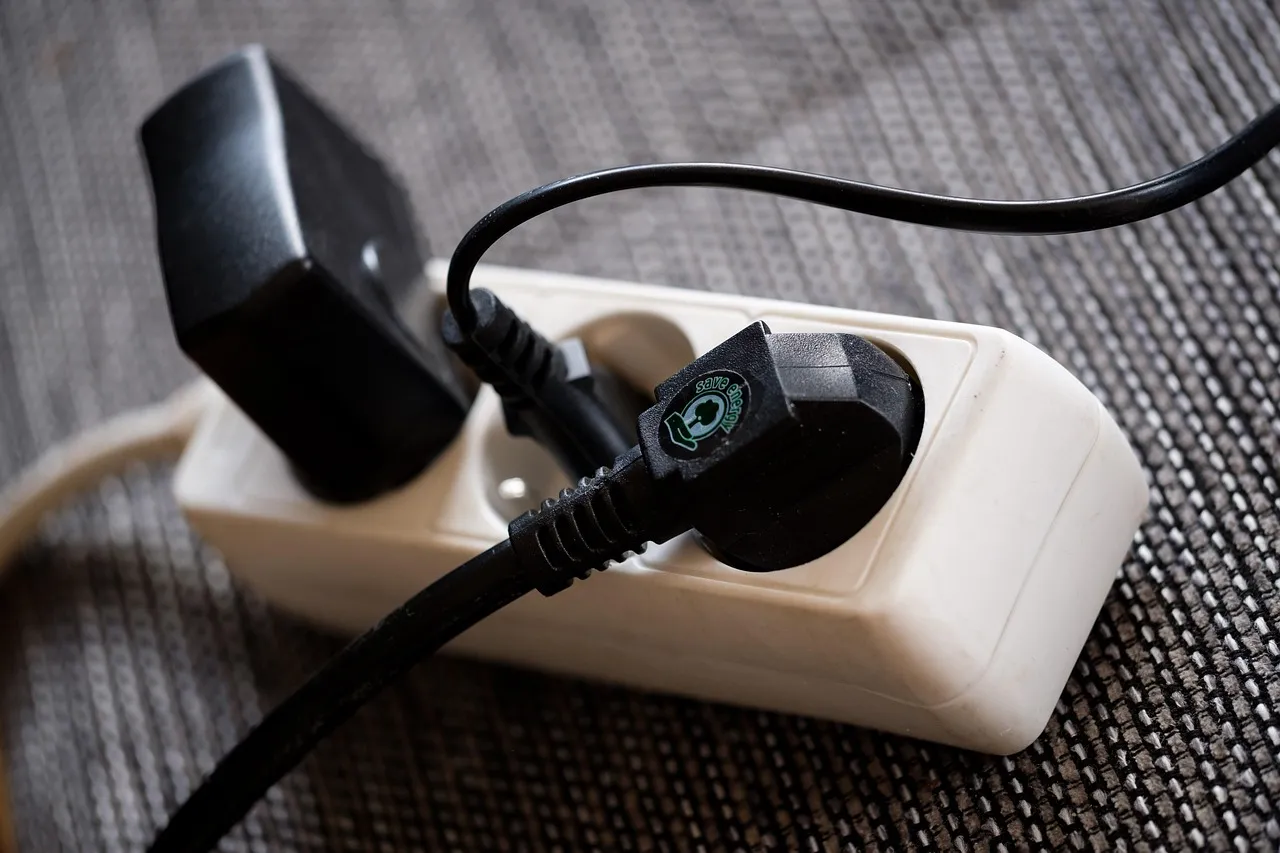
This is the item that has caught the most passengers off guard. Previously, the prohibited list covered electrical extension cords and surge-protected strips. Royal Caribbean then added “multi-plug outlets” to that list, making the full entry read: “Extension Cords and Multi-Plug Outlets/ Power Strips.”
In September 2024, Royal Caribbean expanded its restrictions further, banning virtually all multi-plug power strips and outlet extenders containing AC plug sockets – a change that surprised passengers accustomed to bringing standard power strips.
Fire is the top concern for cruise ships because fires can spread quickly on board. Power strips and outlet extenders have the potential to overload an outlet and cause a fire. The rule is now firm and enforcement has tightened considerably at embarkation.
Why Surge Protectors Are Especially Problematic
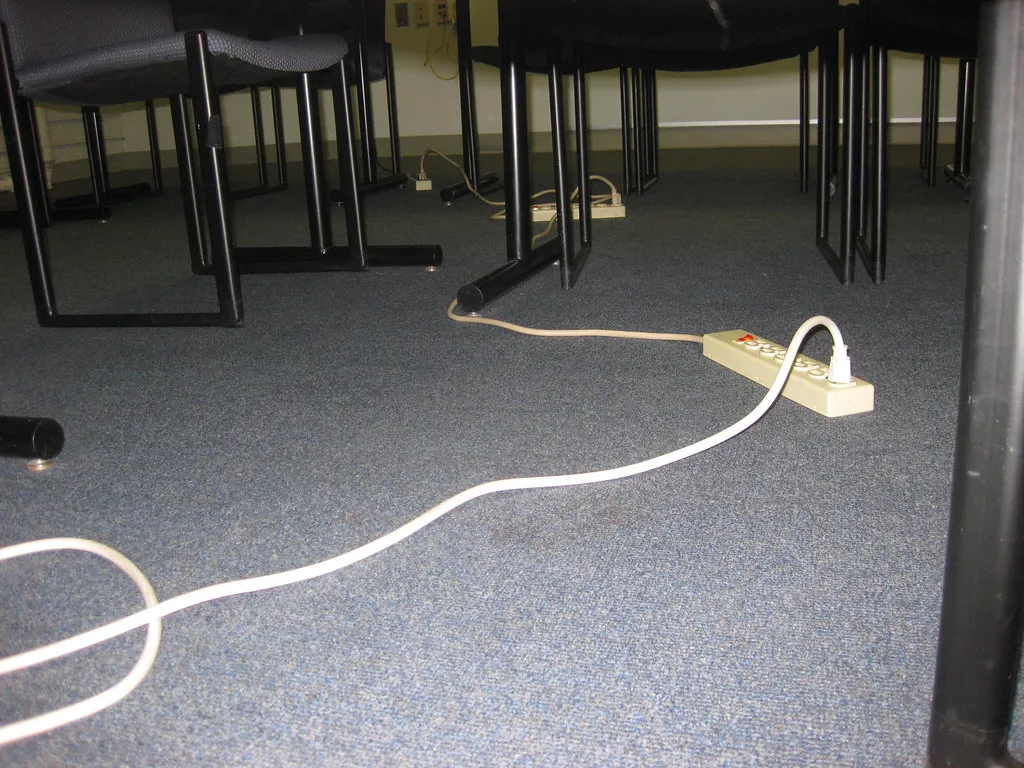
Most household power strips include surge protection. While this is safe for homes, it can interfere with the ship’s power grid. Cruise ship electrical systems are different from land-based systems, so surge-protected devices can malfunction or cause breaker issues.
All cruise lines prohibit surge-protected power strips due to electrical system concerns. Surge protectors can interfere with ship electrical circuits and create fire risks, and enforcement has tightened recently as passengers increasingly tried smuggling them aboard.
What You Can Still Bring for Charging
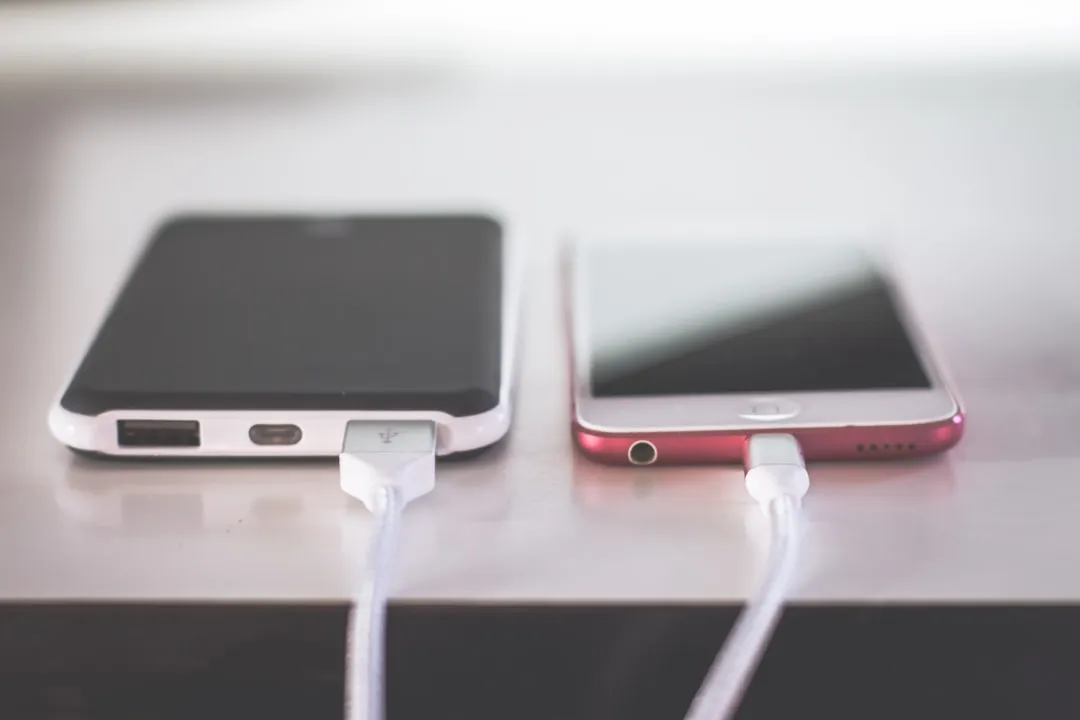
Royal Caribbean updated its banned-items list to prohibit multi-plug outlets with regular AC outlets, allowing only adapters with multiple USB ports to reduce fire hazards and strain on the ship’s electrical system. That’s a meaningful distinction worth understanding before you pack.
Approved alternatives plug directly into an outlet and offer multiple USB or USB-C charging ports. They do not provide additional AC outlets – only USB charging. That covers phones, tablets, and most modern small devices without any issue.
Guests needing special devices such as CPAP machines can request approved extension cords through the cruise line before they sail. It’s worth contacting the line in advance rather than hoping for leniency at check-in.
Travel Steamers and Irons Are Off the Table
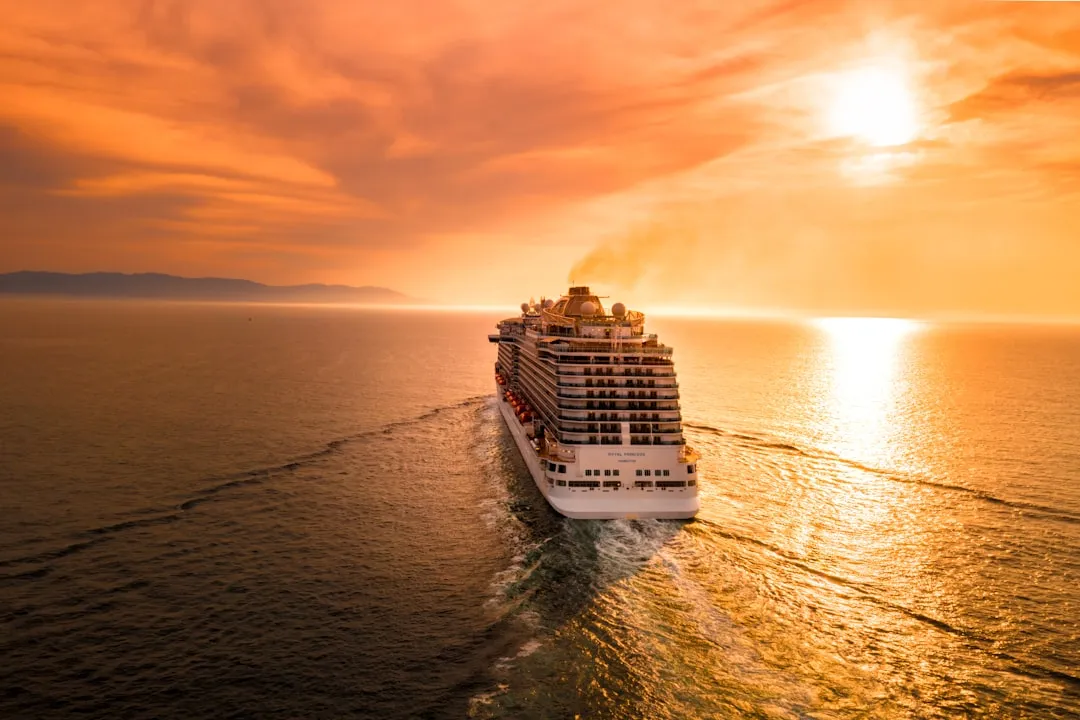
You may be in the habit of bringing your travel steamer along, but many cruise lines strictly prohibit their use. Travel steamers generate heat and can become dangerous if forgotten or left unattended. Royal Caribbean specifically lists them on their prohibited items page as fire hazards.
Fire safety regulations have led to stricter controls on personal clothing care appliances, with current restrictions prohibiting all travel irons, portable steamers, and any heated devices. To accommodate passengers’ needs, cruise lines provide professional pressing services.
Smart Glasses Now Banned in Key Areas
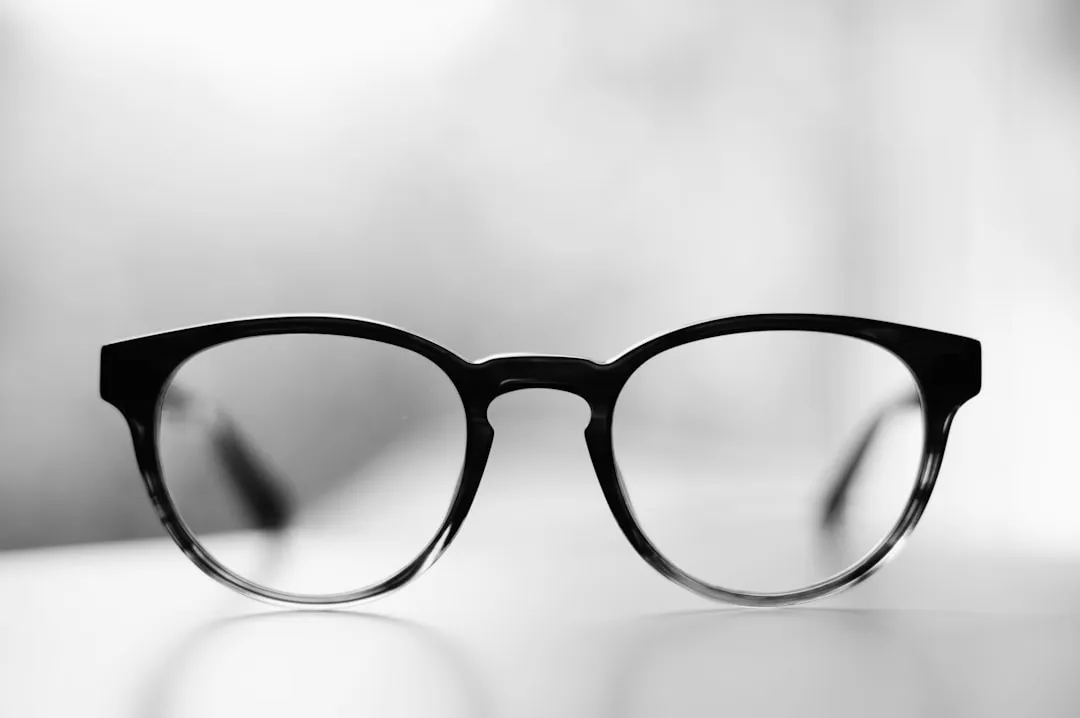
Royal Caribbean updated its prohibited items list for 2026 to include a new ban on the use of smart glasses in certain spaces on board its ships. This is one of the most recent additions and one many regular cruisers would not yet know about.
Along with weapons, illegal drugs, and items that pose a fire hazard like travel steamers, popular tech devices are becoming restricted items on cruises due to privacy and security concerns.
Smart glasses that can record video and audio are not allowed in areas including public restrooms, Youth Program areas, medical areas, and the casino, according to Royal Caribbean’s current prohibited items list. The concern is passenger privacy rather than safety in this case.
Drones: Complicated and Mostly Off-Limits
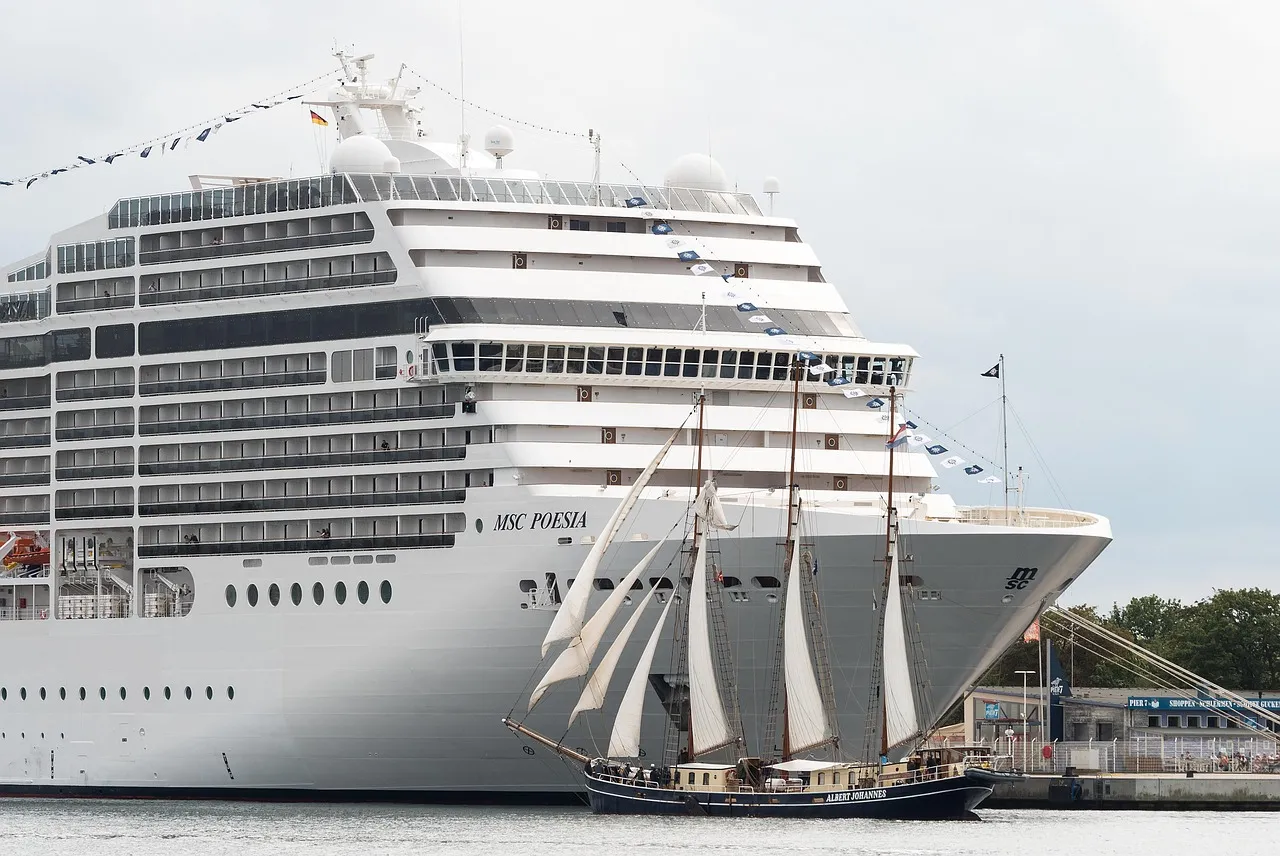
Most major cruise lines either ban drones entirely or only allow them in your luggage for land-only use. Even when carriage is permitted – for example on Royal Caribbean, Celebrity, or MSC – flying is banned onboard and usually at private islands.
Lines like Carnival, Norwegian, Princess, Holland America, Disney, and several luxury and expedition brands now classify drones as prohibited items – passengers are not supposed to bring them at all. That’s a large portion of the market with a blanket prohibition.
Drones could also disrupt the ship’s safety systems or cause accidents if they fly too close to control areas. For professional filming projects, some cruise lines might allow drones with special permission, but you’ll need to submit a request and get approval before bringing one on board.
Smart Luggage With Non-Removable Batteries
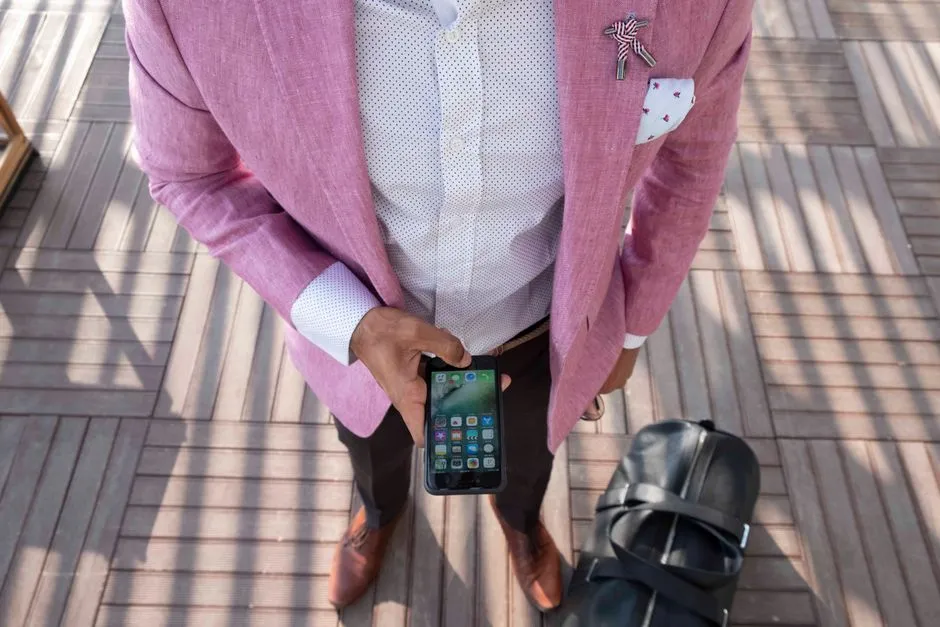
Smart luggage is now banned on most cruise ships due to fire safety concerns. These bags often have non-removable lithium batteries, which can be dangerous in confined spaces. If the battery malfunctions or overheats, it could cause a fire.
Fire safety concerns drive these restrictions, as lithium batteries in confined spaces pose a significant risk. The same ban on smart luggage also applies to air travel. Passengers can still use traditional suitcases or approved ones with removable electronic parts.
Candles, Incense, and Open-Flame Items
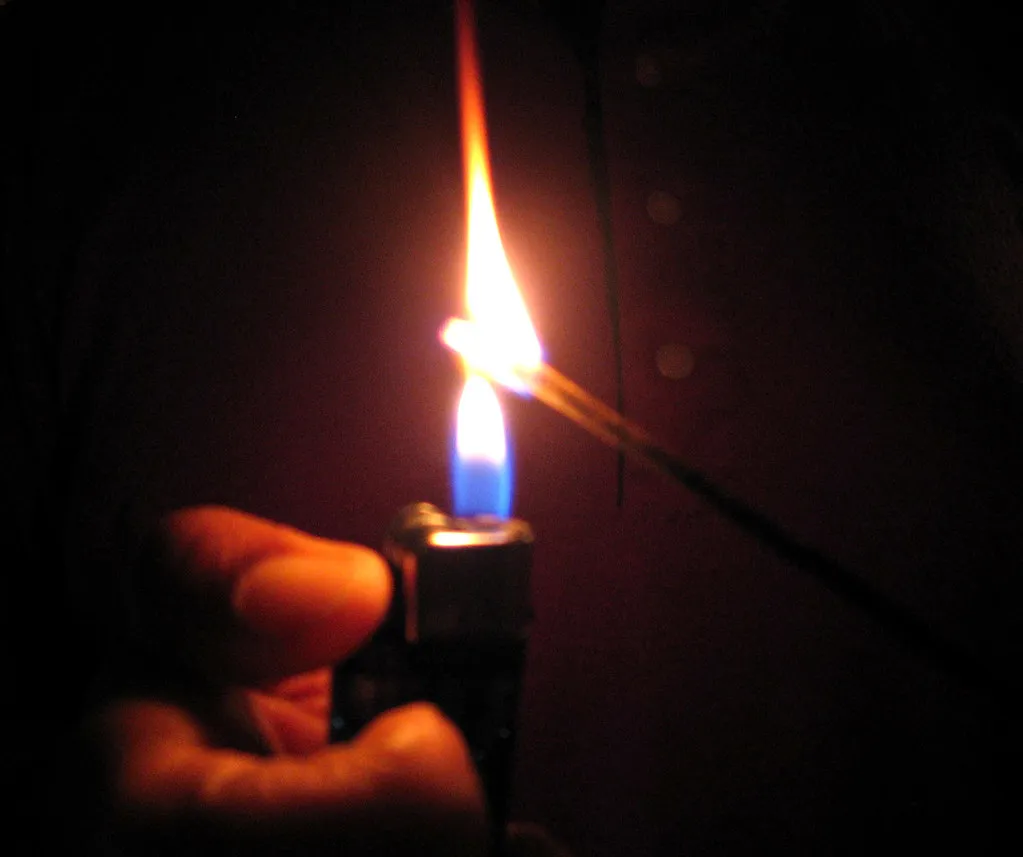
Open flame items are universally banned. This category includes candles, incense and burners, oil diffusers with heating elements, lighter fluid, cooking fuels, and hookah pipes.
Electrical items and electronic equipment not designed for personal grooming – including baby monitors, clothing irons, garment steamers, extension cords, power strips, multi-plug outlets, HAM radios, and cybersecurity devices – are all prohibited under Royal Caribbean’s current official policy. The scope of what falls under that umbrella is broader than most passengers expect.
Large Bluetooth Speakers and Portable Sound Systems
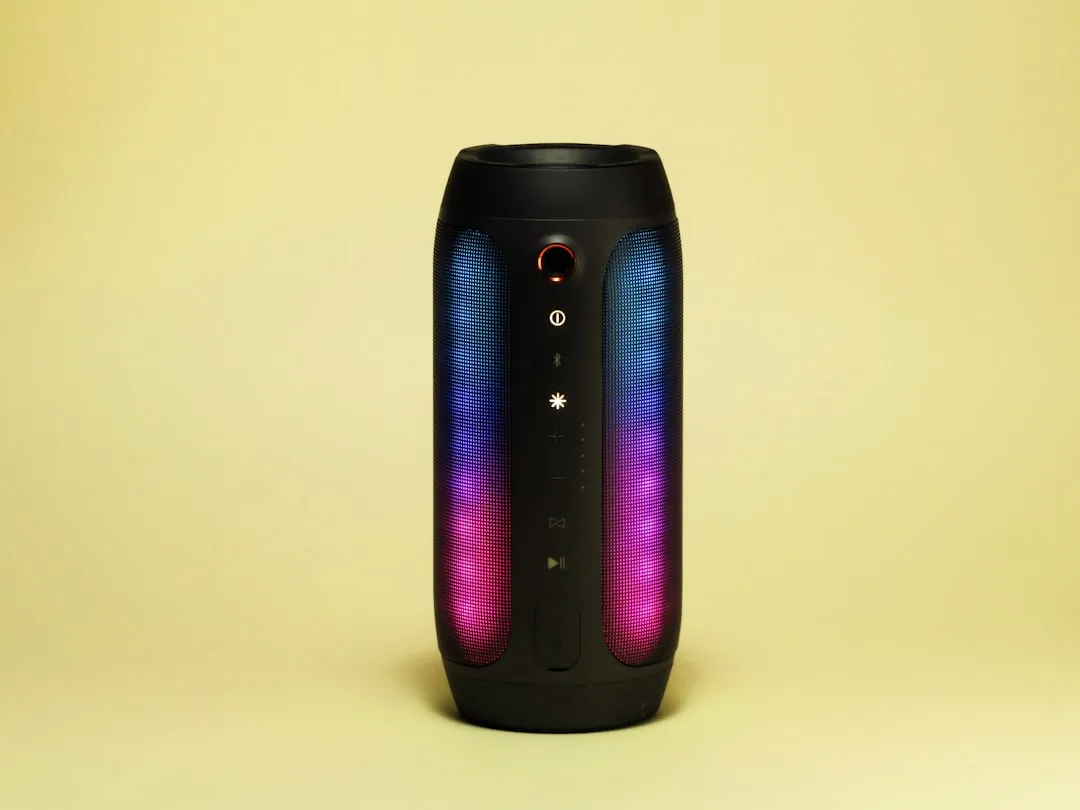
Many cruise ships have started banning large Bluetooth speakers and other portable sound systems to maintain a peaceful environment. Loud music can disturb other passengers, especially in relaxing areas like the pool deck or during quiet hours. Cruise lines want to make sure everyone has a comfortable experience, so controlling noise is a priority.
If you still want to enjoy music, the best solution is to bring a good pair of headphones – that way, you can listen to your favorite tunes without disturbing anyone around you. It’s a minor adjustment that avoids the frustration of having an item confiscated on day one.
What Happens When a Banned Item Is Found
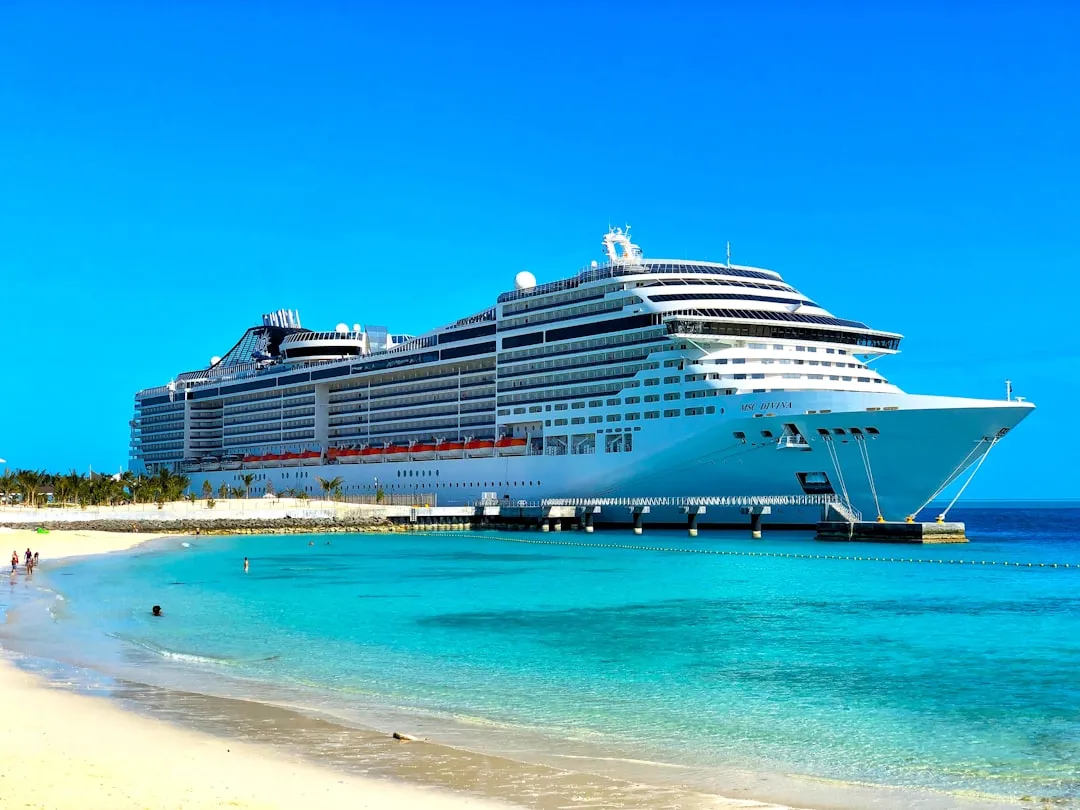
For safety and security reasons, certain items are prohibited onboard cruise ships. Prohibited items may be confiscated at the terminal or onboard. Where exceptions exist, they are explicitly labeled and narrowly defined. All items remain subject to review by the ship’s Security team, which retains sole discretion.
Packing a banned item on your next cruise could result in it being confiscated, wasting your money and luggage space. For most items, the ship will hold them and return them at disembarkation. For more serious violations, the consequences are considerably steeper.
Passengers can save themselves some trouble by checking their cruise line’s website for its list of prohibited items before they pack. Policies differ by line and by ship, and they are being updated more frequently than in past years.
The pattern here is clear: what cruise lines are banning isn’t random. Nearly every restriction traces back to fire prevention, electrical system integrity, or passenger privacy. The best thing any cruiser can do before boarding in 2026 is treat the prohibited items list like required reading. It takes five minutes and could save a lot of headaches at the gangway.
AI Disclaimer: This article was created with the assistance of AI tools and reviewed by a human editor.