
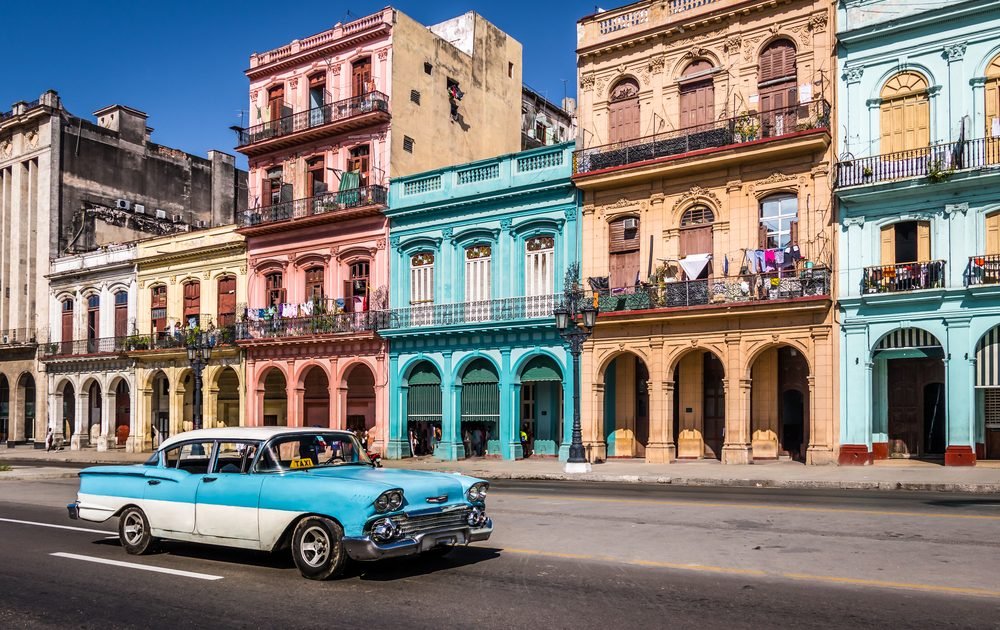

Cuba’s visitor economy supports livelihoods well beyond the beach, but current fuel shortages and blackouts are straining daily life, transport, and hospitality operations.
Why Tourism Matters

In Cuba, tourism is not a side story. It is one of the country’s most visible ways to earn foreign currency and support employment in communities that rely on visitor spending. That impact reaches far beyond resort staff. It includes taxi drivers and mechanics, musicians and dancers, farmers and fishers supplying kitchens, laundries, tradespeople, artisans, and families who depend on tips and informal work connected to visitors.
Fuel Shortage
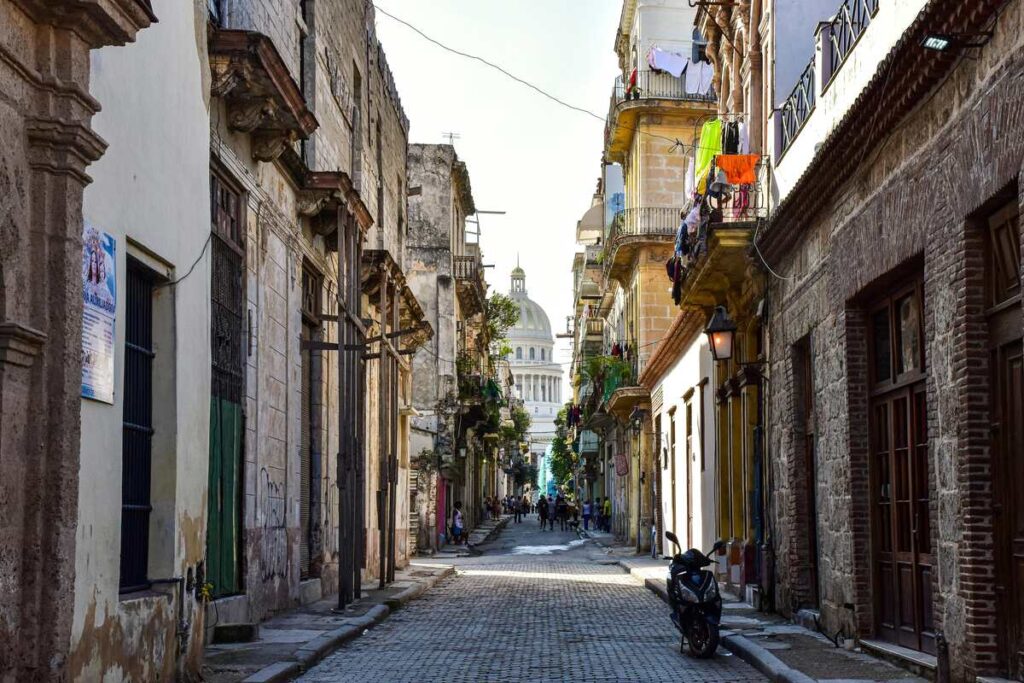
Cuba is facing an acute energy and fuel shortage that is showing up in practical ways: commuting, public transport, electricity generation, and supply deliveries. When fuel is scarce, buses run less often, employer shuttles can become unreliable, and deliveries can be delayed. This can translate into staffing gaps, reduced services, and a more unpredictable travel experience in some areas.
Reporting has also highlighted a specific aviation risk: Cuba has warned that jet-fuel availability could be constrained during a defined window (February 10 to March 11, 2026), which may require operational workarounds such as refuelling elsewhere and can increase the chance of schedule changes.
Travel advisories also note that shortages of electricity and fuel can affect resorts and disrupt travel plans on short notice, and that power cuts can be lengthy.
What This Means on the Ground for Workers and Communities

Tourism brings income to Cuba and supports many jobs. But tourism also depends on basics like fuel, transport, and reliable electricity. When those systems are strained, tourism services become less predictable — and workers are often the first to feel it through disrupted commutes, shorter shifts, or reduced hours.
If You Are Currently There
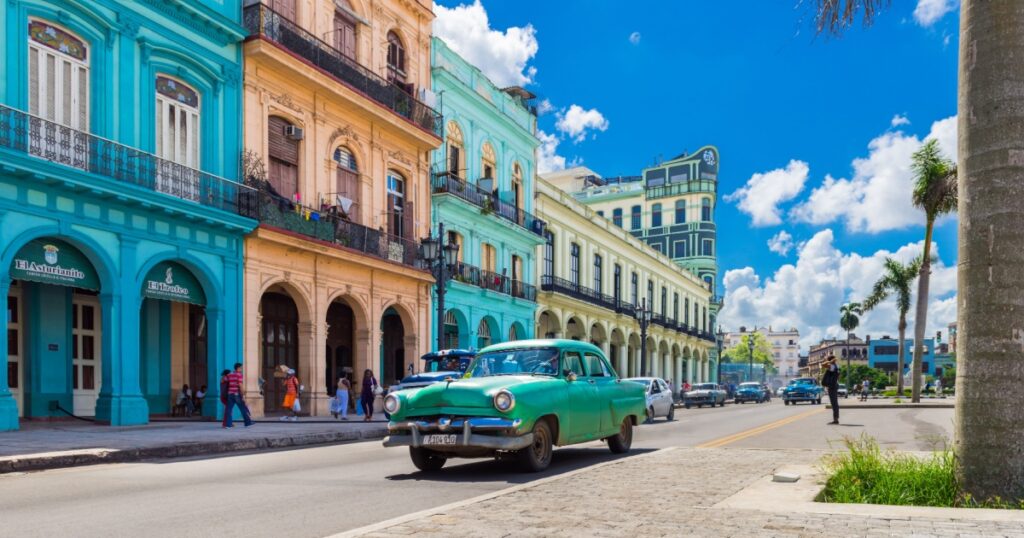
Where possible, consider supporting locally run, legally operating small businesses — such as independent guides, artists, musicians, eateries, and makers — alongside any pre-booked resort or tour packages. Arrive prepared, not demanding.
Patience is not just polite in Cuba right now; it is practical. Build buffer time, expect occasional disruption, and avoid taking frustration out on frontline staff. Many are navigating the same transport challenges you are noticing.
- reduced public transport frequency and longer waits during fuel constraints
- intermittent electricity (with generators in many large hotels, though services may vary if fuel is limited)
- excursions and amenities operating on adjusted schedules depending on staffing and deliveries
- potential flight schedule changes or longer routings during the jet-fuel constraint period
Keep Your Footprint Light During Shortages
Small choices matter more in a constrained system. Minimise unnecessary air-con use, keep showers efficient, and download essentials for offline use so you’re less reliant on connectivity during power cuts.
The Takeaway
Cuba’s tourism industry matters because it supports livelihoods and brings in foreign currency that many families and small businesses rely on. But current fuel shortages and power instability are making the essentials — transport, staffing, deliveries, and some travel services — harder to run. Travel advisories note that shortages can affect day-to-day movement, so even simple outings may be disrupted by limited fuel or reduced transport options. In the near term, the most immediate travel risk is aviation fuel: Cuba has warned of jet-fuel constraints during a defined period, and airlines may respond with schedule changes, technical refuelling stops, or, in some cases, temporary flight holds or cancellations. For travellers weighing options, keep Cuba in mind for a future trip once conditions stabilize and transport reliability improves.