
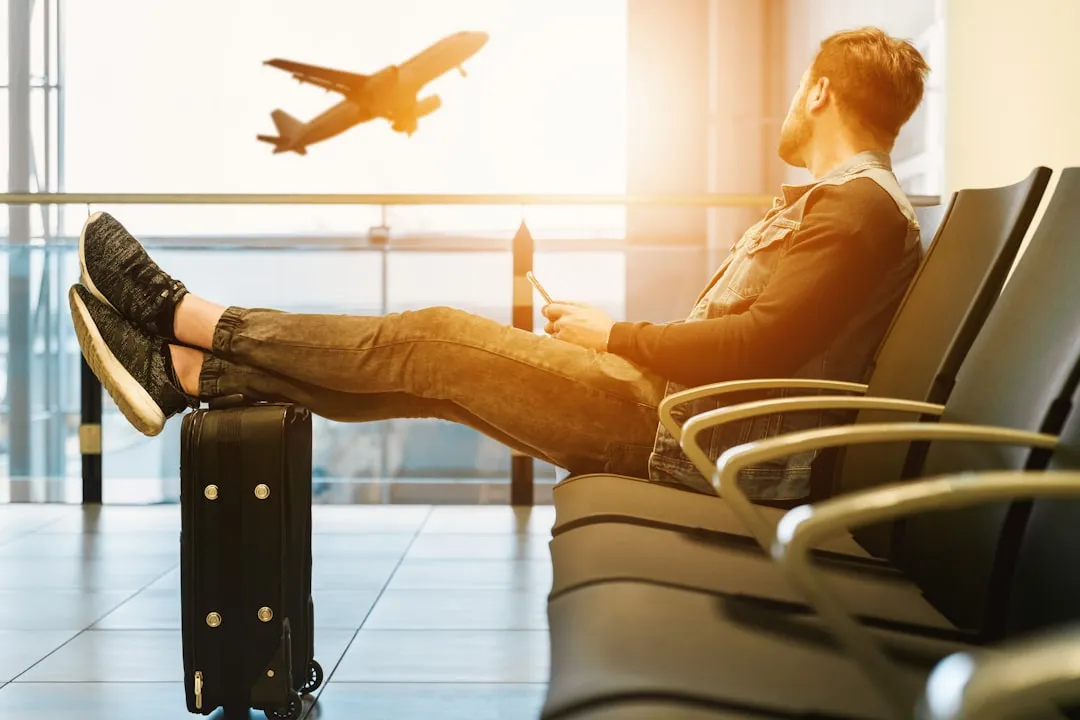

There’s a quiet shift that happens somewhere between boarding a plane and arriving somewhere unfamiliar. The noise in your head settles. The usual scripts you rely on stop working. You start paying attention differently, more carefully, in ways that daily routine rarely demands.
Listening, real listening, is one of the harder skills to develop at home. Travel, it turns out, may be one of the more honest classrooms for it.
When Words Stop Working, Attention Takes Over

Understanding someone who speaks another language, or even just a different version of your own, requires patience and a different quality of focus. You can’t coast on familiar patterns. You read faces, body language, the arc of a gesture. Research by psychologist Albert Mehrabian suggests that nonverbal cues carry a dominant share of communicative weight, with vocal tone contributing a significant portion and words themselves accounting for only a small fraction of the full message. Travel puts you in situations where you feel that ratio viscerally, sometimes for the very first time.
The Body Language Classroom Is Everywhere

The fact that nonverbal communication exists around the world does not mean it’s the same everywhere. Just like traditional languages, body language varies greatly from country to country. A nod, a smile, a prolonged gaze, all carry different social weight depending on where you are. A thumbs-up gesture is positive in many Western countries but can be offensive in parts of the Middle East and South America, while the “OK” sign can mean anything from approval to an insult depending on cultural context. Travelers who pick up on these differences quickly learn to read context before reacting.
Cultural Intelligence Grows Through Immersion

Cultural intelligence, often called CQ, is the ability to relate to and work effectively across cultures. Travel builds CQ by challenging your assumptions and exposing you to unfamiliar norms that broaden both empathy and worldview. This isn’t abstract. It is essential to possess the skills necessary to understand the influence of culture on human behaviour, thereby enabling an appropriate response to the people you meet. Over time, that responsiveness becomes second nature.
Childhood Travel Leaves a Lasting Communication Imprint

Research on cross-cultural travel has gathered evidence on how international travel during childhood shapes communication skills in later life, focusing on individuals who spent extended time in foreign cultures and how those early intercultural experiences contributed to effective engagement and communication throughout adulthood. Cross-cultural immersion throughout childhood provides valuable tools and life skills, and individuals who experience it tend to walk away with an increased understanding of various global lifestyles, cultural norms, and intercultural communication. The pattern isn’t surprising, but the depth of its effect often is.
Your Brain Physically Changes When You Travel

Navigating unfamiliar places is like gym training for your brain. It activates the hippocampus, which handles spatial awareness and memory, and people who regularly explore new environments often find they recall details more easily and feel mentally sharper. Just as physical exercise strengthens muscles, this mental challenge helps the brain create and reinforce new neural pathways, keeping it flexible and sharp. That flexibility is directly relevant to listening, since absorbing unfamiliar information is itself a form of cognitive work.
Cognitive Flexibility and the Willingness to Hear Something New

Studies have shown that travel enhances cognitive flexibility by exposing the mind to novel environments and unfamiliar experiences, and when you travel, you’re constantly adjusting to new customs, languages, foods, and ways of doing things. Cognitive flexibility stands as a central pillar of human cognition, shaping our ability to navigate the intricacies of a complex world. It is linked to an individual’s capacity to effectively adjust thoughts and actions in response to shifting or unfamiliar environmental requirements. Good listeners do exactly that, they adjust in real time, without insisting on their own frame.
Empathy and Listening Are Not Separate Skills
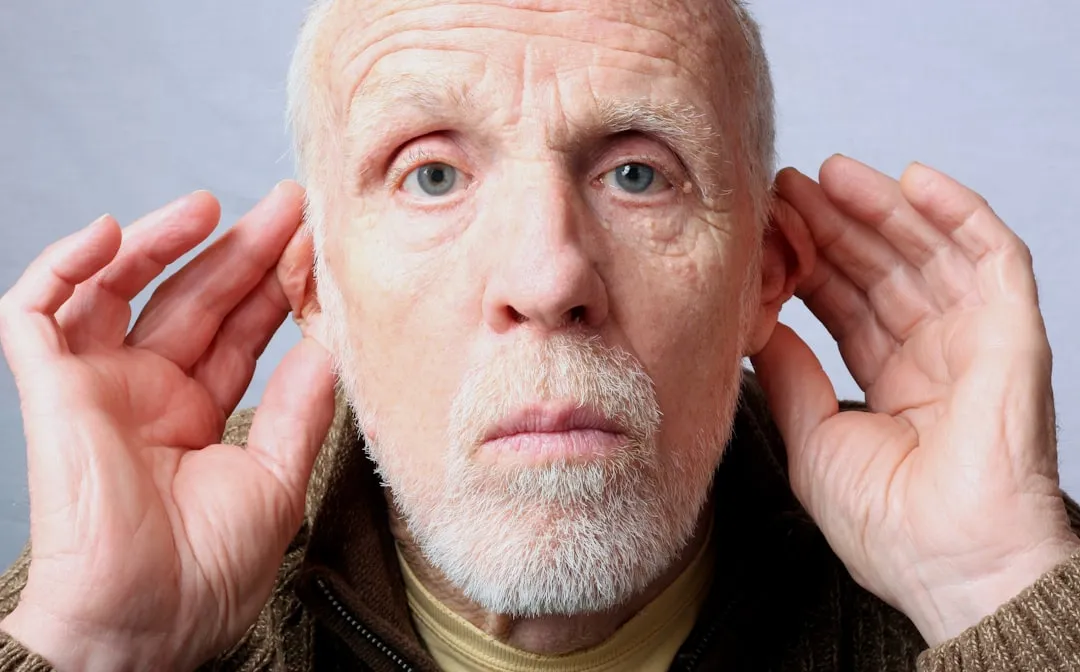
Empathy can be a significant need in our social lives. There are moments when we desperately need it from others, and there are moments when a lack of empathy can cause real damage to our well-being. The published research in the Journal of the American Philosophical Association, released in 2025, specifically frames empathy as something built through listening, describing it in terms of mutual perspective reshaping and bidirectional receptivity. Travel creates the conditions for exactly that, putting two people in front of each other with no shared shortcuts.
Language Barriers Force You to Slow Down
When words fail entirely, you gesture, draw, pantomime, and still connect. Those moments hone emotional intelligence and empathy far better than any structured workshop. There’s something important in that friction. Successfully navigating language barriers and finding your way around somewhere new can build resilience and help us feel more comfortable with uncertainty and ambiguity. That comfort with not-quite-understanding is foundational to patient, open listening.
Perspective Shifts at Home Begin with Encounters Abroad
When you immerse yourself in a new culture, you learn to see the world through a different lens, recognizing the value of diverse experiences and viewpoints. This broadened perspective can reduce biases, foster greater tolerance, and help you connect more deeply with others. You might witness communities thriving despite hardship or traditions preserved against the odds, and you come home seeing your own life and its privileges in sharper focus. That recalibration makes it easier to genuinely hear people whose circumstances differ from your own.
The Listening Habit Travel Builds Is One You Keep
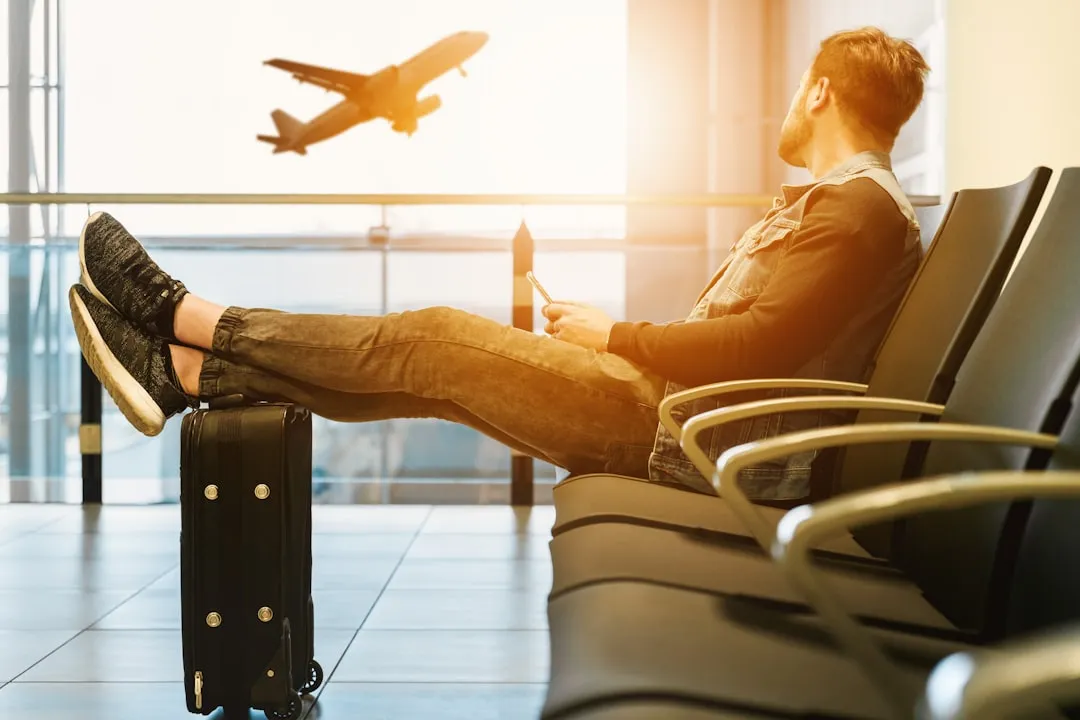
Each successful exchange builds confidence. Asking for directions, bargaining at a market, sharing a laugh with a stranger, every small win expands your social comfort zone and carries into everyday life. Individuals who have spent meaningful time in foreign cultures prove to walk away with an increased understanding of various global lifestyles, regarding cultural norms and intercultural communication. The skill doesn’t expire when you land back home. If anything, the familiar starts to feel more interesting once you’ve trained yourself to look closer.
Conclusion: Curiosity as a Listening Practice
Travel doesn’t automatically make people better listeners. Plenty of tourists move through places without really encountering them. What travel offers, when you let it, is repeated practice at being genuinely uncertain and choosing to stay curious rather than retreating into assumption. That is, in plain terms, what listening actually requires.
Travel is experiential learning in its most immediate form: sensory, emotional, and transformative. In a globalized world, communication skills are among the most valuable a person can develop. The quiet discipline of paying attention across difference is one of the more useful things a person can bring back from any journey.
AI Disclaimer: This article was created with the assistance of AI tools and reviewed by a human editor.