

There’s a ritual that experienced international travelers quietly follow, and it has nothing to do with packing light or arriving early. It happens before the plane lands, sometimes before you even board. It’s the way you fill out, organize, and present your customs declaration, and it’s something officers notice instantly.
Customs lines can run anywhere from a few minutes to well over an hour. The difference between those two outcomes often comes down to preparation, honesty, and a handful of habits that seasoned travelers have quietly adopted. Here’s what actually moves the line.
Fill Out Your Declaration Form Before You Land
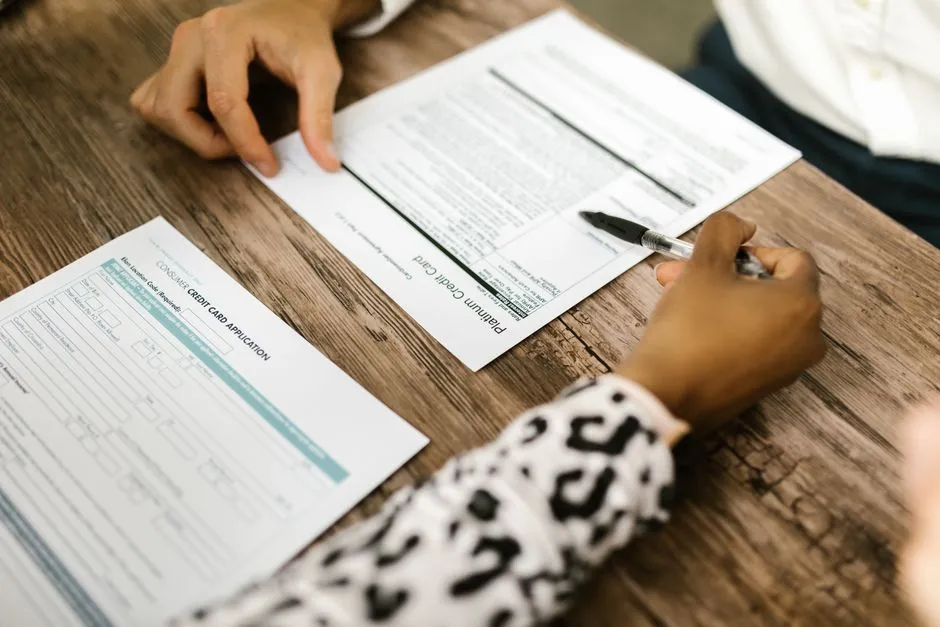
The customs process officially starts while you’re still on the flight, with a declaration form, before the official clearance happens at your destination. That’s not an accident. Officers want you to have had time to think clearly and answer honestly, not scramble while shuffling luggage at the counter.
Regardless of the forms required, having them completed before you step foot in the customs line is essential. Studies show that having your paperwork in order can reduce processing time by up to roughly a third. A completed form signals to an officer that you’re prepared and paying attention.
Declare Everything, Even If You Think It’s Fine

Truthfully declaring everything you are bringing from abroad, including duty-free items, is required by U.S. Customs and Border Protection. Officers consistently say that the declaration habit that speeds people through isn’t a trick. It’s simply declaring everything rather than editing what you think matters.
Never assume any food item is too trivial to declare. Even a free apple from the airplane, if undeclared, can result in a hefty fine. Declared agricultural items found to be prohibited can simply be abandoned at the port of entry. Undeclared prohibited items, however, will be confiscated and can result in a civil penalty. The distinction is stark, and officers enforce it consistently.
Always Declare Food, No Matter How Small
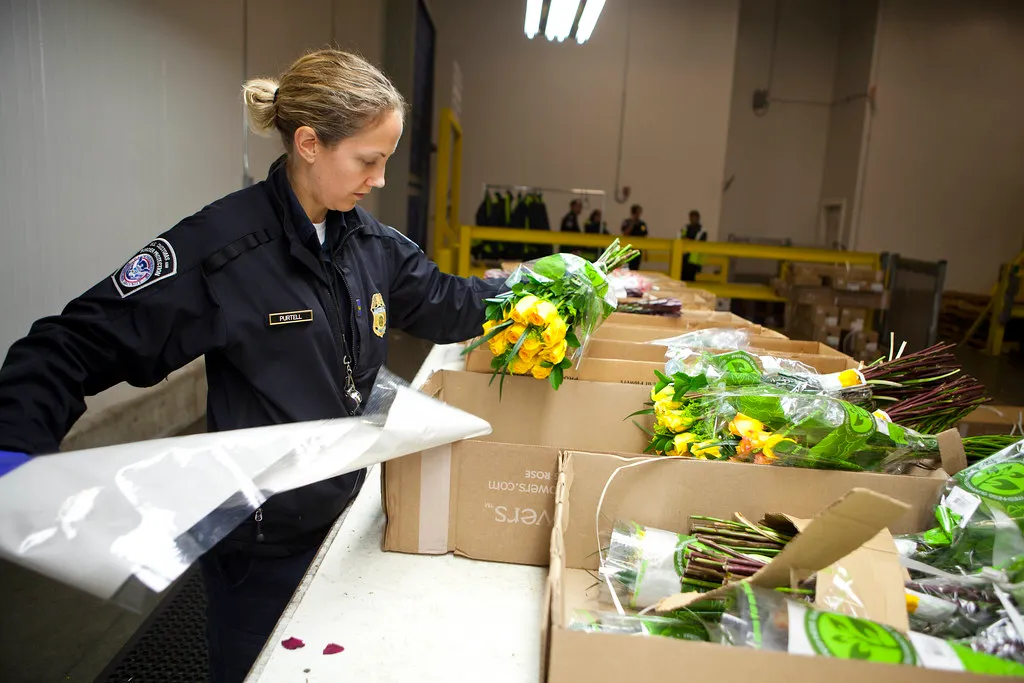
U.S. Customs and Border Protection prohibits nearly all fresh fruits, vegetables, meats, and dairy products when entering the country. Always declare every food item on CBP Form 6059B, as failure to do so can result in fines up to $10,000 per violation.
In March 2025 alone, CBP agriculture specialists issued over 8,000 warnings and 733 fines for undeclared or prohibited agricultural products. Travelers face fines from $300 to $1,000 for failing to declare restricted farm items. Agriculture canines are specifically trained to detect agricultural items, which means concealment rarely works. Declaring a questionable snack takes seconds. Secondary screening takes much longer.
Declare Gifts, Medications, and High-Value Purchases

Gifts you bring back for personal use must be declared, and you may include them in your personal exemption. This includes gifts people gave you while you were abroad and gifts you have brought back for others.
Travelers must declare all medicine and similar products when entering the United States. Prescription medications should be in their original containers with the doctor’s prescription printed on the container. Travelers are advised to carry no more than a 90-day supply. Missing any of these categories, even innocently, is one of the most common reasons officers pull travelers aside for a longer inspection.
Declare Large Sums of Currency

Carrying more than $10,000? You must declare it. This includes U.S. or foreign cash, traveler’s checks, money orders, and certain negotiable instruments. Failure to declare can result in seizure and civil or criminal penalties.
The threshold is not per person, which is a point many travelers misunderstand. It applies to the total amount being transported. Declaring it doesn’t mean you pay a tax. It simply means the funds are documented, and you walk through without delay. Attempting to hide cash is treated as a much more serious matter.
Use the Mobile Passport Control App
The Mobile Passport Control app significantly reduces wait time by letting travelers complete their customs declaration before arrival. The dedicated MPC lanes at airports tend to have shorter queues, further speeding up passage.
Mobile Passport Control is a free app from U.S. Customs and Border Protection that helps eligible travelers move through customs more efficiently when returning to the United States. Before arriving, travelers can use the app to submit their passport information, answer customs-related questions, and receive a digital receipt. As of April 2026, MPC was deployed for eligible pedestrians at select land border crossings, with more locations rolling out throughout 2026.
Consider Enrolling in Global Entry
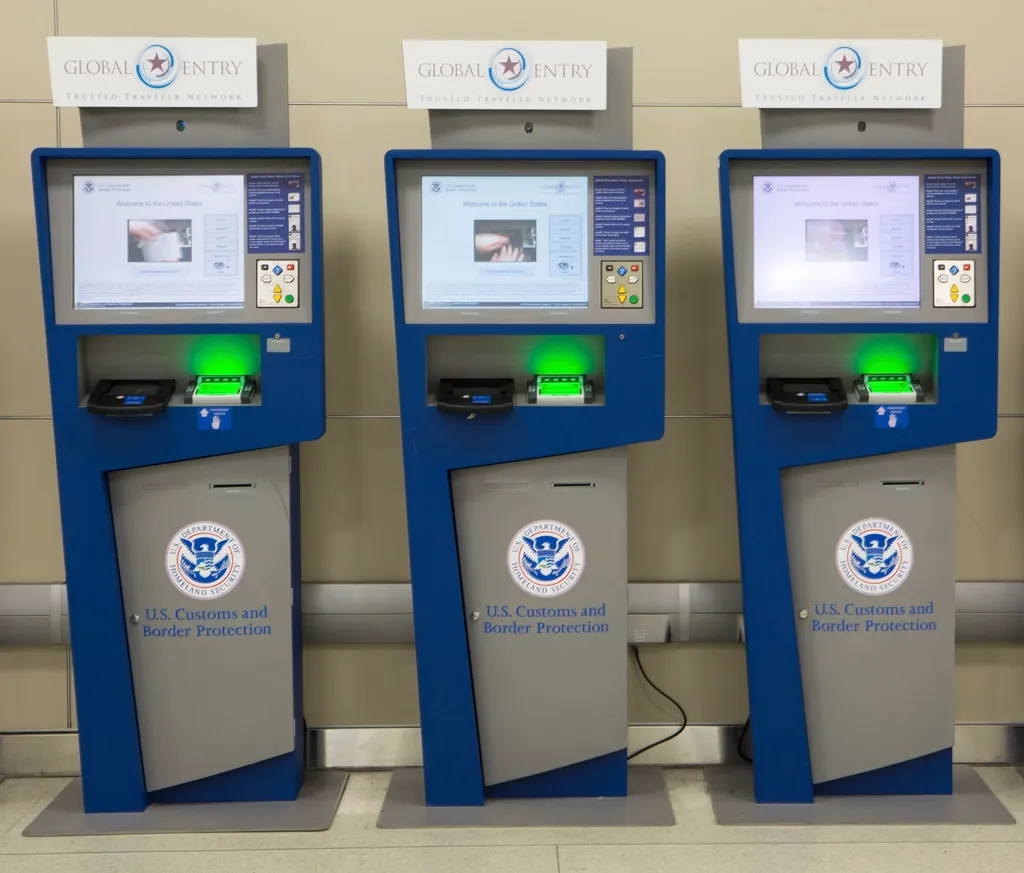
Global Entry is a U.S. Customs and Border Protection program for pre-approved, low-risk travelers. Applicants complete an online application, undergo a background check, and attend a short in-person interview. Once approved, travelers can use Global Entry processing at many U.S. airports when returning from international travel.
Today, many airports use biometric facial recognition to verify identity almost instantly, making the process even faster. Another major advantage is that Global Entry includes TSA PreCheck, which can also save time when departing from U.S. airports. As of 2024, Global Entry kiosks are available at 77 airports. For frequent international travelers, it remains one of the most practical tools available.
Know the Difference Between Prohibited and Restricted Items
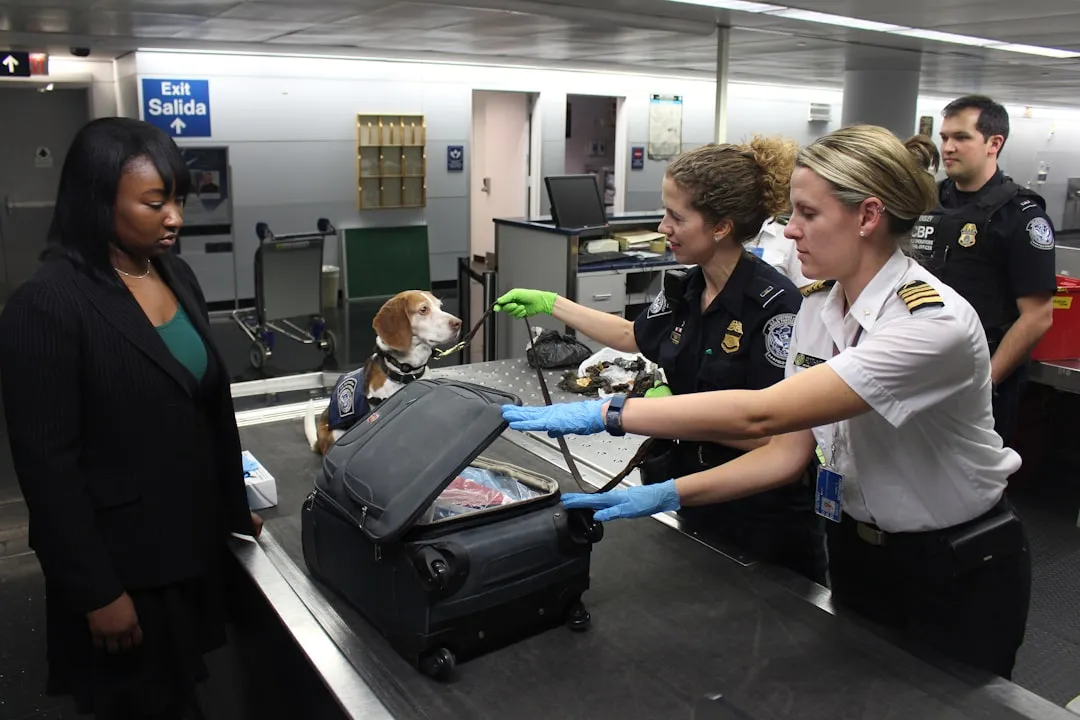
Knowing the difference between prohibited merchandise, which is forbidden by law from entering the U.S., and restricted merchandise, which are items needing a special permit to be allowed in, is essential. The CBP website provides a detailed breakdown in its Restricted and Prohibited section.
This matters more than people realize. An item that is merely restricted might pass through once properly documented, while a prohibited item will be confiscated regardless. Researching this before travel, not at the customs counter, is what separates a smooth crossing from an extended one. By declaring restricted items, you allow the USDA to inspect and determine if they are allowed to enter.
Keep Documents Accessible and Organized
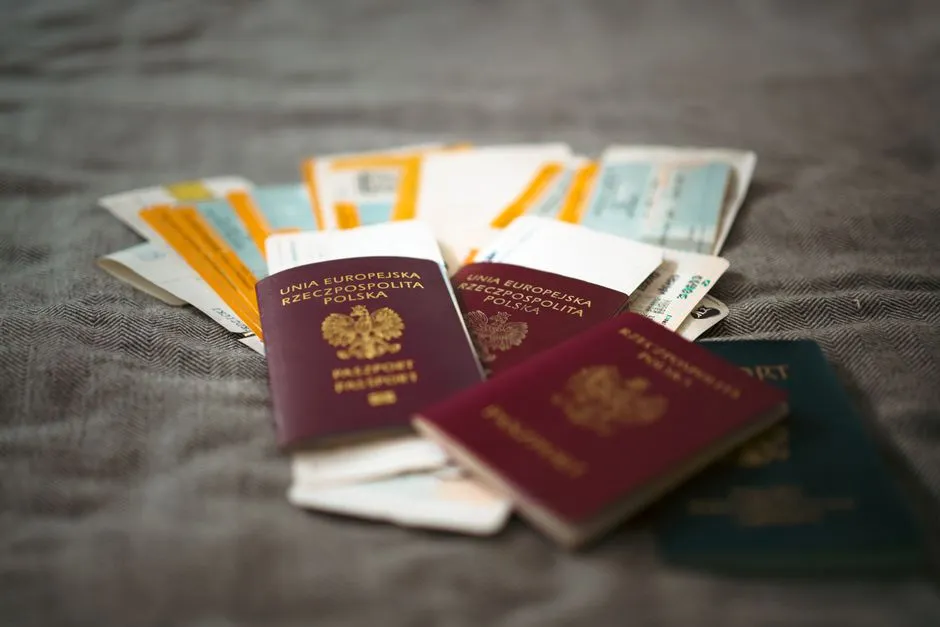
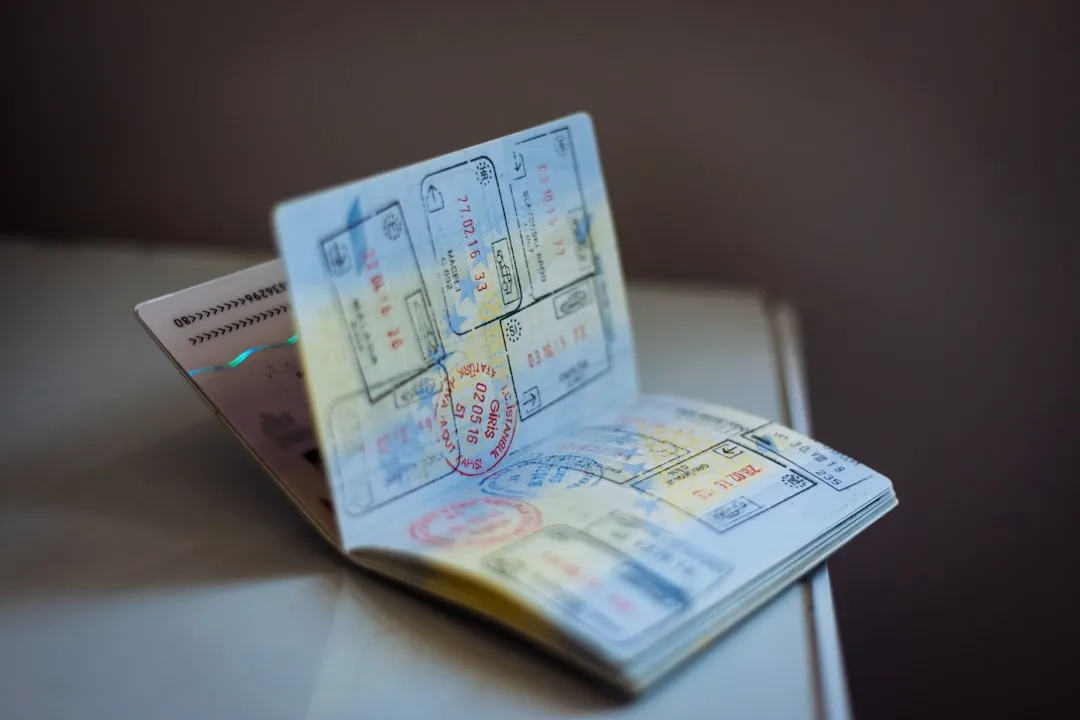
Gathering all essential documents, including visas, vaccination records, and completed declaration forms, and keeping them in an easily accessible folder means things keep moving if an official asks for extra paperwork. This is a small habit that makes a real difference when there’s a line of people behind you.
At some point during the customs process, you will be asked to provide the necessary documentation, whether it be a customs declaration or some type of immigration form, and your passport will also be required. Having everything at the top of your bag, not buried at the bottom, signals readiness to the officer before you even speak.
Understand What Penalties Are at Stake for Non-Declaration
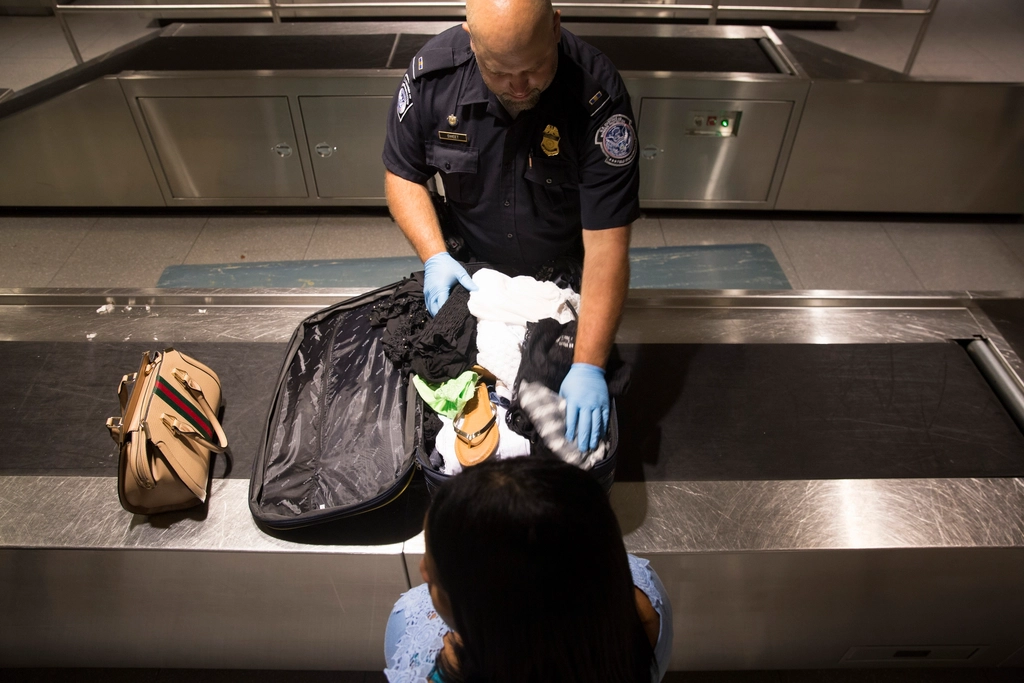
CBP conducted over 661 positive passenger inspections in September 2024 alone and issued nearly 97,643 civil penalties and violations to the traveling public for failing to declare. These numbers reflect how seriously agencies take the declaration requirement, and how frequently travelers underestimate it.
For Global Entry members, the consequences extend beyond fines. CBP explicitly warns that failure to declare food products can result in up to $10,000 in fines and dismissal from the Global Entry program. A customs violation can get membership in programs such as Global Entry, NEXUS, SENTRI, or TSA PreCheck revoked. CBP has pulled Global Entry status from travelers caught with undeclared merchandise, treating it as a breach of the trust that expedited programs are built on. The speed you worked to gain can disappear with one overlooked item.
The Takeaway
The declaration habit that speeds you through customs isn’t a loophole or a secret travelers club. It’s a commitment to completing your form accurately, declaring everything honestly, and arriving at the counter prepared rather than apologetic. Officers process hundreds of travelers a day and can read hesitation quickly. The travelers who move through fastest are rarely the most charming or well-dressed. They’re the ones who handed over a complete, truthful form before the conversation even started.
AI Disclaimer: This article was created with the assistance of AI tools and reviewed by a human editor.