
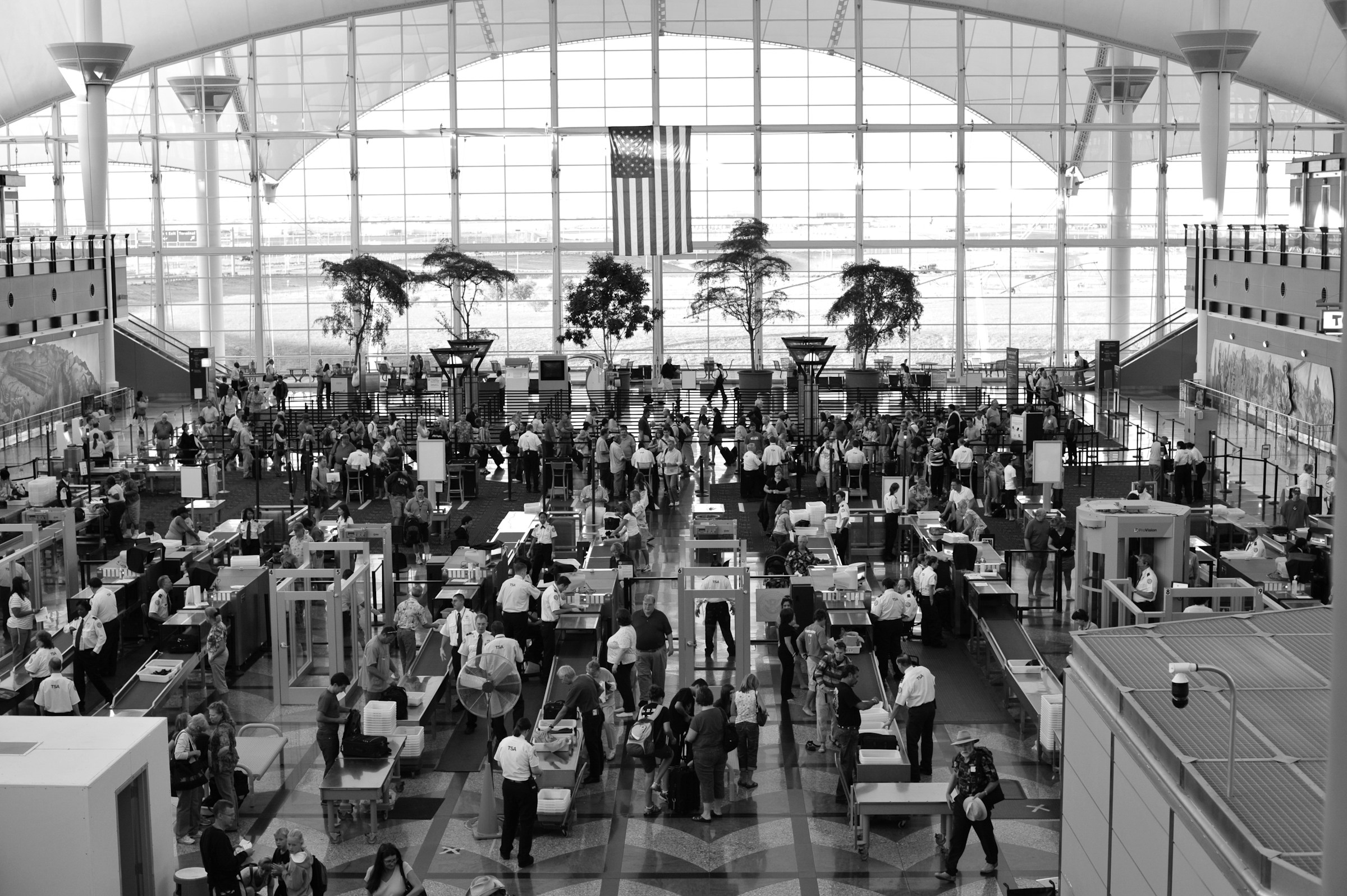

Fresh Fruit and Vegetables: The Everyday Offender
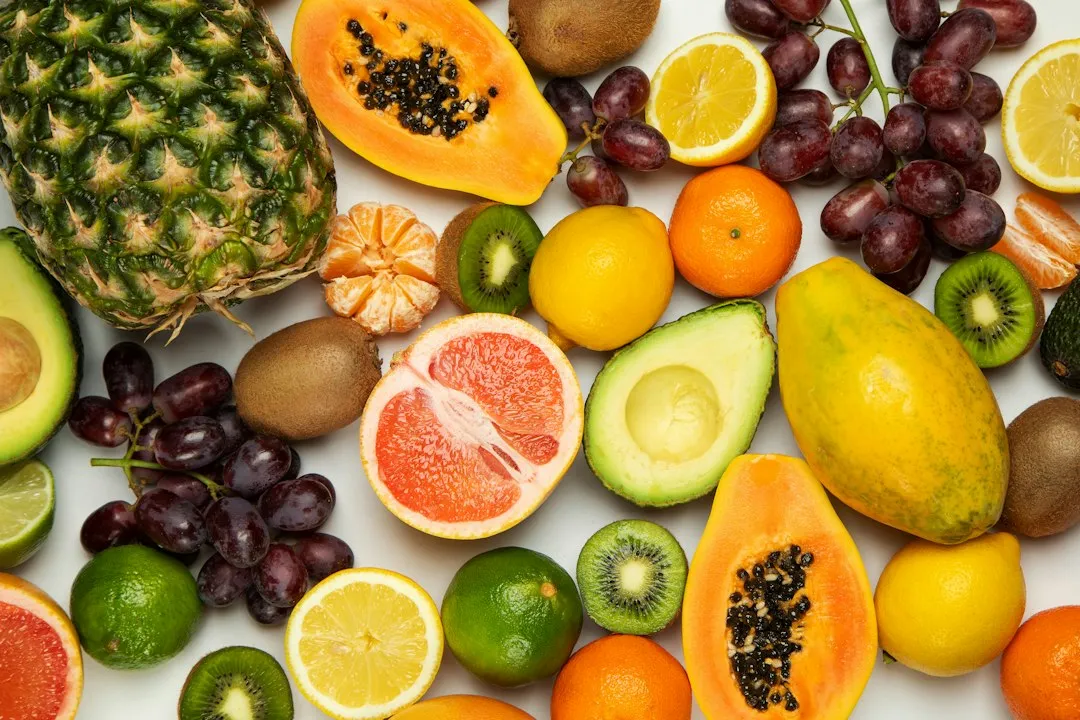
Of all the items stopped at the border, fresh produce is by far the most routine. On any given day, CBP agriculture specialists encounter more than 3,200 items, including plant material, meat, animal byproducts, and soil, that must be subject to agriculture quarantine. Fruit tends to top that list simply because travelers often don’t think of a mango or a handful of lychees as a regulated item.
A single piece of fruit can carry pests that devastate crops. That’s not an exaggeration for effect; it’s a genuine biosecurity concern that informs everything customs agriculture officers do. Each traveler could be carrying something that could introduce a plant pathogen or an animal disease that could have a significant impact on American livestock, crops, natural resources, and even human health.
In August 2024 alone, CBP conducted 113,134 positive passenger inspections and issued 849 civil penalties for failing to declare prohibited agriculture items. Those numbers are roughly consistent month to month, making undeclared produce the single most persistent category of border confiscation.
Meat Products: The Deceptively Dangerous Souvenir
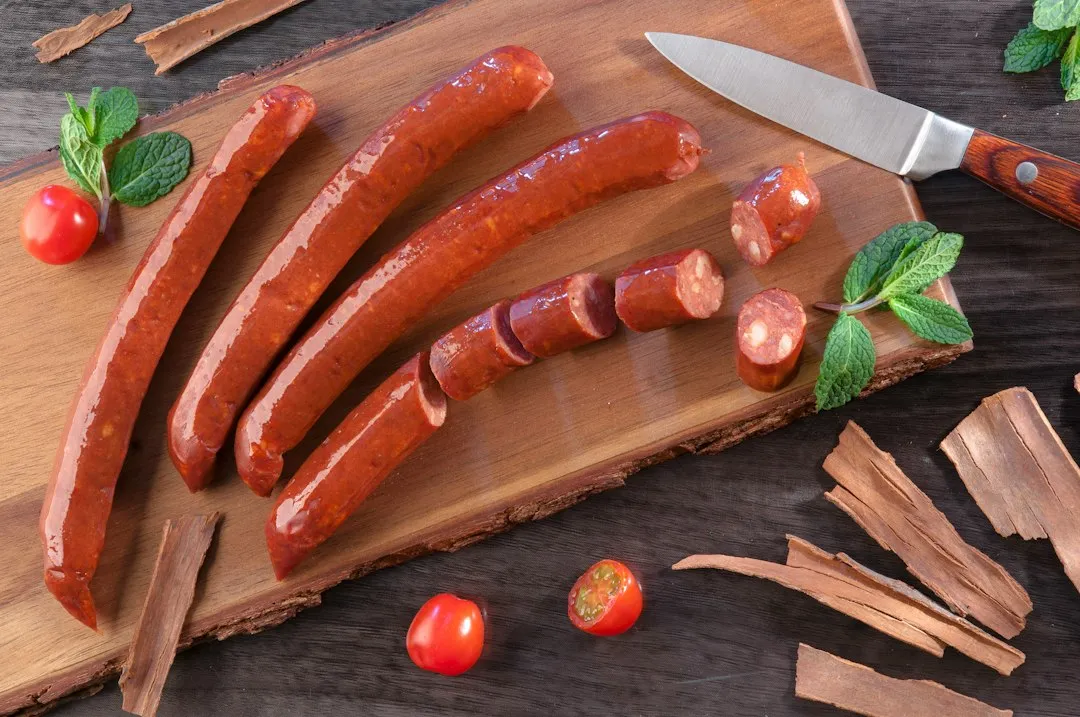
Meat products such as pork legs often harbor diseases like African Swine Fever even when packaged or cured. Travelers regularly try to bring home cured sausages, jerky, or dried meats as gifts, assuming that packaging or cooking makes them safe to transport internationally. Customs officers know otherwise.
Fresh produce, meats, and dairy products are strictly prohibited to prevent agricultural pests and diseases. The rules apply even to items purchased at duty-free airport stores before departure. Even duty-free airport purchases can be confiscated if they contain restricted ingredients, meaning that expensive truffle cheese bought at the airport might not make it past agricultural inspection.
Raw Milk Cheese: A Particular Problem at the Southern Border
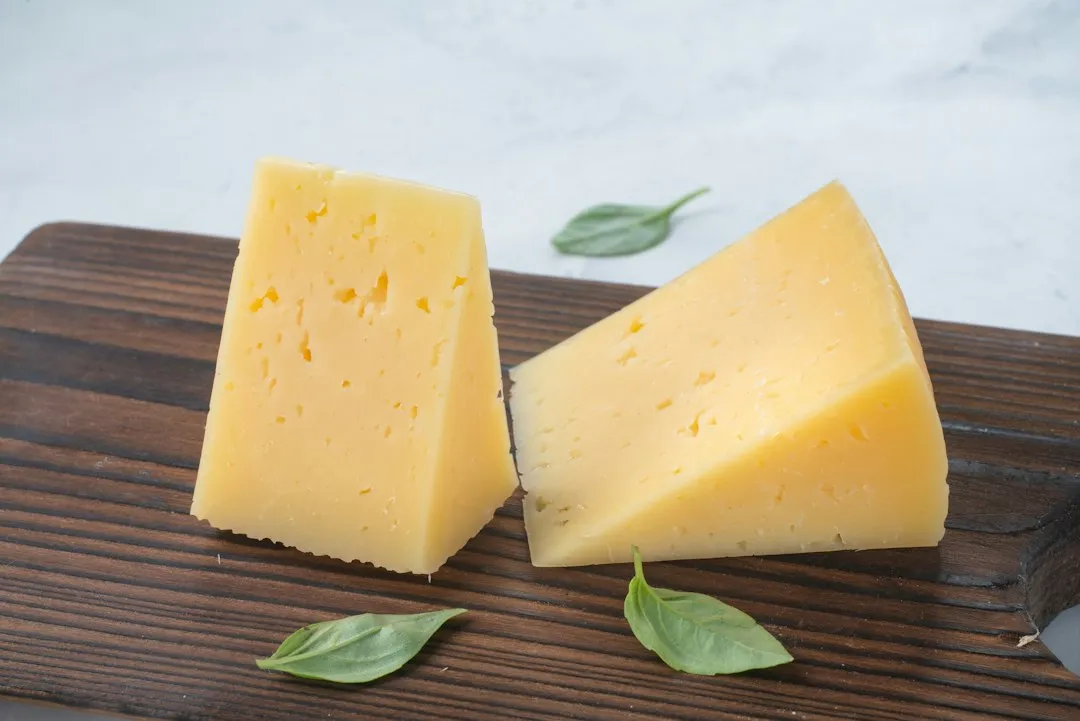
Raw milk cheese consistently tops the list of seized agricultural goods at San Diego’s border crossing, underscoring the ongoing diligence of Customs and Border Protection. Visitors crossing from Mexico frequently carry handmade cheeses that are beloved locally but prohibited under U.S. import rules due to pasteurization requirements.
The issue isn’t about the quality or origin of the cheese. It’s about pathogen risk. Unpasteurized dairy products can carry bacteria including Listeria and Salmonella, and CBP agriculture specialists treat every undeclared dairy item as a potential public health concern, regardless of how it’s packaged or presented.
Counterfeit Designer Goods: The Billion-Dollar Seizure Category
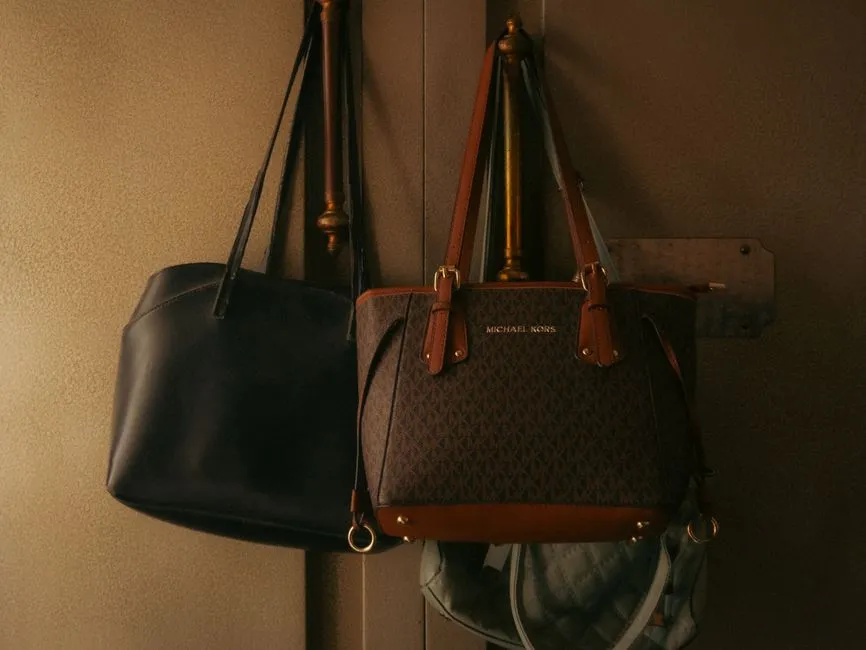
The counterfeit trade is growing rapidly, with U.S. Customs seizing nearly $5 billion worth of counterfeit luxury, fashion, and footwear products in 2024. For travelers, this often involves a handbag, a pair of sunglasses, or a watch replica picked up at a market abroad and packed away with souvenirs. The item might look convincing, but customs officers are trained specifically to spot it.
CBP agencies have been increasingly finding large quantities of counterfeit designer handbags originating from Turkey, with seizures in locations like Philadelphia and Atlanta resulting in confiscations of nearly $317,000 worth of goods in a single incident. Even personal-use quantities are not automatically exempt. Even if an item is purchased for personal use, customs officials may confiscate it if they suspect the goods are counterfeit.
Ivory and Wildlife-Based Jewelry

Many tourists bring back corals, seashells, items made of ivory, turtle shells, or other natural materials from their vacations, and it is precisely these souvenirs that often fall under international conservation restrictions, even if they were purchased at a regular store. A bracelet or a carved figurine might look entirely innocent sitting on a market table in Southeast Asia or East Africa.
Certain species of coral, marine animals, and plants are protected under international law, and special permits are often required to export them. Without those permits, customs officials may confiscate the purchase and hold the tourist accountable. The U.S. Fish and Wildlife Service enforces these rules in coordination with CBP at ports of entry, and penalties can be serious.
The Convention on International Trade in Endangered Species (CITES) protects more than 41,000 species of animals and plants to ensure that international trade is legal and biologically sustainable. Travelers who unknowingly carry ivory jewelry or a coral trinket across the border are technically in violation of those protections regardless of their intent.
Plants and Bonsai Trees: Small but Risky

Seemingly harmless items like a small bonsai tree or a carved piece of wood may carry soil-borne insects or fungi that threaten native forests. A bonsai purchased from a reputable Japanese garden shop is a beautiful thing, but to a CBP agriculture specialist, that pot of soil represents a potential vector for invasive pests. The plant itself may be perfectly healthy. What’s living in its roots may not be.
Any food, plant, or animal product brought into the country must be declared, including fresh fruits and vegetables, meats, cheeses, seeds, nuts, soil, plants, cut flowers, and even wooden souvenirs or items made from straw. Many travelers are genuinely surprised to learn that even a small cutting or a bundle of dried herbs falls under these requirements.
Cuban Cigars and Tobacco: A Persistent Grey Area

It is estimated that roughly 10,000 packages of Cuban cigars are sent to the United States each month via mail, with New York and Los Angeles being primary points of entry. The rules around Cuban cigars have shifted over the years, and some travelers still arrive with outdated assumptions about what’s allowed. U.S. travelers who purchased them abroad sometimes don’t realize that quantity limits and declaration requirements still apply.
Tobacco in general is a frequently flagged souvenir category. Travelers often bring back cigars or cigarettes as souvenirs, and people have lost tens of thousands of dollars through seizures by failing to check the declaration box on the customs form. It’s a costly oversight for something that could have been declared with no drama at all.
Cultural Artifacts and Ancient Items
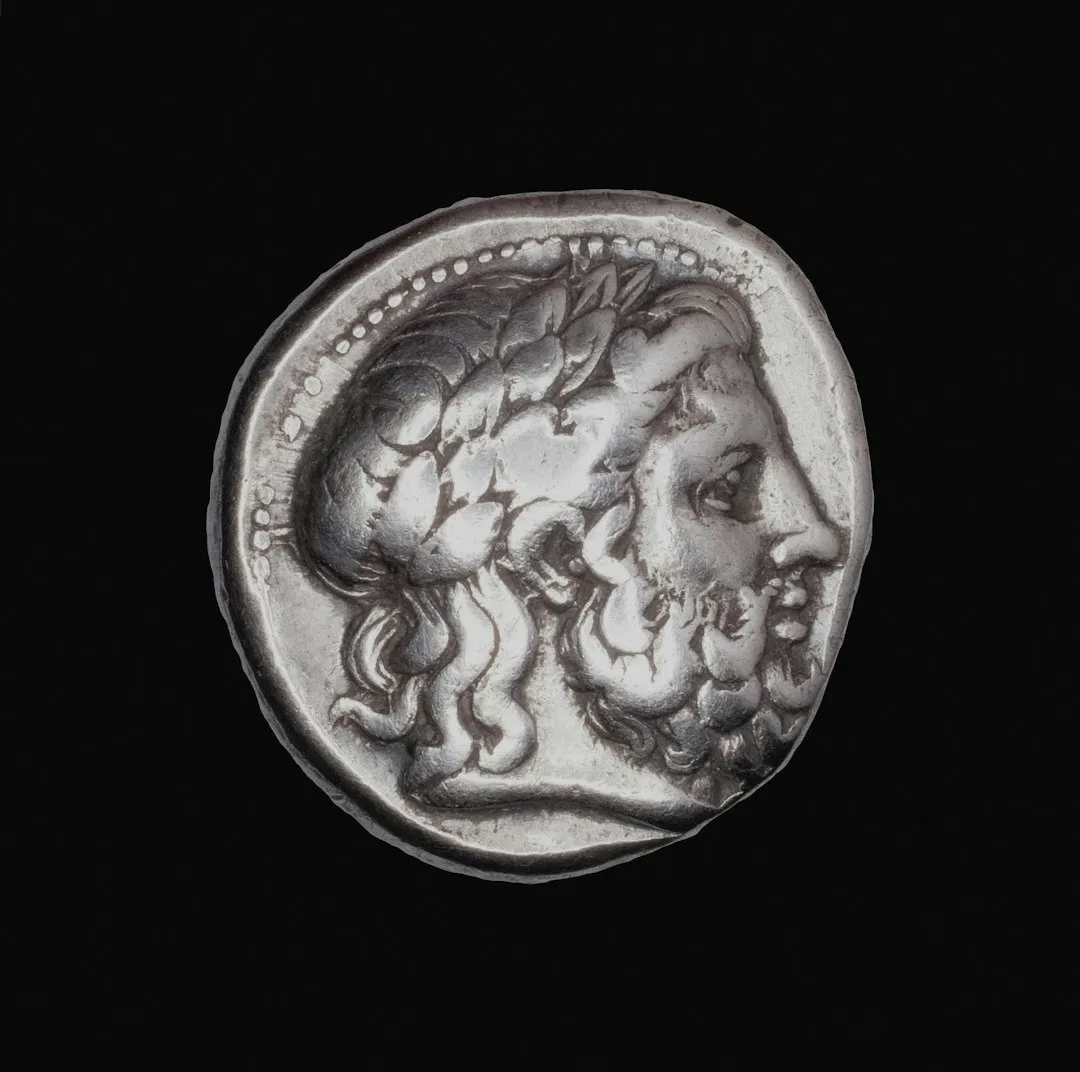
Cultural artifacts, from pottery fragments to ancient coins, may be confiscated if the traveler cannot prove they were legally acquired. This is a category where good intentions are particularly irrelevant to the outcome. A traveler who picks up a pottery shard from an archaeological site thinking it’s just a souvenir can face serious legal consequences at the border.
Many countries have strict laws about the export of antiquities, and even if an item slips past those controls at the source, CBP can seize it on the American side. Documentation of legal purchase and export authorization from the country of origin is essential for anything that looks historically significant, and “I found it on the ground” is not a legal defense.
Absinthe and Mislabeled Alcohol
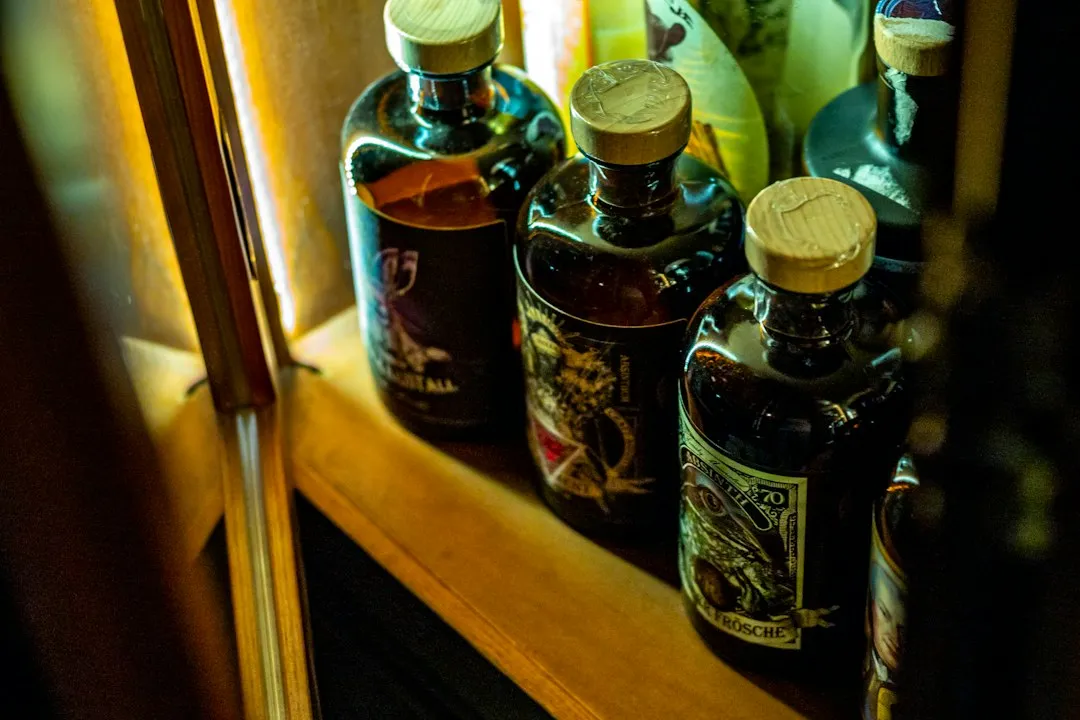
Items such as absinthe are restricted based on labeling and wormwood content, and bottles purchased abroad frequently fail to meet U.S. or Canadian import standards. A bottle of absinthe bought in Prague or Paris might be perfectly legal where it was sold, but if the thujone content exceeds the U.S. limit, or if the labeling doesn’t meet FDA requirements, it gets pulled at the border.
Alcohol more broadly is a common source of customs friction. Trying to sneak in extra bottles without declaring them can result in seizure of the bottles and fines, so travelers who return with a case of wine from a foreign winery are better off being upfront about it, as duties are often not as steep as people assume.
The Financial Stakes: Fines That Dwarf the Souvenir’s Value
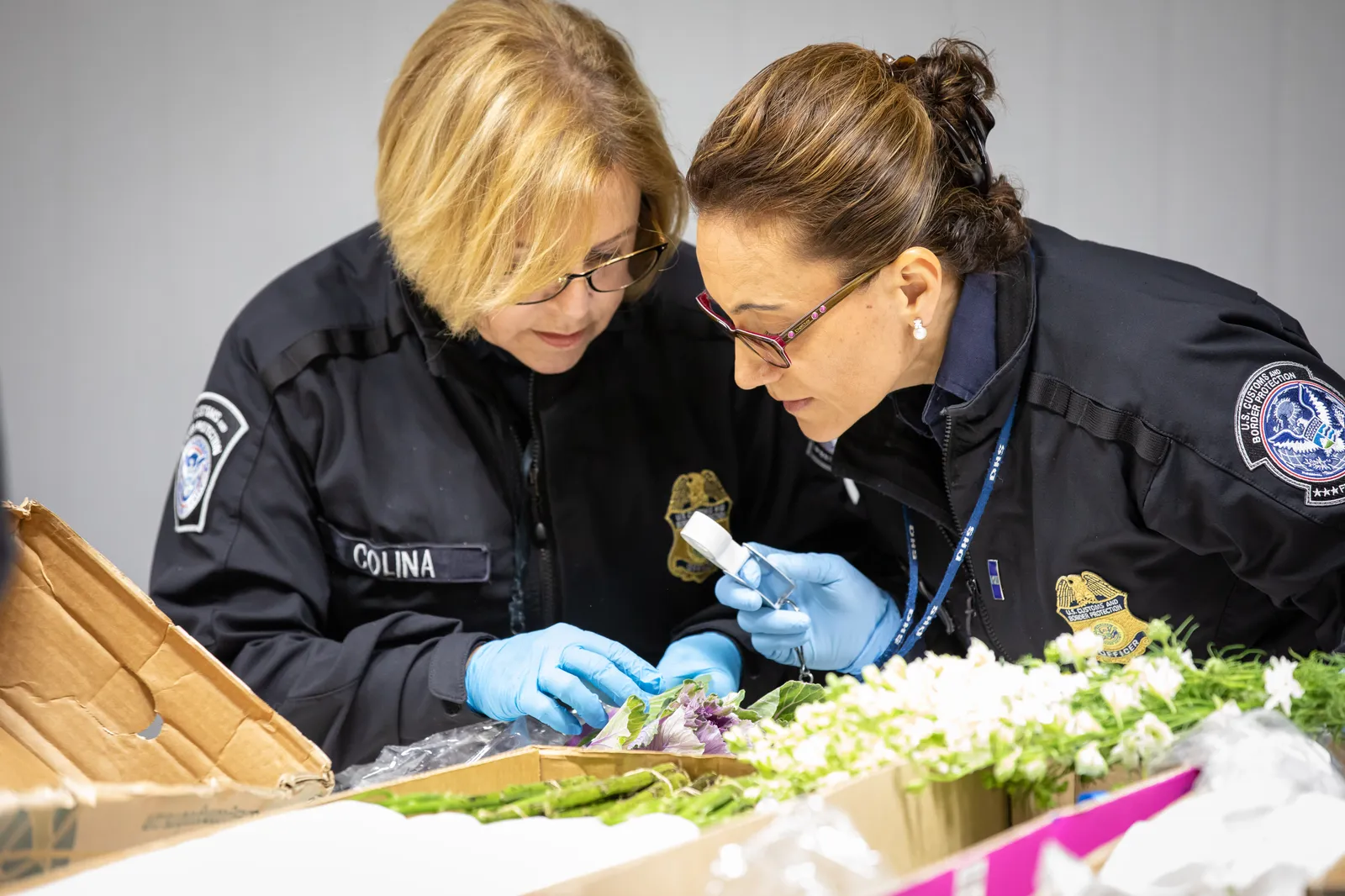
Some seemingly harmless souvenirs can lead to fines of up to $10,000 at U.S. Customs when carried across an international border. That number isn’t theoretical. It applies to travelers who fail to declare restricted items, even when there was no intent to smuggle. The customs declaration form exists precisely to give travelers a legal path to transparency, and skipping it has real financial consequences.
In fiscal year 2024, more than 8,000 people received agriculture penalties at the border. That is a tiny percentage of the 2.7 million passengers subject to agriculture inspection, but the threats are real and the rules are clear. The CBP’s position has always been that the burden of knowledge falls on the traveler, not the officer.
Prohibited items that are not declared by passengers are confiscated and disposed of by CBP agriculture specialists. There is no negotiation at the checkpoint, and there’s rarely a second chance once an officer has made a determination. The simplest way to avoid losing a treasured souvenir is to research import rules before purchasing it abroad, not at the airport on the way home.
The Takeaway
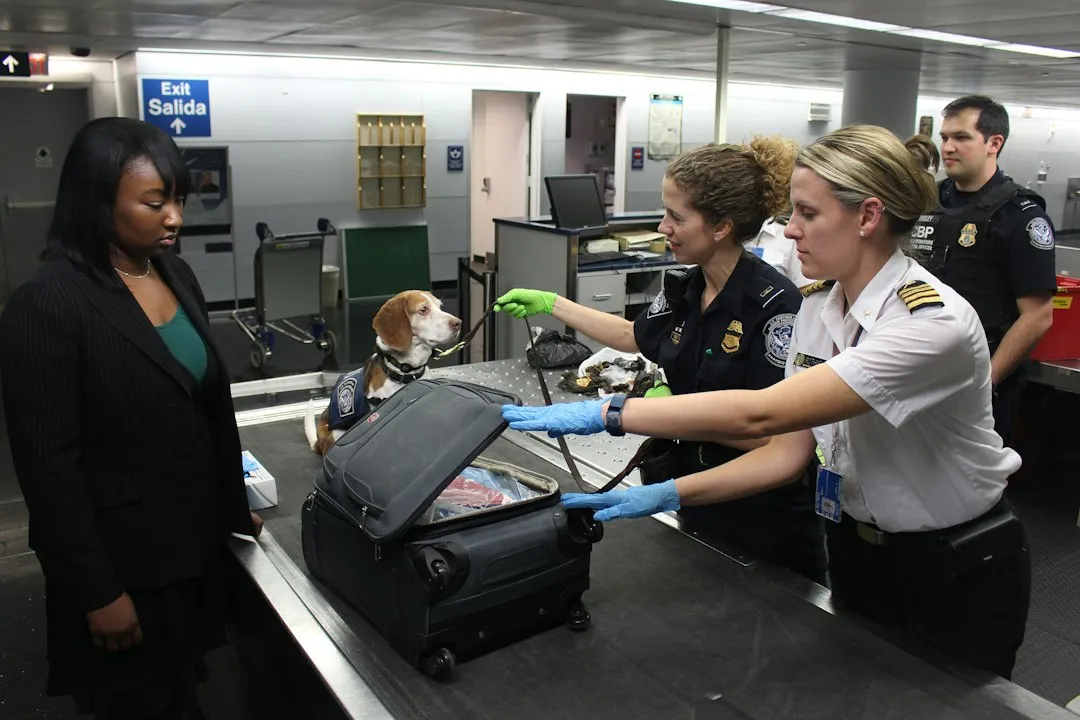
Customs confiscations are not primarily about catching smugglers. They’re about maintaining the kind of careful border management that protects ecosystems, food systems, and public health at scale. For customs agencies, the goal is not to punish travelers but to prevent environmental, cultural, and safety risks from crossing borders.
The most confiscated souvenir isn’t exotic or dramatic. It’s the mango tucked into a carry-on, the wrapped sausage packed as a gift, the cheese brought home with the best intentions. Just because an item is sold in a souvenir shop or at a local market doesn’t mean it’s allowed to be transported across an international border, and the fact that an item is legally sold in a destination country does not mean it can be freely imported into another.
A little research before you pack goes further than any customs declaration form. Know what you’re carrying, declare what you have, and when in doubt, leave it at the market.
AI Disclaimer: This article was created with the assistance of AI tools and reviewed by a human editor.