
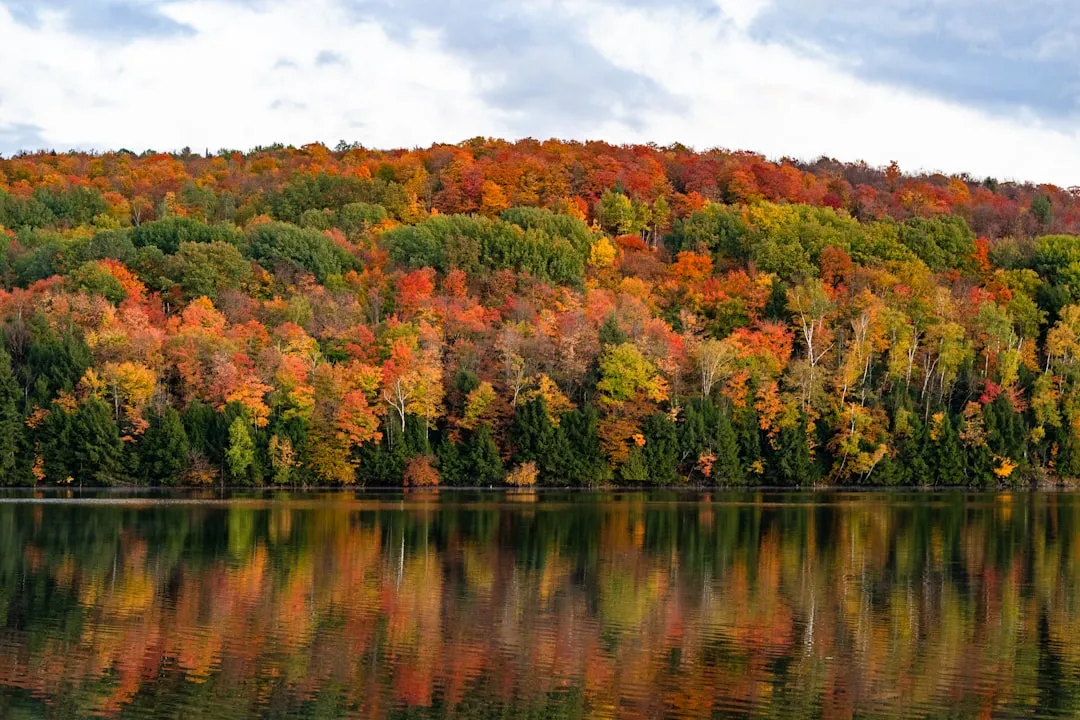

There’s a moment, somewhere on a quiet Vermont back road, when you stop pedaling and just listen. Cows move slowly across a hillside pasture. A brook runs under the wooden frame of a covered bridge just ahead. The only traffic is a farmer’s tractor two fields over. This is why people come to cycle in Vermont, and why they keep coming back.
Vermont packs an extraordinary density of landscape, history, and working agriculture into a small state. For cyclists, that density translates into routes where you can pass a 19th-century wooden bridge, skirt the edge of a dairy operation, and descend into a village for a wedge of local cheddar, all within the same afternoon ride.
Vermont’s Covered Bridges: A Record That Stands Alone
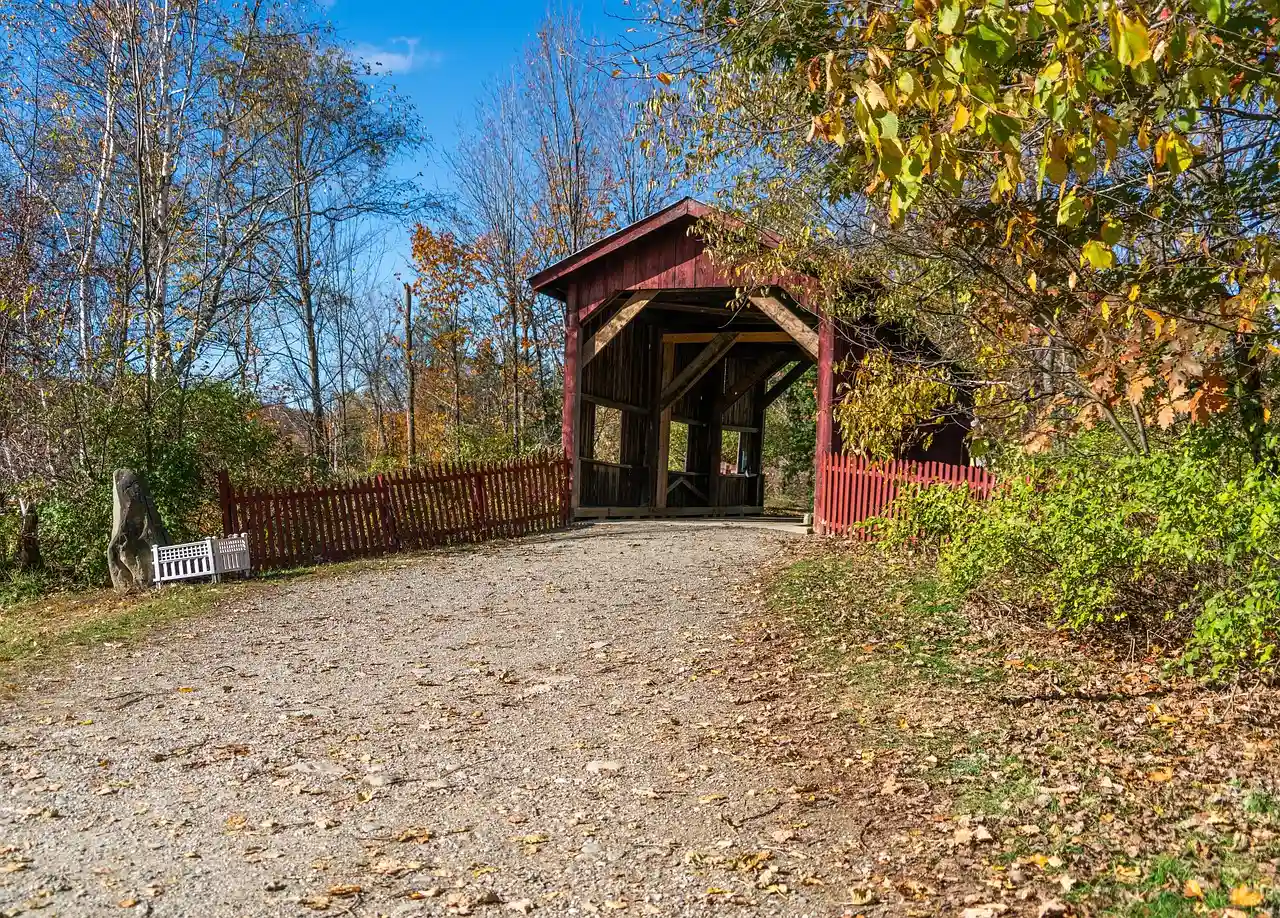
There are just over 100 authentic covered bridges in Vermont, giving the state both the highest number of covered bridges per square mile and per capita in the United States, as well as in North America overall. That’s a remarkable claim for a state this small, and it’s one that cyclists can experience directly rather than reading about in a brochure. There is approximately one covered bridge every 92 square miles in Vermont, and one per every 6,172 of its residents, which means you’re rarely far from one when you’re out on the road.
During the 19th century the number of covered bridges in Vermont reached over 700. The horrendous flooding of 1927 destroyed approximately 100 covered bridges. What survived is now treated as a shared cultural inheritance. Ninety of those covered bridges have been listed in the National Register of Historic Places.
Why the Bridges Were Built This Way
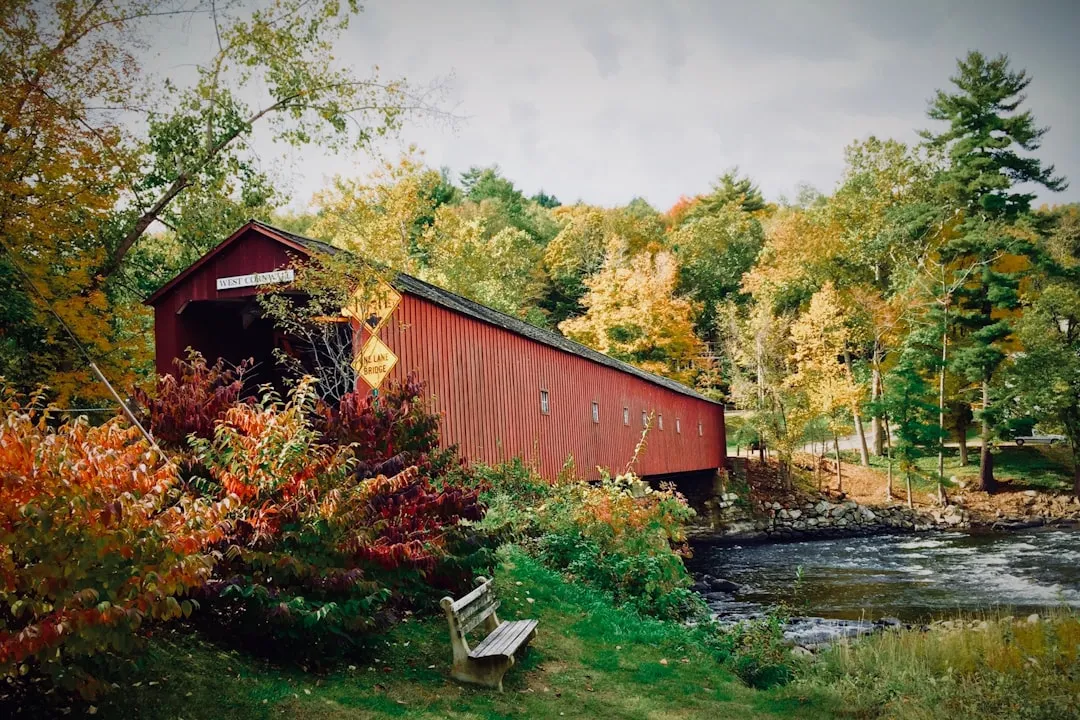
The primary purpose of the roof is to protect the structural timbers from the ravages of weather. It sounds almost too simple, but that single design choice is why so many of these structures are still standing today. The walls and roof provided the necessary security to calm animals crossing rushing waters, which scared livestock and caused stampeding, which made them particularly useful on a farming landscape like Vermont’s.
Most covered bridges in Vermont are made with local timber and adhere to vernacular adaptations of historically popular construction practices, so no two of them are exactly alike. The designs vary, from the classic Town Lattice and Burr Arch to the more intricate Paddleford Truss, showcasing a range of engineering marvels. Cycling through them one by one, you notice these differences in a way a car windshield never quite allows.
The Town of Montgomery: A Cluster Worth Planning Around
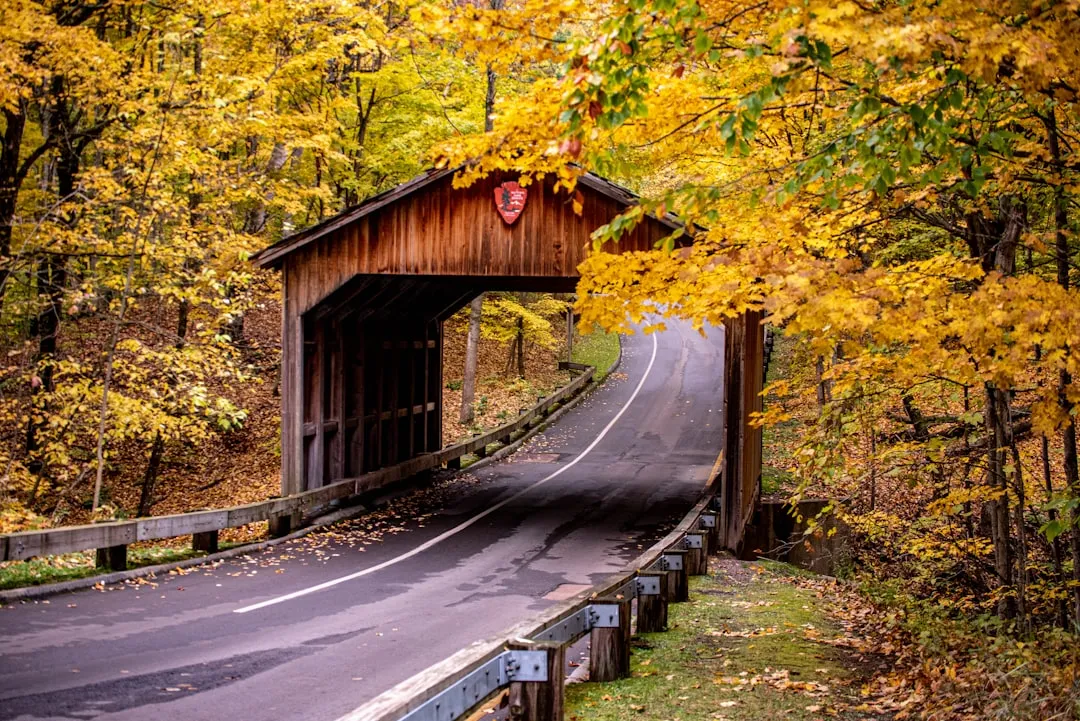
Montgomery possesses the most covered bridges of any municipality in Vermont, with seven. That makes it one of the most rewarding starting points for a cycling day built around bridge-hunting specifically. Perhaps the best place to start a covered bridge tour is the state’s “covered bridge capital,” Montgomery, a small northern Vermont town that champions its bridges.
Other towns with high concentrations of bridges are Bennington, Lyndon, Rockingham, Northfield, and the aptly named Tunbridge, all of which have five. Northfield additionally boasts the only road in the United States carried over three distinct 19th-century covered bridges, as well as the only place where two can be observed from the same point, the upper, middle, and lower Cox Brook Road bridges. It’s a genuinely rare thing to see, and worth adding the extra miles.
The Cornish-Windsor Bridge: The Longest Wooden Bridge in America
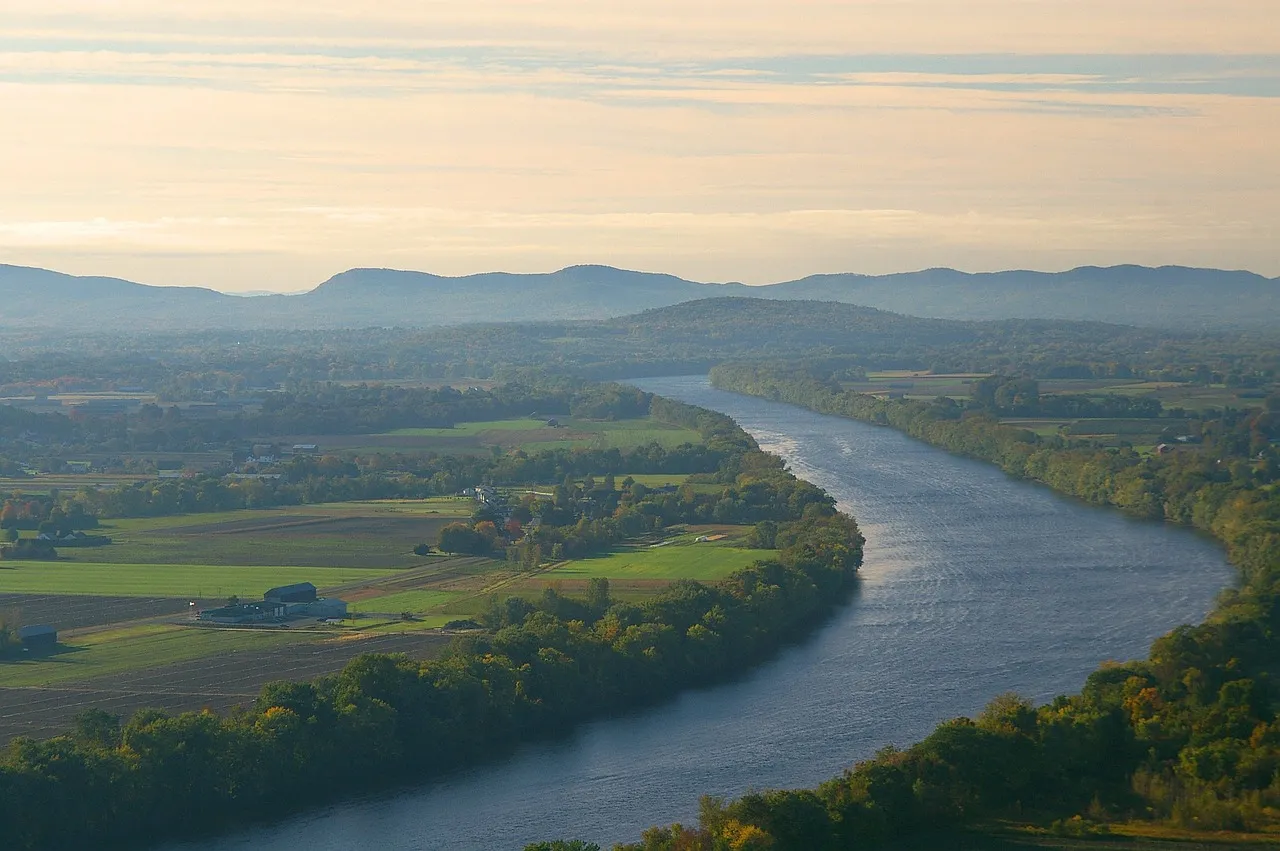
Among Vermont’s covered bridges is the Cornish-Windsor Covered Bridge that spans the Connecticut River between Windsor, Vermont, and Cornish, New Hampshire. At 460 feet, it is the longest two-span covered bridge in the world and the longest wooden bridge in the United States. Cycling across it on a clear morning, with the river running wide beneath the floorboards, is a genuine experience. At nearly 150 years old, the Cornish-Windsor Bridge survived Tropical Storm Irene in 2011, which damaged or swept away other covered bridges in Vermont and elsewhere in the Northeast.
The Big Eddy Bridge in Waitsfield was built in 1833 and restored in 1975. It is the oldest operating covered bridge in the state and has the longest clear span of any Burr truss bridge in Vermont. Bridges like this one sit close to farm roads and pastures, often with a dairy operation visible just across the field.
Vermont’s Dairy Farms: A $5.4 Billion Landscape
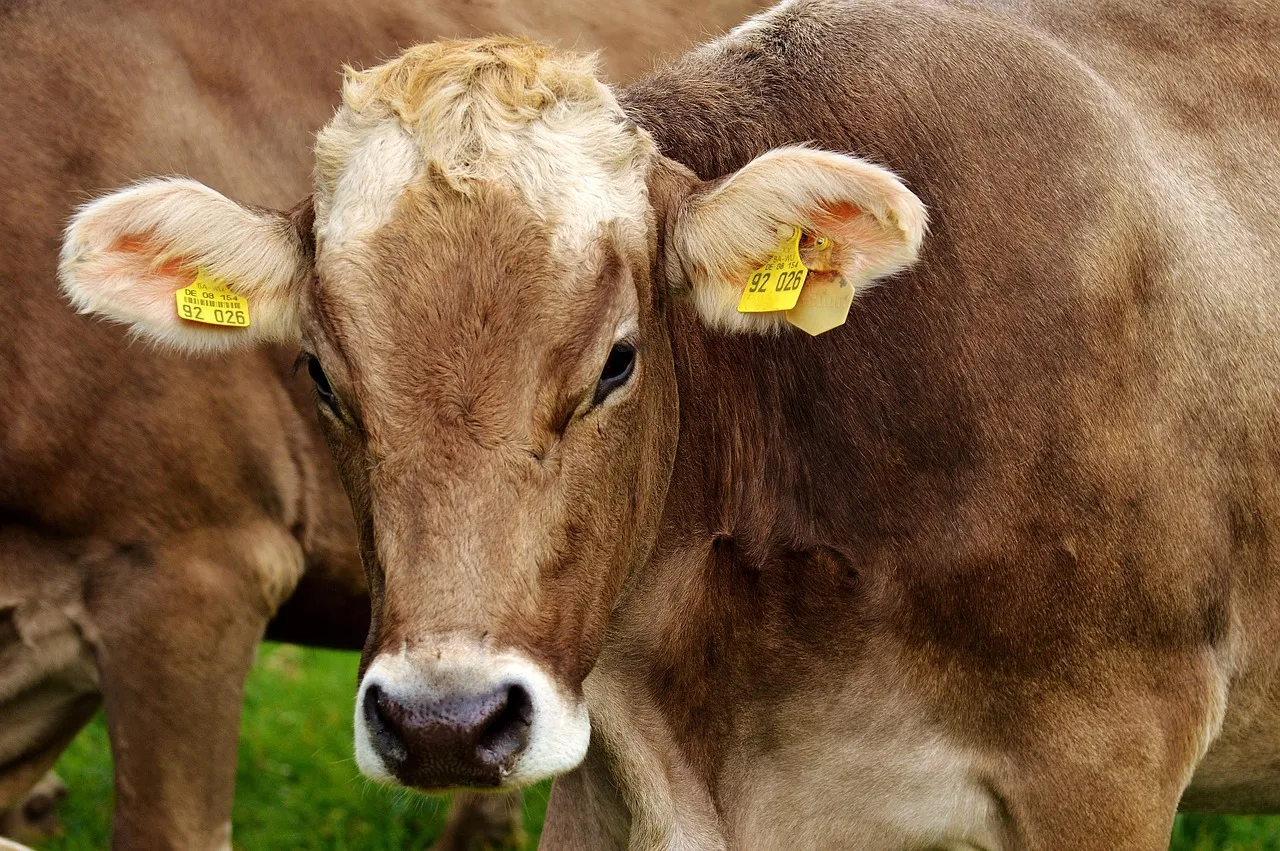
The green pastures lining Vermont’s cycling routes aren’t just scenery. They’re working. According to the Vermont Agency of Agriculture, Food and Markets, Vermont’s dairy industry has an annual economic impact of $5.4 billion, growing from $2.6 billion ten years ago. That growth has happened even as the number of individual farms has contracted significantly. Vermont had about 480 dairy farms operating in 2024, a little over half as many as there were in 2013.
More than 60 percent of all milk produced in New England comes from Vermont, which gives you a sense of just how much agricultural weight this small state carries. Vermont was home to about 114,000 dairy cows in 2024, and in 2023 produced 141.9 million pounds of cheese. The cows you’ll pass on a bike ride here aren’t incidental to Vermont’s identity. They’re central to it.
Dairy on the Road: What Consolidation Looks Like From the Saddle
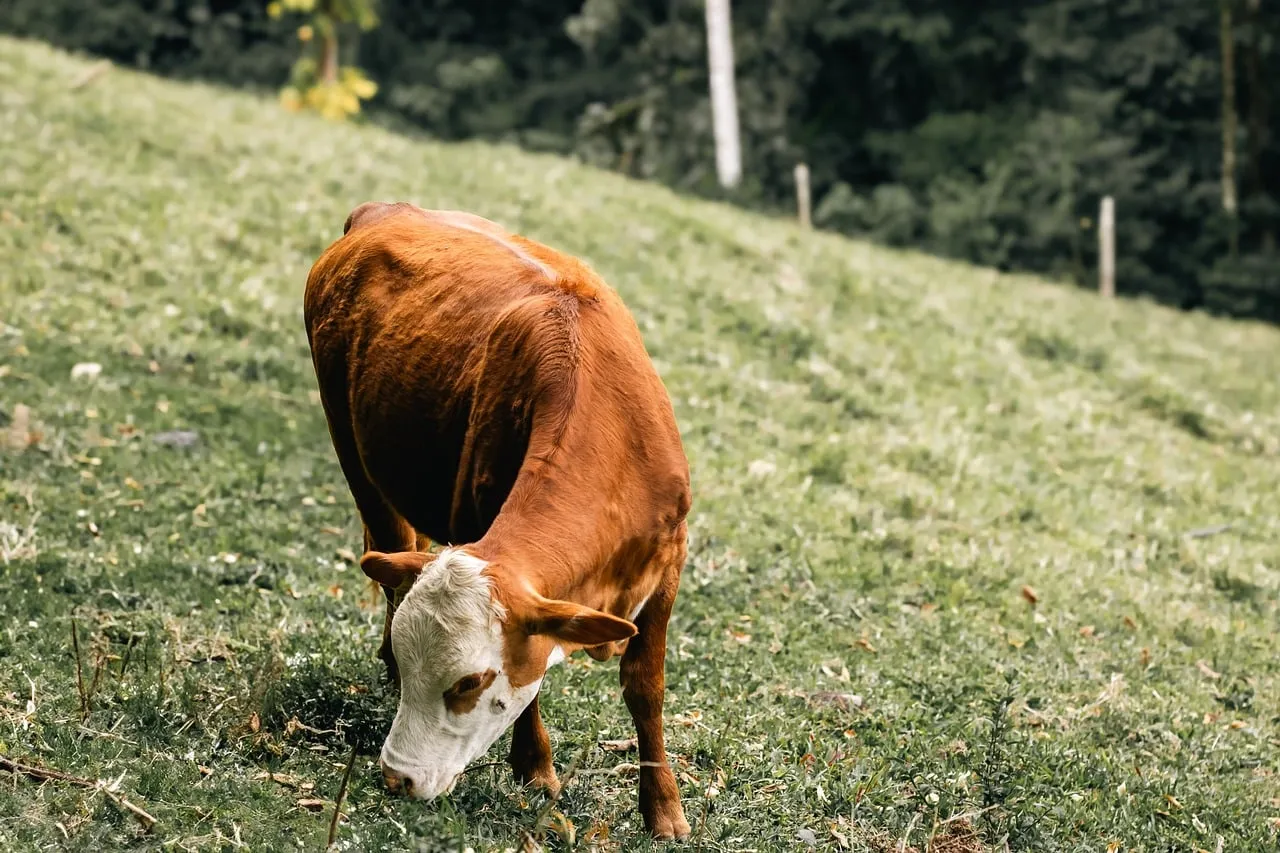
The number of dairy cows per farm has increased by roughly 80 percent to 254 in the last decade, which means fewer, larger farms now define the working landscape. When you cycle past a Vermont dairy operation today, it’s more likely to be a mid-sized, professionally managed enterprise than the small family homestead of earlier generations. Family farms with small herds of dairy cows historically defined Vermont agriculture and the cultural landscape of the state.
A quarter of the dairy farms in Vermont are certified organic, and that commitment to quality shows in the artisan producers you’ll encounter throughout the state. Dairy is one of Vermont’s top private employers, supporting approximately 17,318 jobs and $812 million in wages and salaries. The farms visible from your handlebars are genuine economic anchors for the communities around them.
Stowe and the Gold Brook Bridge: One of the Most Iconic Rides
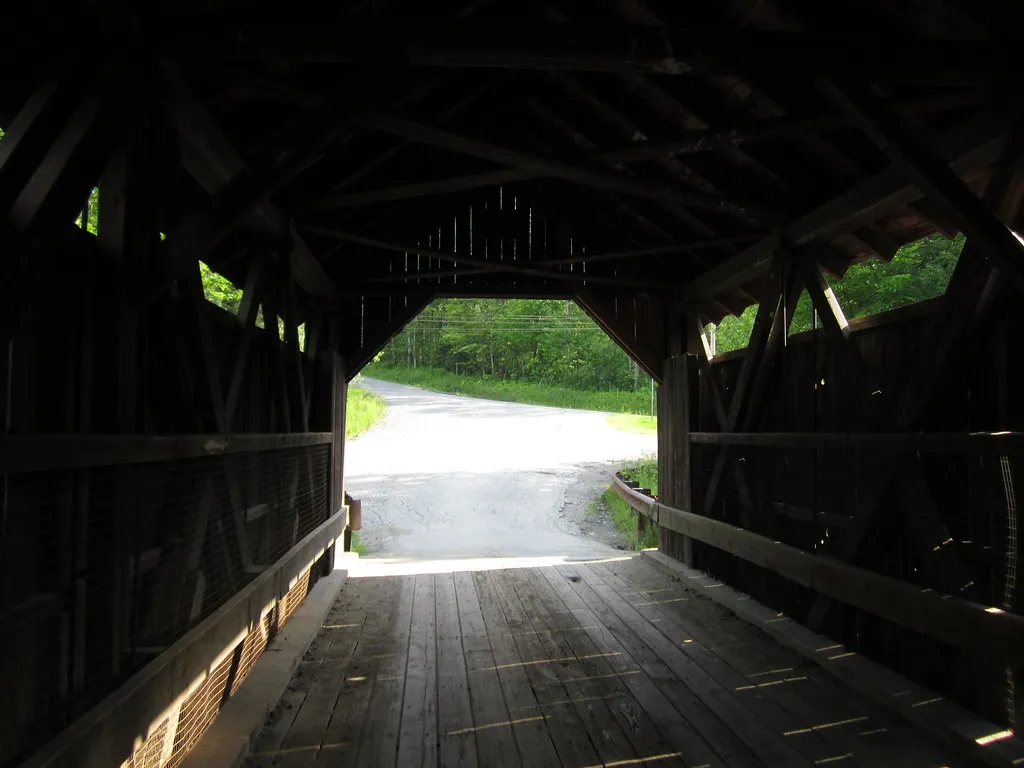
The roads surrounding Stowe lead past the Gold Brook Bridge, one of the oldest and most storied, and allegedly haunted, covered bridges in Vermont. Stowe makes a natural hub for multi-day cycling, with terrain to suit almost every fitness level. The Stowe Recreation Path is an internationally recognized greenway, paved for nonmotorized recreation, with numerous picnic and swimming areas.
From Stowe, riders can go through Smugglers Notch and on to upper Lamoille County with its 13 historic bridges. That’s a significant day in the saddle with real climbing involved, but the reward is a succession of wooden bridges appearing around bends in the road, each one slightly different from the last. Vermont boasts over 60 percent of its road network as unpaved, so gravel bikes are genuinely useful here, not just trendy.
Woodstock and the Mad River Valley: Vermont Cycling at Its Most Refined
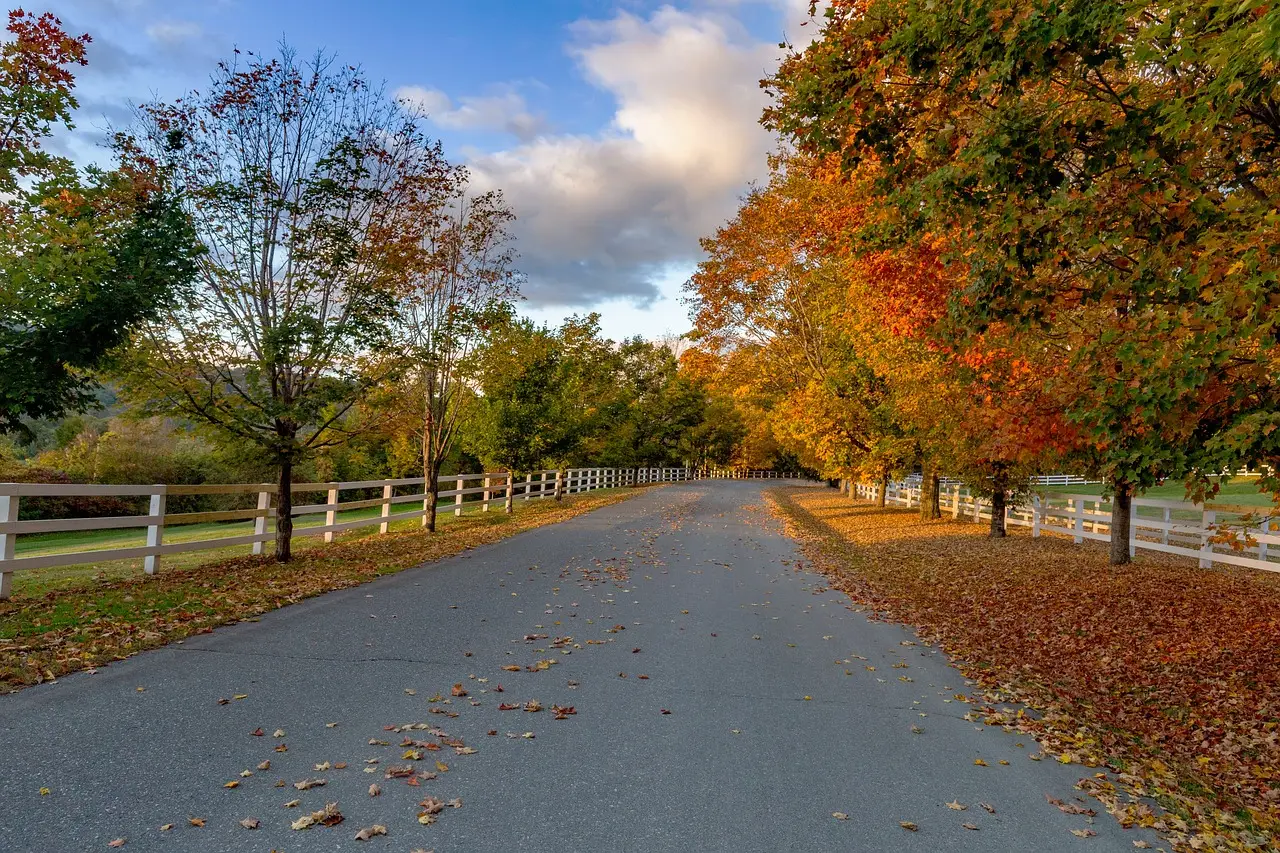
The Woodstock area is a global destination for gravel cycling because of its unparalleled network of back-country roads across varied terrain and scenic vistas, with rolling hills, working farms, historic covered bridges, rushing brooks and streams flowing into the Ottauquechee River, stunning views of the Green Mountains, swimming holes, general stores, and creemee stands making every ride memorable. Few places concentrate this many rewarding stops into a single day’s radius.
The route from Stowe to Warren takes riders through charming Montpelier, the smallest state capital in the United States, and then through the postcard-perfect landscape of the Mad River Valley beneath the Green Mountains. Vermont is known for its over 8,000 miles of dirt roads, making it a haven for gravel cyclists. That’s not an exaggeration you hear from tourism boards. It’s simply true.
One Cyclist’s Mission: Pedaling All 94 Publicly Accessible Bridges
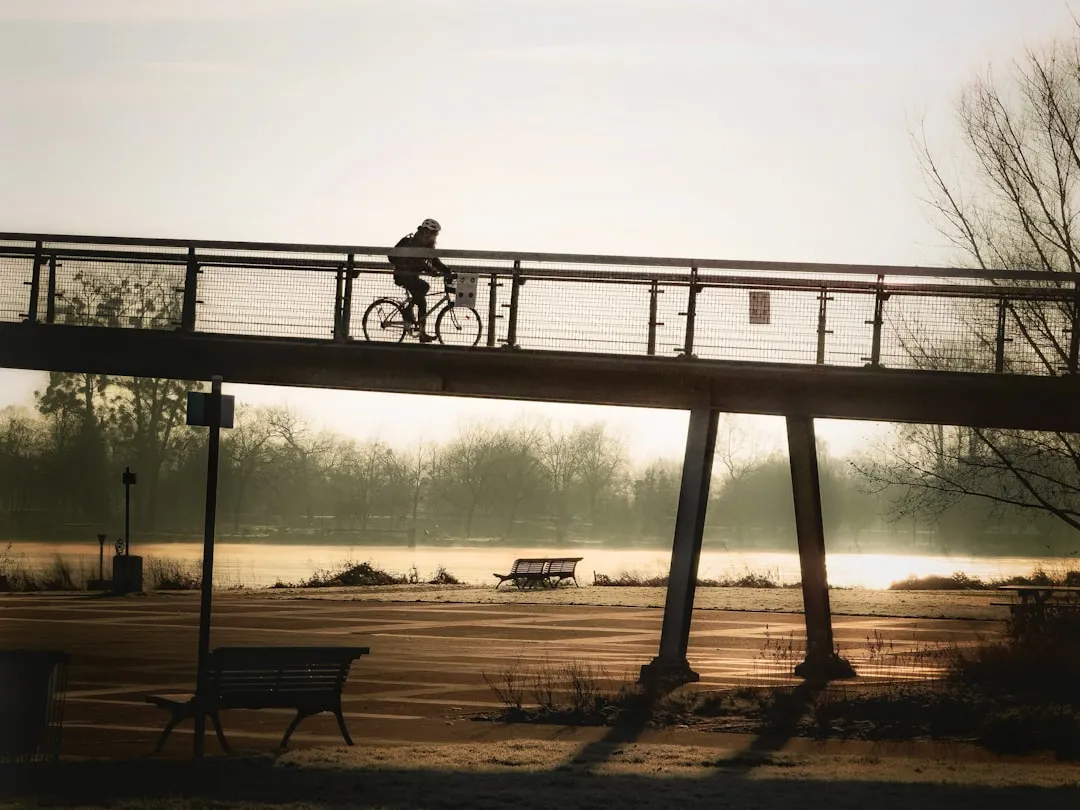
A four-year journey crisscrossing Vermont to cycle across the state’s 94 publicly accessible covered bridges was inspired by a single Vermont bicycle ride early in the pandemic. The story of cyclist Eva Gerstle, documented by Seven Days Vermont in September 2024, is a reminder of how deeply these structures resonate with people who move through them slowly. Her dream of cycling over each bridge led her to bike 900 miles.
The River Road Covered Bridge in Troy burned down in February 2021, before she could traverse it, which speaks to the fragility of these structures and the active preservation work required to keep them standing. Despite the ongoing challenges, Vermont still has the third most covered bridges in the country, something both residents and visitors take genuine pride in.
Practical Guidance: When to Go, What to Ride, What to Expect
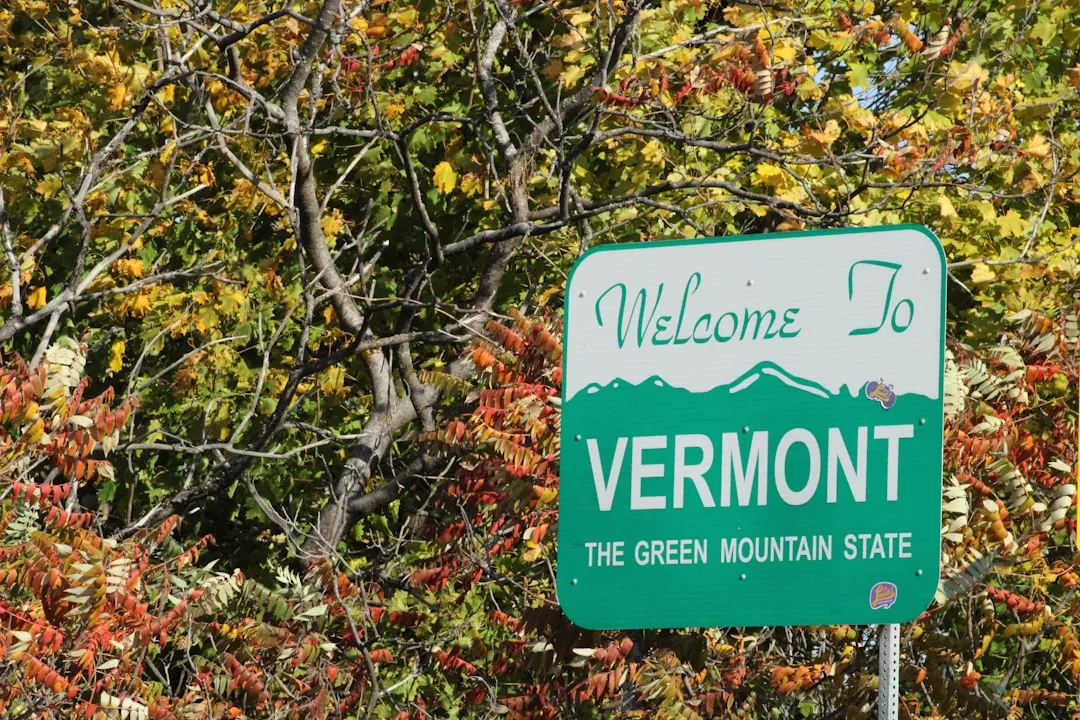
The best time for touring cycling in Vermont is generally from late spring through early fall. Summer offers pleasant temperatures for exploring, while autumn is particularly stunning due to the vibrant fall foliage. The cycling season runs from about the beginning of May through about the third week of October. Spring can be beautiful, though some higher-elevation roads may still be muddy.
Vermont’s landscape is characterized by constant rises and valleys, and the continuously rolling terrain can make routes feel more challenging than the mileage may suggest. A 30-mile day in Vermont often feels like a 50-mile day elsewhere. The ideal bike for gravel riding in Vermont is a gravel bike with 38c or greater tubeless tires, disc brakes, and a wide range of gears for the numerous steep grades. That said, e-bikes are increasingly well-suited to the terrain, and many guided tours now offer them as a practical option for riders who want to cover more ground with less physical cost.
Responsible Travel Through Working Farmland

Cycling past a Vermont dairy farm isn’t the same as cycling past a landscape feature. These are active workplaces, and the roads that pass through them are community roads. Slowing down for a farmer moving cows across the lane, leaving gates as you found them, and keeping noise to a minimum near livestock are all quiet forms of respect that make this kind of travel sustainable over time. A bridge with a covering eventually found popularity with farmers who found an unintended benefit in herding livestock such as cattle across bodies of water without startling them, a detail that links the region’s agricultural past directly to the covered bridges cyclists now seek out.
Vermont residents value dairy’s role in maintaining the state’s rural character and working landscapes, as the industry supports local communities and preserves open farmland. Public support for sustainable and ethical dairy practices reflects broader trends among consumers who prioritize transparency and environmental stewardship. When you stop at a farm stand or pick up a block of local cheese, you’re participating in something that actually matters to the people who live here.
Vermont’s covered bridges and dairy farms aren’t museum pieces. They’re still in use, still maintained, still tied to daily life in the villages and valleys they connect. Cycling through them is one of the quieter ways to understand a place, not through its highlights or its spectacles, but through the ordinary rhythms of a landscape that has been carefully kept.
AI Disclaimer: This article was created with the assistance of AI tools and reviewed by a human editor.