
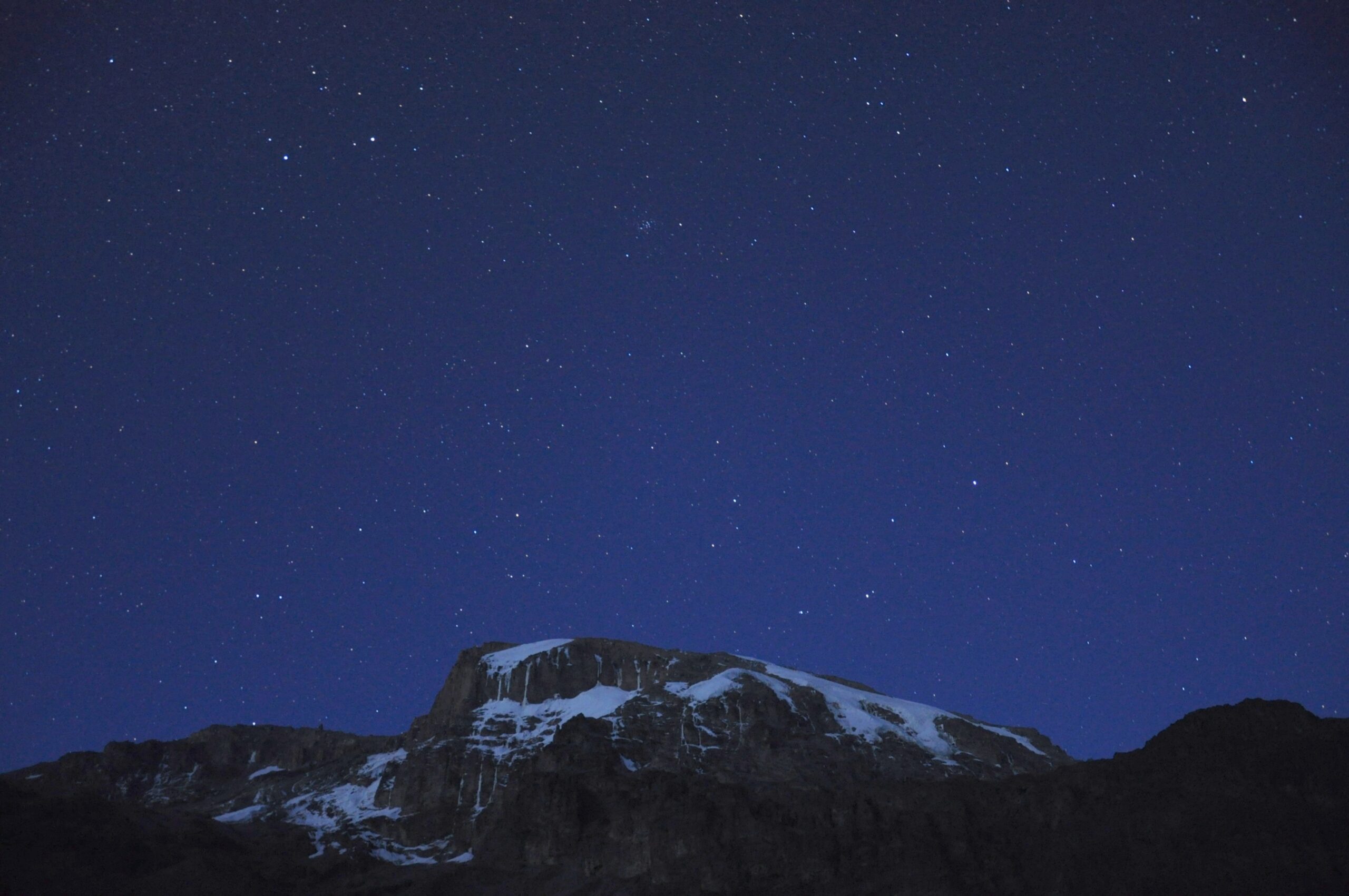

There’s a moment that seasoned stargazers know well: you step outside, your eyes adjust, and suddenly the sky feels almost three-dimensional. Stars you’ve never noticed before appear in clusters and threads, and the faint sweep of the Milky Way stretches overhead like something out of a painting. Most people who experience this have one thing working quietly in their favor: they chose the right night.
The secret, according to dark sky guides and experienced astronomers, almost always comes back to the same variable: the phase of the moon. Get it right and the sky opens up entirely. Get it wrong, and even a remote mountain ridge can feel disappointingly dim. Here’s what the experts actually say about it.
The New Moon Is the Gold Standard
If you’re serious about finding the best moon phase for stargazing, the new moon is the most reliable choice for rich and immersive observations. The reasoning is straightforward: during a new moon, the lunar face pointed toward Earth receives no direct sunlight, so it produces no reflected light in the night sky.
The new moon occurs when the moon is positioned between the Earth and the sun, meaning the side facing Earth is completely unilluminated. This alignment causes the moon to rise and set with the sun, ensuring the entire night is free from lunar interference.
The new moon offers the darkest night of the month. The moon is completely invisible, giving you uninterrupted darkness from sunset to sunrise. For deep-sky observers, that unbroken window is invaluable.
The Numbers Tell a Striking Story
On a moonless night in a dark sky location, you can see roughly 3,000 stars with the naked eye. During a full moon, that number drops to about 300 – a ninety percent reduction. That’s not a slight inconvenience; that’s most of the night sky simply disappearing.
The faint glow of the Milky Way simply can’t compete with moonlight scattered across the atmosphere. Scattered light behaves a bit like fog: it doesn’t block the stars directly, but it raises the general brightness of the sky enough to swamp everything faint.
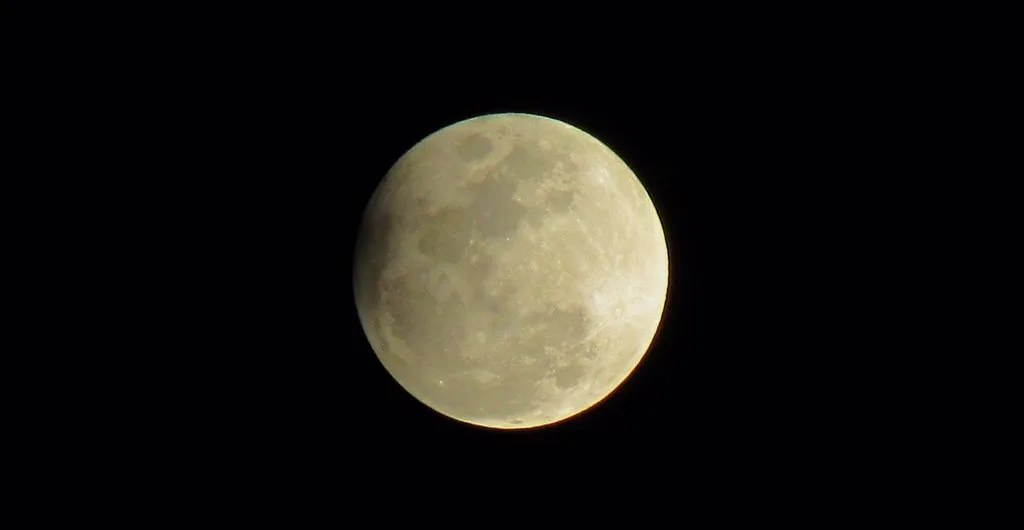
On the night of the full moon, its illumination can obscure as much as a quarter of the sky, making it harder to see objects in that part of the dark dome overhead. Dark sky guides routinely remind visitors of this before they book a trip.
The Three-Night Window Around the New Moon
The three to four nights surrounding the new moon offer the darkest skies possible, making this the ideal window for observing deep-sky objects like the Milky Way, star clusters, and remote galaxies. This is practically useful: you don’t need to hit the exact date of the new moon to benefit from it.
The night before and after the new moon are nearly as good, with only one to five percent illumination. This gives you a three-night “new moon window” each month. Planning around this window rather than a single date dramatically improves your odds of clear skies too, since weather can always change.
With twelve to thirteen new moons per year, you have roughly seventy-two to ninety-one excellent stargazing nights annually, assuming six to seven nights per new moon window. That’s a genuinely generous calendar to work with, even accounting for clouds and travel logistics.
Why Moonrise and Moonset Matter as Much as Phase
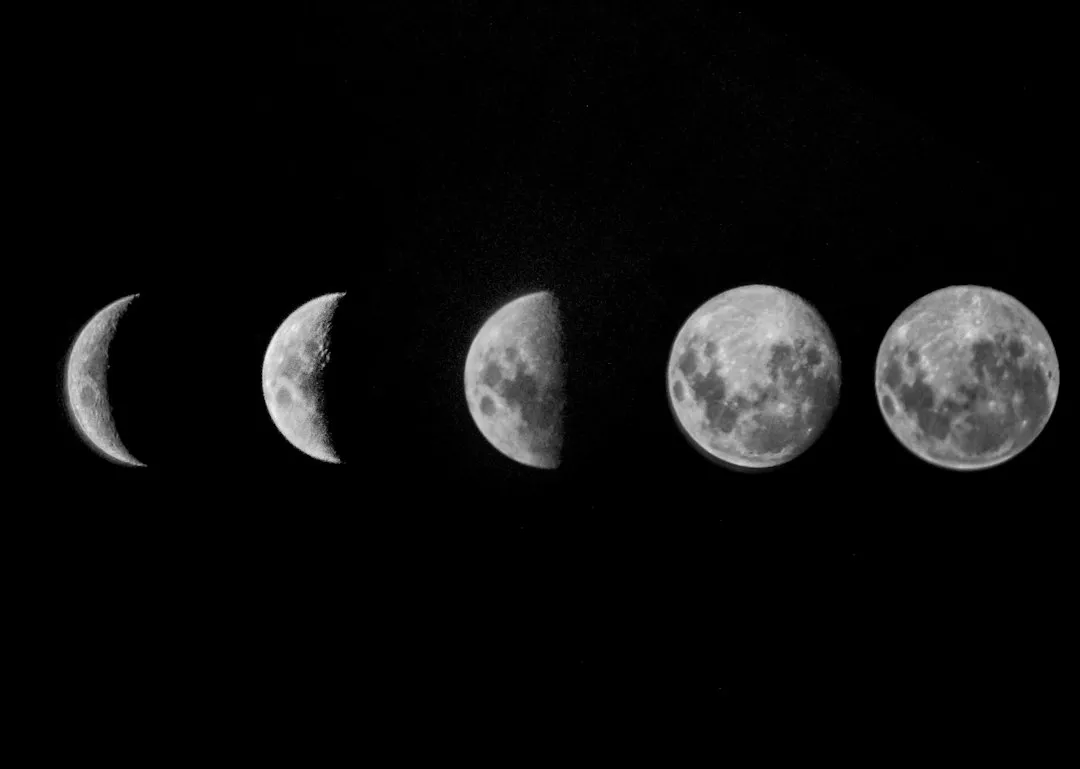
Moon phase alone doesn’t decide whether a night is dark. What actually matters is when the moon is above the horizon relative to when you’re outside. A crescent, a half moon, even a three-quarter moon can still leave you with a genuinely dark sky if moonrise or moonset falls within roughly 45 to 60 minutes of your session.
Another effective strategy is to time observations around moonrise and moonset. During the first quarter, the moon sets around midnight, leaving the latter half of the night dark for deep-sky viewing. This matters especially when a new moon isn’t available.
Even thin crescent phases, such as the early waxing crescent or late waning crescent, can be favorable, provided they set early or rise late enough to leave several hours of true darkness. Flexibility in planning pays off.
The Waxing Crescent: A Useful Middle Ground
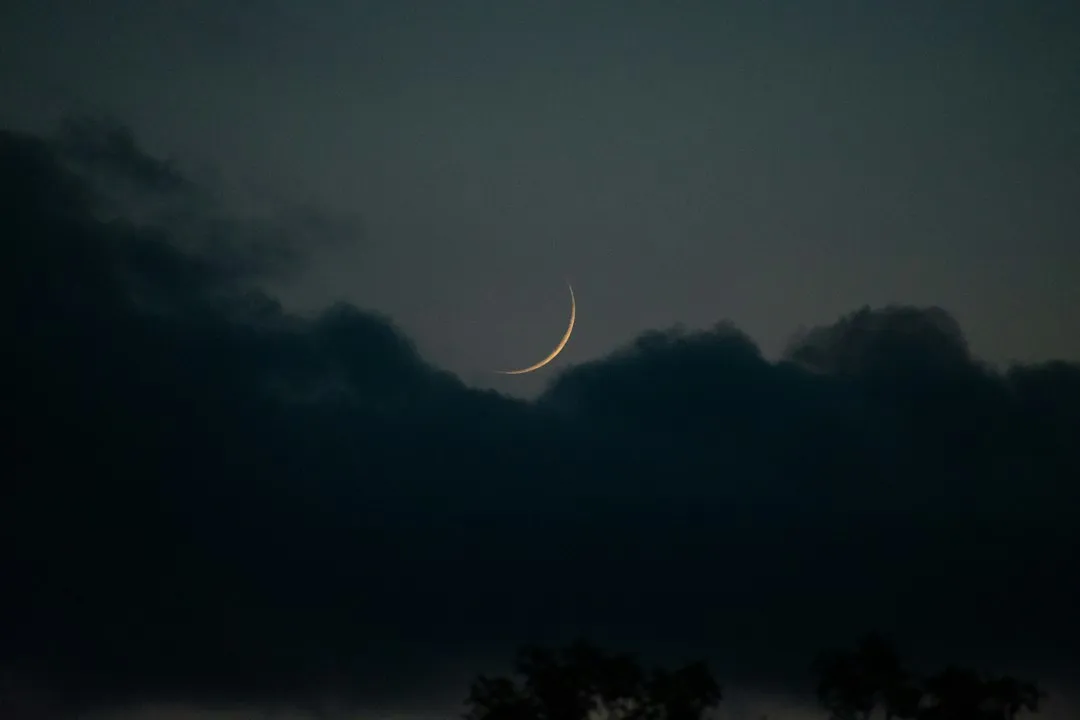
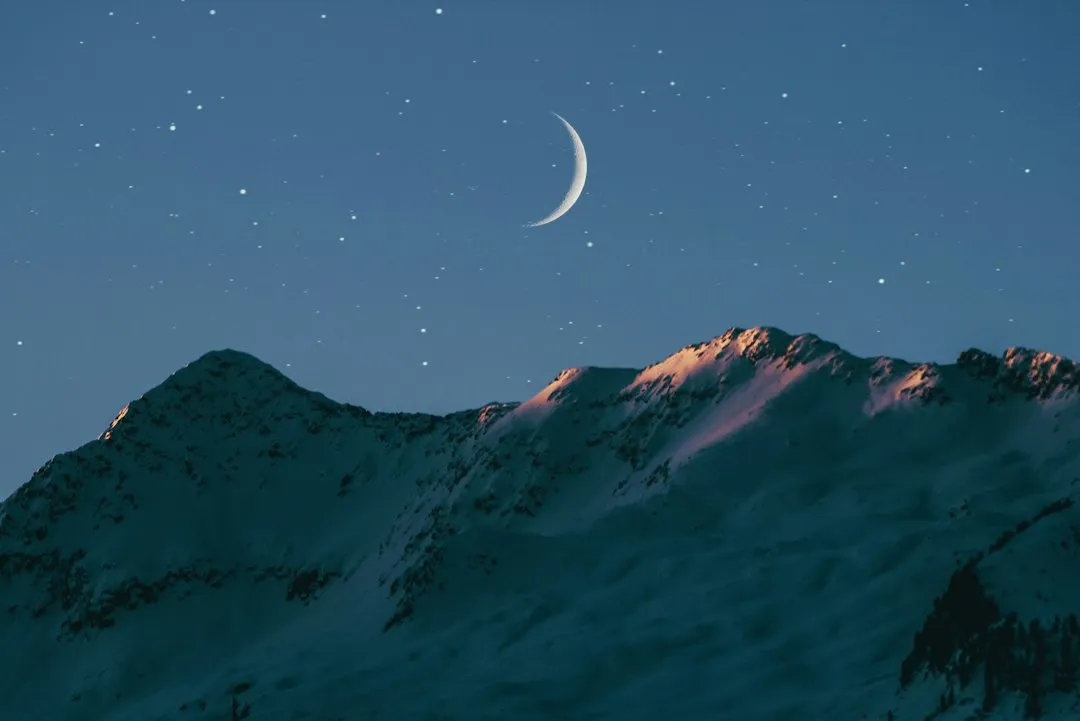
A few days after the new moon, the moon begins to grow again, appearing as a waxing crescent in the western sky just after sunset. This sliver of light doesn’t dominate the night, which makes it a great phase for casual and intermediate stargazers. One of the benefits of this phase is that the moon sets early, leaving most of the night free of interference.
The crescent moon is visually striking through binoculars or a telescope, and there’s still enough darkness to explore constellations and track brighter objects like Jupiter and Saturn. It’s a nice phase for beginners who want something visually interesting in the sky while still having access to a reasonable amount of darkness.
What the Full Moon Is Actually Good For
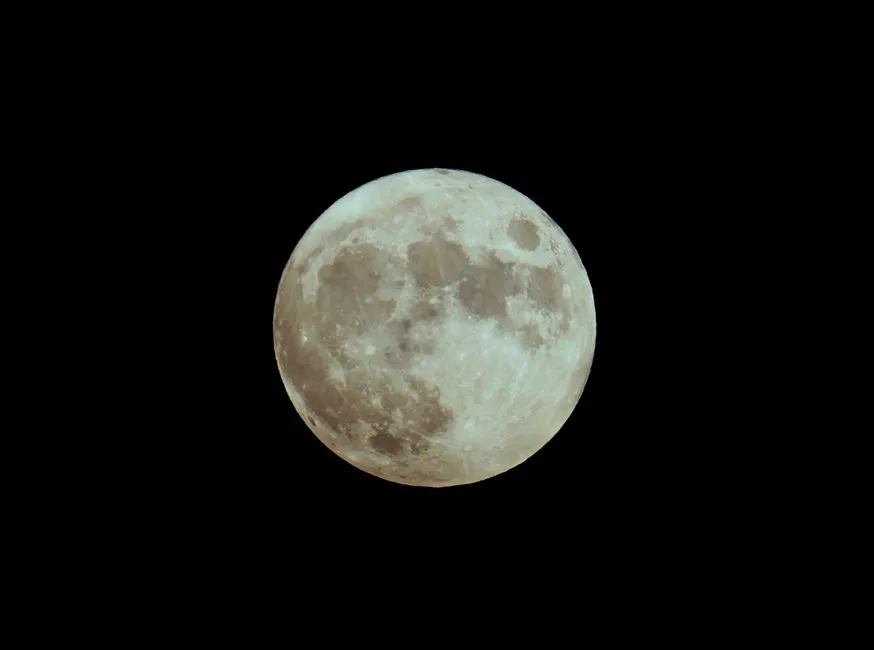
Planets like Jupiter, Saturn, and Mars, along with bright star clusters and double stars, remain easily visible during brighter moon phases. The moon itself becomes an excellent target for observation, as the shadows cast along the terminator – the line between the illuminated and dark portions – highlight surface features.
During brighter moon phases, experienced guides may focus on observing brighter objects like planets, star clusters, and double stars. The full moon night isn’t wasted – it’s just a different kind of night. Think of it as switching from landscape photography to portraiture.
Unless you’re specifically observing the moon or bright planets, the gibbous and full moon phases are best skipped for deep-sky work. The Milky Way will be invisible, nebulae will be washed out, and you’ll only see the brightest stars.
Light Pollution: The Other Obstacle Dark Sky Guides Talk About
Growing globally by nearly ten percent each year, light pollution is washing out our view of the stars while destroying critical nocturnal wildlife habitats, damaging human health, and squandering essential resources. With roughly four in five people now living beneath light-polluted skies, most children today will never see the Milky Way.
According to DarkSky International, in 2024 over 220 sites have been designated as International Dark Sky Places. These certified locations combine genuinely dark skies with the new moon window to deliver the clearest possible views. As of 2025, Utah had the highest concentration of such places in the world.
Designated and protected by the International Dark-Sky Association, these special areas offer some of the best stargazing experiences on Earth. To earn official recognition, each reserve must meet strict standards for natural darkness and sky quality, ensuring minimal light interference.
How Limiting Magnitude Changes with the Moon
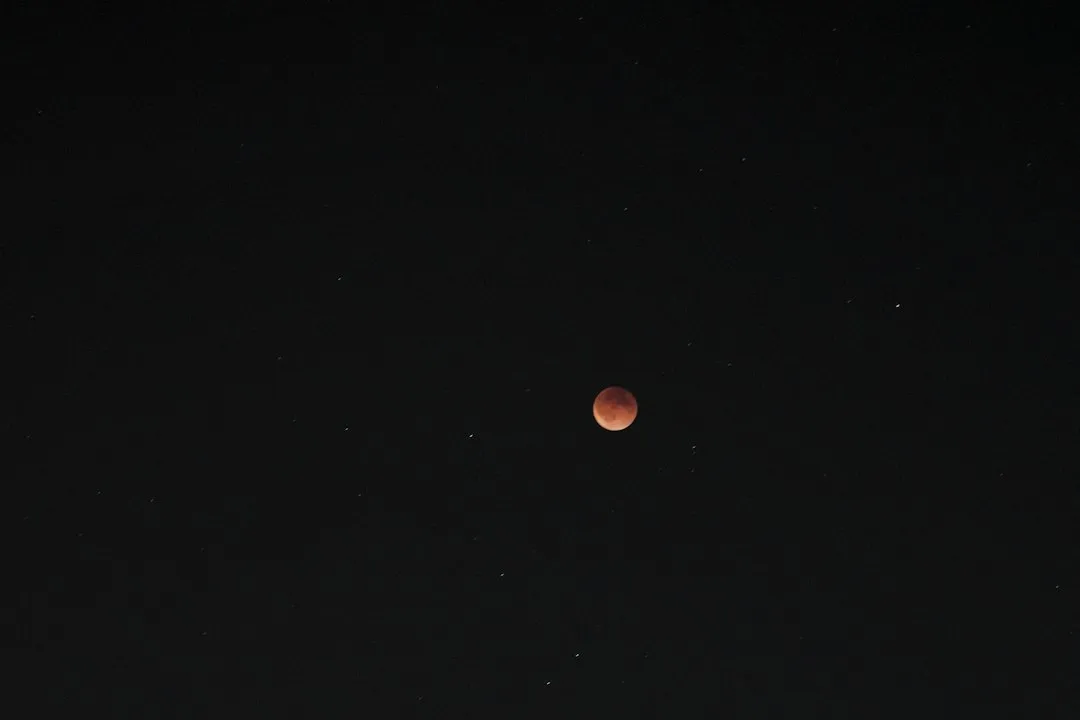
Without the moon’s glare, the limiting magnitude – the faintest star visible to the naked eye – is significantly increased. Limiting magnitude is essentially the depth of the sky you can access: a higher number means fainter, more distant objects become visible.
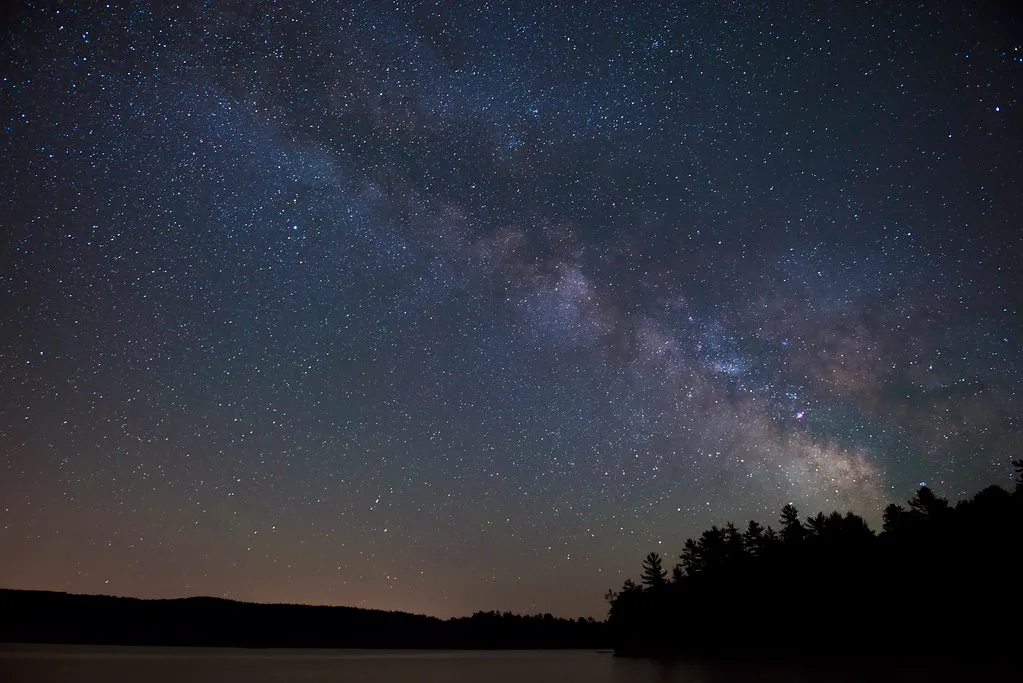
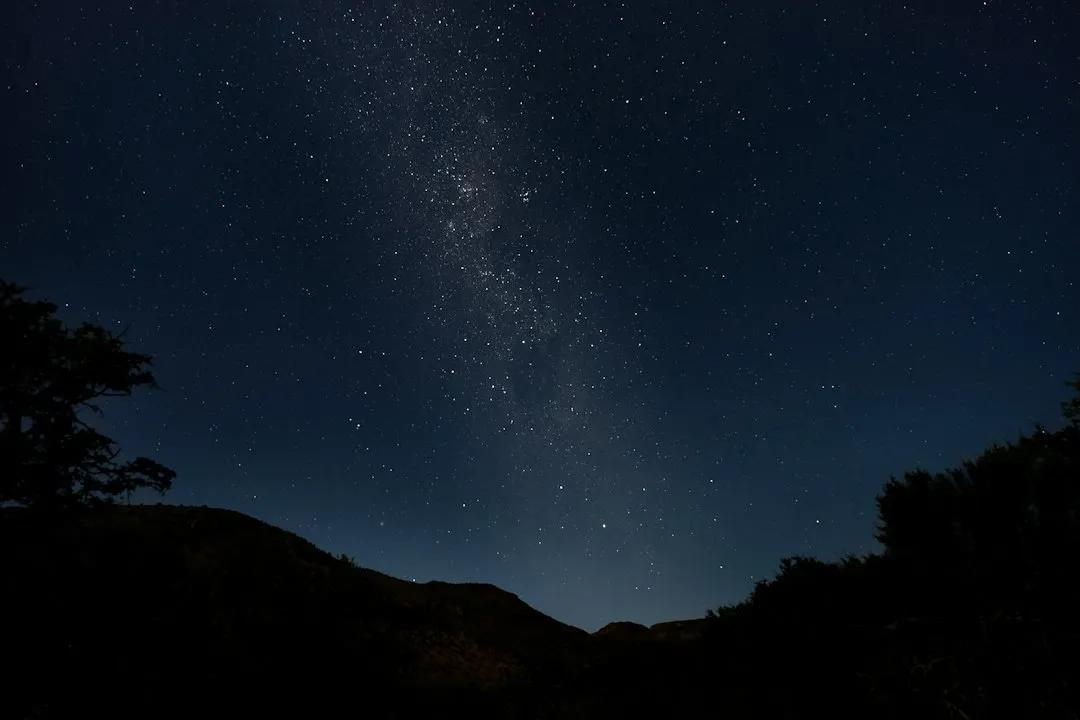
On a new moon night in a Bortle 3 or darker location, the Milky Way’s galactic core appears three-dimensional, with dark dust lanes clearly visible. The Bortle scale runs from one (the darkest possible sky) to nine (the sky over a bright city), and most people have never experienced anything below a five or six.
Getting to a Bortle 3 or lower, combined with a new moon window, is the closest thing stargazers have to a guaranteed spectacular night. The combination of low artificial light and minimal lunar interference stacks the odds powerfully in your favor.
Planning Your Stargazing Trip Around the Lunar Calendar
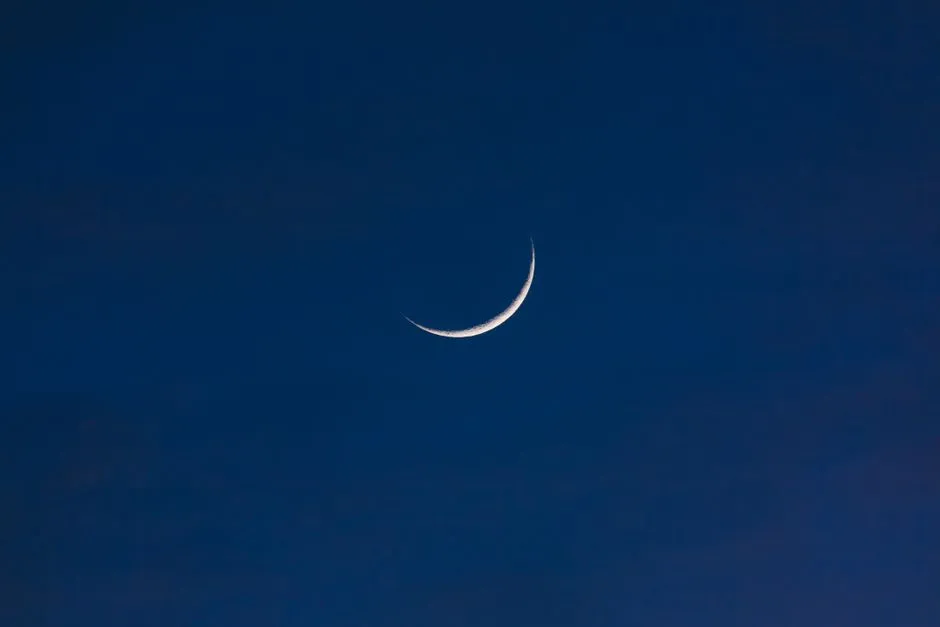
New moons create dark skies with minimal moonlight, making them prime time for camping trips to observe constellations, see star clusters, and go Milky Way hunting. New moons occur when the sun and moon are aligned. The moon is therefore invisible from Earth, creating the darkest sky of the month.
When visiting a dark sky destination, make sure to check the moon calendar and look for a waning moon or new moon. A full moon can be so bright that it becomes a source of natural illumination. Most dark sky guides and observatories publish lunar calendars specifically to help visitors plan timing.
Practical steps are simple: identify your nearest dark sky preserve, check the new moon dates for the coming months, then match those dates with a clear-weather forecast. All three factors together – location, moon phase, and atmospheric clarity – are what truly transform a night outside into something memorable.
What Dark Sky Guides Recommend You Watch For First
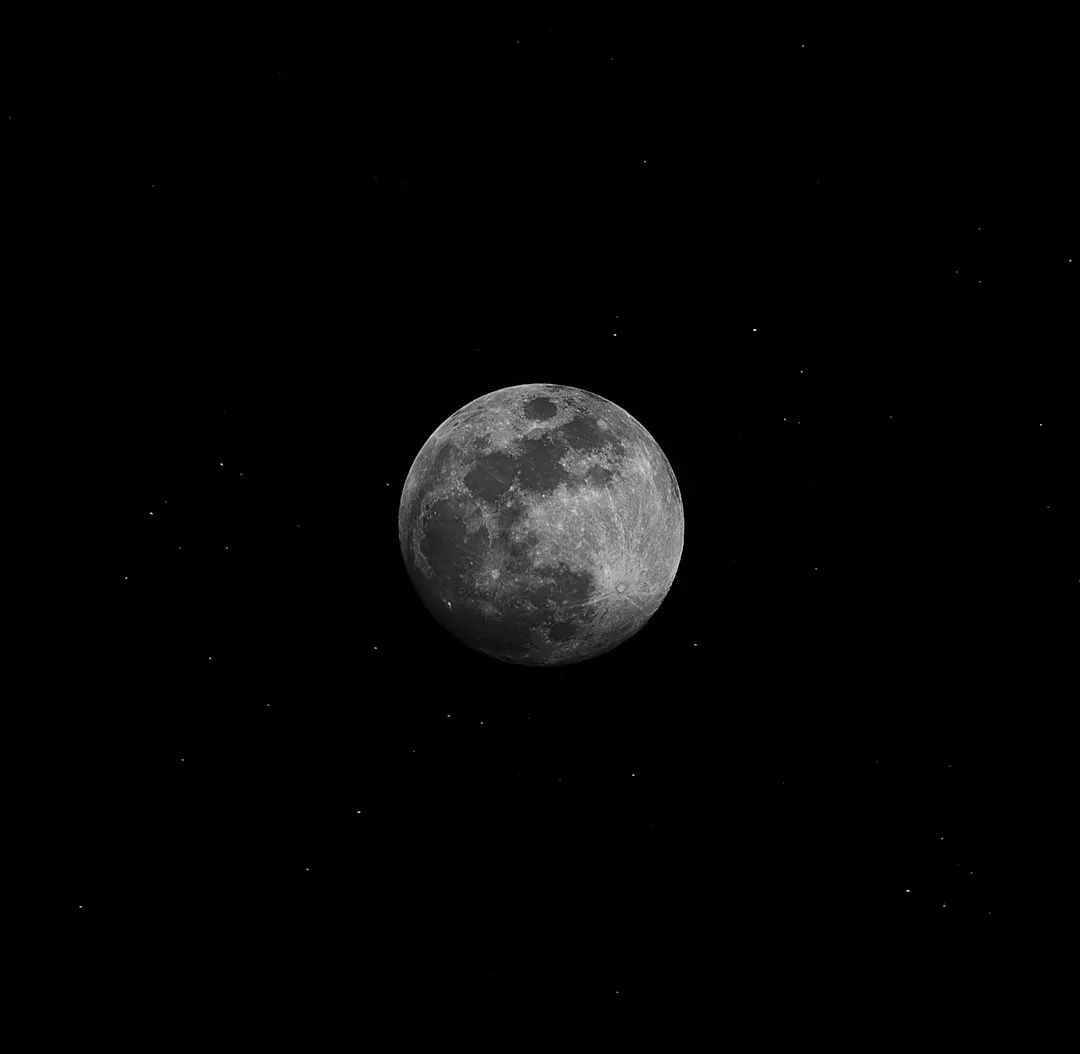
Moonlight illuminates the atmosphere and the landscape, reducing the overall contrast between the stars and the background sky. This makes faint stars, galaxies, and nebulae more difficult to see, as they blend into the brighter sky. Experienced guides recommend watching for this loss of contrast as a simple on-the-ground test of sky quality.
If you can make out the faint smudge of the Andromeda Galaxy (roughly 2.5 million light-years away) with your naked eye, you’re having a genuinely good night. If you can’t see it when conditions should allow it, the moon or local light pollution is likely the culprit.
For the most part, avoiding the nights around a full moon will lead to a more rewarding stargazing experience as contrast is maximized, revealing faint galaxies, nebulae, and star clusters. That single adjustment – simply choosing the right night – requires no equipment and costs nothing.
The Quiet Art of Choosing the Right Night
There’s something quietly satisfying about planning a night around the moon rather than just showing up and hoping. The universe doesn’t change; only your timing does. Dark sky guides spend years refining this instinct, and the core lesson they share is always the same: the new moon is the beginning of your best window.
The sky rewards patience and preparation in equal measure. A two-week wait for the next new moon, a drive to a dark reserve, and an hour of eye adaptation can reveal more stars than most people see in a lifetime of casual glances upward. It costs surprisingly little and delivers far more than most would expect.
The moon has its own beauty, of course – and the right phase to observe it is not the new moon at all, but the quarter moons when shadows bring craters into sharp relief. So there’s really no wasted night in astronomy. Every phase of the moon opens a different door. You just need to know which one you’re trying to open.
AI Disclaimer: This article was created with the assistance of AI tools and reviewed by a human editor.