
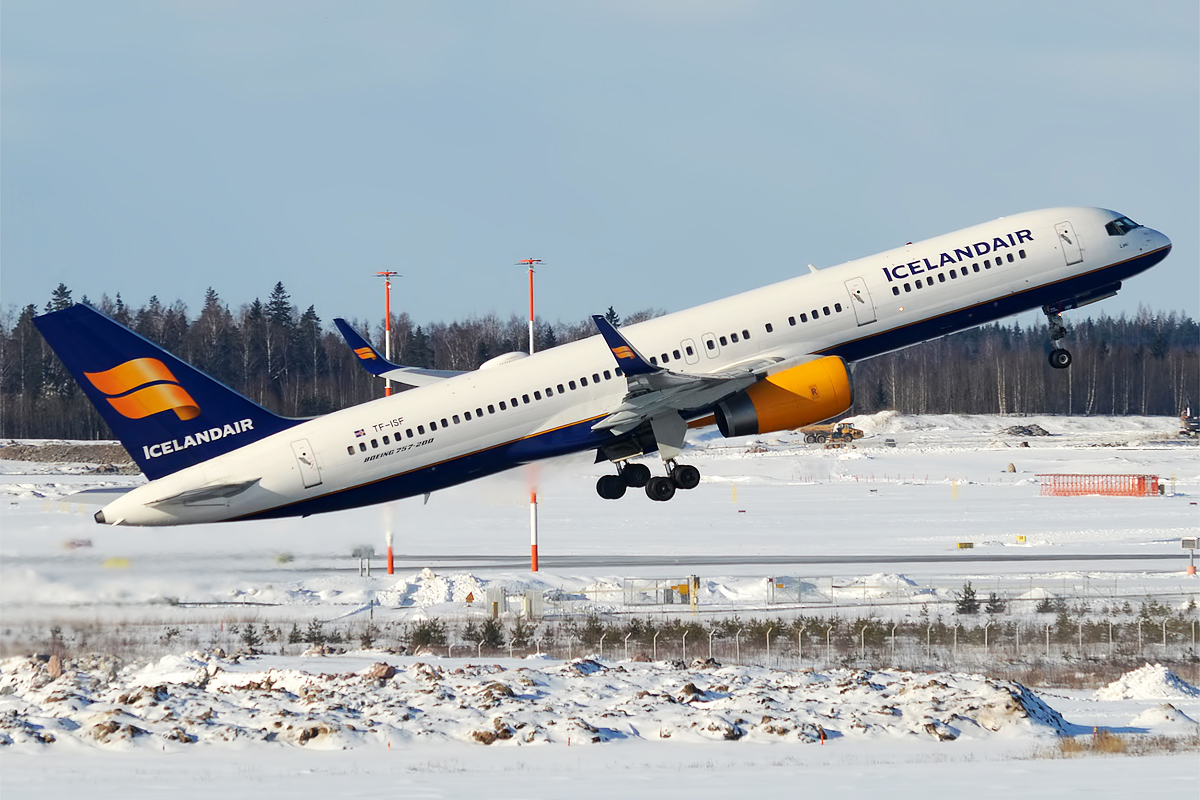

Why Ice on an Aircraft Is So Dangerous
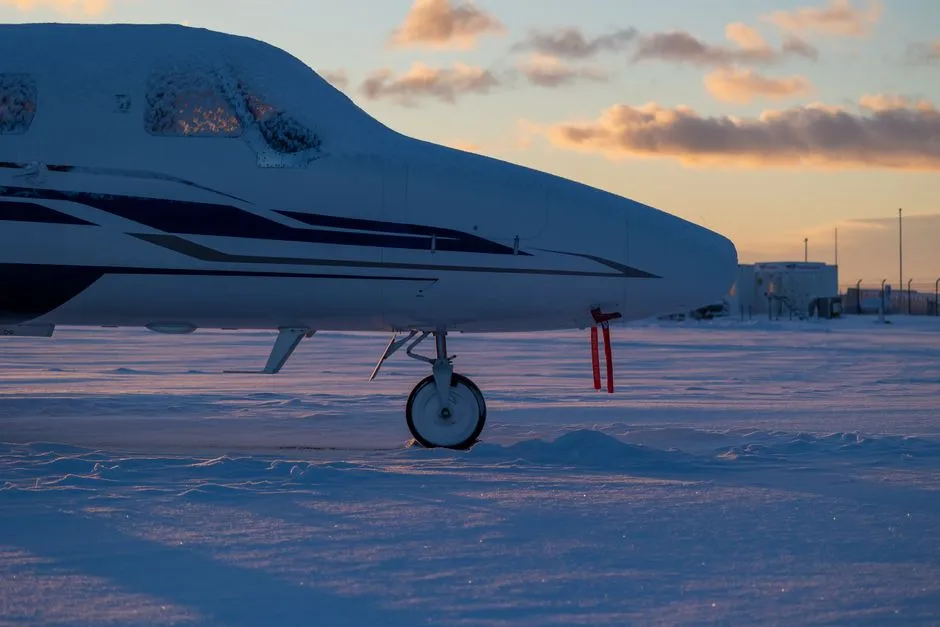
Ice accumulation on a plane’s wings and control surfaces is not just an inconvenience – it’s a serious flight safety threat. Ice reduces lift by roughly thirty percent and increases drag by forty percent, making de-icing essential for a safe takeoff. Those numbers alone explain why crews treat every single winter departure with the same level of seriousness.
Aviation safety experts have explained that aircraft can accelerate down the runway and frequently reach liftoff speed, but when they try to take off, they can lose substantial lift and the aircraft will no longer be able to fly. The risk isn’t theoretical. If the process isn’t done right, the results can be catastrophic – as demonstrated in January 1982, when an Air Florida jet crashed into the Potomac River moments after taking off from Washington National Airport, killing most passengers and crew on board.
The Two-Step Process Most Passengers Don’t Know About
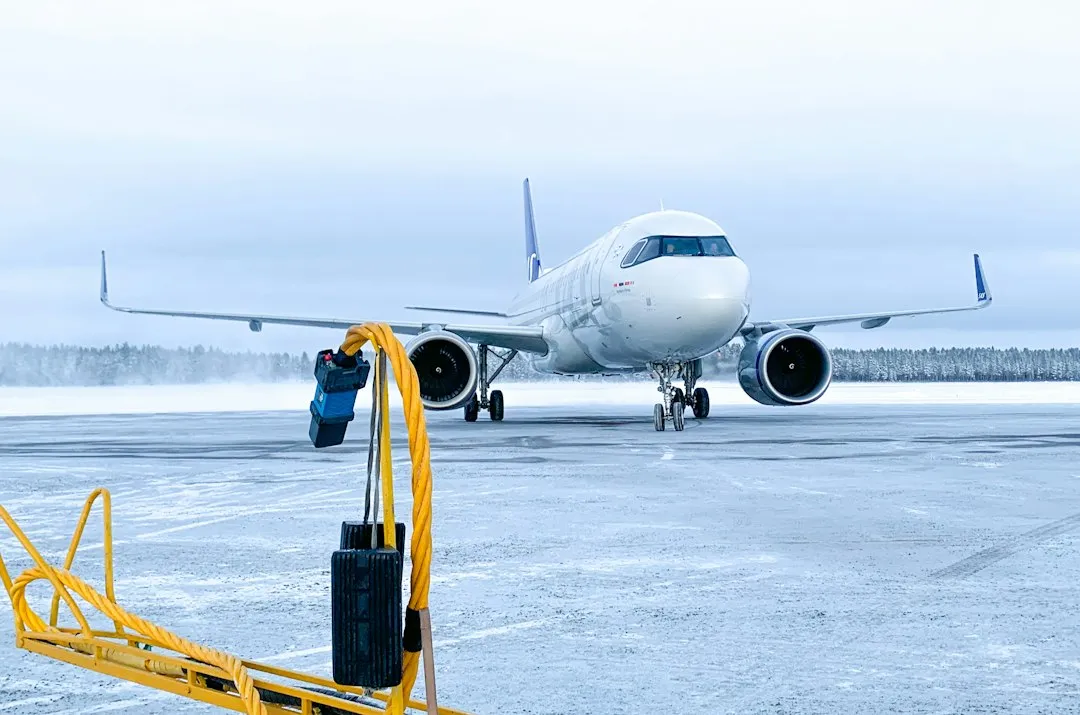
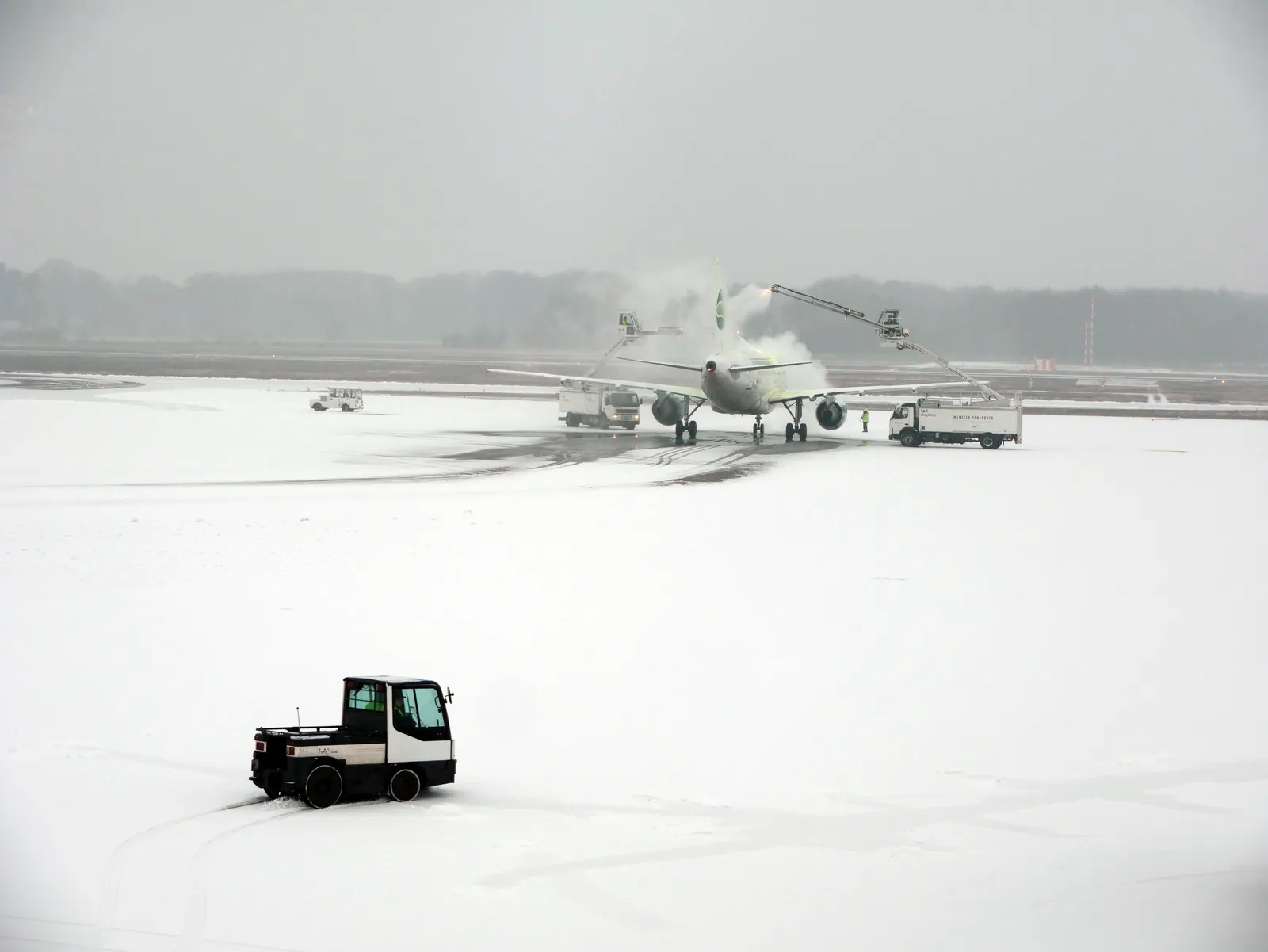
De-icing removes ice, while anti-icing prevents refreezing – they serve different purposes. What looks like a single spray from the cabin window is actually often a carefully sequenced two-stage treatment. A two-step de-icing process is commonly used, involving the initial application of a Type I fluid followed by a subsequent application of a Type II, III, or IV fluid.
Type I fluid is applied heated to remove ice and snow, while Type II, III, or IV fluids with thickening agents prevent refreezing and remain on surfaces longer. The color-coding matters too: Type I is dyed orange, Type IV is green, and Type III is yellow, so ground crews can immediately verify which product has been applied to any given aircraft.
The Chemistry in the Spray
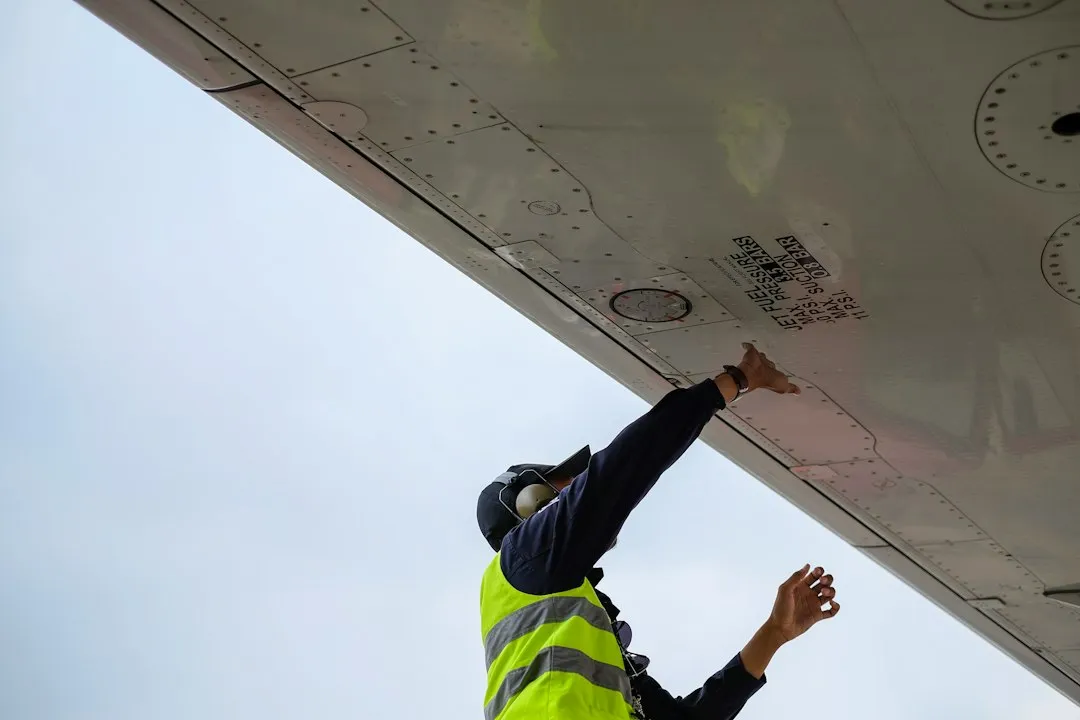
Aircraft de-icers consist of a water-based solution of glycol mixed with various additives, which might include a thickening agent, a corrosion inhibitor, a surfactant that decreases surface tension, a flame retardant, and a dye. The glycol itself does most of the heavy lifting. Glycols are very effective at lowering the freezing point of water, making it harder for water to freeze or stay frozen on surfaces, and propylene glycol and ethylene glycol are the two most common types used, typically making up between thirty and seventy percent of the de-icing solution.
Today, all commercial and military aircraft use sprays made with propylene glycol or ethylene glycol to remove snow or ice prior to takeoff. The choice between the two matters environmentally and operationally. Because ethylene glycol is harmful to mammals, propylene glycol is favored as an aircraft de-icing and anti-icing agent.
How Long the Delay Actually Takes
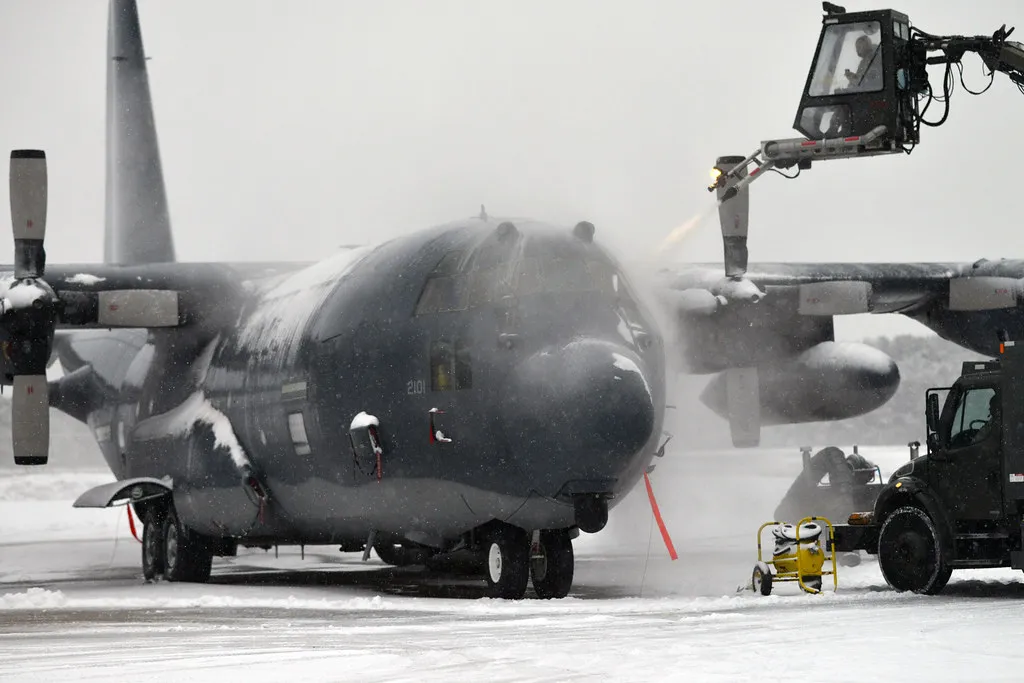
The de-icing process typically takes about twenty minutes for a smaller plane, while for larger jets, de-icing can add a delay of up to forty minutes or more to each flight. For particularly large aircraft like the Airbus A380, the challenge multiplies. One reported case involved a plane that had to be de-iced three times over about five hours, with the delay partly attributed to an airport having only three de-icing machines – with both wings of the A380 needing to be treated simultaneously.
The time it takes varies based on aircraft size, weather severity, and equipment used, and a single-plane process can take anywhere from fifteen minutes to roughly an hour. During heavy snowfall, it may take longer as de-icing teams prioritize safety. There is no cutting corners on the timeline – each step has to be completed in the right sequence.
The Holdover Time Clock That Never Stops
Once a plane has been treated, a countdown begins immediately. The holdover time describes the protection time against re-icing, which is the time period from the first spraying of the aircraft surfaces until takeoff, within which no ice-forming contamination may accumulate on aerodynamically critical areas. This clock doesn’t pause for queues, gate delays, or slow taxiing.
Holdover time is the length of time an aircraft can wait after being treated prior to takeoff. It is influenced by the fluid dilution, ambient temperature, wind, precipitation, humidity, aircraft skin material, aircraft skin temperature, and other factors. If the holdover time is exceeded, the aircraft must be re-treated before takeoff.
For Type I fluids, the holdover time listed in the FAA tables ranges from one to twenty-two minutes depending on situational factors. For Type IV fluids, the holdover time ranges from nine to one hundred sixty minutes. That’s a very wide range, and ground crews must calculate it precisely every single time.
Why Some Planes Get Sprayed More Than Once
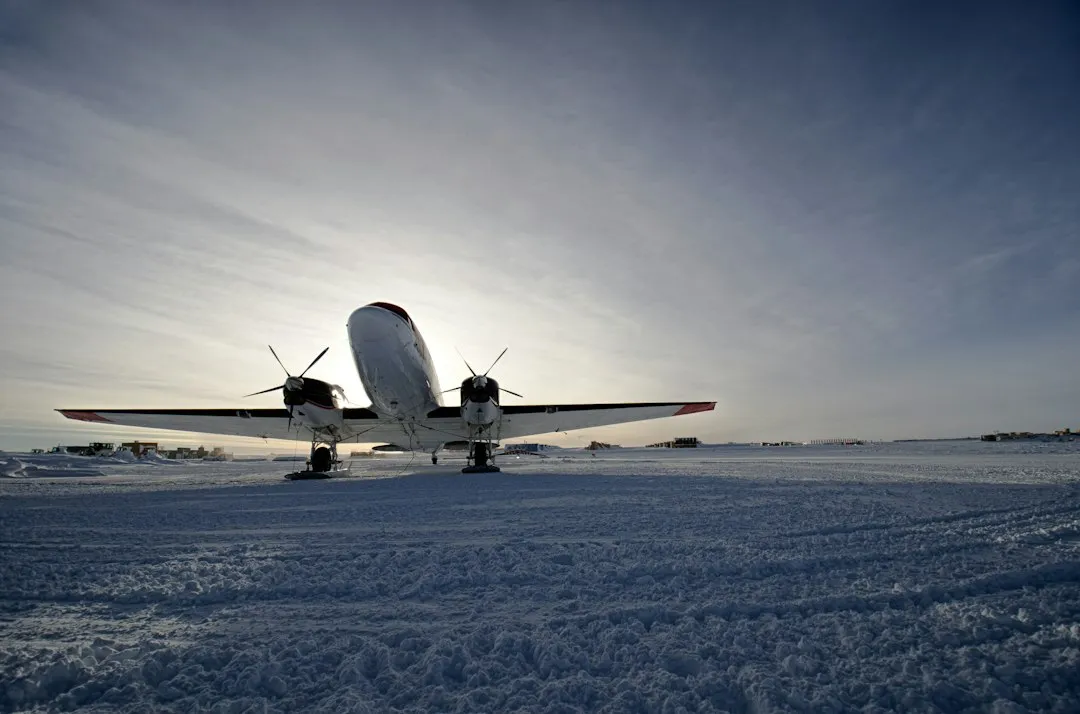
According to the World Meteorological Organization, winter weather prompts time-consuming management procedures at airports, with planes needing to take off within fifteen minutes of being de-iced or risk needing another de-icing procedure due to snow build-up. When the taxi queue is long or a runway closes unexpectedly, that window can close before a flight even moves.
The holdover countdown is not a rough guess – it’s calculated using published charts tied to temperature and precipitation type. The clock keeps running whether or not the plane has actually moved yet, which is exactly why some flights get sprayed a second or even third time. Each additional treatment adds time to the delay, but the alternative is simply not acceptable from a safety standpoint.
What Happens When the Queue Is Long
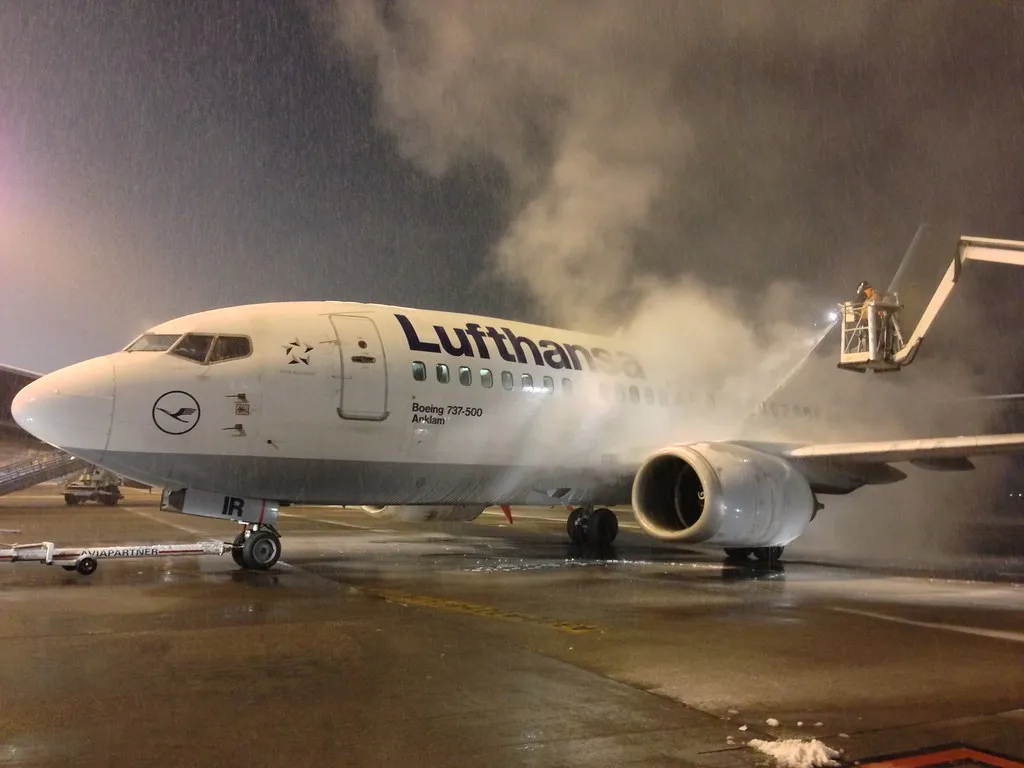
The current system is slow – a plane either has to wait for a de-icing truck to pull up or it has to taxi to another part of the airport and sometimes sit in line while passengers wait onboard. At major hubs during winter storms, this queue can stretch considerably. Major airports operate dedicated aircraft de-icing centers to manage multiple aircraft simultaneously and reduce bottlenecks.
Capacity restrictions due to winter weather conditions, and the distances between aircraft parking positions and the designated runway, can result in extended taxi times. During the annual de-icing season, airport ground controllers monitor weather forecasts to determine the necessity for aircraft de-icing and anti-icing in order to make the best use of available capacity. Even with careful planning, severe storms can overwhelm even well-resourced operations.
The Broader Impact on Winter Flight Delays
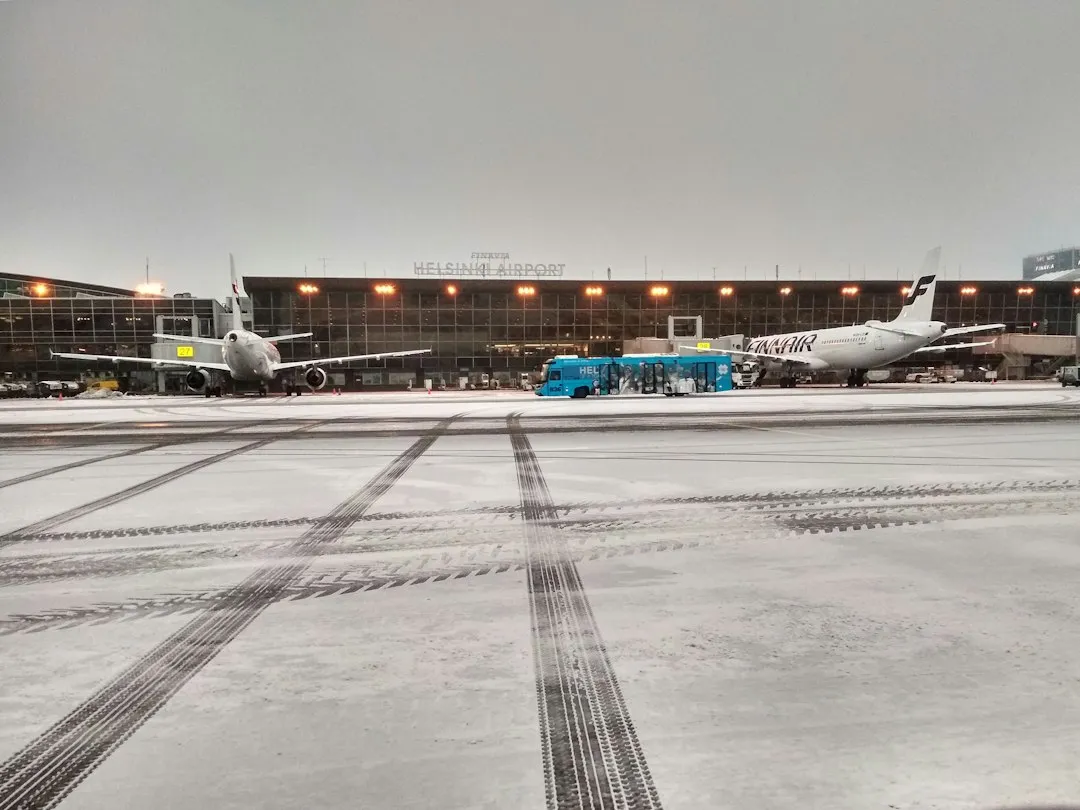
From 2015 through 2023, about one in every four flights were delayed during the winter holiday season, according to a LendingTree analysis of U.S. Bureau of Transportation Statistics data. Winter weather and ground operations are a significant contributor to those figures. Holding patterns, crew or equipment delays, taxiway congestion, runway queues, and weather restrictions extended the travel time of roughly thirty percent of all flights, amounting to a collective waiting time of one point four million hours.
The average departure delay caused by chemical ice removal is cited at around thirty minutes by aviation technology sources. In 2025, nearly twenty-eight percent of Frontier Airlines flights landed at least fifteen minutes behind schedule, with winter operations among the contributing factors. Across the board, more than forty percent of flights arrived at least one minute late globally, with an average delay of twenty-three minutes.
What Crews Are Actually Thinking During the Process
Ground de-icing professionals work under real pressure. The FAA publishes and updates its holdover time guidelines annually – the 2024-2025 edition was issued in August 2024 – so crews must stay current on the exact parameters for every fluid type and weather condition. Holdover time determines how long anti-icing fluids remain effective after application, and it’s not guesswork: the FAA publishes official holdover time and lowest operational use temperature tables for all approved de-icing fluids and revises them annually.
The job demands accuracy under physical duress. Industry professionals describe the work as a big logistics task, noting that most airlines are doing a good job handling it, but that it’s simply a slow process that has to be done right. That matter-of-fact honesty captures the spirit of what ground crews do every winter morning.
New Technology Aiming to Change the Process
Instead of spraying the plane with chemicals, one emerging technology works by running a current through thin strips of tape attached to the outside of the plane when a pilot pushes a button. This electrothermal approach aims to eliminate the holdover time problem entirely, since the system would continuously prevent ice from forming rather than providing a timed chemical barrier.
Unlike the chemical spray method, these next-generation systems are designed to be fast, efficient, and chemical-free, with the goal of eliminating weather-related departure delays and reducing carbon emissions. Whether any of these technologies scale to wide commercial deployment in the near term remains to be seen, but the appetite within the industry for a better solution is genuine.
The Takeaway
What looks like a frustrating, unexplained hold from the passenger cabin is actually one of the most precisely managed safety routines in commercial aviation. Every spray, every countdown, every repeat treatment is governed by science, regulation, and years of hard-won experience.
As one industry professional put it: the name of the game is always safety. The next time a winter delay stretches past that thirty-minute mark, the crew outside in the cold probably knows exactly why – and they’re working to make sure the flight is safe before a single wheel leaves the ground.
AI Disclaimer: This article was created with the assistance of AI tools and reviewed by a human editor.