
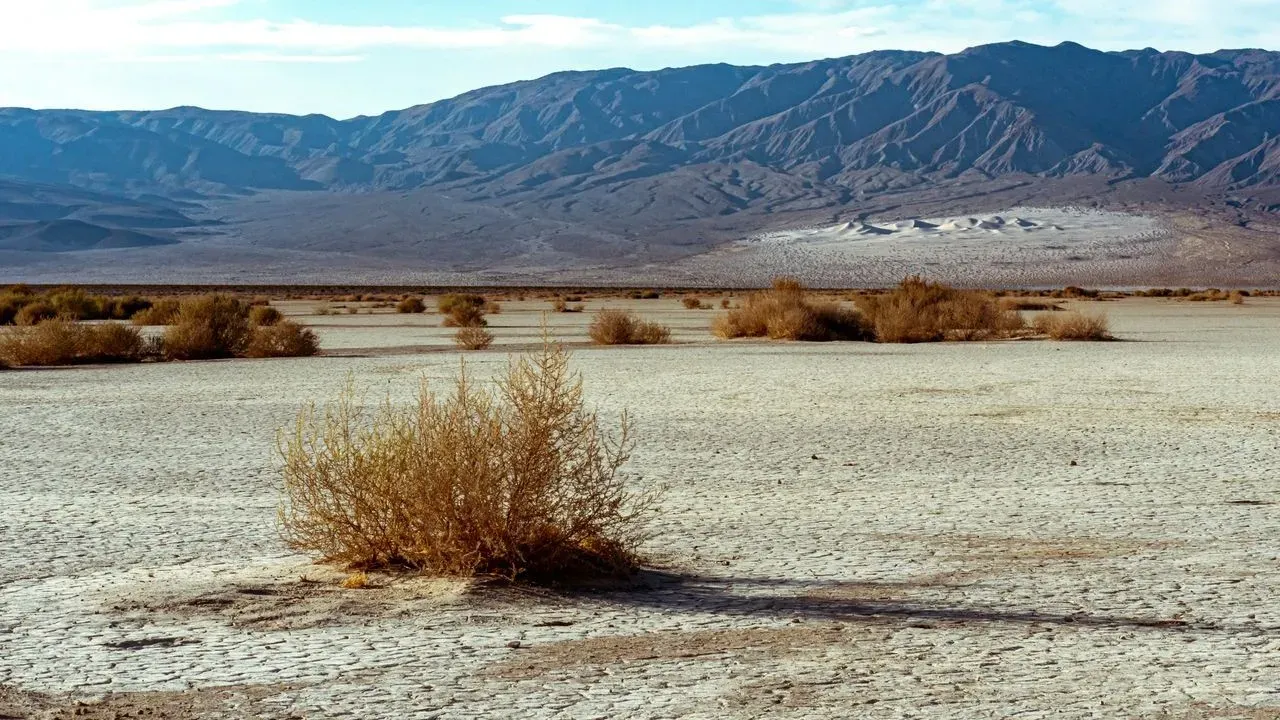

Death Valley National Park – Temperatures that climbed to 116 degrees recently claimed a life when a vehicle became stranded, a stark reminder of how quickly conditions can turn dangerous in one of the hottest places on Earth. The incident, reported last week, points to the value of thorough preparation rather than any inherent peril in visiting these remarkable landscapes. Travelers who approach the park with respect for its climate and a clear plan can still experience its extraordinary beauty safely and responsibly.
Recognizing the Scale of Desert Heat
Death Valley holds records for some of the highest surface temperatures ever measured, and summer readings frequently exceed 110 degrees. Such extremes place real demands on the human body, vehicles, and equipment. Even short stops outside an air-conditioned car can lead to rapid dehydration and heat exhaustion when the mercury climbs that high. Understanding these realities before arrival helps visitors set realistic expectations and adjust itineraries accordingly.
Building a Solid Pre-Trip Plan
Successful desert travel begins long before the first mile is driven. Checking the National Park Service website for current conditions, road closures, and heat advisories provides essential context. Choosing early morning or late evening hours for any outdoor activity reduces exposure during peak heat. Carrying more water than seems necessary, along with extra fuel and a fully charged phone or satellite communicator, creates a meaningful safety margin.
Practical Steps Once on the Road
Staying on paved roads and avoiding remote backcountry routes during the hottest months lowers the chance of mechanical trouble. If a vehicle shows signs of overheating, pulling over in a safe spot and waiting for temperatures to drop is wiser than pushing forward. Keeping the gas tank above half full prevents the added stress of searching for fuel in isolated areas. Sharing an itinerary with someone outside the park ensures help can be summoned if plans change unexpectedly.
Respecting the Landscape While Exploring
Death Valley rewards those who move slowly and observe its unique geology, salt flats, and distant mountain ranges. Short, shaded walks near visitor centers or along established trails allow appreciation without unnecessary risk. Leaving no trace, conserving water, and yielding to wildlife maintain the park’s delicate balance for future visitors.
These small choices reflect the same thoughtful approach that keeps travelers safe in extreme conditions. Responsible preparation turns a potentially hazardous environment into a setting for genuine discovery. With awareness and care, Death Valley continues to offer profound encounters with the natural world that stay with travelers long after they return home.
AI Disclaimer: This article was created with the assistance of AI tools and reviewed by a human editor.