


There is a small mound of earth about 20 miles south of Tbilisi that quietly changed how the world understands the origins of wine. What archaeologists found there did not just push back a date on a timeline. It reframed an entire civilization’s relationship with the vine, stretching back to a period when writing had not yet been invented and the Iron Age was still millennia away.
Georgia sits at the crossroads of Europe and Asia, sheltered by the Caucasus mountains, and it is here that the story of wine as we know it arguably begins. Today, that story is gaining a new global audience, as winemakers, travelers, and scholars from around the world arrive to taste something that no other country can quite replicate.
The Archaeological Evidence: Where It All Began
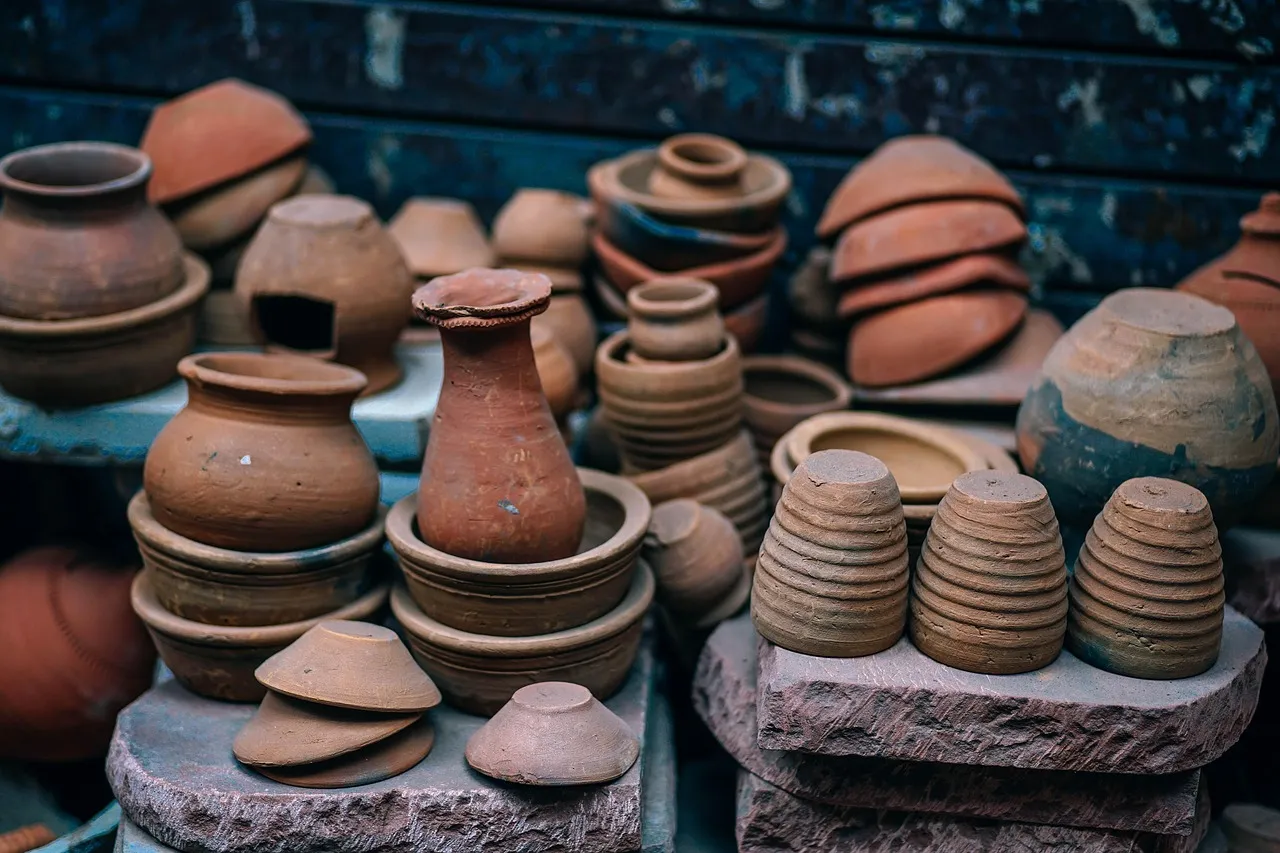
In 2017, researchers discovered evidence of many millennia of wine production at Gadachrili Gora, an archaeological site about 20 miles south of the country’s capital, Tbilisi. The Stone Age farmers who lived there 8,000 years ago were grape lovers: their rough pottery is decorated with bunches of the fruit, and analysis of pollen from the site suggests the wooded hillsides nearby were once decked with grapevines.
When the samples were analyzed by University of Pennsylvania archaeologist Patrick McGovern, he found tartaric acid, a chemical “fingerprint” that shows wine residues were present in fragments of pottery from both sites. The discovery from Gadachrili Gora in Marneuli Municipality was studied by Georgian scientists and specialists from seven different countries, led by Patrick McGovern, biochemist, wine researcher, and a professor at the University of Pennsylvania.
Previously, the oldest chemical evidence of wine in the Near East dated to 5,400 to 5,000 BC and was from the Zagros Mountains of Iran, according to a report in the Proceedings of the National Academy of Sciences. Georgian winemaking practices existed 3,000 years before the invention of writing and 5,000 years before the start of the Iron Age.
Gadachrili Gora and Shulaveri Gora: The Neolithic Villages

Excavating the overlapping circular houses at the site, the team found broken pottery, including the rounded bases of large jars, embedded in the floors of the village houses. More samples were found at Shulaveri Gora, another Stone Age village site a mile or so from Gadachrili that was partially excavated in the 1960s.
Archaeological excavations in the southern Georgian region of Kvemo Kartli, notably at Dangreuli Gora, Gadachrili Gora, and in the village of Imiri, uncovered evidence of grape pips and kvevris dating back to the 6th millennium BC. The Georgian National Museum and the University of Toronto dated these artifacts to the Neolithic period, approximately 6000 BC, making them the earliest evidence of ancient winemaking.
In 2015, scientists studying the history of agriculture uncovered ancient clay vessels dating back 8,000 years at an archaeological dig in southeastern Georgia. The Neolithic-era site is a joint project of the Georgian National Museum and the University of Toronto. Researchers analyzing the residue contained within the vessels, the remains of grapes and grape seeds, dated the material to 6000 BCE. This establishes ancient Georgia as the first known location of grape winemaking.
The Qvevri: A Vessel Unlike Any Other
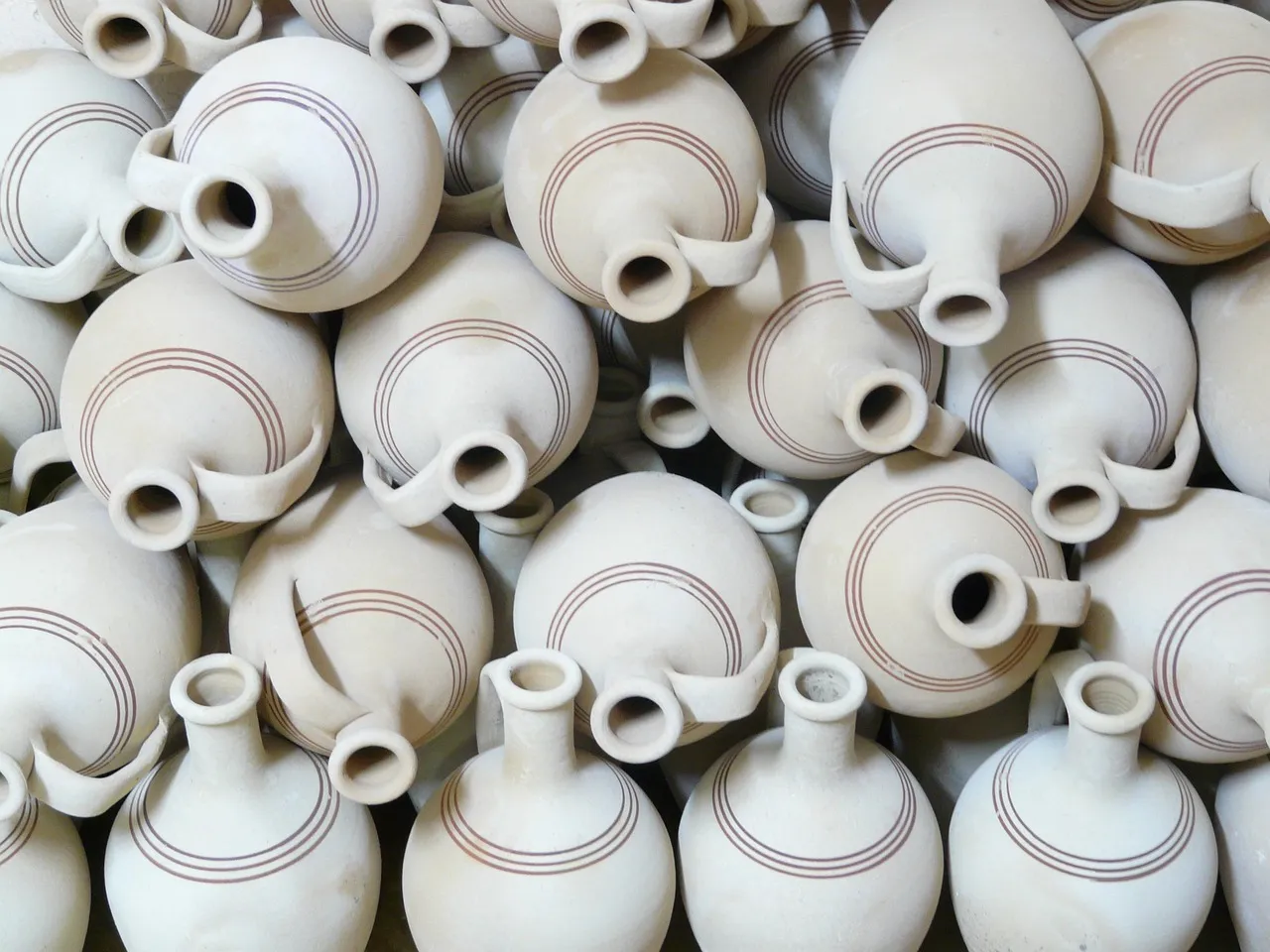
Qvevri are uniquely Georgian vessels, different in shape and function from the clay amphorae used elsewhere. Used for wine fermentation, maturation, and storage, qvevri are among the world’s earliest examples of winemaking technology. A qvevri, also called a churi in western Georgia, is a large, egg-shaped clay vessel with a narrow bottom and a wide mouth at the top.
In this process, grapes are crushed and put into a beeswax-lined qvevri, with skins, seeds, and sometimes stems, where they are fermented without intervention, relying on naturally occurring yeast. During this time, the qvevris are located underground to maintain a consistent temperature. Fermentation takes roughly three weeks, after which the qvevri is sealed and the wine is left to mature for many months.
Qvevri clay contains limestone, and a small number of precious metals, including gold, silver, and copper. Lime, which reacts with tartaric acid, strengthens the walls of the qvevri and acts as a natural antiseptic, which is very important in winemaking, where up to 400 types of bacteria are known. Modern qvevri typically range in size from 100 liters to 3,500 liters.
UNESCO Recognition: A Global Seal of Cultural Importance

The tradition of making wine in qvevri is so embedded in Georgian culture that in 2013 UNESCO added it to its catalog of humanity’s intangible cultural heritage. It joins a relatively exclusive club of wine-related items recognized by UNESCO, including the areas of Tokaj, St. Emilion, the Upper Douro, and the island of Hvar.
Knowledge and experience of qvevri manufacture and wine-making are passed down by families, neighbors, friends, and relatives, all of whom join in communal harvesting and wine-making activities. Children learn how to tend the vines, press grapes, ferment wine, collect clay, and make and fire qvevris through observing their elders.
According to Georgia’s national wine agency, exports of the country’s wine have grown rapidly since the inscription in 2013. The year before, 17.5 million bottles were exported; by 2013, this had nearly doubled to 33.5 million, reaching around 100 million liters today. Export revenue rose from $128 million in 2013 to $276 million today, with a growing share going to the US market.
Kakheti: The Heartland of Georgian Wine

At the heart of Georgia’s wine scene is Kakheti, located in southeastern Georgia and responsible for producing about three-quarters of the country’s wine. Kakheti is Georgia’s winemaking powerhouse, containing 20 of the 29 PDO appellations in the country. Much of the prime wine-growing land is split between two valleys: the Alazani Valley, flanked by the Caucasus mountains to the north and the Gombori range to the south, and the Iori Valley, situated south of the Gombori mountains.
Kakheti accounted for the largest share of processed grapes in 2025, with about 327,000 tons, also setting a regional record. Revenues from Kakheti’s grape sales reached 432 million GEL. About 340 thousand tonnes of grapes were processed by 730 companies, involving 22,000 winegrowers, the largest harvest in 30 years.
Kakheti is the country’s premier wine-producing region and is often referred to as the “Cradle of Wine.” It has a winemaking tradition spanning more than 8,000 years using the unique qvevri method. The region is home to over 500 indigenous grape varieties, contributing to a very diverse selection of wines.
Saperavi and Rkatsiteli: The Flagship Grapes
A rare teinturier grape variety with both red flesh and skin, Saperavi, meaning “to paint or dye,” produces deep-colored wines that boast bold, concentrated flavor, crisp acidity, firm tannins, and are celebrated for their age-worthiness. Originating in the Kakheti region of eastern Georgia, Saperavi is now grown throughout the entire country’s wine-growing regions to create rosé, dry, semi-sweet, sweet, and fortified wines.
One of the native grape varieties leading the Georgian wine export growth is Saperavi, the most-planted red grape in the country. A surge in overall interest for the category among US consumers has catalyzed a series of promotions and events, dedicated to the ancient grape variety, which accounts for roughly one-third of all wine produced in Georgia as the country’s most prominent red grape variety.
Kakheti is famed for its bold, full-bodied Saperavi reds, but white or orange wine made from Rkatsiteli is even more common. Due to its diverse and unique microclimate, there are about 500 grape varieties in modern Georgia.
Regional Diversity: Beyond Kakheti

The best-known Georgian wine regions are in the country’s east, such as Kakheti, further divided into the micro-regions of Telavi and Kvareli, and Kartli, but also in Imereti, Racha-Lechkhumi, and Kvemo Svaneti, and coastal areas like Adjara and Abkhazia. Each of these regions interprets the qvevri tradition slightly differently, producing wines with their own distinct character.
Winemaking technology varies in different parts of Georgia. In Kakheti, the total amount of chacha, or grape solids, participates in alcoholic fermentation, while the Imereti way of qvevri winemaking means adding not the total amount of chacha but a maximum of one-third to the grape juice poured into the qvevri.
In Racha, around 3,000 tons of grapes, including Aleksandrouli and Mujuretuli varieties, were processed in 2025, involving over 1,400 winegrowers and generating 23.5 million GEL in revenue. In recent years, a growing number of boutique family wineries have emerged in regions such as Kakheti, Imereti, and Racha, blending ancient qvevri methods with modern marketing and tourism strategies.
Georgia’s Wine Exports: Growth, Challenges, and New Markets
In 2024, Georgia exported 95 million liters of wine worth $276.1 million, a six percent increase in volume and a seven percent rise in revenue compared to the previous year. Georgian wine is becoming increasingly popular in the US, especially amid the rising natural and low-intervention wine movement, with exports reaching 900,000 liters between January and August 2024, a substantial increase compared to the same period in 2023.
In early 2025, Georgia experienced a significant decline in natural wine exports, with the National Statistics Office reporting a drop compared to the same period in 2024, with the most noticeable decline occurring in the Russian market. Russia’s share in total Georgian wine exports declined from roughly three-quarters to just over three-fifths, indicating a gradual shift away from heavy dependence on that single market.
Strategic markets showed high average export prices, with the USA at $6.20 per litre, Japan at $5.82, and the UK at $5.10. The overall average price per litre of Georgian wine rose from $2.91 in 2024 to $2.98 in 2025, signaling steady value growth.
Wine Tourism: A Booming Economy Built on Ancient Roots

Wine tourism has emerged as a significant development engine, attracting 2.4 million people to the Kakheti and Kartli regions in 2025 alone and producing $340 million in wine-related spending. As of mid-2025, wine-related tourism traffic to the region increased by roughly one-quarter year-on-year, driven by international visitors from Poland, Israel, Germany, and the Gulf.
Wine tourism in Kakheti goes beyond simple tastings. Visitors can explore ancient winemaking techniques using clay vessels called qvevri, tour exclusive cellars that double as art galleries, and participate in hands-on classes led by local vintners. The number of boutique wine hotels and guesthouses in Kakheti has grown by over a third since 2022.
Galt & Taggart, the investment firm, projects tourism revenue could hit $4.6 billion by 2025, celebrating a sector that is not just recovering but actively shaping the country’s future economy. Around 20 new high-quality hotels are planned across Georgia between 2025 and 2028, transforming quiet rural villages into sought-after destinations for both domestic and international travelers.
Wine, Identity, and the Marani: A Living Culture
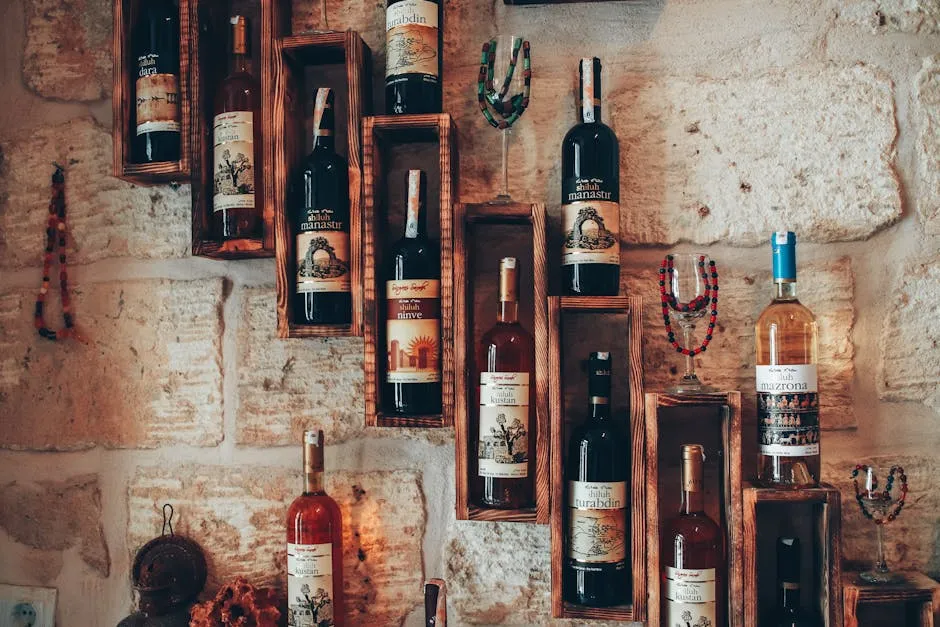
Wine plays a vital role in everyday life and in the celebration of secular and religious events and rituals. Wine cellars are still considered the holiest place in the family home. Due to millennia of winemaking and the prominent economic role it retains in Georgia to the present day, wine and viticulture are entwined with Georgia’s national identity.
The tradition of qvevri wine-making defines the lifestyle of local communities and forms an inseparable part of their cultural identity and inheritance, with wine and vines frequently evoked in Georgian oral traditions and songs. The practice has recently spread to other countries, such as Slovenia, Italy, Armenia, Croatia, and even the US, alongside current interest in natural and orange wines.
The country is seeing a boom in high-quality, boutique wineries, as well as projects to identify and replant native grapes. Since 2013, when UNESCO introduced the ancient tradition of qvevri winemaking to the list of intangible cultural heritage, this method has become even more popular and has spread beyond Georgia. Trends in remastering the qvevri technique can be found in different wine regions around the world, with representatives of the old world and new world actively testing making wine in clay, amphora-like vessels.
Looking Ahead: Tradition Navigating a Modern World

Targeted marketing efforts emphasizing unique Georgian winemaking traditions and authentic grape varieties such as Saperavi and Rkatsiteli could help boost demand. Georgian wine exporters are also working to shift focus from volume-driven sales to higher-margin premium wines, raising export prices and positioning Georgian wines as high-quality, boutique products.
Georgia’s GDP grew by 9.4 percent in 2024, making it one of the fastest-growing economies in the region, and wine is a central part of that story. Wine production is now Georgia’s second-largest export sector after mining, with tourism providing an important boost to both industries.
What makes Georgia’s story genuinely unusual is not simply its age. It is the fact that the same clay vessel buried in a family courtyard today connects a living winemaker directly to a Neolithic farmer who stood on the same soil eight millennia ago. While much has changed in the eight millennia between then and now, the country’s love for wine and its winemaking traditions have endured. That is a kind of continuity that no appellation law, no marketing campaign, and no new variety can manufacture. It either exists or it does not. In Georgia, it does.
AI Disclaimer: This article was created with the assistance of AI tools and reviewed by a human editor.