
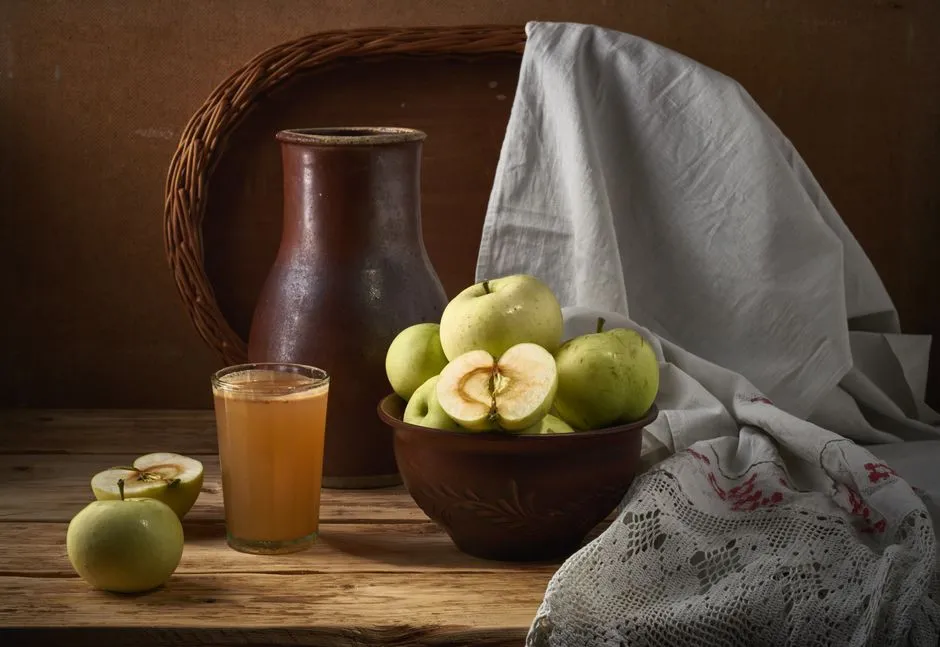
There’s a particular smell that hangs over the Blue Ridge foothills every autumn, somewhere between wet leaves and pressed fruit, and it has been part of this landscape for longer than most visitors realize. Long before craft beverage trails and farm-to-table menus became fashionable, families here were already tending trees planted by their great-grandparents, pressing juice in barns that predate the Civil War, and quietly keeping alive apple varieties that had all but vanished everywhere else. This is a region where history isn’t packaged for tourists so much as it’s simply still in use, one orchard row at a time.
Apples Arrived With the First Colonists
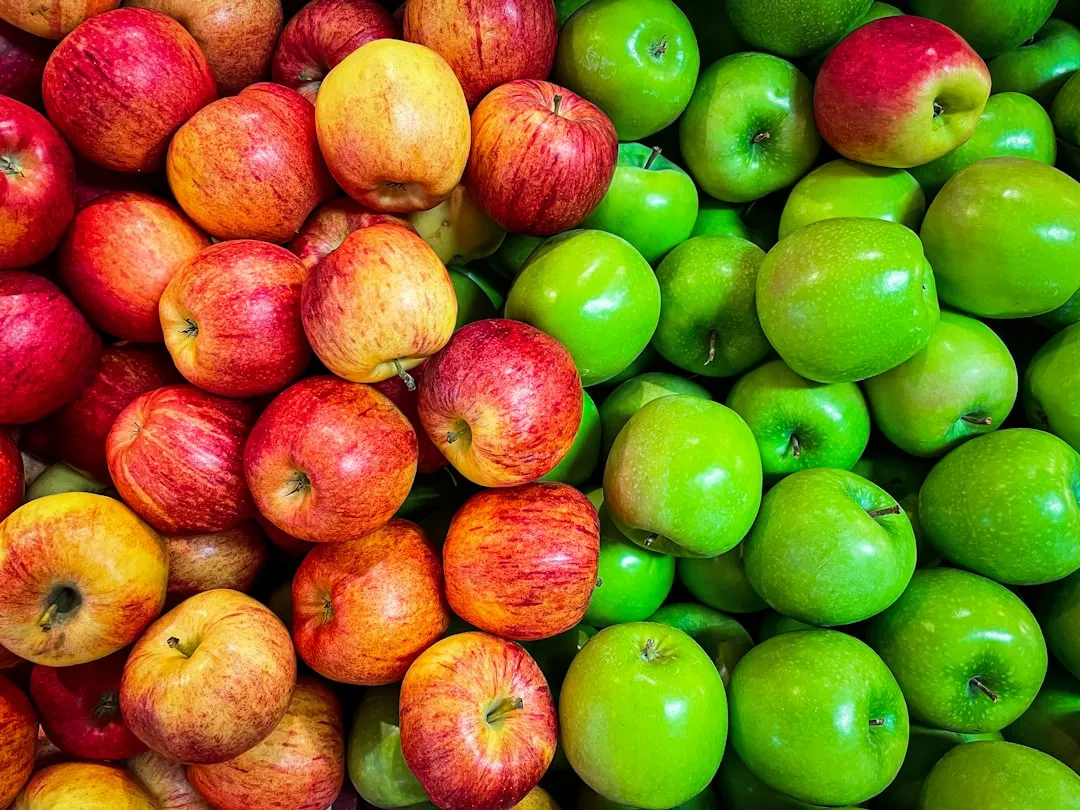
Apple trees didn’t grow wild in Virginia before Europeans arrived. In the early 17th century, apples traveled in the hulls of ships with colonist groups crossing the Atlantic, and these apples found their way into orchards in what would become the Commonwealth of Virginia. Apples became so important to colonial settlers that many land grants required owners to have orchards to receive land from the King of England. That early requirement shaped the Piedmont and the Blue Ridge foothills for centuries, and it’s part of why orchards feel so woven into the region’s identity rather than tacked on as a modern attraction.
Thomas Jefferson’s Orchard at Monticello
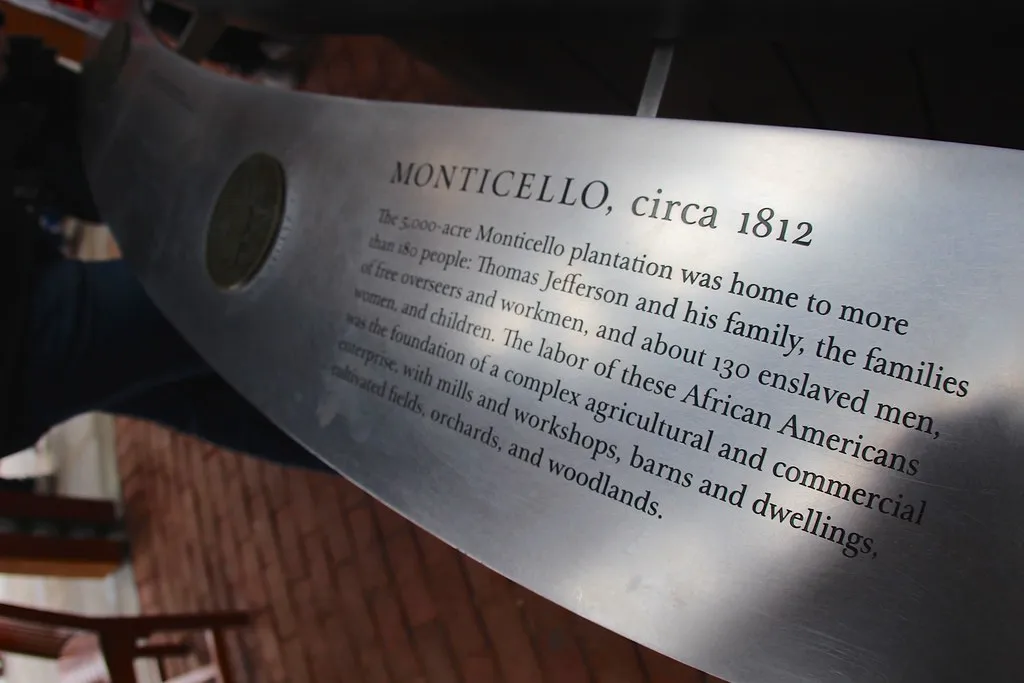
Few historical figures loom larger over Virginia’s apple story than Thomas Jefferson. Jefferson cultivated eighteen varieties of apples in his orchard at Monticello, planted between 1769 and 1814. He wasn’t simply an admirer of the fruit, either. His champagne-like cider, made with Hewe’s Crabapples, was described as his personal table drink. It’s worth noting, as historians researching the period have documented, that this orchard depended heavily on enslaved laborers who managed the trees and oversaw the cidermaking, a part of the story that any honest account of Virginia cider history has to include.
Castle Hill Cider and the Albemarle Pippin
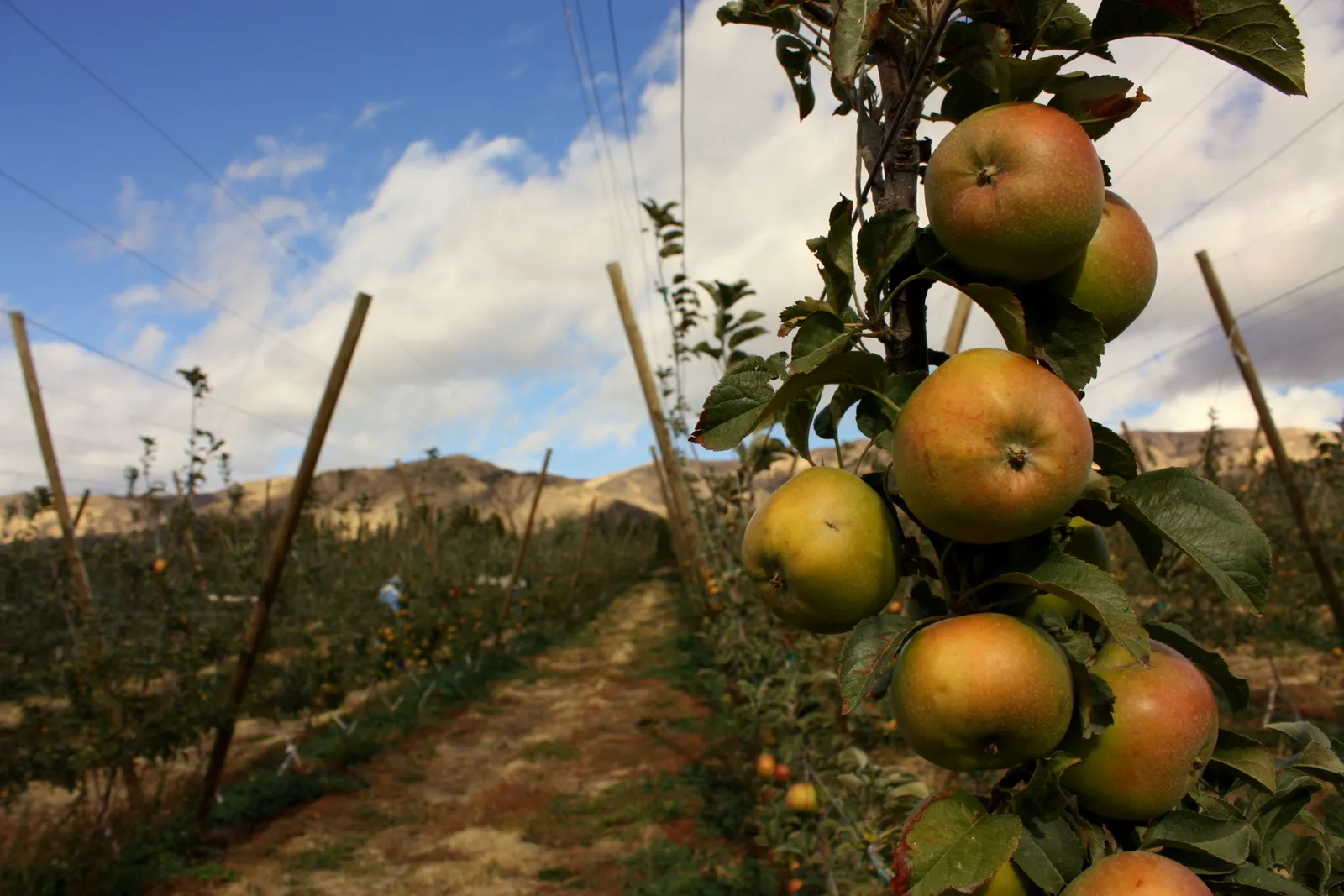
A few miles from Monticello, in Keswick, sits an estate with its own claim to apple history. The cidermakers at Castle Hill Estate draw inspiration from the first Albemarle Pippin apples grown there in 1777. Today the cidery uses apples grown across its 600-acre grounds along with fruit from a community of local growers to build a library of orchard-driven Virginia ciders. The Albemarle Pippin itself has a surprisingly grand legacy, having once been shipped across the Atlantic and favored in European courts, which makes tasting it here feel like sampling a small piece of transatlantic history rather than just another apple.
Albemarle Ciderworks and the Fight to Save Heirloom Varieties
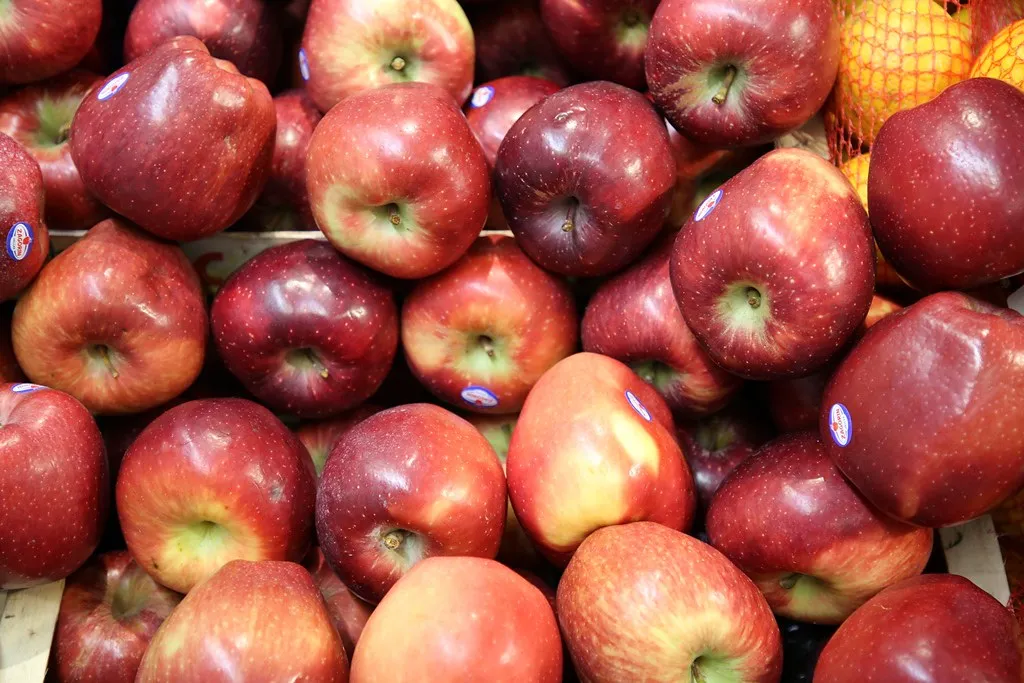
Not far from North Garden, the Shelton family runs what might be the most deliberate act of apple preservation in the region. Albemarle Ciderworks is a family-run cidery and tasting room producing hard cider from heritage varieties, the hundreds of heirloom and local varieties cast aside in the search for perfectly saleable, shippable fruit. Thomas Jefferson experimented with eighteen or more varieties of apples at Monticello, only a few miles from the orchard at Rural Ridge, and the Sheltons grow a dozen or so of those heritage cultivars still extant, blended into full-bodied ciders meant to rival those of the Colonial era. Charlotte Shelton and her family opened the cidery south of Charlottesville in 2009, after spending the previous decade growing more than 200 types of apple and other fruit trees. It’s slow, patient work, the kind that doesn’t show results for years, which is exactly why so few people attempt it.
Old Hill Cider and the Showalter Family’s Half-Century Orchard
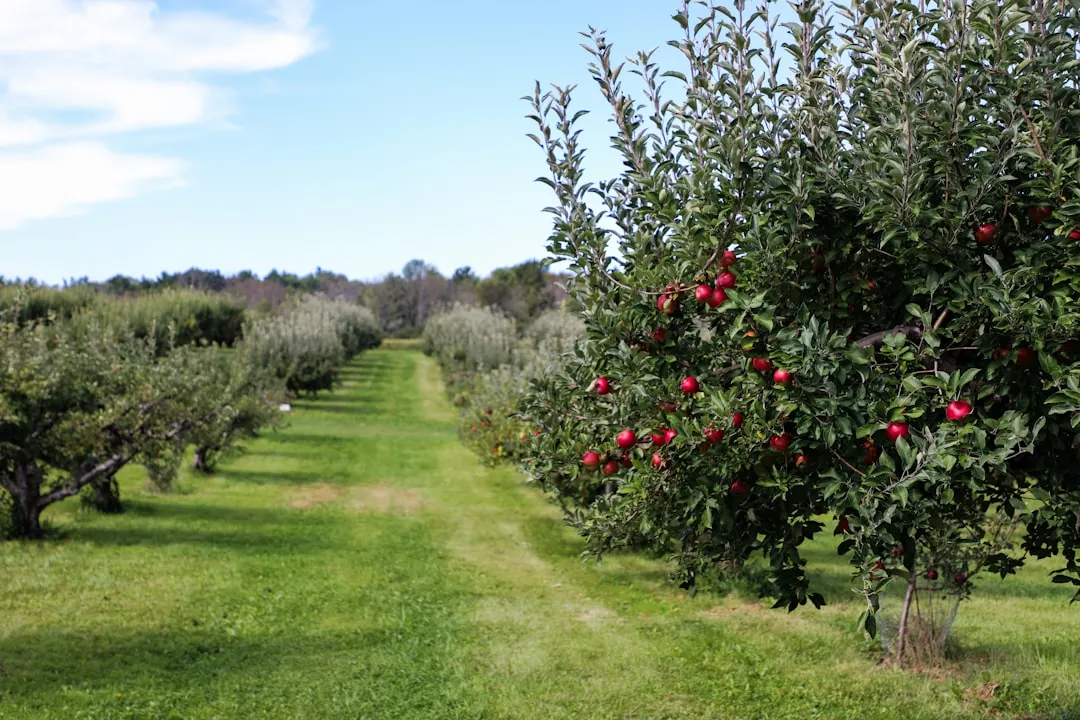
Over in the Shenandoah Valley, cider and orchard history sit on the same patch of ground. Old Hill Cider is located on one of the oldest orchards in the Shenandoah Valley, Showalter’s Orchard, where Sarah and Shannon’s family has been growing apples for almost 50 years. The Showalters describe their work as reviving an American tradition, crafting cider in a way that the colonial cidermakers of early America would recognize and appreciate. Alongside the cidery, the working orchard still functions as a pick-your-own destination, with an apple season running from mid-July through November on a hilltop overlooking the Shenandoah Valley, offering more than 30 apple varieties.
Glaize Apples and Four Generations Near Winchester
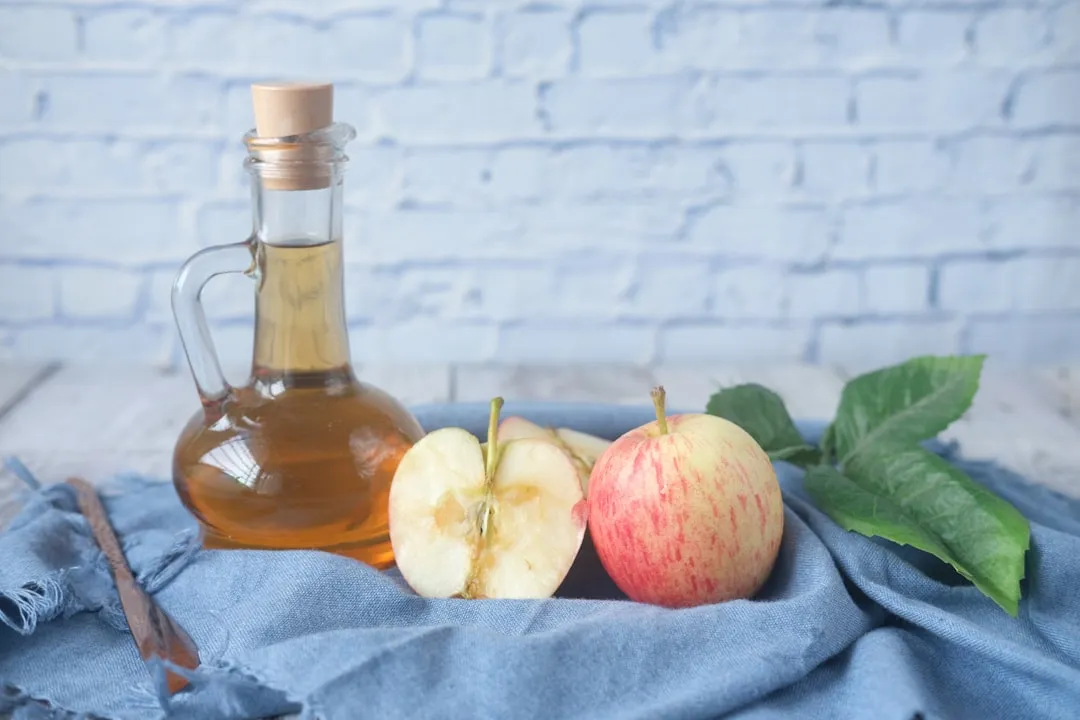
Winchester sits at the northern edge of the Blue Ridge apple country, and the Glaize family has been part of that landscape since before most modern cideries existed. Since 1937, four generations of Glaizes have added to the history of premium fruit harvests between the Blue Ridge and Allegheny Mountains. Their cider operation, run out of a tasting room in downtown Winchester, prides itself on a seed to sip philosophy, with hard apple cider that is 100 percent grown, pressed, fermented, and packaged by Glaize Apples, letting the apples do all the talking. That kind of vertical continuity, growing, pressing, and bottling all under one family’s hands across generations, is increasingly rare even within Virginia’s cider scene.
Foggy Ridge Cider and the Woman Who Restarted a Tradition
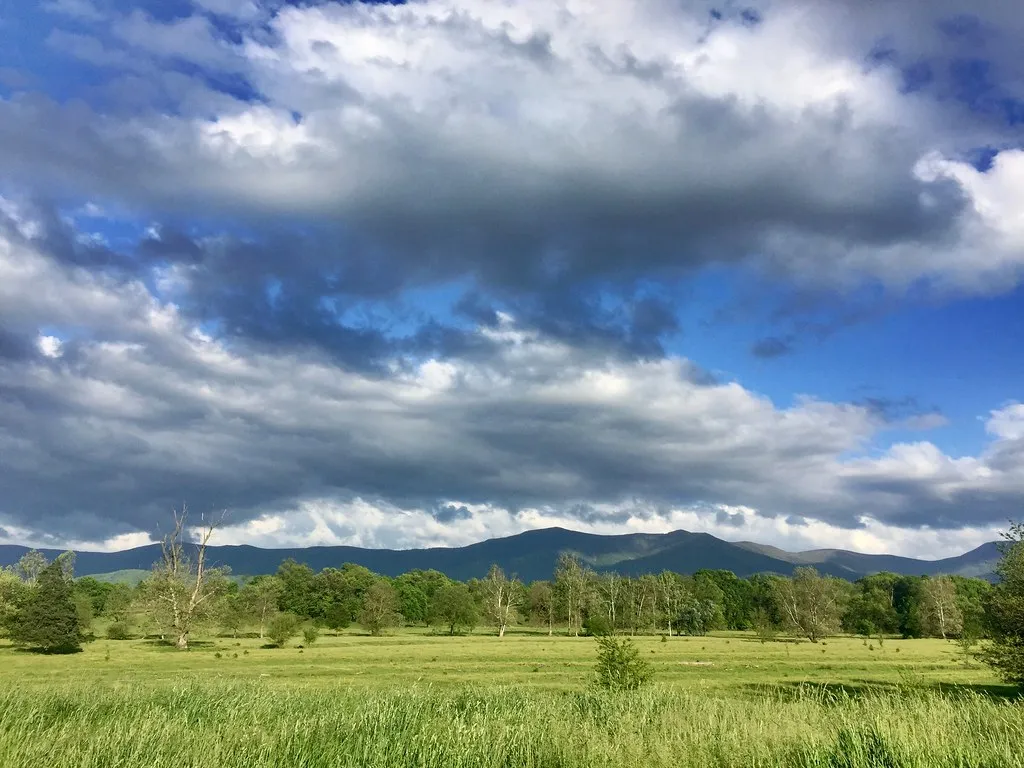
No history of Blue Ridge cider is complete without Diane Flynt. Foggy Ridge Cider began in 1997 with a cider apple orchard in the Virginia Blue Ridge Mountains, and it is recognized as the South’s first cidery of its kind in the modern era. Flynt planted apples almost nobody else was growing at the time, flavorful and acidic varieties like Hewe’s Crab, Harrison, Tremlett’s Bitter, Ashmead’s Kernel, and Dabinett, chosen for their complex flavor rather than their shelf appeal. The cidery released its final vintage in 2017, but Flynt’s influence continued beyond the bottle. She went on to write Wild, Tamed, Lost, Revived: The Surprising Story of Apples in the South, published by the University of North Carolina Press in September 2023. The orchard near Floyd still grows cider fruit today, supplying other cidermakers throughout the region.
Dickie Brothers Orchard in Nelson County
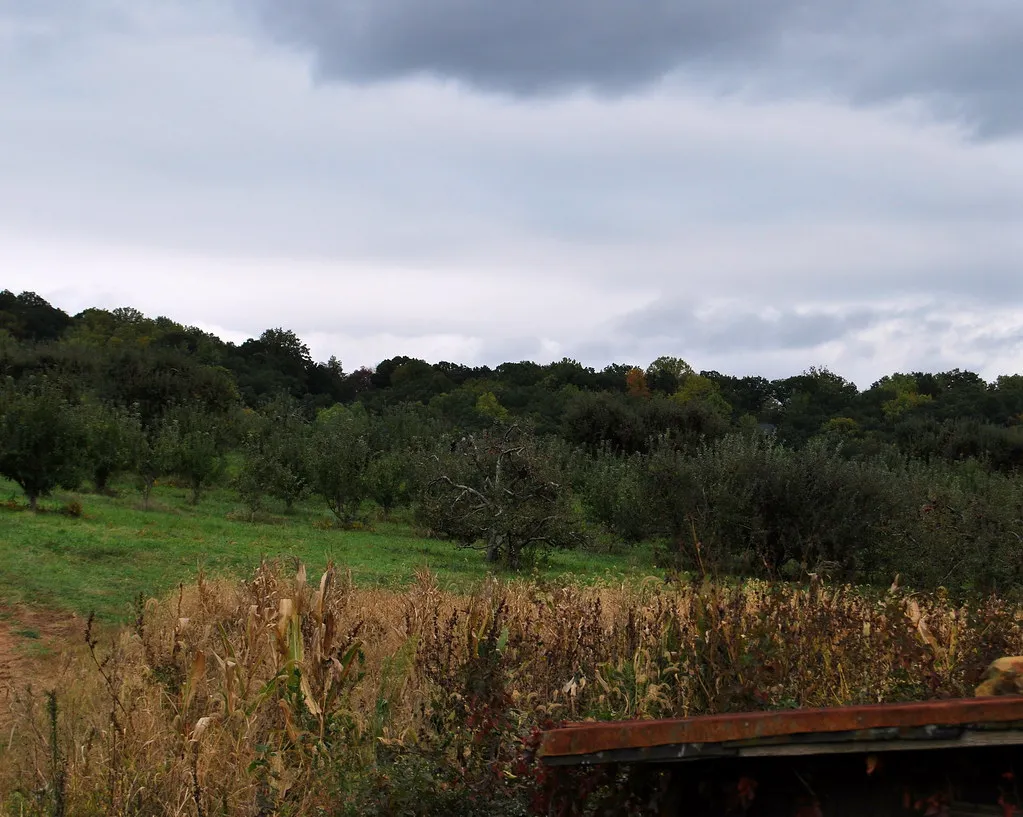
Tucked in Roseland, in the shadow of the Blue Ridge Parkway, Dickie Brothers Orchard represents a different kind of longevity, one built around fruit sales and community rather than a tasting room. The family-owned orchard grows a wide range of apple varieties, including some rare ones, and its farm store sells fresh apple cider, jams, and other local products. Orchards like this one rarely make headlines, but they’re the backbone of the region’s apple economy, supplying local markets, roadside stands, and small cideries that don’t grow their own fruit. Visiting during harvest season means catching the operation at its most alive, crates stacked high and the air thick with the smell of fresh-pressed juice.
Stribling Orchard and the Landscape of Markham
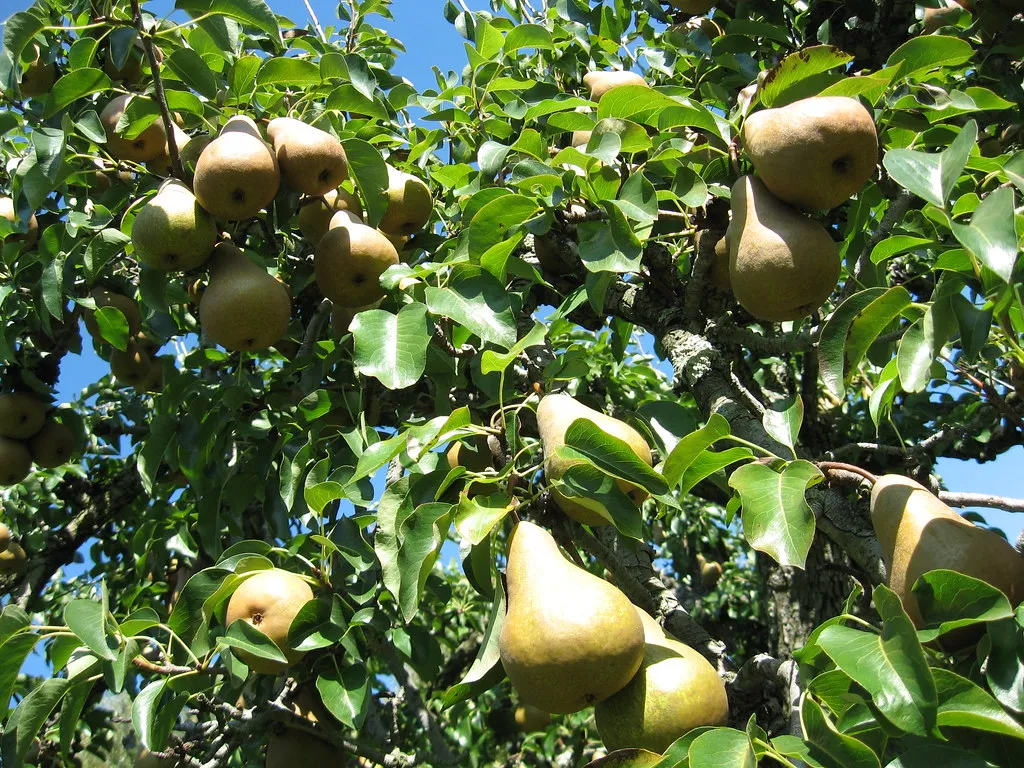
Further north, near the town of Markham, Stribling Orchard offers a version of apple history that feels almost untouched by modern agritourism. This family-owned farm has been in operation for over 200 years, providing a timeless and authentic orchard experience against the backdrop of the Blue Ridge Mountains. Spanning 30 acres, the orchard invites visitors to wander through rows of fruit trees nurtured for generations, with a traditional, no-frills approach that lets the landscape and the fruit take center stage. There’s no elaborate visitor center here, just an on-site farm store and rows of trees that have outlasted several generations of the family that planted them, which is arguably the whole point of visiting.
Bold Rock and the Modern Scale of Blue Ridge Cider
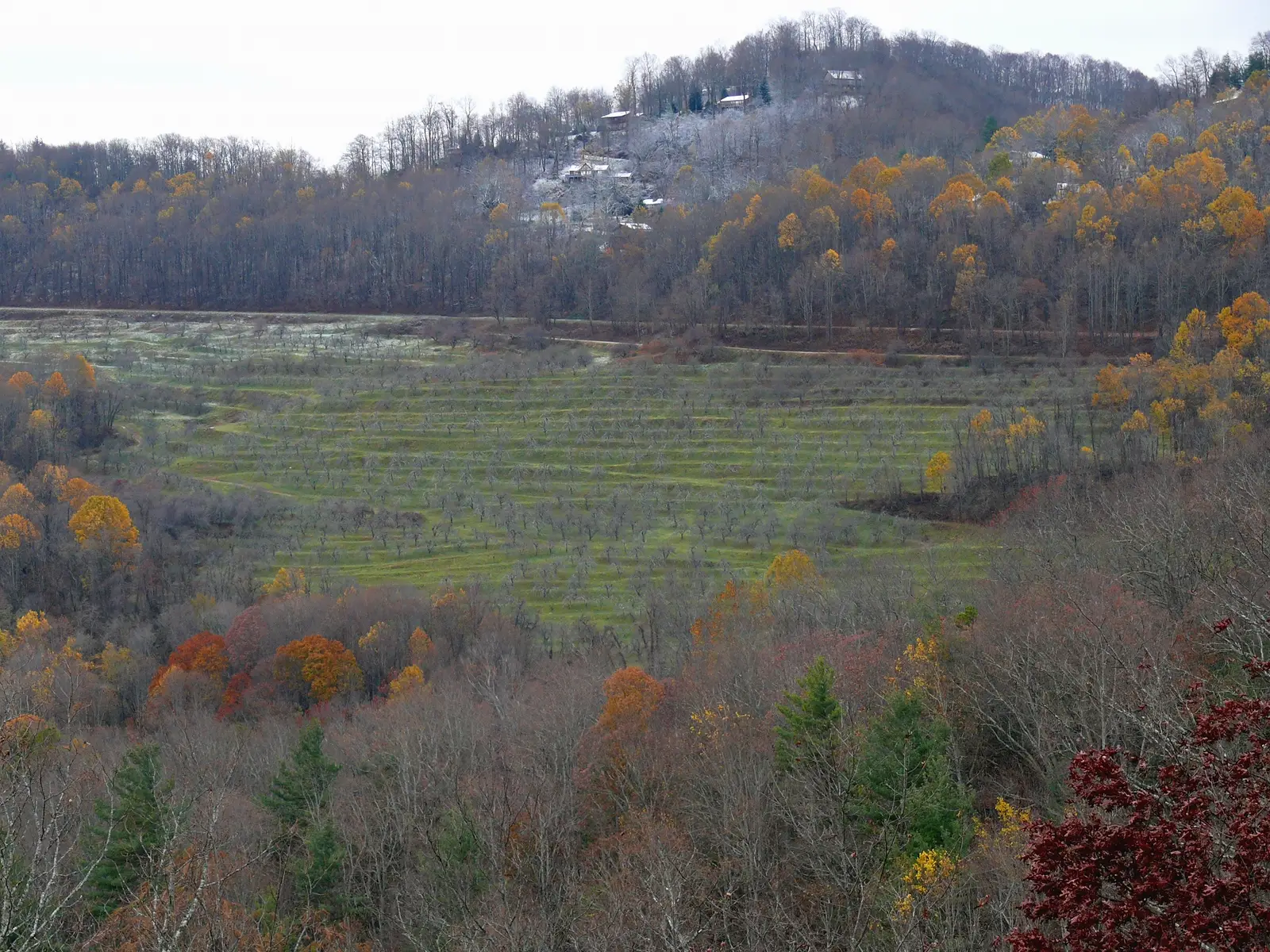
Not every chapter of this story is small and quiet. Bold Rock Hard Cider launched in June 2012 out of a humble barn nestled in the Virginia foothills of the Blue Ridge Mountains, founded by a Virginia farm owner and a cidermaker from New Zealand. Since then it has grown into the largest regional cider brand in the country, with production facilities in Nellysford, Virginia and Mills River, North Carolina, while still relying on locally sourced Blue Ridge apples. The operation uses 14 different apple varieties, primarily culinary apples such as Granny Smith, Gala, McIntosh, and Rome, pressing over 400,000 pounds of fresh apples each month. It’s a useful reminder that the region’s apple heritage isn’t frozen in the past. It has simply grown alongside the small family orchards, sometimes at a very different scale.
Virginia Cider Week and an Industry Facing New Weather
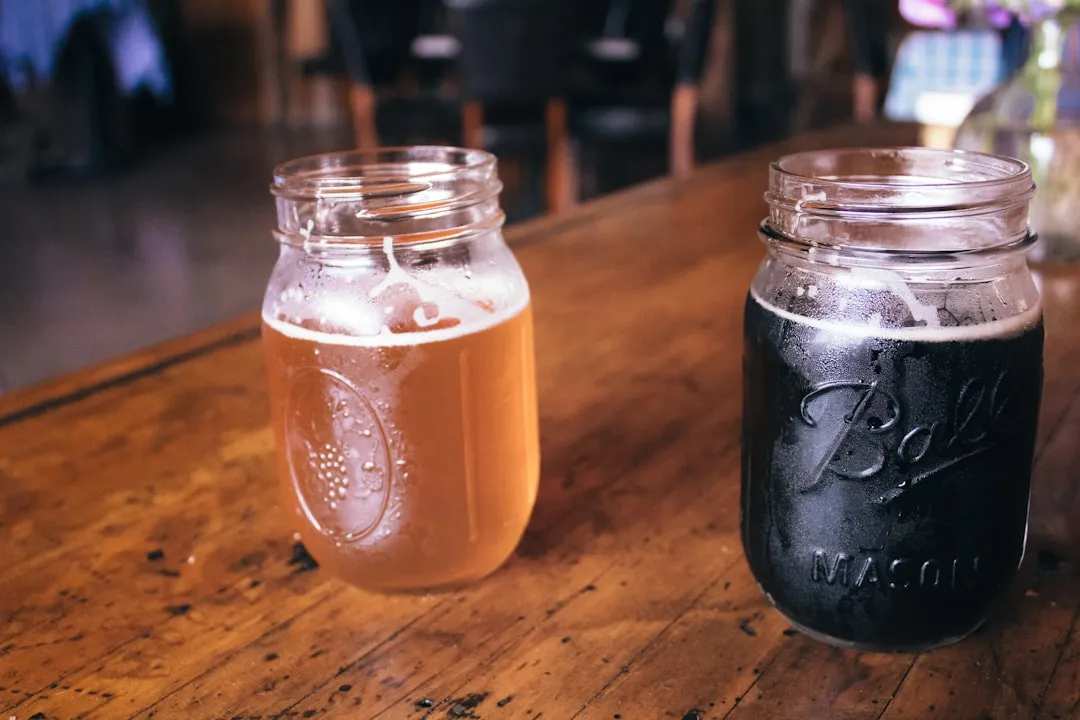
Every November, the state pauses to celebrate this whole story through Virginia Cider Week, an event organized through the Virginia Cider Association, which works to connect, inform, and promote the state’s cider industry through education, advocacy, and programs like Cider Week. Yet the past couple of harvests have tested that industry in ways history books can’t fully prepare growers for. Virginia’s 2025 apple crop came in sharply down, roughly 28 percent below 2024 levels, after a damaging spring freeze. Even so, Virginia’s fresh utilization has been climbing over the longer term, rising from about 30 percent in 2012 to upwards of 56 percent by 2024, meaning more of the state’s apples are reaching people directly rather than going to processing. That mix of old resilience and new climate pressure is, in its own way, just the latest chapter in a very long Blue Ridge story.
Standing in any one of these orchards on a clear October afternoon, with the Blue Ridge rising blue and hazy in the distance, it’s easy to forget how much has changed and how much has simply held on. The cideries and farms scattered across this landscape aren’t reenacting history for visitors. They’re still doing the same slow, seasonal work their predecessors did, just with better refrigeration and a few more tasting rooms. That continuity, more than any single apple variety or historic building, is probably the region’s most quietly remarkable feature.
AI Disclaimer: This article was created with the assistance of AI tools and reviewed by a human editor.