
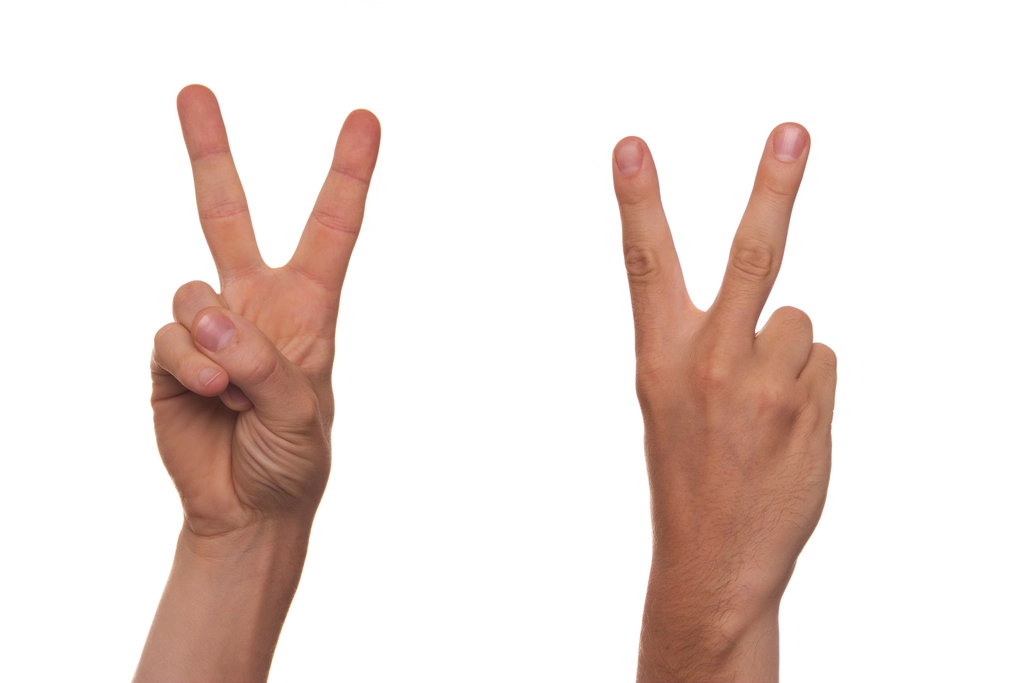

It Has an Official Name: The Disney Point
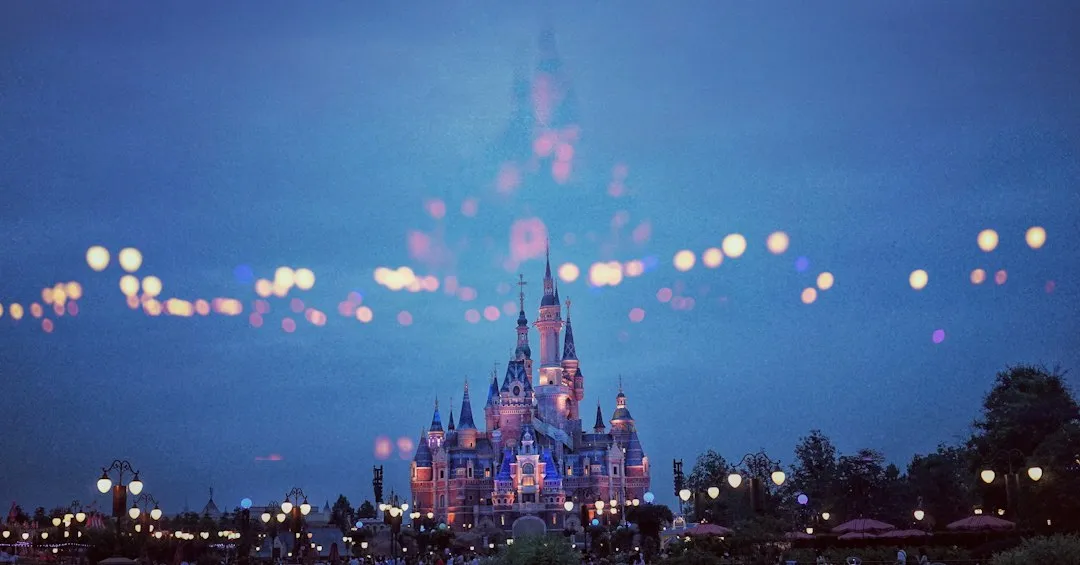
If you ask a cast member at a Disney park for directions, they will always point you toward your requested location with two fingers instead of just one. You’ll notice that parade characters do exactly the same thing. The two-finger point is deliberate, and it even has a name in the industry: the “Disney point.”
No Disney park employee is ever allowed to point with just their index finger. Instead, they must point using both the index and middle finger, which is known as the “Disney point.”
It’s Baked Into Cast Member Training from Day One
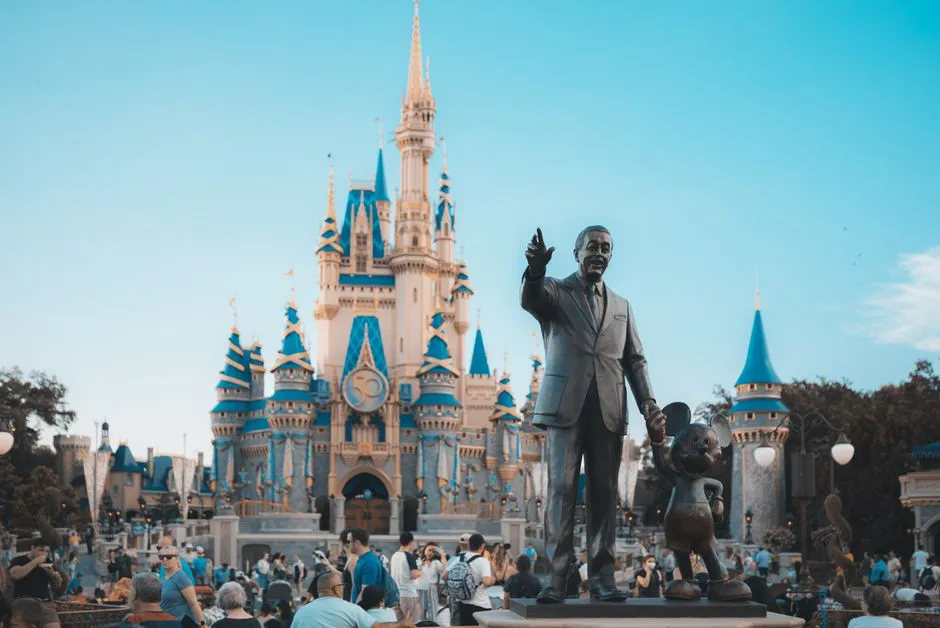
An unnamed Disney cast member verified that “the two-finger point is part of our training upon being hired in” and that it is both an homage to Disney himself and an intentional gesture to avoid a single-finger point that could be construed as rude.
Cast members cannot point with one finger. They are required to use an open palm or two fingers to help guide guests. This is not optional etiquette; it’s part of the foundational standards every new cast member learns before stepping onto the park floor.
Walt Disney’s Smoking Habit Is at the Heart of the Story
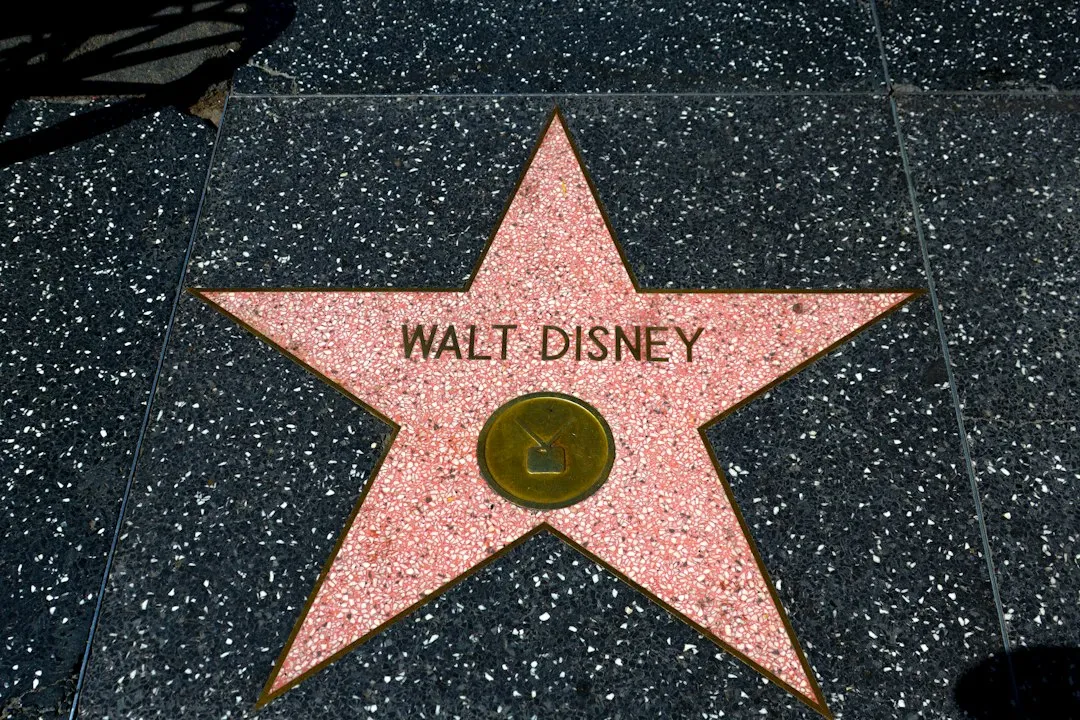
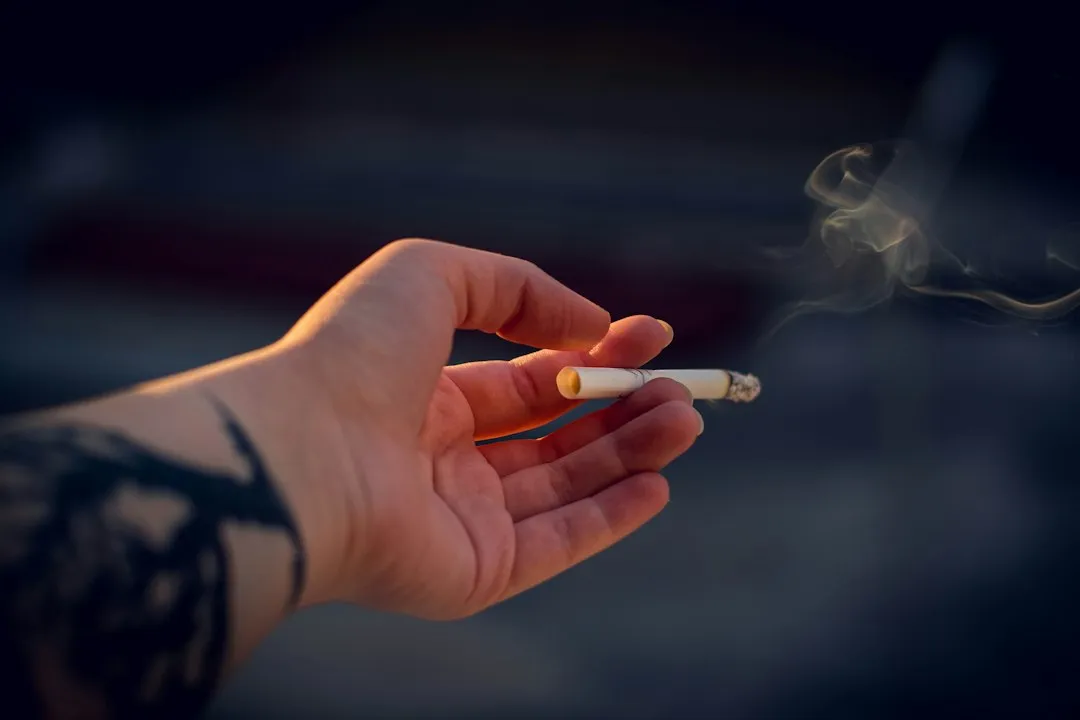
A widely circulated story holds that this practice is retained in homage to Walt Disney himself. In his later years, Walt Disney was a chain-smoker who rarely visited Disneyland without a cigarette in his hand. Because he didn’t want to put the cigarette down, the legend goes, he would point out the landmarks with two fingers.
The habit also originated directly from Walt Disney’s heavy smoking, as he rarely went anywhere without a lit cigarette clamped between his fingers. Studio photographers later airbrushed cigarettes out of photos of Walt, leaving him making a mysterious two-fingered gesture that became corporate policy.
Tom Hanks Helped Bring the Story to a Wider Audience
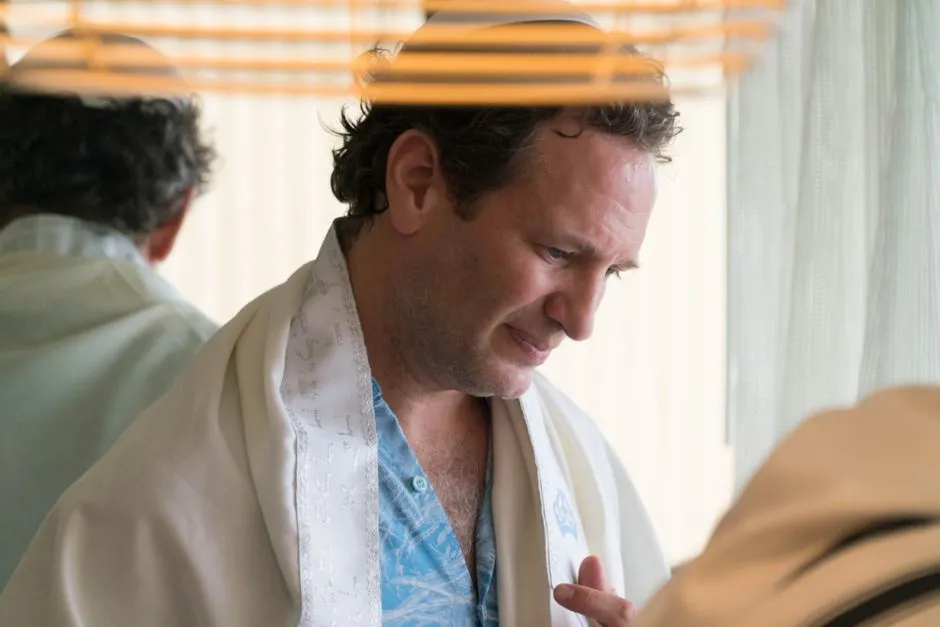
Because Tom Hanks played Walt Disney in the 2013 film Saving Mr. Banks, he actually learned the reason behind the two-finger gesture and shared the story publicly. While playing Disney in the movie about the making of Mary Poppins, he learned the secret behind the pose.
There are many photographs of Disney showing people around the lot or showing people around Disneyland itself, and he would also be pointing with two fingers, because he usually had a cigarette between those two fingers, and they airbrushed them out as time went by. Disney’s heavy smoking ultimately led to his death from lung cancer at the age of 65 in 1966.
The Cultural Sensitivity Reason Is Just as Important
The real reason cast members always use two fingers is that in some cultures, particularly in Asian cultures where pointing tends to be associated with blame, it is considered extremely rude to point with your index finger.
In countries such as Thailand, Cambodia, and Indonesia, a single-finger point is considered rude. Outside of Southeast Asia, the gesture holds the same offense in Venezuela and Argentina. In many of those countries, using an open hand with the palm down is the best way to draw attention to something or direct someone.
The Parks Draw Tens of Millions of International Visitors Each Year
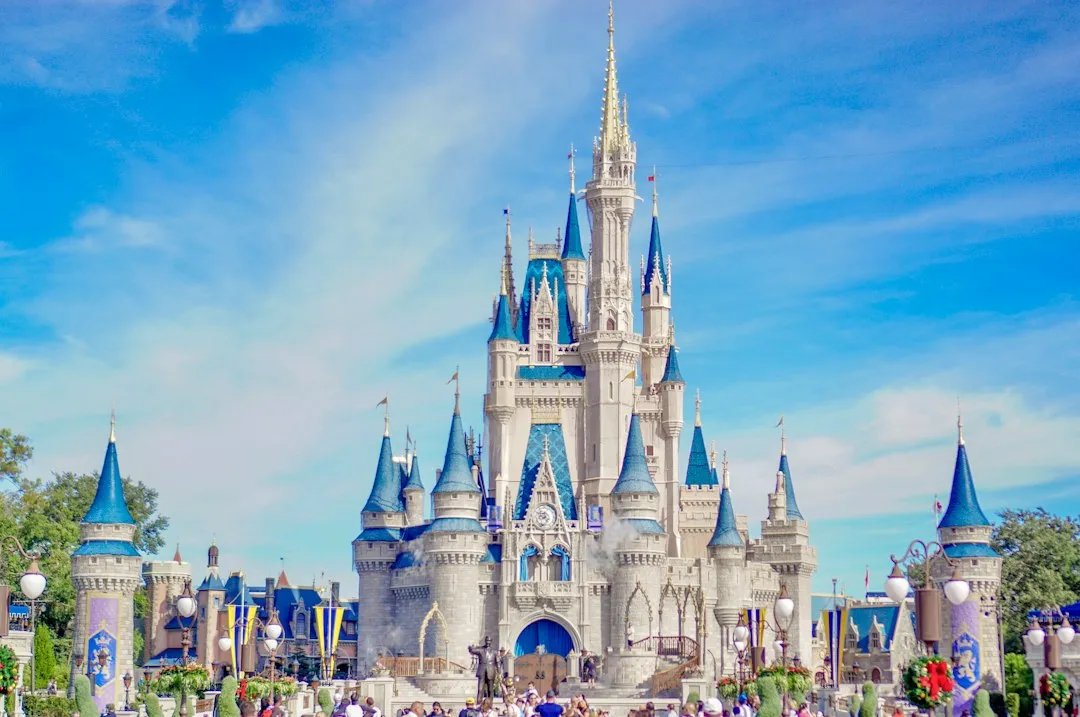
Disney’s domestic theme parks in Florida and California totaled 76.5 million visitors in 2024, a modest increase from 2023. International visitors make up roughly a fifth of Disney World’s annual attendance. With guests arriving from dozens of countries every single day, a culturally neutral pointing gesture isn’t just thoughtful, it’s genuinely practical.
Walt Disney World’s four theme parks drew about 49.1 million visits in 2024. The resort employs about 80,000 cast members. Every one of those cast members is trained in the two-finger point, making it one of the most consistently practiced hospitality gestures in the world.
Characters in Parades and Shows Follow the Same Rule
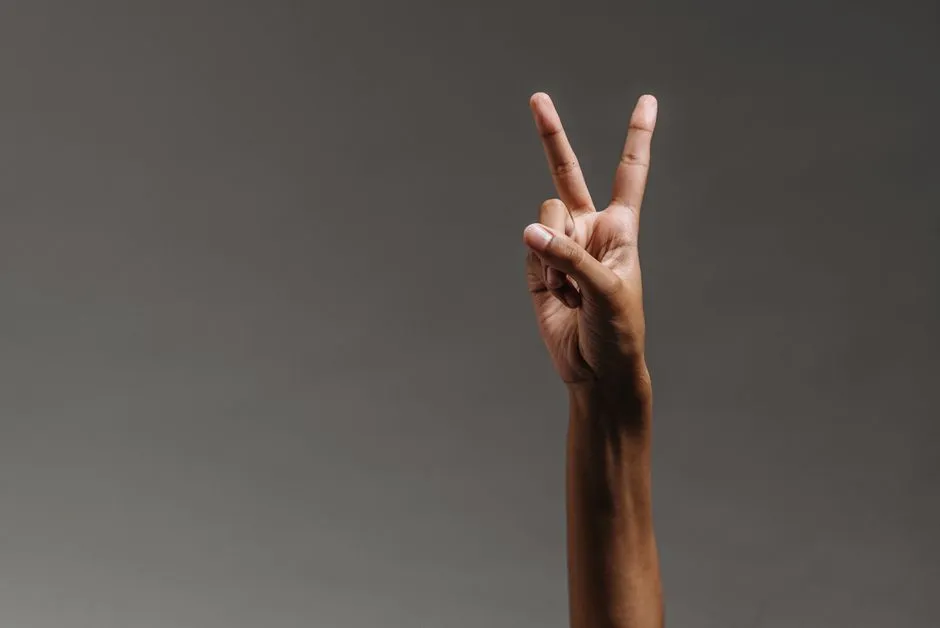
When characters are gesticulating or dancing in parades, they perform exactly the same two-finger gesture as cast members do when giving directions on the ground. This creates a visual consistency across the park that guests absorb without necessarily realizing it. The gesture becomes part of the overall theatrical language of the Disney experience.
It’s worth noting that this consistency extends to character performers in elaborate costumes too, where facial expression isn’t visible and body language carries extra communicative weight. The two-finger point becomes their most recognizable signal.
The Open Palm Is an Equally Accepted Alternative
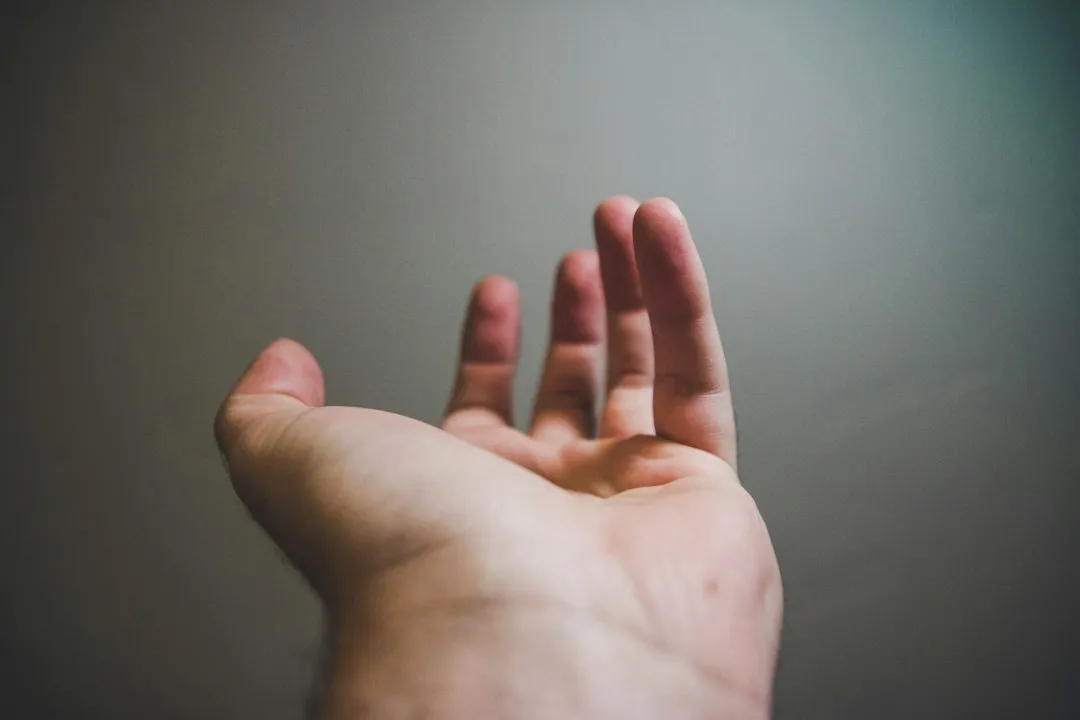
To avoid any miscommunication, all Disney cast members are instructed to point with two fingers or their full hand whenever they’re on the job. Both gestures are accepted and trained equally. In some cultures, it’s actually offensive to point with a single finger, and from a distance it’s easier to see two fingers rather than one.
The open palm option gives cast members flexibility, particularly in crowded or noisy environments where clarity of direction matters. Both gestures carry the same cultural intention: warmth, welcome, and respect for whoever is asking.
The Habit Can Stick With You Long After You Leave the Parks
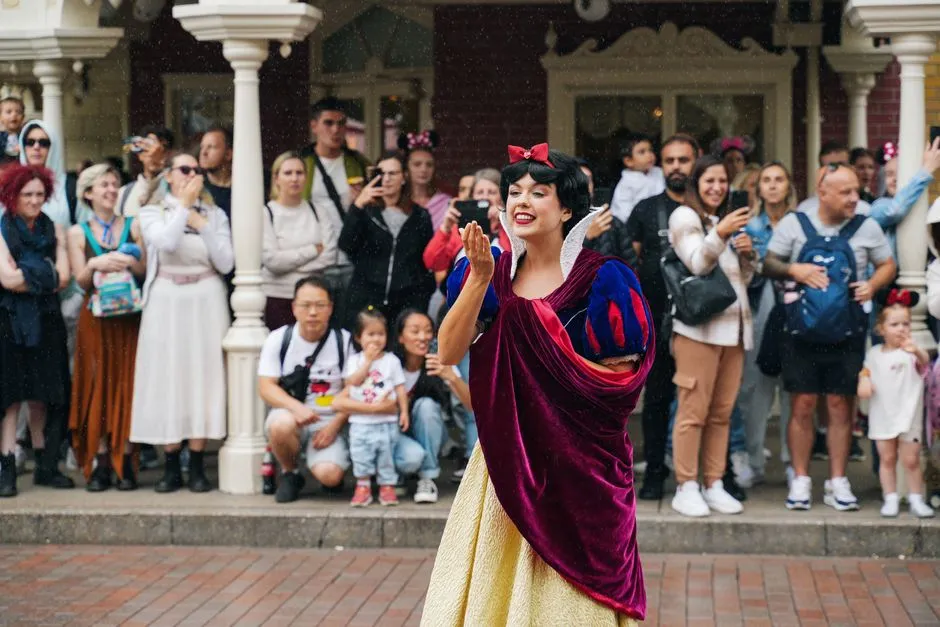
Once a cast member gets into this habit, it might just stick with them for the rest of their life. Alumni of the Disney College Program have reported still pointing with two fingers years after leaving, simply out of habit.
That’s a small testament to how deeply ingrained the training becomes. For many former cast members, the Disney point quietly persists in daily life, a lingering souvenir of a job that placed unusual care into something as simple as showing someone the way. It says something about how behavioral training, when done with purpose, can genuinely reshape instinct.
The Ritz-Carlton Uses a Similar Approach
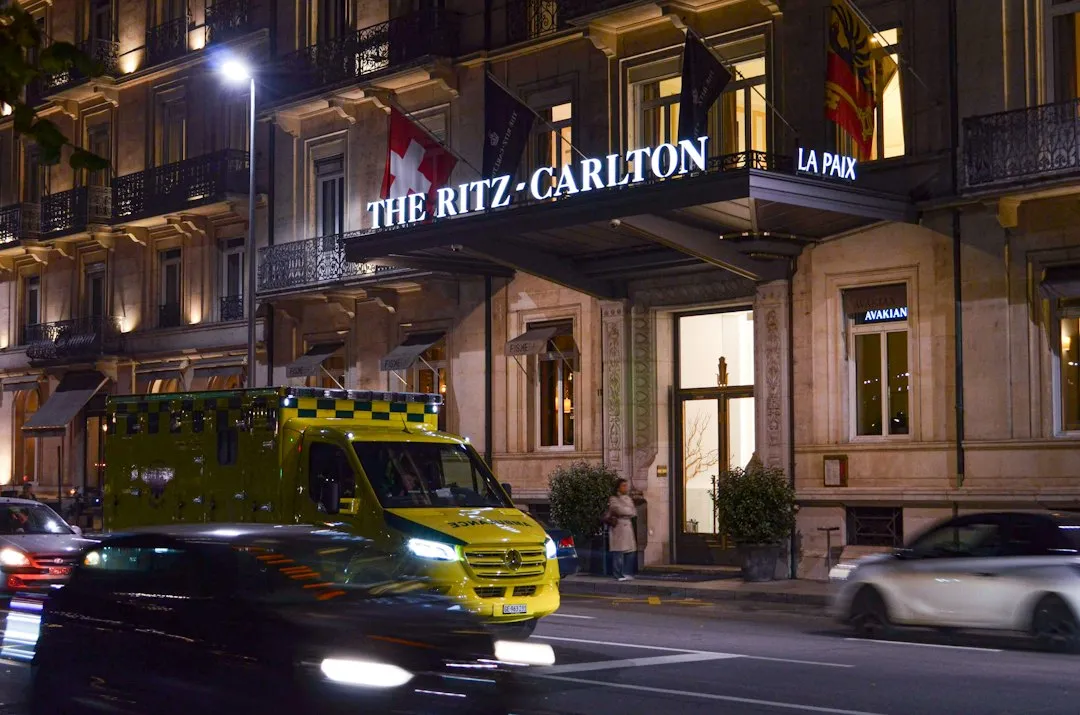
Disney is not the only hospitality brand to adopt a culturally considerate pointing technique. The Ritz-Carlton uses a similar open-hand pointing technique with its staff. This suggests that the concern isn’t unique to Disney, but rather reflects a broader awareness in premium hospitality about how small gestures communicate respect.
What sets Disney apart is the scale and consistency. With tens of thousands of cast members across multiple continents all trained to the same standard, the two-finger point becomes something close to a universal language of welcome within the parks.
Disney Never Officially Confirmed the Walt Origin Story
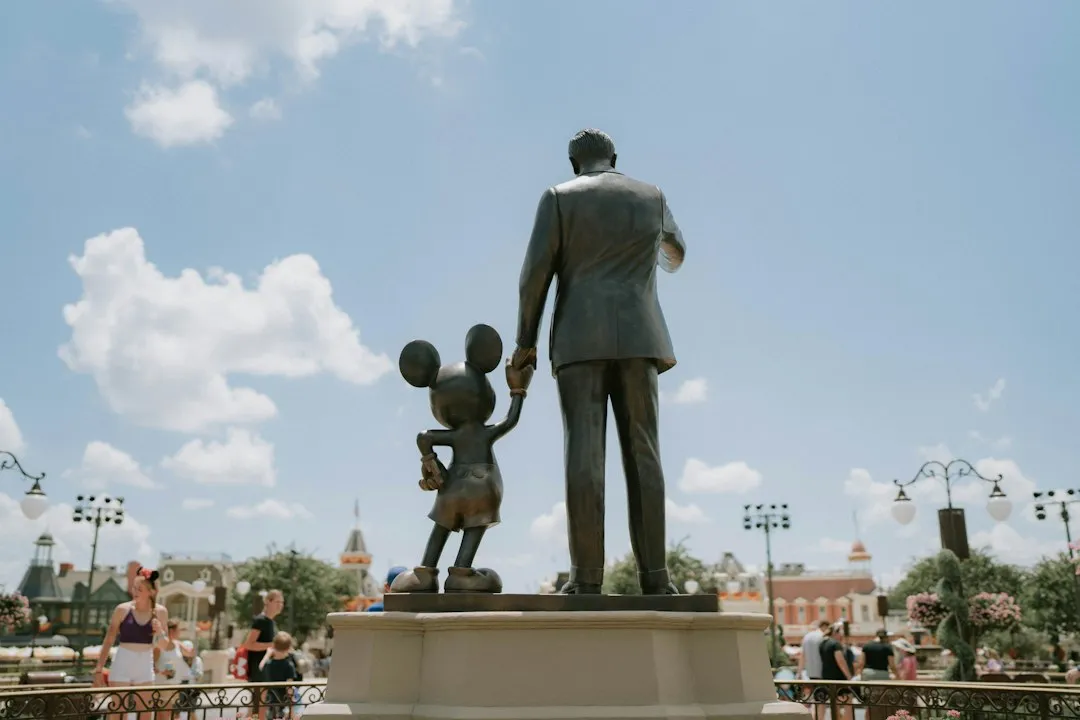
Snopes has rated the airbrushing claim as research in progress. Disney has not officially responded to inquiries about this training procedure, though Reddit accounts from current and former cast members broadly support the assessment that the gesture originated with Walt’s smoking and was later formalized for cultural reasons.
The origin of the two-finger point is a bit hazy, and research is complicated by the fact that the Disney company has airbrushed cigarettes out of most public photos of Walt Disney, making original images hard to come by. The company’s silence on the matter keeps the origin story in the realm of well-documented legend rather than confirmed corporate history.
The Takeaway
What started as one man’s habit of holding a cigarette while walking through his park has evolved into one of the most carefully observed courtesy standards in global hospitality. The Disney point is a small thing, easy to overlook. Yet it touches on something genuinely worth noticing: that thoughtful gestures, even two-fingered ones, can quietly communicate respect to millions of people across dozens of cultures.
Next time a cast member points you toward Cinderella’s castle or the nearest churro stand, you’ll know exactly what that little two-fingered gesture carries with it. And it’s considerably more than just directions.
AI Disclaimer: This article was created with the assistance of AI tools and reviewed by a human editor.