
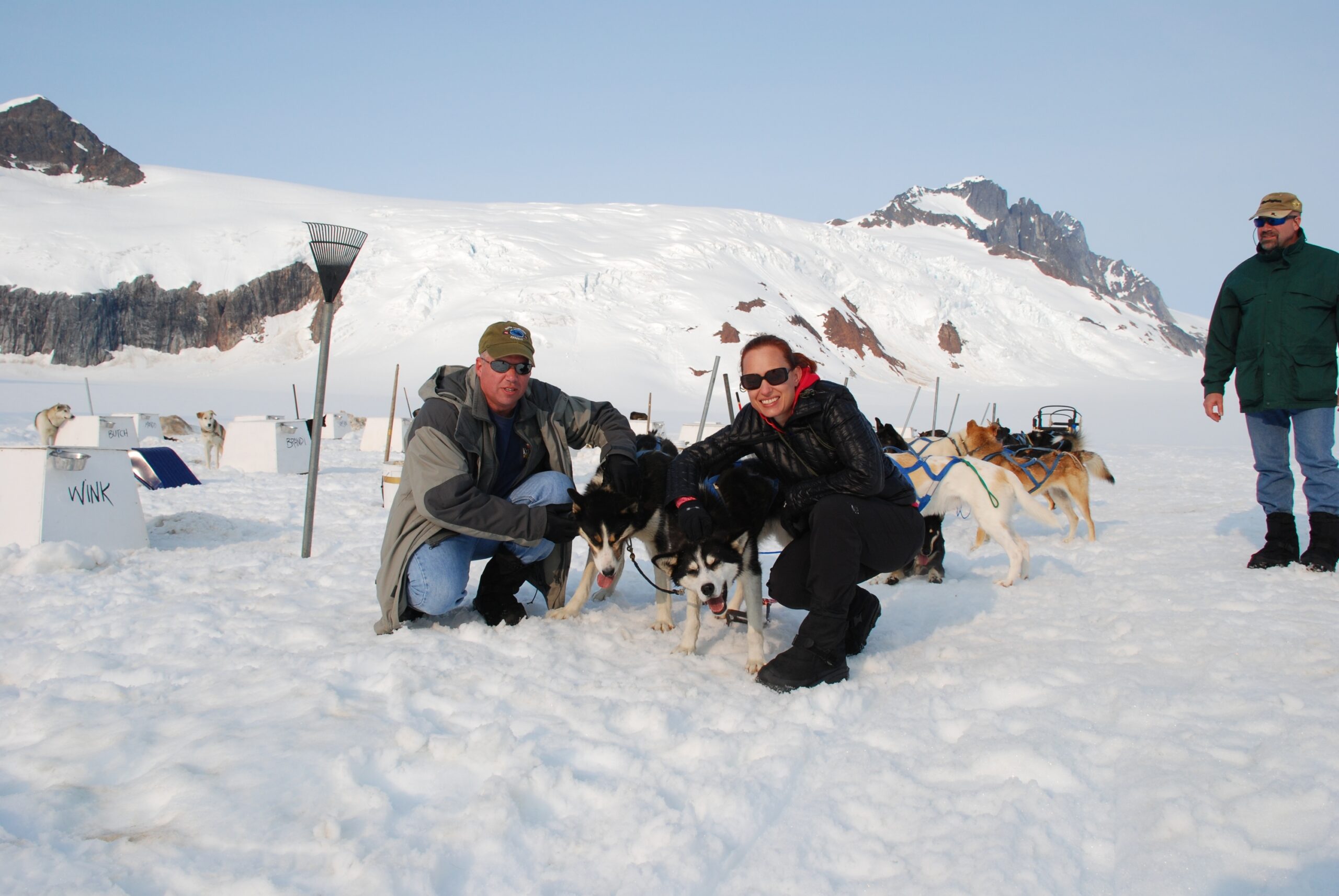

There’s a moment on a snow-packed trail, somewhere between first light and mid-morning, when conditions feel almost otherworldly perfect. The sled glides quietly, the dogs settle into rhythm, and the cold air carries just enough bite to keep everyone alert. Experienced mushers know that moment well, and they spend much of the year planning around it.
Snow is not simply snow. Its texture, depth, temperature, and the way it sits on the trail determine nearly everything about a sled run: speed, safety, dog welfare, and the quality of the journey. Understanding when conditions peak is something mushers learn through years on the trail, and what they’ve discovered is more nuanced than most people expect.
The Sweet Spot of the Season: Mid-January Through Mid-February
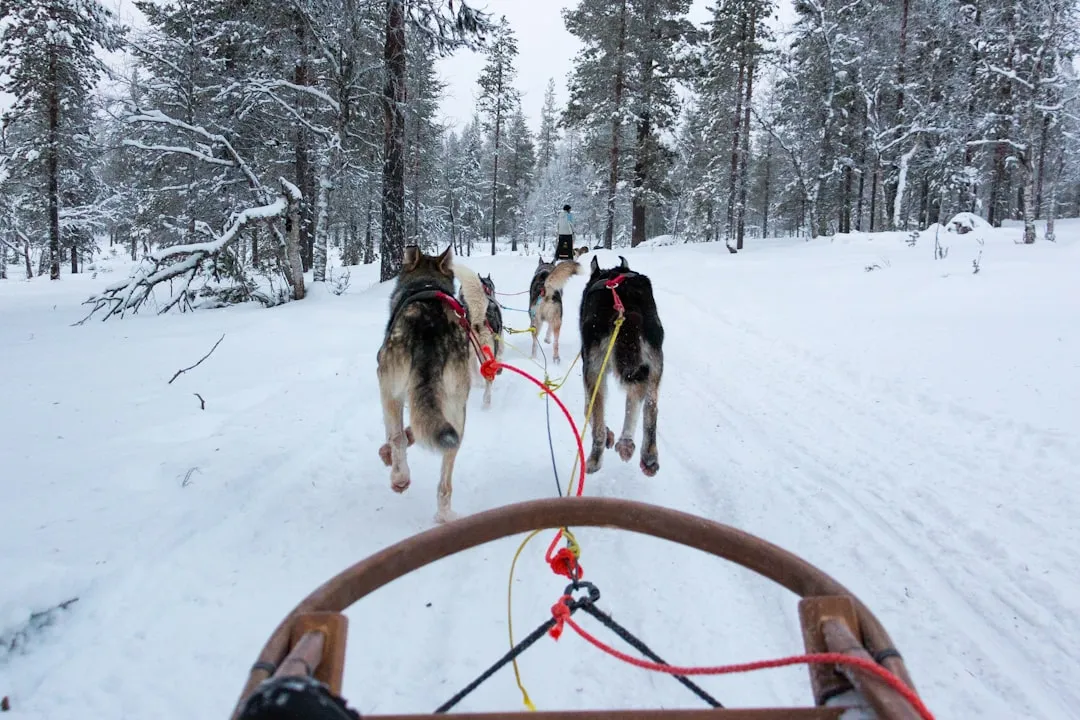
Dog sledding season runs December through March, with mid-January through mid-February offering the most reliable snow conditions. This is the window most experienced mushers point to first. The snowpack has had time to build and compact, temperatures are consistently cold enough to preserve trail quality, and the risk of premature melt is low.
January and February tend to offer the most reliable snow conditions and the coldest days on the trail, while March can still be great, especially at higher elevations, though warmer temperatures late in the month may affect trail conditions. For mushers who plan extended multi-day runs, the stability of this mid-winter window is difficult to replace.
Alaska’s Snow Season and Why It Runs Longer Than You’d Think
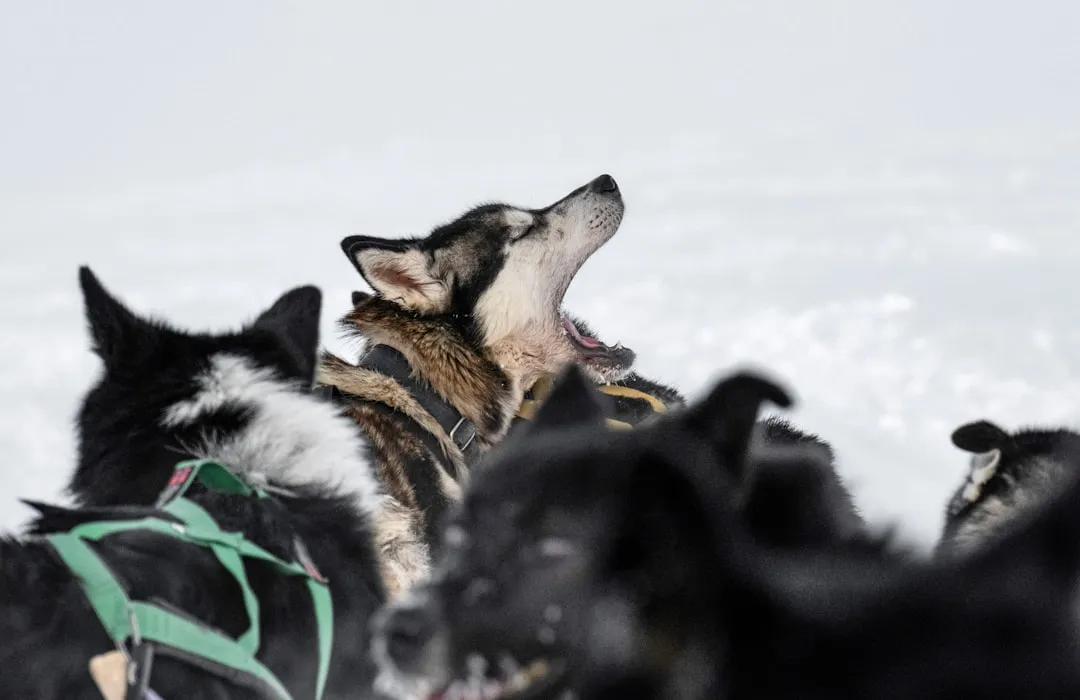
In Alaska, mushers have lots of options for experiencing dog mushing on snow, as long as there is snow, usually from mid-October or early November until around mid-April. That’s a remarkably long window compared to most other destinations, which is a key reason Alaska remains the heartland of serious mushing culture worldwide.
The mushing season typically spans from November through early April, aligning with Alaska’s winter snow conditions, with peak periods varying based on location, as inland areas like Fairbanks experience earlier snowfall than coastal regions. For mushers based in the Interior, the snow often arrives earlier and holds longer, giving those teams a longer run of ideal trail time.
Why Snow Quality Matters as Much as Snow Depth
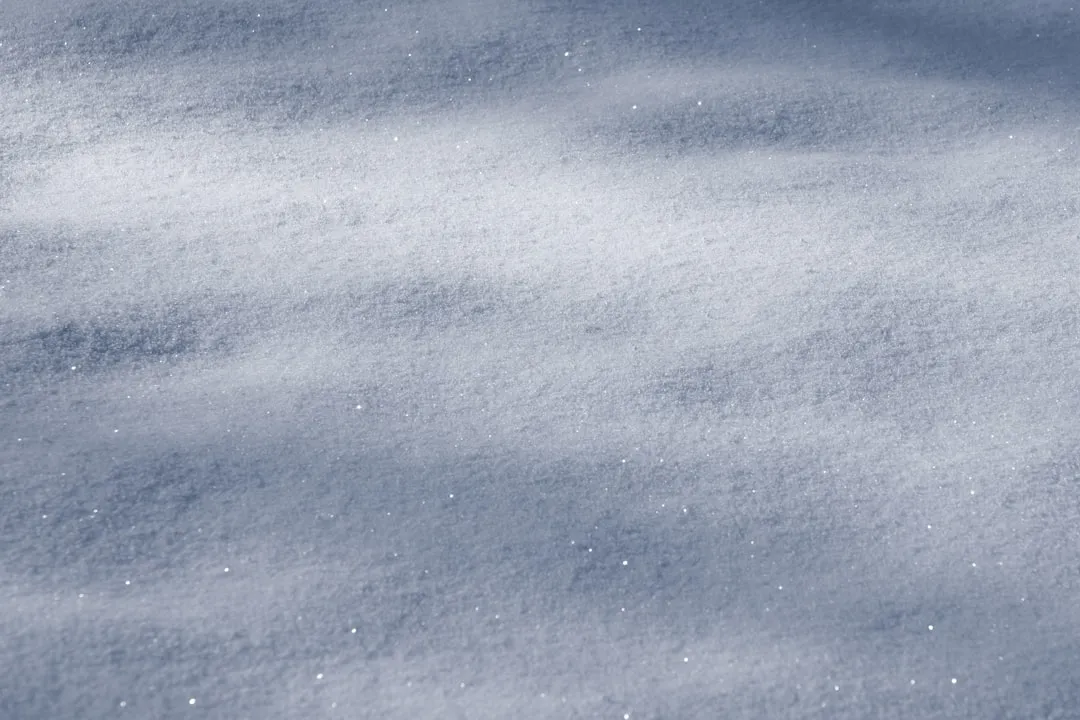
Snow conditions in Denali are highly variable, ranging from not enough snow in the early season, to windblown hard pack, to no snow at all in places where the wind blew it dry, to dry snow that doesn’t compact and feels bottomless if you step off the sled. Any musher who has navigated those variables will tell you depth alone is a misleading measure of a good trail day.
Several factors influence sled speed, including the breed and condition of the dogs, trail conditions, weather, and the skill of the musher. Trail surface is perhaps the single biggest variable. Compacted, settled snow that holds the sled runners predictably is what mushers describe as ideal, and that texture only comes after sustained cold has had time to work on a solid snowpack.
What Happens When the Snow Doesn’t Show Up
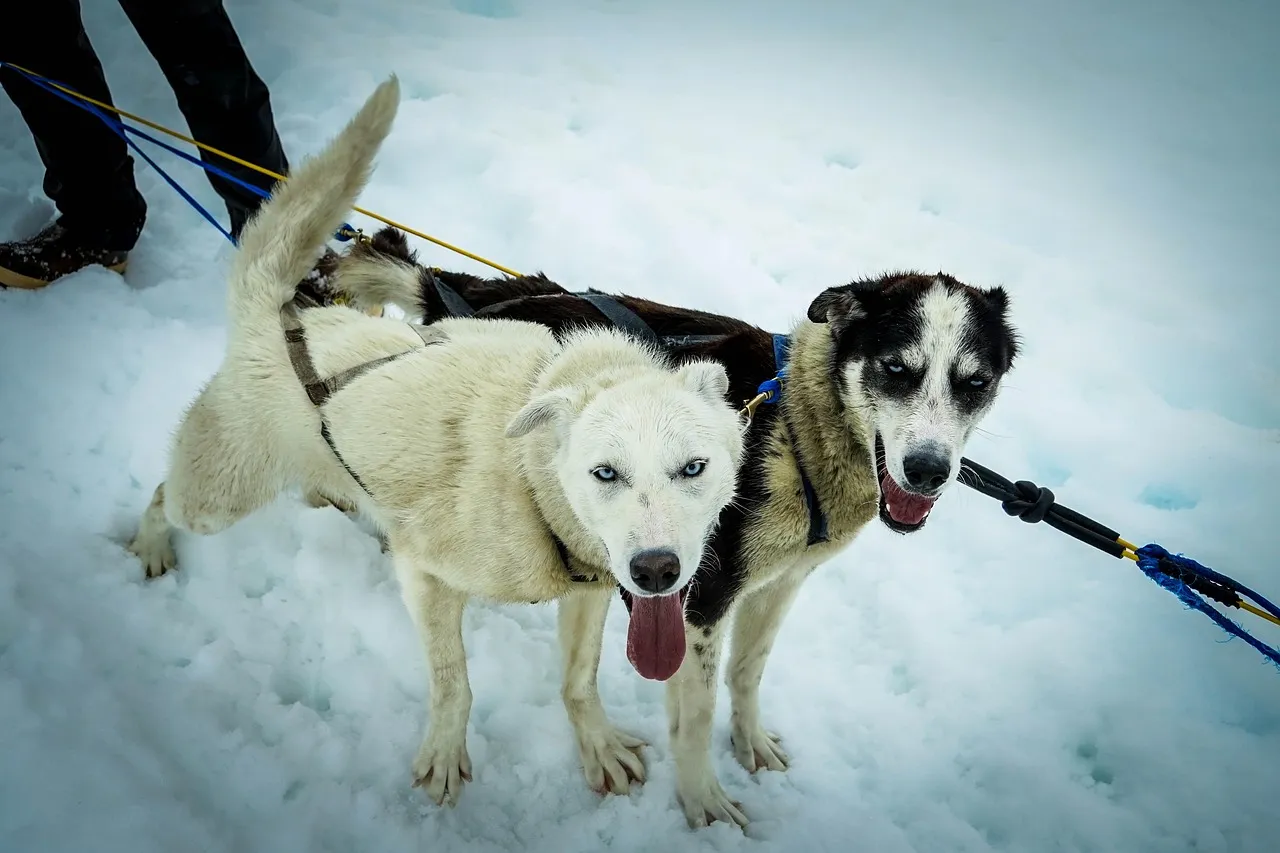
The 2025 Iditarod Trail Sled Dog race looked a lot different that year due to historically scarce snow, and for the fourth time in Iditarod history, teams officially started their race in Fairbanks. The decision to reroute was a clear signal of how seriously race officials take snow quality. Starting in a different city and adding considerable mileage was preferable to racing over compromised trail.
After the Rohn checkpoint, in the Farewell Burn area during the 2024 race, there were miles of bare ground, and while the lack of snow coverage meant the mushers and their sleds would take a beating, the dogs tend to take advantage of the good footing. Even in the world’s most storied sled dog race, snow gaps are not unusual, and managing them is part of a musher’s craft.
The 2026 Iditarod: A Return to Proper Snow
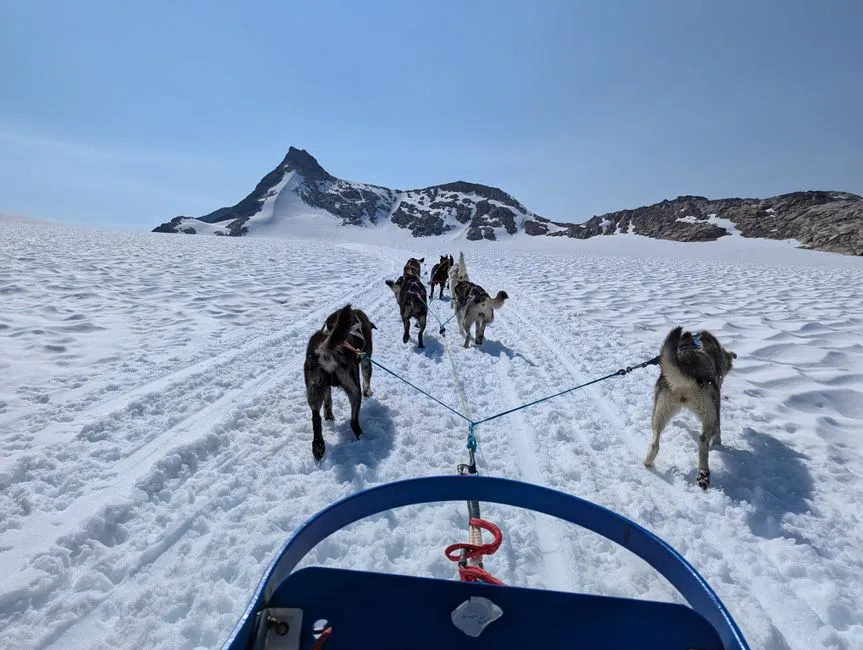
Snow conditions for the 2026 season were generally much better than they were the year before, according to race director Mark Nordman, although there were concerns about the trail until just recently. That cautious optimism from race leadership reflects how unpredictable modern winters have become, even in Alaska’s Interior.
The 2026 Iditarod, the 54th running of the race, began on March 7, 2026, with Jessie Holmes winning the race on March 17, 2026, reaching Nome in 9 days, 7 hours, and 32 minutes. The race completed on its normal northern route, a relief for the mushing community after the previous year’s snow-related rerouting. Good conditions produced strong times.
Spring Winter: The Overlooked Window in Scandinavia and the North
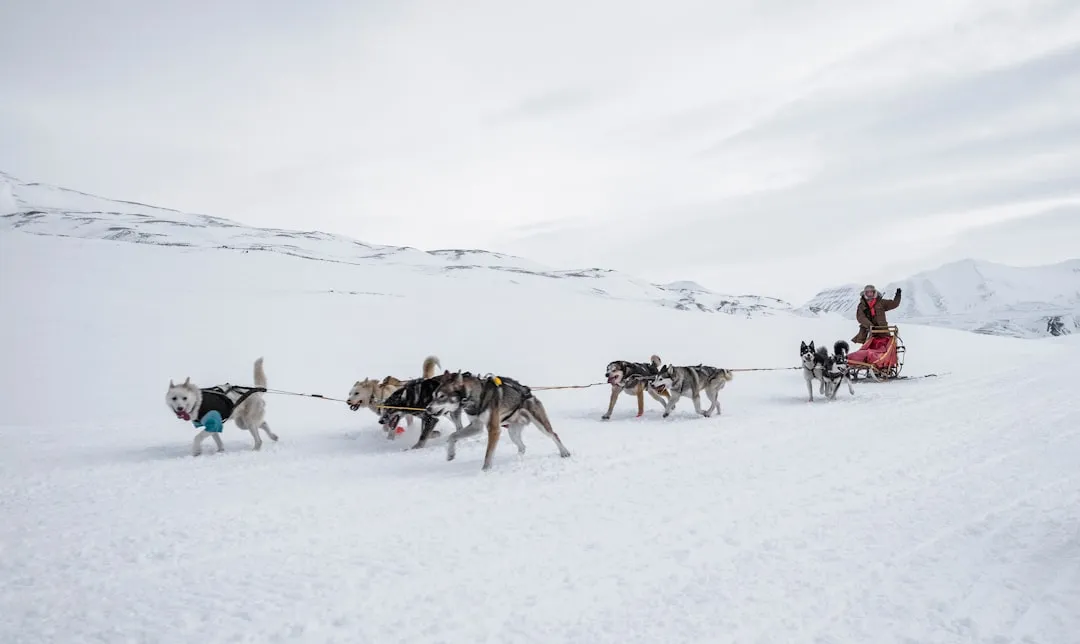
There are three distinct periods during the winter season in Scandinavia: midwinter from November to late January with short days and beautiful light, February when the days grow longer with a promise of spring, and March and April, known as “spring winter,” with long days and milder temperatures ideal for mountain dog sledding. Many travelers assume the season is essentially over by March. Experienced mushers know otherwise.
April in particular is often overlooked as a wonderful time to go dog sledding, and mushers encourage making the most of the spring sunshine with a tour in March or April. The snow in high mountain terrain often reaches its densest, most travel-friendly state in late winter, after months of compaction and cold. For experienced teams, this period can offer some of the year’s smoothest runs.
Temperature Range: What Mushers Actually Want
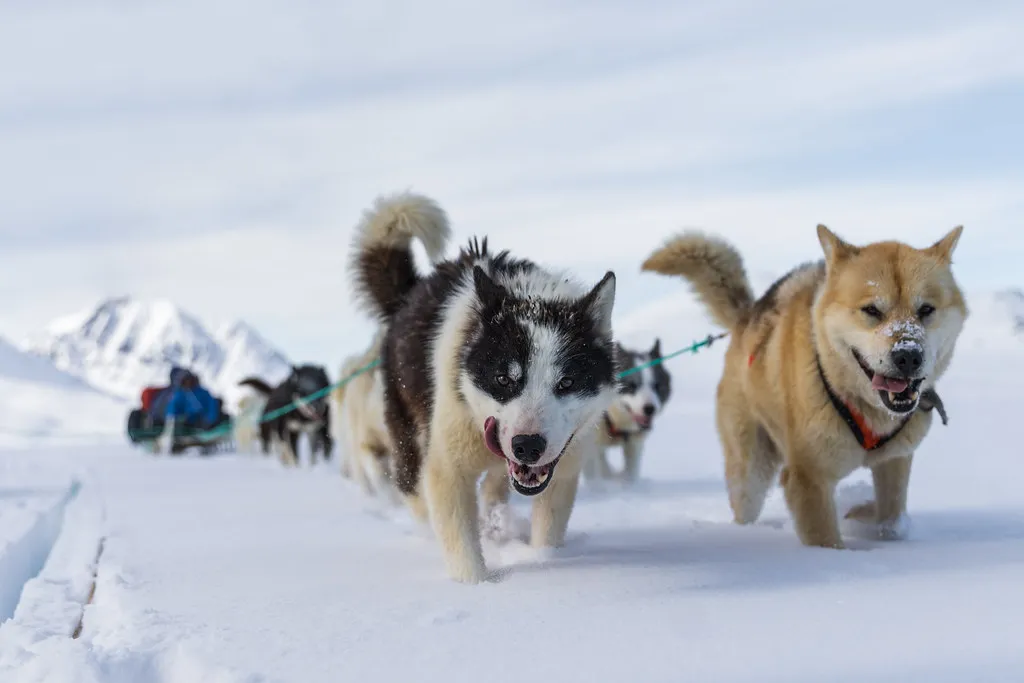
Sled dogs and their mushers need to be comfortable and capable in arctic winter conditions, ranging from 25 degrees above to 40 degrees below zero. Within that range, mushers tend to favor the upper portion of it for trail work, around zero to ten degrees Fahrenheit, where snow texture is ideal but conditions aren’t brutally demanding for the dogs.
Weather affects trail conditions and temperatures, which can impact sledding speed and the safety of the dogs, and while cold weather is generally favorable, extreme conditions can pose challenges. There’s a sweet spot mushers know intuitively: cold enough to preserve the trail surface, but not so extreme that rest stops become a serious welfare concern for the team.
Speed on Snow: What Ideal Conditions Unlock
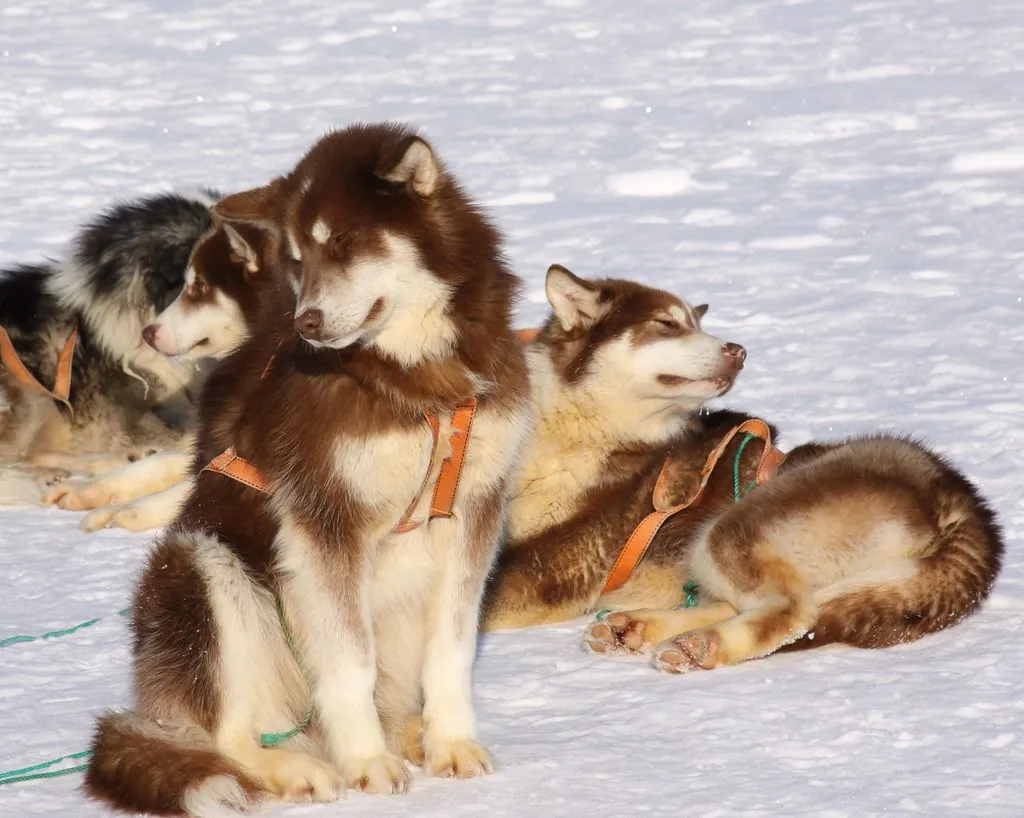
During races like the Iditarod, dog sleds can average speeds of 10 to 12 miles per hour, with peak speeds reaching up to 20 miles per hour under ideal conditions. Those peak speeds only happen on hard-packed, smooth trail surfaces, usually in the mid-season window when cold has settled the snow properly. Recreational tours run considerably slower by design.
Recreational tours usually travel at speeds of 5 to 8 miles per hour, allowing participants to enjoy the scenery comfortably. The gap between those two speed ranges tells you something important about how much trail surface quality matters. A racing team on glassy, compacted snow behaves like a completely different machine compared to the same team on soft, uneven early-season trail.
How Warmer Winters Are Reshaping Mushing Strategy
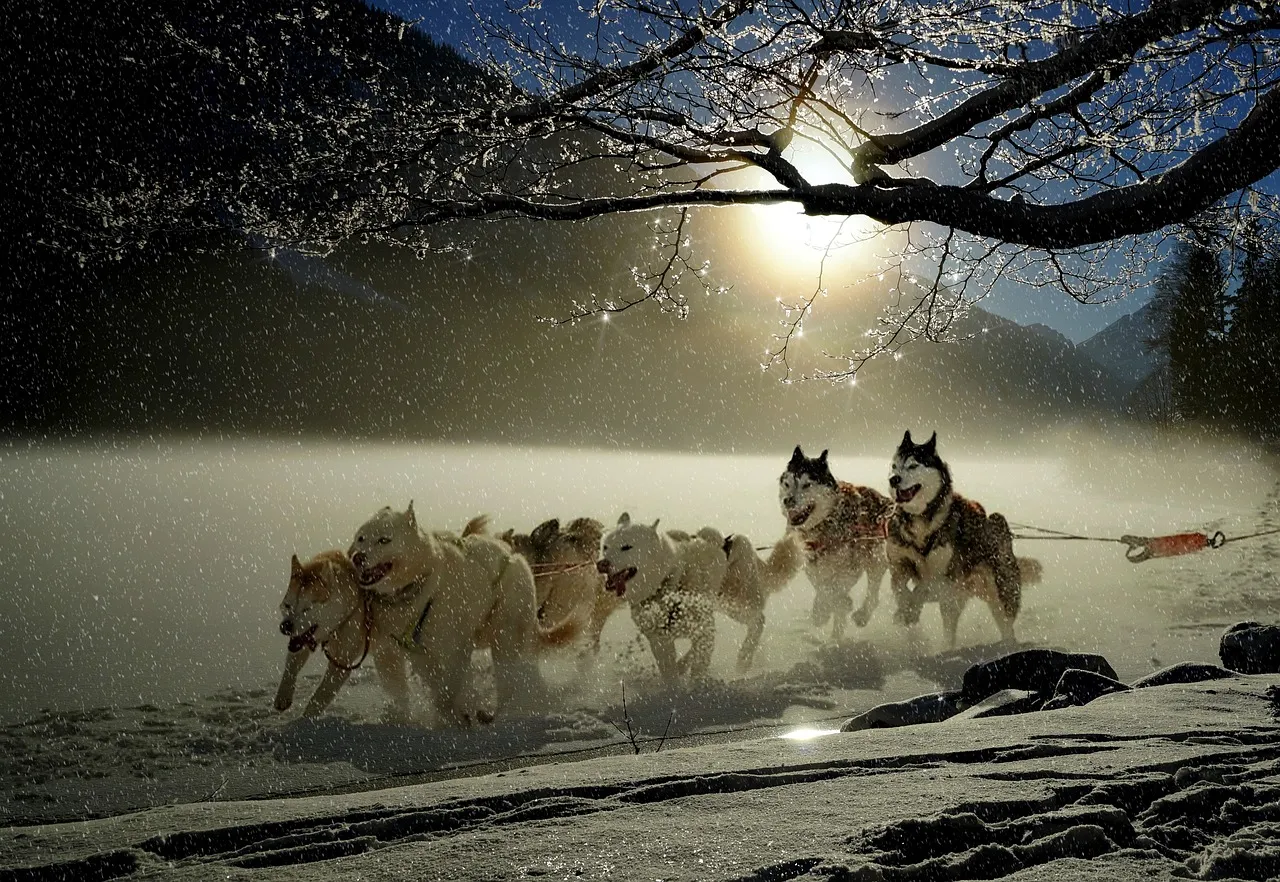
Dryland training for sled dogs is trending because climate patterns are forcing mushers to rethink how teams are prepared, as in many regions winter windows are less dependable than they used to be, and that matters for any sled dog operation whether the goal is racing, touring, or maintaining healthy working dogs. The shift is real, and it’s changed the rhythm of entire kennels.
In 2026, warmer winters, shorter cold seasons, and less predictable trail conditions are pushing mushers to adapt faster than ever, and for working dog teams, maintaining fitness cannot depend on perfect snow anymore, requiring off-season conditioning, smarter recovery, and better planning long before the first real winter run. The mushers who thrive are those who treat the snow window as something to prepare for year-round, not a given that simply arrives.
Reading the Trail: The Daily Decision Mushers Make
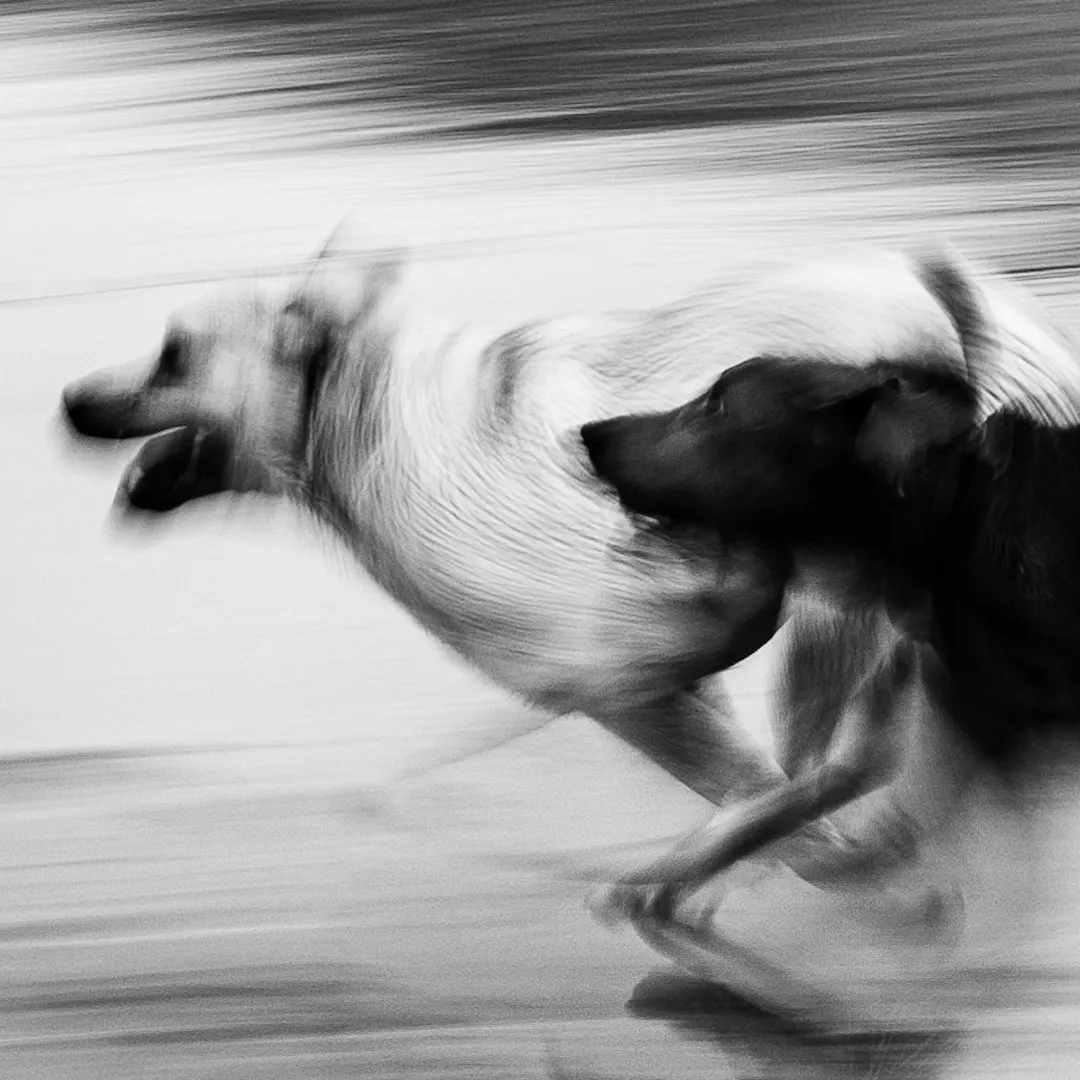
Mushers look at the snow, wind, and the cold, using that information to pick the safest trail and decide how long to run, with the goal of never surprising dogs with unsafe weather. This daily read of conditions is as important as the seasonal planning. A perfect calendar window means nothing if the specific trail on that specific morning is icy, wind-scoured, or post-melt and refrozen into a dangerous crust.
Even on guided trips, mushers are often required to jog uphill, push sleds out of deep snow, and remain active for 6 to 10 hours daily in subzero temperatures. Trail reading is therefore as physical as it is observational. Mushers aren’t passive passengers in the conditions they encounter. They respond to the snow in real time, adjusting pace, rest stops, and route based on what the trail is telling them each hour.
The Takeaway
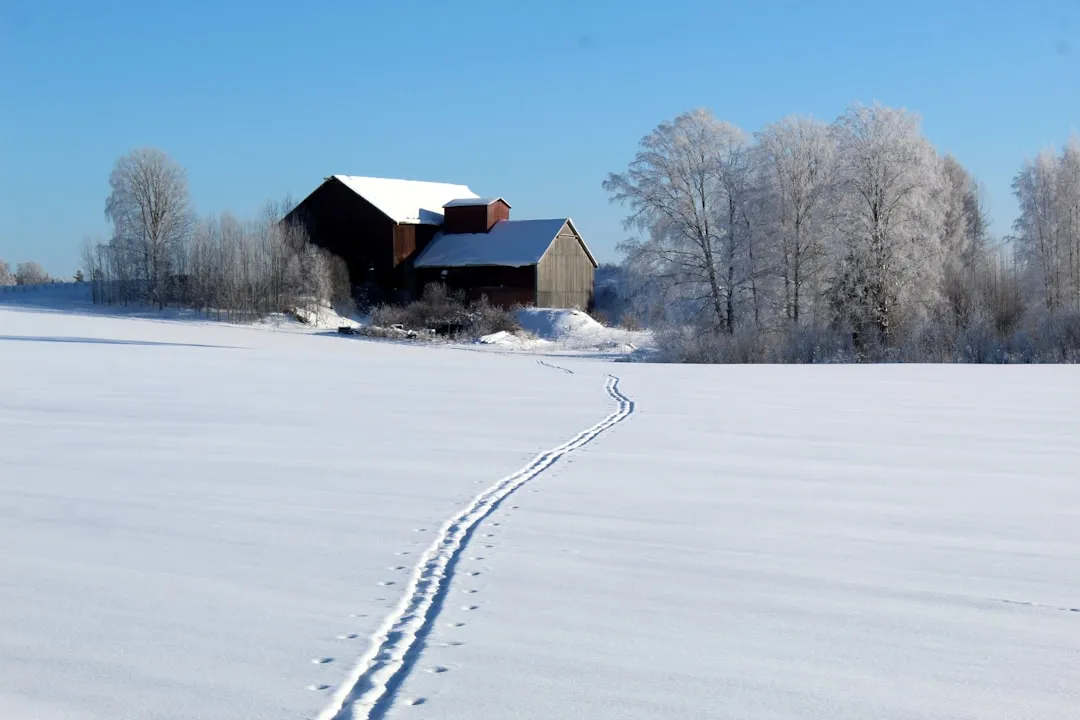
Snow, as mushers understand it, is a living thing. It shifts, settles, hardens, softens, and responds to temperature and wind in ways that make every trail day slightly different from the last. The general wisdom points toward mid-January through mid-February as the most reliable window, with the “spring winter” of March and April offering its own distinct pleasures at higher elevations.
What recent seasons have made clear, from the 2025 Iditarod’s reroute due to scarce snow to the cautious optimism surrounding 2026’s improved conditions, is that the trail window is increasingly something to be earned rather than assumed. The mushers who know this best are already planning their next run before the current season has ended, watching the sky and reading the ground with the patient attention that the trail demands.
AI Disclaimer: This article was created with the assistance of AI tools and reviewed by a human editor.