


There’s a moment most first-time e-bike renters share: they roll out of the shop feeling confident, spot the city stretching ahead of them, and immediately head toward the steepest road in sight. Within ten minutes, they’re back, asking if the motor is working properly. The motor is fine. The route choice was not.
The people who hand over the helmets and adjust the seat posts every morning know something that most travel guides won’t tell you. Locals rarely go over hills when they can go around them. That quiet piece of knowledge, passed across the rental counter dozens of times a day, can transform an exhausting outing into one of the best days of a trip.
The E-Bike Boom Has Changed What’s Possible
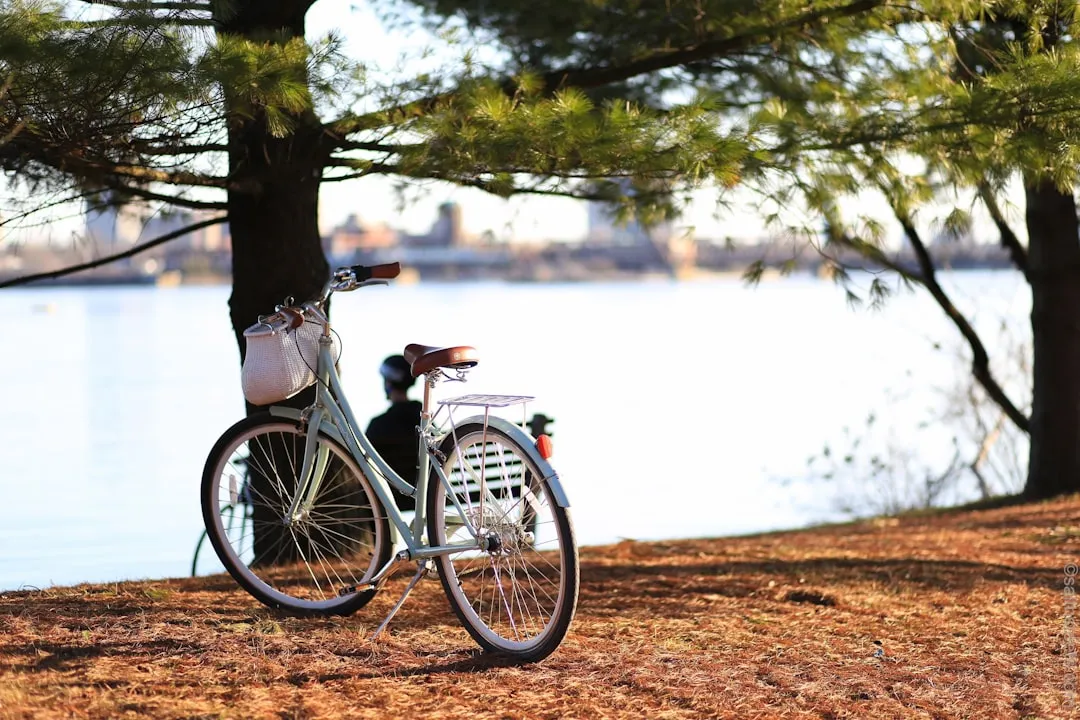
The e-bike rental industry was valued at just over six billion dollars in 2024 and is projected to grow to more than twenty-five billion dollars by 2035, reflecting just how fundamentally this mode of travel is reshaping how people move through cities. That kind of growth doesn’t happen without a genuine shift in behavior.
Traditional cycling often limits urban exploration because of distance constraints and the physical demands involved. E-bikes remove those barriers entirely, letting riders cover far more ground while keeping enough energy to actually enjoy the stops along the way. Rental staff know this better than anyone. They watch it happen daily.
What Rental Staff Actually Tell Regulars
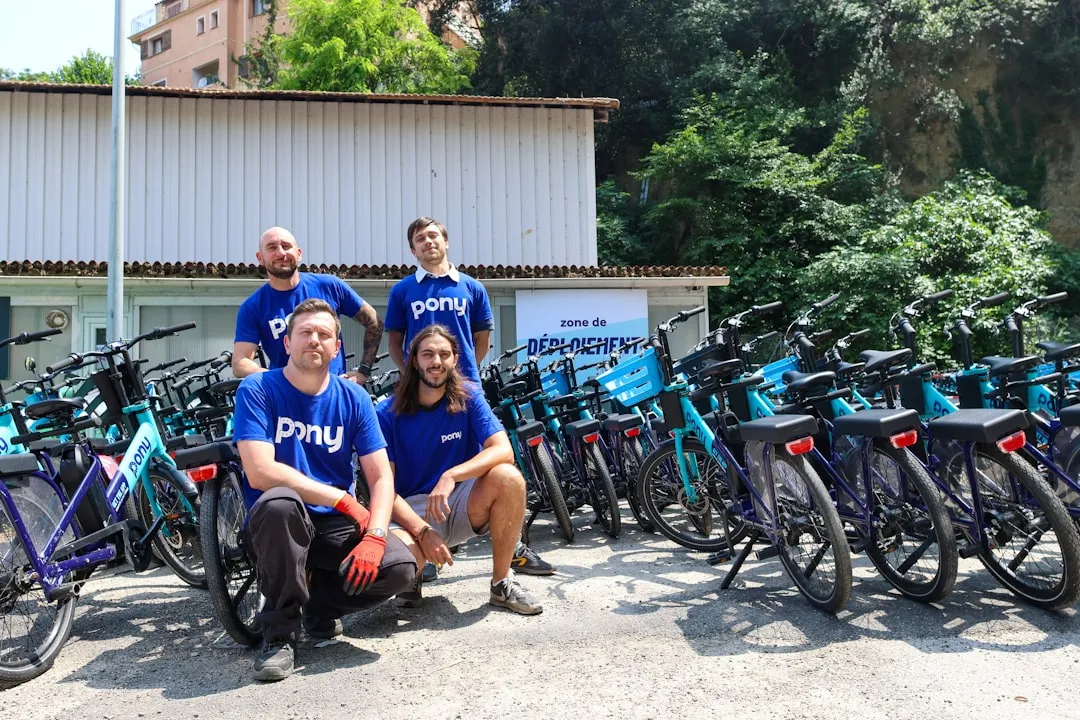
Ask anyone who works the morning shift at a busy e-bike rental shop and you’ll hear a version of the same story. Tourists point at the map and ask about the most scenic viewpoint. Staff tell them the viewpoint is lovely, then quietly suggest the river path instead of the ridge road. The destination is the same. The effort required is not.
The real advantage of a bike is that you can stop anywhere, change routes easily, and reach areas cars simply cannot access, including narrow streets, parks, and waterfront paths. Locals have mapped those paths through years of daily use. Rental staff inherit that knowledge and pass it on, one conversation at a time.
Waterfront and Canal Routes: The Local Default
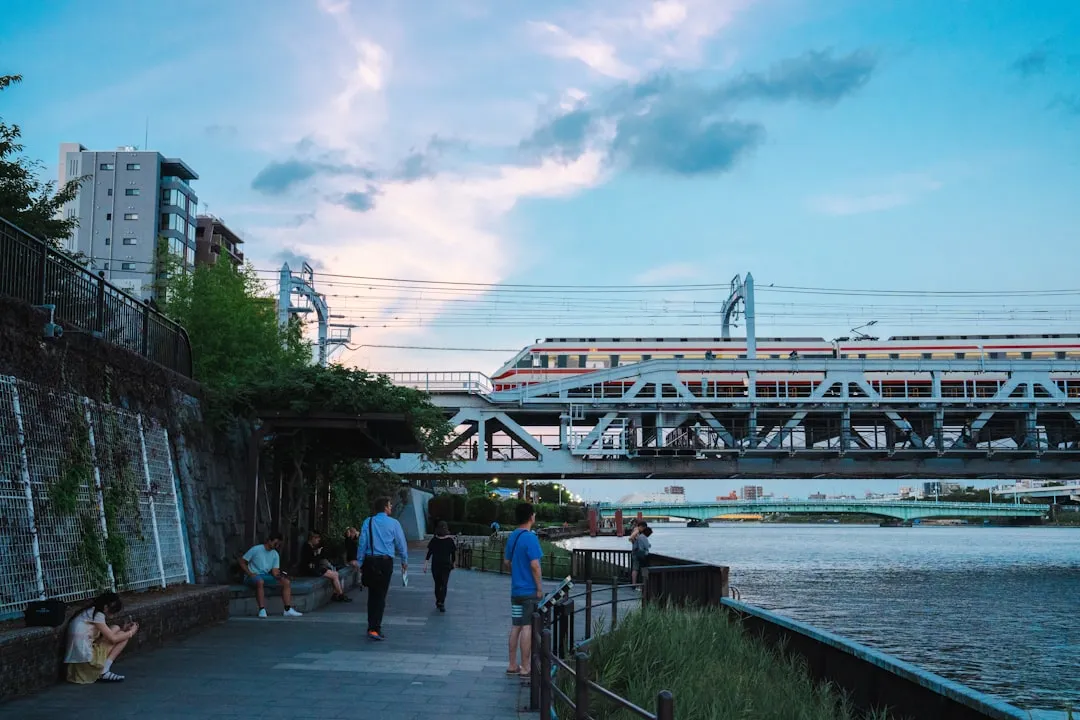
In almost every city that has one, the waterfront route is what locals ride by default. It tends to hug flat ground by design, since water doesn’t flow uphill. Tokyo’s waterfront circuit, for example, runs along the bay and offers an entirely different relationship with the city, including industrial port scenery and factory views that most visitors never seek out.
On holidays, there are relatively few cars on these routes, making it easy to ride at a leisurely pace and absorb the atmosphere. That’s exactly the kind of detail a rental staffer in Tokyo will offer when you ask which way the locals go. It’s not in the brochure. It’s in the conversation.
The Greenway Principle: Converted Rail Lines and Old Industrial Corridors
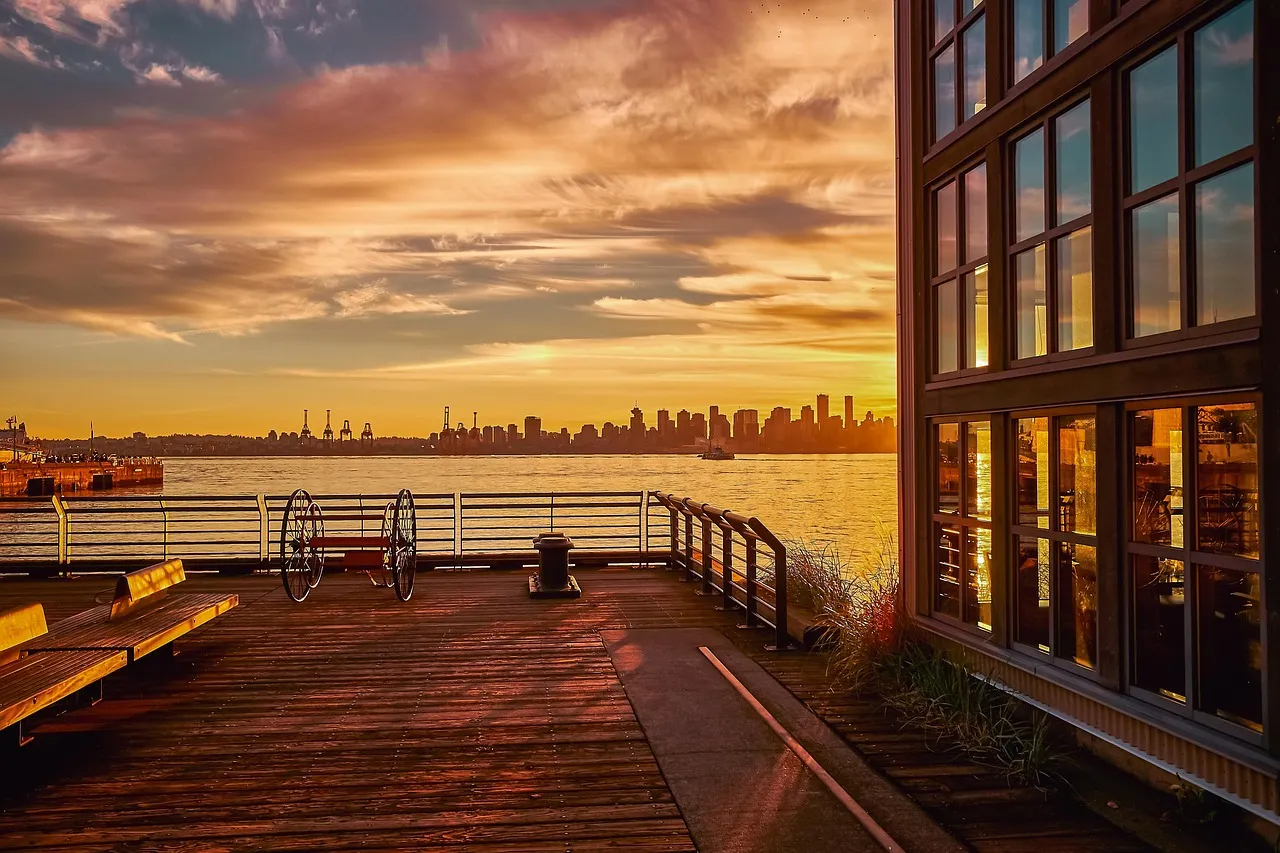
One of the most consistent insider tips across cities worldwide is the greenway, often a former railway or industrial corridor that was converted into a dedicated cycling path. These routes are flat almost by necessity: trains don’t climb steep grades, so the infrastructure they leave behind rarely does either.
Vancouver’s Arbutus Greenway, for instance, is a nine-kilometer paved path that transformed a historic north-south railway corridor into a green artery for cyclists, connecting False Creek near Granville Island all the way to the Fraser River through residential neighbourhoods. It’s flat, safe, and practical, linking major parks, town centres, and transit hubs. Rental staff there will point you toward it almost every time someone asks for the local route.
Barcelona’s Coastal Corridor: A Masterclass in Avoiding Elevation
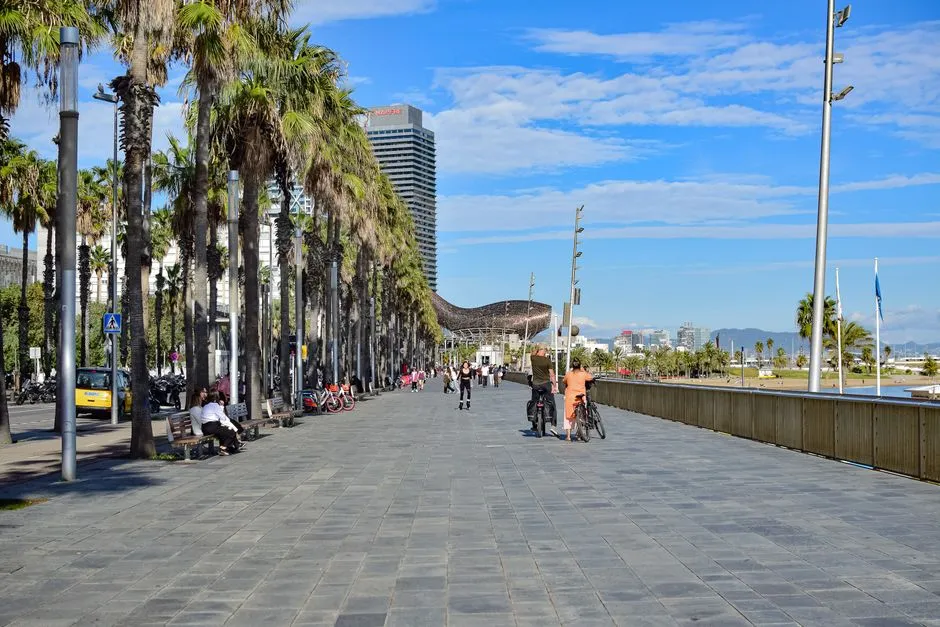
Barcelona is considered one of the world’s most bike-friendly cities, and between the coast and the mountains at its back, the central stretch is remarkably flat, with over two hundred kilometers of bike paths woven through it. That flat zone is exactly where locals ride.
From the Port Olimpic area, a comfortable bike path runs in both directions along the city’s beaches, while another route heads up Marina boulevard toward the Sagrada Família, giving riders access to the city’s most celebrated landmark without a single serious climb. When rental staff in Barcelona say “go to the waterfront first,” they’re not just being polite. They’re telling you the whole strategy.
Why Locals Prefer Dedicated Infrastructure Over Scenic Roads
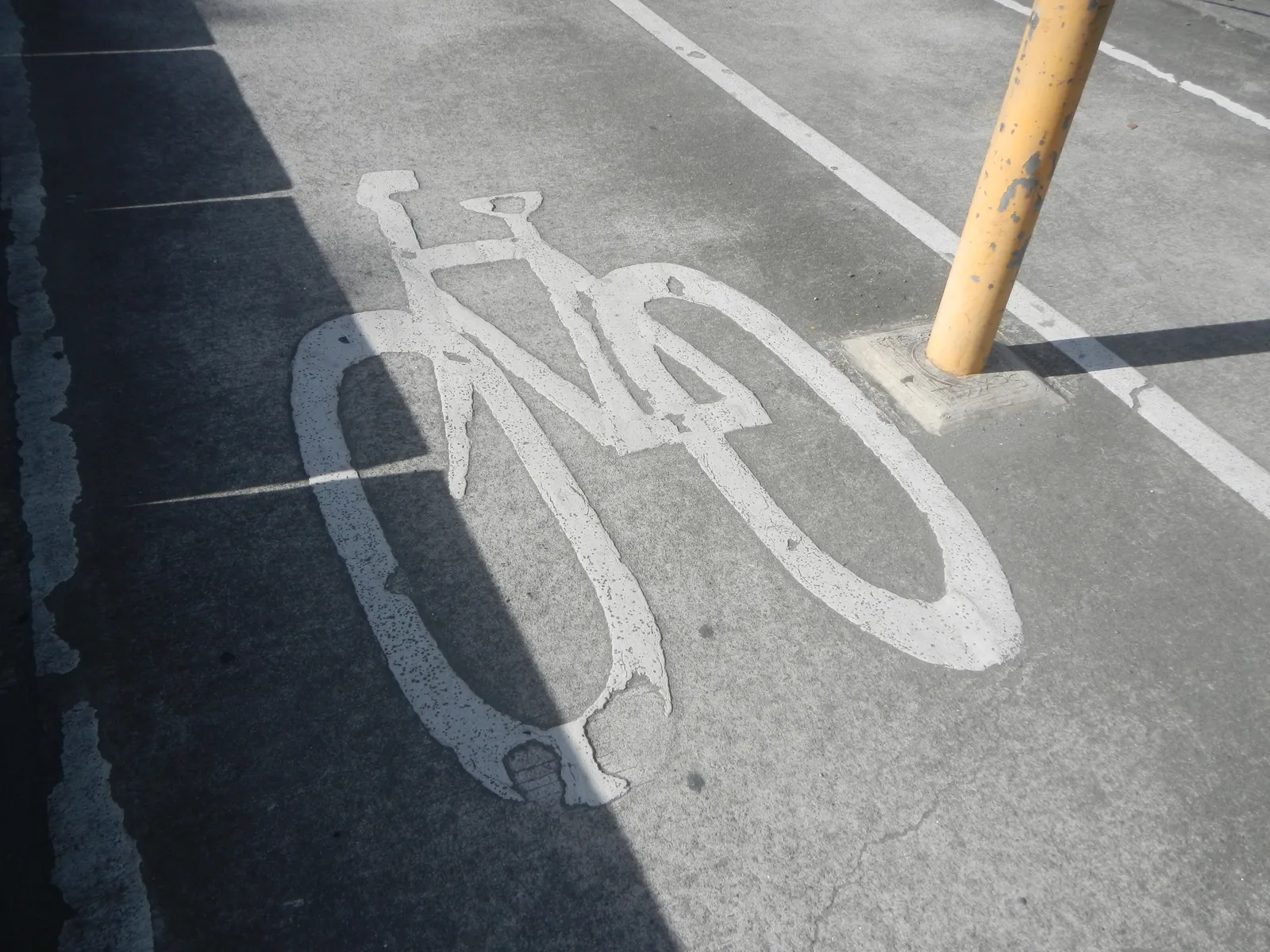
Cities across the world are investing heavily in cycling infrastructure, with Brooklyn, New York topping PeopleForBikes’ 2025 City Ratings as the best large American city for biking, largely due to dedicated investments in safe and connected places to ride. Infrastructure investment tends to follow the flattest corridors because those are where the most cyclists actually travel.
In many European cities, bike rentals are integrated into public transport systems, and cycling is especially popular in cities with flat terrain and compact layouts, where bikes are simply faster than cars for short distances. Locals are not choosing flat routes out of laziness. They’re choosing them because those routes genuinely work better.
The Role of Pedal Assist: Why Route Choice Still Matters
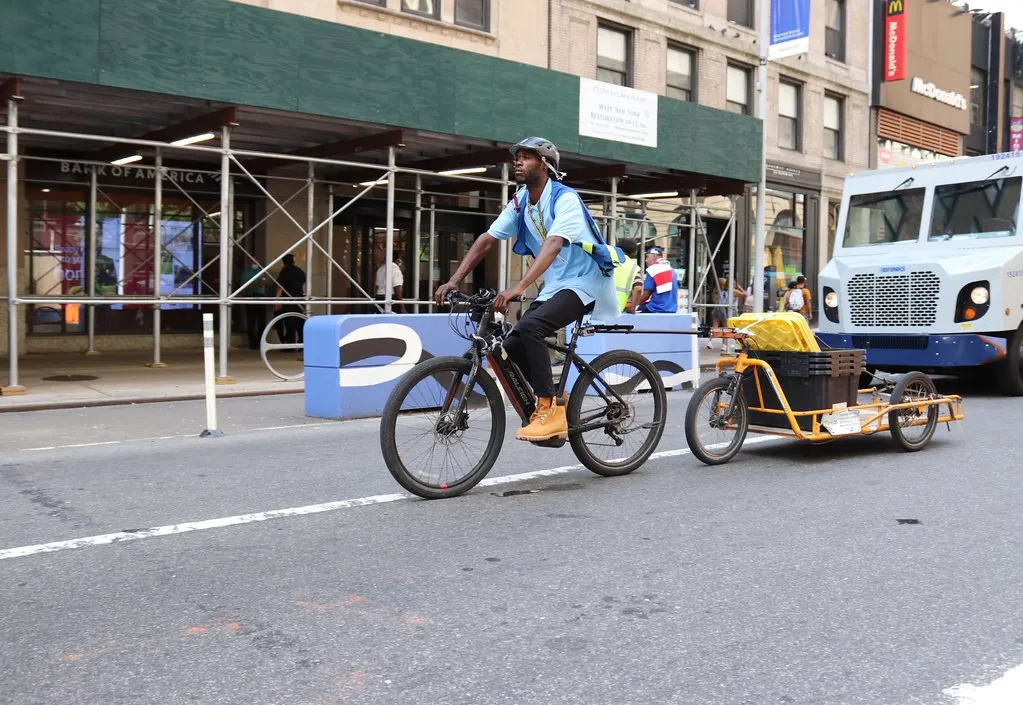
A common assumption is that if the motor helps you climb, then route choice doesn’t matter. That’s only partly true. While e-bikes provide pedal assistance, they still require physical effort, and riders who want exercise without excessive strain benefit from choosing routes that match the level of assist they actually want to use.
Choosing a flatter route on an e-bike isn’t cheating. It means you can ride longer, stop more often, and spend your energy on the experience rather than the gradient. Research suggests the average e-bike user travels roughly four times the distance compared to a traditional cyclist, opening up entire metropolitan areas for a single day of exploration. That range only works if you’re not burning through battery and stamina on unnecessary climbs.
The Quiet Neighborhoods That Only the Flat Routes Reach

Some of the most interesting neighborhoods in any city are invisible to people who stick to tourist corridors or main roads. Flat routes, especially the ones locals prefer, tend to thread through residential streets, market areas, and the kind of bakeries and coffee shops that don’t appear in any top-ten list.
The versatility of cycling means riders can traverse narrow streets like those in El Raval or El Born in Barcelona, where cars are difficult and public transport is limited. Those districts are genuine must-sees, but they reward the traveler who gets out of the center and beyond easy walking range. That’s exactly the territory a good flat route opens up.
San Diego’s Separated Lanes: A Model Worth Noting
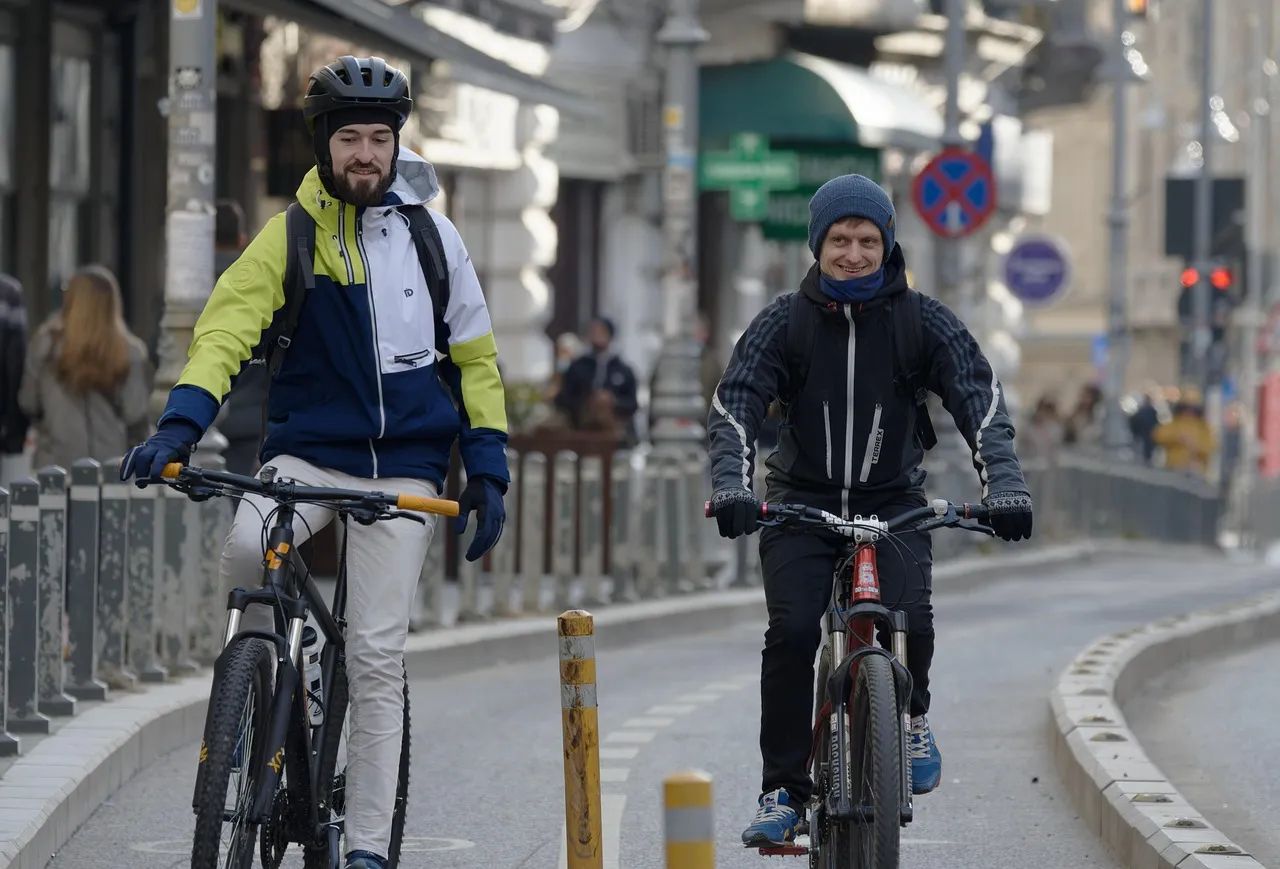
San Diego’s Pershing Bikeway, added in 2023, created strong connectivity between the culinary hub of North Park and the arts and culture scene in Downtown, with two-way separated bike lanes running through Morley Field, Golden Hill Park, and past the Balboa Golf Course. It’s the kind of route that rental staff will draw on a paper map with a marker, because it’s genuinely better than anything printed in a guidebook.
A standard e-bike handles any grade on the route without trouble, and coffee shops and local restaurants wait at both ends. That balance of accessibility and reward is exactly what locals look for, and what rental staff have learned to pass along to the people willing to listen.
How to Ask the Right Question at the Rental Counter

The single most useful thing a visitor can do when picking up an e-bike is resist asking for the most famous route and instead ask what the person behind the counter rides on their day off. That question changes the conversation entirely. It moves from the tourist layer to the local one, and the answer is almost always something flatter, quieter, and more interesting than anything on the standard map.
Rental operators in tourist-heavy destinations reported utilization rates between seventy-eight and ninety-two percent during peak travel seasons in 2025, which means staff are experienced at reading what different riders actually need. They’ve seen enough people come back windswept and defeated to know who needs the scenic ridge road and who needs the canal path. Ask directly and they will tell you honestly.
The Takeaway
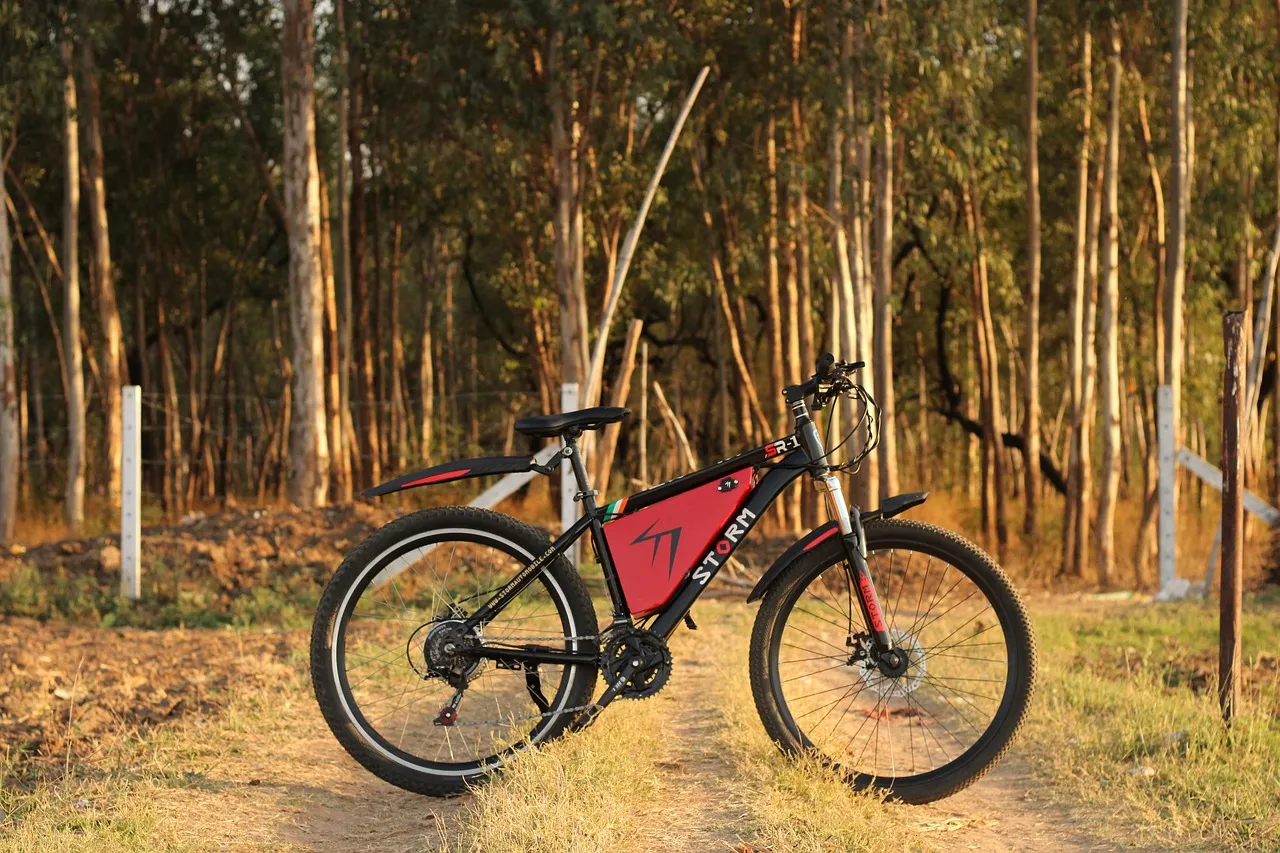
The best e-bike routes in any city aren’t secret, exactly. They’re just not the ones that get photographed most often. Cities like Amsterdam, Barcelona, Kyoto, Rome, and Queenstown have all seen visitors increasingly prefer the flexibility and experiential appeal of e-bike exploration over guided bus tours or car rentals, and part of what makes those experiences memorable is the texture of the route, not just the destination at the end.
Rental staff spend their working hours watching what works and what doesn’t. Their local knowledge, freely offered if you ask for it, is worth more than any curated itinerary. The hills will still be there. The flat route will take you somewhere better.
AI Disclaimer: This article was created with the assistance of AI tools and reviewed by a human editor.