
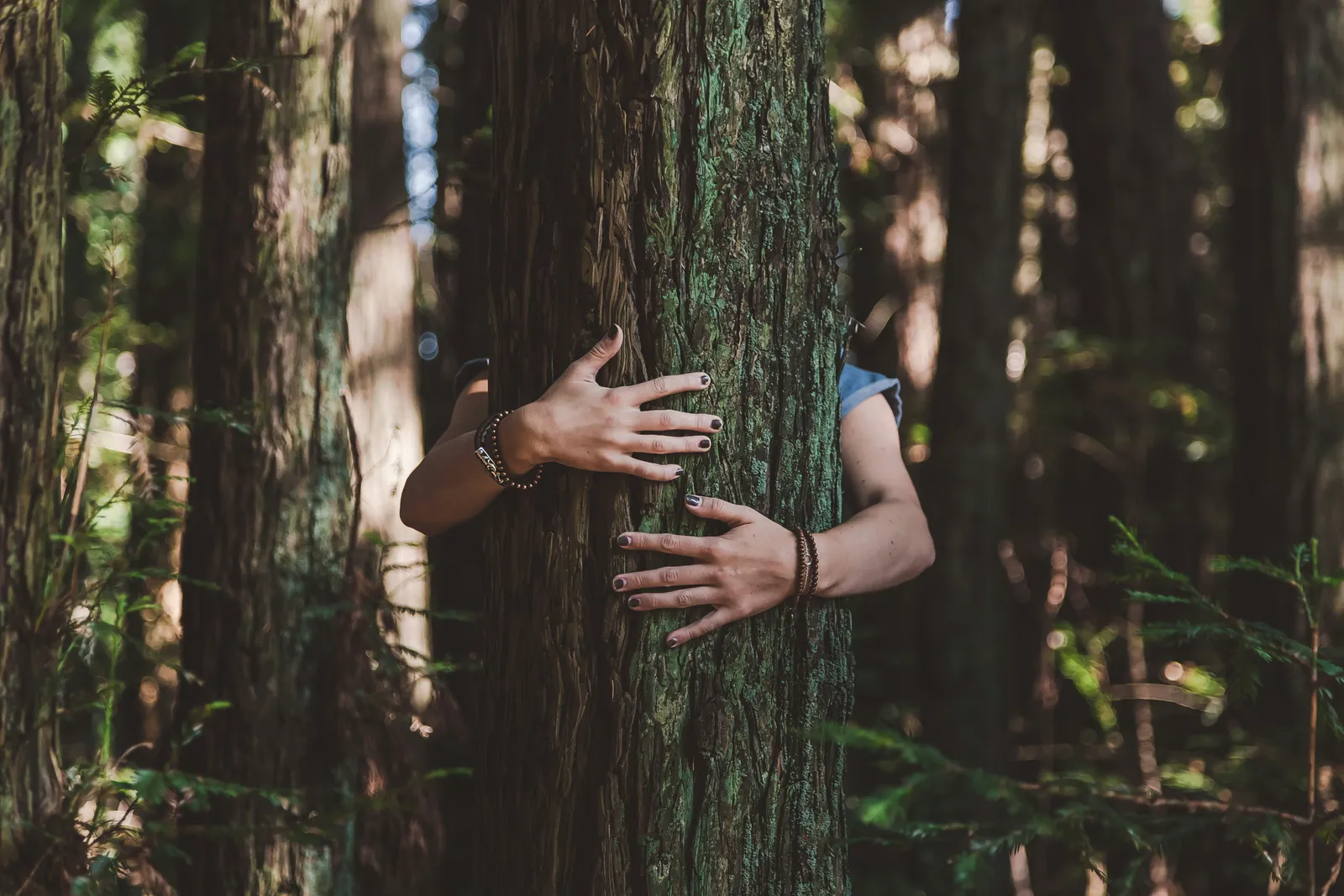

Even a short walk outdoors can lower stress hormones and ease the nervous system in measurable ways. Japanese researchers documented these shifts decades ago through studies on forest bathing, with effects appearing after as little as fifteen minutes. The findings point to something deeper than a pleasant mood boost: nature appears to communicate safety directly to the brain.
Early Evidence from Forest Studies
Scientists in Japan began examining intentional time in wooded areas during the 1990s. Participants showed consistent drops in cortisol, reduced blood pressure, and slower heart rates across multiple trials. Later work replicated the pattern in different groups and settings, confirming that brief exposure outdoors produces reliable physiological changes.
These results stood out because they occurred without medication or structured therapy. The changes registered quickly, suggesting the environment itself triggers a response the body cannot easily access indoors.
Fractal Patterns and the Amygdala
Ecotherapist Clara Schroeder highlights fractal patterns – repeating shapes in waves, branches, and petals – as a key mechanism. The brain registers these rhythms as predictable, which quiets the amygdala and reduces the release of stress hormones. Urban settings, by contrast, often keep that same region on high alert through constant noise and visual clutter.
Schroeder notes that this response helps explain why city dwellers experience higher rates of mood and anxiety disorders. The chronic stimulation leaves the nervous system in a state of dysregulation that nature exposure can interrupt.
Effects on Depression and Physical Recovery
Separate studies found that people with depression reported fewer symptoms after walking in natural areas than after walking in built environments. Post-operative patients who viewed images of trees and water required less pain medication and reported lower anxiety during healing. These outcomes extend the benefits beyond daily stress relief into clinical contexts.
The pattern suggests nature supports both mental and physical recovery processes. Schroeder frames the broader mental health crisis as partly ecological, stemming from growing disconnection from the living world even as digital connections increase.
Practical Steps When Outdoor Access Is Limited
Schroeder recommends simple practices that bring nature closer without requiring travel. A short visualization exercise focused on a calming natural scene can produce similar calming effects. Creating a small collection of natural objects at home – such as stones, shells, or seasonal branches – encourages ongoing attention to cycles and change.
She also points out that everyday elements like weather and running water already belong to larger ecosystems. Noticing them deliberately expands awareness and strengthens the sense of belonging to the natural world.
A Sustainable Way of Living
Ecotherapy, in Schroeder’s view, functions less as a scheduled intervention and more as an ongoing orientation. It invites people to reconsider their place within planetary systems and can surface insights about personal purpose over time. The approach requires no special equipment, only consistent attention to what is already present outside windows and along familiar paths.
Travel to natural destinations often delivers these same shifts on a larger scale. The brain’s response to fractal-rich environments helps explain why such trips frequently feel restorative long after return.
AI Disclaimer: This article was created with the assistance of AI tools and reviewed by a human editor.