
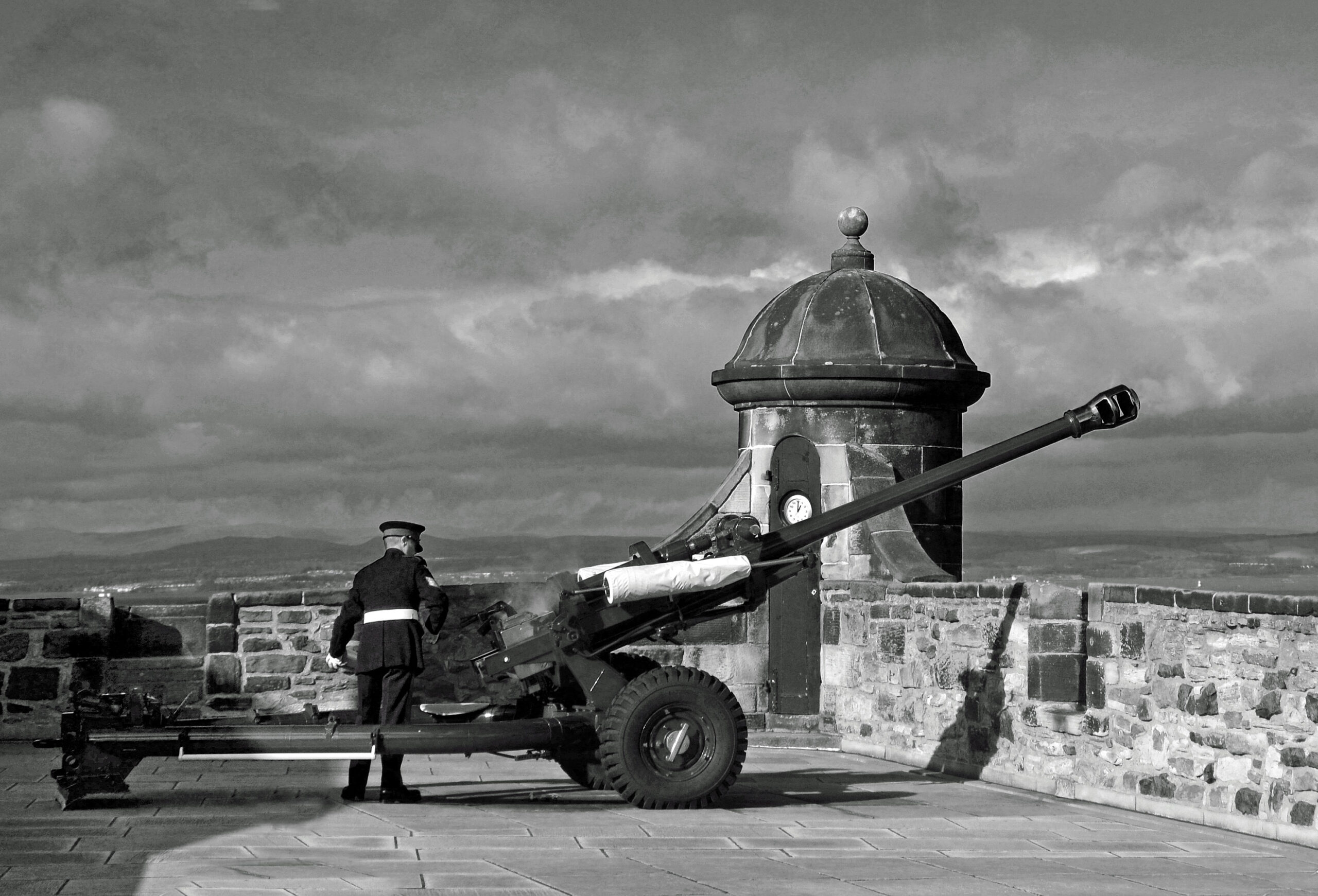

Few cities mark the passing of time quite like Edinburgh does. Every weekday just before the hour strikes one, a crowd gathers along the ramparts of a medieval castle perched on volcanic rock, waiting for a bang that rattles windows on Princes Street far below. It’s loud, it’s punctual, and it has been happening – almost without interruption – for well over 160 years.
The One O’Clock Gun is one of those rare traditions that began for deeply practical reasons and simply never stopped. Its story moves through maritime navigation, astronomical ingenuity, wartime drama, and the quiet rhythms of a city that has taken genuine pride in a daily ritual most visitors hear before they fully understand.
A Practical Problem at the Port of Leith
Because of the poor Scottish weather, the notorious haar (sea fog), and smog, the time ball at the top of Nelson Monument on Calton Hill was rarely visible to the ship navigators in the ports along Leith and Newhaven who needed to accurately adjust their clocks. This was not a minor inconvenience. Ships depended on precise chronometers for safe navigation at sea, and an invisible signal was essentially no signal at all.
The One O’Clock Gun is one of only a few surviving time signals, once a common feature of ports around the United Kingdom. Its sound was intended to replicate a visual time signal, given by a falling time ball on the top of Nelson’s Column on Calton Hill, which was installed in 1852. The precise timing of the ball’s fall allowed ships’ captains to set their chronometers accurately.
The gun was introduced in 1861, to fire a blank round from Edinburgh Castle at 1pm, the same time as the Time Ball dropped. This sound signal could be heard through the fog and over long distances, becoming an integral part of maritime operations.
The Astronomer Who Made It Happen
Charles Piazzi Smyth was the instigator of both the Time Ball, in 1853, and the Time Gun, in 1861, for the propagation of time to mariners docked in the Port of Leith, thereby removing the necessity of their bringing chronometers onto Calton Hill to calibrate them against the master clock in the Observatory.
In 1861, Piazzi Smyth added an audible element and set up the One O’Clock Gun service from Edinburgh Castle, stretching a cable all the way from Calton Hill to another clock on Castle Rock, which fired the gun. The hanging wire was unsupported and, at the time and over 4,000 feet long, was the longest single span of wire in the world.
The introduction of an audible time signal did not immediately solve sea-farers’ time-keeping problems. Piazzi Smyth assisted with producing a map marked with different circles indicating the time at which you would hear the gun, allowing navigators to factor this into their calibration. The speed of sound meant the bang arrived at Leith roughly ten seconds after it was fired.
The First Shot: 7 June 1861
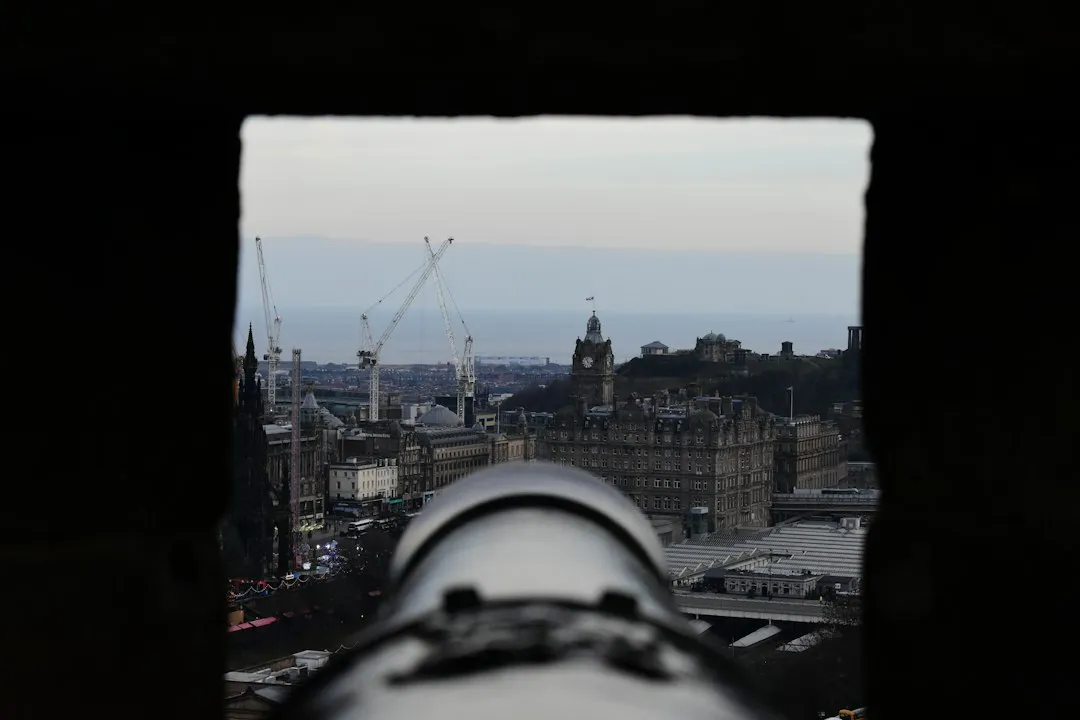
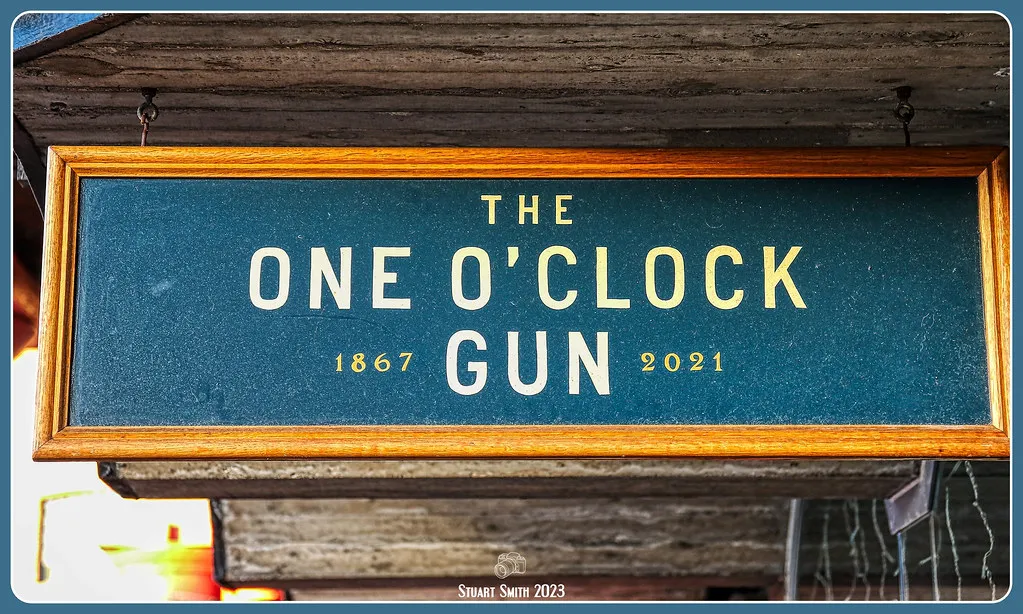
The One O’Clock Gun was first fired (after two failed attempts) on 7 June 1861 from Edinburgh Castle’s Half Moon Battery. It was an 18-pounder field cannon, of the type now visible around the castle’s battlements.
The citizens of Edinburgh, as well as the ships docked in the ports of Leith and Firth of Forth over two miles away, were able to hear the signal, quickly making it a curious visitor attraction. What started as an engineering solution for mariners almost immediately captured the imagination of the city itself.
The time gun on Edinburgh Castle was introduced in 1861, with automatic firing by a Castle clock that was controlled by electric telegraph from the Observatory. For its era, this was a genuinely sophisticated piece of infrastructure, synchronizing astronomy, telegraphy, and military hardware into a single daily pulse.
When the Gun Moved – and What It Fires Today
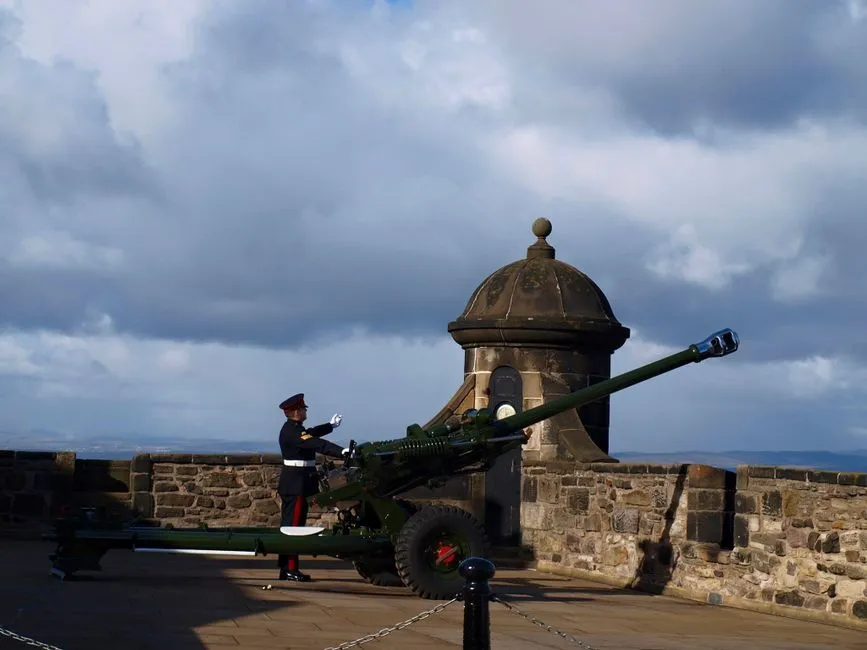
In 1971, the One O’Clock Gun relocated to Mills Mount, which faces north over Princes Street Gardens. This new position gave the blast a wider audience and turned the firing into a more theatrical, visible event for the growing number of visitors to the castle.
The original gun was a 64-pounder. Since 2001, a 105mm field gun has instead been fired from the Mills Mount Battery. The current gun, an L118 105mm Light Gun, has been in service since 30 November 2001.
The gun that is fired daily is not a historic military cannon of the type you see lining the battlements. Rather, it’s a more modern 105mm field gun which, luckily for the citizens of Edinburgh, fires a blank at one o’clock. The blank cartridge still produces a report loud enough to be heard across much of the city centre.
The Science of Sound and the Ten-Second Delay
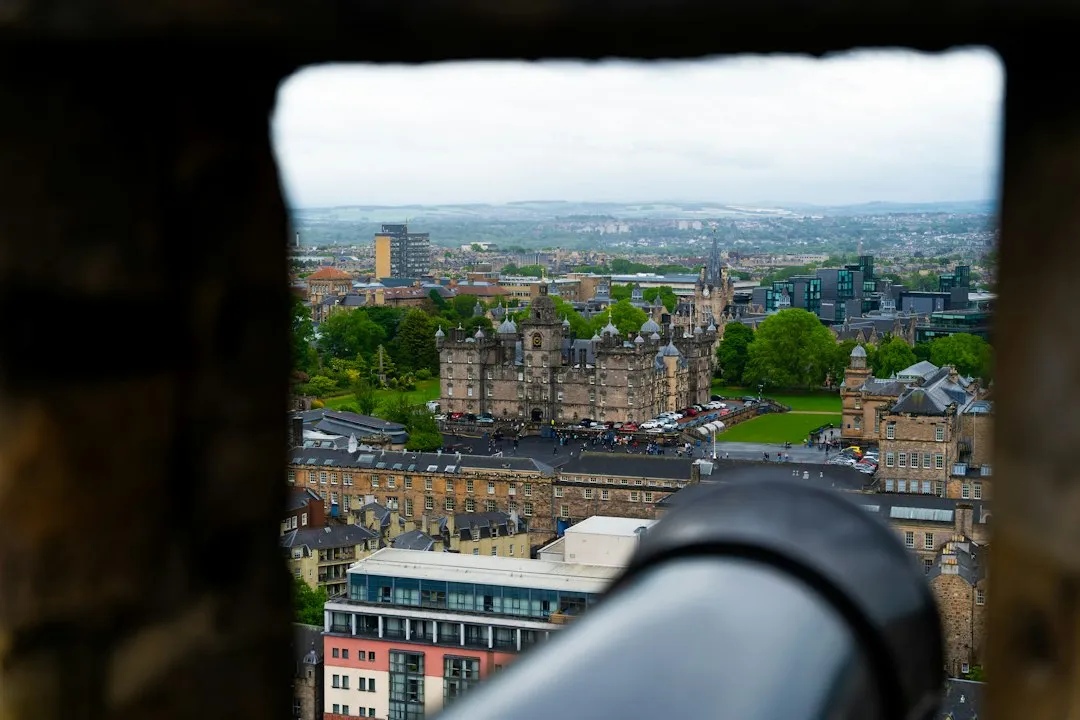
As the speed of sound is 343 metres per second (770 mph) and the docks were about 2 miles (3km) away, the navigators had to account for about 10.5 seconds of delay when they set their clocks. This can be seen on the “Edinburgh Time Map” prepared by the One O’Clock Gun’s proposer, Charles Piazzi Smyth.
The bang of the One O’Clock Gun therefore takes about 10 seconds to reach the ports of Leith and Newhaven, and longer to reach vessels out at sea. Every mariner in the Firth of Forth who relied on the gun had to perform a small mental calculation before trusting his chronometer, turning a simple bang into a surprisingly precise scientific act.
It’s a small reminder that this tradition, which now feels entirely ceremonial, was once an exercise in precision engineering with real consequences for navigation and human safety at sea.
The Only Time It Was Fired in Anger
Interestingly, the gun has also seen an instance of military action, as it was fired on 2 April 1916 at a German Zeppelin conducting an air raid during World War I. It is the one moment in the gun’s long history when the daily ritual became something altogether more urgent.
It’s only been fired once during hostilities – in vain, at German Zeppelins which were then dropping bombs on Edinburgh during the First World War in 1916. Whether the castle gunners expected to hit anything is a matter of historical imagination, but the moment underscores just how embedded the gun was in Edinburgh’s civic life: even during an air raid, the castle’s gun was pressed into service.
The Men (and Woman) Who Pulled the Lanyard
The gun is fired by a volunteer District Gunner from Edinburgh’s 105th Regiment Royal Artillery. Over the decades, several of these gunners have become quietly famous in their own right, earning nicknames that speak to how closely the city has followed their careers.
To date, the longest-serving gunner has been Staff Sergeant Thomas “Tam the Gun” McKay MBE, who fired the Edinburgh landmark daily from 1979 until his retirement in 2005. He published a book of anecdotes and history relating to the gun in 2002, entitled “What Time Does Edinburgh’s One O’Clock Gun Fire?”, the proceeds of which went towards the Army Benevolent Fund.
In 2006, Bombardier Alison Jones became the first woman to fire the One O’Clock Gun. Some gunners have been given nicknames such as “Tam the Gun” and “Shannon the Cannon.” Currently it is Sergeant Dave Beveridge who continues the historic tradition of firing the gun.
When Does It Not Fire?
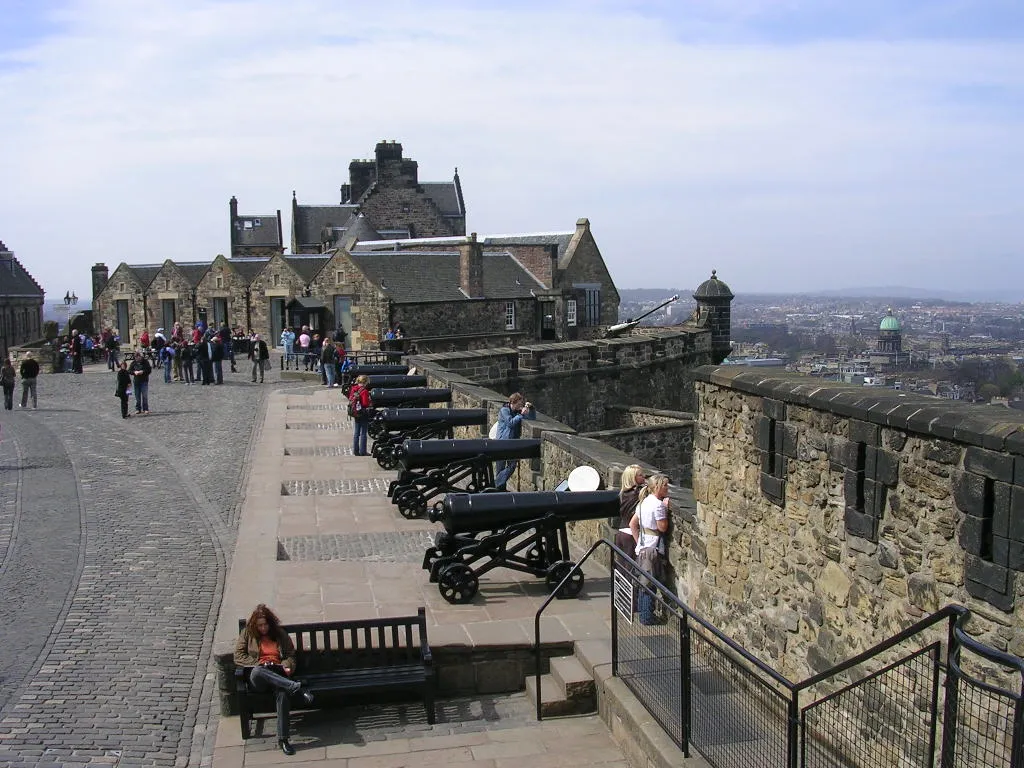
It fires at one o’clock from Mills Mount every day, except Sundays, Good Friday and Christmas Day. This has been the schedule since the very beginning, making those three exceptions the only reliable silences in a 160-plus-year soundscape. On those days, the city carries on without its usual 1pm punctuation.
In August 2025, the gun made headlines for a different kind of silence. The Edinburgh Castle One O’Clock Gun did not fire on Tuesday due to a medical emergency. It has since become a major tourist attraction, firing every day except on Sundays, Good Friday and Christmas Day. However, the gun did not fire after a member of the public fell ill in the safety cordon.
These rare, unplanned absences tend to make the news in Edinburgh, which says something about how firmly the daily ritual has embedded itself in the city’s expectations. The absence of the bang is almost as notable as the bang itself.
A Near-Silencing – and a Government Rescue
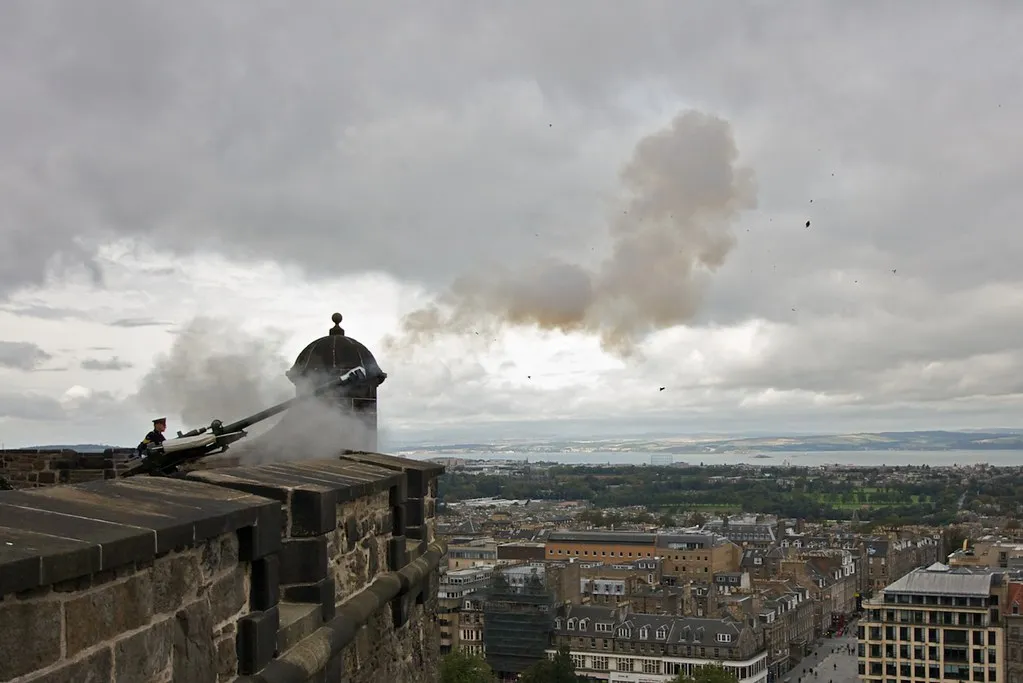
Edinburgh Castle’s One O’Clock Gun continued to fire after the Defence Secretary intervened to head off a potential threat to the daily spectacle. The One O’Clock Gun is fired every day except on Sundays, Good Friday and Christmas Day. The situation arose in early 2024, when new UK-wide Ministry of Defence safety guidelines required a wider cordon around ceremonial gun firings.
Historic Environment Scotland, the organisation that operates Edinburgh Castle, confirmed that a wider cordon required by the guidelines can be accommodated. The MOD had recently issued new UK-wide guidance requiring a wider safety zone around the firing and viewing of all ceremonial guns. The geography at Edinburgh Castle can facilitate the wider cordon required by these new Army guidelines, and the One O’Clock Gun will continue to be fired.
The episode, quietly resolved, was a reminder that even deeply rooted traditions require ongoing institutional commitment to survive. The gun continues because people on both sides of the bureaucratic table wanted it to.
How Many Times Has It Fired?
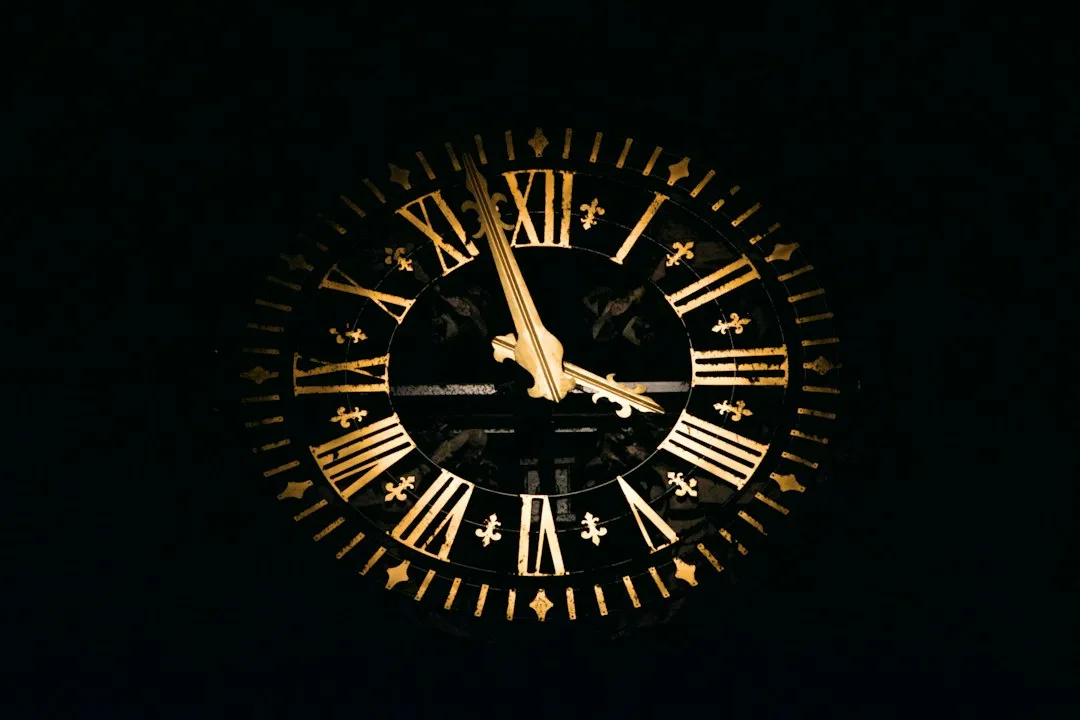
The One O’Clock Gun has fired over 59,000 times since 1861. That figure reflects the rhythm of a city that has rarely paused in over 160 years, accounting for the scheduled closures on Sundays, Good Fridays, and Christmas Days across the decades.
The time ball is still dropped at precisely one o’clock every day, continuing to give a visual signal to ships in Leith Harbour. The gun fires in support, the two signals now a familiar feature of Edinburgh life. Both systems, one visual and one audible, still run in parallel – a living echo of Victorian engineering.
In early 2024, the tradition even inspired a limited-edition whisky. A limited edition whisky was produced celebrating Edinburgh Castle’s iconic One O’Clock Gun, available from Historic Environment Scotland’s online shop. The One O’Clock Gun Whisky was distilled at the Glenallachie distillery in Speyside. The spirit was filled into an ex-bourbon hogshead cask in October 2007, where it remained for 17 years before being bottled.
The Takeaway
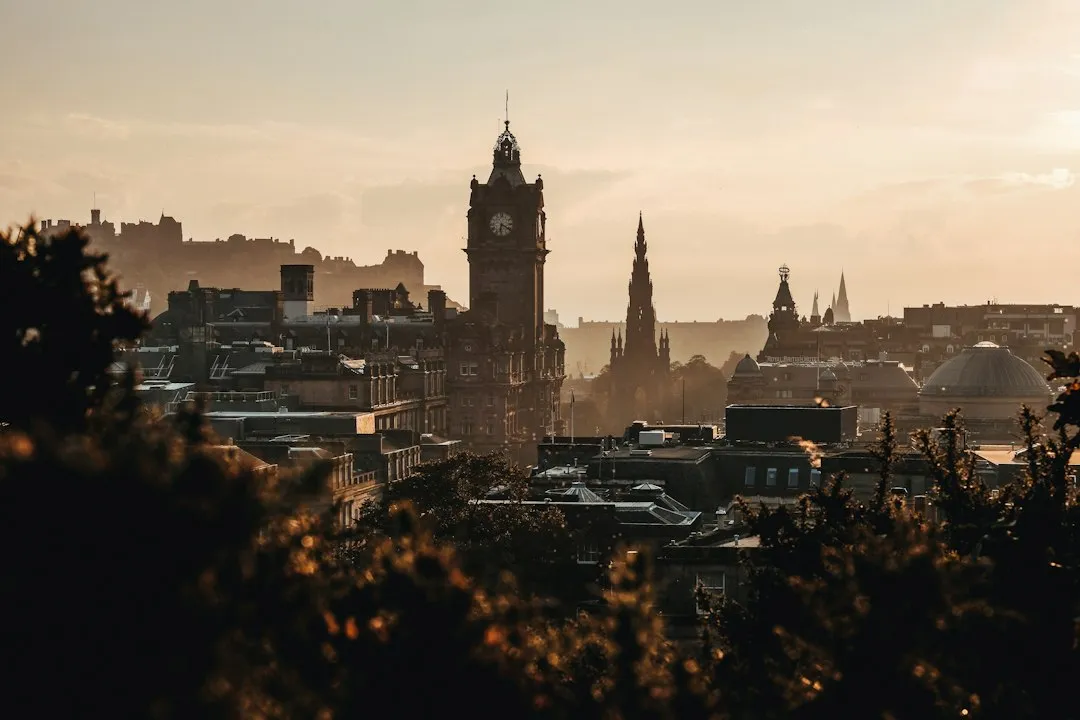
What makes the One O’Clock Gun so enduring is the combination of genuine usefulness in its time, real institutional commitment ever since, and the simple, democratic pleasure of a tradition that belongs to everyone within earshot. You don’t need a ticket to hear it. You just need to be in Edinburgh at 1pm on a weekday.
The gun is still fired every day at 1pm, except on Sundays, Good Friday and Christmas Day. Crowds gather to enjoy the spectacle, and the sound often surprises people on Princes Street below. That surprise, repeated daily for over 160 years, is itself a small piece of the city’s character: reliable, a little startling, and entirely its own.
Over 59,000 firings. One astronomer’s idea. A cable once spanning 4,000 feet between a hillside monument and a medieval castle. Some traditions earn their place in a city. This one has earned it many thousands of times over.
AI Disclaimer: This article was created with the assistance of AI tools and reviewed by a human editor.