

The Answer Is 60 Tons – and That Number Tells a Story
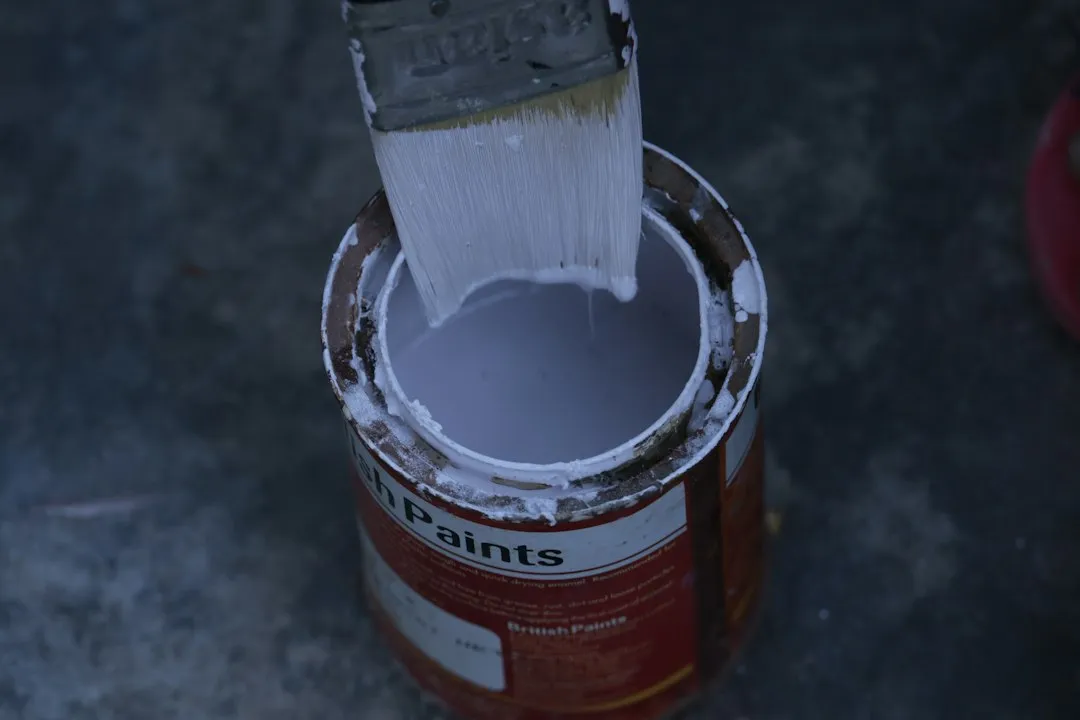
Every seven years, the entire tower is repainted using roughly 60 tons of paint. This is not done merely for appearance – it is a critical engineering process designed to protect the metal from corrosion and ensure the structure lasts for generations.
To put that quantity in perspective: 60 tons of paint is equivalent to the weight of about ten African elephants. That’s an almost absurd amount of material to haul up a 324-meter iron structure by hand, section by section, beam by beam.
Each repaint applies 60 tonnes of paint, while between 15 and 20 tonnes of paint are eroded between each repaint cycle. So the tower is constantly shedding its protective coat – and constantly needing it back.
A Surface Area That Would Humble Any Painter
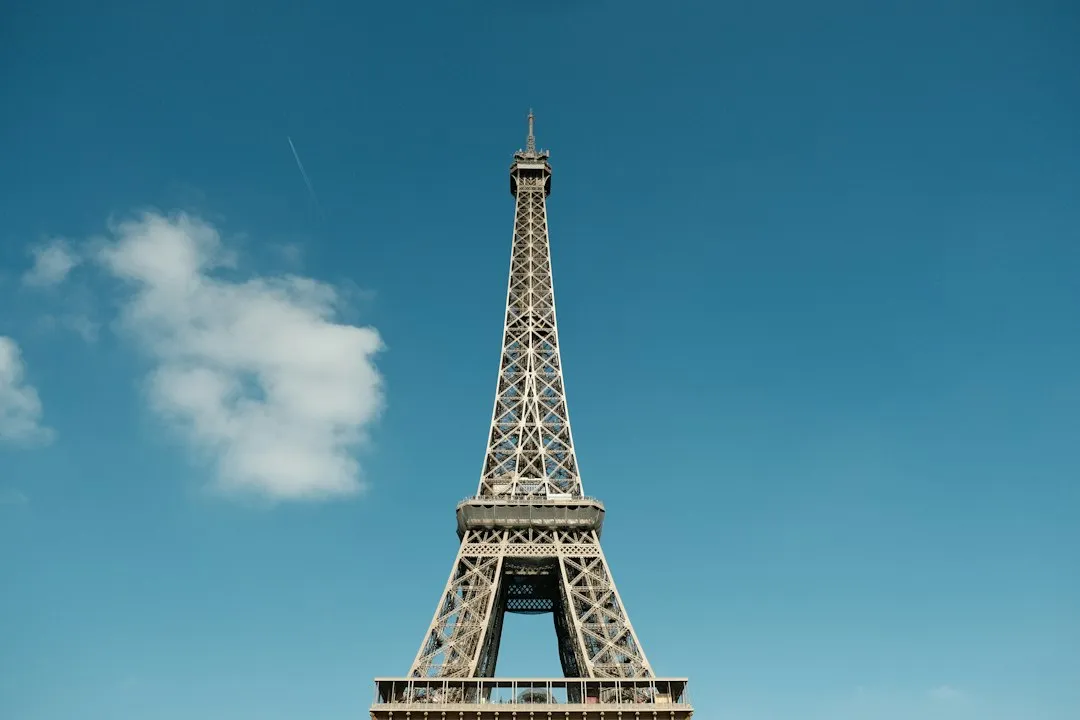
The Eiffel Tower has roughly 250,000 square meters of metal surface to protect. That’s an enormous canvas. For context, it’s the equivalent of covering more than 35 soccer fields in a single continuous painting campaign.
About 50 specialists carry out the work using 34 miles of safety line and repaint an area of 250,000 square meters, around 2.7 million square feet. Those safety lines aren’t optional extras – they’re the only thing standing between a painter and a very long fall over Paris.
It’s All Done by Hand, Just as It Always Has Been
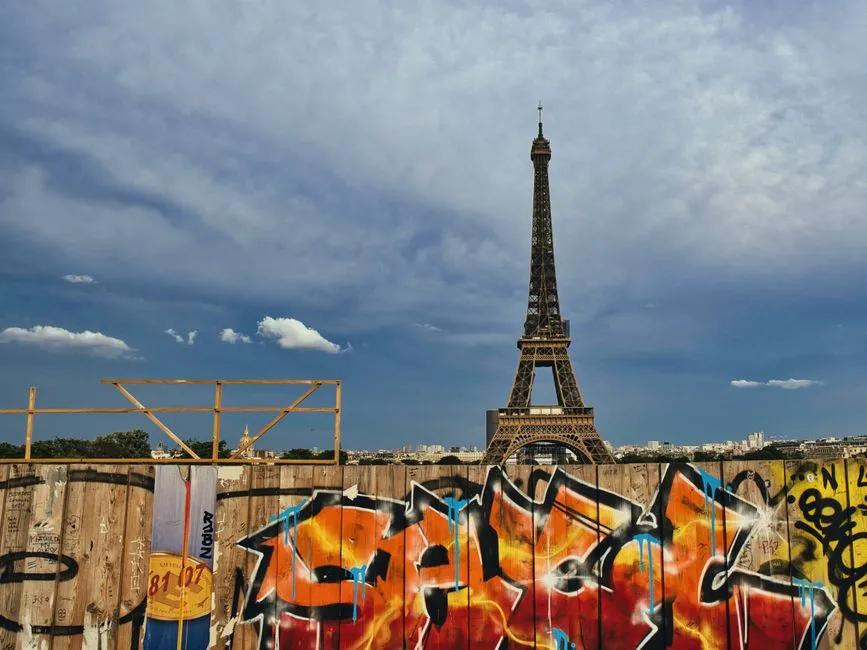
The Eiffel Tower painting process is surprisingly traditional. Despite the availability of modern machinery, painters apply the liquid by hand using high-quality brushes. This manual technique is preferred because it allows the paint to be worked deep into the crevices and around the 2.5 million rivets that hold the structure together.
It is important to note that painters still work today using traditional methods that were already in use in Gustave Eiffel’s time: most of the paint on the Eiffel Tower is applied manually with a guipon brush. There’s something quietly remarkable about that – a 19th-century technique still doing the job on one of the world’s most visited landmarks.
The Crew: Specialists in Dangerous Environments
The operation relies on 25 painters, wearing 1,500 sets of work gear and 1,000 pairs of leather gloves, and uses 50 kilometers of safety lines, 8,000 square meters of safety nets, 1,500 paint brushes, and 5,000 abrasive discs. The sheer quantity of gear is staggering.
The tower uses painters specialized in dangerous environments, because more than the skills of a painter, it is necessary to have mountaineering skills to tackle such a task. These aren’t people who paint walls on weekdays. They’re trained for the kind of vertical work most people would find terrifying.
The painters only work at night once all the visitors have gone. So while tourists enjoy the illuminated tower from the Champ de Mars, a crew of specialists is quietly at work hundreds of meters above them.
How Long Does a Full Campaign Actually Take?
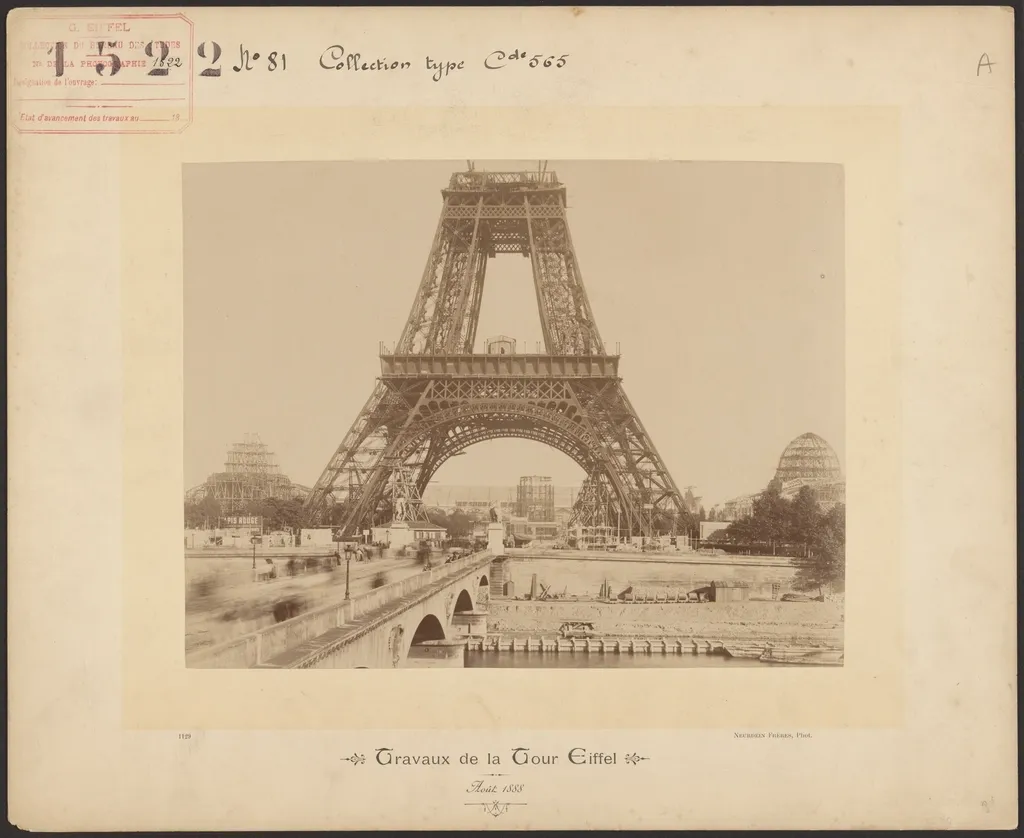
Since its foundation, the tower’s 250,000 square-meter surface has been repainted every seven years, with a total of 60 tonnes of paint applied in an operation that lasts an average of 16 months, at an average total cost of 3 million euros.
All of the tower’s paint jobs have been massive undertakings lasting anywhere from 18 months to three years. It takes longer depending on weather conditions, as painting is impossible when the tower is too cold and the paint itself doesn’t stick when the structure is wet.
Weather windows matter: work stops when steel is too cold or damp, which is why a single campaign can stretch from 18 months to more than three years. Paris weather, it turns out, is not always cooperative.
The Weight Problem Nobody Talks About
With roughly 40 tonnes of residual paint added to the structure at every repaint, the structural consequences of this additional mass will eventually have to be solved. This is a genuine engineering concern, not just a curiosity.
In recent painting programs, it has been necessary to start removing all 19 previous paint layers from certain areas of the tower to maintain its structural integrity. Stripping back those accumulated layers is itself a hazardous undertaking.
According to AFP, all previous coats of paint were being removed during the most recent campaign. Given that the older layers of paint include lead, health protocols have been put in place for the workers. The history of the tower’s paint is literally a health and safety issue.
A Custom Color, Specially Made for the Tower
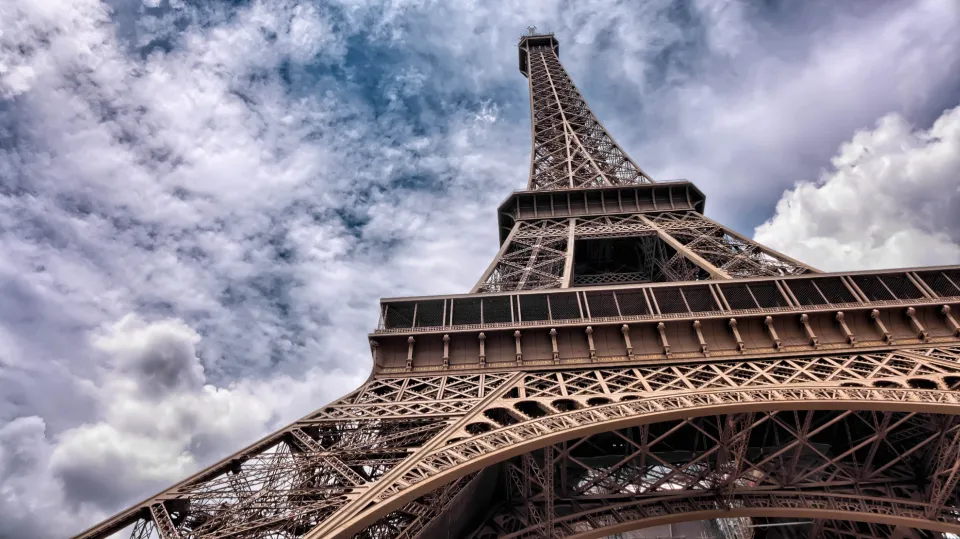
60 tons of paint, including 50,000 liters of a special paint provided by the Norwegian company Jotun, are necessary for each repainting campaign. The paint isn’t something you can pick up at a hardware store. It’s formulated specifically for this structure.
Modern campaigns prioritize environmental safety by utilizing a specialized lead-free coating, replacing the toxic mixtures used in the early 20th century. That shift took time – earlier formulations contained lead, which is why removing old layers requires protective protocols for workers.
The Three-Tone Gradient Trick
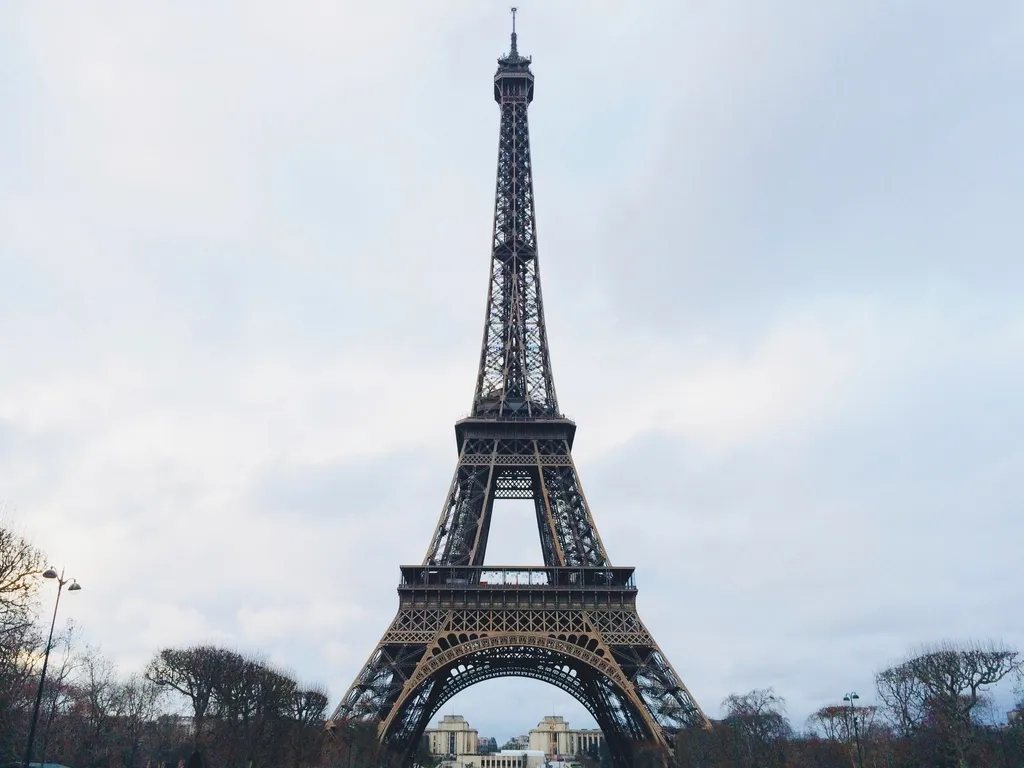
To create the impression of uniformity, the yellow-brown color is applied in three shades, with the darkest at the bottom and the lightest at the top. From the ground, the tower appears to be one consistent color. That’s the whole point.
The tower uses a three-tone gradient system, with darker paint at the bottom and lighter paint at the top, creating a visually balanced appearance from ground level. It’s a subtle but deliberate optical illusion, carefully maintained across every repainting campaign.
The 2024 Olympic Repaint: A Return to Gustave’s Original Vision
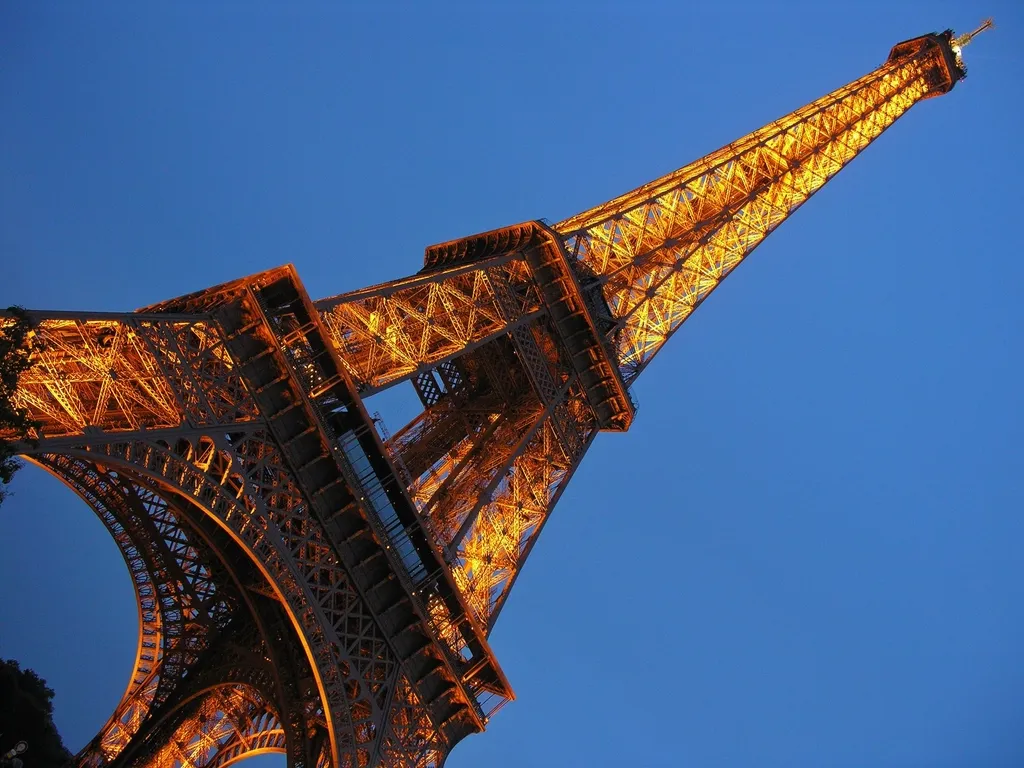
The Eiffel Tower is repainted on an approximate seven-year cycle, about 20 times across its 136-year history, mainly to protect its puddle iron from corrosion. The current shade, restored during the 2019 to 2024 campaign for the Paris Olympic and Paralympic Games, is the same historic yellow-brown Gustave Eiffel chose in 1907.
Changing the tower’s color from “Eiffel Tower brown” to “yellow brown” started in 2019 but was delayed due to the pandemic, rust, and the presence of lead in the old paint. Even the most famous paint job in the world isn’t immune to setbacks.
The chief architect for France’s historical monuments explained the color choice: Gustave Eiffel likely chose yellow-brown so the Eiffel Tower would echo the whole city of Paris, with its cut-stone houses made of limestone. A landmark designed to harmonize with its city, not stand apart from it.
A Colorful History Stretching Back to 1887
Venetian red was the color that made the tower shine during its assembly in 1887 and 1888. That original bold hue is a long way from the warm golden tones Parisians see today.
The colors have changed several times since the tower was opened in 1889, passing from red-brown to yellow-ochre to chestnut brown and finally to the color it held for more than 52 years. Each shade reflects not just aesthetic taste but also the paint technology available at the time.
In 1968, a specially designed color created exclusively for the Iron Lady was chosen to harmonize with the Parisian landscape – a bronze-like hue known as “Eiffel Tower brown,” which lasted over 50 years. The 2024 campaign finally brought that half-century chapter to a close.
The Takeaway
Sixty tons of paint, dozens of specialized climbers, 250,000 square meters of iron, and a campaign that can stretch over years – the repainting of the Eiffel Tower is one of those maintenance stories that reveals just how much effort goes into keeping a beloved structure alive.
The Eiffel Tower receives a new coat of paint every seven years, as much for the protection of its metallic structure from the wind, rain, sun, and pollution, as for the maintenance of its looks. Beauty and survival, it turns out, are not separate concerns here.
What the painters who climb that iron lattice understand – and what most visitors never consider – is that the gleaming tower in every photograph exists only because a small, skilled crew keeps showing up, harness clipped, brush in hand, doing the most unglamorous job imaginable on the most glamorous structure in the world.
AI Disclaimer: This article was created with the assistance of AI tools and reviewed by a human editor.