


There’s a moment in almost every escape room when a team grinds to a halt, staring at something completely ordinary. They rotate it, argue about it, search for hidden meaning inside it. Then the game master watches on a monitor as sixty seconds tick away. The answer, more often than not, was staring right at them from the beginning.
Designers have been quietly watching this dynamic for years. What they’ve learned about human problem-solving in high-pressure environments is genuinely fascinating, and it tells us as much about how our minds work as it does about puzzle craft.
The Clue That Looks Too Simple to Be Real

The most common mistake in escape room puzzle design, according to experienced designers, is optimizing for difficulty, with clever puzzles, complicated ciphers, and multi-step logic chains that may feel satisfying to build but aren’t what make players feel good. The irony is that the clue most groups overthink tends to be the most visually obvious one in the room. Players assume that if something stands out, it must be a red herring or a distraction planted to waste their time.
Players begin to understand, usually too late, that not every puzzle requires complex thinking. Sometimes the simplest answer is correct, and recognizing that reduces overthinking and helps teams progress faster. Designers have observed this pattern across thousands of sessions, and nearly all of them say the same thing: the clue that gets ignored the longest is usually the one hiding in plain sight.
Why Rabbit Holes Are So Easy to Fall Into
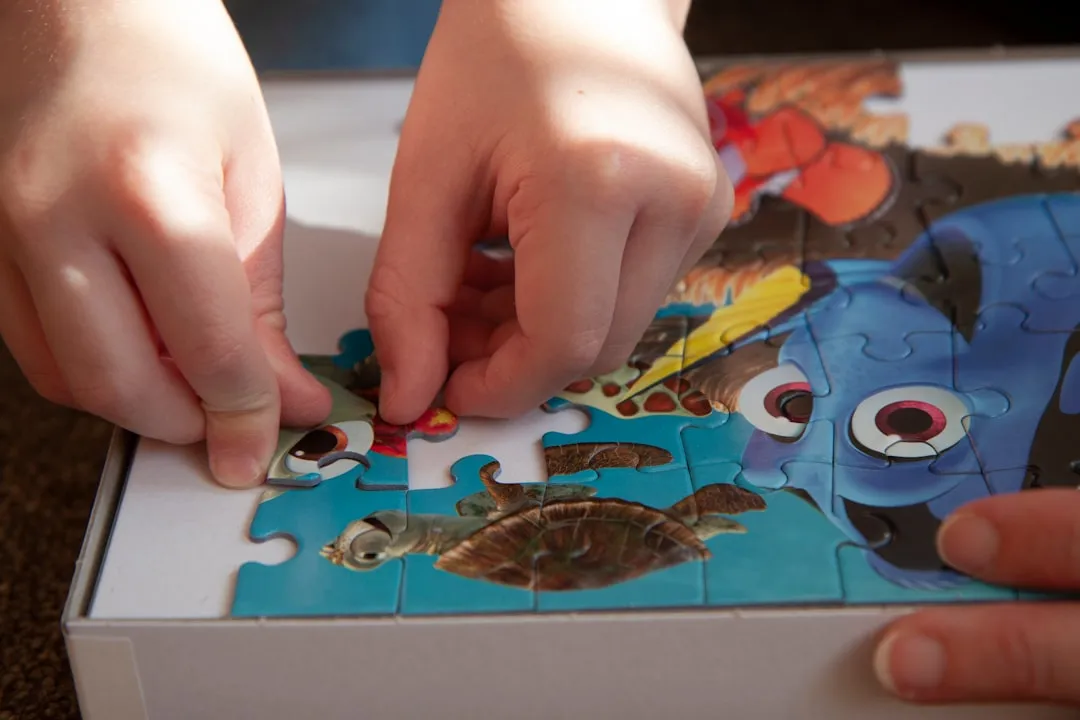
Players tend to go down rabbit holes, finding an incorrect theory and expanding on it until they are so far down the wrong path they may as well be playing a different game. However, if the clues point them in that direction, designers acknowledge it’s not entirely the players’ fault. The brain craves complexity when it’s already primed for a challenge. Walking into a professionally designed room triggers a kind of alert state where everything feels significant and layered.
When one person is stuck on a puzzle, they can start to overthink the solution, costing valuable time. Another teammate might instantly see that the answer is simpler than first thought, allowing the team to move swiftly on to the next challenge. This is why experienced players consistently say that fresh eyes matter more than raw intelligence inside the room.
How Designers Actually Place Clues
Player perception determines whether hidden clues are noticed or overlooked, hinging on factors like visual salience, cognitive biases, and environmental context. Designers leverage Gestalt principles, such as proximity and similarity, to guide attention without overtly pointing out solutions. This means that what feels like intuition is often the result of deliberate visual engineering on the designer’s part.
Hidden clues are intentionally obscured game elements that require observation or interaction to reveal critical information, enhancing both challenge and immersion. By embedding clues in props, narrative details, or environmental design, puzzle builders create a sense of discovery and accomplishment when players decode them. The straightforward clue is often placed in the most logical location, precisely because designers know that logic is the first thing players abandon under pressure.
The Psychology of Ignoring the Obvious
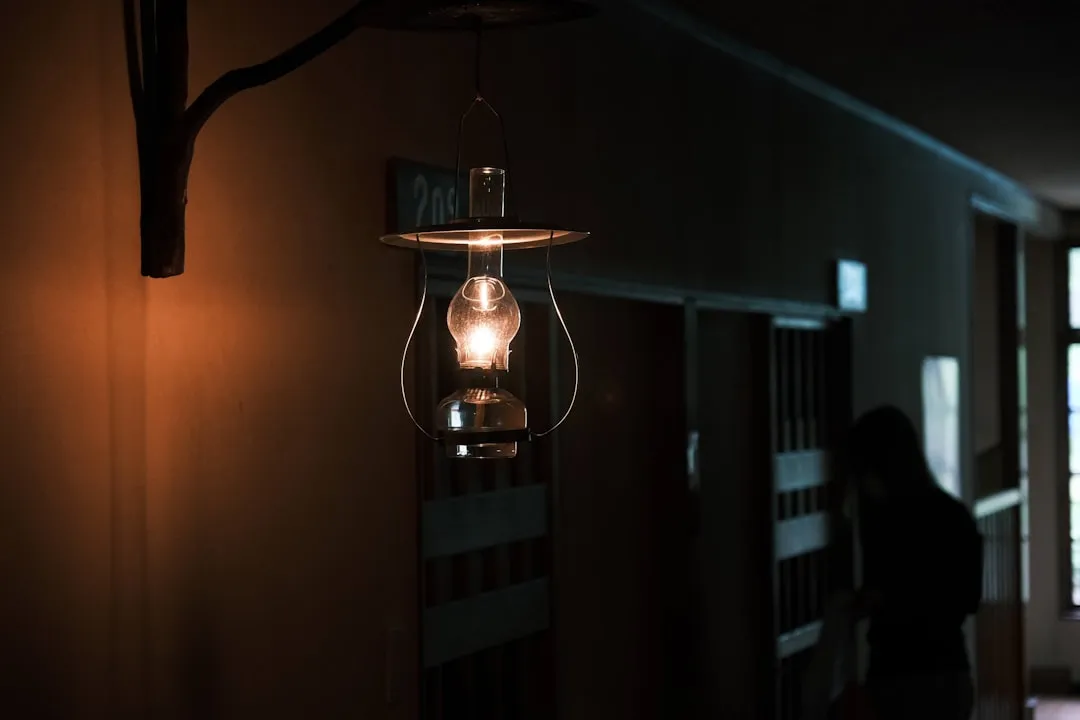
What many participants overlook is the strong psychological principles that shape these adventures. From atmospheric design to clue placement, every part is carefully crafted to boost customer engagement and satisfaction. The atmosphere itself does part of the work. When lighting is dim, sound design is ominous, and the storyline feels urgent, the brain shifts into a heightened state that actually makes straightforward pattern recognition harder.
Time pressure is one of the most powerful design tools. When players see the clock ticking down, they feel urgency, and this urgency increases excitement and pushes the brain to focus on solving tasks more efficiently. It also prevents overthinking, which can sometimes slow down progress. There’s a productive tension here: the same pressure that prevents excessive rumination can also cause teams to spiral on the wrong clue rather than step back and reset.
What Game Masters See on the Monitor
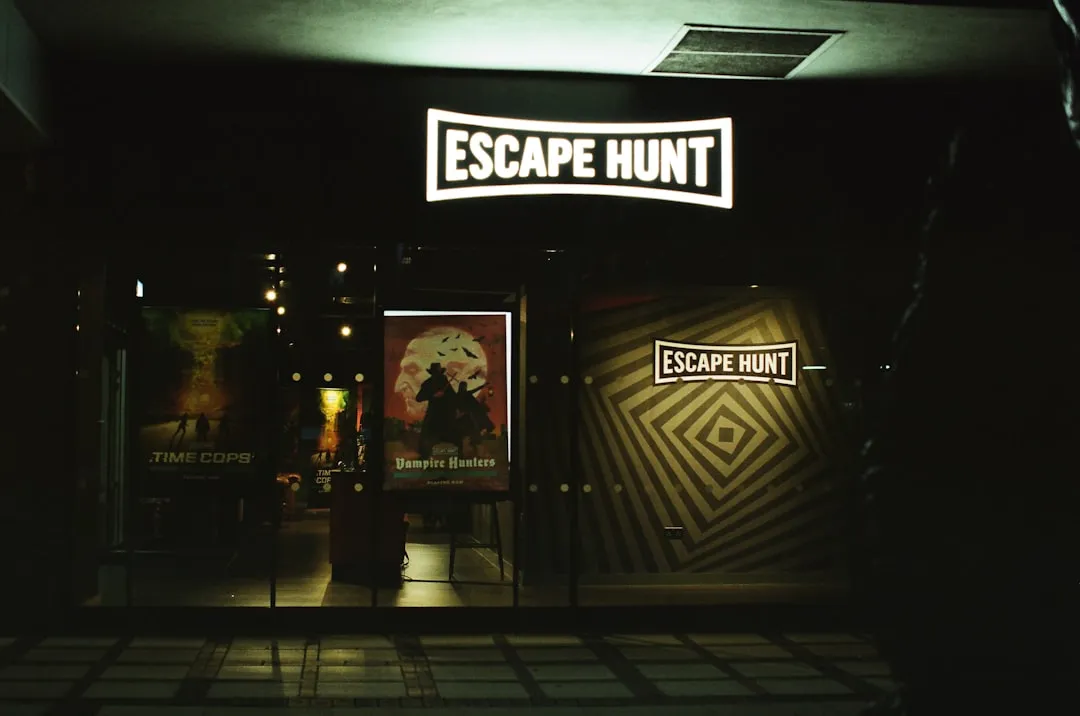
Escape rooms, a type of immersive puzzle game, have received less attention in research contexts despite significant untapped potential as opportunities to study complex problem solving, learning, and reflection in a gamified environment. Game masters who watch teams in real time report a remarkably consistent pattern. Groups spend disproportionate time on clues that require them to look carefully at something they’ve already touched, rather than spending that energy exploring areas they haven’t yet examined.
One effective strategy for designers is to solicit feedback from playtesters. Observing player interactions provides valuable insights into how they approach and solve puzzles, and paying attention to their reactions, frustrations, and moments of triumph helps fine-tune the challenge level and overall flow. Through this playtesting process, designers repeatedly discover the same bottleneck: the most obvious prop in the room gets overcomplicated by groups who assume the puzzle can’t possibly be that direct.
The Role of Storytelling in Misdirection

One of the biggest changes in the industry is the move from puzzle-first rooms to story-first experiences. Players don’t just want a sequence of clues; they want a mission, a mood, and a reason to care about what happens next. Narrative immersion is exactly what makes the obvious clue so easy to miss. When you’re emotionally invested in a story, you begin reading every object as a narrative symbol rather than a functional key.
Storytelling plays a major role in immersion. Instead of simply solving random puzzles, players are placed in a narrative where they might be detectives solving a mystery, explorers uncovering secrets, or adventurers escaping danger. A detective doesn’t expect the murderer’s name to be written on the first page. That assumption, imported from fiction, is one of the main reasons groups overlook straightforward evidence sitting right in front of them.
The Hint System Players Rarely Use

Although verbal hints from game masters were provided as a helpline, very few groups used this source of support, preferring to try multiple other ways to solve the puzzles within their groups instead. This reluctance to ask for help is nearly universal. It’s part pride, part competitive spirit, and part a genuine belief that the team must be on the verge of cracking it.
Research on puzzle-solving behavior found that roughly 85 percent of players complete at least a third of the puzzles before requesting help. The trouble is that by the time most teams finally ask for a hint, they’ve often spent several minutes running in the wrong direction. Designers build hint systems specifically because they know how predictably groups will resist using them, especially when the overlooked clue is something embarrassingly simple.
First-Time Players vs. Seasoned Groups
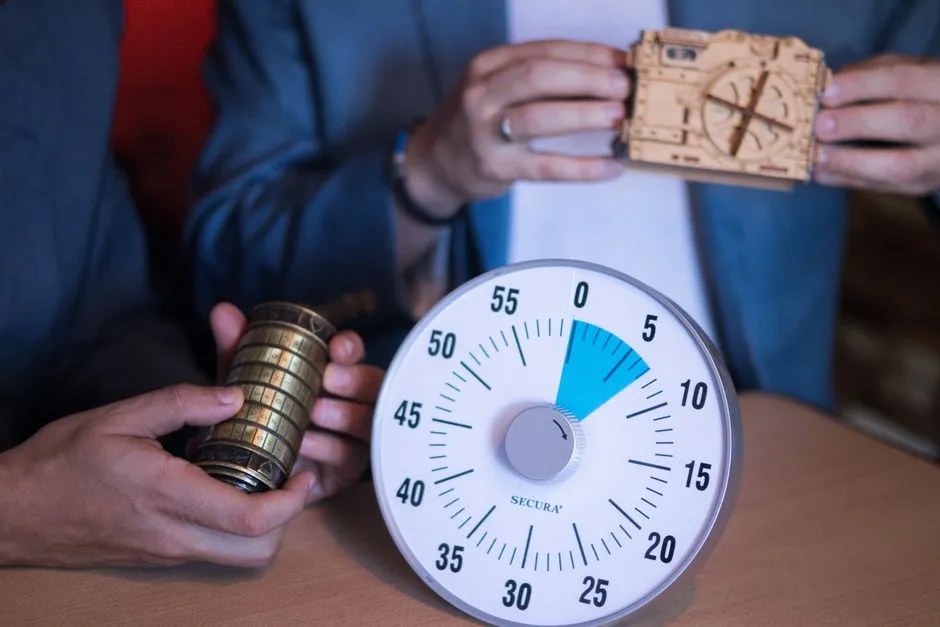
First-time players often struggle with abstract puzzle logic, but they respond quickly to intuitive interactions. This is a genuine paradox. Beginners, having no prior framework for what an escape room clue “should” look like, sometimes solve the obvious puzzle faster than veterans who arrive with a head full of assumptions about how the game works.
The strength of escape rooms lies in their immersive environments, which draw participants into a storyline that feels real yet is designed to challenge their cognitive and collaborative skills. This blend of immersion, problem-solving, and teamwork places escape rooms at the forefront of the Reality Gaming industry. Experienced players, paradoxically, can be slowed down by their own expertise. They’ve learned to hunt for hidden mechanisms and layered ciphers, so a clue that requires nothing more than reading a label carefully gets filtered out as “too easy to count.”
What Designers Say About Breakthrough Moments

Designing for emotion means prioritizing the moment of breakthrough over the complexity of the task. This is the core insight that separates good escape room design from merely difficult escape room design. The goal was never to stump you. The goal was to create that specific feeling of sudden clarity when the pieces lock together.
One of the most satisfying responses a designer can hear from a player for an unsolved puzzle is “Why didn’t I think of that?!” That reaction only happens when the answer was genuinely accessible all along. It’s the signature of a well-placed, well-paced clue, one that required attention rather than genius, and that felt obvious only in retrospect.
How Technology Is Changing the Clue Landscape

Technologies such as augmented reality, RFID triggers, and smart props enable dynamic clue reveals and personalized experiences. By adopting these innovations, designers can craft interactive, context-aware puzzles that adapt to player actions. This evolution adds a new layer to the overthinking problem. When clues can be embedded in digital overlays or triggered by physical objects, players no longer know where the boundary between set decoration and functional puzzle actually lies.
AI algorithms now analyze player behavior, decision-making patterns, and problem-solving speeds to adjust escape rooms in real time. This includes natural language processing, computer vision, and machine learning to understand player interactions and adapt the game accordingly, creating personalized experiences by tailoring challenges to player skill levels. Even so, designers who use these tools still report the same recurring blind spot: the straightforward physical clue, unadorned and unhidden, gets passed over while players look for something more sophisticated. The technology changes the medium but not the habit.
The Takeaway From the Other Side of the Camera
If there’s one thing consistent across designer accounts, puzzle research, and player psychology, it’s this: the clue most groups overthink is almost never the cryptic one. It’s the plain one. The one that requires a single, calm observation rather than a chain of deductions.
The next time a room feels impossibly stuck, the most useful move is often the quietest one: pause, look at what’s already in your hand, and ask whether you’ve actually read it rather than interpreted it. Escape rooms are a mirror for how we think under pressure, and the clue most overlooked is usually the one that simply asked to be noticed.
AI Disclaimer: This article was created with the assistance of AI tools and reviewed by a human editor.