
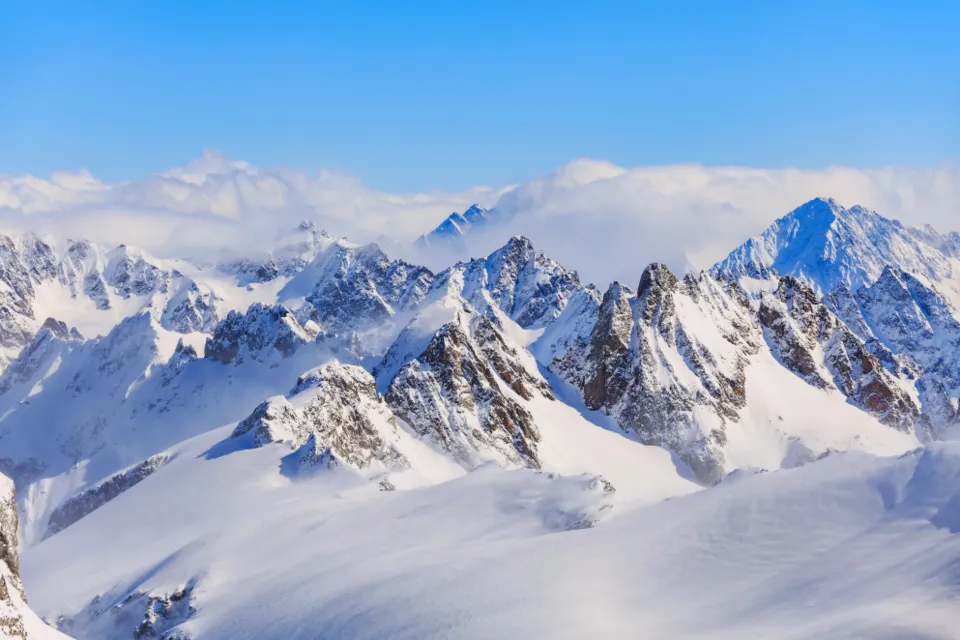

There is something quietly disorienting about stepping off a train in Interlaken and looking up. The valley walls seem almost vertical, the peaks invisible in cloud, the scale just wrong enough to recalibrate everything you thought you knew about space and altitude. Switzerland does this to people. It has for generations.
What’s striking about the Swiss Alps in summer is not just the scenery – it’s the sheer, almost absurd completeness of it. Wildflowers, glaciers, stone villages, marmots, ancient trails, and a mountain hut every few hours of walking. The country has built a hiking culture unlike anywhere else on earth, and summer is when the whole machine finally opens up.
A Trail Network Like No Other on Earth
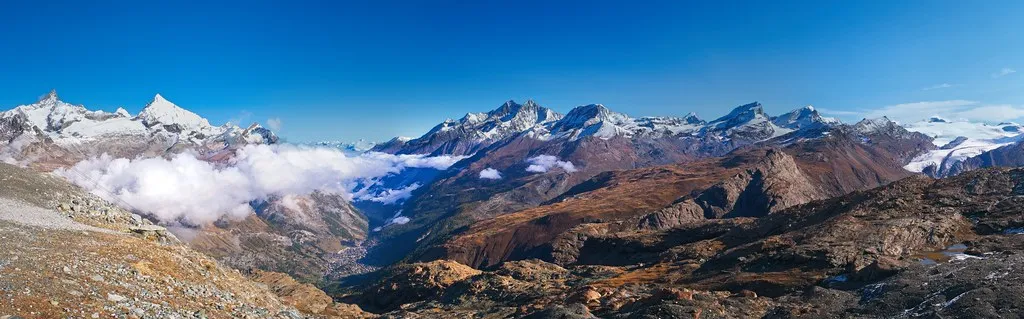
The Swiss hiking network is a comprehensive system of marked hiking trails covering more than 65,000 kilometres across Switzerland and, protected by federal law since 1985, represents one of the world’s most extensive and well-maintained pedestrian trail networks. To put that in perspective, Switzerland’s hiking trail network covers around 65,000 km – for comparison, the whole country has only 71,400 km of roads and 5,100 km of railway tracks.
No other country in the world has such a dense, nationwide hiking network as Switzerland. There are an average of 1.9 km of hiking trails per square kilometre throughout the country. The constitutional provision protecting this network now appears as Article 88 of the 1999 Federal Constitution, making Switzerland one of the few countries to grant hiking trails explicit constitutional protection.
The official trail classification scale has a total of six levels, with T1 being the easiest and T6 the most difficult. Roughly 63% of trails are yellow-signposted hiking routes, 36% are yellow-signposted mountain hiking trails with white-red-white waymarks, and just under 1% are blue-signposted alpine hiking trails.
Summer: When the Alps Truly Open
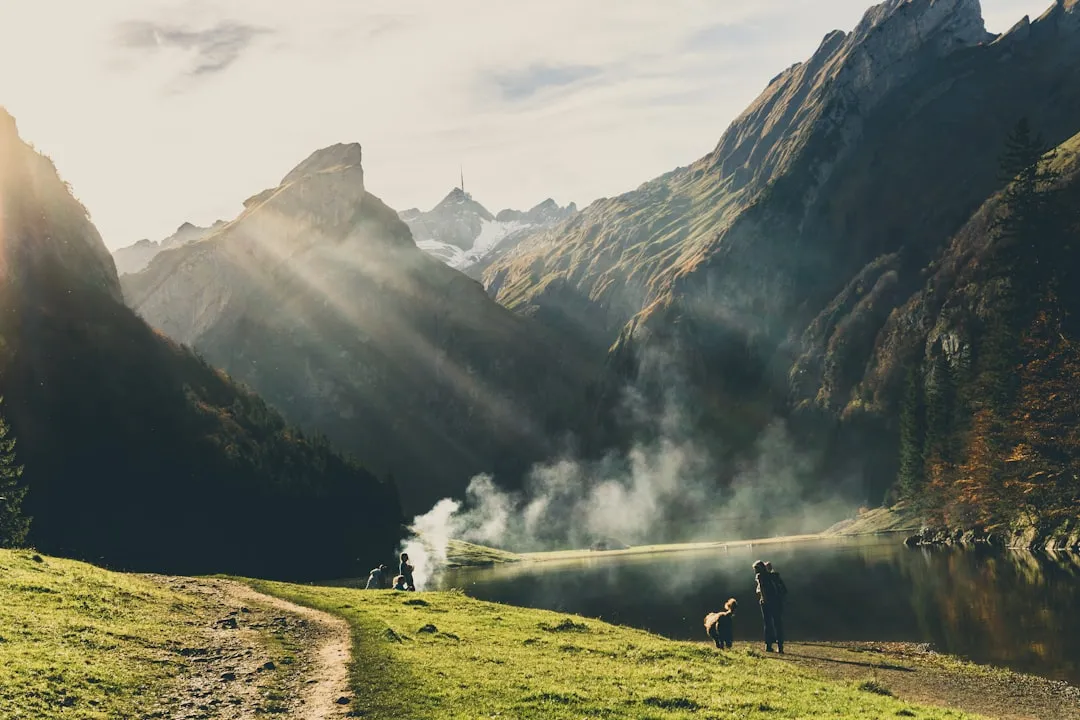
Between mid-June and mid-October, every high pass, every mountain hut, and every major trail in the country is open and operational. The routes that define Switzerland’s international hiking reputation – the Walker’s Haute Route from Chamonix to Zermatt, the Via Alpina crossing the full width of the country, the Bernese Oberland passes above Grindelwald – all require summer conditions to hike.
June to September is best for high alpine hiking, as most mountain passes are free of snow. July and August bring the warmest weather but also more visitors. October offers quieter trails with autumn colours, especially in the Bernese Oberland near Mürren and Wengen.
The Swiss population spends 162 million hours on hiking trails each year, while 59% of all overnight visitors in summer go hiking at least once during their stay. That last figure is remarkable – more than half of everyone who visits Switzerland in summer pulls on hiking boots at least once.
Record-Breaking Tourism Driven by the Trails
In 2024, Switzerland’s tourism sector achieved a milestone with roughly 42.8 million overnight stays, marking a 2.6% increase over 2023. Visitors spent CHF 19.6 billion in 2024, setting a new record for the country. The momentum carried into 2025 as well.
Over the course of the summer months of 2025, 25.1 million overnight stays were recorded – a 2.6% increase over the previous summer and the highest figure ever seen in the country. These numbers include both domestic and international visitors, with Americans leading the way in inbound tourism.
The Swiss Federal Statistical Office noted that despite ongoing economic challenges, such as the high value of the Swiss franc, the demand for Swiss accommodations continues to grow. According to a study by the federal administration, the average Swiss resident undertakes 20 hikes a year, and 80% of the population regularly uses the trails for hiking, jogging, walking, or other activities.
The Via Alpina: Switzerland’s Signature Long-Distance Trek
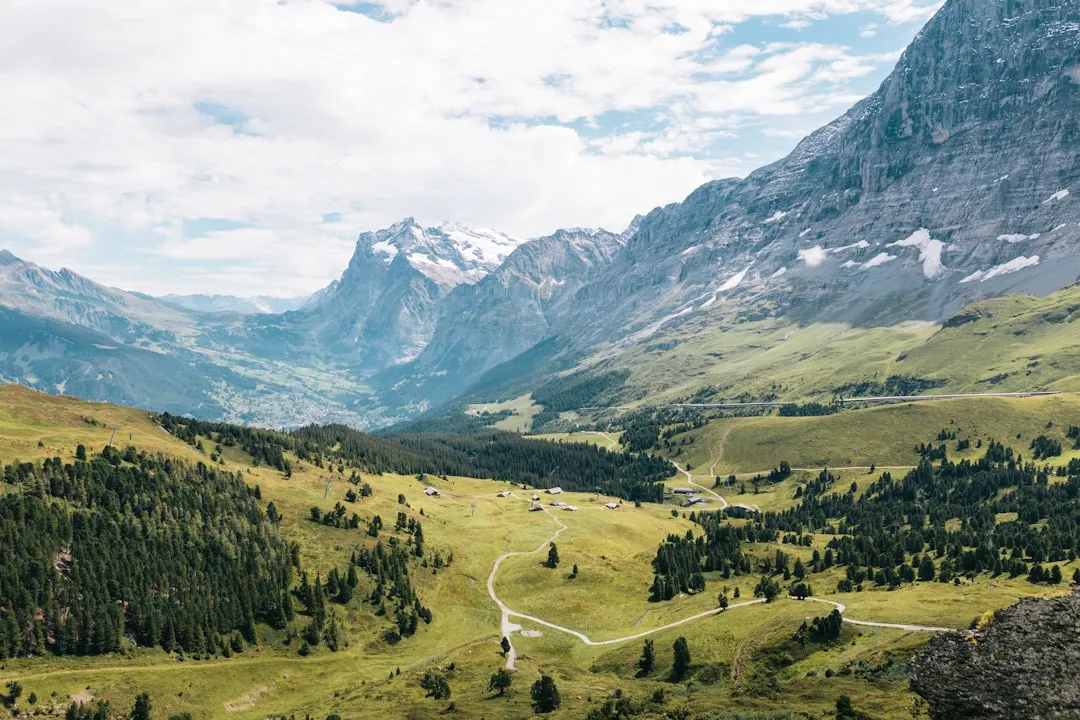
Via Alpina is a classic among the long-distance hikes in Switzerland. This trail takes you once through the northern Alps of Switzerland in a series of 20 daily stages. Its 14 Alpine passes and great variety of Alpine culture, flora and fauna are the fuel of a hiking enthusiast’s dreams.
Even if you want only to hike from one end of Switzerland to the other, it’s a nearly 400 km, 20-day adventure from Vaduz (Liechtenstein) to Montreux that crosses 6 cantons, 14 mountain passes, and includes picturesque villages, green meadows, and dramatic mountain scenery. The full pan-European network is considerably larger: the full pan-European Via Alpina spans eight Alpine countries, from Monaco to Slovenia, across 342 stages and more than 5,000 km of trails.
The trail crosses into French-speaking Switzerland near Château-d’Oex, where you can taste L’Etivaz cheese from its AOC-protected production village. The Col de Chaude serves as the last pass, and the ridge at Rochers de Naye (2,042 m) delivers a final panorama of Lake Geneva, with both the Jungfrau and Mont Blanc massifs visible on a clear day. The descent into Montreux, with its Mediterranean micro-climate and lakeside Château de Chillon, is one of the most satisfying arrivals in long-distance hiking.
Iconic Trails Worth Planning Your Trip Around
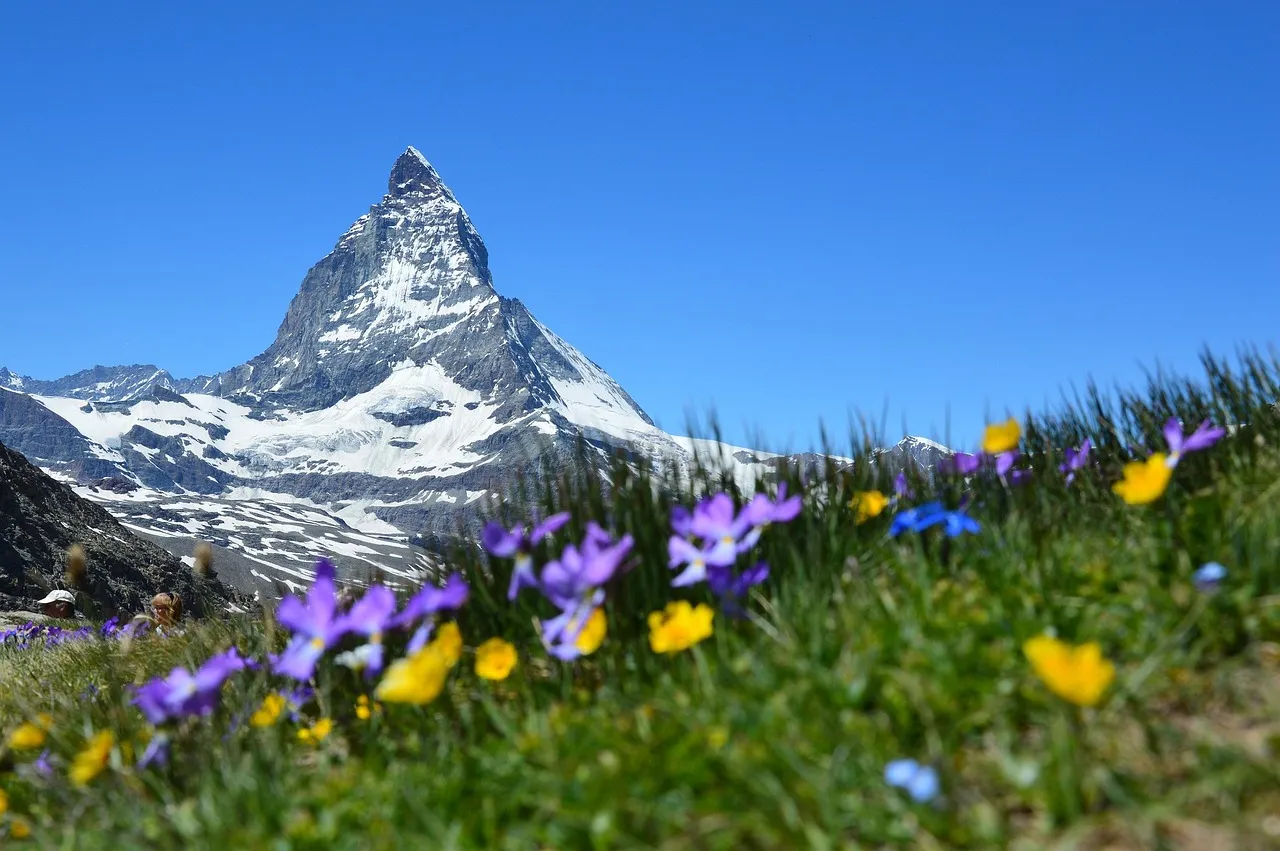
The 5 Lakes Walk is a magnificent hike in the alpine universe of Zermatt through a former glacial area, connecting lake Stellisee, Grindjisee, Grünsee, Moosjisee, and Leisee. The Matterhorn is reflected in three of these beautiful mountain lakes and the view of the many peaks is breathtaking.
For shorter hikes, the Eiger Trail below the north face of the Eiger offers a 6 km route with dramatic views of glaciers and cliffs. Highlights include panoramic vistas of the Eiger, Mönch, and Jungfrau mountains and the opportunity to explore the charming village of Grindelwald nestled amidst the Swiss Alps.
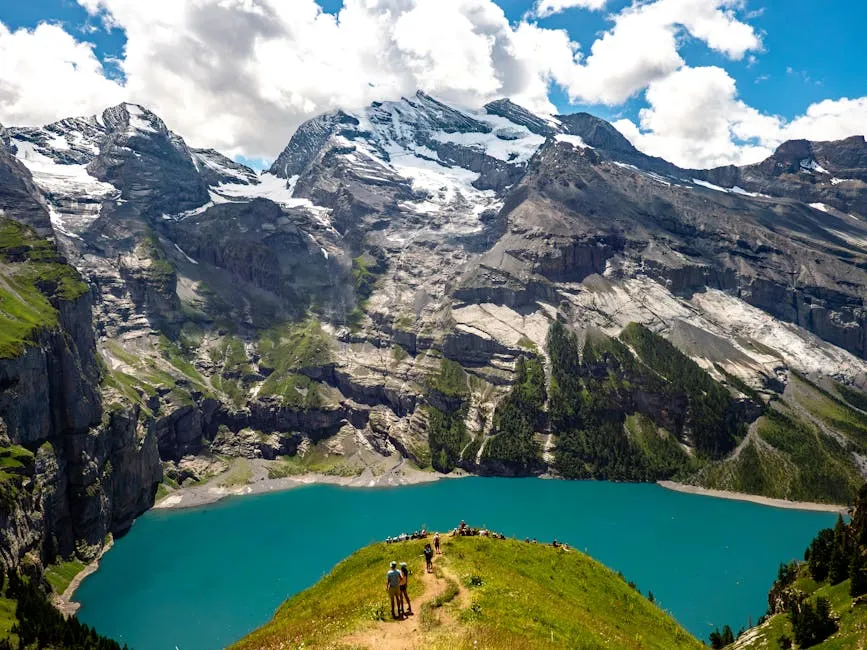
The Oeschinensee has been a UNESCO World Heritage Site since 2007 and is considered by many to be the most beautiful mountain lake in the Alps. The Northface Trail in Mürren is an epic hike with fantastic views of the Bernese Alps, small chalets, alpine meadows, and pastures with wildflowers, cows, and melodic bells. On this route, hikers can enjoy views of the peaks of the Mönch, Eiger, and Jungfrau as well as the Lauterbrunnen Valley.
The SAC Mountain Hut Network
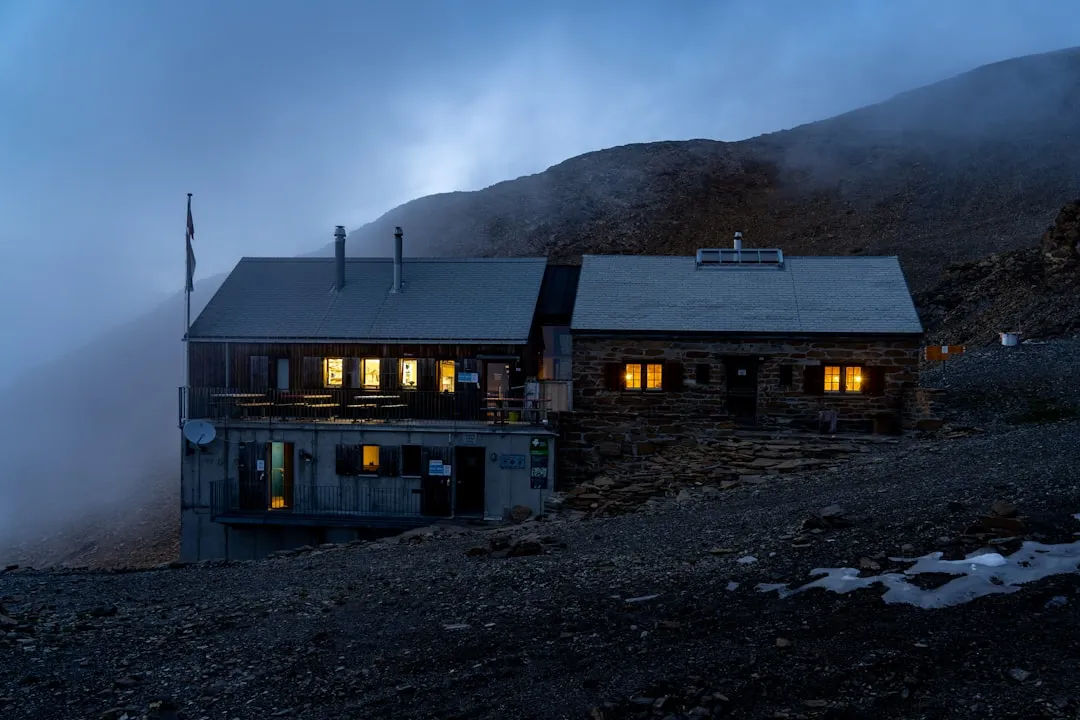
In 2024, there were 151 SAC huts with a capacity for some 9,000 people in the Swiss Alps – from emergency bivouacs at altitudes above 4,000 metres, to self-catering huts, to mountain chalets that offer hikers ample creature comforts. SAC huts are open to all hikers and mountaineers.
The main season for most SAC huts is in the summer months from June to September. This is when the weather conditions are most stable and the huts are fully staffed. The hiking trails are usually free of snow and the longer days allow for extended tours.
SAC huts on popular stages – Cabane du Mont Fort, Schönbiel Hütte, Europahütte, Grosse Scheidegg – fill six to ten weeks ahead in July and August. Once the huts are full, the stage either requires a long detour or becomes impossible to walk as planned. Book well in advance. This is not optional advice.
Alpine Flora, Wildlife, and the Living Mountain
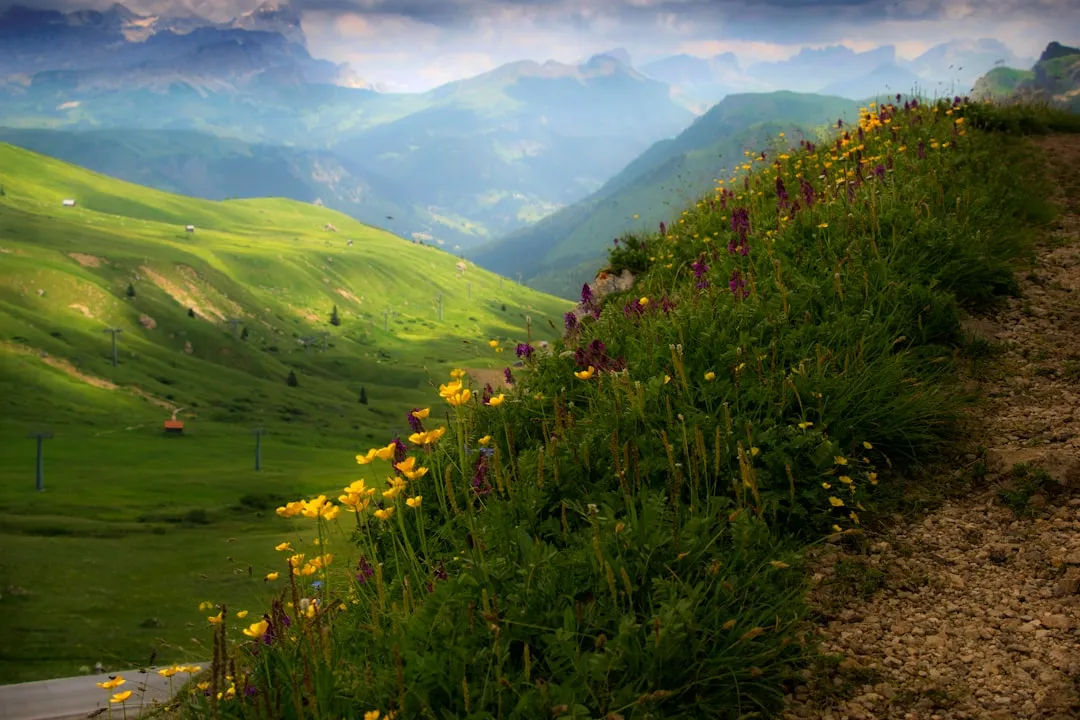
The ecological region includes a range of alpine flora and fauna, from edelweiss and alpine roses to ibex and marmots, all adapted to the harsh conditions of the high Alps. Summer is the only season when this world is fully accessible and at its most vivid.
Summer is the prime season for long-distance alpine hiking. Trails are clear of snow, wildflowers are in bloom, and public transport links make it easy to reach remote valleys. The meadow wildflower season typically peaks between late June and mid-July at higher elevations, filling entire slopes with colour before the first frosts of autumn.
It is not uncommon for snowstorms, thunderstorms, hailstorms – in fact just about any type of storm – to swoop down from the glaciated peaks above. Always be prepared for all conditions, with waterproofs and extra layers. The alpine weather window can close without much warning, and experienced hikers always carry an extra layer regardless of the morning forecast.
The Glacier Question: A Landscape Visibly Changing
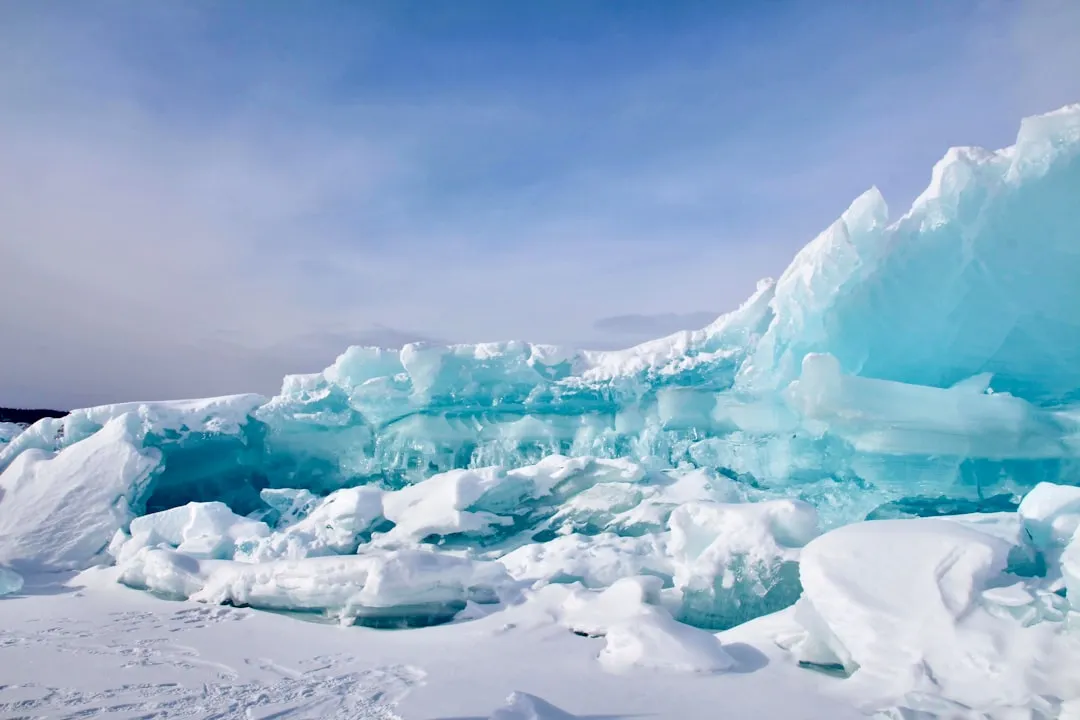
Until recently, a 2% annual loss of ice in the Alps was considered extreme. In 2022, Switzerland lost nearly 6% of its remaining glacier ice, followed by significant losses in 2023, 2024, and 2025. Even the Alps’ largest glacier, the Great Aletsch, has retreated about 2.3 km over the past 75 years, with trees now growing where ice once flowed.
Over the past ten years, Swiss glaciers have lost one quarter of their ice volume, according to Matthias Huss, a glaciologist at ETH Zurich and head of Glacier Monitoring in Switzerland. There was a three percent ice volume reduction in 2025 alone, driven by poor winter snow and heat waves in June and August.
Since the 1970s, the average temperature in the Swiss Alps has risen by 3°C. As a result, the glaciers are melting more rapidly and drastically during the summer. For hikers, this means glacier viewpoints that once required crossing ice are now reached over bare rock – a different experience, but still a profound one.
Practical Cantons: Where to Focus Your Summer Route
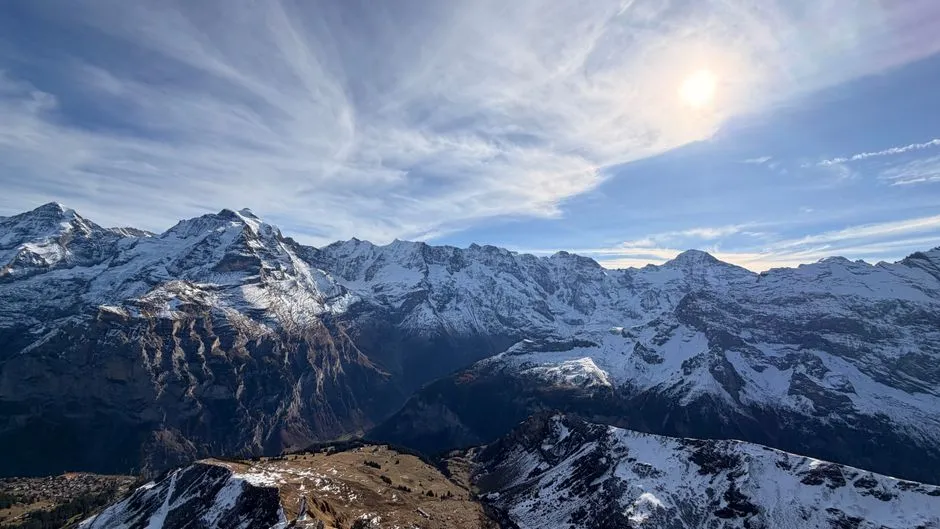
The longest hiking trail networks in Switzerland can be found in the cantons of Graubünden (11,141 km), Bern (9,930 km), and Valais (8,766 km). These three cantons alone cover most of the classic Alpine terrain that draws international visitors each summer.
Popular regions include the Bernese Oberland (which includes the Jungfrau region with the towns of Interlaken, Wengen, and Lauterbrunnen); Valais with towns of Verbier and Zermatt; Graubünden with the Swiss National Park and Engadine Valley; Glarus; around Lucerne; the Italian-flavoured Ticino; and the lower-lying Jura Mountains.
Ticino’s mountains are somewhat lower than the rest of Switzerland, offering longer hiking seasons. Lake Lugano sits in contrast to the typical alpine landscapes elsewhere and makes for a great getaway, with hiking trails such as the three-day hut-to-hut Lugano Trekking tour. It’s a useful reminder that the Alps are not Switzerland’s only hiking story.
Getting the Most From a Swiss Hiking Trip in 2026
UV intensity at altitude is roughly double that at sea level, and the effect is compounded by reflection off snow on higher passes in June and early July. Factor 50 sunscreen, glacier glasses, and a sun hat are not optional on full-day high-altitude stages – including on overcast days, when UV transmission through cloud is higher than most people expect.
Travelers can expect moderate distances of 5 to 9 miles per day, often with cable car or train transfers to higher trailheads. Many guided hiking tours focus on inn-to-inn walking, where luggage is transferred while hikers carry only daypacks. This makes the experience less strenuous while still covering challenging terrain.
While the network’s popularity continues growing, usage patterns show concentration, with over 90% of hikers using only 10% of available trails. That’s actually encouraging news for anyone willing to look beyond the headline routes. The crowds thin quickly once you step off the main corridors, and Switzerland’s lesser-walked trails are often just as spectacular.
A Landscape Worth Showing Up For – While It Lasts
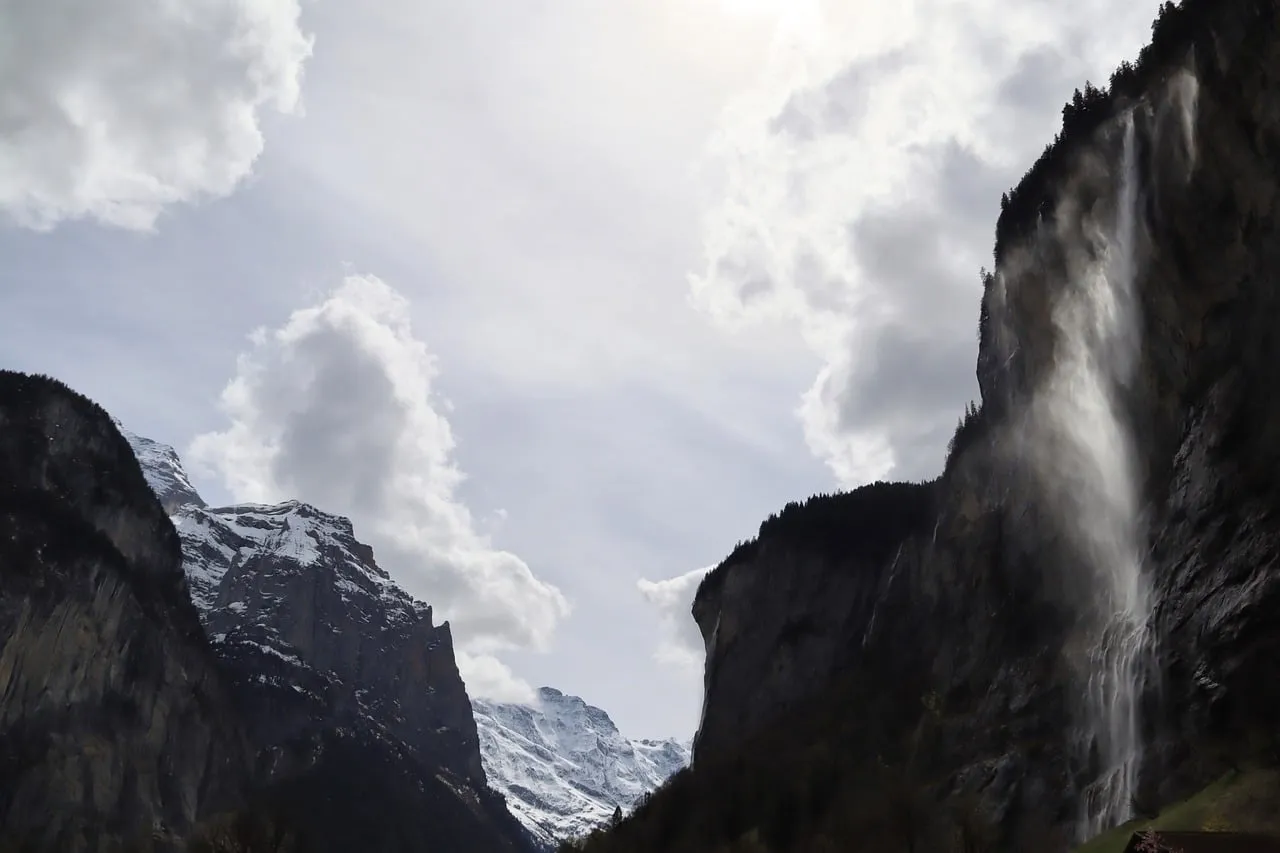
Summer in the Swiss Alps is not simply a season. It is a narrow window when the full scale and complexity of this landscape becomes accessible – the passes open, the huts light their stoves, and the trails dry out enough to walk without crampons. Switzerland’s year-round appeal, with summer hiking trails in the Alps, winter sports in the Swiss resorts, and festivals and events throughout the year, ensures a steady flow of tourists. Still, summer holds a particular intensity the other seasons can’t match.
Glacier retreat as a consequence of climate change creates new ice-free terrain and soil development that prompt plant colonisation and ecological succession. These processes impact terrestrial ecosystems with profound ecological and societal consequences. What hikers witness today – receding ice, emerging rock, new wetlands – is a landscape in active transition.
The trails themselves remain, marked and maintained, stretching across nearly every corner of the country. What changes is the context around them. The wisest reason to visit Switzerland’s high alpine routes right now is simple: the landscape is genuinely different from what it was a decade ago, and it will be different again a decade from now. Some things are worth seeing precisely as they are.
AI Disclaimer: This article was created with the assistance of AI tools and reviewed by a human editor.