
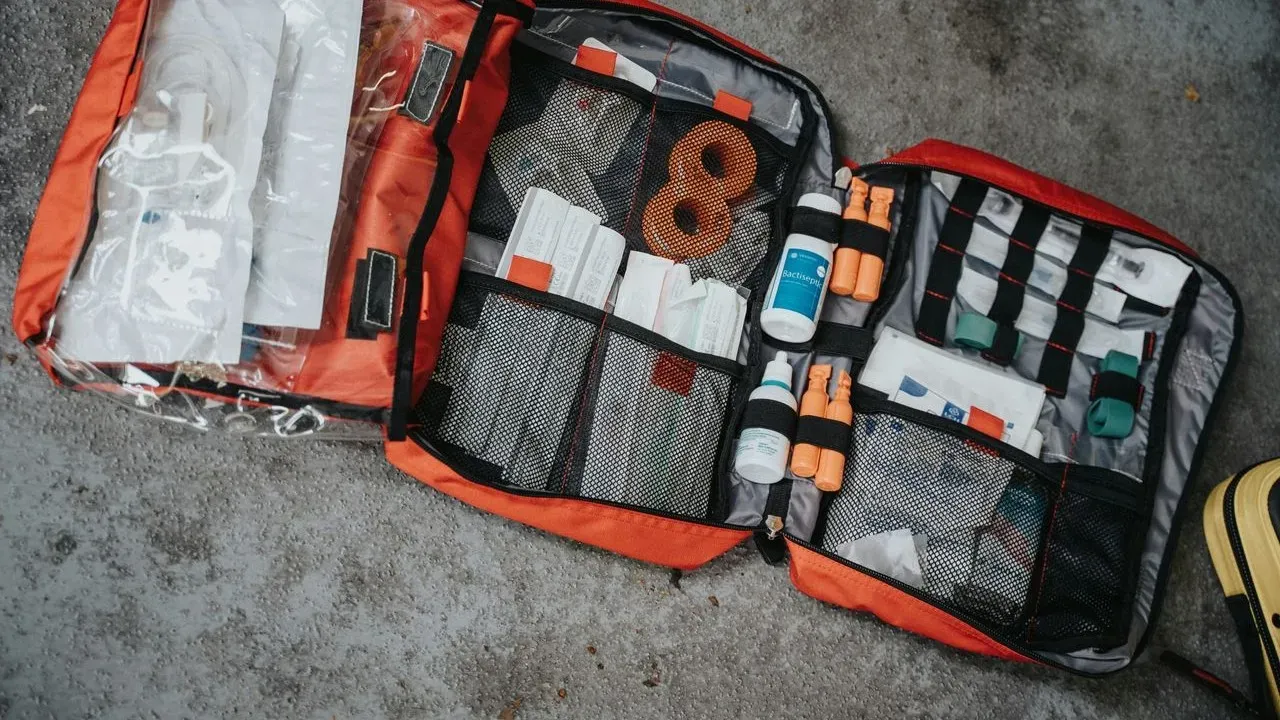

Travel often brings unexpected moments, from sudden weather shifts to minor mishaps that can interrupt plans. A thoughtfully assembled first-aid kit helps address these situations quickly and keeps journeys on track. Preparation of this kind supports smoother experiences for individuals and their companions alike. ([1])
Addressing Allergies and Everyday Skin Concerns
Travelers frequently encounter new environments that trigger reactions, whether from unfamiliar pollen, insect bites, or even a different sunscreen formula. Over-the-counter antihistamines, eye drops, and anti-itch creams provide reliable relief in these cases. Carrying a small supply allows quick response without needing to locate a pharmacy in an unfamiliar location.
Many experienced travelers also include a compact tube of aloe vera gel. This addition soothes minor burns or irritation that can occur during city walks or outdoor time when sun exposure catches someone off guard. The combination keeps skin comfortable and supports continued enjoyment of the trip.
Handling Cuts, Scrapes, and More Serious Wounds
Basic wound supplies form the core of any practical kit. Adhesive bandages, butterfly closures, and hydrocolloid dressings manage small injuries effectively while helping prevent infection. Antiseptic wipes offer a TSA-friendly way to clean the area before bandaging.
For situations involving heavier bleeding, hemostatic gauze or an emergency trauma dressing can stabilize the injury until professional help arrives. These items require prior familiarity with their use, yet they add meaningful capability for remote or wilderness settings. Travelers who include them often note greater peace of mind during active outings.
Supporting Hydration, Visibility, and Minor Ailments
Dehydration remains a common issue on flights or during hot-weather sightseeing. Electrolyte powders that dissolve in water provide a simple way to restore balance and maintain energy levels. A small flashlight adds further utility by illuminating pathways at night and serving as a signaling tool if needed.
Over-the-counter medications for pain, motion sickness, or digestive upset round out the kit. A divided pill container keeps these organized and prevents loose bottles from cluttering luggage. Instant ice packs, when packed within allowed limits, deliver quick cooling for strains or minor burns without requiring refrigeration.
Considering Advanced Options and Final Assembly
Individuals with specific health conditions sometimes add a compact automated external defibrillator designed for travel. Such devices represent a significant investment yet offer critical support in cardiac emergencies. Most travelers focus first on the core items that address frequent, lower-level needs.
Practical assembly tips:
- Choose travel-size containers to maintain a lightweight kit.
- Review destination regulations for any medications or restricted substances.
- Opt for waterproof packaging when beach or water activities are planned.
- Refill from home supplies using clearly labeled compartments.
Pre-assembled travel kits provide another convenient starting point for those who prefer ready-made options. The goal remains a balanced selection that fits easily in carry-on luggage while covering the most likely needs. With these elements in place, travelers can focus more fully on the experiences ahead.
AI Disclaimer: This article was created with the assistance of AI tools and reviewed by a human editor.