
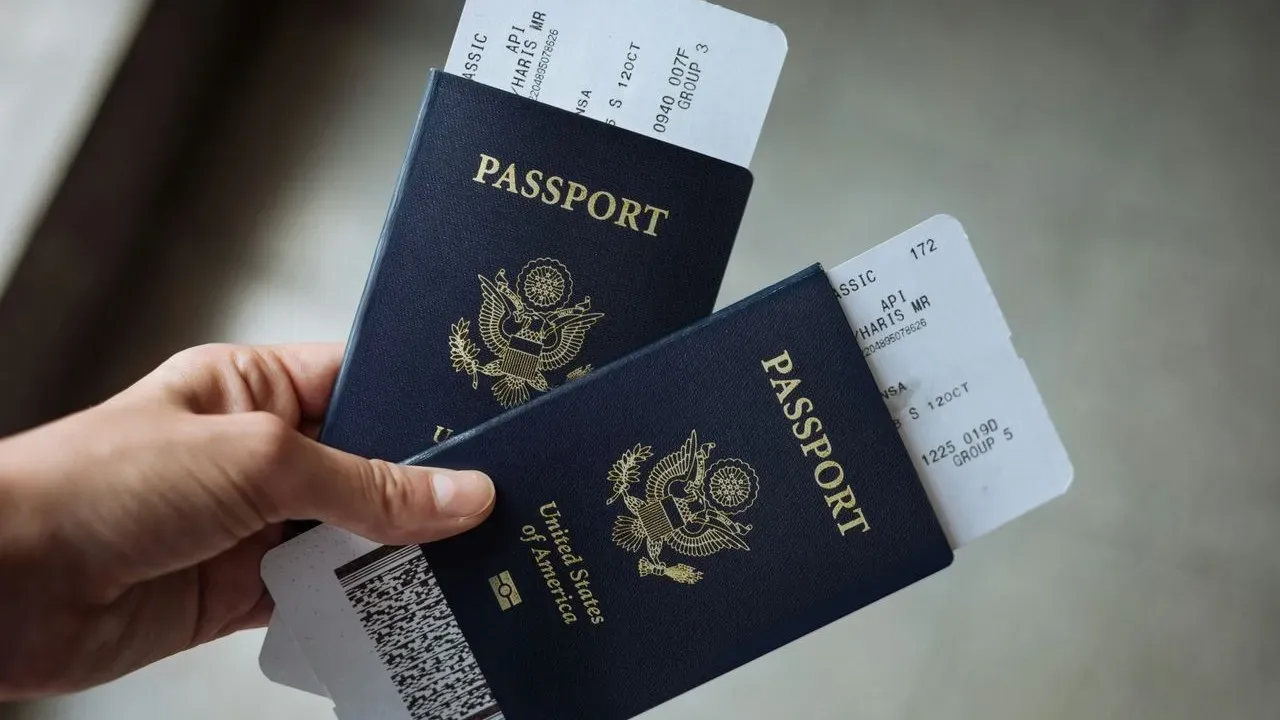

US travelers planning trips to Europe can proceed with confidence for the time being. The European Travel Information and Authorization System, known as ETIAS, has not yet launched, so no authorization is required or available through official channels. This pause follows ongoing adjustments to related border systems and leaves room for travelers to focus on standard entry preparations instead.
Understanding the Planned System
ETIAS is designed as an electronic travel authorization for visitors from visa-exempt countries, including the United States. Once active, it would permit stays of up to 90 days within any 180-day period across 30 Schengen Zone countries such as France, Germany, Greece, Spain, and Switzerland. The authorization would last three years or until the passport used in the application expires. The process would involve an online application and a modest fee for most adults, with exemptions for younger and older travelers. It functions as a pre-screening tool rather than a traditional visa, aimed at enhancing security while maintaining smooth travel flows.
Current Timeline and Practical Impact
Implementation has been postponed until at least 2027 due to challenges with the related Entry/Exit System. An official European Union source confirms that no applications are being collected at present. Travelers therefore face no new requirements beyond existing passport validity and any country-specific rules already in place. This timeline allows American visitors to book flights, accommodations, and itineraries without additional steps related to ETIAS. Monitoring developments through verified government channels will provide timely updates when the system eventually activates.
Comparing ETIAS With the UK ETA
| Aspect | ETIAS (Planned) | UK ETA (Active) |
|---|---|---|
| Region Covered | 30 Schengen countries | United Kingdom and Crown Dependencies |
| Current Status | Not yet operational | Required for most visitors |
| Cost | Planned at 20 euros | 20 pounds |
| Stay Duration | Up to 90 days in 180 | Up to six months |
The two systems address different destinations and operate on separate schedules. Travelers heading to the United Kingdom should apply for the ETA through official channels, while those focused on continental Europe can continue without an equivalent authorization for now.
Navigating Online Information
Some websites have begun offering what they describe as ETIAS waivers despite the delay. These unofficial platforms do not represent the European Union and cannot issue valid authorizations. Relying on the primary EU website ensures access to accurate details once the system launches. When ETIAS becomes available, applications will route through official portals. Commercial services may assist in the future, yet direct verification with European authorities remains the most reliable approach for personal data and payment security.
Preparing for Future Travel
American travelers benefit from staying informed through established sources rather than reacting to unverified offers. Standard entry documents, such as a valid passport, continue to govern access to Schengen countries in the interim. This measured pace supports thoughtful planning centered on cultural exchange and sustainable exploration across Europe. Official updates will clarify any new steps when they arise, allowing visitors to focus on meaningful journeys grounded in accurate information.
AI Disclaimer: This article was created with the assistance of AI tools and reviewed by a human editor.