
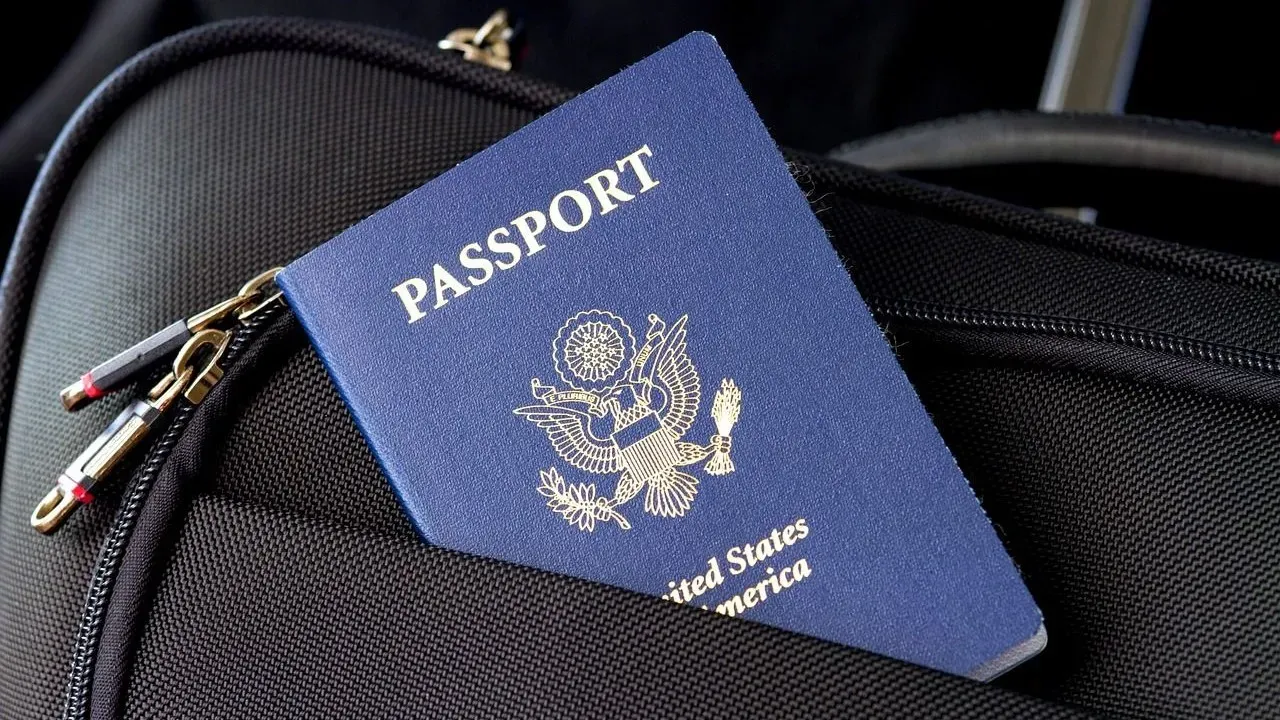

American travelers heading to Europe continue to enjoy straightforward entry procedures for the foreseeable future. The European Union has postponed the launch of its ETIAS electronic authorization program once again, shifting the target from the fourth quarter of 2026 into 2027. This latest adjustment follows repeated setbacks tied to the rollout of a related biometric entry system.
Why the Timeline Shifted
The delay stems from ongoing challenges with the EU’s new Entry/Exit System, known as EES. That biometric program, which records fingerprints and facial images for non-EU visitors, encountered technical difficulties and slower-than-expected implementation across borders. Officials determined that launching ETIAS on the previous schedule was no longer practical while those issues persist.
ETIAS itself has a history of postponed dates. Originally envisioned for 2023, the program has moved several times as the bloc refines its digital border tools. The most recent plan placed activation by the end of this year, yet that window has now closed.
What ETIAS Will Require
Once active, ETIAS will serve as a pre-travel authorization for citizens of the United States and other visa-exempt countries. Applicants will complete an online form and pay a fee, currently set at 20 euros, to receive approval valid for multiple entries over a set period. The system covers travel to roughly 30 European countries within and outside the Schengen Area.
Unlike a traditional embassy-issued visa, ETIAS functions as a simple screening step rather than a full visa process. Ireland and Cyprus remain outside the current framework, so travelers to those destinations will not face the requirement when it begins.
Practical Impact for U.S. Visitors
For now, no additional application or fee applies to trips planned through the end of 2026. Travelers can proceed with existing passport and entry rules at European borders. The postponement removes any immediate need to monitor application windows or prepare documentation beyond standard travel requirements.
A similar authorization program already operates in the United Kingdom. That ETA system, introduced earlier this year, carries its own fee and validity rules, though it has faced occasional technical interruptions since launch.
Preparing for Future Changes
When ETIAS eventually takes effect, the process will remain straightforward compared with traditional visas. Travelers will submit basic personal and passport details through an online portal and receive a decision within days in most cases. The authorization will streamline security checks while adding one predictable step to trip planning.
Monitoring official EU channels will provide the clearest updates once a firmer date emerges. In the meantime, the extended timeline offers travelers additional flexibility when booking flights and accommodations across the continent.
Key points for travelers
- No ETIAS application or fee required before 2027
- Current entry rules remain unchanged for Europe trips
- Fee set at 20 euros when the system activates
- Authorization covers multiple short stays across participating countries
The extra time allows travelers to focus on the experiences that draw them to Europe in the first place. Thoughtful planning around cultural sites, regional cuisines, and sustainable transport options can proceed without new administrative hurdles. As the EU refines its systems, visitors benefit from a measured transition that keeps the emphasis on meaningful journeys rather than paperwork.
AI Disclaimer: This article was created with the assistance of AI tools and reviewed by a human editor.