


There is a particular kind of island that never quite makes it onto the glossy travel posters. It doesn’t appear in the sponsored posts or the airport bookshop guides. It sits quietly in the Mediterranean, doing exactly what it has always done: existing on its own terms, largely unbothered.
In this age of social media, a destination can go from under-the-radar gem to over-touristed hotspot in a trice, particularly when that destination is a Mediterranean island. The island in question here is Vis, a small Croatian jewel in the Adriatic, and the people who have discovered it would very much prefer you didn’t.
A Place That Was Literally Off-Limits

Vis, the furthest inhabited Croatian island from the coast, was isolated from the outside world from the 1940s until 1991 when Croatia became independent, used as a military base with 20 kilometres of underground tunnels, caves, mines and storage facilities. That is not a small footnote in its history. That is nearly half a century of enforced silence.
After 1945, Vis was closed to tourism by the Yugoslav army as it was used as a major naval base. It was only re-opened to foreigners in 1989, and was part of the Croatia that gained independence in 1991. The army left in 1992, and only then did the island begin to breathe again as a civilian place.
The Numbers Don’t Lie: Almost Nobody Goes There
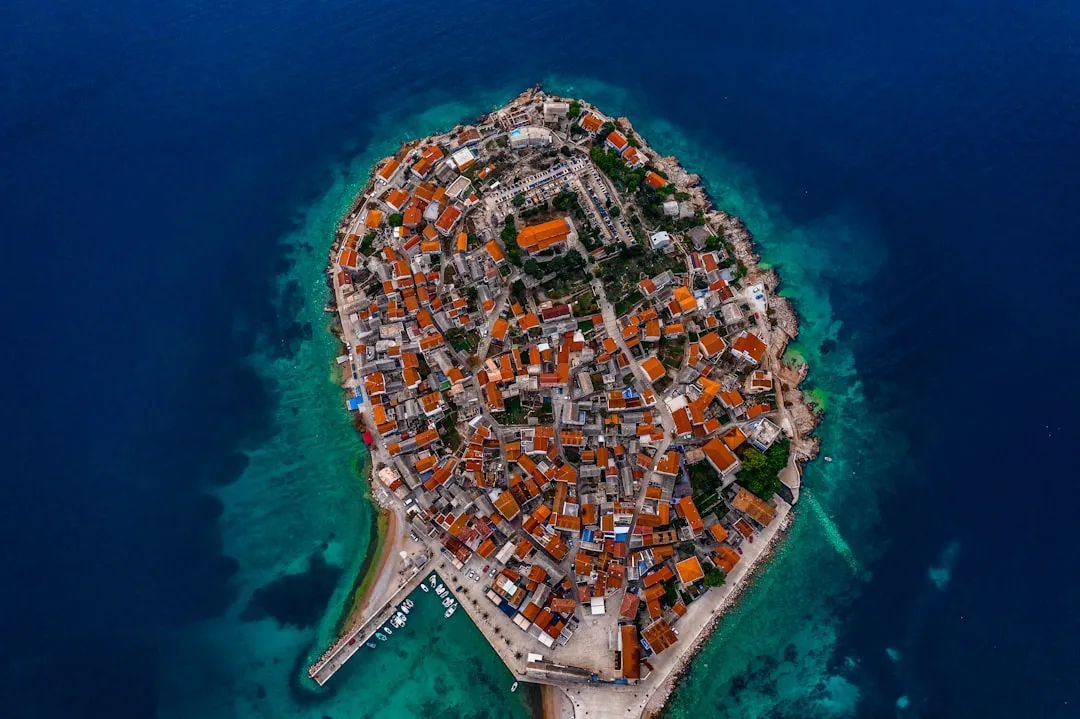
Unlike most of Croatia, and particularly tourist-packed cities like Split and Dubrovnik, Vis remains largely crowd-free. In 2024, it welcomed around 28,000 visitors, in stark contrast with the mainland, which often hosts tens of millions of guests. This makes Vis one of Croatia’s least-visited islands, especially compared to the trendy Hvar, which attracted over 195,000 visitors in the same period.
Those numbers are striking when you set them side by side. Hvar pulls in roughly seven times more visitors than Vis every season, yet the two islands sit not all that far apart in the same stretch of the Adriatic. The closed nature of the island obviously affected tourism incomes at the time, but it can be fairly argued that it has stopped Vis becoming over-developed as a destination, which has helped it retain its considerable charm today. Indeed, there are only 3,000 tourism beds on the whole island, a tiny amount compared to neighbouring Hvar.
Why Its Isolation Actually Preserved Everything
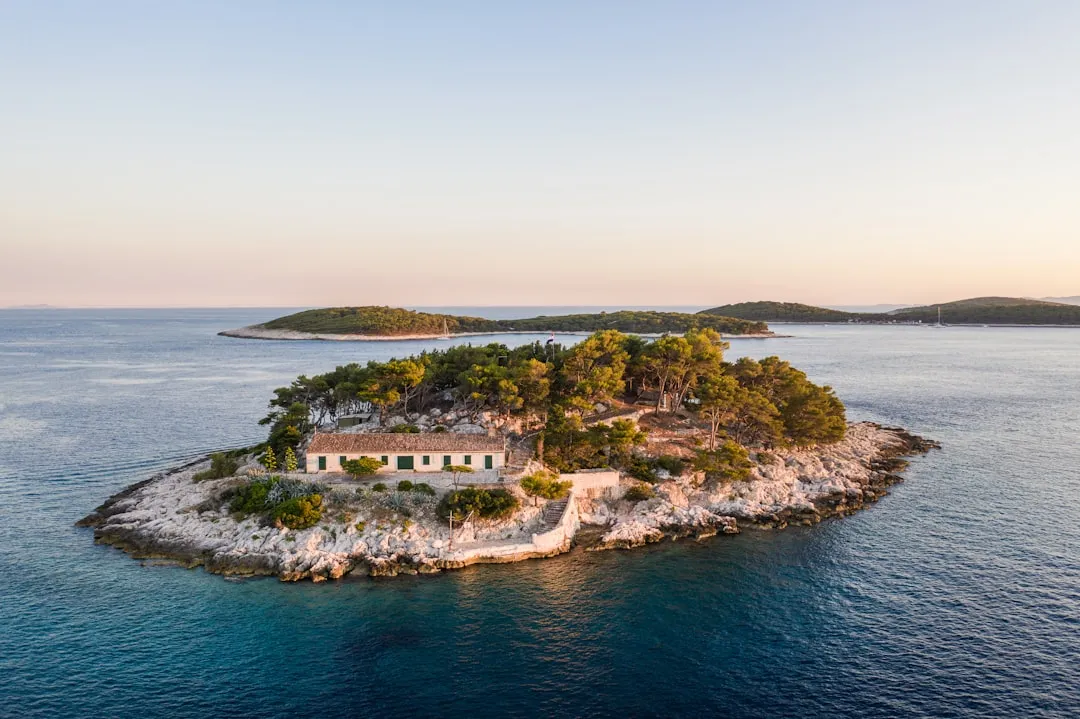
Although the ban was officially lifted in 1989, the army left the island only in 1992, and life on Vis only began to change then. This long-term isolation naturally left a strong mark on its development. Think about what that means for an island’s landscape, architecture, and food culture. Nothing was bulldozed to make way for a resort strip.
Because of this, Vis feels more like how tourism in Croatia used to be, before the Dalmatian islands were discovered by an international audience. That quality is genuinely rare in 2026, and it is the single biggest reason those who have been there tend to keep quiet about it.
The Military Past Is Still Written Into the Landscape
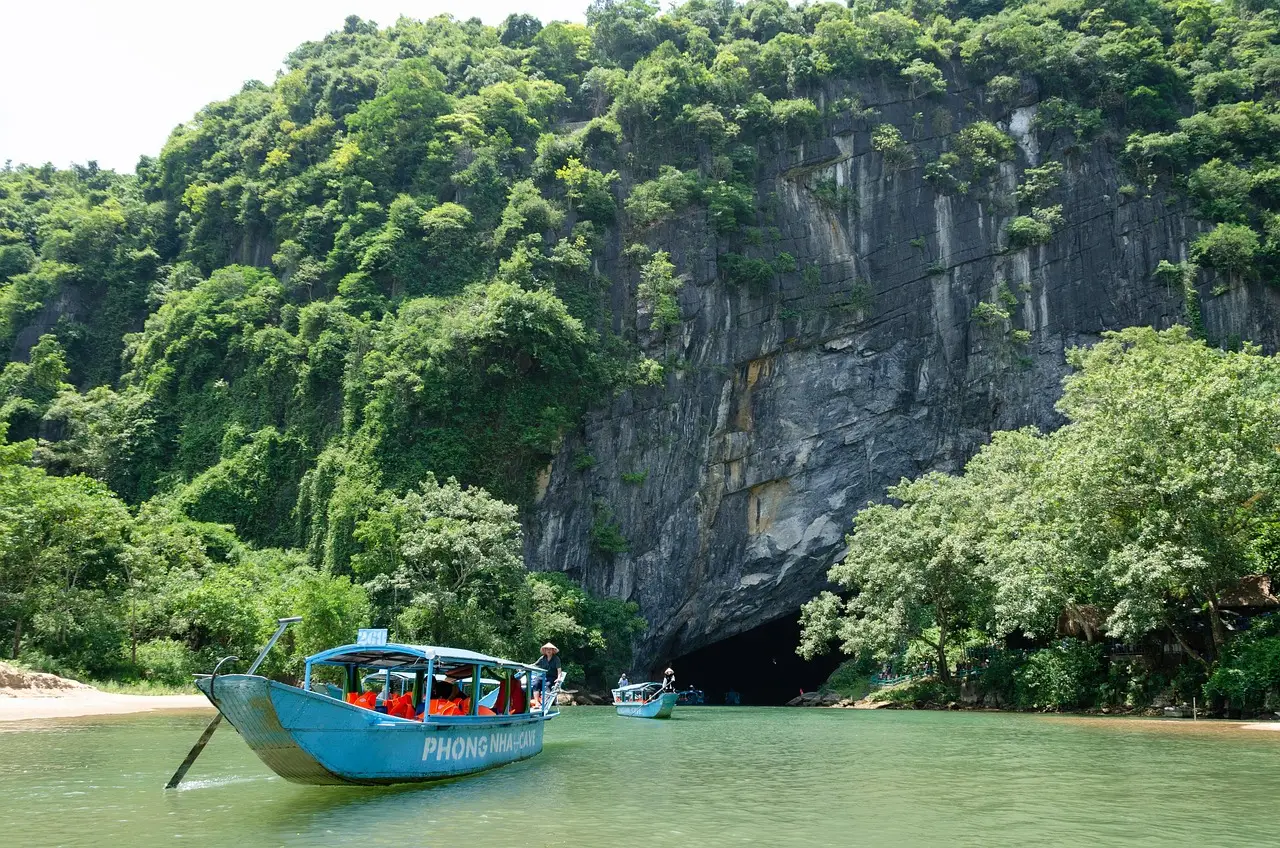
Tours are available to explore the island’s old military sites, abandoned when the army left suddenly in 1992. The tours take in everything from rocket shelters and bunkers to weapon-storage halls and tunnels for submarines. They also stop at the former communications headquarters for the Yugoslavian secret service, which are dug into a mountain, and Tito’s Cave, where the erstwhile Yugoslav president hid during World War II.
A period of relative tranquillity was interrupted by the Second World War when the island became the main hideout of the leader of the Yugoslav resistance movement, Josip Broz Tito, who went on to become the leader of Yugoslavia from 1953 to 1980. Realising the strategic importance of the island and the usefulness of its many caves and coves from his years there fighting the Germans, Tito kept a tight grip on Vis, making it one of the main naval bases of the Yugoslav People’s Army.
Ancient Roots That Run Deeper Than Most People Realize
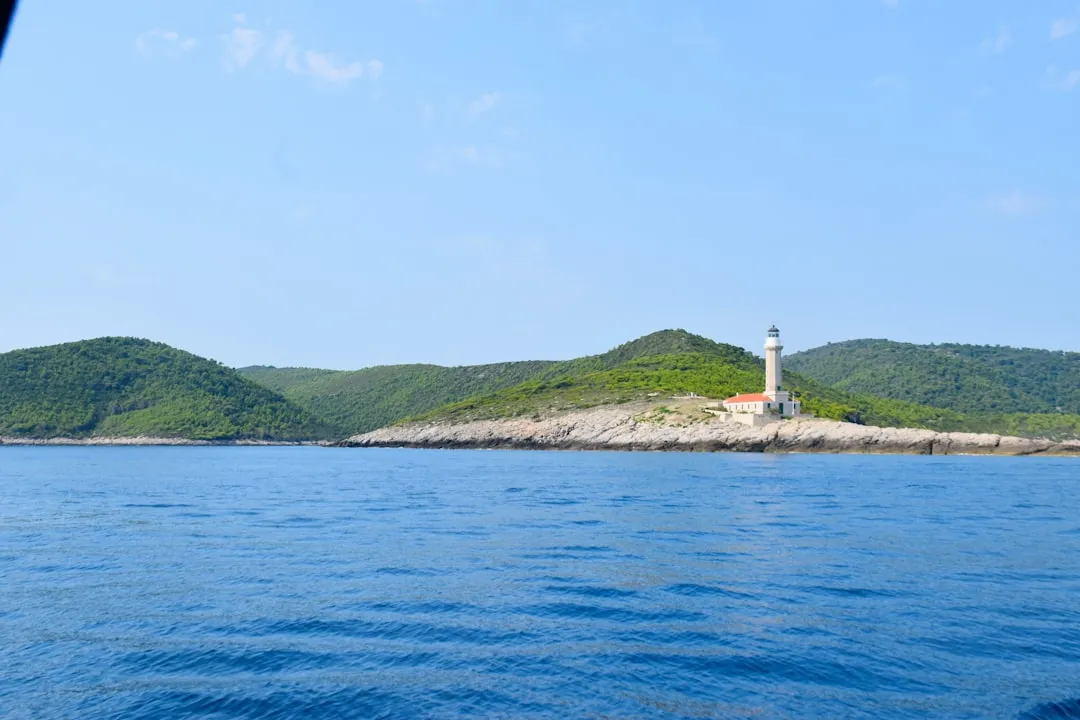
Ancient Greeks established Issa here in the 4th century BC, creating one of Croatia’s oldest urban centers. For 2,400 years, civilizations recognized Vis’s strategic importance: Greeks built temples, Romans constructed baths and villas, Venetians erected defensive towers, and the British built Fort George in 1813.
Over the centuries, Vis has been ruled by the Greeks, Romans, Venetians, Austrians and Italians until it was finally given to the newly created Kingdom of Yugoslavia in the 1920s. Few islands anywhere in the Mediterranean carry that depth of layered history within such a compact geography. Most of it sits quietly underfoot, unannounced.
The Wine That Nobody Talks About
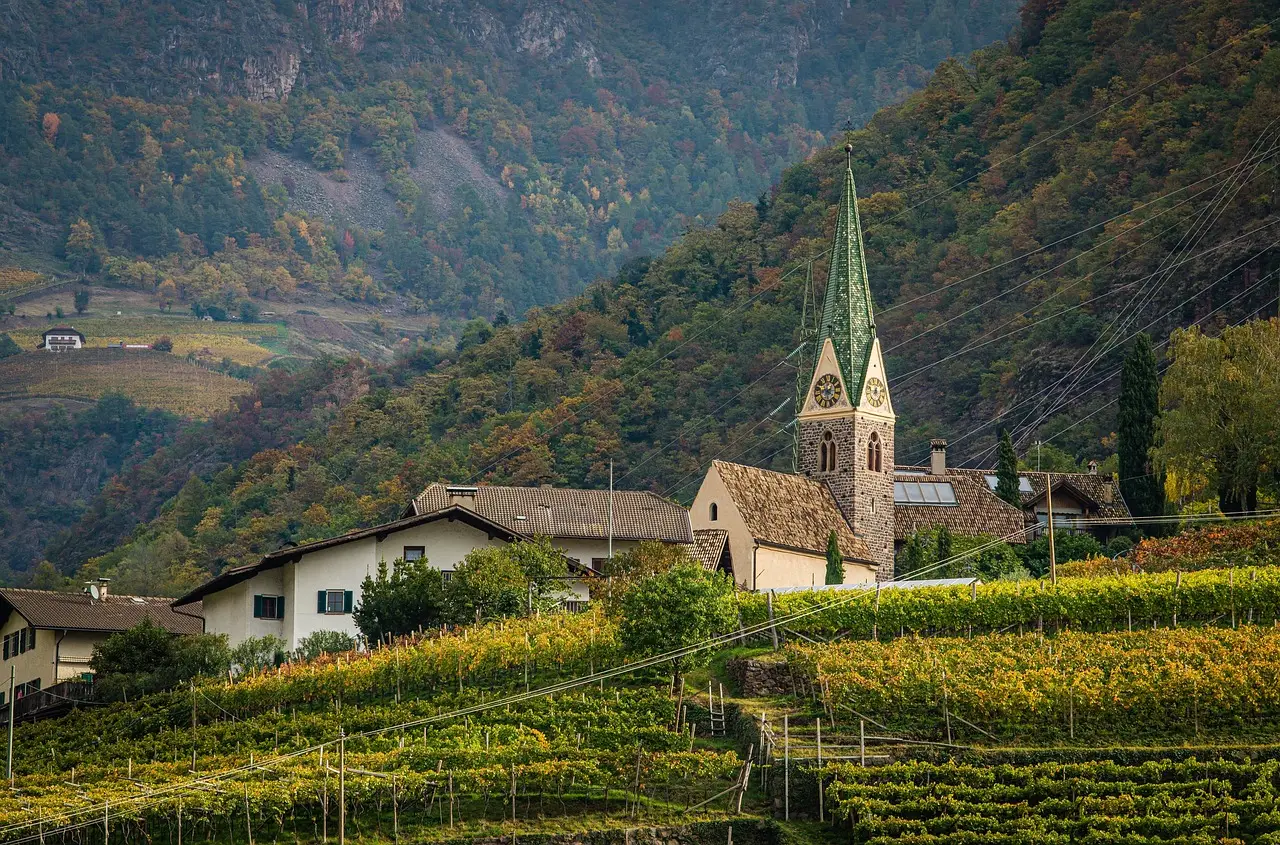
Despite its tempestuous past, Vis held on to its reputation for fine wines, growing vines that thrive in sandy soil, and the wineries curve around the southern and eastern coasts for visitors to tour and taste. The white Vugava grape is believed to have been brought to Vis by the Roman army, and the island has made a speciality of its difficult, time-sensitive cultivation.
Wine tourism here is genuinely low-key. Sampling tours are offered in Plavac Mali and Vugava, and they cost between roughly $60 to $130 per person, depending on duration, group size, and number of estates visited. For a Roman-origin grape variety tasted among working vineyards on an Adriatic island, that is an experience that punches far above its price.
Getting There Is Part of the Point
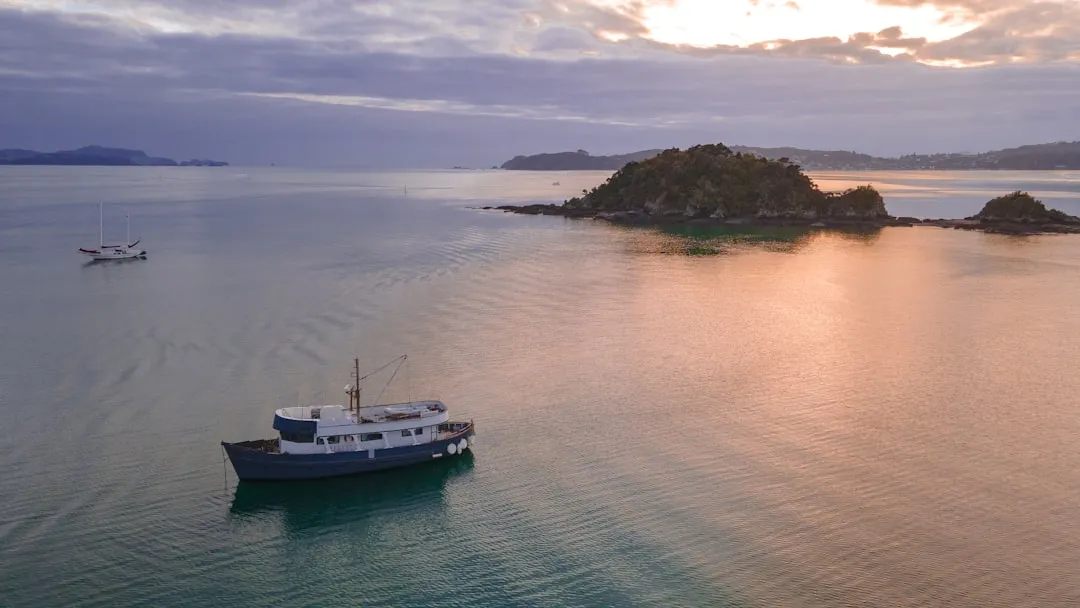
Vis island sits 45 kilometres from the Croatian mainland, making it the furthest inhabited island in the central Dalmatian archipelago. This remote position, 17 kilometres long and 8 kilometres wide, shaped everything about its history. That distance is not incidental. It acts as a natural filter.
Vis is accessible by ferry from Split, and the crossing takes approximately 2.5 hours. Tickets start from as low as $15. The extra effort involved in getting there means, as one observer noted, everyone has made a conscious decision to choose Vis over easier options. The journey itself quietly curates the kind of traveler who shows up.
The Landscape That Social Media Has Not Yet Ruined
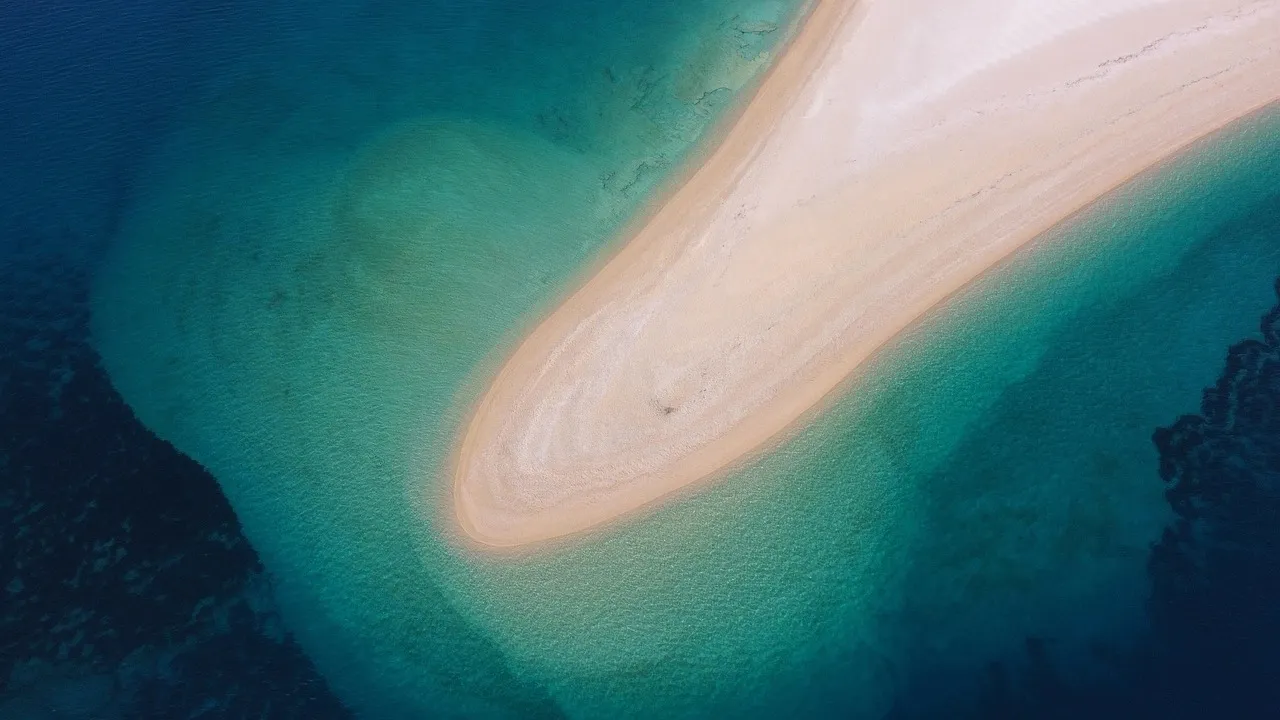
Today, Vis appears as a stunning splash of cream and terracotta in the Adriatic, strewn with palms, pines and vineyards. The coastline is largely undeveloped. Coves sit unmarked. Visitors can spend a week swimming in the crystal clear turquoise waters, exploring natural caves that illuminate a brilliant blue, finding hidden beaches along the beautiful rocky coast, and eating amazing food and drinking local wine at vineyards nearby.
The small but mighty Vis is the farthest inhabited island off the Croatian coast. Known as an authentic island destination that is far less developed and underpopulated than its neighbors, Hvar and Korčula, Vis is applauded as an Adriatic charm still unspoiled by the heavy footprints of tourism. That reputation is not marketing. It is simply the result of decades of structural isolation.
The Other Hidden Face: Pantelleria
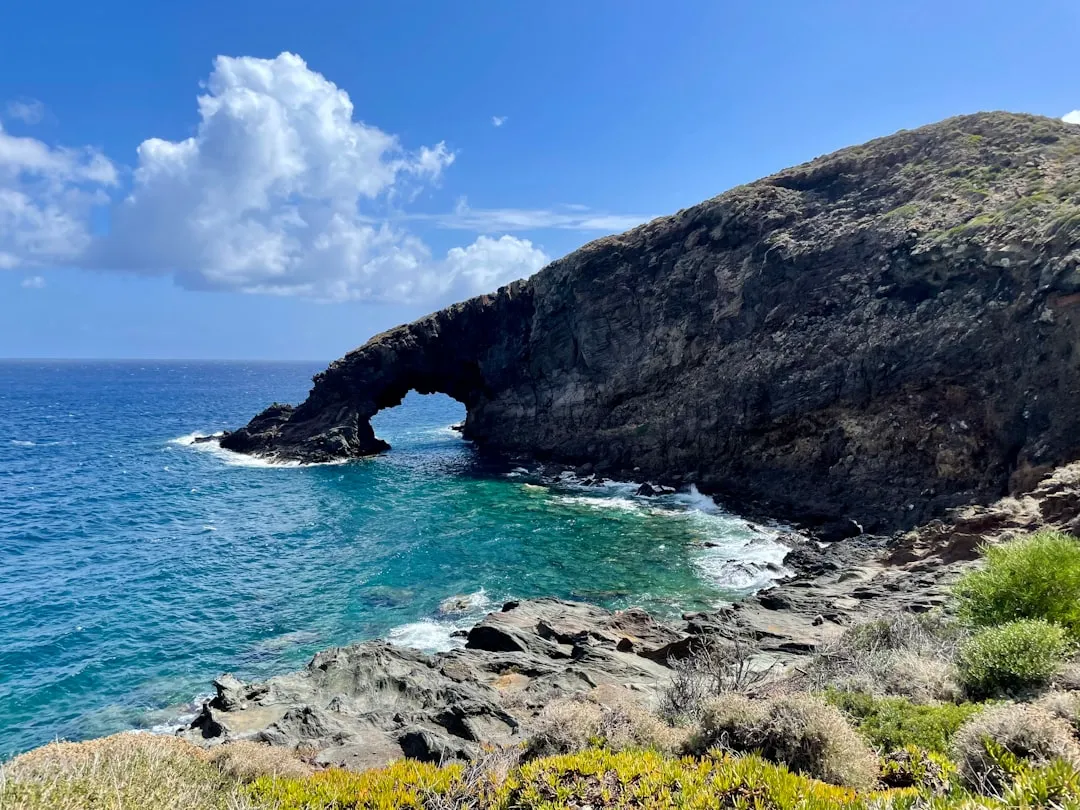
Vis is not the only Mediterranean island Europeans guard carefully. Further south, in Italy, Pantelleria occupies a similarly guarded space. Pantelleria, an Italian island situated between Sicily and Tunisia, is a rugged paradise known for its volcanic landscapes, crystal-clear waters, and unique cultural heritage. Often called the “Black Pearl of the Mediterranean,” the island boasts dramatic coastlines, natural hot springs, and fertile vineyards producing the renowned Passito di Pantelleria wine.
Pantelleria’s extreme conditions have shaped its centuries-old way of growing grapes, a method that is recognized by UNESCO. The island’s history includes influences from Phoenicians, Carthaginians, Romans, Arabs, and Normans. That is a cultural layering that rivals anything in the wider Mediterranean, packed into a volcanic outcrop most tourists have never heard of.
Why Europeans Keep These Islands Quiet on Purpose
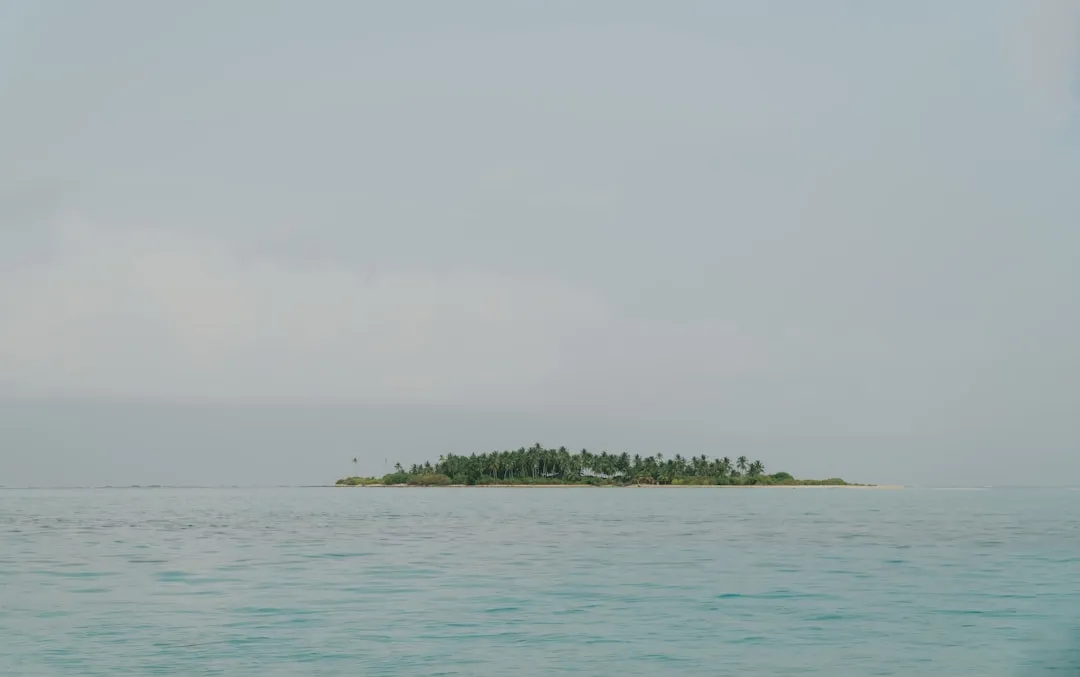
It’s hard to believe that just over a decade ago, Santorini was still relatively little known, before direct flights and influencers made it one of the most photographed, crowded places in Europe. That trajectory is exactly what those who love Vis and Pantelleria want to prevent. The reluctance to publicize is not selfishness so much as protective instinct.
Far from tour buses and cruise ship crowds, these islands offer pristine beaches and peaceful villages where you can truly unwind. With fewer tourists, you’ll experience authentic local life: street festivals, home-cooked meals, and traditions that are alive in everyday routines. Once mass tourism arrives, those things tend to disappear quickly and permanently. The people who already know these places understand this well.
Conclusion: The Secret Worth Understanding
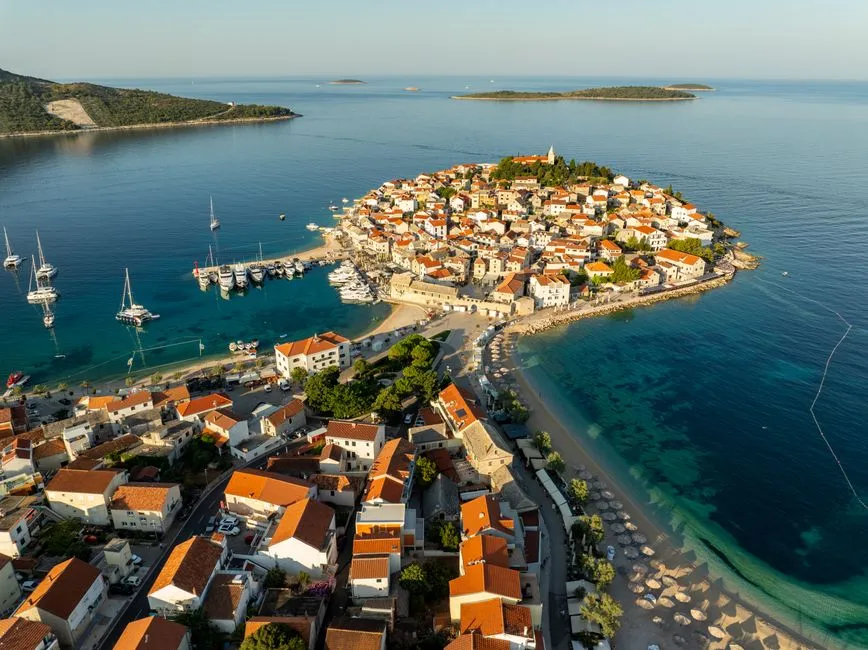
There is something worth sitting with here. The Mediterranean has roughly around 10,000 islands, 6,000 of which are Greek. The vast majority of visitors crowd onto the same handful. Meanwhile, islands like Vis quietly carry millennia of history, world-class wine, unspoiled coastline, and an atmosphere that Santorini cannot sell you at any price.
Vis is a small island in the Adriatic Sea, off the Croatian coast, that’s garnering quite a bit of traction lately, having featured on Intrepid Travel’s “Not Hot” list. In other words, it’s been handpicked by some of the industry’s best-reputed travel experts as an up-and-coming destination for the year ahead. The clock on keeping it a secret may already be ticking.
The real question isn’t whether these islands deserve more visitors. It’s whether more visitors deserve these islands. Some places are worth protecting precisely because they haven’t been discovered yet, and the people who know them best have quietly decided to keep it that way.
AI Disclaimer: This article was created with the assistance of AI tools and reviewed by a human editor.