
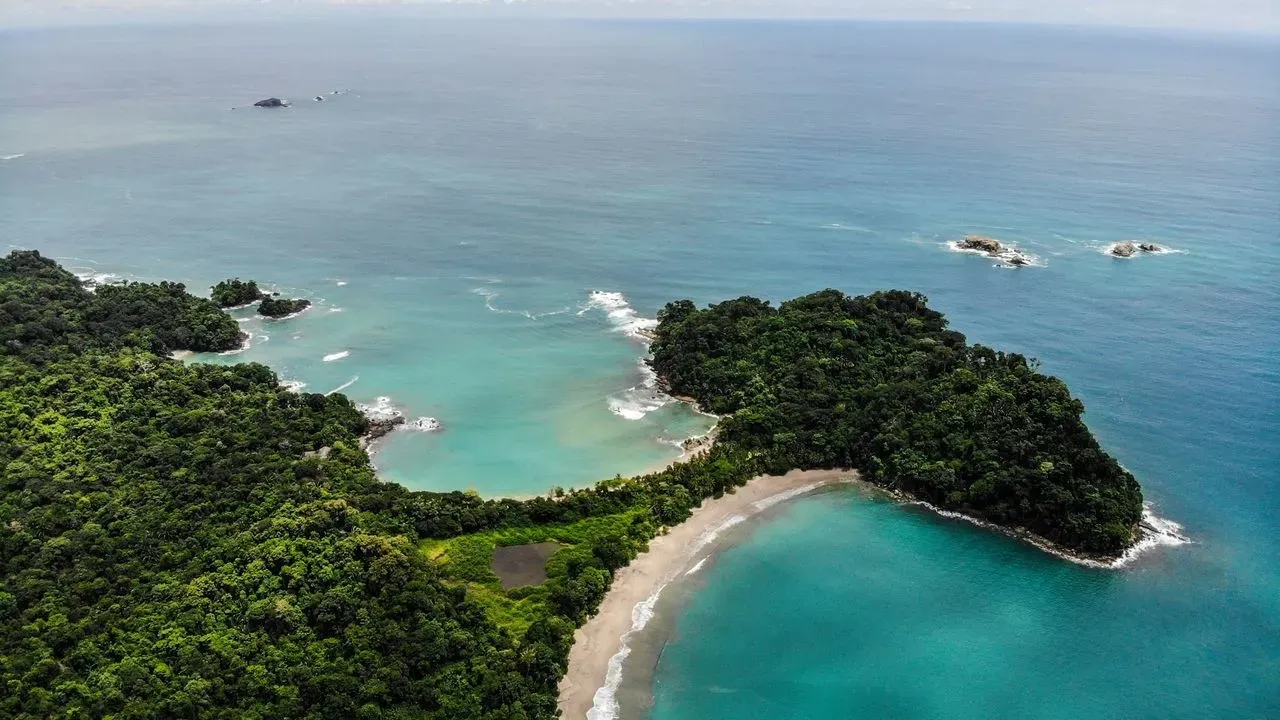

Costa Rica draws travelers with its protected reserves, volcanic landscapes, and coastlines that range from quiet coves to surf-ready shores. The country’s commitment to conservation has preserved more than a quarter of its land and waters, creating habitats where sloths, toucans, and resplendent quetzals can still be observed in the wild. Many visitors arrive through Liberia on the Pacific side, a gateway to both beach resorts and inland forests. Information on using points and miles for such trips appears in a detailed guide from The Points Guy.
Flight Options That Stretch Reward Balances
Airlines serving Liberia from major U.S. cities provide several paths for redeeming miles. American Airlines and Alaska Airlines operate routes from hubs including Chicago, Dallas, Los Angeles, Miami, and New York, allowing travelers to compare award charts between the two carriers. In some cases, Alaska points cover American flights at lower rates, while American miles sometimes prove more economical on its own metal. ([1])
Delta offers service from Atlanta year-round and seasonal flights from New York beginning in December 2026. Partners such as Virgin Atlantic and Air France-KLM Flying Blue frequently post lower award prices for the same routes, sometimes cutting the mileage requirement nearly in half compared with Delta’s own dynamic pricing. United flights from Chicago, Denver, Houston, and Newark can be booked with Air Canada Aeroplan points, which often require fewer miles than United’s MileagePlus program for the same itinerary.
East Coast travelers may also consider JetBlue, whose TrueBlue awards from Boston, Fort Lauderdale, and New York can be found at modest fixed values. Each program maintains transfer partnerships with major credit-card issuers, giving travelers multiple ways to accumulate the necessary miles before booking.
Hotel Redemptions That Match Varied Preferences
Points programs open access to both large beach resorts and smaller lodges set within the forest. Marriott properties along the Guanacaste coast include all-inclusive options with multiple pools and dining venues, while newer additions emphasize design and spa facilities. Hilton Honors members can choose between expansive beachfront resorts and intimate properties reached via partnerships with Small Luxury Hotels, some offering geothermal river swims and canopy walks.
World of Hyatt redemptions span ridge-top resorts overlooking bays, adults-only all-inclusives with oceanfront decks, and highland lodges where bungalows sit among the trees. These properties frequently provide access to private beach clubs or guided excursions, allowing guests to move between coastal relaxation and rainforest exploration without leaving the points ecosystem.
Using Points for Activities and Local Travel
Beyond flights and rooms, certain issuers permit redemption of miles for experiences such as catamaran sails, snorkeling outings, or volcano zipline tours. Capital One and Chase programs both support these bookings at a straightforward cent-per-point rate, turning everyday spending into memorable outings once on the ground.
Travelers who prefer independent exploration often rent vehicles. Costa Rican law requires purchase of third-party liability coverage through the national insurance institute, and some agencies request additional documentation even when a credit card provides primary coverage. Advance calls to card issuers can secure the necessary letters, helping keep overall costs predictable.
Practical Steps Toward a Considered Trip
Resort fees can add noticeably to nightly rates at some properties, yet certain loyalty programs waive them on award stays. Premium card benefits, including statement credits for prepaid hotel bookings and on-property allowances, further reduce out-of-pocket expenses at higher-end resorts. These tools work best when paired with advance planning that respects both seasonal weather patterns and the need to support local conservation efforts.
By matching the right points currency to each segment of the journey, travelers can allocate resources toward longer stays or additional activities rather than basic transportation and lodging. The result is a trip that feels expansive without exceeding typical budgets, all while engaging directly with Costa Rica’s protected landscapes and welcoming communities.
AI Disclaimer: This article was created with the assistance of AI tools and reviewed by a human editor.