
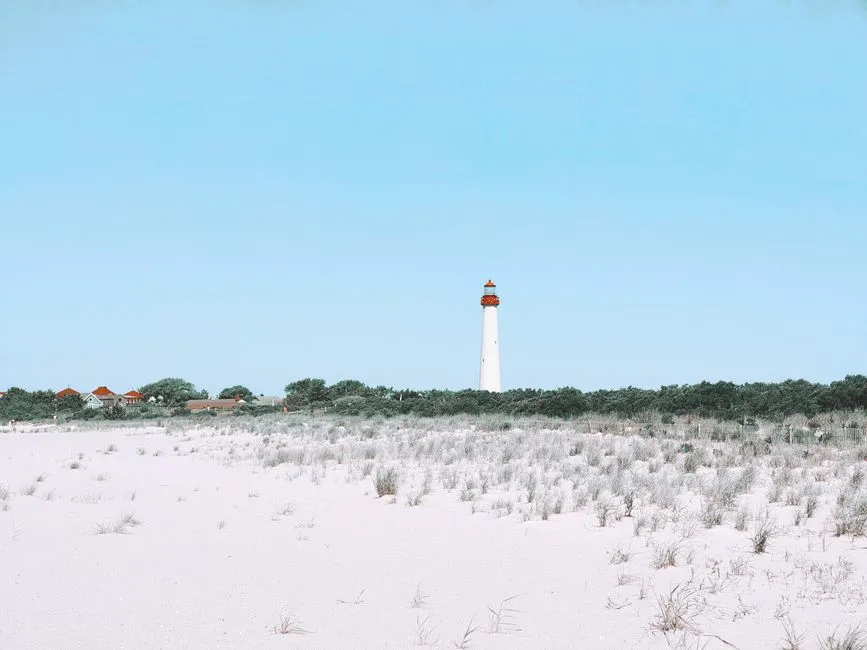

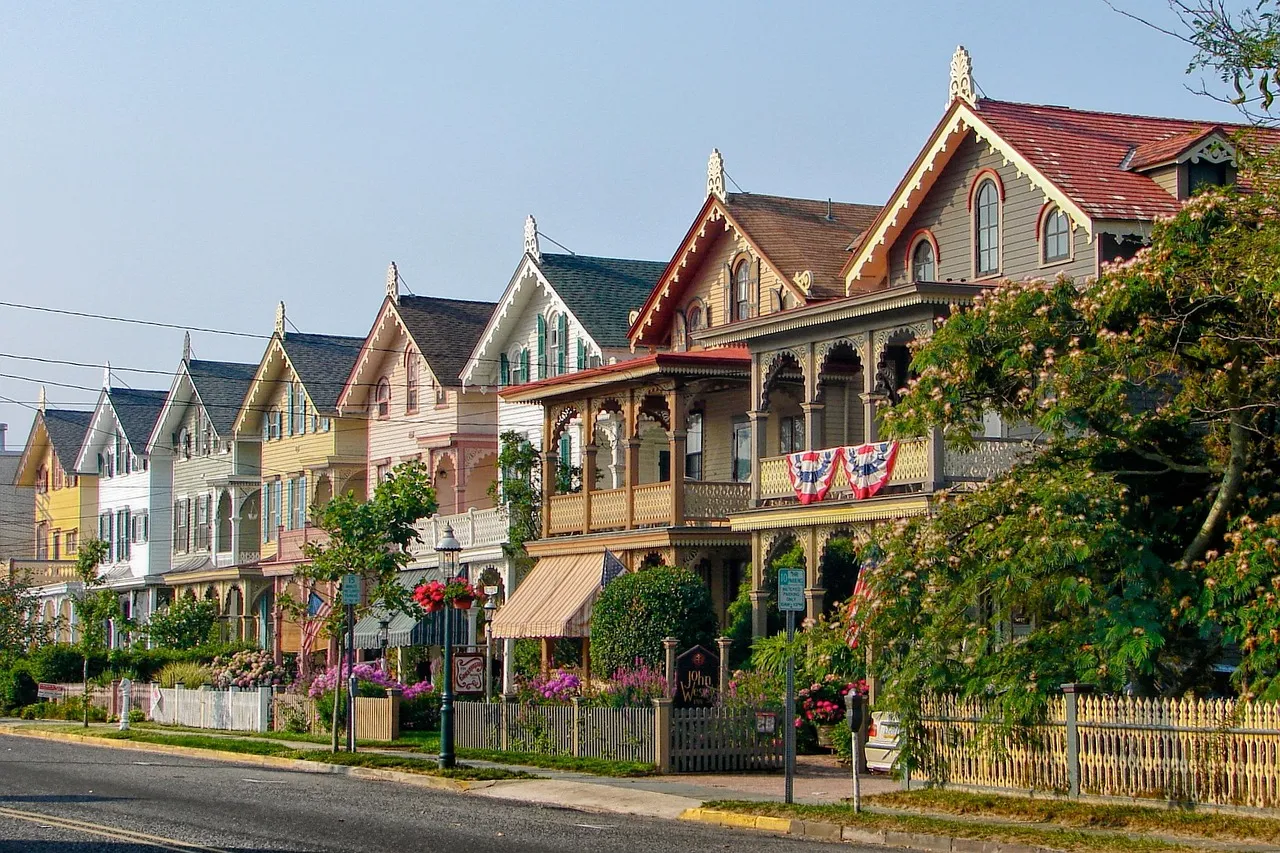
There’s a particular stillness you notice when you first turn onto Hughes Street in Cape May, New Jersey. No chain restaurants in sight, no high-rises, no blinking neon. Just painted wooden cottages dressed in gingerbread trim, their wide porches catching the Atlantic breeze. It feels less like a vacation town and more like a whole city that somehow forgot to leave the nineteenth century behind.
That’s not far from the truth. Cape May occupies a singular place in American history, and its streets are more than scenic. They are a living, walkable archive of a nation’s early resort culture, still standing where most of its peers have long since been torn down or transformed beyond recognition.
America’s Oldest Seaside Resort
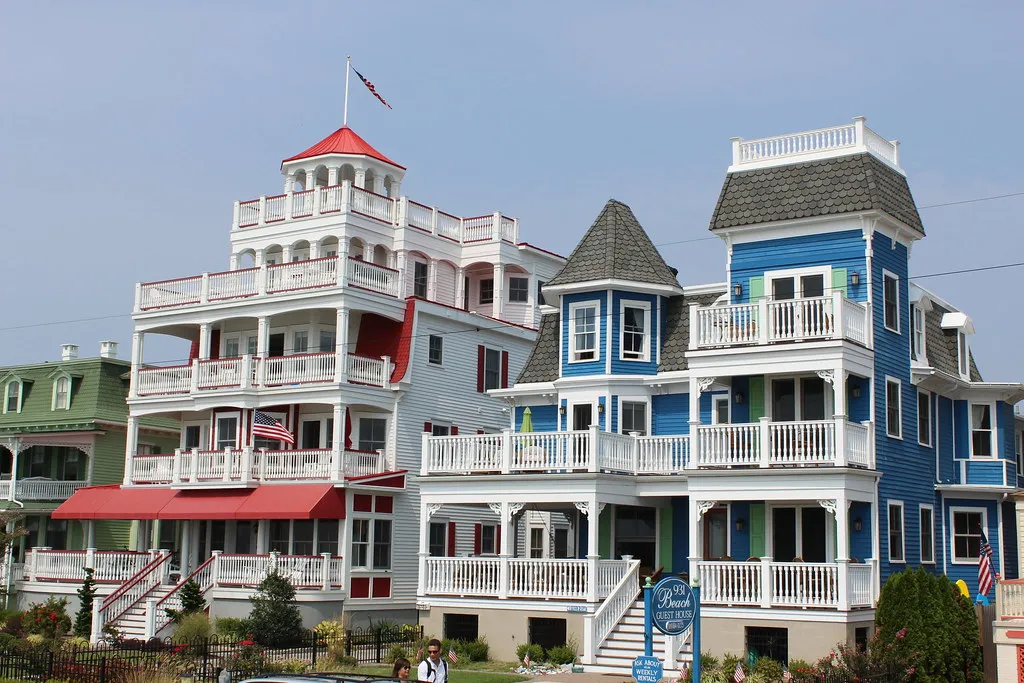
Known as the “Queen of the Seaside Resorts” for its quaint Victorian cottages and pristine beaches, Cape May is the oldest seaside resort in the country. That claim carries real weight. The city, officially incorporated in 1851, has hosted vacationers since the mid-18th century. Long before the age of the automobile, wealthy families from Philadelphia and New York made the journey south to enjoy the sea air and genteel society that Cape May offered.
Presidents Franklin Pierce, James Buchanan, Ulysses S. Grant, Chester A. Arthur, and Benjamin Harrison each visited Cape May during their lives, giving the town the nickname of “The President’s Playground.” That kind of presidential patronage speaks to the town’s early cultural prestige. It wasn’t just a beach getaway. It was a destination with genuine social cachet.
A National Historic Landmark Unlike Any Other
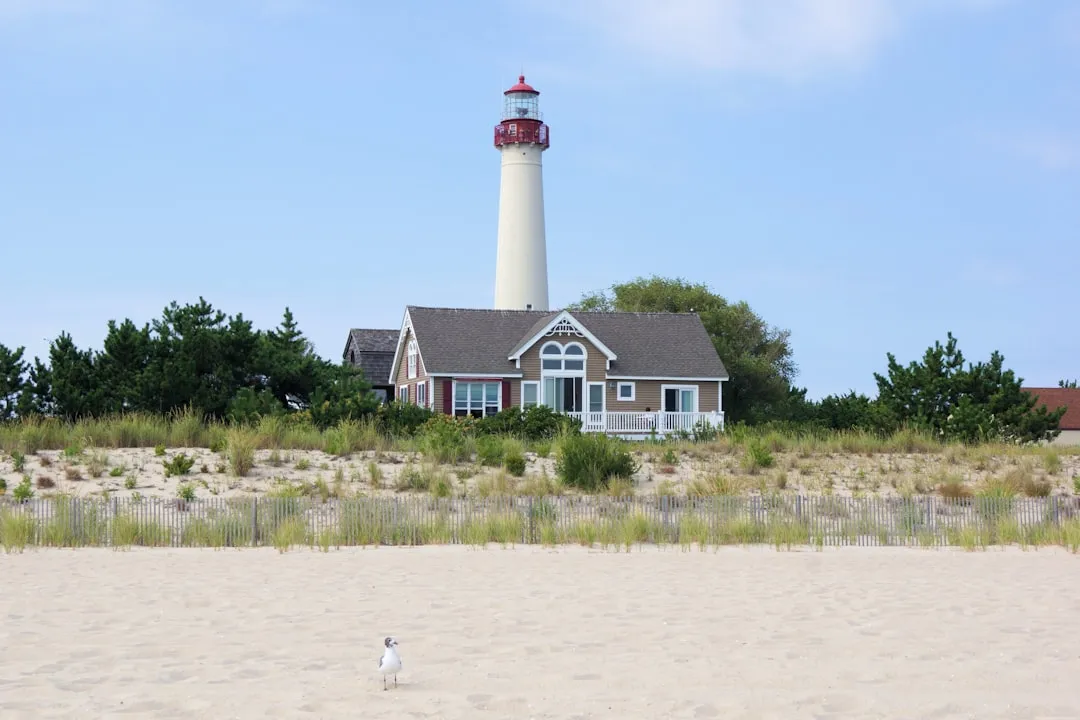
In 1976, Cape May was designated a National Historic Landmark as the Cape May Historic District, making Cape May the only city in the U.S. to be wholly designated as a national historic district. That distinction matters enormously. It means the preservation mandate applies to the entire city, not just a handful of prominent buildings.
Landmark status was granted because Cape May is a living document of architectural styles in a seaside resort. That framing is precise and worth sitting with. The town isn’t a museum in the traditional sense. People live here, run businesses here, and raise families here, all within a built environment that federal authorities recognized as irreplaceable.
In New Jersey, Cape May is the only city having the landmark designation, while there are many cities with the Certified Local Government status. That status enables Cape May to support historic preservation programs through eligibility to apply for matching funds grants. The financial scaffolding behind the preservation is as important as the architectural passion that drives it.
The Great Fire That Shaped Everything

In 1878, a five-day-long fire destroyed 30 blocks of the town center. The scale of that destruction is hard to fully imagine. Entire streets of hotels, boarding houses, and private homes were gone. The fire swept through Cape May, consuming roughly half of the town, or about 35 acres.
In the wake of the fire, property owners rebuilt their homes in the modern styles of the day, including the increasingly popular Victorian style. This reconstruction not only reshaped Cape May’s landscape, but also solidified its reputation as a hub of architectural splendor. What happened next was one of the most consequential accidents of American architectural history. The rebuild took place almost entirely during the height of Victorian fashion, resulting in an unusually cohesive streetscape.
From the whaling and shipbuilding days, there emerged a community of carpenters who became ever more creative with the invention of scroll and steam-powered saws, with which they made the gingerbread touches on buildings all over town. They carved gable trim, balusters, and arches; made sawtooth siding, pierced cornice brackets, and cut lacey balustrades. They turned plain frame boxes into works of wooden art.
Over 600 Buildings Frozen in Time
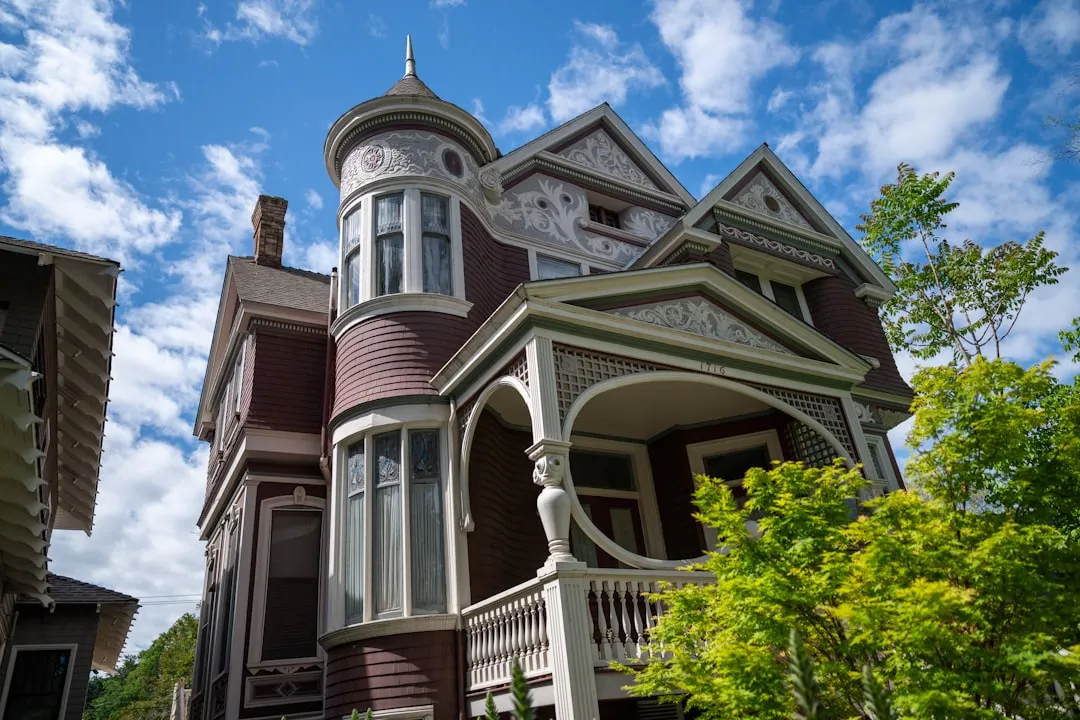
Cape May is a well-preserved nineteenth century oceanfront resort community. It contains approximately six hundred public and private buildings constructed between 1850 and 1910, with most built between 1878 and 1890. That concentration of construction within such a narrow window of time is precisely what gives the town its visual coherence. You’re not looking at buildings from wildly different eras jumbled together. You’re looking at a single generation’s architectural ambitions, intact.
Among the preserved buildings are private residences, hotels, and churches, some of which were designed by such famed architects as Frank Furness and Samuel Sloan. Most structures, however, were the work of local craftsmen rather than celebrated architects. The architecture here isn’t strictly traditional. It’s a reflection of late-Victorian trends interpreted by local builders.
The Styles Behind the Streetscapes
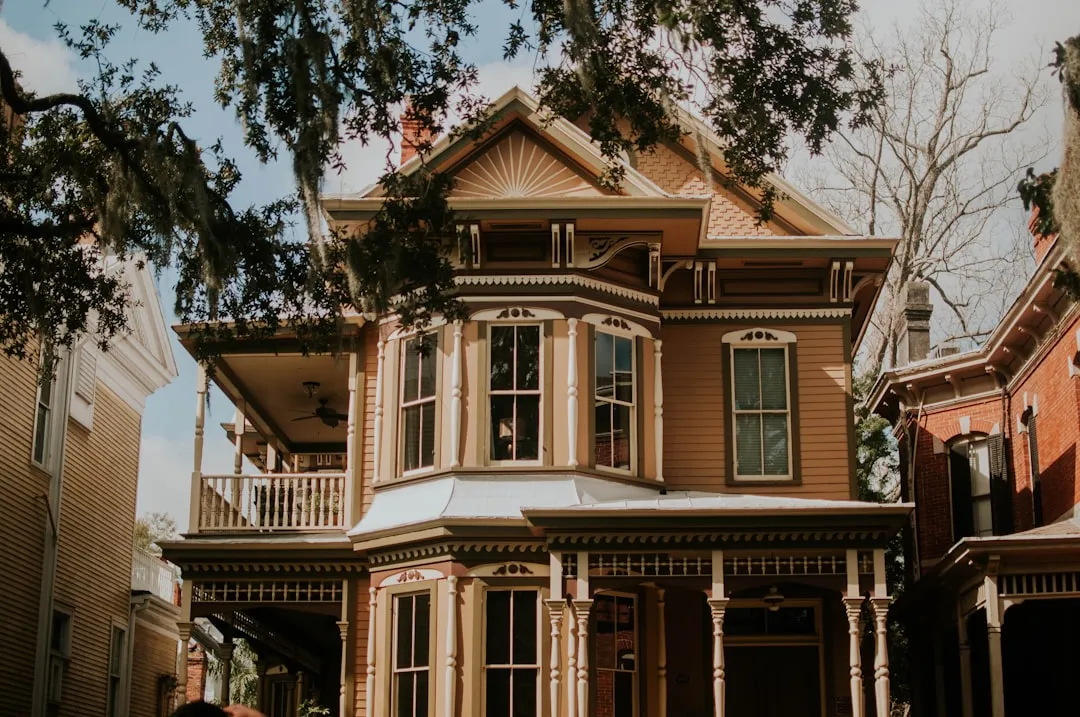
The historic district wasn’t built in a day, and it has continued to grow and change since its Victorian origins. As such, it is also home to a broad range of architectural styles, including Queen Anne, Italianate, Greek Revival, and more. Walking a single block often means encountering three or four distinct visual languages side by side.
Queen Anne architecture, perhaps the most recognizable Victorian style, is known for its asymmetrical facades, decorative gables, and use of various textures and materials. Italianate architecture, with its origins in the Italian Renaissance, is known for its broad eaves, decorative brackets, and tall, narrow windows, evoking a sense of elegance and sophistication. Second Empire mansard roofs, Gothic pointed arches, and Stick Style exteriors all appear throughout the district as well.
Victorian buildings often boast a vertical emphasis, with tall, narrow proportions that draw the eye upward, which enhances the grandeur and elegance of the structures. Expansive porches are a hallmark of Victorian homes, providing space for social gatherings and relaxation, and these porches are frequently adorned with decorative elements such as intricate railings and ornate columns.
Hughes Street and the Best Streets to Walk
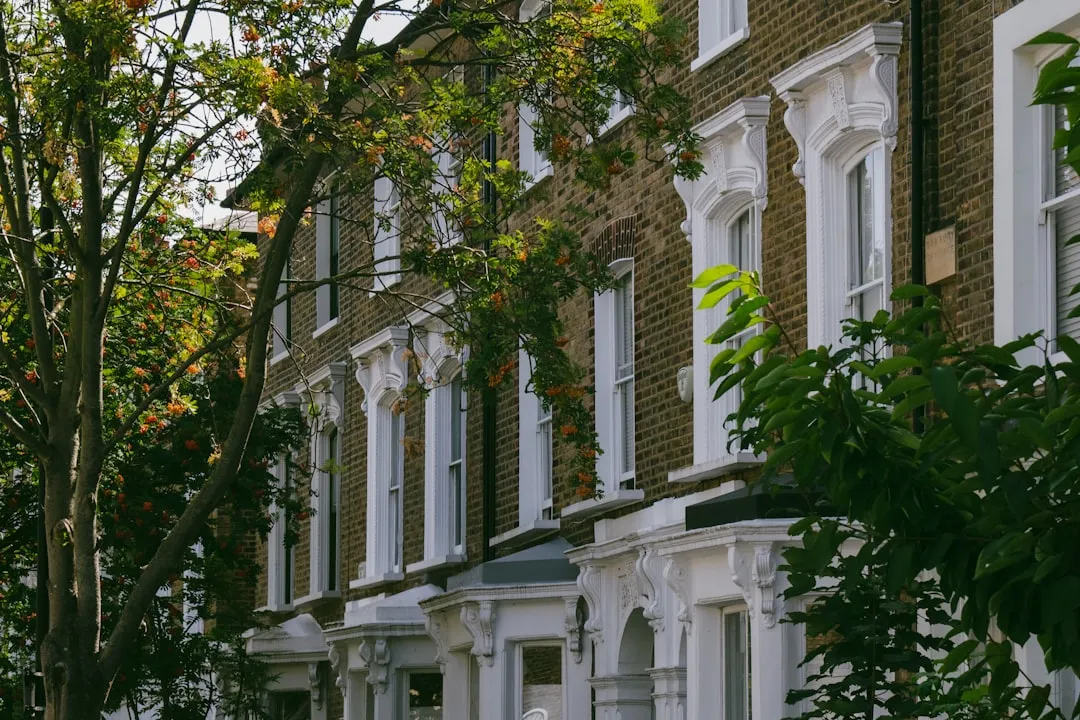
Visitors can find some of the best examples of preserved Victoriana along Hughes Street, called by one travel guide “the prettiest street in town.” Other architectural treasures can be found along nearby Columbia Avenue, Howard Street, Gurney Street, Ocean Street, Beach Drive, Congress Place, and Perry Street. Each street has its own character, its own pace.
Hughes Street is short, but it packs in the punch with its collection of Victorian homes, brick sidewalks, colorful gardens, and white picket fences. Columbia Avenue runs parallel to Washington Street and is a stunning representation of residential homes with colorful porched cottages. These aren’t streets designed for cars. They reward slow movement and close attention.
At 655 Hughes Street, another display of exceptional decorative woodwork has been described by architectural surveyors as “the most spectacular in town. The best the town has to offer. A masterpiece in folk art.” Called the J. Stratton Ware House, the style is Gothic with multiple overlays of various ornamental woodwork on the face and porch. It’s the kind of building that makes you stop mid-step.
The Emlen Physick Estate: Cape May’s Finest Indoor Window
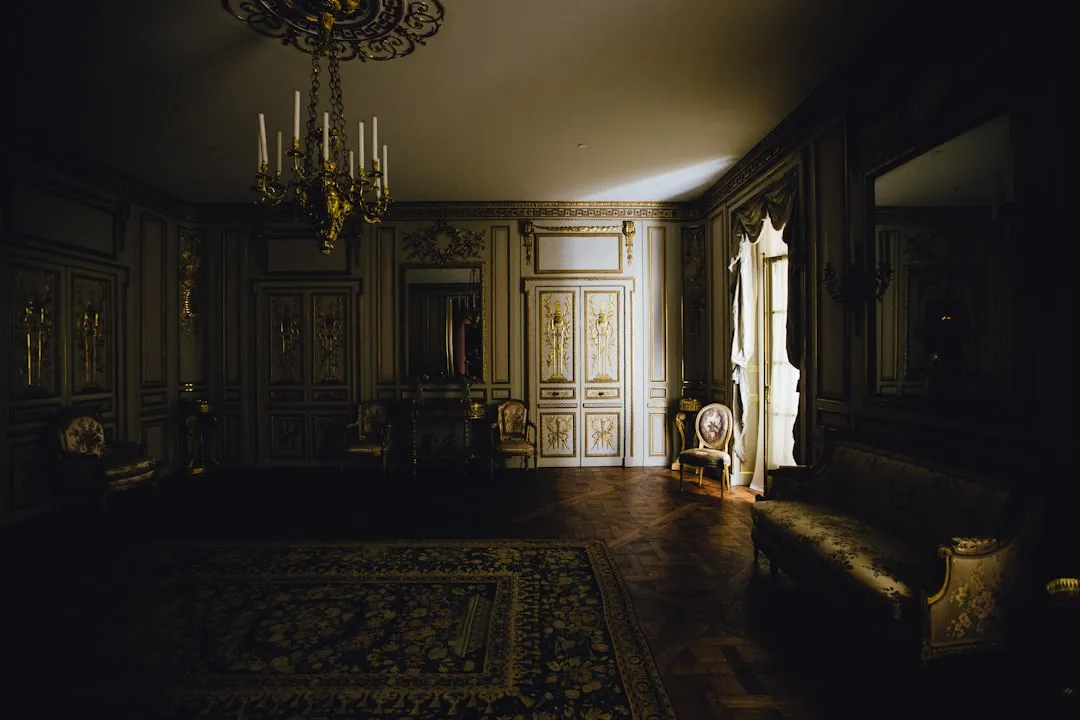
Built in 1879, the 18-room mansion is an architectural wonder built by famed American architect Frank Furness and is one of the best examples of Victorian Stick Style architecture in the country. The Physick Estate, at 1048 Washington Street, is the one place in Cape May where you can step inside and experience what Victorian domestic life actually looked like from within.
Its exterior is distinguished by Furness’s trademark oversized features, including gigantic upside-down corbelled chimneys, hooded “jerkin-head” dormers, and the huge stick-like brackets on the porch. The house is the only Furness-designed domestic commission open to the public. That alone makes it a significant destination for anyone interested in American architectural history.
Furness was the teacher of Louis Sullivan, who was, in turn, the mentor of Frank Lloyd Wright. That lineage connects the Physick Estate to one of the most consequential threads in the history of American design. The Mid-Atlantic Center for the Arts and Humanities (MAC) was formed in 1970 to save the Physick Estate from demolition. Without that intervention, this extraordinary building might not exist today.
The Role of Preservation: How Cape May Stayed Cape May
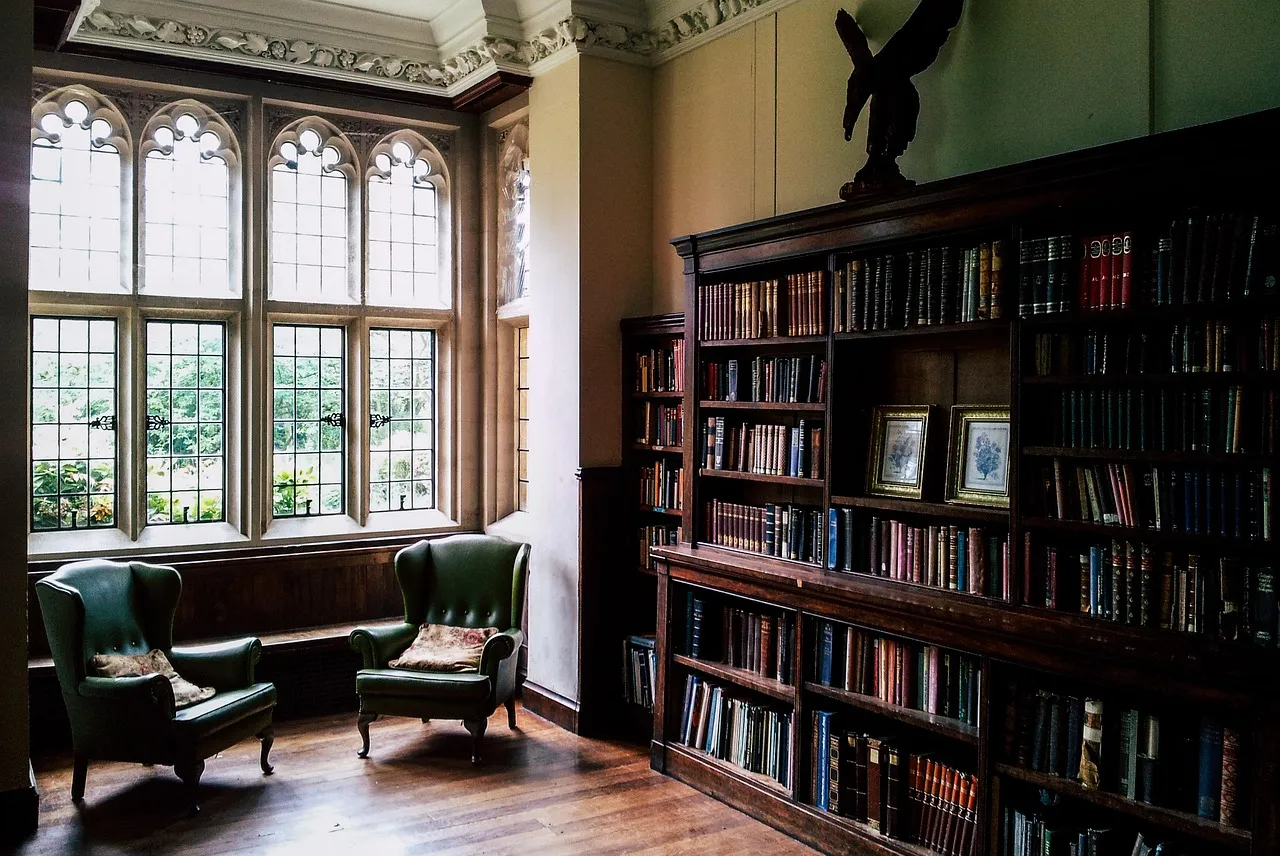
The establishment of the Historic Preservation Commission in Cape May has been pivotal in maintaining the architectural integrity of the Victorian district. This body oversees the conservation of historic structures, ensuring that any renovations or developments respect the original design and heritage.
The Historic Preservation Commission is tasked with reviewing applications for construction, repairs, alterations, and demolition within the City’s Historic District. It also deals with other matters relating to historic aspects of the City. The task of the HPC is to maintain the important heritage of the City’s historic built environment and support the continuation of Cape May’s extraordinary federal designation as a National Historic Landmark.
Despite facing numerous challenges, including devastating fires and natural disasters, Cape May’s architectural heritage has been safeguarded through dedicated preservation efforts, earning it the designation of a National Historic Landmark. The word “safeguarded” understates the effort involved. Decades of community organizing, legal frameworks, grant applications, and hands-on restoration work stand behind that single sentence.
Tourism, Economy, and the Living Town
The preservation of Victorian architecture in Cape May has significantly boosted the local economy by transforming the town into a vibrant tourist destination. The architectural heritage attracts visitors from across the globe, supporting local businesses ranging from boutique hotels to restaurants and shops. This influx of tourists contributes to the economic vitality of the community, fostering a sense of pride and ongoing investment in the town’s historic character.
In the summer, Cape May’s population is expanded by as many as 40,000 to 50,000 visitors. That seasonal surge is remarkable when you consider that as of the 2020 United States census, the city’s resident population was only 2,768. The town swells to many times its normal size each summer, drawn overwhelmingly by what the preservation movement protected.
Cape May has an extended and robust tourist season highlighting the historic architecture through year-round themed tours, exhibits, and events. Minimal redress was needed when Cape May was used as a film location in 2024, given the resort’s commitment to its designation as a National Historic Landmark, with its concentration of Victorian architecture as well as other 19th and 20th century architectural motifs. That is, perhaps, the most practical testament to what preservation achieves: a place so faithful to its original character that it can stand in for another era without significant alteration.
Walking the Streets Today: A Gallery Underfoot
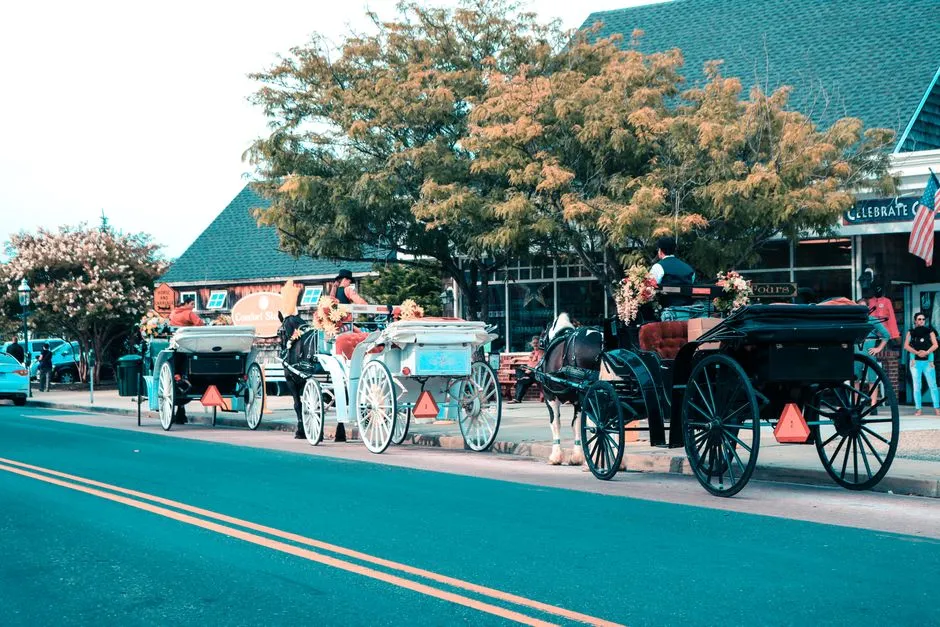
Visitors to Cape May can explore its historic district, which is characterized by beautifully restored guesthouses, churches, and private residences, many of which still serve their original functions. That last detail matters. These aren’t buildings behind velvet ropes. They’re inns where you can sleep, restaurants where you can eat, and porches where owners still sit on summer evenings.
Guided walking and trolley tours educate visitors on structural hallmarks, including intricately designed gingerbread trim, large wraparound porches, and steeply pitched gabled roofs. For those who prefer to explore on their own, Hughes Street and Columbia and Beach avenues offer the highest concentration of restored buildings. Cape May MAC, the organization at the center of the town’s preservation movement, runs tours year-round and remains the most reliable guide into the district’s layered history.
According to National Park Service architectural historian Carolyn Pitts, “Cape May has one of the largest collections of late 19th century frame buildings left in the United States… that give it a homogeneous architectural character, a kind of textbook of vernacular American building.” That’s an expert’s way of saying what anyone feels walking these streets: that something genuinely rare survived here, and that it rewards careful, unhurried attention.
Conclusion: A Town That Chose to Remember
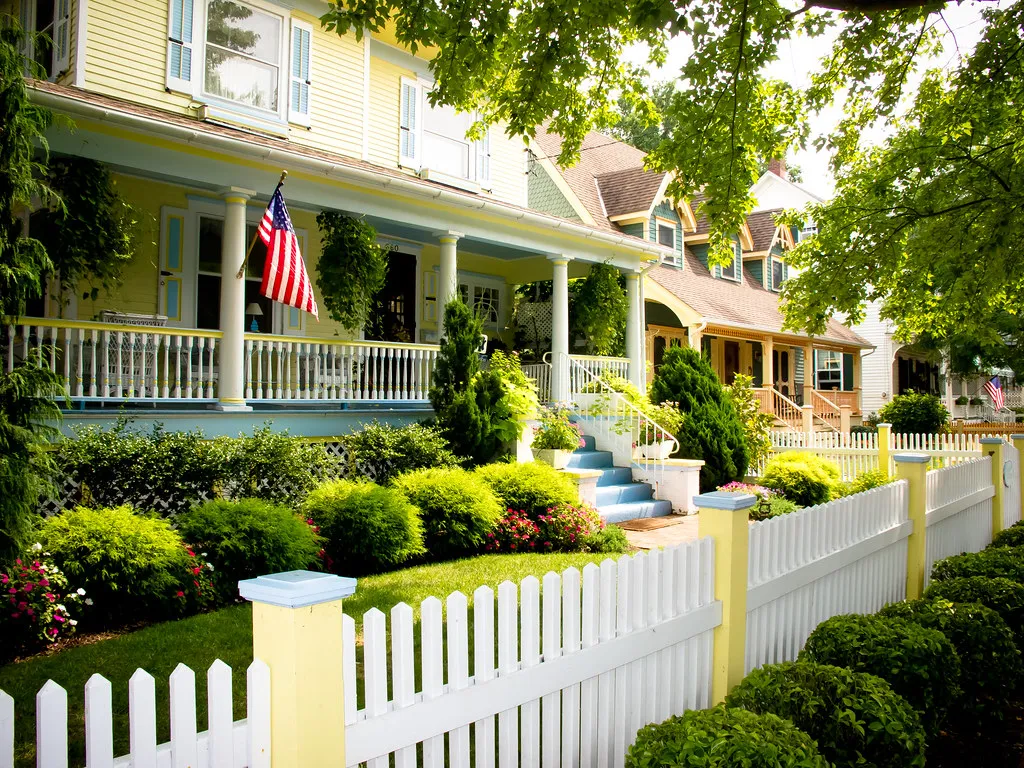
Cape May didn’t preserve its Victorian streets by accident. It did so through deliberate civic choices, sustained community effort, and a clear-eyed belief that what the town had was worth protecting. Other resort towns of the same era modernized, demolished, and reinvented themselves. Cape May held on.
What makes the streets here so affecting isn’t just the architecture. It’s the continuity. The same sea air still moves through the same wraparound porches. The gingerbread trim, the painted ladies, the brick sidewalks: they exist not as nostalgic theater but as a genuine record of how Americans once chose to build and live beside the ocean.
In a country that tends to move fast and build over its past, Cape May remains a quiet, remarkable counterargument. Some things, it turns out, are worth keeping exactly as they are.
AI Disclaimer: This article was created with the assistance of AI tools and reviewed by a human editor.