
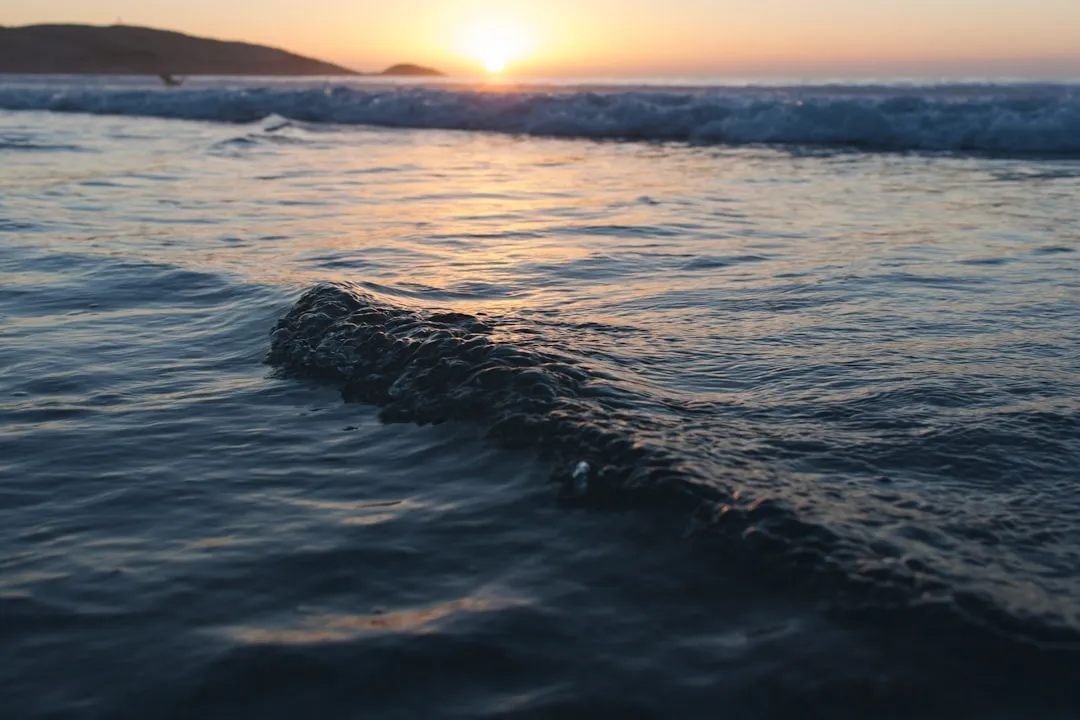

Few places on Earth pack so much into a single province. The Western Cape stretches across mountain ranges, Mediterranean-climate valleys, ancient coastlines, and urban neighborhoods that feel like entirely different worlds pressed up against each other. It’s not just scenery. It’s a living intersection of natural science, human history, and an economy that runs, in no small part, on the experience of being there.
Travelers arrive expecting beauty. Most leave understanding that the beauty runs considerably deeper than a postcard.
A Tourism Boom Backed by Real Numbers
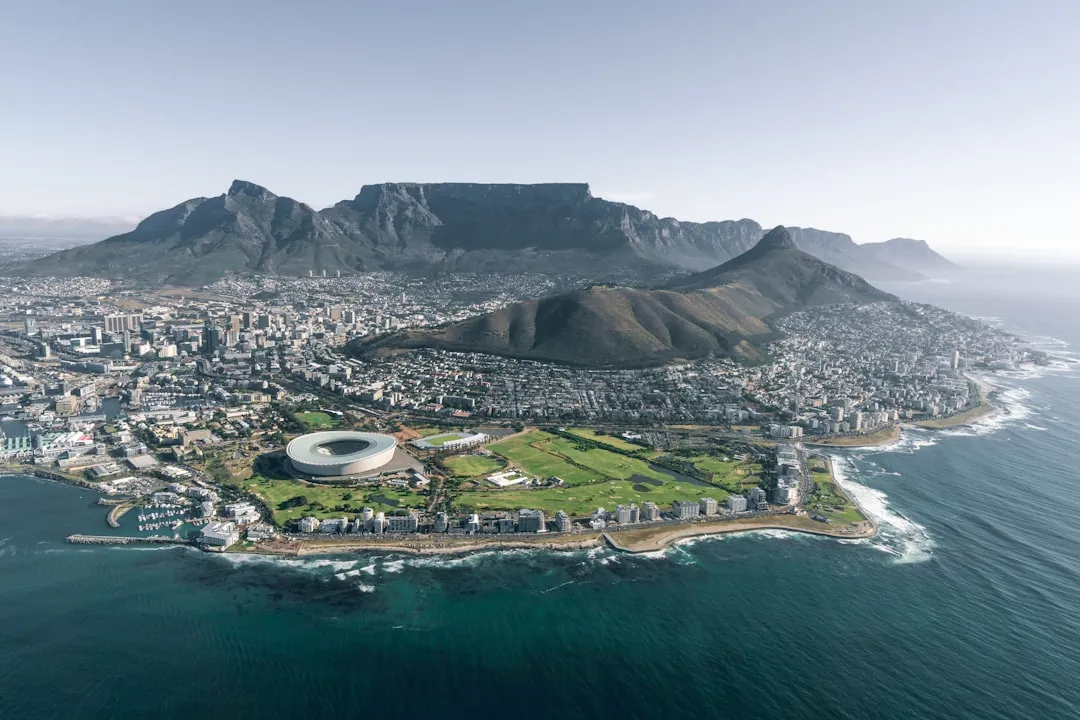
The province’s visitor economy is not just recovering from the disruptions of earlier in this decade. It has surpassed previous benchmarks by a meaningful margin. South African Tourism’s annual performance report for 2024 highlights a robust recovery of the Western Cape tourism industry, noting an overall increase of nearly seven percent in international tourist arrivals to the province.
Tourist arrivals to Cape Town by air recorded a remarkable sixteen percent year-on-year increase between January and March 2024, reaching 336,268 visitors, surpassing the 2019 figure for the same period.
Markets such as the United States posted growth of over sixteen percent, Australia over twenty-seven percent, and Zimbabwe over thirty percent, with the Western Cape excelling at attracting first-time visitors to South Africa, with nearly half of all international tourists visiting for the very first time.
The Cape Floristic Region: A Biodiversity Hotspot Unlike Any Other
The Cape Floristic Region is one of only six floral kingdoms in the world, and it has the highest concentration of plant species on the planet, containing an estimated 9,500 species, of which roughly seventy percent grow nowhere else on Earth.
The Cape Floral Region represents less than half a percent of the entire area of Africa, yet is home to nearly twenty percent of the continent’s flora. The outstanding diversity, density, and endemism of its flora are among the highest recorded worldwide, with nearly seven in ten of the region’s approximately 9,000 plant species classified as endemic.
The Cape Floral Region has been identified as one of the world’s 35 biodiversity hotspots, a designation based on strict scientific criteria. The extended Cape Floral Region Protected Areas property now encompasses over one million hectares of protected land, surrounded by a buffer zone of nearly 800,000 hectares.
Fynbos: The Vegetation That Defines a Province
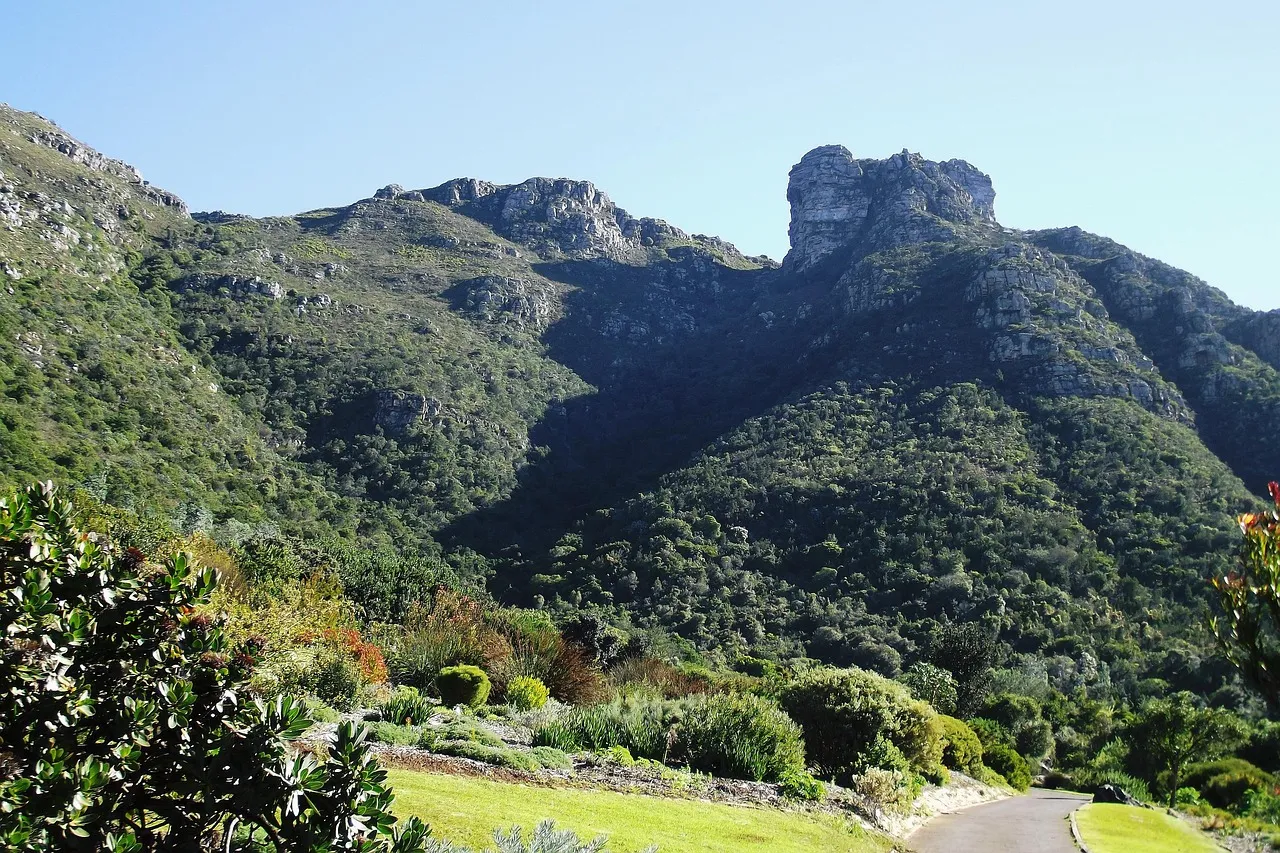
The Fynbos is a fine-leaved sclerophyllic shrubland adapted to both a Mediterranean climate and periodic fires, and it is unique to the Cape Floral Region. Nothing else quite like it exists on the planet.
The Cape Floristic Region is home to the greatest non-tropical concentration of higher plant species in the world, with 9,000 species packed into its relatively small extent. More than 6,200 of these, roughly sixty-nine percent, are found nowhere else. Five of South Africa’s twelve endemic plant families and 160 endemic genera occur only in this hotspot.
Among the best-recognized plant species in the hotspot are the proteas, particularly the king protea, which is South Africa’s national flower, and the red disa. Seasonal blooms draw botanists, hikers, and photographers from across the world, turning ordinary walks into something closer to field expeditions.
Conservation Under Pressure: Threatened Ecosystems and New Laws
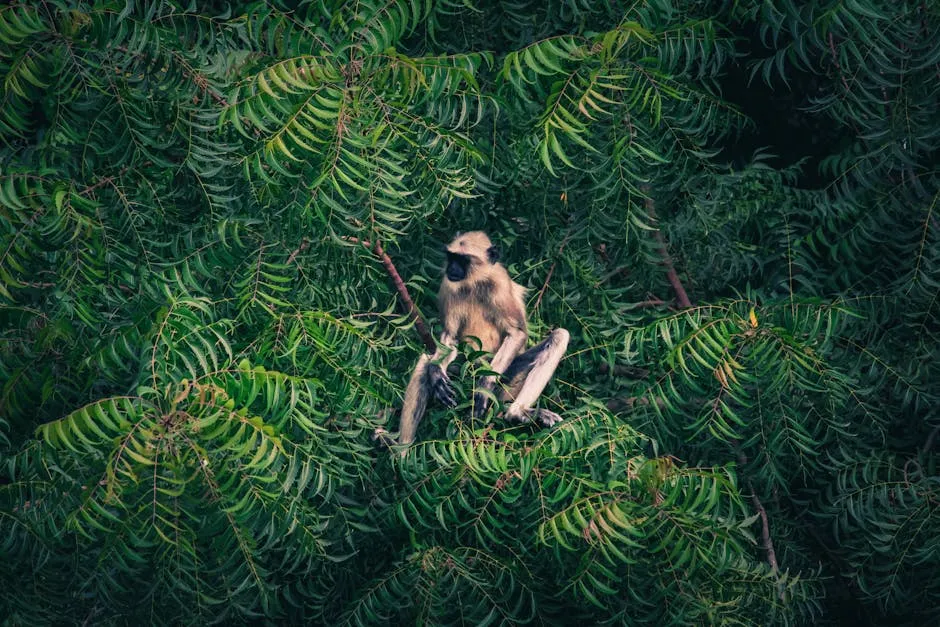
At the ecosystem level, there are 171 terrestrial ecosystems in the province. Sadly, 64 of these are listed as threatened, of which 35 are classified as Critically Endangered and 27 as Endangered.
An overview of environmental threats shows that the main pressures include habitat loss, alien invasive vegetation, inappropriate fire regimes, biodiversity crime, and climate change. Overall, sixteen percent of extant taxa in the Western Cape are currently threatened.
The 2023 Western Cape Biodiversity Spatial Plan, adopted in December 2024, is a provincial plan designed to inform the Protected Areas Expansion Strategy, the Provincial Biodiversity Strategy and Action Plan, and environmental legislation and policy development. It signals a meaningful step toward embedding ecological priorities into land-use decision-making at the provincial level.
The Whale Route: A Coastline That Comes Alive
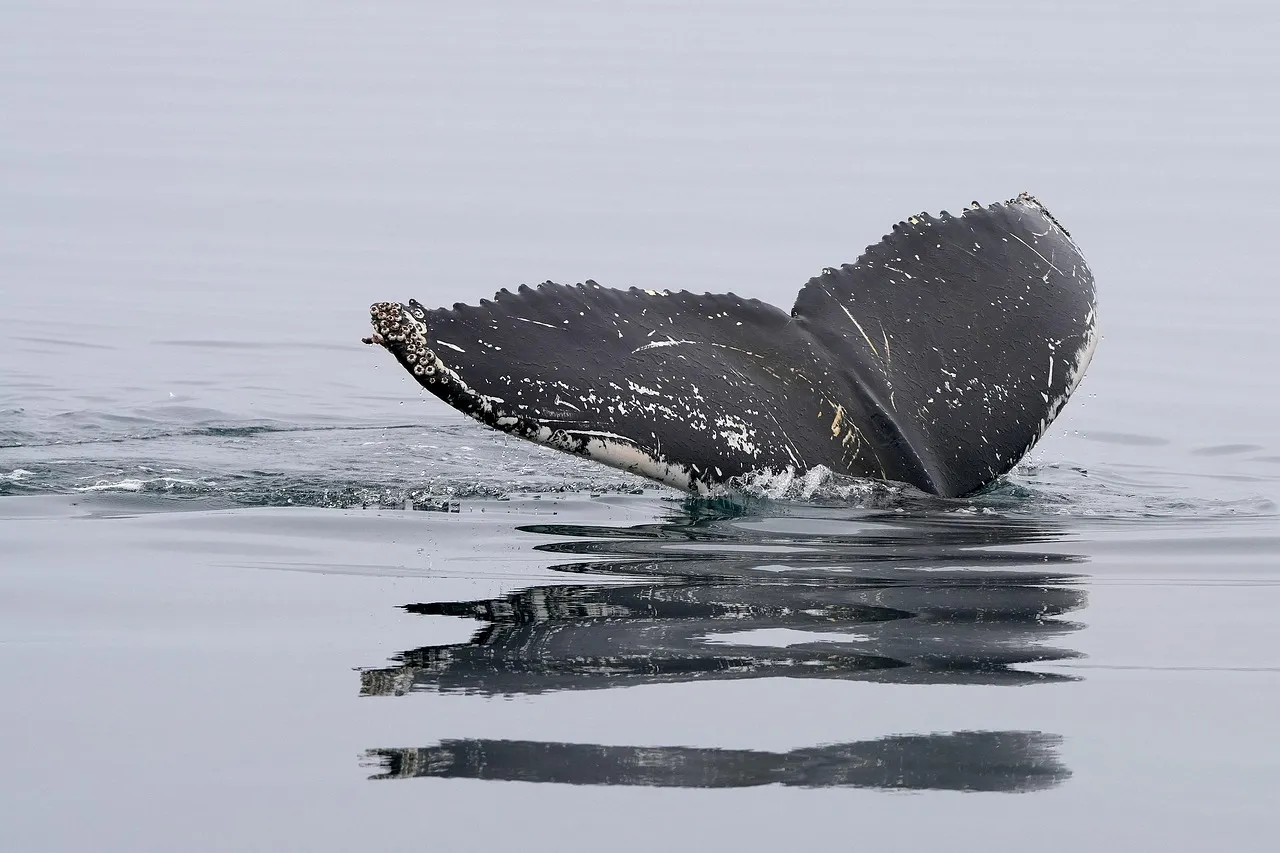
The Whale Route stretches for 900 kilometers of coastline, extending from Doring Bay on the West Coast all the way to Storms River Mouth on the Garden Route. It is one of the more underappreciated natural corridors on the continent.
Rated as one of the top twelve whale-watching locations in the world by the World Wildlife Fund, Hermanus offers some of the finest land-based viewing opportunities available anywhere, because the whales often come within meters of the shoreline. Hermanus also holds the distinction of having the world’s only Whale Crier, who uses a kelp horn to alert visitors and locals to sightings.
De Hoop Nature Reserve is widely regarded as one of the best land-based whale-watching spots in the world. Between June and November, the coastline transforms as southern right whales migrate there to breed and raise their young. The neighbouring marine reserve, extending five kilometers out to sea, is one of the largest marine protected areas in Africa.
The Garden Route: Where Forest Meets Ocean
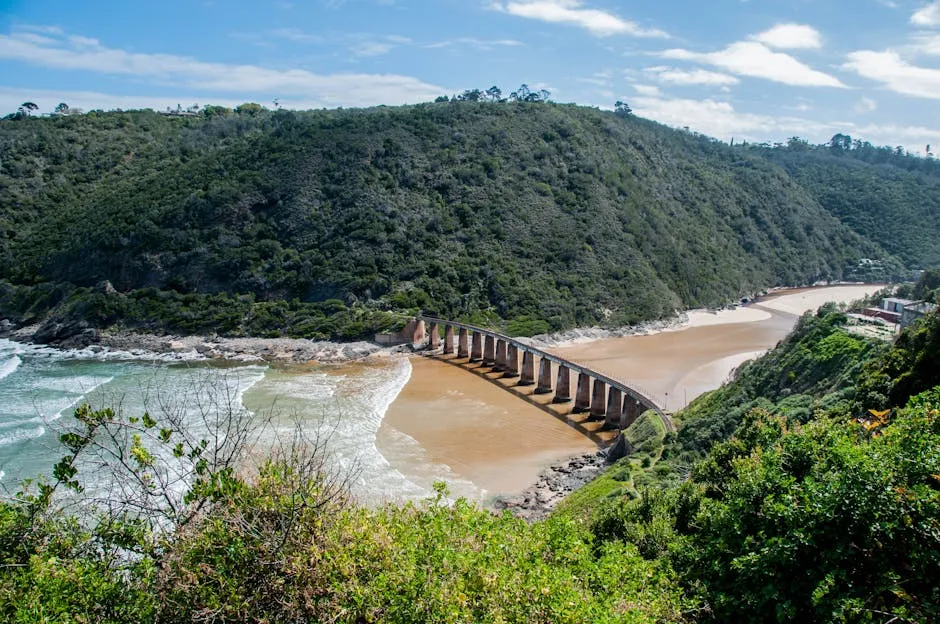
The Garden Route is the name given to the roughly 170-kilometer section of the N2 between Mossel Bay and Storms River. This route runs roughly east-west, lying between the Indian Ocean to the south and the Langeberg-Outeniqua mountain range to the north.
The Garden Route National Park connects the existing Tsitsikamma National Park’s ancient forests and wild coastline with the Wilderness National Park via a chain of lakes and preserved sections of Fynbos, creating a fascinating mix of ecosystems.
Between January and April 2024, the top year-on-year growth rates among the Western Cape’s nature and outdoor attractions were led by the Kogelberg Nature Reserve, the Walker Bay Nature Reserve, and De Hoop Nature Reserve, all recording triple-digit percentage increases in visitor numbers. That level of growth reflects genuine demand, not statistical noise.
The Winelands: Culture, Landscape, and a Long History
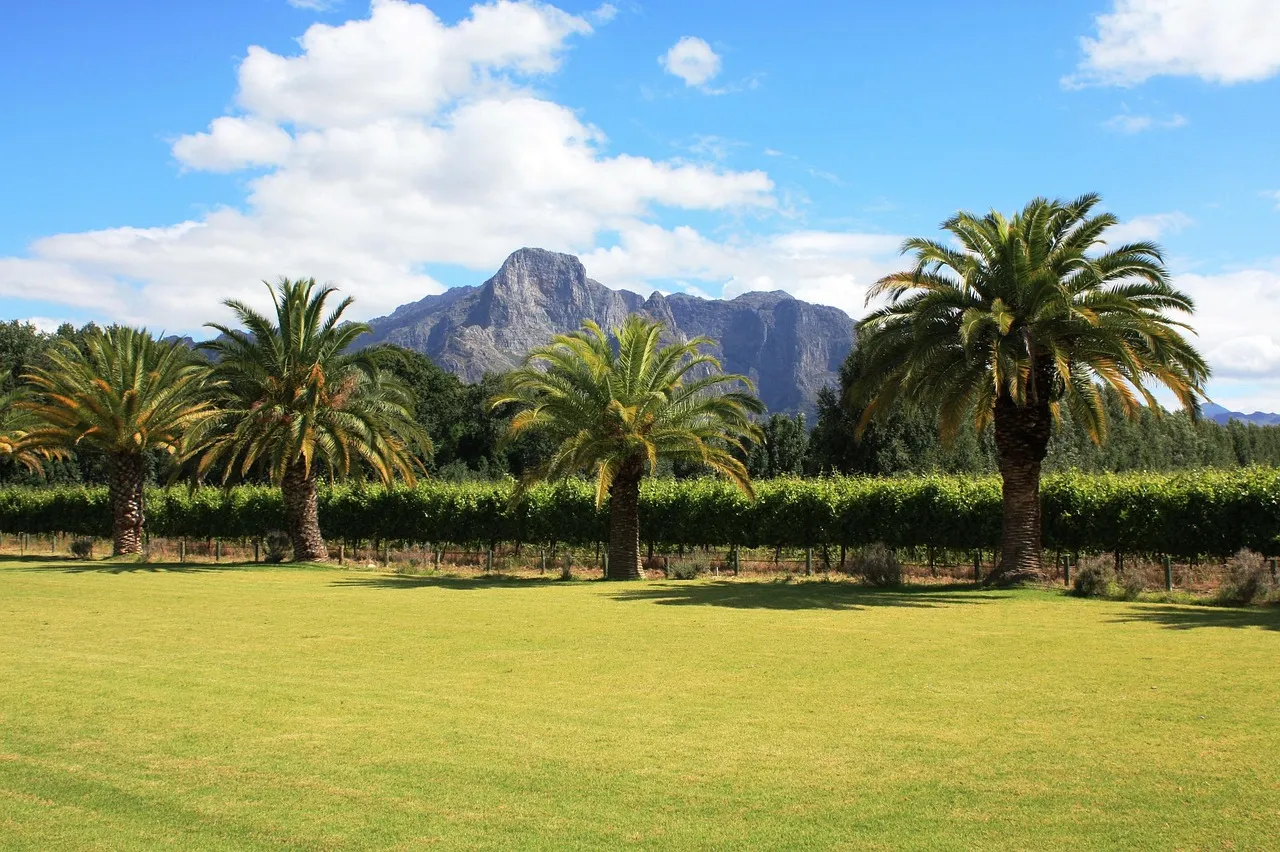
The Western Cape Winelands are among the oldest wine-producing regions in the Southern Hemisphere. The landscape of vine-covered valleys set against granite mountain backdrops has shaped the province’s cultural identity for centuries.
The Worcester Wine and Olive Route, about 150 kilometers from Cape Town, is home to twelve wine cellars and an olive estate, offering a full range of experiences for food and wine enthusiasts from newcomers to serious connoisseurs.
Between January and April 2024, the United Kingdom led as the top overseas air market to Cape Town, with Germany a very close second, followed by the United States, Netherlands, and France. The first four months of 2024 reflected a strong European presence, with seven out of the top ten source markets originating from that continent. The Winelands remain a primary draw for many of these visitors.
Responsible Tourism: Awards and Recognition in 2024-2025
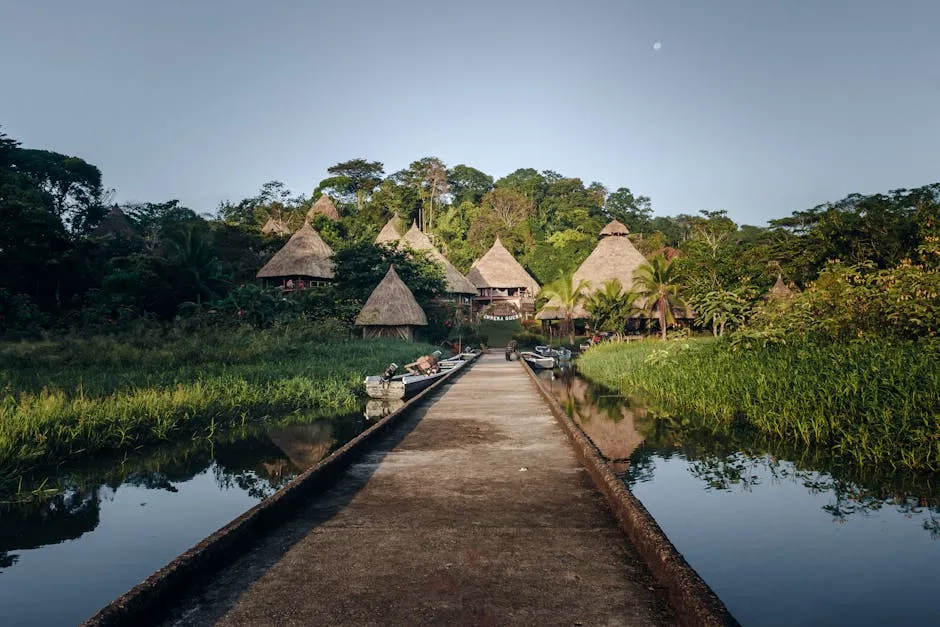
One standout example of responsible tourism in the province is the San Culture and Education Centre !Khwa ttu, which, with support from the Western Cape Government’s Tourism Growth Fund, introduced a sustainable sourcing policy for food and beverage that prioritises foraged ingredients and ethical artisanal suppliers, reviving ancient food traditions and creating economic opportunities.
The Western Cape Government supported fifteen tourism businesses across the province through dedicated programs, and Stellenbosch-based Township and Village received global recognition for its efforts in responsible tourism, winning a gold award at the Responsible Tourism Awards Africa at the World Travel Market Africa.
Data from South African Tourism shows that for every 100 international visitors to the Western Cape, over two million rand in direct tourist spend is generated, contributing half a million rand to the provincial Gross Domestic Product and enabling two local jobs. Responsible tourism here isn’t simply good ethics. It’s sound economics.
Climate Science and the BioSCape Project
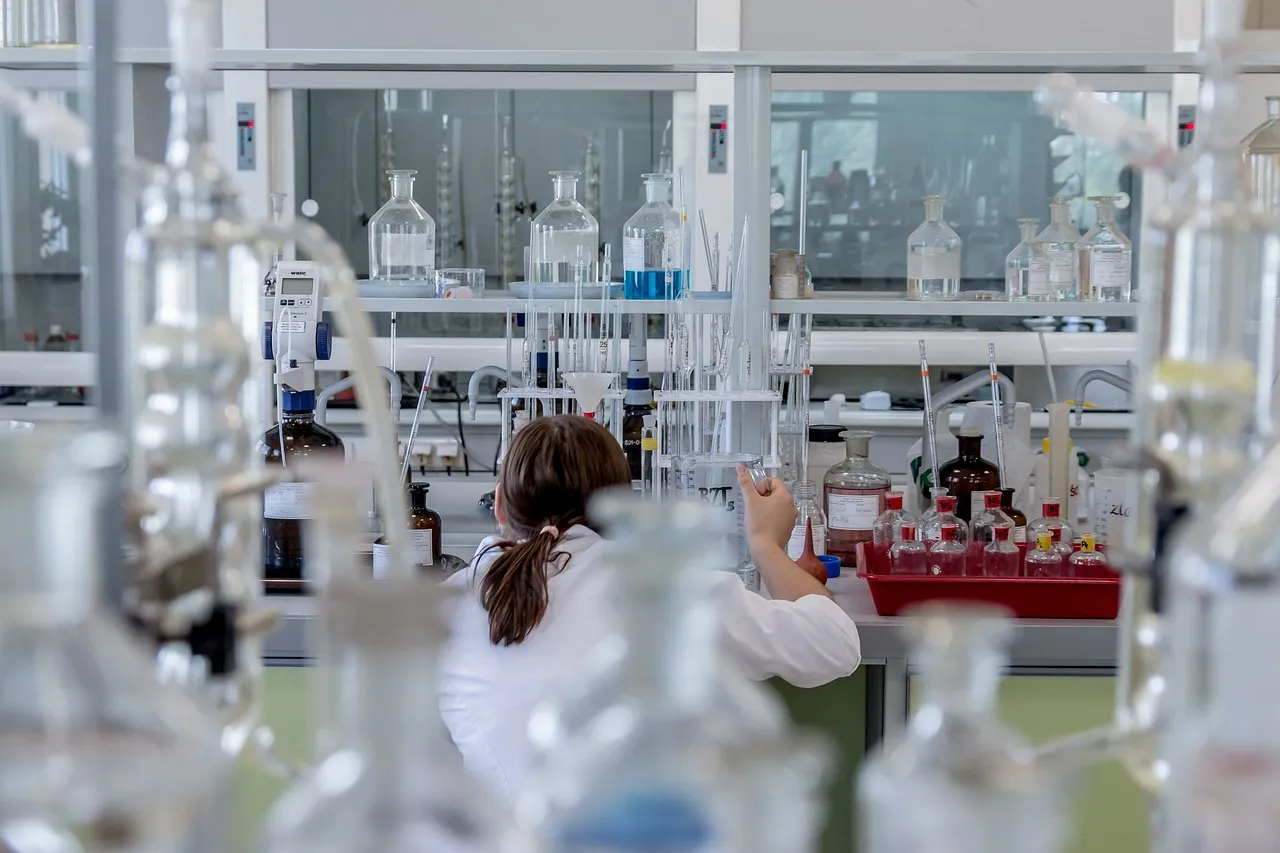
The Biodiversity Survey of the Cape, BioSCape, addresses a critical need by integrating field, airborne, satellite, and modelling datasets to advance the limits of global remote sensing of biodiversity. Over six weeks, an international team of around 150 scientists collected data across terrestrial, marine, and freshwater ecosystems in South Africa.
This represented NASA’s first field campaign focused specifically on biodiversity, and it took place in South Africa in late 2023. The results are now being published in peer-reviewed scientific literature, with findings published in the journal npj Biodiversity in early 2025.
Like many regions worldwide, the Greater Cape Floristic Region must support human development while conserving its biodiversity under mounting climate pressure. The region is increasingly drought-prone, and the oceans are experiencing rapid warming, with further increases in ocean temperature, ocean acidity, and storm frequency predicted. Science projects like BioSCape are building the evidence base needed to respond seriously to these trends.
Five UNESCO Biosphere Reserves and What They Mean in Practice
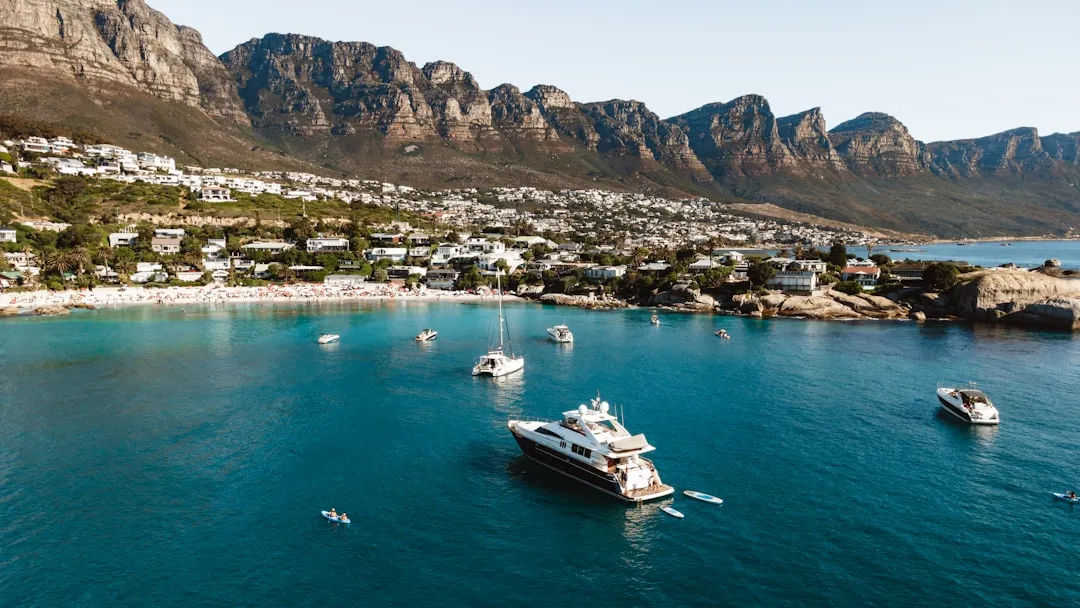
The Western Cape is home to five UNESCO-designated Biosphere Reserves, overseen by the province’s Biodiversity Management Sub-Directorate, which also leads the Cape Floristic Region Partnership to ensure cohesive implementation across stakeholders.
In the Western Cape, biodiversity is not only a natural heritage but also a critical asset for sustainable development, economic growth, and human well-being. Protecting and restoring it is considered vital to ensuring ecological integrity, climate resilience, and equitable access to nature’s benefits for all communities.
Healthy ecosystems enable an equitable and sustainable biodiversity economy in the province, which includes the promotion and development of ecotourism. The Western Cape Government has recognised investment in ecological infrastructure as a mechanism to grow the economy and create work opportunities. That framing treats conservation not as a constraint on growth, but as one of its foundations.
Conclusion
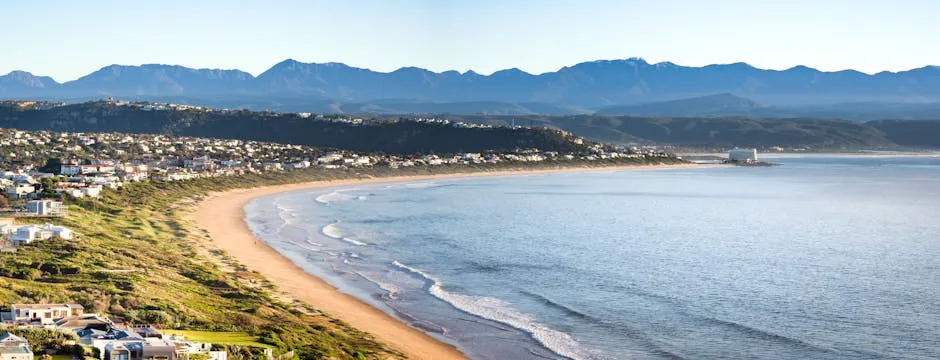
The Western Cape is easy to admire on the surface. Harder to fully understand, it rewards the kind of attention that goes beyond itineraries. The province is simultaneously grappling with serious biodiversity loss, setting new tourism records, legislating stronger conservation frameworks, and attracting international scientific missions focused on its unique landscapes.
Domestic tourism remains a significant source of revenue, with domestic visitors spending over 18 billion rand in 2024, and the province recording the highest national average spend per trip in South Africa. Growth is real and measurable.
What makes the Western Cape genuinely remarkable is not any single feature but the way these threads, ecological rarity, cultural depth, maritime drama, and growing economic stakes, are so tightly woven together. The challenge going forward is keeping them that way.
AI Disclaimer: This article was created with the assistance of AI tools and reviewed by a human editor.