


There’s a particular kind of quiet in New Mexico’s high desert that’s hard to explain until you’ve stood in the middle of it. The silence isn’t empty. It’s full of something older and slower than the pace most people carry with them. The land stretches wide, the sky climbs impossibly tall, and when darkness falls, that sky fills with more stars than most people have ever seen outside of a photograph.
New Mexico has earned its reputation as one of North America’s great destinations for both stargazers and those searching for a deeper stillness. The terrain, the light, the cultural depth, and the remarkable darkness of its skies combine into something genuinely rare. Whether you’re drawn by astronomy, by healing traditions, or simply by the need to breathe freely, this is a landscape that holds space for all of it.
Why New Mexico’s High Desert Skies Are Genuinely Special
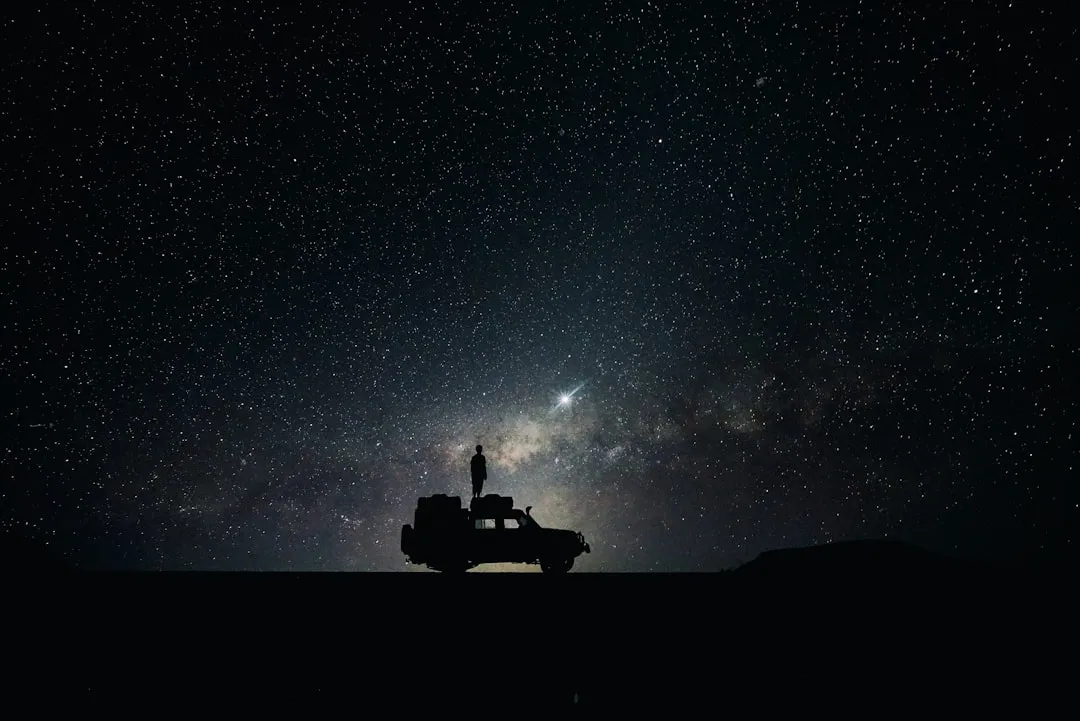
New Mexico is home to Gold and Silver-Tier Dark Sky Parks, as certified by the International Dark Sky Association. That’s not a casual distinction. It reflects hundreds of hours of measurement, advocacy, and protective lighting policies across multiple regions of the state.
Facilities in places like Animas in southern New Mexico record 275 or more viewing nights per year, with astronomical seeing that professionals describe as sub-arcsecond. For context, that places parts of New Mexico in the same optical quality bracket as some of the world’s most respected observatories.
Stargazing in New Mexico is an ancient and authentic experience. For Indigenous people who lived on this land long before its colonization and who reside in New Mexico today, the connection to the night skies has always been both spiritual and sacred. For Native people today, the night skies are still used as a guidance in daily living and religious ceremonies.
The Cosmic Campground: North America’s First Dark Sky Sanctuary
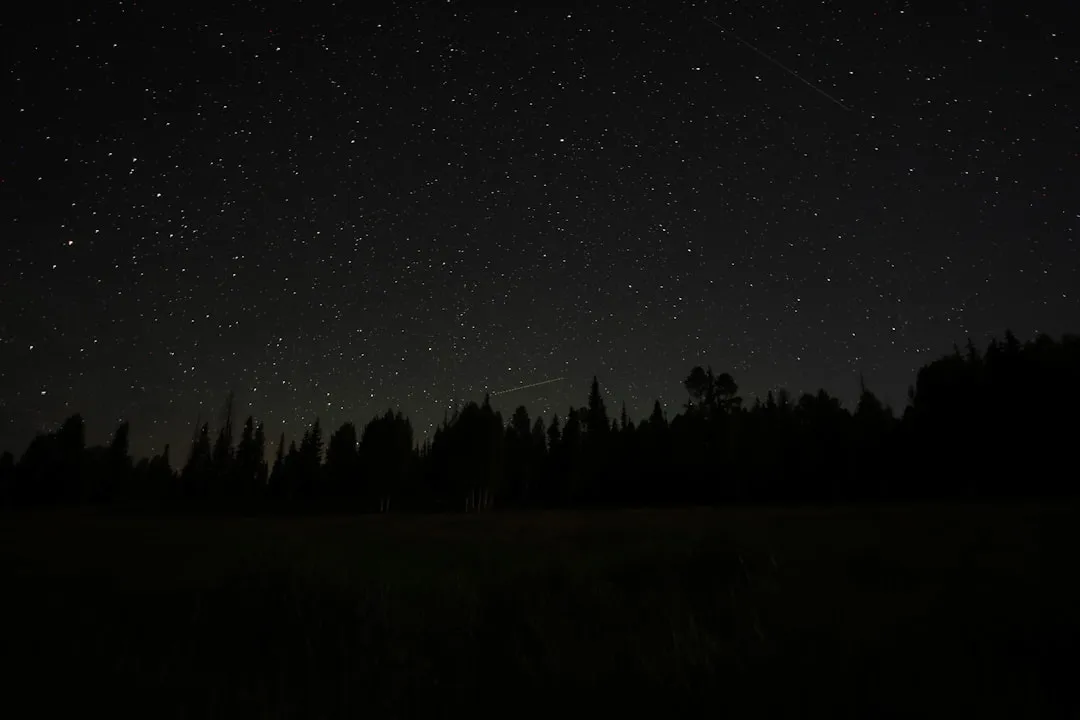
The Cosmic Campground International Dark Sky Sanctuary is the first International Dark Sky Sanctuary located on National Forest System lands and also in North America. It is one of only 14 certified IDA Sanctuaries in the world. That’s a remarkable designation for a campsite tucked into western New Mexico.
The campground is located in an exceptionally dark part of the lower 48 U.S. states, with the nearest significant source of artificial light more than 65 kilometers away across the state line in Arizona. The campground features a very basic infrastructure to support campers and offers a 360-degree, unobstructed view of the night sky.
The site has one of the darkest natural night skies on earth. The distant horizon offers an unobstructed 360-degree view. The low hills surrounding the site help obstruct unnatural light. Data qualifies the site’s natural night sky as ranking with world-class observatories.
Chaco Canyon: Where Astronomy and Ancient History Meet
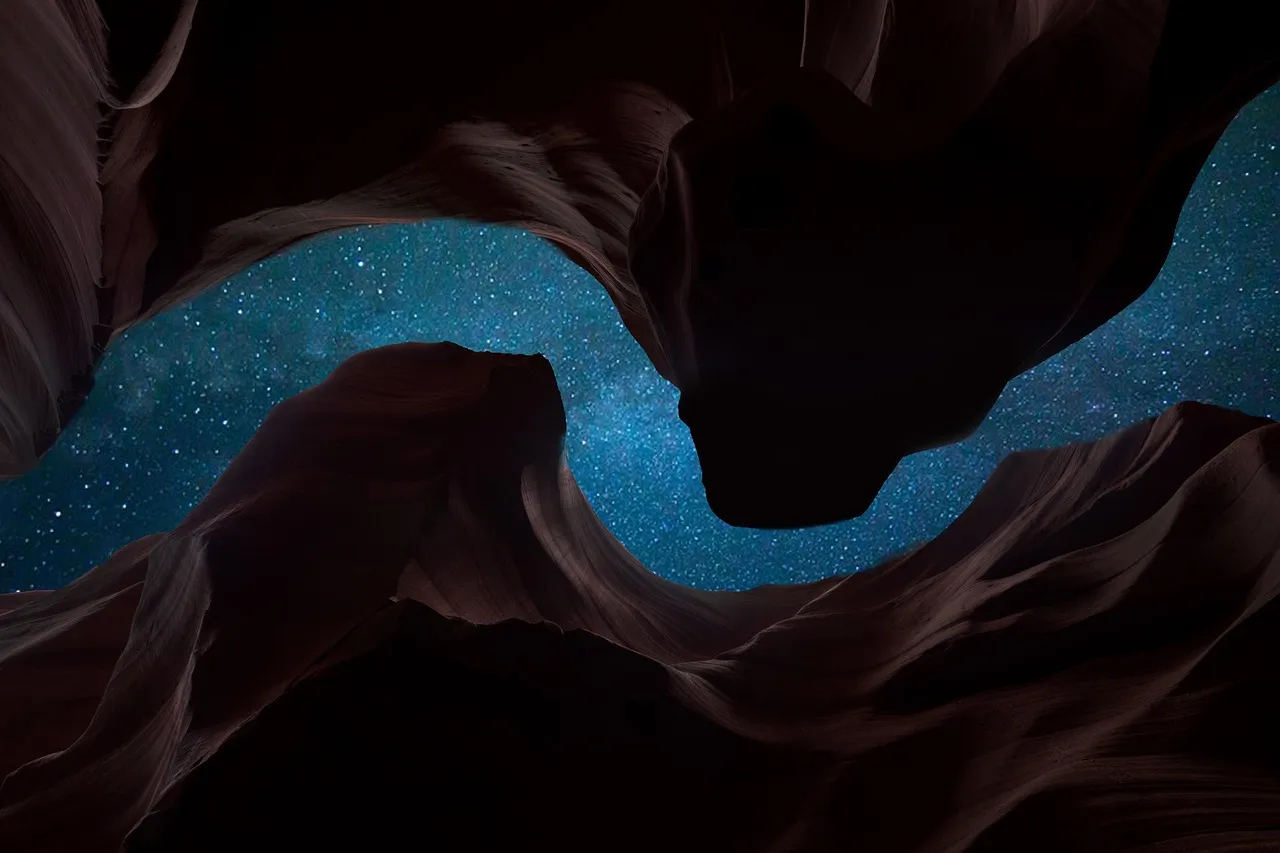
Between 900 and 1150, Chaco Canyon was a major cultural center for the Ancestral Puebloans. The park was named a Gold-tier Dark Sky Park by the International Dark-Sky Association in 2013. The sky above Chaco Canyon today closely resembles what those ancient builders once observed.
Between 850 and 1150 AD, the Chacoan people designed and constructed massive ceremonial buildings in a complex celestial pattern throughout a vast desert region. Aerial and time-lapse footage, computer modeling, and scholarly research show how the Chacoan culture designed, oriented, and located its major buildings in relationship to the sun and moon.
In keeping with the long human history of watching the sky and marking the positions of the sun and moon, Chaco Culture National Historical Park offers night sky events twice monthly from May to October. Night sky viewing events are often hosted by the Albuquerque Astronomical Society and generally include indoor lectures before heading to the park’s small observatory to view constellations, planets, star clusters, or nebulae.
Clayton Lake: New Mexico’s Original Dark Sky Park
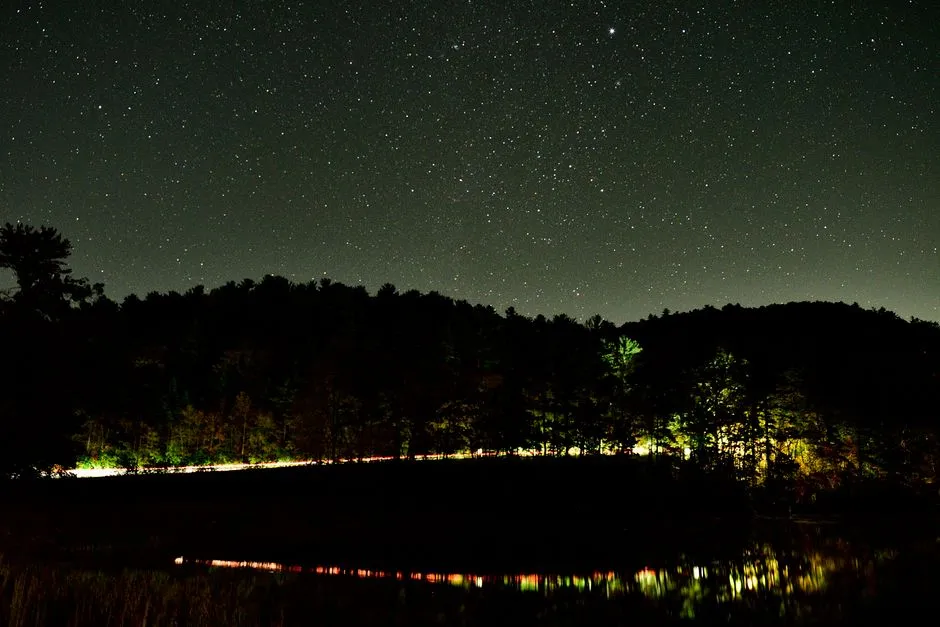
Designated as New Mexico’s first Dark Sky Park in 2010, Clayton Lake State Park is a Gold level International Dark Sky Park and has its own 14-inch Mead telescope. The night skies feature very little light pollution, and star-gazing events are hosted every month of the year during the week of the new moon for the general public. Clayton Lake State Park is located north of Clayton, New Mexico and is known for its wide open skies, fishing derbies, and dinosaur tracks.
The park offers something that many purely astronomy-focused destinations don’t: daytime context that makes the night feel even richer. Walking the same ground where dinosaurs once moved, then tilting your head back to face the same sky that has watched over this landscape for millions of years, creates a perspective that’s genuinely humbling.
El Malpais and the Quiet Wonder of Ancient Lava Flows
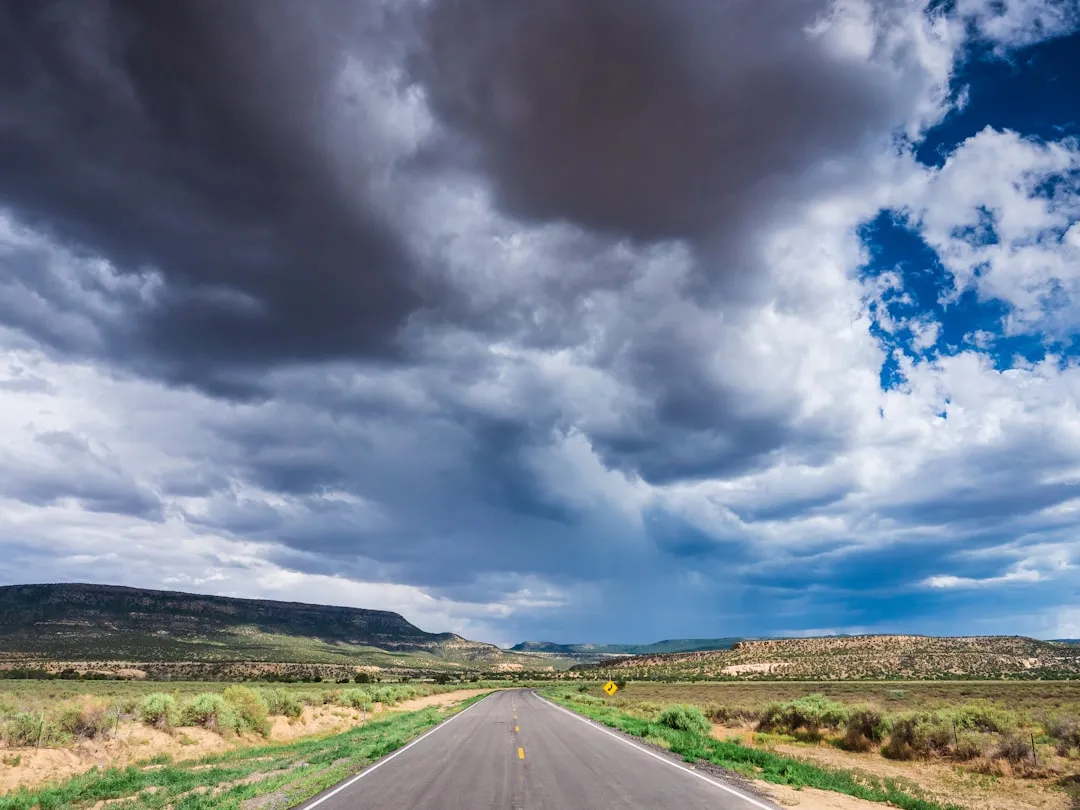
El Malpais National Monument is a haven for pristine night skies. With over two thirds of the monument protected as proposed wilderness, it is simple to find large swaths of land unhindered by light pollution.
The Lava Falls, Big Tubes, and El Calderon trailheads are excellent places to view the Milky Way overhead. In the clear winter months, ranger-led night sky programs are common and large star parties can gather to enjoy El Malpais’ pristine vistas of celestial bodies.
There’s something striking about standing on land that was shaped by volcanic eruptions and looking upward at a sky that hasn’t changed in all those centuries. El Malpais asks for slowness. It doesn’t reward rushing.
Capulin Volcano: Stargazing from an Ancient Crater
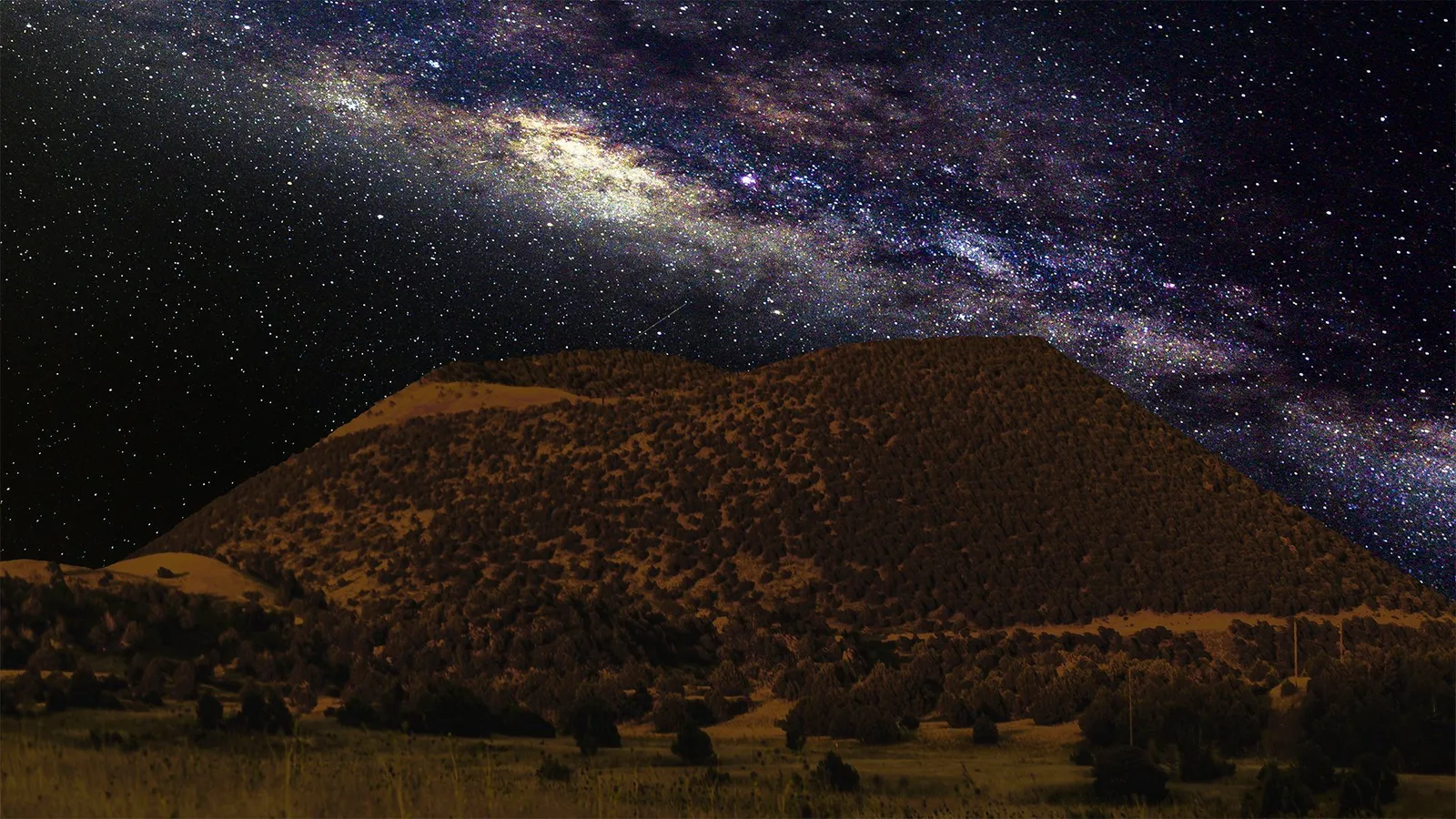
As a Gold-Tier International Dark Sky Association Park, Capulin Volcano boasts one of the best night skies in New Mexico. Park staff work hard to maintain this destination and invite the public to enjoy it year-round through public programming and personal observation.
If you don’t have your own equipment or you’re hoping for a guided adventure, you can join a Star Party. Star Parties are held April through September, where interpretive park rangers give brief talks about the night sky and any astronomical events underway.
Sitting at 8,182 feet, the volcano’s position gives visitors the feeling of watching the universe from a vantage point already partway into the sky itself. On still nights, the clarity of the view from this elevation is remarkable.
Healing Traditions of the High Desert: Hot Springs and Wellness
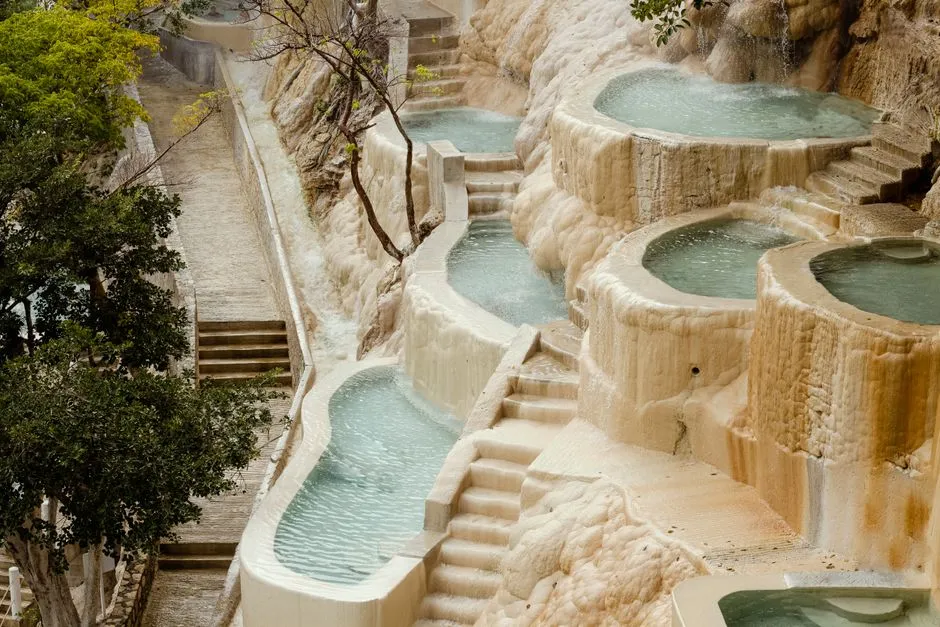
Wellness and relaxation have been ways of life in the Land of Enchantment for centuries. Pueblo, Navajo, Comanche, and Ute people took the healing mineral waters at Posipopi, known as the Green Springs, for generations before explorer Álvar Núñez Cabeza de Vaca called it Ojo Caliente. Taoseño Antonio Joseph began developing the lithia, arsenic, iron, and soda springs as a health resort in 1860. It would become one of the first spas in the country and a destination for many tuberculosis patients in the late 19th century.
Northern New Mexico’s high-desert landscape, elevation, and quality of light create conditions that are difficult to replicate elsewhere. At Ojo specifically, the combination of geothermal mineral water at Ojo Caliente or spring-fed thermal pools at Ojo Santa Fe, on-property trails, farm-rooted dining, and yoga produces an experience grounded in the place’s specific character.
Research on what is sometimes called attention restoration theory suggests that natural environments allow the directed attention we use for work and decision-making to recover. The mind is not doing nothing in nature. It is doing a different kind of work, one that replenishes rather than depletes.
What the High Desert Silence Does to the Mind
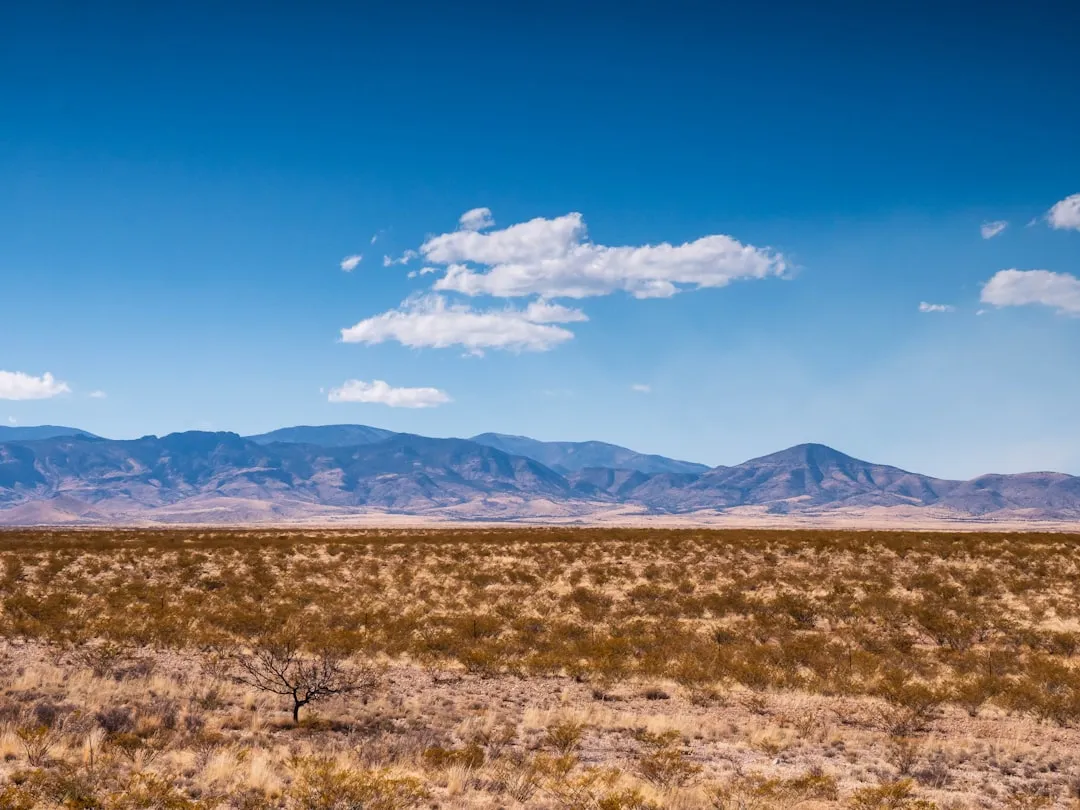
The high desert of Northern New Mexico has been drawing people seeking restoration for centuries. That pull isn’t marketing language. It shows up in archaeology, in Indigenous land use, in the choices made by artists, writers, and contemplatives who settled here over generations.
The high desert opens up in a way that feels almost overwhelming at first. The sky gets wider, the land flattens and stretches, and the silence feels physical. That physical silence is something researchers in restorative environments have consistently linked to measurable reductions in mental fatigue.
Research consistently links time spent in natural environments and thermal soaking to reduced cortisol levels, improved sleep quality, lower blood pressure, and reduced anxiety. The high desert provides that environment in a concentrated, almost unmatched form.
Protecting New Mexico’s Dark Skies: A Living Effort
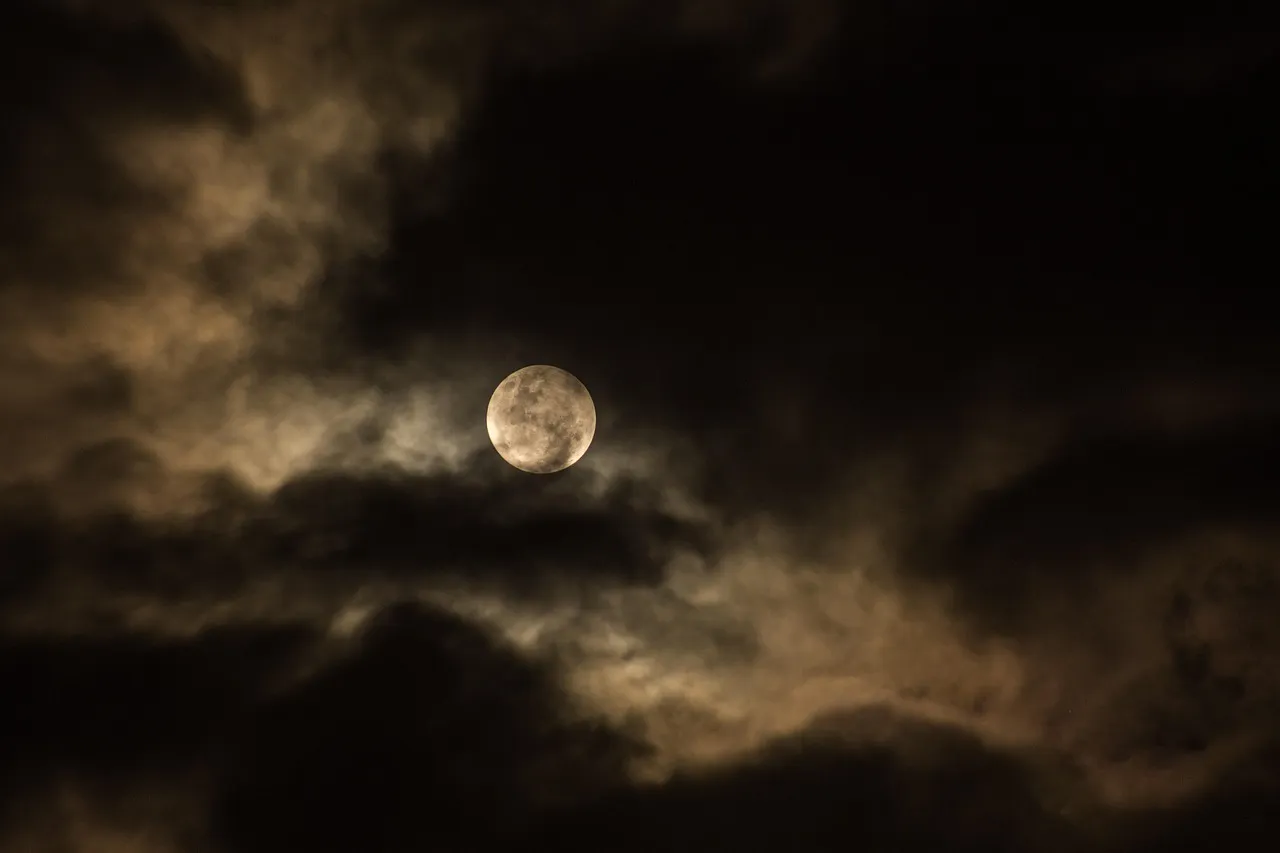
Astro-tourism fits in with the type of visitor New Mexico is trying to attract and the state’s desire to capture visitors for a longer period of time. When tourists come to see the stars, they will need to spend the night somewhere, and will often plan day trips around their stargazing experiences.
A proposed revision to dark sky protections was introduced in 2025 but didn’t pass, and advocacy for shielded lighting to preserve clear skies continues actively within the state. That advocacy matters. The darkness that makes New Mexico’s skies so extraordinary isn’t permanent without deliberate protection.
Eliminating light pollution does not mean turning all of the lights off. It can be achieved through responsible lighting that follows some basic principles: use only as much light as is needed, direct it only where it is needed, use it only when it is needed, and use redder light when possible. These are practical, achievable steps that communities across the state continue to take seriously.
Planning Your Visit: Practical Notes for the Responsible Traveler
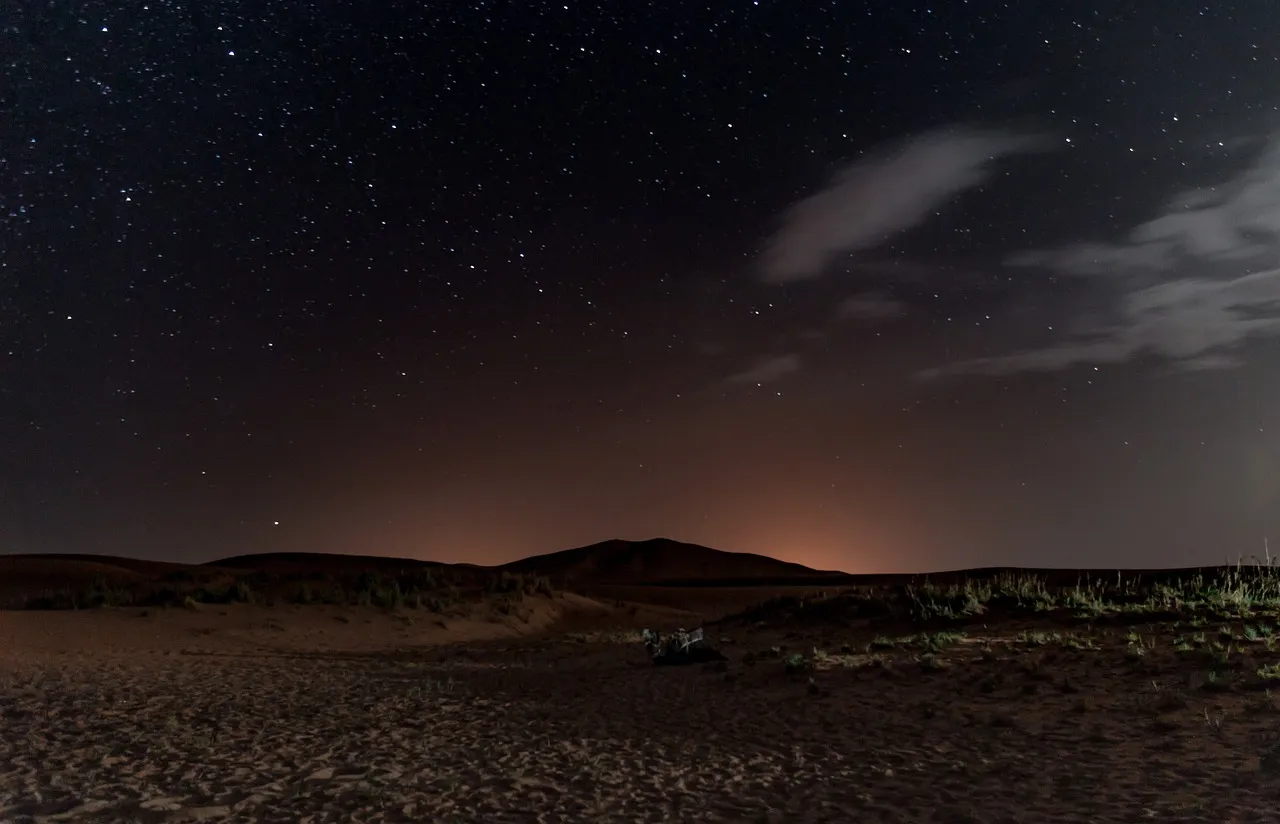
Nestled at the foot of the Sangre de Cristo Mountains, The Living Spa at El Monte Sagrado in Taos is focused on spa treatments that connect guests to the unique cultural landscape of Northern New Mexico, making use of indigenous plants, sacred stones, and other products inspired by the high desert. For those seeking a more immersive stay, this kind of grounded, place-specific experience pairs naturally with a stargazing trip.
The healing waters of the Jemez Springs area have been renowned for ages, and the Jemez Springs Bath House is one of the most historic places to take a soak – it was established in 1879. The waters have rejuvenating properties due to naturally occurring minerals such as iron, calcium, and sodium.
Timing matters for dark sky visits. Aim for the week around the new moon for the least interference from lunar light. Bring warm layers even in summer months, as desert temperatures drop sharply after sunset. At sites like the Cosmic Campground, a red-light flashlight is essential. White light ruins night vision for up to 30 minutes and disrupts the experience for everyone around you.
A Final Reflection
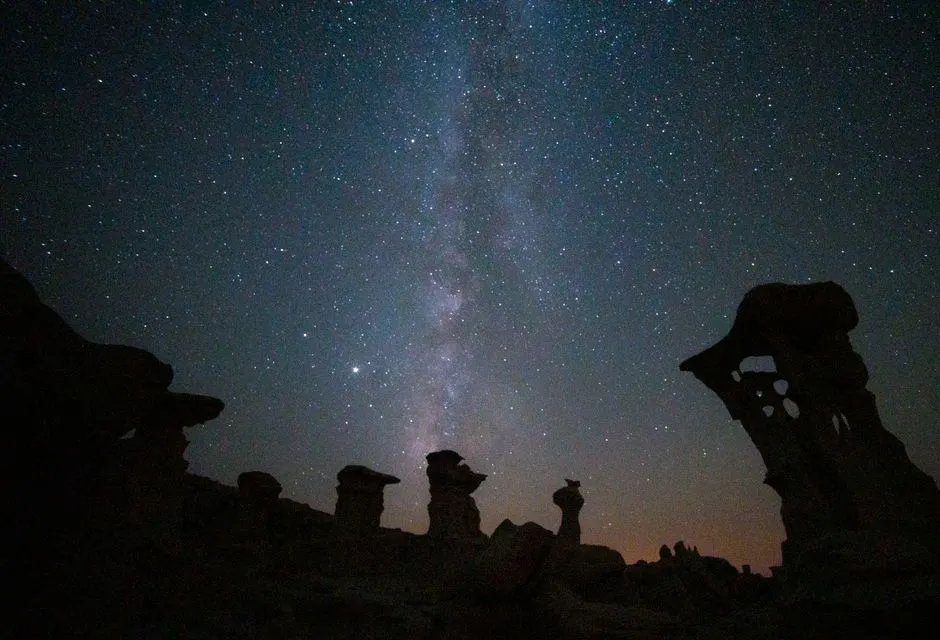
New Mexico’s high desert asks something of visitors that most destinations don’t. It asks for patience. The landscape doesn’t perform for you. The stars don’t rise on schedule. The silence doesn’t deepen on command. You have to arrive, slow down, and let the place do what it does on its own terms.
It is important to recognize that Chaco Canyon is the sacred ancestral homelands of the Ancient Puebloans and continues to have a history of profound importance to their living descendants. That respect extends across New Mexico’s high desert as a whole. Traveling here well means carrying that awareness with you.
The skies above this land have watched over human ceremony, wonder, grief, and joy for well over a thousand years. Standing under them at night, that continuity becomes something you feel rather than think about.
AI Disclaimer: This article was created with the assistance of AI tools and reviewed by a human editor.