
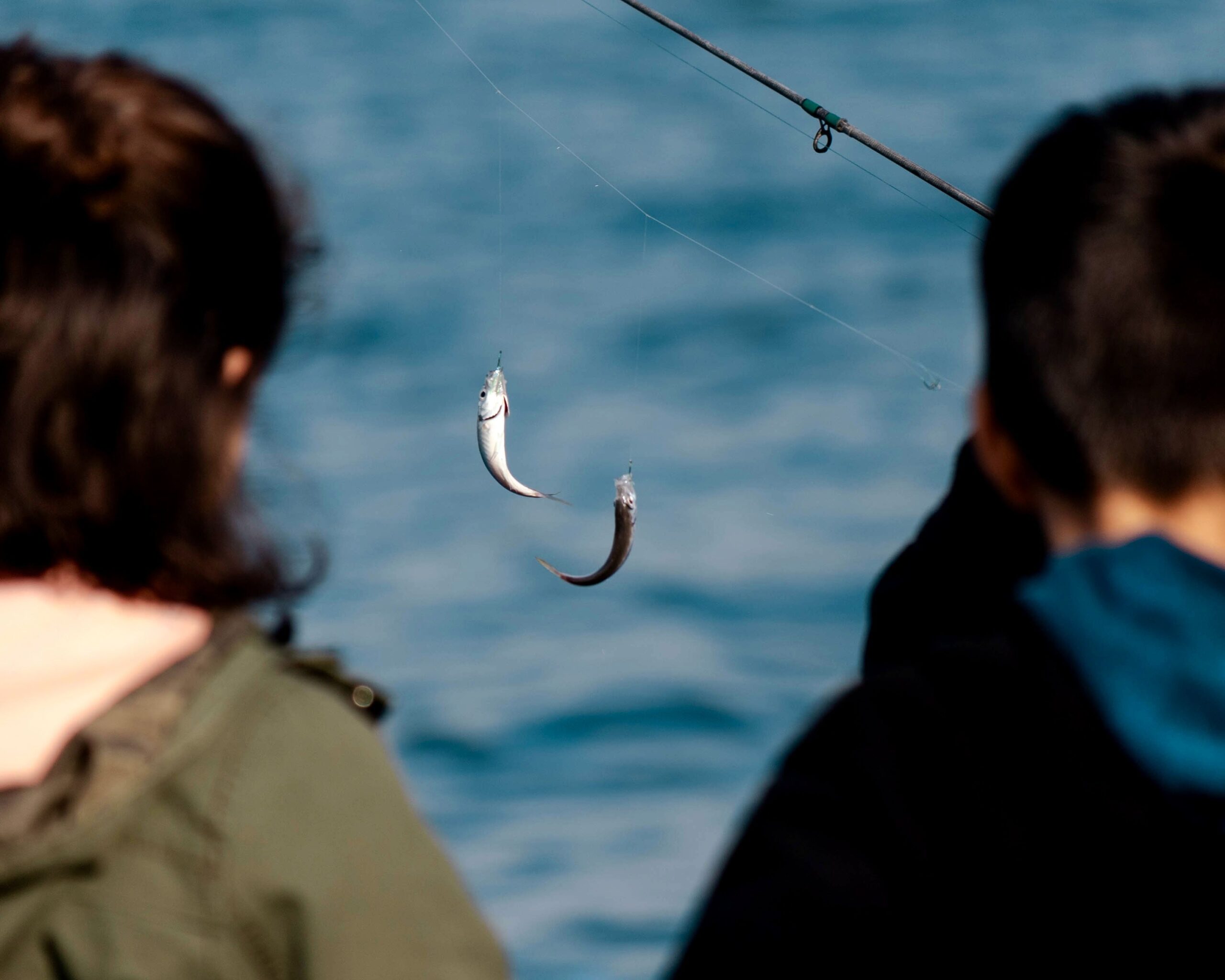
Most tourists book a fishing charter with a single goal: catch something worth photographing. What they don’t realize is that the hour they choose to be on the water matters more than almost any other decision they’ll make. Captains who run charters week after week know this well. They’ve watched guests snooze through the prime bite window and wonder why the cooler came back empty.
The gap between a productive trip and a quiet one is often just a matter of timing. Not luck. Not even skill. Timing. Here’s what experienced charter captains consistently point to when it comes to the hours most visitors simply miss.
The Golden Window That Sets the Tone for Everything
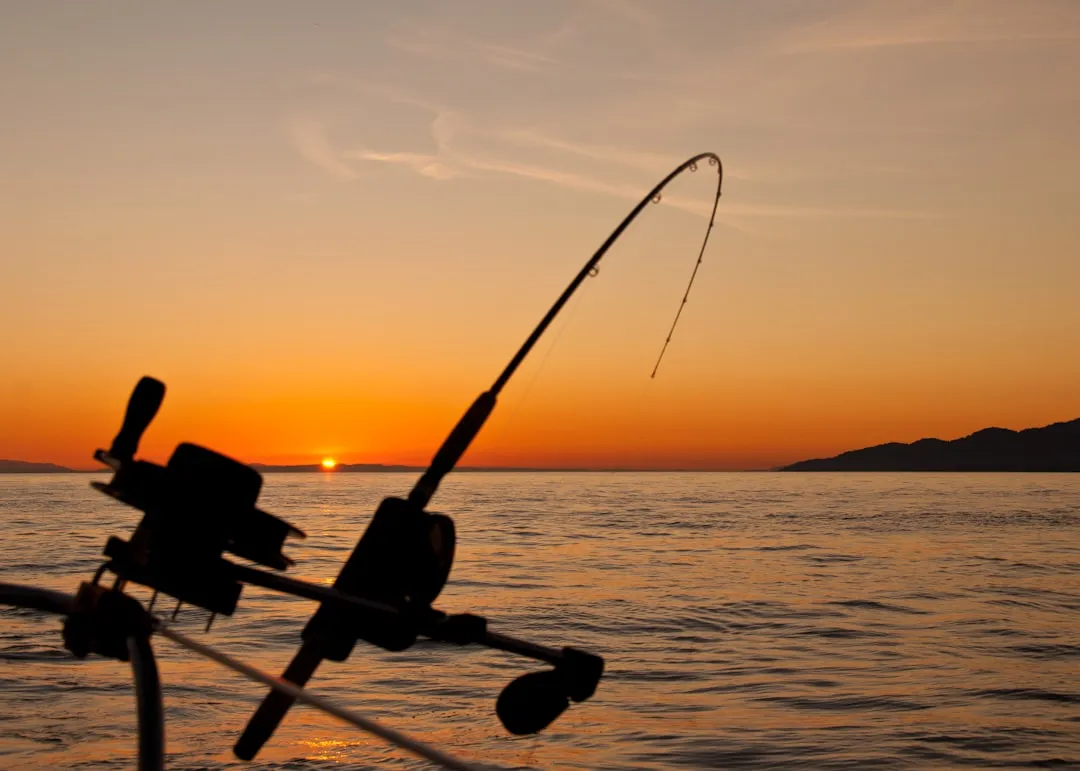
The hour after sunrise and the hour before sunset are consistently the best fishing windows across all species. Charter captains call these the “golden hours,” and they’ve built their entire departure schedules around them. Most tourists, however, book mid-morning slots that feel more comfortable after a hotel breakfast.
Early morning or late afternoon, known as the “golden hours” for anglers, often yield the best catches due to fish being more active during these times. The problem is that these windows are narrow. A typical productive window lasts only 60 to 90 minutes at dawn or dusk. Miss the first half hour, and you’ve already let a significant chunk of the best action go by.
Why Fish Are Genuinely More Active at Low Light
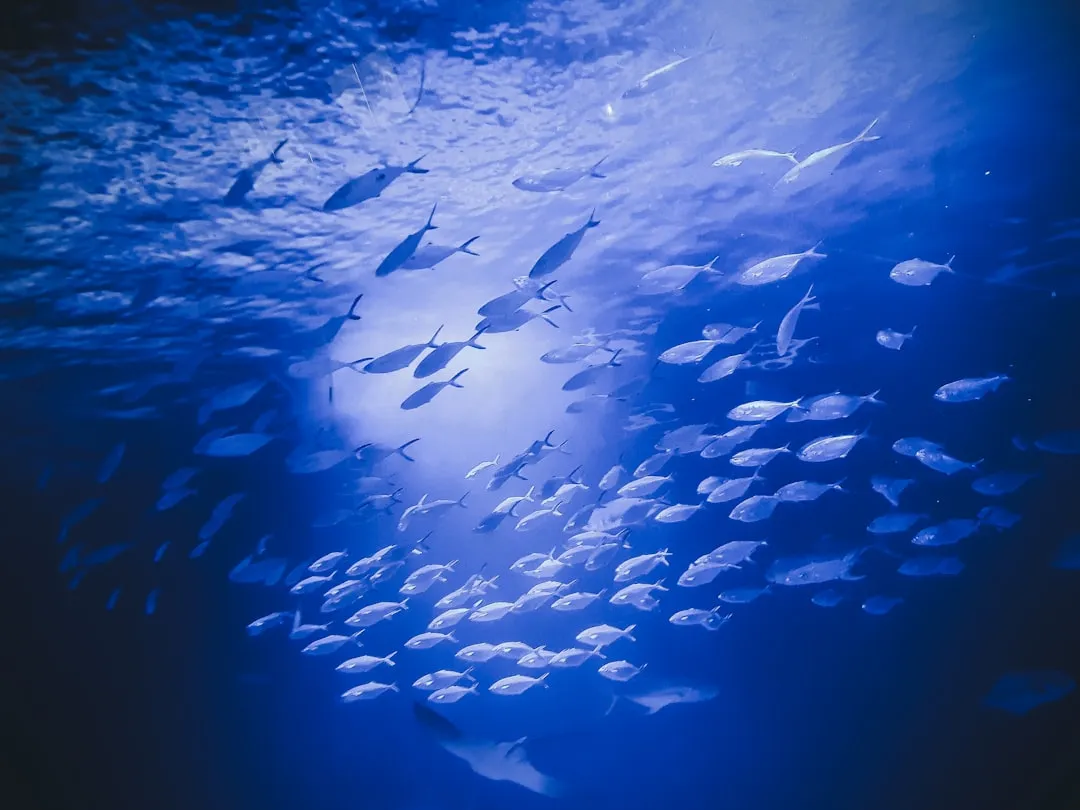
These rhythms are driven by both internal biological clocks and external environmental cues, and they are shaped by millions of years of evolutionary adaptation. Fish tend to be more active and feed more aggressively during these times because the environment is more favorable for both predator and prey species.
Bite rates during morning and evening windows are nearly three times higher than midday, and timing your trip around these periods can dramatically increase your success on the water. That’s not a marginal edge. That’s the difference between a memorable catch and an expensive boat ride.
The Midday Trap Most Tourists Walk Right Into
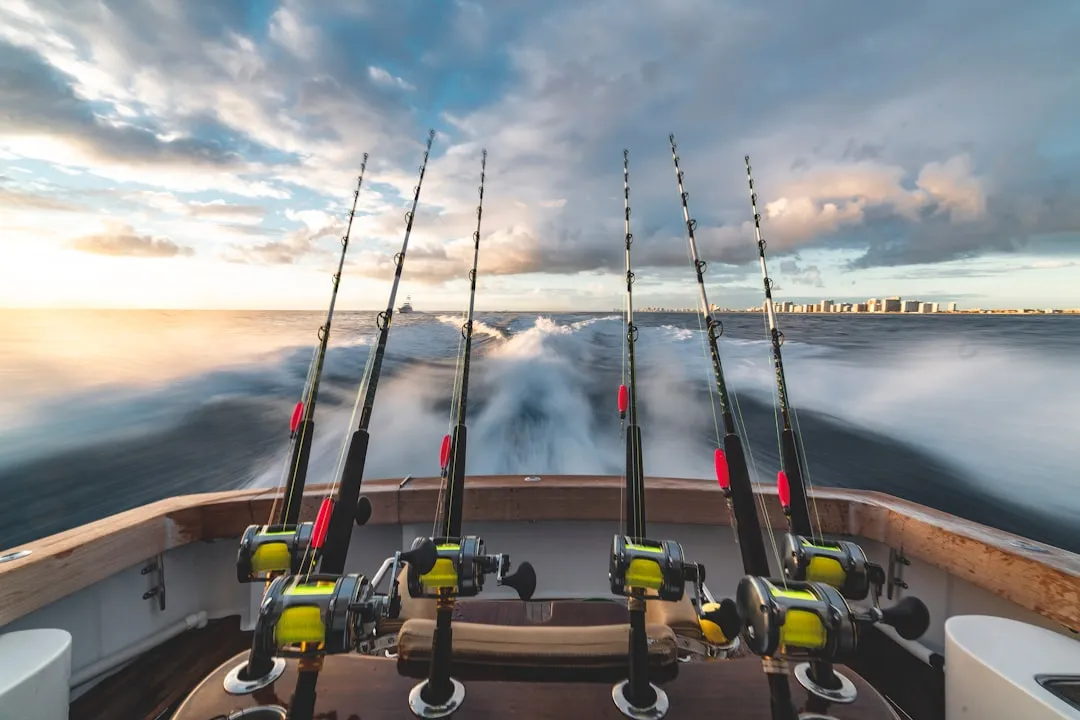
Midday is the weakest window in warm weather. On hot days, fish drop into deeper water and slow down. This is precisely the time when most late-rising tourists are just getting to the dock, sunscreen in hand, ready to fish. Charter captains know this window well, because they’ve seen it play out hundreds of times.
The golden rule is simple: if you can only fish for two hours, make it the first two hours after sunrise or the last two hours before sunset. This alone will double your catch rate compared to random midday fishing. Experienced captains say this is the single piece of advice they repeat most to first-timers, and the one that’s most often ignored.
How Tides Override the Clock in Saltwater
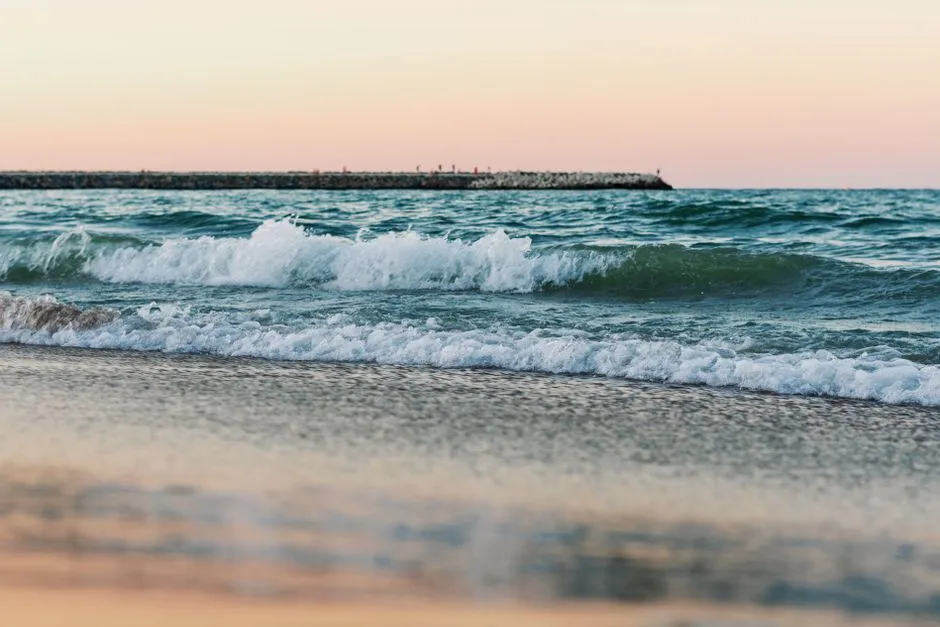
In saltwater, the tide beats the clock. An incoming tide pushes baitfish toward shore and gives you moving water. High tide opens flats and grass edges. Low tide packs fish into channels and makes them easier to find. This is why a captain who knows local tides intimately is worth every dollar of their charter fee.
The best days line up when a strong incoming tide meets early morning light. When those two forces align, the bite can be exceptional. When they don’t, even the best captain is working against the water. Tourists who book without checking the tide chart are essentially gambling with their morning.
Solunar Theory: Old Idea, Real-World Relevance
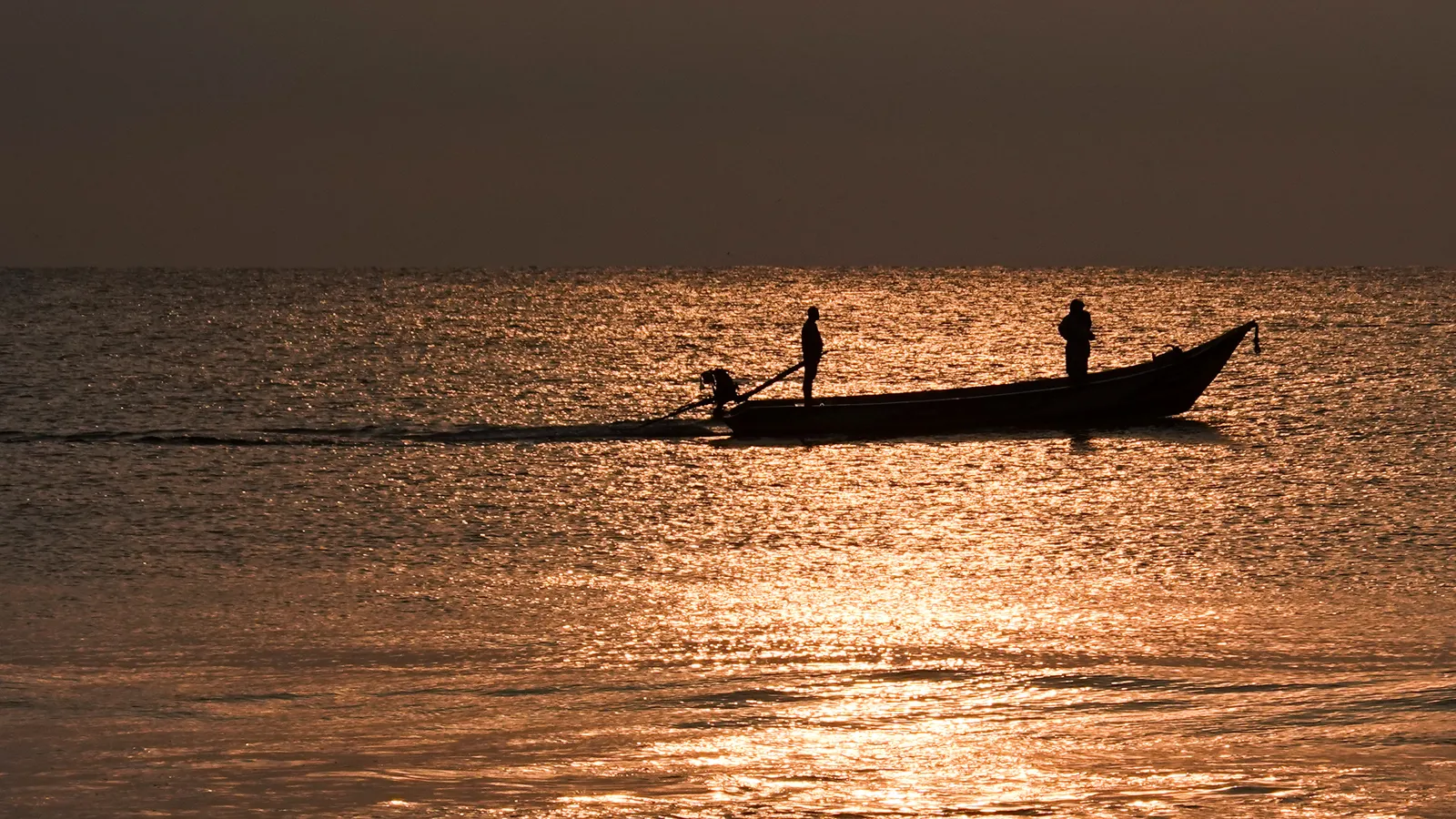
The solunar theory was formally developed by outdoor writer John Alden Knight in 1926. Knight’s core argument was that the combined gravitational forces of the moon and sun influence the feeding behavior of fish and wildlife through predictable daily and monthly cycles. What started as a fisherman’s framework has held up well enough that serious charter captains still consult it today.
Each day there are generally four solunar periods: two “major periods” and two shorter “minor periods.” When these periods overlap with sunrise or sunset, it’s considered the best time to fish since it coincides with increased light transition, which can also trigger increased fish activity. Stacking solunar timing on top of a natural low-light window is exactly what captains mean when they talk about “stacking conditions.”
How Barometric Pressure Shapes the Bite Window
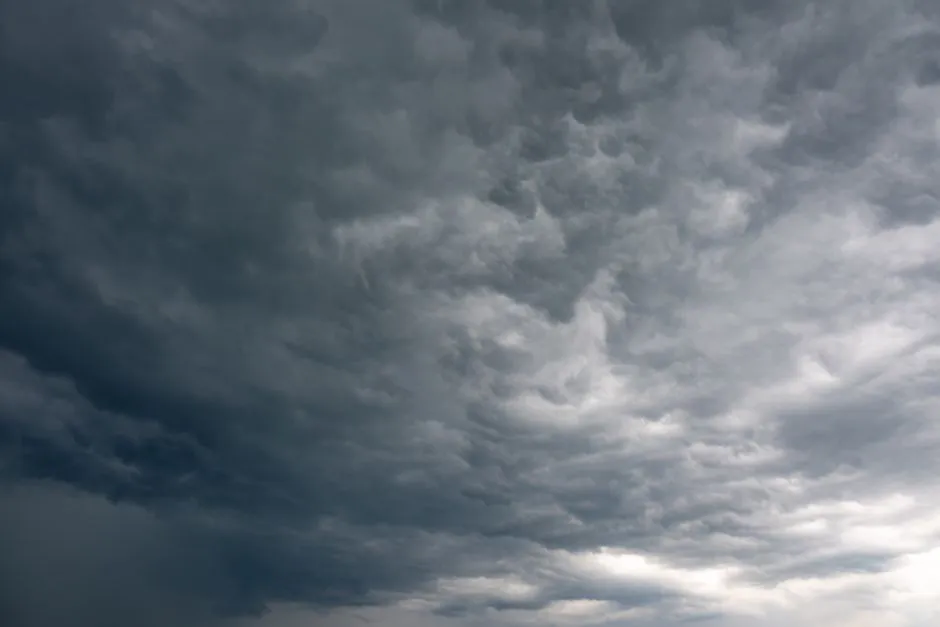
Overcast days and the hours before a storm are among the best fishing conditions. Sunny, stable, high-pressure conditions are generally the slowest. A falling barometer triggers aggressive feeding. Tourists who cancel their trip at the first sign of clouds may be walking away from some of the best fishing of the season.
Fish feed hard when barometric pressure falls ahead of a storm. Fish the front as it rolls in, not the morning after it clears. Most casual anglers do exactly the opposite. They wait for fair weather, not realizing the feeding frenzy already happened the day before.
Why Cloud Cover Is a Charter Captain’s Best Friend
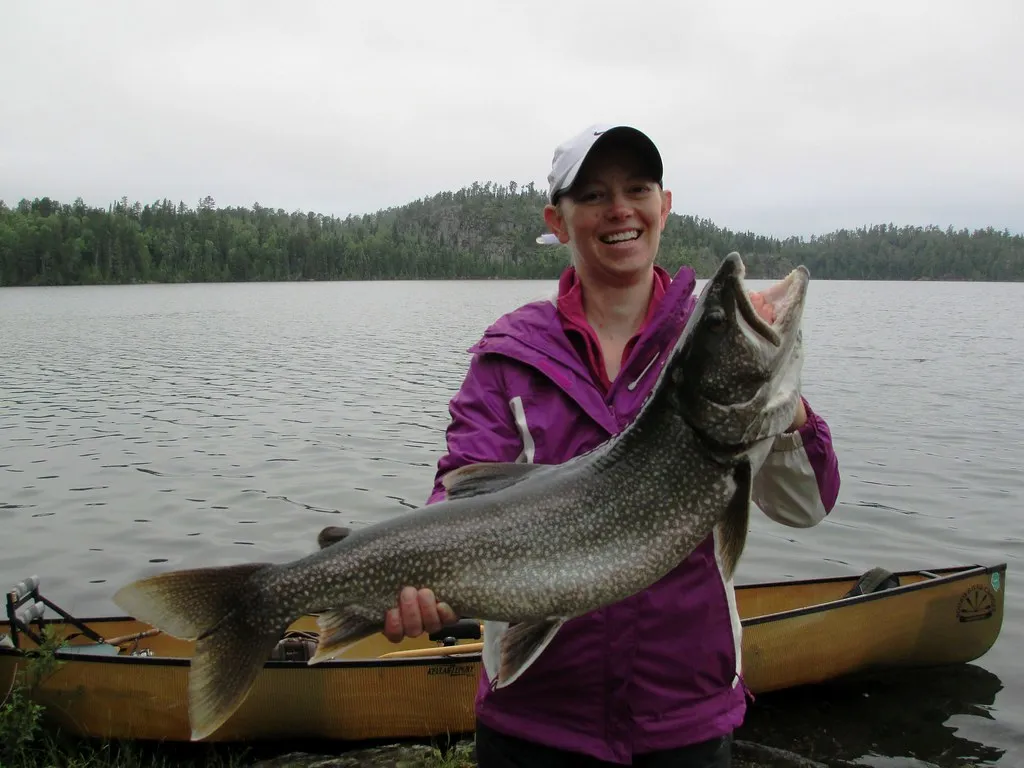
Cloud cover helps at any hour. Low light stretches the morning bite well past its normal cutoff, which is why a cloudy day often produces excellent fishing from sunrise to lunch. Charter captains who work regularly in overcast conditions often describe these as their most productive days, even when tourists on board seem skeptical.
On clear blue-sky days, that precious early window closes faster. The moment direct sun hits the water at full intensity, most species push deeper or go quiet. An overcast sky essentially gives you a bonus hour, sometimes two, of that productive low-light feeding behavior.
Season Changes Everything About What “Early” Actually Means
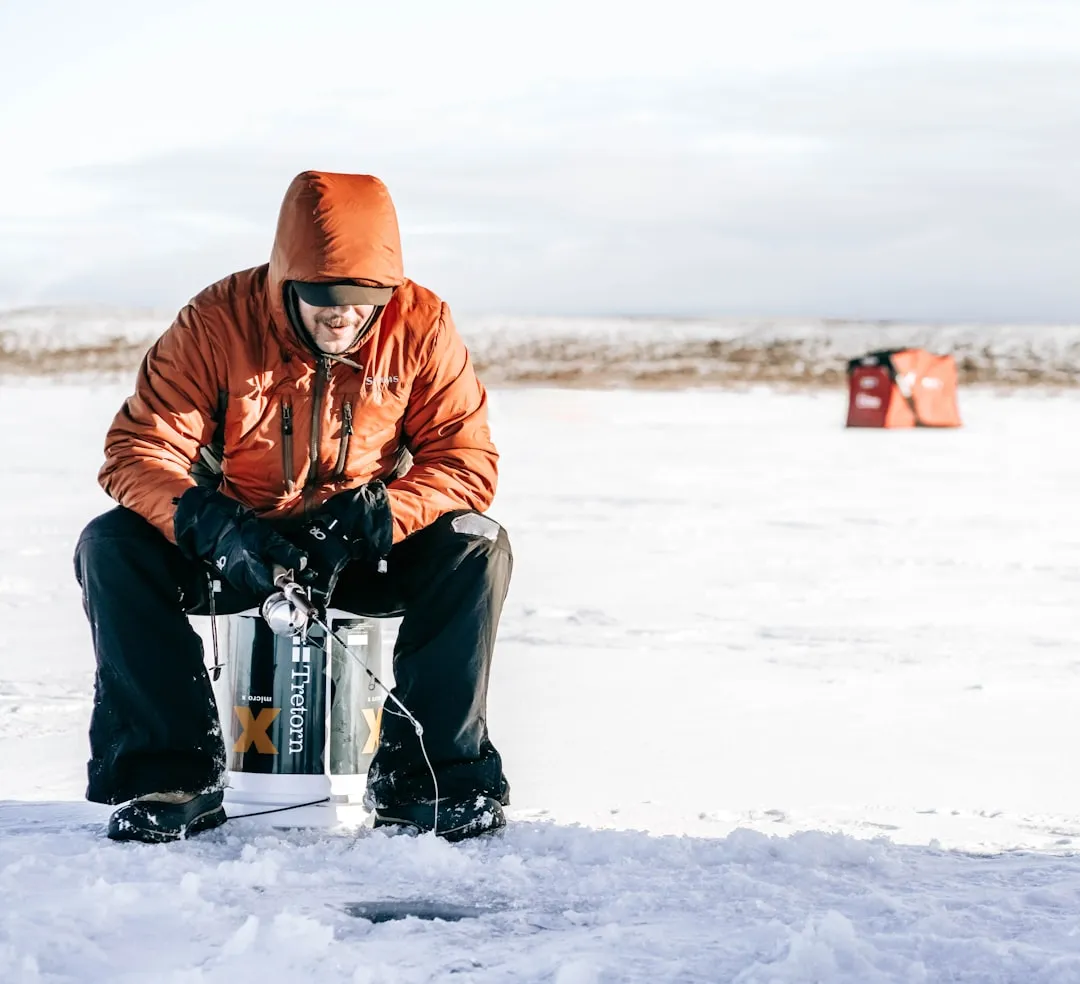
In spring and fall, mornings and afternoons are the best times. Summer is similar, with early morning hours and nights offering the best action. During winter, however, the best time to fish is midday despite it being the brightest part of the day.
Winter flips the script entirely. The best window is typically from around mid-morning to early afternoon, when the sun has had time to warm the water to its daily peak. Bass are cold-blooded, and their metabolism slows dramatically in cold water. Tourists who book the same early morning slot in January that worked in July are misreading the season. A good captain will tell you upfront. Not everyone listens.
What Happens When the Captain Wakes Up Before 4 AM
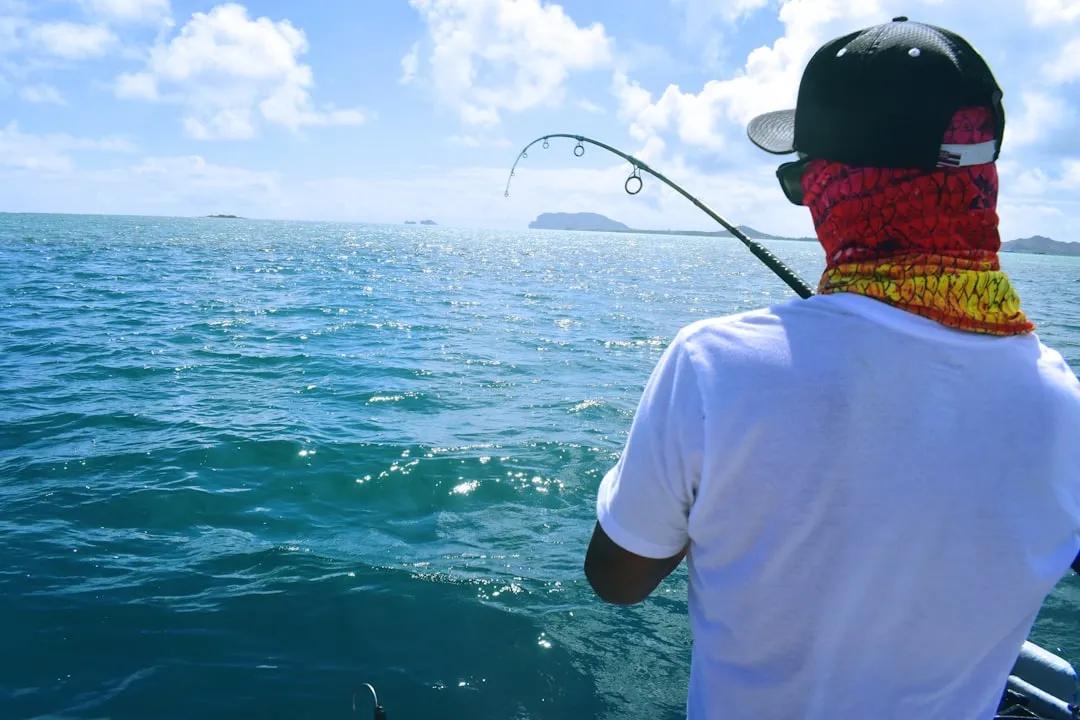
For an early morning trip, a captain will be up and running, most likely before 4 AM, to guarantee everything is ready for your arrival. During the trip, they’ll operate the boat, locate the fish, and help you land your dream catch. The preparation that goes into an early charter departure is significant. Captains are checking conditions, rigging gear, and studying tides long before guests roll up to the dock.
Timing is a critical element in the success of fishing charters, with the season and time of day playing pivotal roles in determining the abundance and types of fish you can expect to encounter. Each species has its peak season, influenced by migration patterns, spawning cycles, and water temperatures. Captains factor all of this in before they ever leave the slip. The guest who shows up on time, trusts the captain’s plan, and has already eaten breakfast at home is the one who gets the most out of the trip.
The Single Shift That Changes Everything for Charter Guests
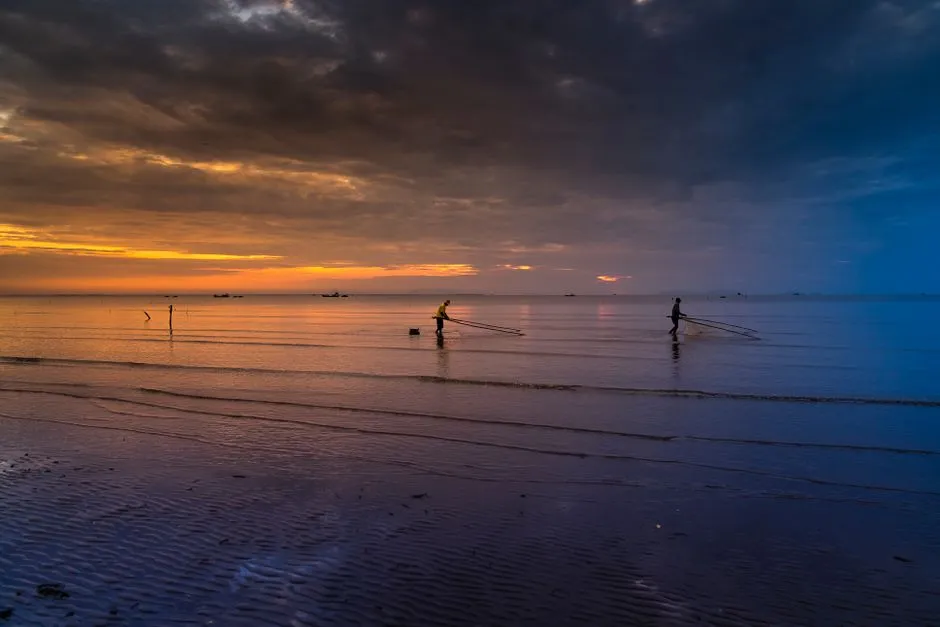
The adjustment isn’t complicated. Book the earliest departure available. Resist the urge to sleep in. The chain of cause and effect at the heart of successful fishing is why serious anglers track lunar cycles alongside tide charts and weather forecasts. The relationship between moon position, tidal forces, and fish feeding behavior has been observed by working captains for generations.
Seasoned captains excel in navigating these waters, steering you away from overcrowded areas to secluded spots teeming with fish. Their value lies in knowing not just where to go, but when. Trust the departure time they’ve scheduled. It’s rarely random. There’s almost always a tide, a solunar window, or a low-light window behind that early alarm clock.
The Takeaway
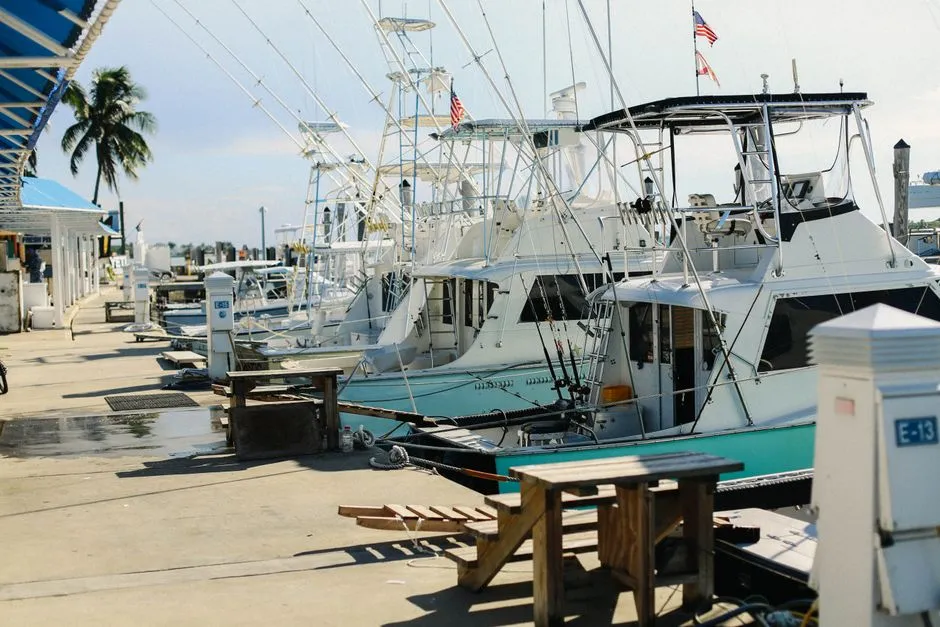
Fishing charters are one of those experiences where preparation, not patience, separates a good outcome from a great one. The hour matters enormously, and the captains who run these trips every week know it better than anyone. The relationship between moon position, tidal forces, and fish feeding behavior has been observed by working captains for generations, and learning to read it does not guarantee a box full of fish, but it does put you on the water at the right time, in the right place, with a better-informed plan.
Set the alarm. Get to the dock early. Let the captain do what they know. The fish won’t wait, and neither will the tide.
AI Disclaimer: This article was created with the assistance of AI tools and reviewed by a human editor.