

There’s a certain rhythm to how seasoned travelers settle into a flight. Before the seatbelt sign even turns off, they’ve already arranged their small necessities within arm’s reach. That seatback pocket, cramped and often overlooked, becomes a carefully curated station for the next few hours.
What goes in there matters more than most people think. The right handful of items can mean the difference between arriving refreshed and ready, or landing stiff, parched, and slightly worse for wear. Here’s what experienced frequent flyers actually keep close.
1. Hand Sanitizer: A Non-Negotiable First Line of Defense
Research has found that the seatback pocket may actually be germier than the airplane’s toilet handle. MRSA, the antibiotic-resistant bacterium, lived on the cloth material of a seatback pocket for a full week, longer than it survived on any other surface tested in the aircraft.
Studies have also confirmed that seatback pockets test positive for aerobic bacteria, mold, coliforms, and E. coli. Knowing this, frequent flyers treat hand sanitizer as a carry-on essential with zero exceptions.
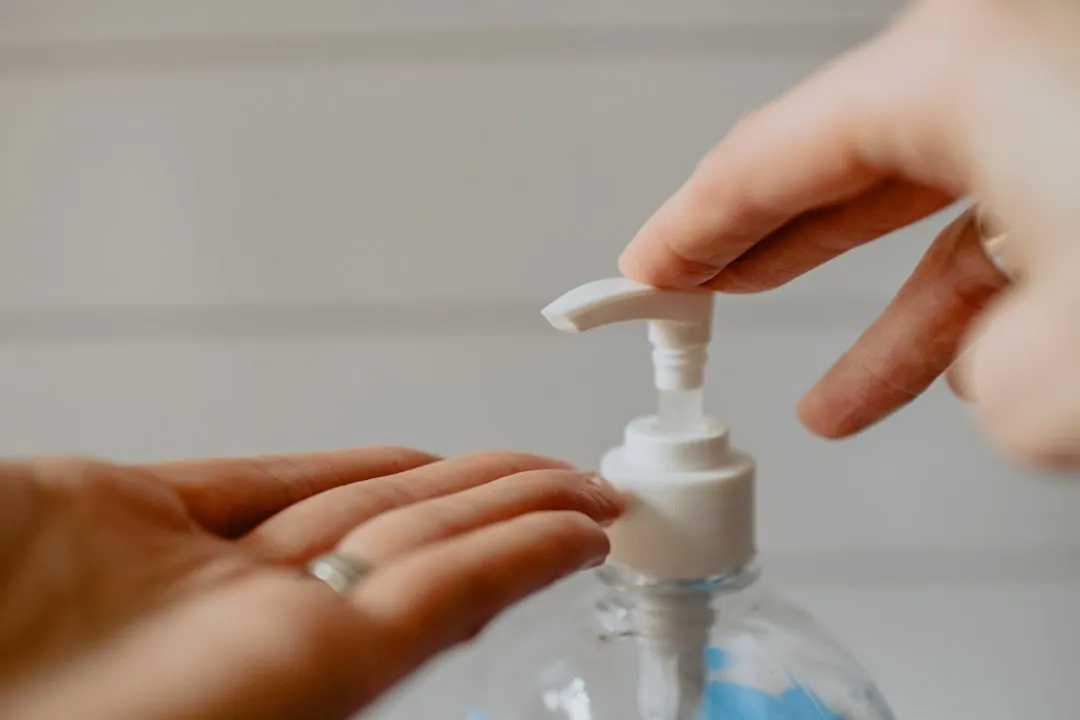
If you don’t already carry hand sanitizer, it’s worth making a habit of it. A compact spray bottle in one fluid ounce fits easily into any pocket or small bag. A formula that contains around 70% alcohol is effective at killing germs while still being gentle enough not to dry out your skin.
2. Disinfecting Wipes: Cleaning What You Can’t Avoid Touching
On planes with quick turnarounds, cleaning crews may not even have time to empty out seat pockets, let alone disinfect the cloth. One Auburn University study in Alabama confirmed that MRSA germs survive for up to seven days on seat pocket cloth, the longest it survives on any hard or soft surface tested.
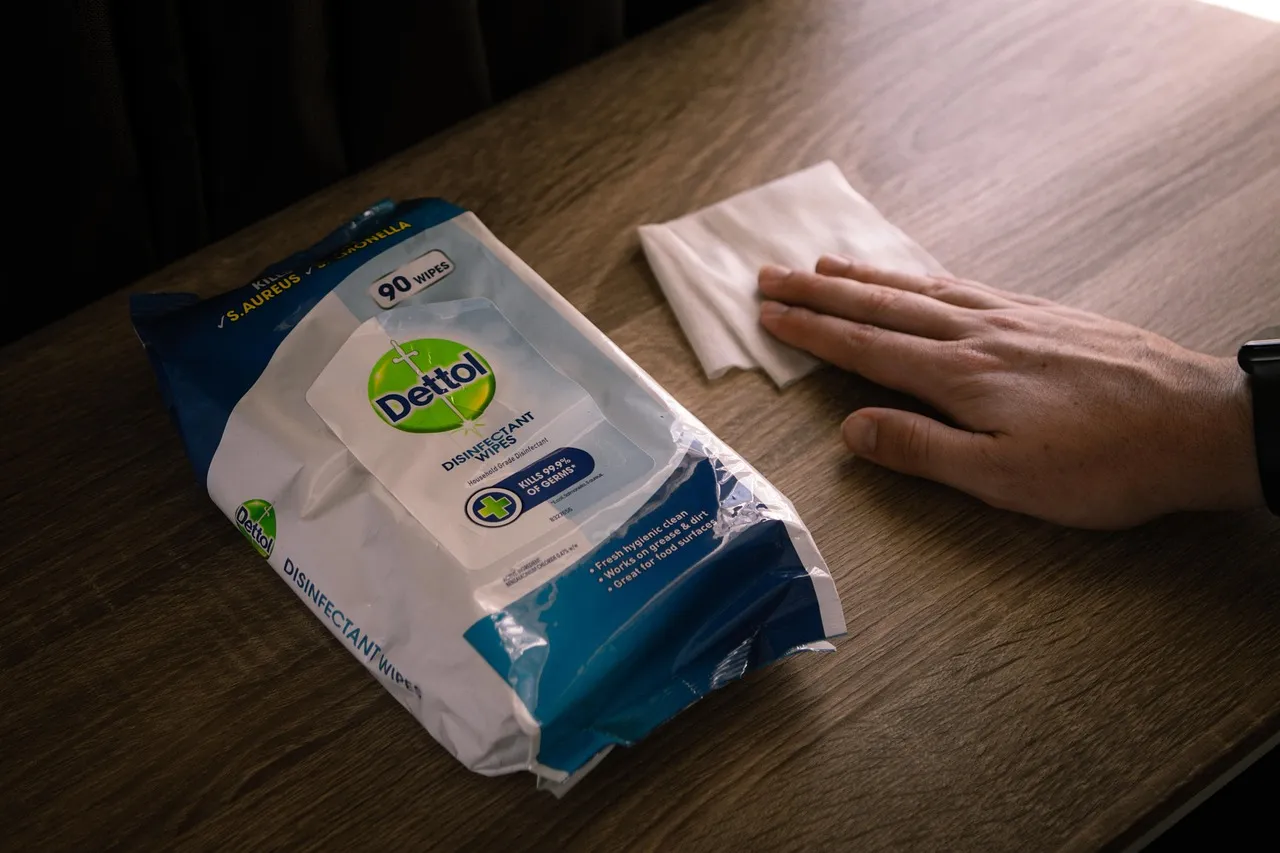
Wiping down your seat area when you board is perfectly reasonable. Frequent flyers do it without hesitation and carry a small travel-size hand sanitizer alongside their wipes.
Simple hygiene practices, including wiping down surfaces with sanitizer and using hand sanitizer after touching high-contact areas, are the most effective defense against bacterial exposure in a cabin environment, according to researchers at Emory University’s Rollins School of Public Health.
3. Lip Balm and Moisturizer: Defending Against the Desert-Dry Cabin
Airplane cabins typically maintain humidity levels as low as 5% in premium cabins and around 12% in economy, far below the comfortable 30 to 60% range people experience on the ground. This dry environment accelerates moisture loss from your skin, leading to dehydration, flakiness, and irritation.
Research published in Skin Research and Technology found that relative humidity inside aircraft cabins dropped below 10% within just two hours after takeoff and stayed at that level for the remainder of the flight. Lips and skin feel it first.
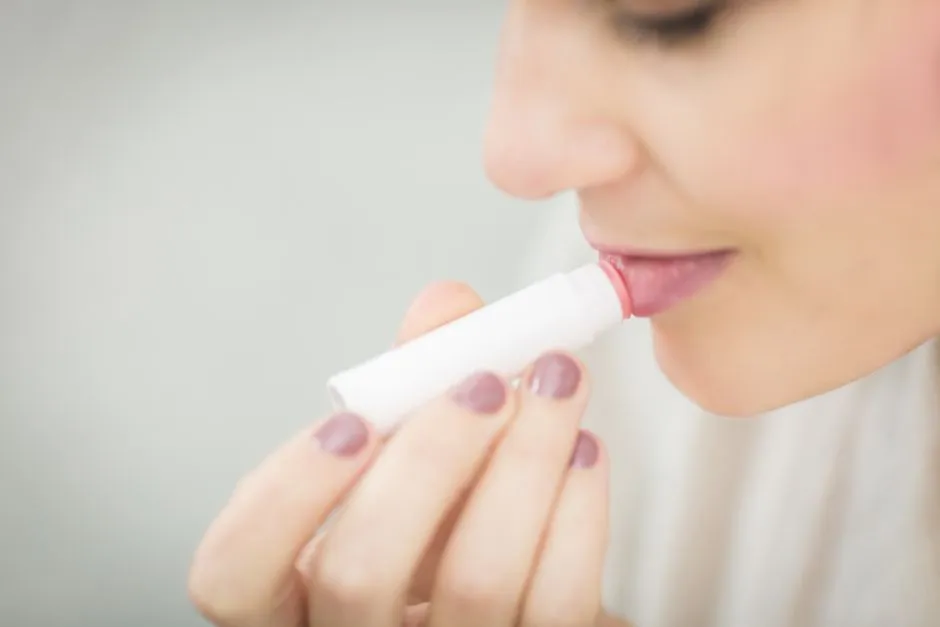
Low humidity makes moisture evaporate faster from your skin, eyes, and throat, which explains the dryness that sets in soon after takeoff. A small tube of moisturizer and a lip balm tucked into the seatback pocket means they’re easy to reach without rummaging through overhead luggage mid-flight.
4. A Reusable Water Bottle or Hydration Aid: Drinking More Than You Think You Need
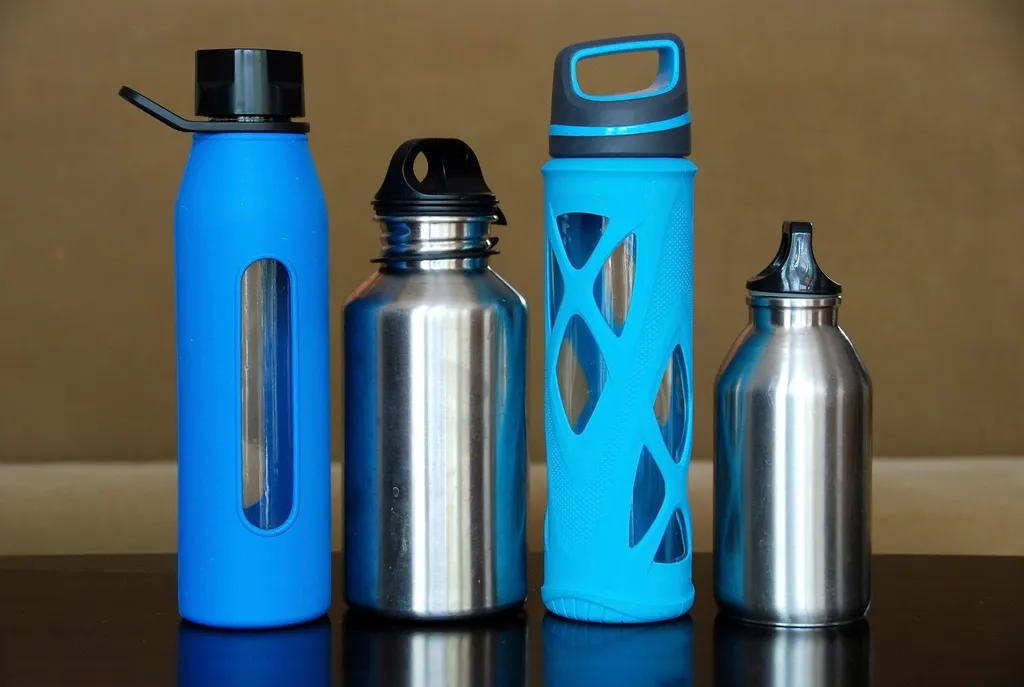
On a ten-hour flight, a passenger may lose up to one and a half to two liters of water through breathing alone, before accounting for any bathroom visits or sweating. Most people are unaware of how significant this fluid loss actually is.
Sitting on a plane causes dehydration, which can lead to headaches and increased stress. Bringing your own drinks on board is a straightforward way to stay ahead of it.
Packing an empty water bottle in your carry-on that you can refill after going through security is one of the most practical moves you can make. It means you’re not depending on those tiny servings from the beverage cart to get through a multi-hour flight. A collapsible or slim bottle slips easily into the seatback pocket for instant access throughout the journey.
5. Earplugs or Noise-Reducing Earbuds: Protecting Your Rest and Focus
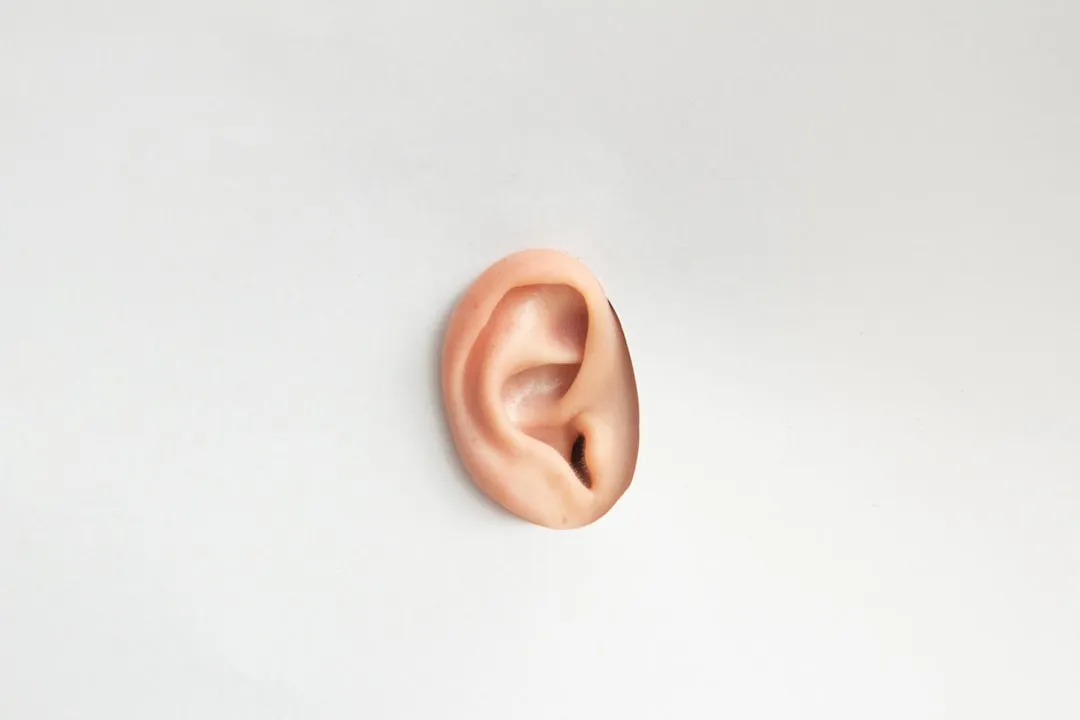
Cabin noise is a quieter stressor than most travelers acknowledge. Aircraft engine hum typically sits between 75 and 85 decibels, roughly the level of a busy city street, and sustained exposure over several hours contributes to fatigue. Earplugs are a simple, lightweight solution that experienced travelers reach for almost automatically.
Seasoned frequent flyers consistently list earplugs among their most-used travel items, alongside portable chargers and compact travel kits. The seatback pocket is the logical place for them since you’ll want them available before the flight reaches cruising altitude, not buried at the bottom of a bag in the overhead bin.
Airlines themselves recognize the value of this, with business class amenity kits across major carriers consistently including earplugs alongside eye masks and oral hygiene essentials as standard comfort items. For those in economy, bringing your own is just as effective and costs almost nothing.
A Note on the Pocket Itself
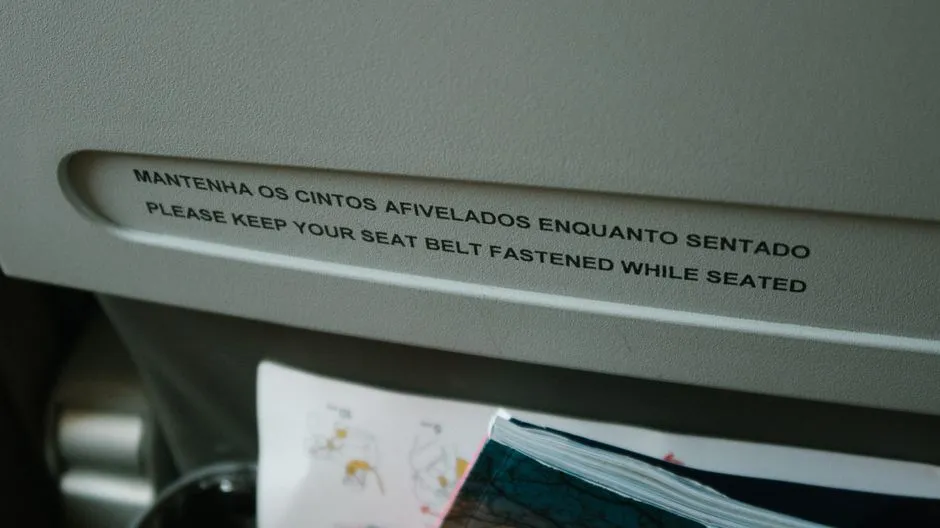
Given the hygiene research, frequent flyers tend to use the seatback pocket strategically rather than casually. Seatback pockets are sometimes treated by other passengers as personal trash cans, with people stashing used tissues, chewed gum, and other waste inside. Knowing this changes how you interact with it.
Travel organizers designed to sit over the airplane seatback or tray table have become popular among frequent flyers who want to stay organized while maintaining hygiene during flights. These pouches keep gadgets, snacks, and personal items within easy reach without ever needing to reach into the built-in pocket itself.
The smarter move is to keep your essentials in a small pouch inside your bag, then place that pouch into the seatback pocket. Stashing your in-flight necessities in a removable inner pouch means you can store the pouch in the seatback pocket for easy access without your items ever coming into direct contact with the cloth surface.
The Bigger Picture: Why Small Habits Matter on Long Flights
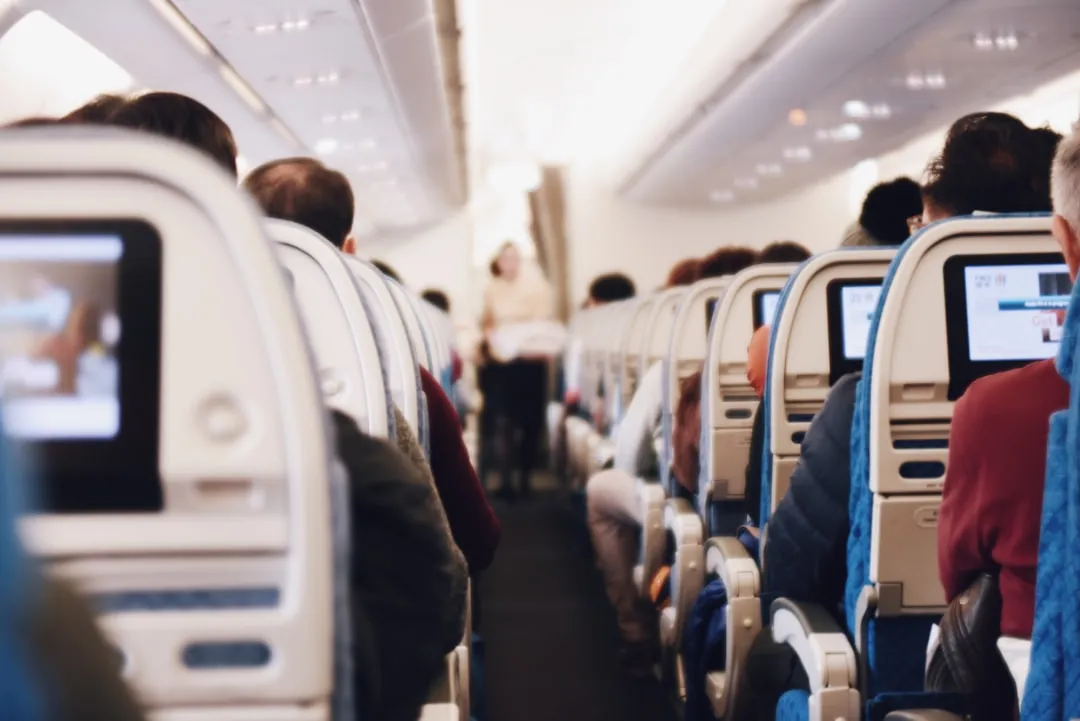
Frequent flyers understand something that occasional travelers often learn the hard way. A long flight is a mildly hostile environment for the human body. The cabin microclimate consists of dry, recirculated, cool air maintained at lower pressure than sea level, and prolonged exposure to this environment, combined with extended periods of sitting still, can trigger distinct and detrimental physical reactions.
Lower humidity in the air leads to quicker dehydration and can dry out nasal passages, making travelers more susceptible to catching airborne viruses such as the common cold. The items in your seatback pocket directly address the most common of these vulnerabilities.
None of these items are elaborate or expensive. They’re compact, practical, and based on a clear understanding of what the flying environment actually does to the body. That’s the real lesson from experienced travelers: comfort in the air isn’t about luxury. It’s about preparation.
AI Disclaimer: This article was created with the assistance of AI tools and reviewed by a human editor.