
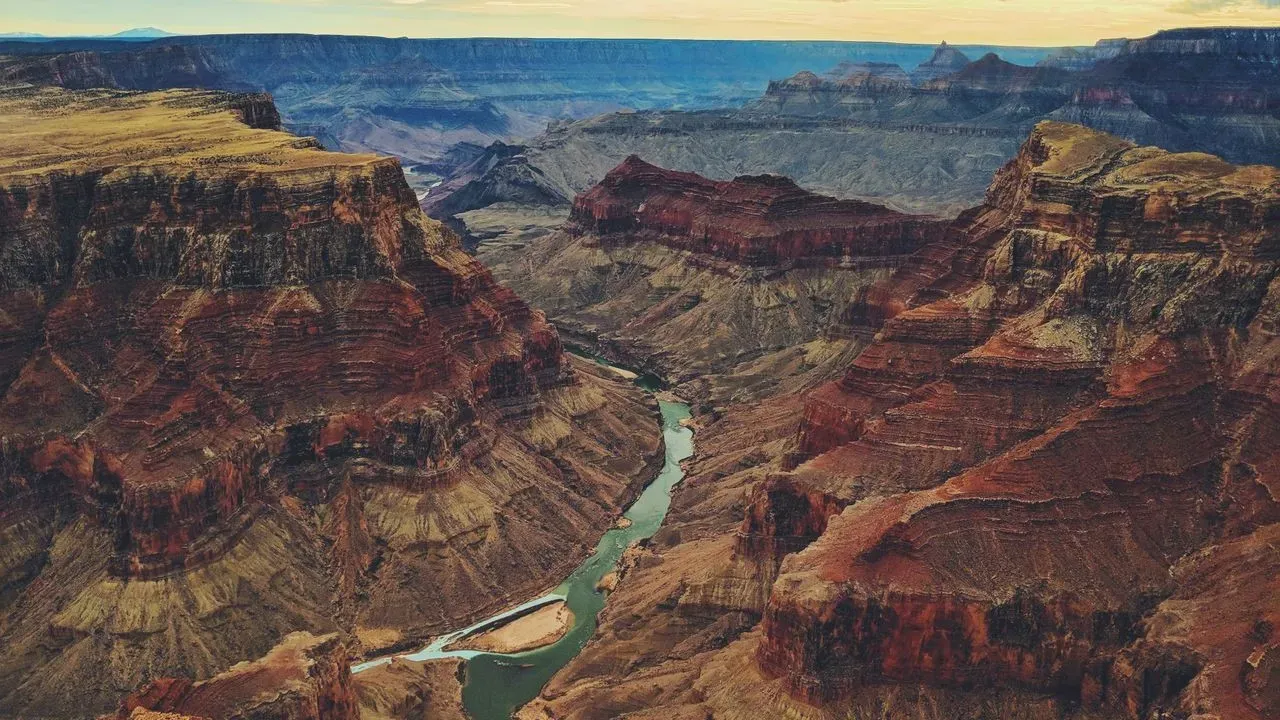

Grand Canyon National Park experienced sudden flash flooding that prompted immediate evacuations and launched coordinated search-and-rescue operations across affected areas. The event unfolded rapidly in a landscape long known for its dramatic weather shifts, reminding visitors that even well-prepared trips require attention to changing conditions. Reports from the scene highlight the swift response by park authorities and emergency teams working to ensure public safety. ([1])
What Happened During the Recent Flooding
Heavy rainfall upstream funneled water into narrow canyons and side drainages, producing powerful surges that moved through popular hiking corridors and river-adjacent zones. Park officials acted quickly to move people out of harm’s way, closing certain trails and access points while search teams began systematic checks of the affected terrain. The response reflected standard protocols developed over years of managing sudden water events in this arid yet monsoon-influenced region.
Evacuations focused on both day-use visitors and overnight campers who found themselves in low-lying areas. Communication through ranger stations, trailhead signs, and digital alerts helped direct people to higher ground and designated safe zones. Operations continued into subsequent hours as teams assessed damage to infrastructure and confirmed that all accessible areas had been cleared.
Why Flash Floods Develop in This Landscape
The Grand Canyon’s geology channels water with remarkable speed once rain begins. Steep walls and slickrock surfaces allow runoff to gather momentum in minutes, turning normally dry washes into forceful streams. Summer monsoon patterns often deliver intense, localized downpours that can strike miles away from the actual storm cell, catching travelers by surprise.
Park scientists and hydrologists have long studied these dynamics to improve forecasting and warning systems. The same features that create the canyon’s breathtaking vistas also concentrate water flow, making awareness of weather forecasts and trail conditions an essential part of any visit. Rangers routinely emphasize checking updated advisories before setting out on hikes or river excursions.
Practical Steps for Responsible Visitors
Travelers planning trips to the park can reduce risk by monitoring National Weather Service alerts and park service updates in the days leading up to their arrival. Flexible itineraries that allow for route changes or indoor alternatives prove valuable when conditions shift. Carrying extra water, knowing escape routes to higher ground, and traveling with companions who share safety awareness further support preparedness.
Respect for temporary closures and ranger guidance protects both individuals and the broader community of visitors and staff. Many travelers find that adjusting plans around weather actually deepens their appreciation for the canyon’s dynamic environment. Local outfitters and visitor centers offer current briefings that help guests make informed choices while supporting the park’s conservation mission.
These events underscore the value of traveling with humility toward natural forces that shape one of the country’s most iconic landscapes. By staying informed and adaptable, visitors continue to experience the Grand Canyon’s profound beauty while contributing to a culture of safety and stewardship that benefits everyone who comes after them.
AI Disclaimer: This article was created with the assistance of AI tools and reviewed by a human editor.